Inspiration
Cooking at home is supposed to feel warm, creative, and grounding, but the reality for most people is chaotic: dozens of open tabs, screenshots of recipes, timers on another device, and music competing with whatever your smart speaker thinks you said. We wanted to build something that respects how people actually cook: with one messy kitchen, limited time, and a phone that’s always nearby. CookIRL is our attempt to turn “internet recipes” into calm, guided, real-life cooking sessions, from the moment you import a recipe to the moment you sit down to eat.
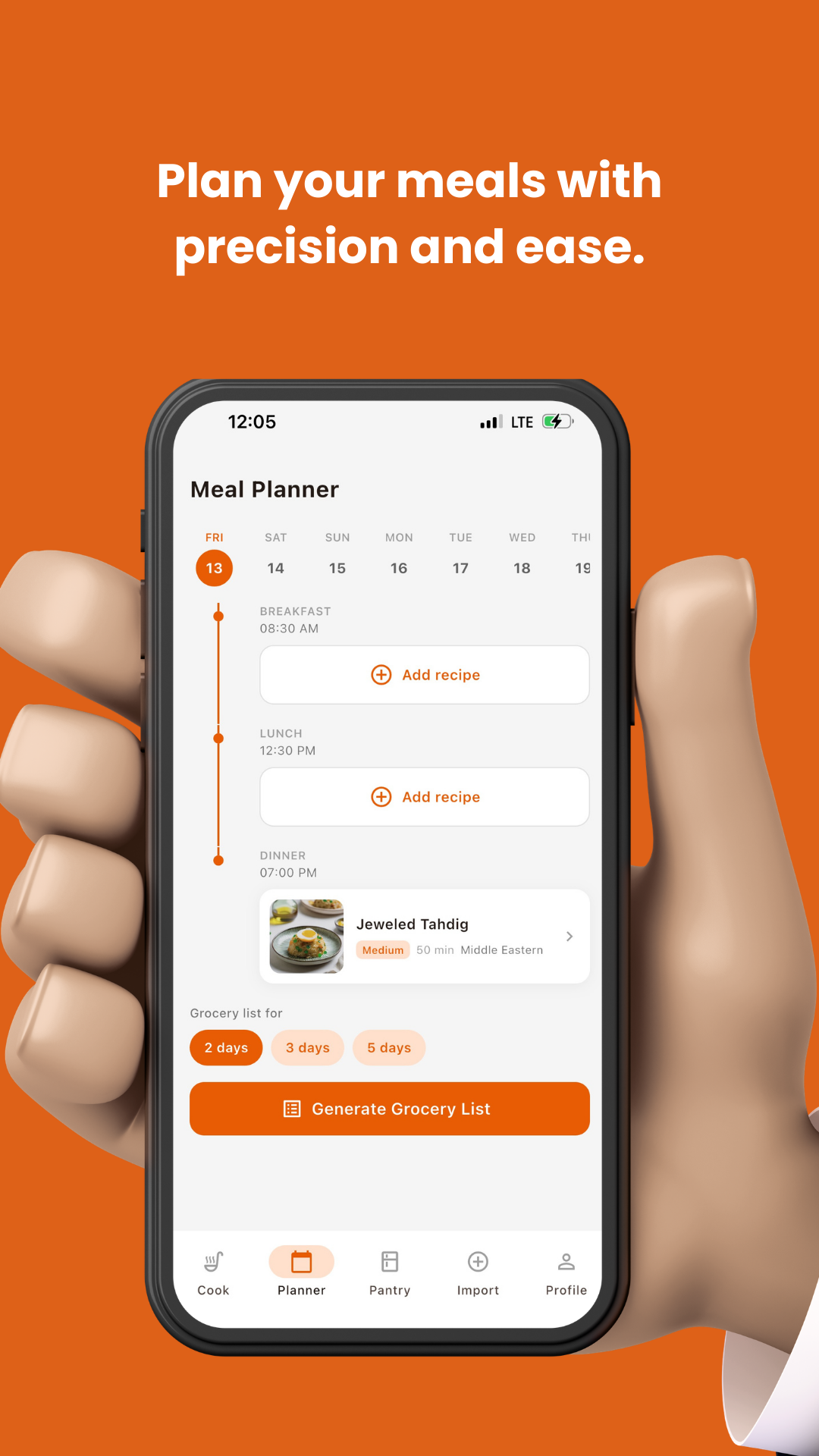
We were especially inspired by watching how fans follow specific creators and chefs. They don’t just want static recipes – they want someone in their ear, pacing them through the chaos of a weeknight, plus tools that actually fit around their life: seamless recipe imports, smart collections, and simple planners that answer “what should we cook this week?” instead of just “what could we cook?”. Voice AI has finally reached a point where it can do that well, so we set out to build a voice-first cooking companion and planning toolkit that feels purpose-built for the kitchen, not a generic assistant awkwardly dropped into it.
What it does
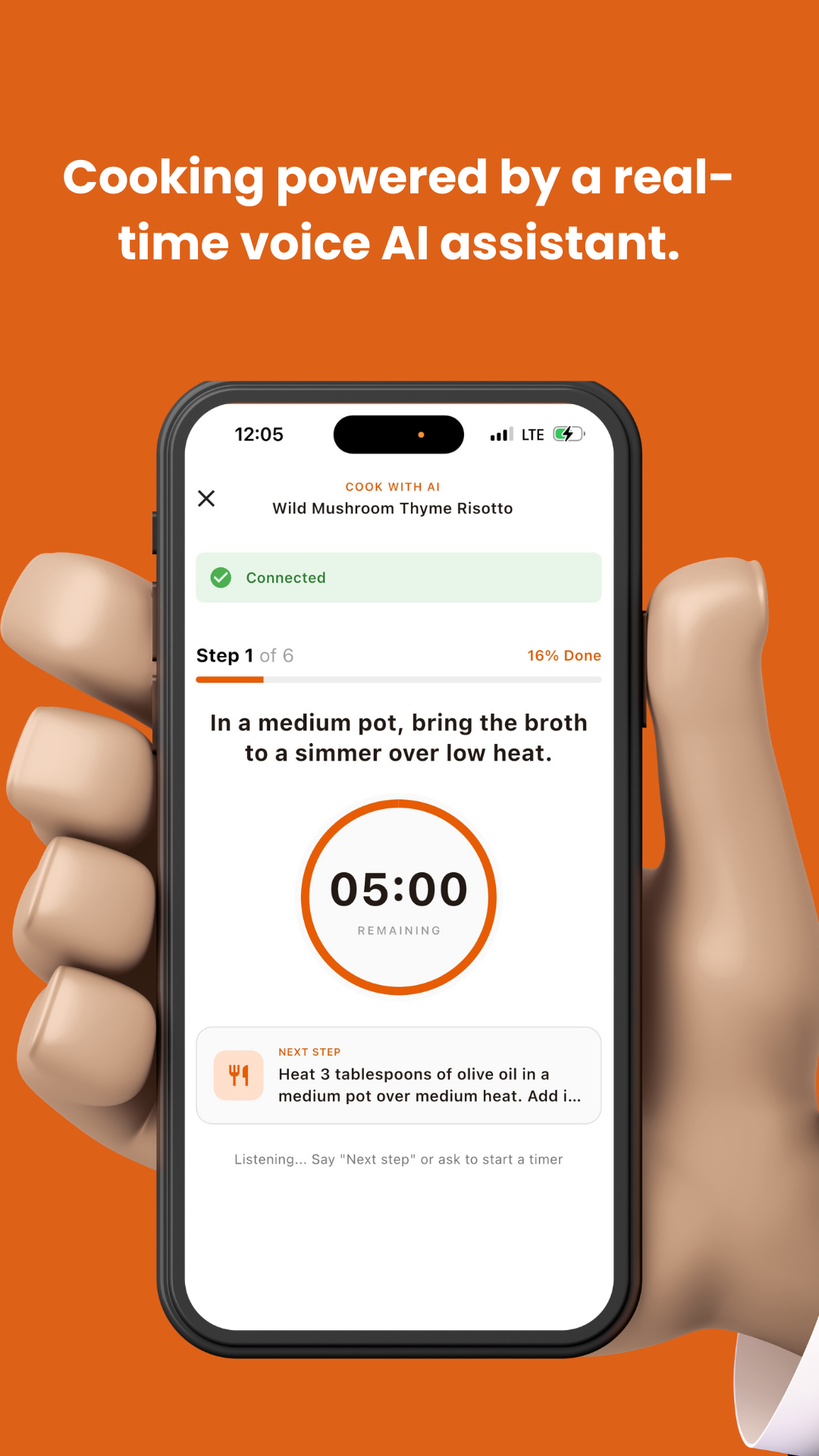
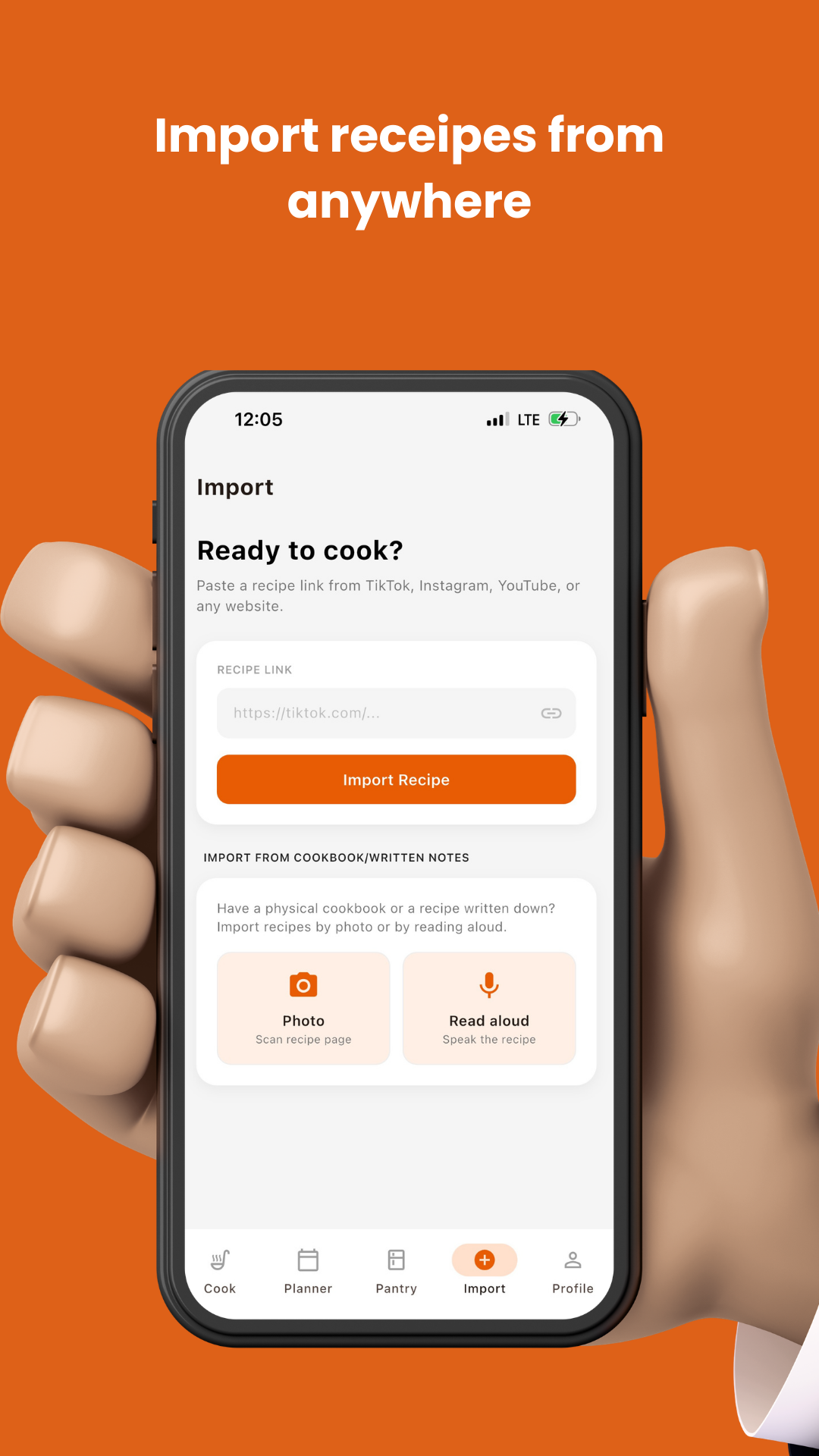
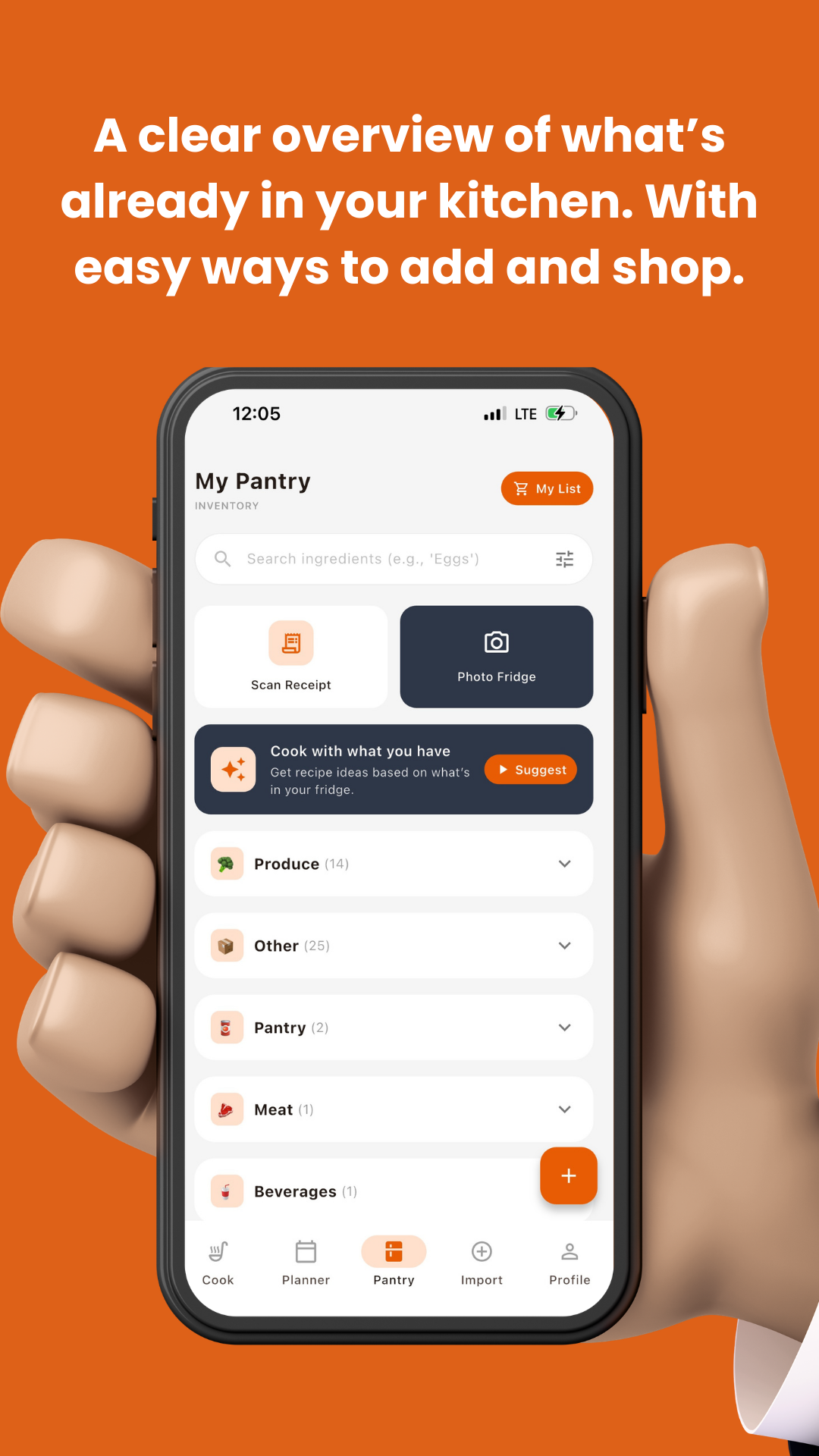
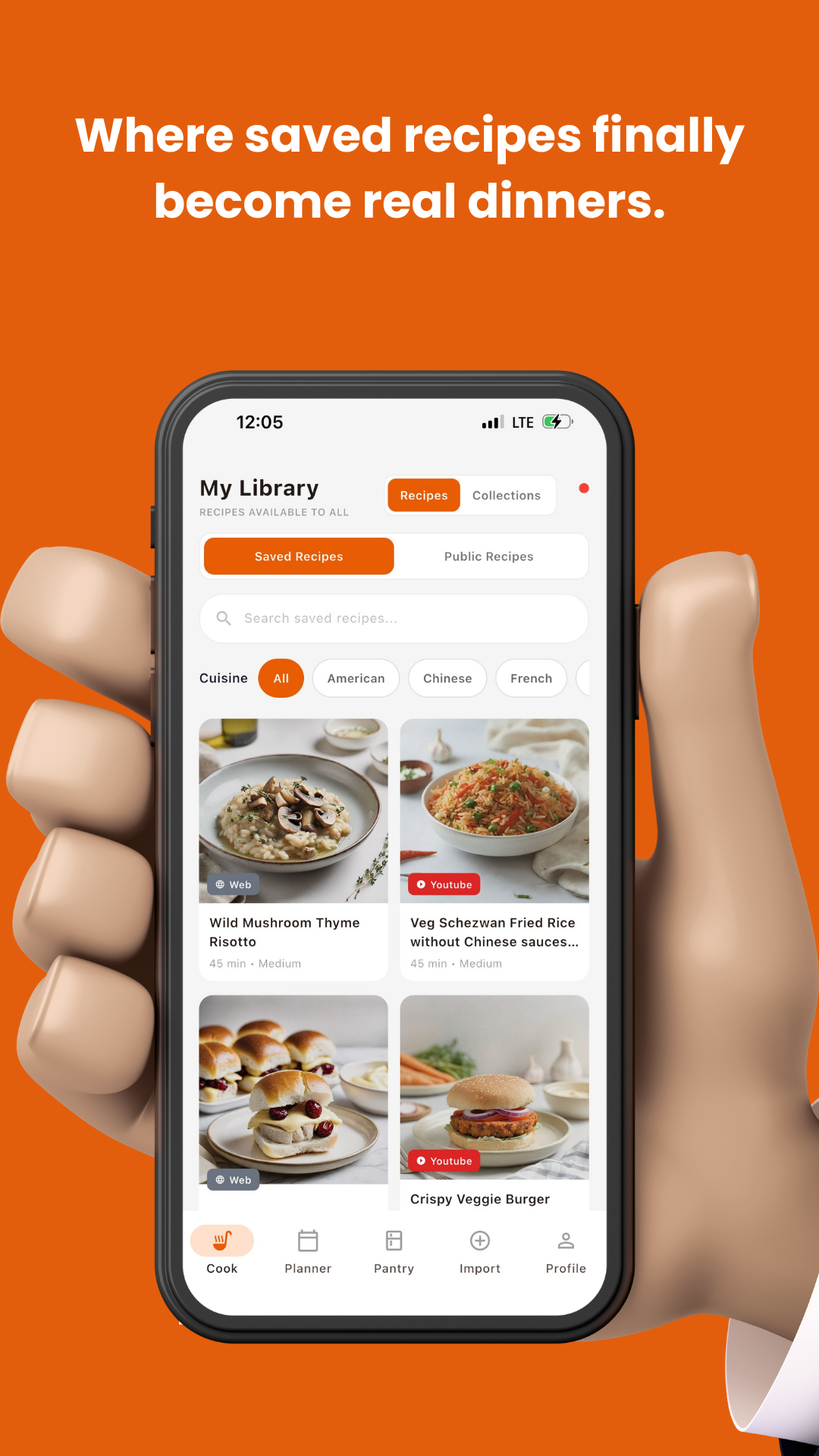
Imports recipes from anywhere – paste a link, scan a cookbook page, or drop in text, and we parse it into clean, structured steps with ingredients, timings, and images. Keeps your recipes organized – saved recipes, public recipes, and your own collections, plus stats like “recipes cooked” so it feels like a living personal cookbook, not just another bookmark folder. Lets you plan the week – a simple planner that turns “what’s in the fridge?” into a realistic plan of “what are we cooking on which nights?” using the recipes you’ve already imported and saved. Guides you hands-free with voice – a Nova Sonic–powered cooking assistant that reads steps, handles timers, controls music, and reacts to what you ask it in real time. Connects to your actual kitchen life – fridge inventory, smart shopping lists, and shareable lists so cooking flows from “what do I have?” to “what’s for dinner?” to “let’s actually cook this” in one loop. Makes shared shopping easy – smart, shareable shopping lists remove the confusion when someone else is doing the grocery run for you. They dont even need to install the app
How we built it
For the Frontend, we used Flutter (Dart) to ship CookIRL on iOS and Android with a single codebase. The website is built with Vite + React + TypeScript and Tailwind CSS, with React Router and React Query for routing and data-fetching.
For the Backend, we used AWS API Gateway + Lambda (TypeScript/Node.js) with a single DynamoDB table for users, recipes, collections, stats, and shopping data. Import flows call AWS Bedrock (text models) and Textract to turn messy recipe sources into structured data, storing images in S3. For voice, a custom Python WebSocket server bridges the Flutter app to Amazon Bedrock’s Nova 2 Sonic for bidirectional audio + tool calls (timers, next step, music control and much more)
For Monetization, we integrated RevenueCat via the purchases_flutter and purchases_ui_flutter SDKs. App Store subscription products (for example, monthly and yearly CookIRL Premium) are wired into a single RevenueCat offering and entitlement.
Challenges we ran into
Taming the voice agent’s behavior – getting Nova to behave like a calm, step-focused sous-chef instead of an overexcited chatbot took multiple iterations of system prompts and tool-use rules. We had to be very explicit about when it may advance steps, when not to talk about future steps, and how to offer timers and music once without being annoying. End-to-end timing with timers and steps – coordinating human speech, timers, and tool callbacks is non-trivial. For example, when a user goes to the next step early, we needed to cancel timers locally without falsely reporting them as “done” to the backend, while still letting Nova react naturally. Import UX vs backend latency – AI imports can take time. We had to redesign the Import tab so users choose collections up front, see a clear “importing with AI” message, and can immediately paste the next link while the backend finishes in the background. Collections and data modeling – making collections feel instant in the UI while having them backed by a DynamoDB single-table design required careful API design (creating user–recipe mappings on the fly, handling imports that complete later, and auto-attaching recipes to selected collections). Building the home screen extension – setting up the iOS home screen extension for the first time, wiring it into the existing Flutter app, and making sure shared links flow seamlessly into imports was a brand-new area that required a lot of trial, error, and Xcode debugging.
Accomplishments that we're proud of
A voice agent that actually feels built for the kitchen – not just “chat with AI”, but a genuinely cooking-aware assistant that respects pace, timers, music, and the current step. A cohesive end-to-end flow – from pasting a recipe link to importing it with AI, dropping it into a collection, planning with it, shopping for it, and then cooking it – all without ever leaving CookIRL. Real, production-ready infrastructure – instead of a toy demo, we built on AWS primitives (API Gateway, Lambda, DynamoDB, Bedrock, Textract, S3) and a proper subscription stack (RevenueCat) that can support real users. Thoughtful UX on mobile and web – the CookIRL app and marketing site share a visual language: clean typography, warm accent colors, and layouts that feel more like a consumer product than a hackathon prototype.
What we learned
Cooking is a coordination problem, not a recipe problem People don’t struggle with finding recipes — they struggle with timing, sequencing, and staying organized while cooking. The real value isn’t content. It’s guidance.
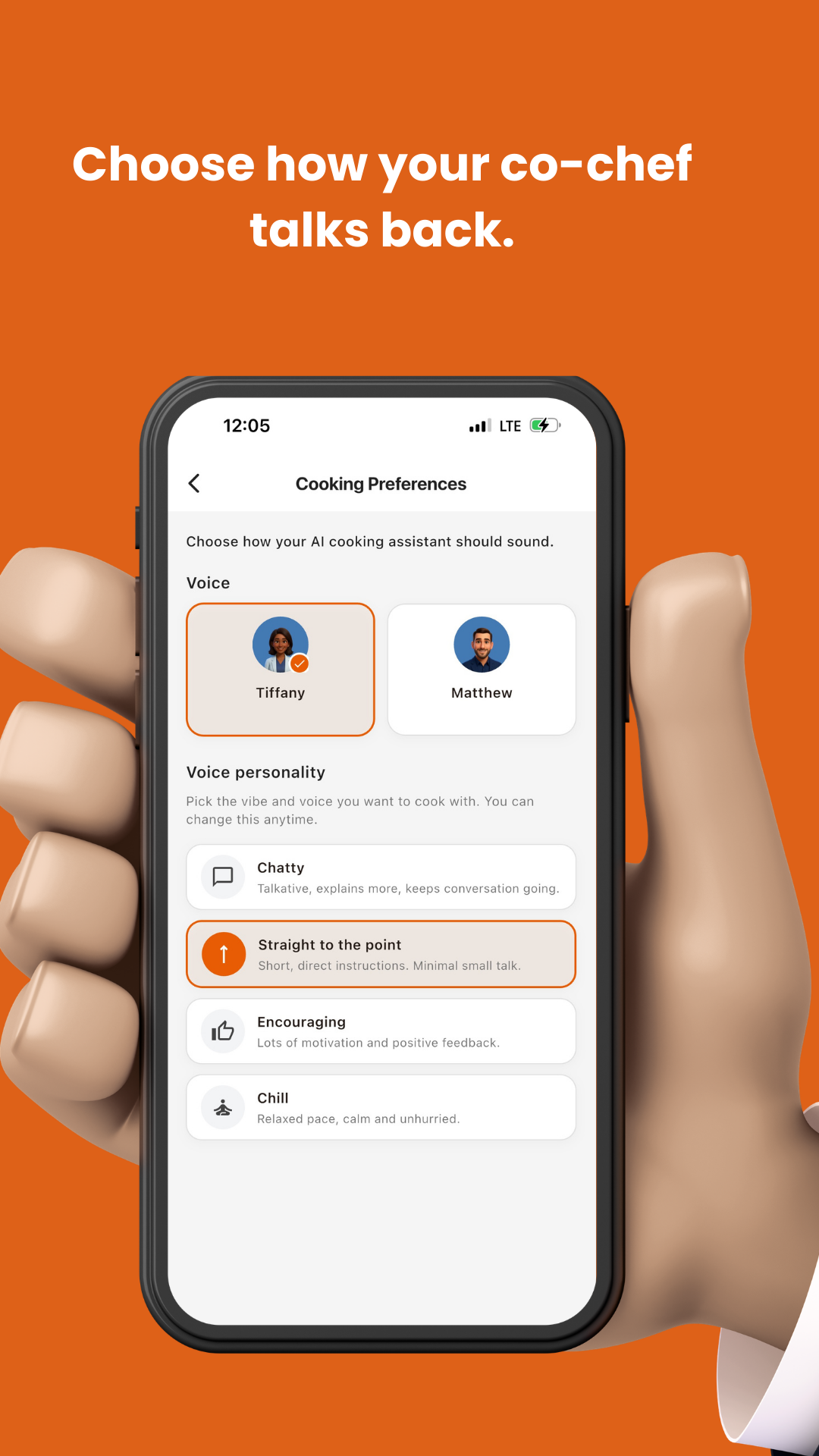
Voice changes everything Hands are messy. Phones get locked. Screens turn off. Adding voice guidance (Tiffany & Matthew) made the experience feel:
- More immersive
- More natural
- Less stressful Cooking became a flow state instead of a scroll-and-check task.
Simplicity beats feature overload Early ideas included:
- Advanced meal planners
- Smart pantry AI
- Deep customization But users respond best to:
- Clear step-by-step guidance
- Clean UI
- Minimal friction Less complexity = better usability.
Monetization must align with real value Through implementing RevenueCat, we learned:
- Users are comfortable paying for ongoing guidance.
- Unlimited recipe imports + expert recipe types feel like real upgrades.
- A simple pricing model works best: $7.99/month $69.99/year Paywalling organization + premium expert recipes makes sense. Paywalling basic cooking does not.
Creator-driven problems lead to better products This hackathon showed that when creators define the problem statement, the ideas are:
- More practical
- More emotionally grounded
- Built from lived experience That alignment helped shape CookIRL into something focused and usable — not just impressive.
We learned that prompt and tool design is product design: the difference between a delightful cooking companion and a frustrating one lives in small details like “never preview future steps unless asked” or “only offer music once per session (especially when user declines)”. We also learned how powerful a single-table DynamoDB design can be when you model the right access patterns up front (users, recipes, collections, stats, and shopping all living together).
On the business side, we deepened our understanding of how freemium subscriptions need to feel: generous and useful for free users, but with obvious, everyday reasons to upgrade (more imports, better AI guidance, richer planning). RevenueCat made it much easier to iterate on that without re-implementing billing logic ourselves.
What's next for ShipIRL
Premium Expert Recipe Expansion We’ll expand curated “expert recipe types”: Beginner fundamentals Date-night menus 30-min weekday meals High-protein / fitness-focused Regional cuisines
Long-Term Vision ShipIRL becomes: The default “hands-free cooking layer” Integrated into kitchens (tablets, smart speakers)
Richer experiments with RevenueCat – testing different paywall copy, trials, and pricing to find the sweet spot where the business is sustainable and the product still feels generous.
Built With
- amazon-web-services
- dart
- flutter
- nova
- nova2
- revenuecat
- sonic

Log in or sign up for Devpost to join the conversation.