Inspiration
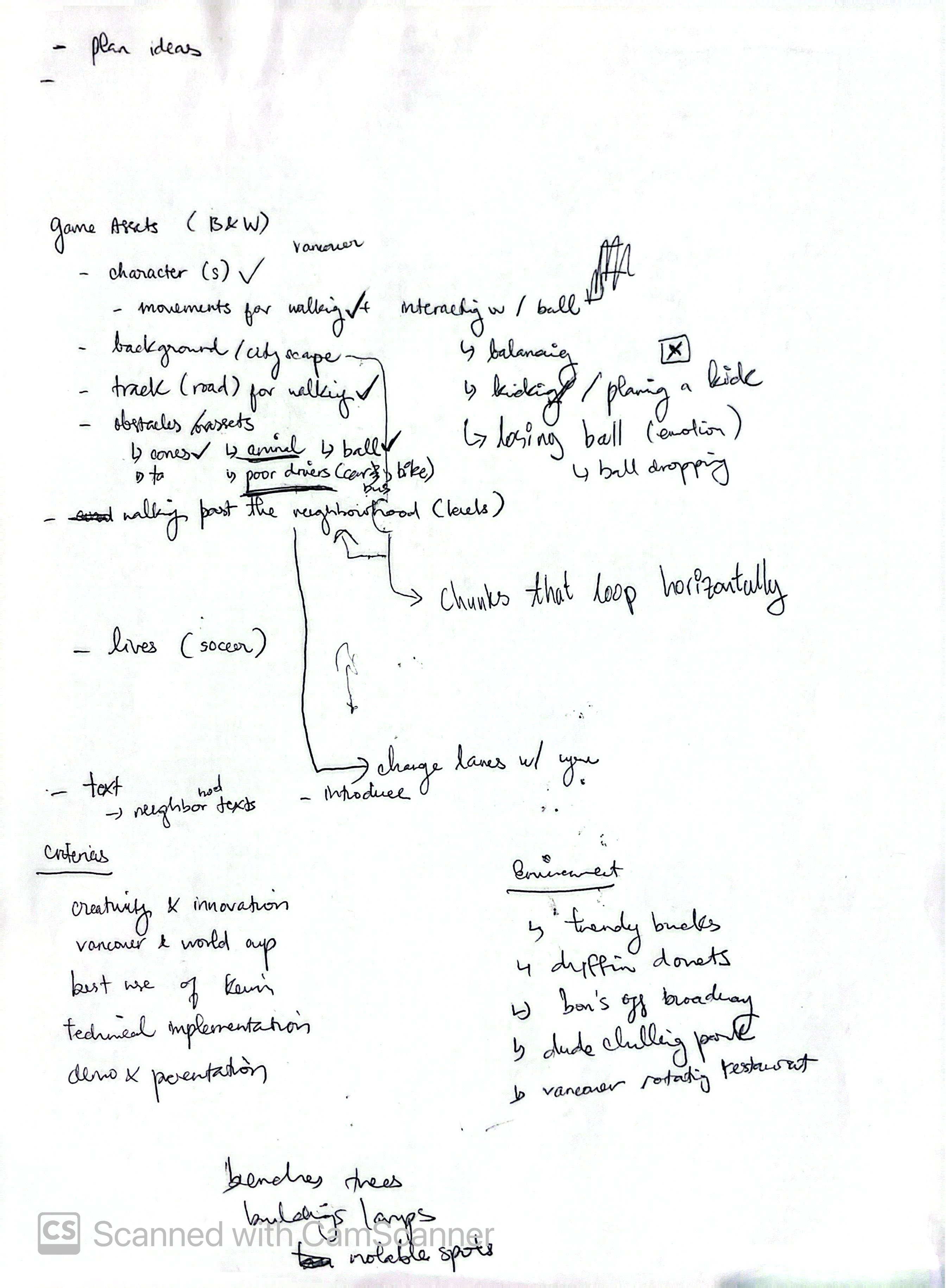
With Vancouver set to host matches for the FIFA World Cup 2026, we wanted to create an interactive experience that combined the excitement of soccer with recognizable elements of the city. Our goal was to build a fun, accessible mini game that could physically engage players while showcasing Vancouver through a playful, retro-inspired experience.
What it does
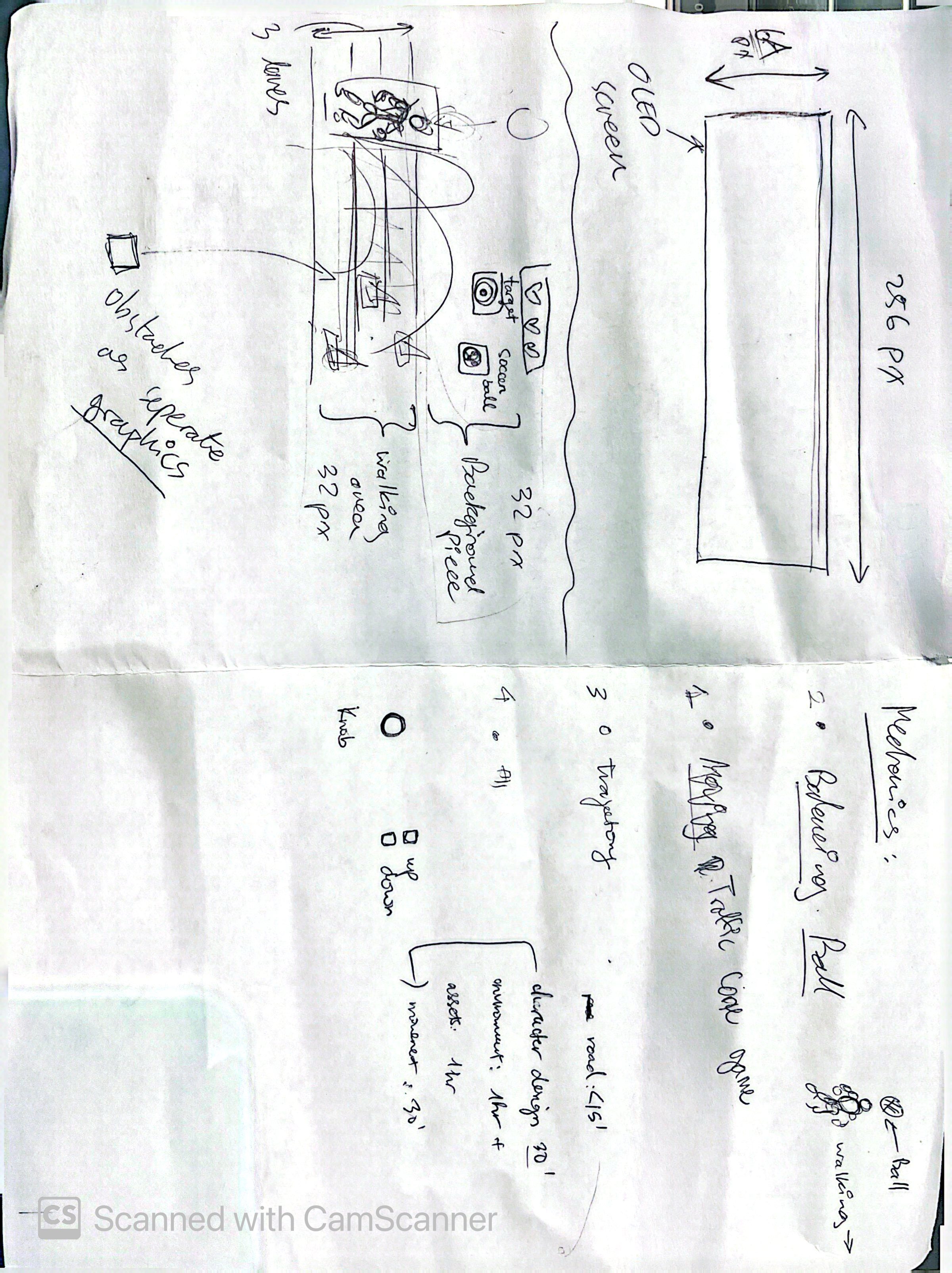
Vancouver World Cup Mini Game is a single-button keychain game where players walk through a pixel-art version of Vancouver and kick soccer balls at targets that appear on the screen. The game runs on a physical device consisting of a microcontroller, OLED display, and rotary encoder.
Players must carefully time their button presses to launch soccer balls along a visible trajectory curve and hit targets for points. The game combines timing, accuracy, and quick reactions in a compact and engaging experience inspired by the FIFA World Cup.
How we built it
The project was built using a combination of hardware and software tools.
Anhi designed and created the game's visual assets and pixel art using Aseprite. Mostafa developed the game logic, mechanics, and firmware running on the microcontroller. The game was displayed on an OLED screen and controlled using a rotary encoder with a push-button input. Devin AI helped us quickly parse hardware datasheets and accelerate firmware iteration during development.
Together, we integrated the artwork, gameplay systems, and hardware components into a fully playable physical mini game.
Challenges we ran into
One of our biggest challenges involved the display hardware. Our original plan was to use a 256×64 OLED screen to provide more space for gameplay and visuals. However, we encountered difficulties initializing the display and identifying the correct driver configuration. Due to time constraints, we pivoted to a 128×64 OLED screen that we had previously worked with successfully.
We also experienced unreliable wiring and connection issues with the rotary encoder controls. Because of this, we simplified the control scheme and redesigned the gameplay around a single button input using the encoder's click function.
These hardware limitations required us to scale back several planned mechanics and redesign portions of the game during development.
Accomplishments that we're proud of
We are most proud of our ability to adapt quickly to unexpected technical constraints while still delivering a complete and enjoyable experience.
Despite hardware setbacks, we successfully:
Built a fully playable physical game. Redesigned mechanics to fit a smaller display. Simplified controls while maintaining engaging gameplay. Combined custom pixel art, embedded hardware, and firmware into a cohesive project.
We're also proud of how effectively we used tools like Devin AI to accelerate troubleshooting and development throughout the hackathon.
What we learned
This project reinforced the importance of adaptability during rapid prototyping and hackathon development.
We learned how to:
Adjust game design decisions based on hardware limitations. Iterate quickly when original plans become impractical. Integrate art, firmware, and hardware into a complete interactive experience. Use AI-assisted tools to speed up technical research and implementation.
On a personal level, Anhi learned how to create, optimize, and export game assets for use in an embedded game environment.
What's next for Vancouver World Cup Mini Game
Given more time, we'd like to expand the game toward our original vision by adding additional gameplay mechanics such as:
Balancing the ball on the player's head. Switching lanes to avoid obstacles. More challenging skill-based interactions. Additional Vancouver landmarks, neighborhoods, and NPC characters. Improved progression and scoring systems.
We would also like to design and manufacture a dedicated enclosure for the device to create a polished standalone handheld gaming experience.
Ultimately, we see this project as a foundation for a richer Vancouver-themed World Cup game that combines local culture, physical interaction, and soccer-inspired gameplay.

Log in or sign up for Devpost to join the conversation.