-
-
-
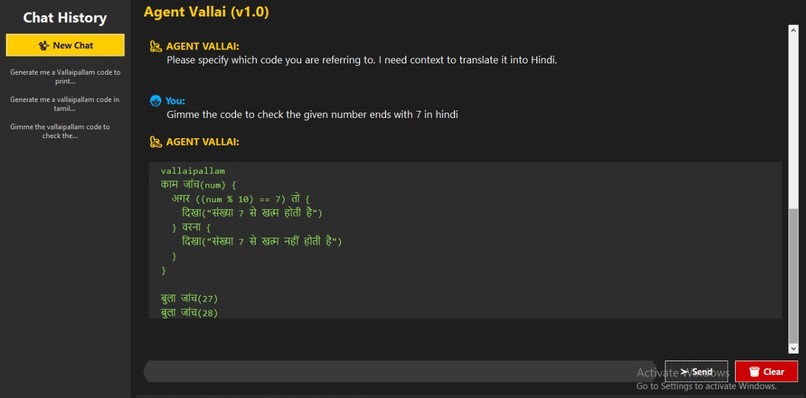
Agentic AI demo
-
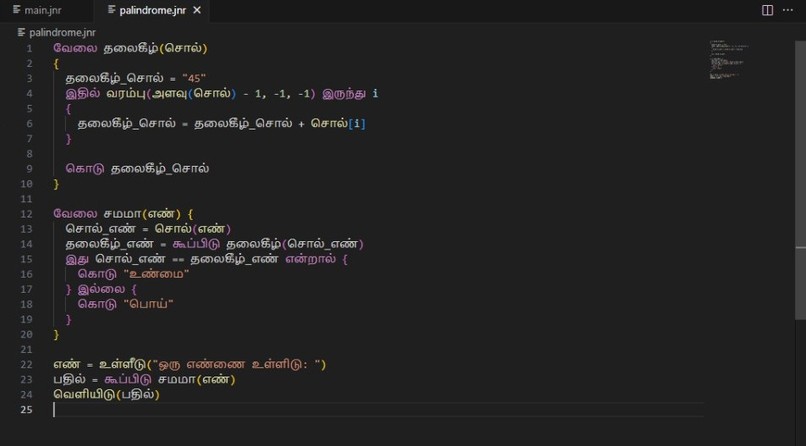
Code in tamil
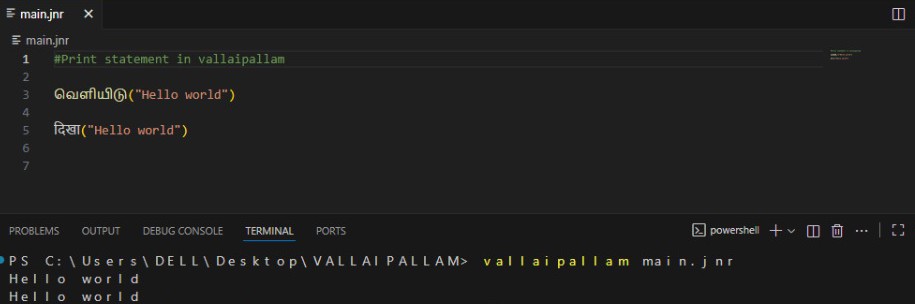
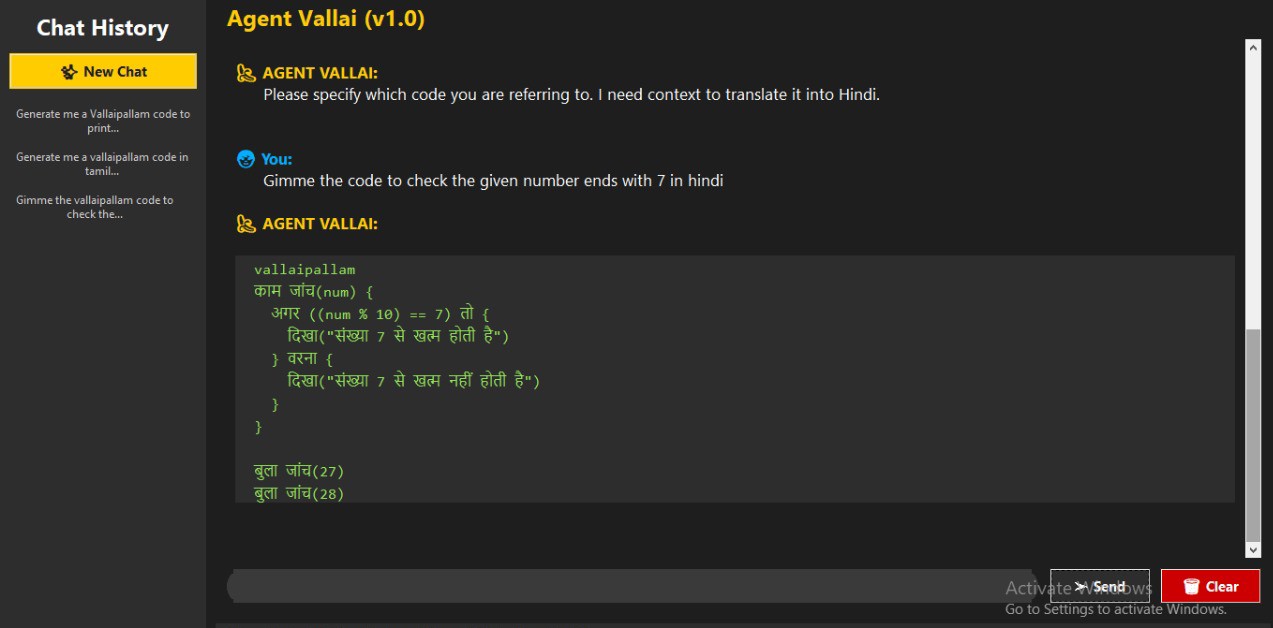
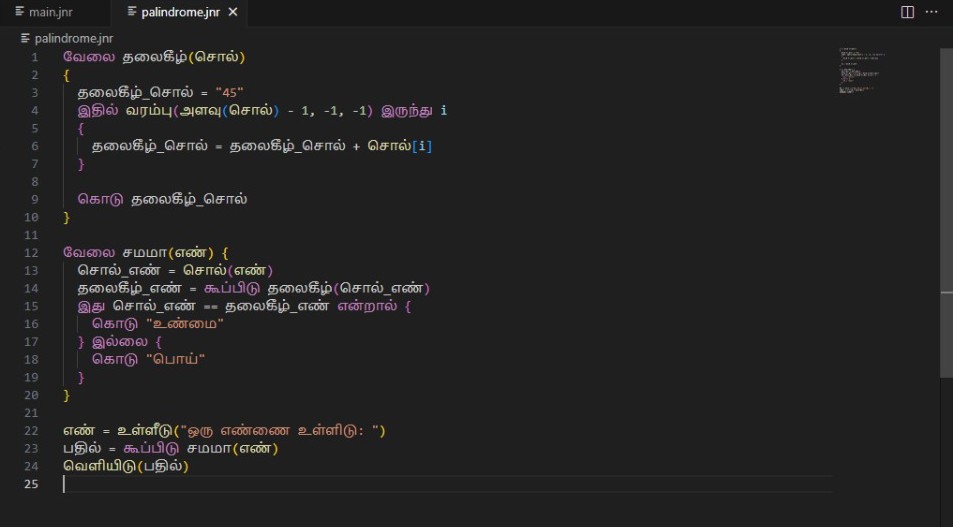
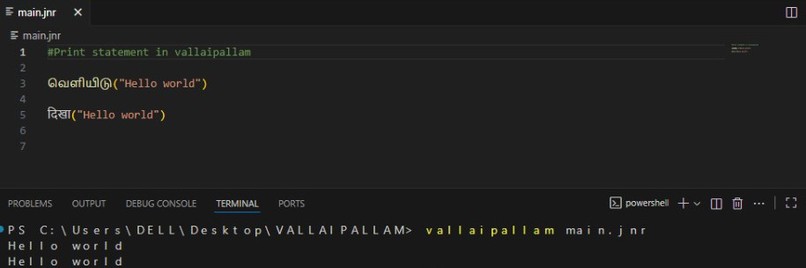
Inspiration In India, a vast majority of students receive their primary education in regional languages, yet the gateway to the global tech industry—programming—is almost exclusively locked behind English proficiency. This creates an artificial barrier where brilliant logical minds are held back by syntax and vocabulary. Inspired by the National Education Policy (NEP) 2020's push for vernacular education, I wanted to ensure that no logic is lost in translation. The inspiration for Vallaipallam was simple but ambitious: to empower the next billion coders of Bharat by allowing them to build software and automate networks natively in their mother tongue. What it does Vallaipallam is a complete, agentic multilingual programming ecosystem. It allows users to write executable code using vernacular languages like Tamil and Hindi seamlessly mixed with English. The Core Language: Enables developers to declare variables, write loops, and build logic in their native scripts. VNAS (Vernacular Network Automation System): A specialized module that allows users to execute complex OS-level networking commands (like ping, DNS lookups, and port scanning) using simple mother-tongue commands. Agent Vallai: An integrated, self-healing AI partner that understands vernacular context. It doesn't just autocomplete code; it actively troubleshoots, debugs, and explains logic in the user's native language. How we built it The Vallaipallam ecosystem was built as a multi-platform architecture to ensure maximum accessibility: The Compiler Engine: Built using Python, creating a Universal Intermediate Representation that translates vernacular tokens into executable machine logic. Distribution: We packaged the core engine and published it officially on PyPI, allowing anyone to install the language via a simple pip install. The Development Environment: To provide a professional industry experience, we developed a custom VS Code Extension from scratch, featuring native syntax highlighting and auto-completion for Tamil and Hindi. Cloud Accessibility: We also built a lightweight, web-based Online Interpreter so students without high-end laptops can code directly from any browser. Challenges we ran into Building a language from the ground up presented unique hurdles. Tokenizing and parsing non-Latin scripts required custom lexer rules to ensure the interpreter didn't break on complex character encodings. Additionally, building the VNAS module meant we had to safely map high-level vernacular commands to low-level, cross-platform (Windows/Linux) OS networking protocols without introducing security vulnerabilities. Finally, developing the VS Code extension required a deep dive into Language Server Protocols (LSP) to get the syntax highlighting to recognize our custom vernacular keywords perfectly. Accomplishments that we're proud of I am incredibly proud to have moved Vallaipallam from a conceptual idea to a production-ready deployment. Publishing the language to PyPI and having a live web interpreter and VS Code extension means this is a highly feasible, scalable tool. Furthermore, our initial pilots have shown real-world impact, demonstrating up to a 60% reduction in syntax errors and vastly faster logic comprehension among students learning to code for the first time. What we learned This project was a masterclass in full-stack architecture and compiler design. I learned how to build and optimize Abstract Syntax Trees (AST), package and distribute Python libraries globally, and engineer custom extensions for VS Code. Most importantly, I learned that technology becomes infinitely more powerful when it speaks the language of the user.
What's next for Vallaipallam
Scaling to other languages Implementation of RAG Adapt other LLMs in agentic ai

Log in or sign up for Devpost to join the conversation.