-
-
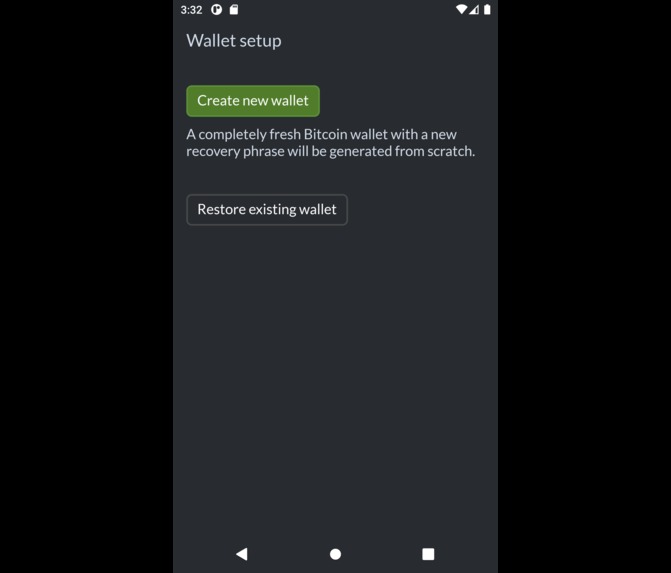
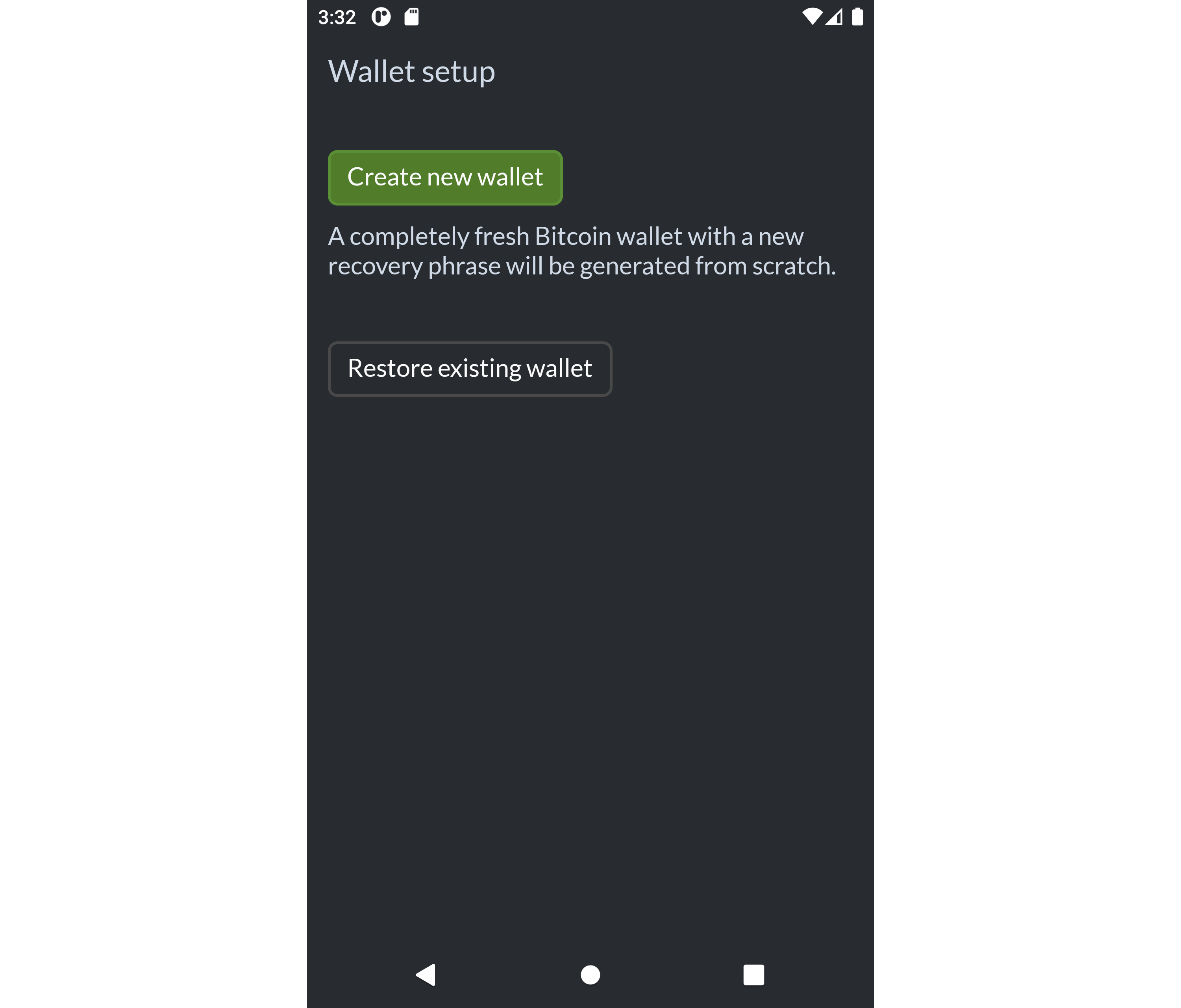
Start
-
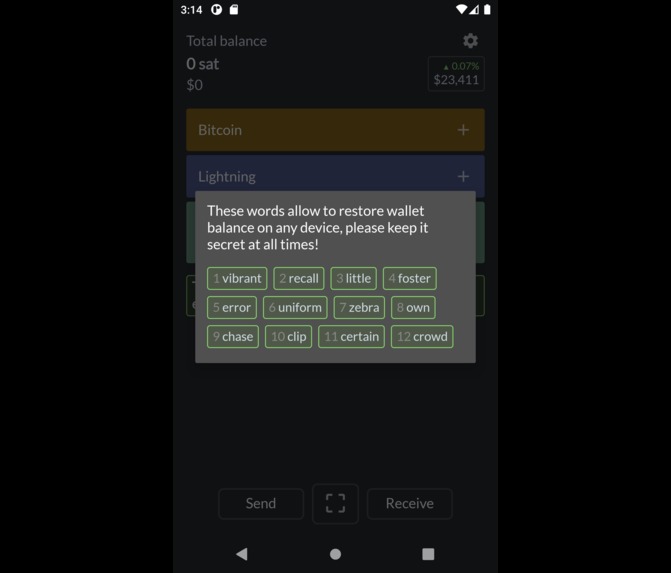
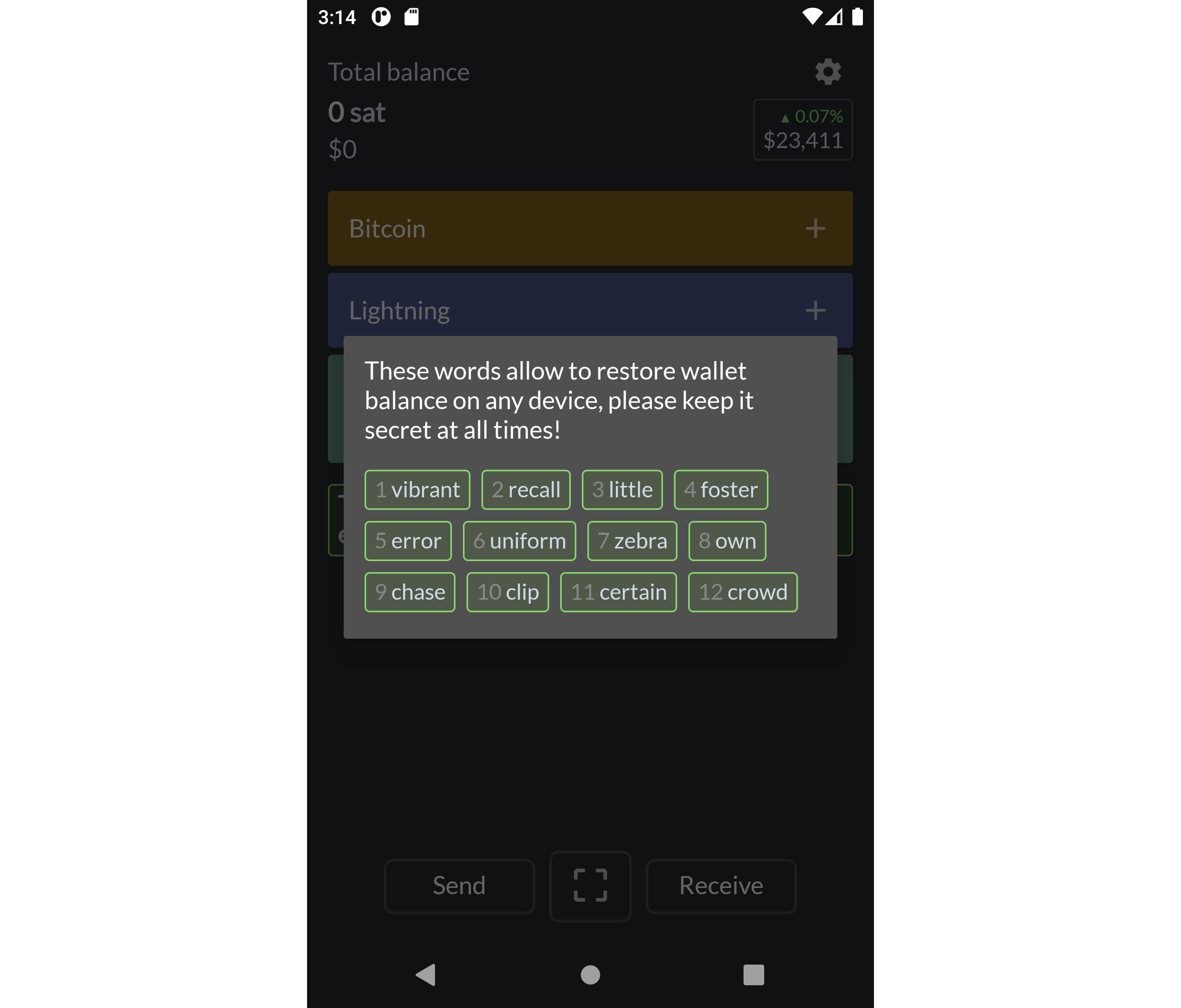
Mnemonic back up seed phrase
-
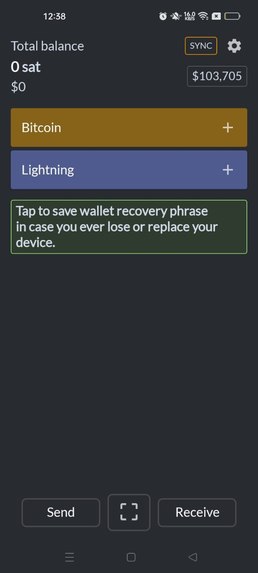
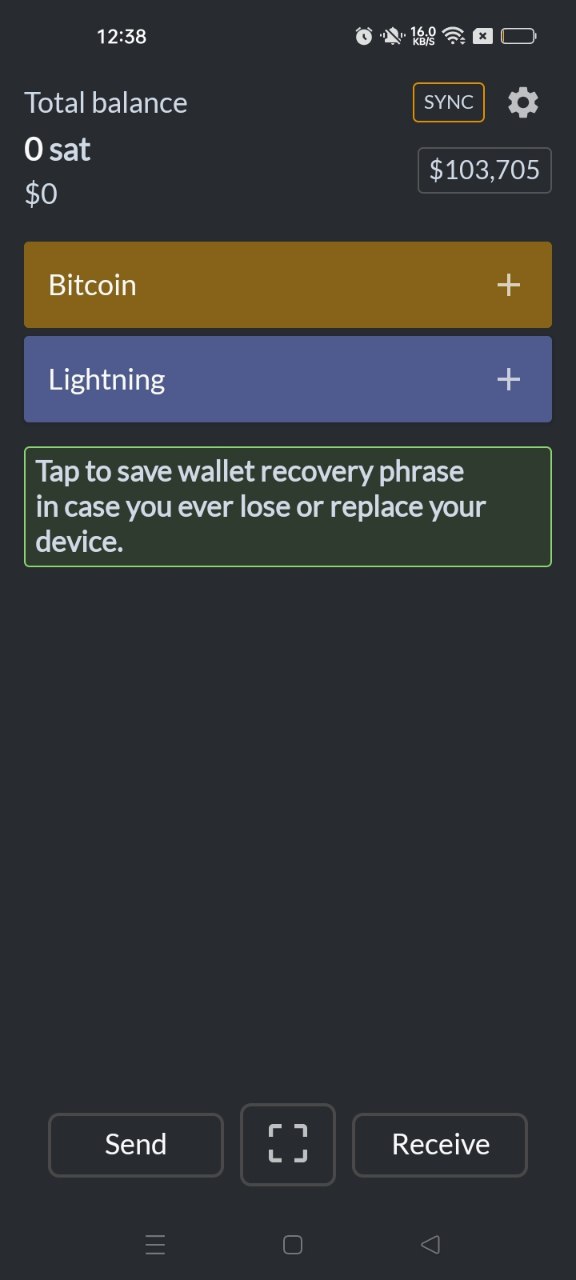
Home Screen
-
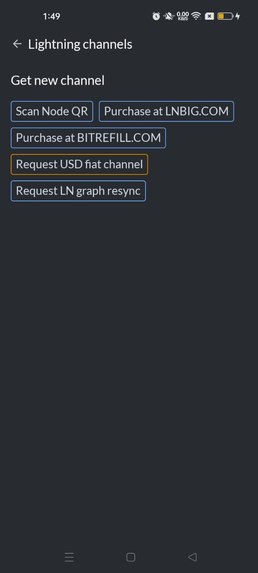
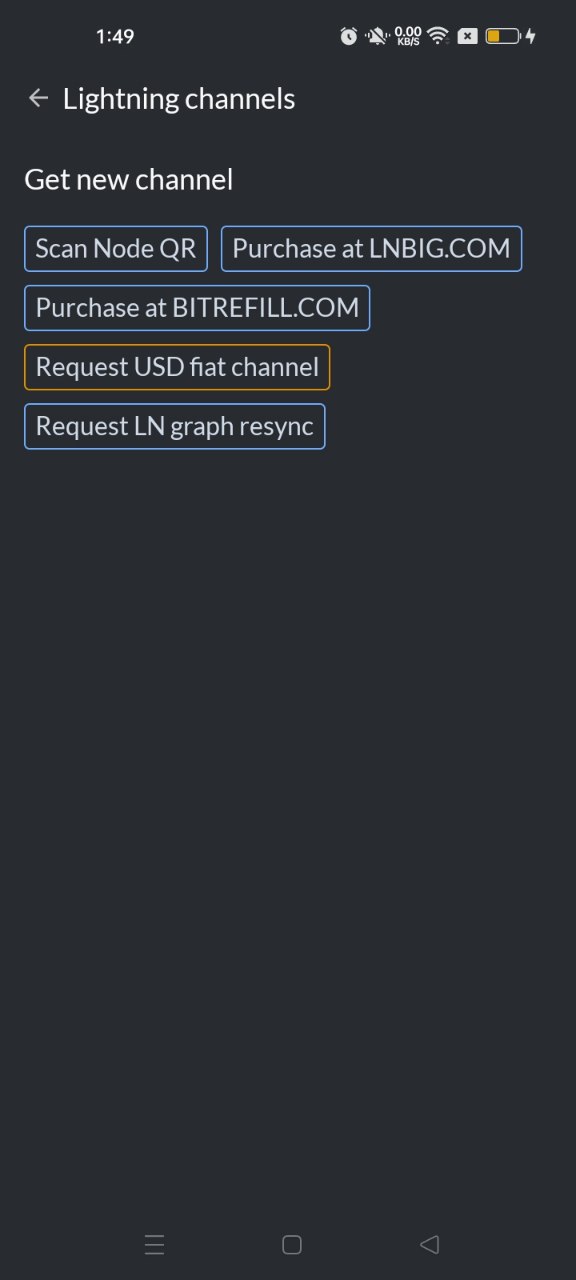
Opening a Lightning Channel
-
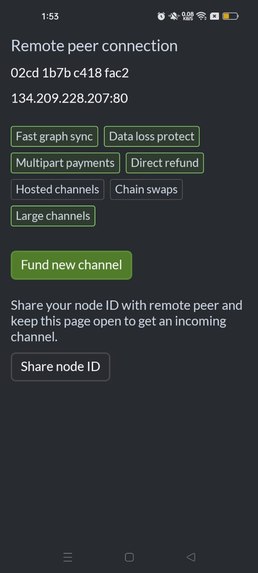
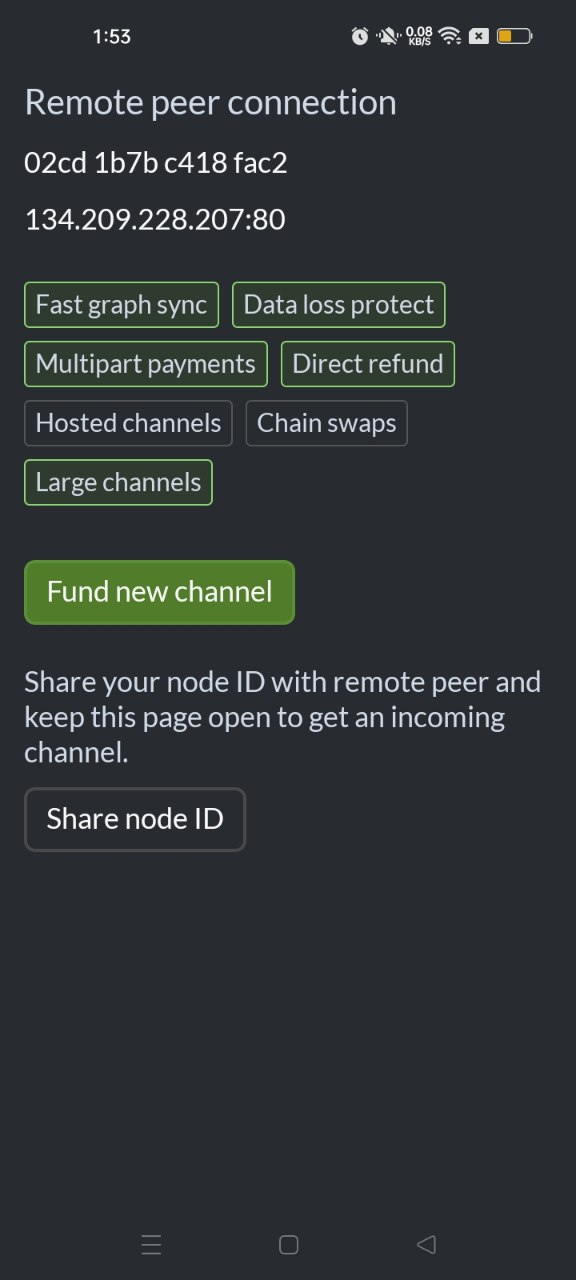
Waiting to pair with Lightning node
-
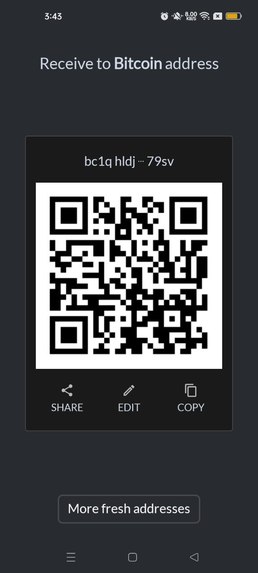
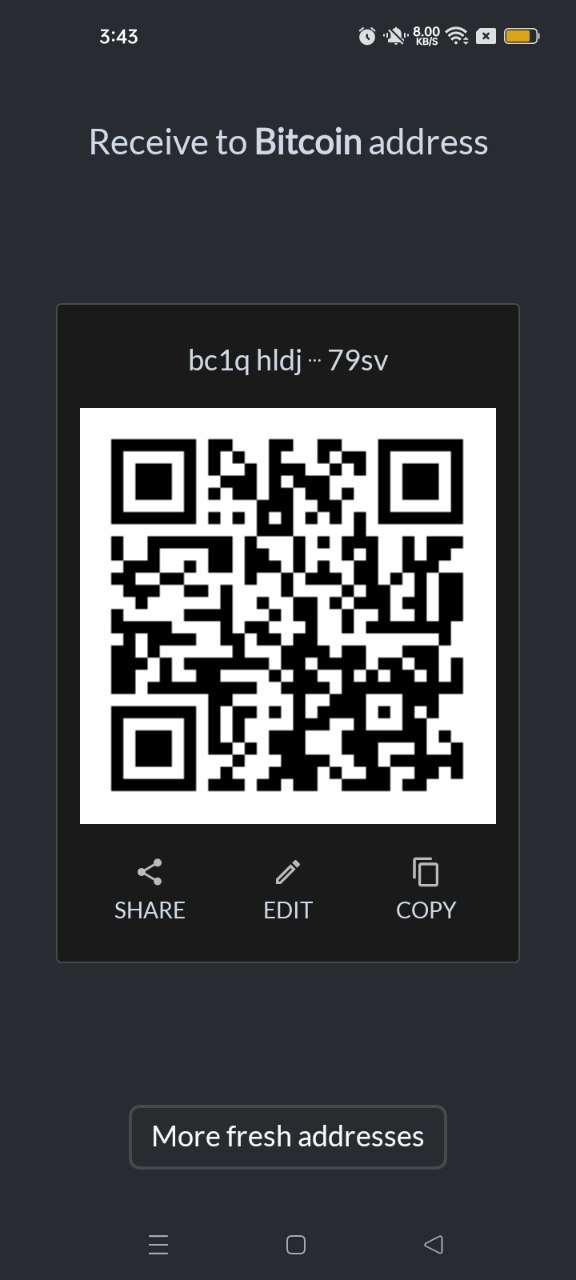
Generating an on-chain address.
OUR INSPIRATION:
The Valet project was designed to make Bitcoin usage simpler and more accessible to anyone and everyone, especially for everyday users like merchants. This inspired us to pursue a vision of a non-custodial Bitcoin and Lightning wallet that could serve everyone, not just developers or power users. We wanted to build a wallet that’s simple enough for a first-time user, lightweight enough to work on a budget Android phone, and powerful enough to grow with users as they become more sovereign over time.
WHAT VALET DOES:
Valet is an open-source, self-custodial Bitcoin and Lightning wallet for low-bandwidth regions, mobile users, and for real-world payments. It enables users to:
- Create and manage a Bitcoin wallet with a 12-word seed backup
- Send and receive on-chain BTC and Lightning payments
- Open and manage Lightning channels from their device
- Connect to their own Electrum server for added privacy
- Enable coin control, transaction batching, and watch-only mode for hardware wallet connections.- All from the easy tapping of buttons.
Though currently paused, Valet also previously implemented hosted/fiat channels technology that will allow users to navigate the inherently unstable price action of Bitcoin, acting as a stability layer between Bitcoin volatility and user experience.
HOW WE BUILT IT:
Valet is a fork of the Simple Bitcoin Wallet, a proven open-source Bitcoin wallet with a custom mobile development built by a veteran Ukrainian developer, Anton Kumaihorodskyi, currently defending his country.
- Written in Scala and Java
- Integrates a mobile Lightning node (LND-based)
- Uses ElectrumX for light client on-chain operations
- Maintains a small footprint (~30MB) and minimal background usage
- Entirely open-source on GitHub
The hosted channel system was developed using a modified implementation of Eclair, allowing fiat abstraction over the Lightning Network while retaining LN-native interoperability. Although the development of hosted channels was paused due to infrastructure and operational costs, the codebase and design remain viable for future revival.
CHALLENGES:
As with building any FOSS product, let alone Bitcoin-related or any product development at all, there are always going to be several challenges along the way.
Balancing simplicity with sovereignty: Designing a UI that worked for total beginners but still allowed full key control and Lightning node interaction wasn't easy.
Bandwidth constraints: For Valet to be usable in areas with poor or intermittent internet, it required optimizing sync logic and caching, which wasn't a walk in the park.
User education: Many users for whom Valet was developed are unfamiliar with how Lightning works, what a channel is, or how self-custody differs from custodial services, and this is a huge challenge affecting adoption and usage.
Hosted channel model: While fiat-denominated hedging is an outstanding feature, maintaining liquidity and uptime for hosted services was unsustainable without enough financial or institutional support.
Device compatibility: Ensuring the wallet worked on low-end Android devices required careful memory and background process management.
Anonymity Issues: Valet is currently downloadable from FDroid since it was pulled down from the Google Play Store due to the developer KYC requirement. This is a huge barrier to increased adoption, as only a few non-technical persons know and use FDroid.
ACCOMPLISHMENTS:
Despite the challenges, we've successfully built a working product, and we’ve made these few strides.
- Deployed a non-custodial Lightning-native wallet on mobile, usable in a self-sovereign and private way.
- Developed and tested a working prototype of hosted channels that enable synthetic stablecoins used for hedging against Bitcoin price volatility.
- We have maintained an active open-source repository and gathered usage traction.
- We have participated in major events like the El Salvador Bankathon.
- Valet overall is a tool that users in developing regions could realistically use for both day-to-day Bitcoin transactions and holding Bitcoin.
WHAT WE LEARNED:
In the course of conducting research and building Valet, we've learned a few things that shape how we structure the product. The biggest barrier to Bitcoin adoption is not necessarily technical because Bitcoin is sustainably technical enough, but usability has been the crux of the issue. Real-world users need tools that simplify the use of Bitcoin without being bogged down in the technicalities involved.
Availability of Bitcoin solutions that could work offline, on old phones, with low data, and that "just work" even if they don't fully understand Lightning or blockchains.
Based on surveys and feedback, we figured that Bitcoin price action is a major reason for low Bitcoin adoption, especially in regions where government-issued currencies are deteriorating badly through inflation. Hence, need for a bridge that could connect daily Bitcoin usage and protection from unforeseen price movements, a feature that is vital for Bitcoin adoption, especially for merchants and new users.
WHAT'S NEXT FOR VALET?
We’re actively working on improving Valet’s reach and stability. In the short term, we'll continue maintaining the project and building for low-bandwidth environments, enhancing privacy features, and improving channel backup and recovery to smooth the Bitcoin Lightning experience for users.
However, in the long term (with funding and support, hopefully if we win the Hackathon Prize), we will revive hosted channels, reintroduce dynamic hedging tools, and enable simple fiat/BTC switching via open banking tools to create bridges between traditional finance and Lightning-powered Bitcoin banking.
Valet is a foundational tool for Bitcoin mass adoption because it meets people where they are and grows with them.


Log in or sign up for Devpost to join the conversation.