Inspiration
Ayurvedic practitioners still rely on paper case sheets to record Ashtavidha Pariksha, Nidana, and Prakriti assessments — slow, hard to search, and impossible to standardize across clinics. We wanted to bring that clinical workflow into a digital, structured format without stripping away the depth of traditional diagnosis.
What it does
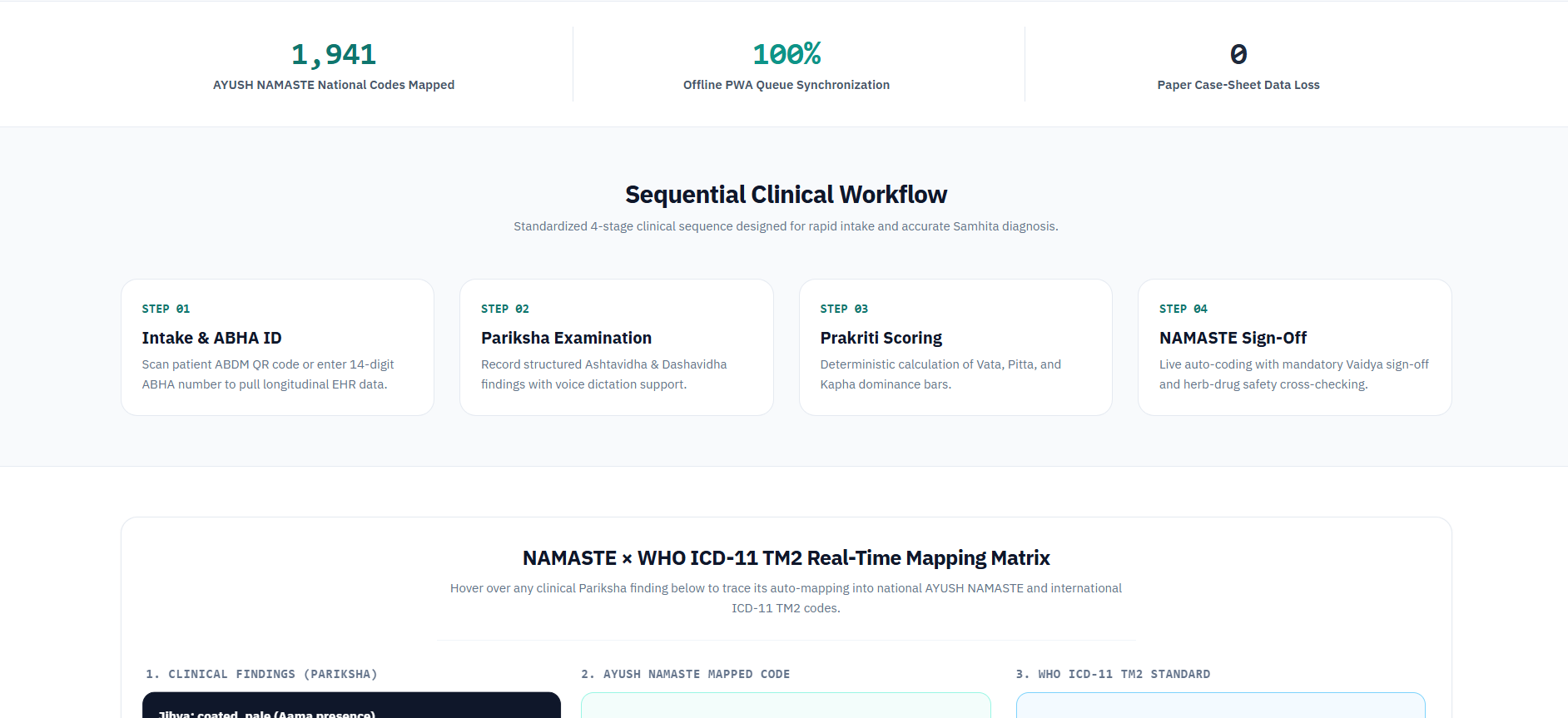
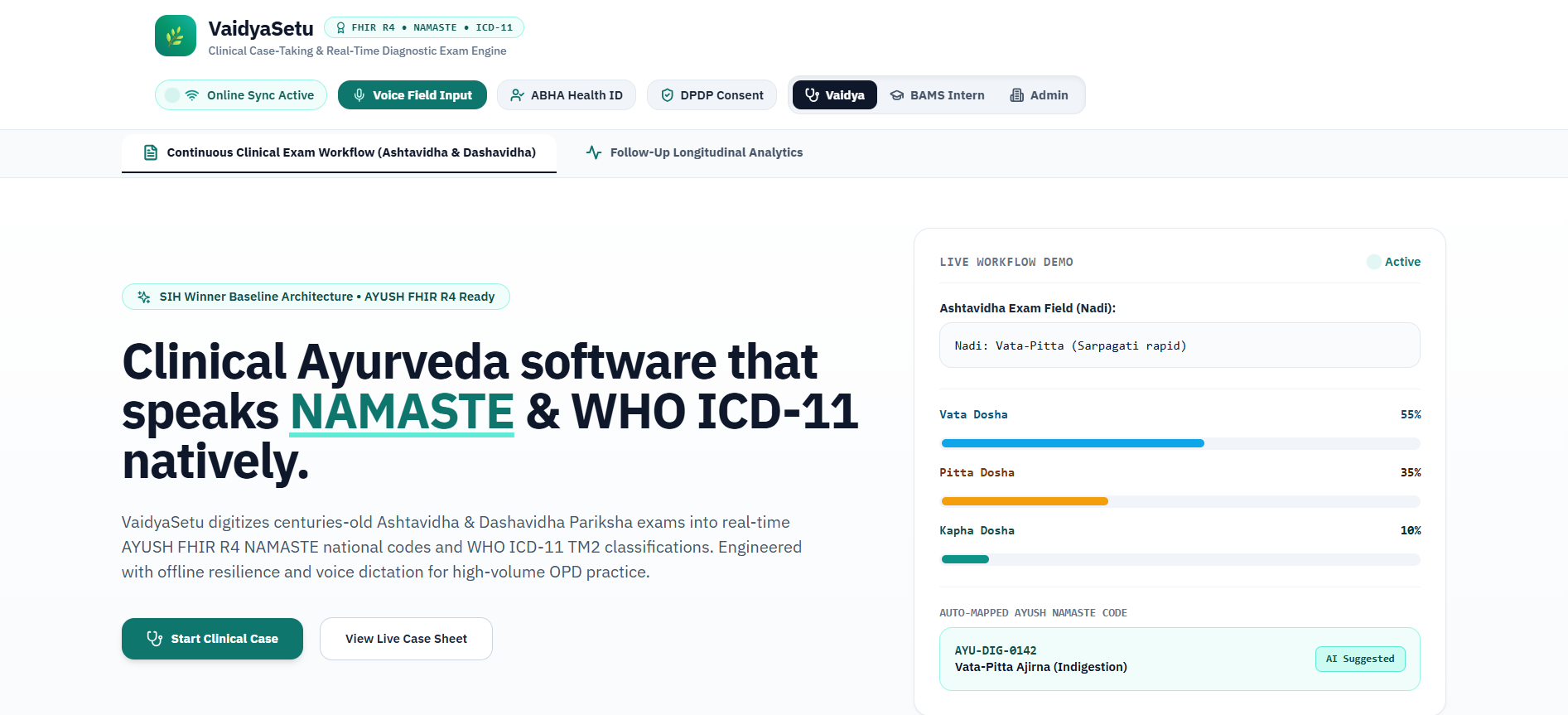
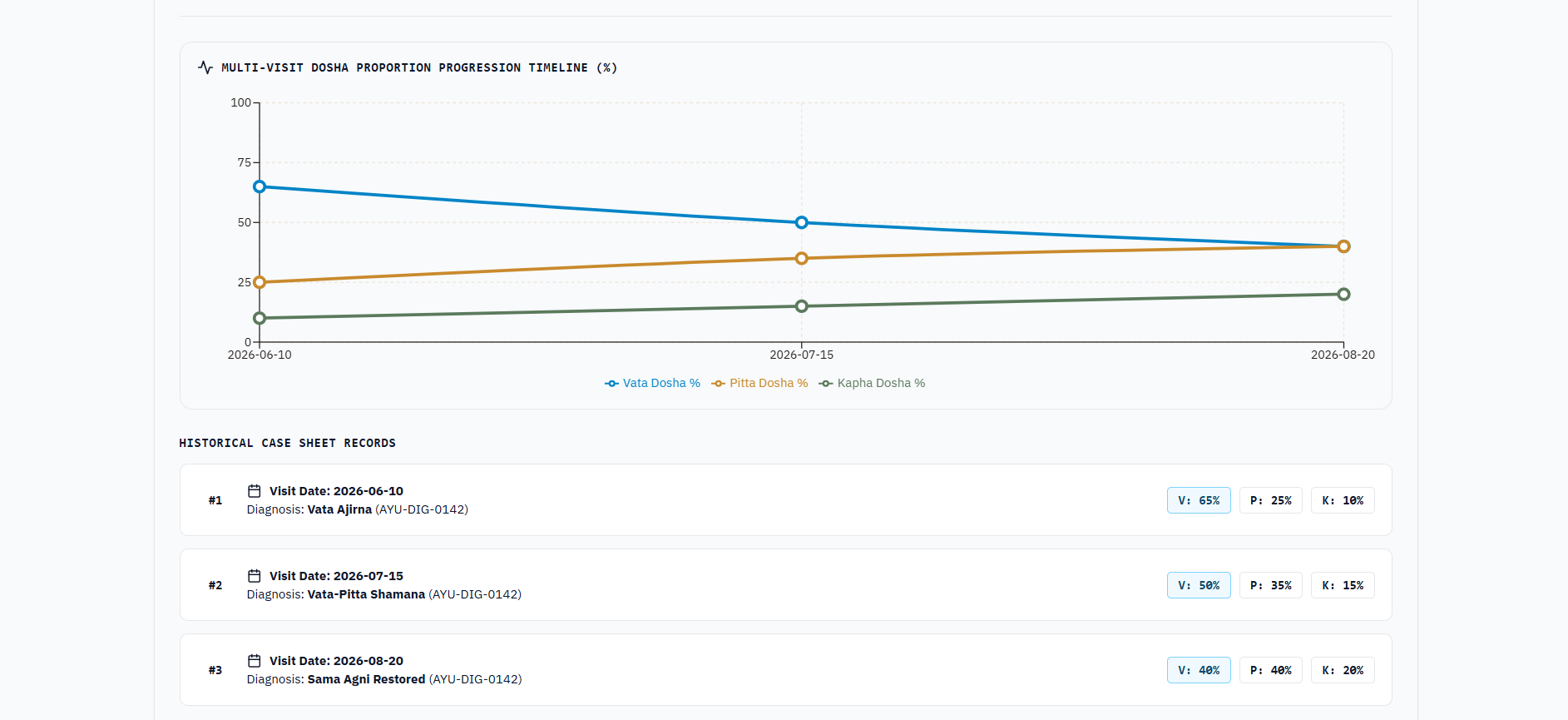
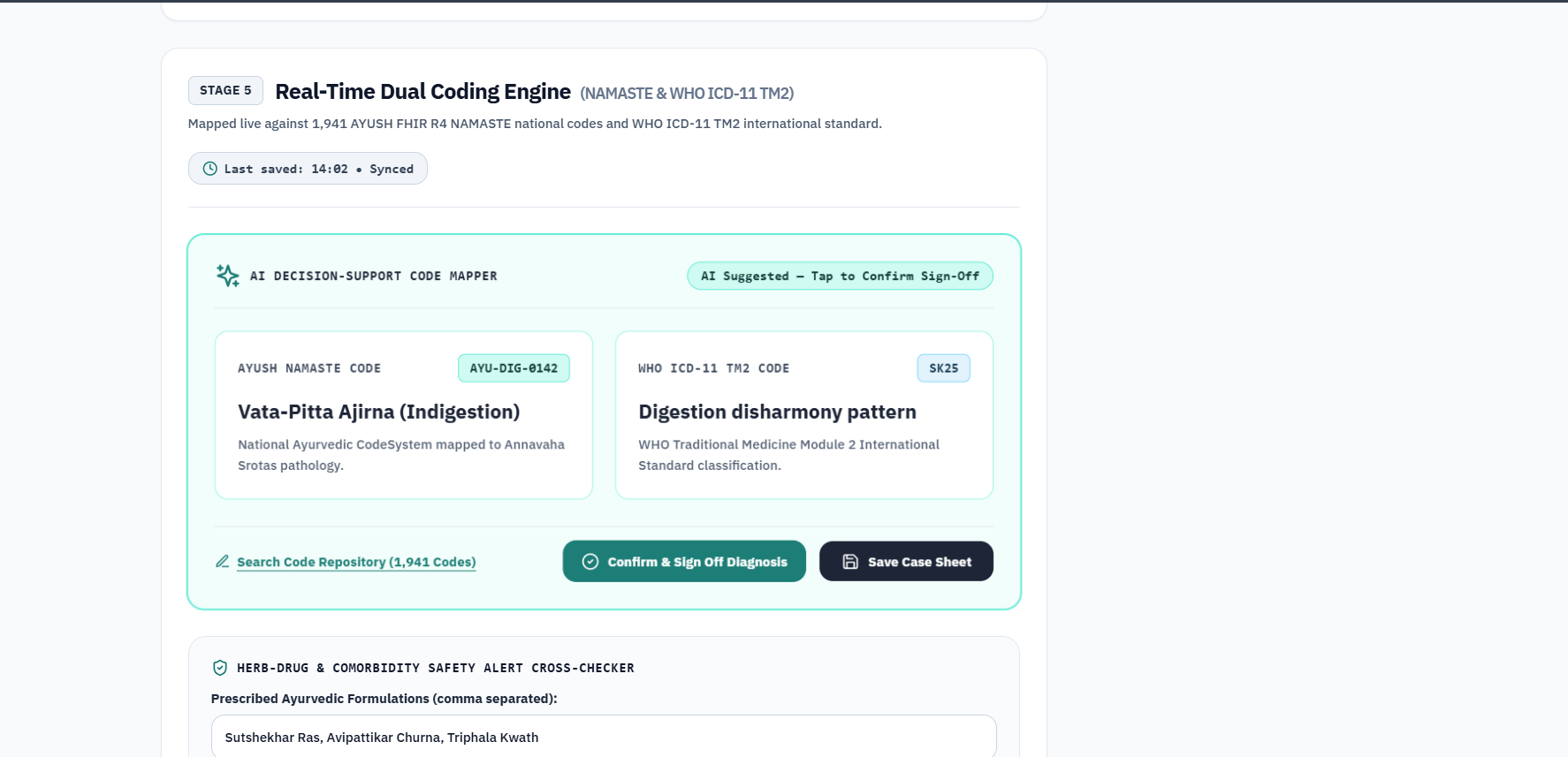
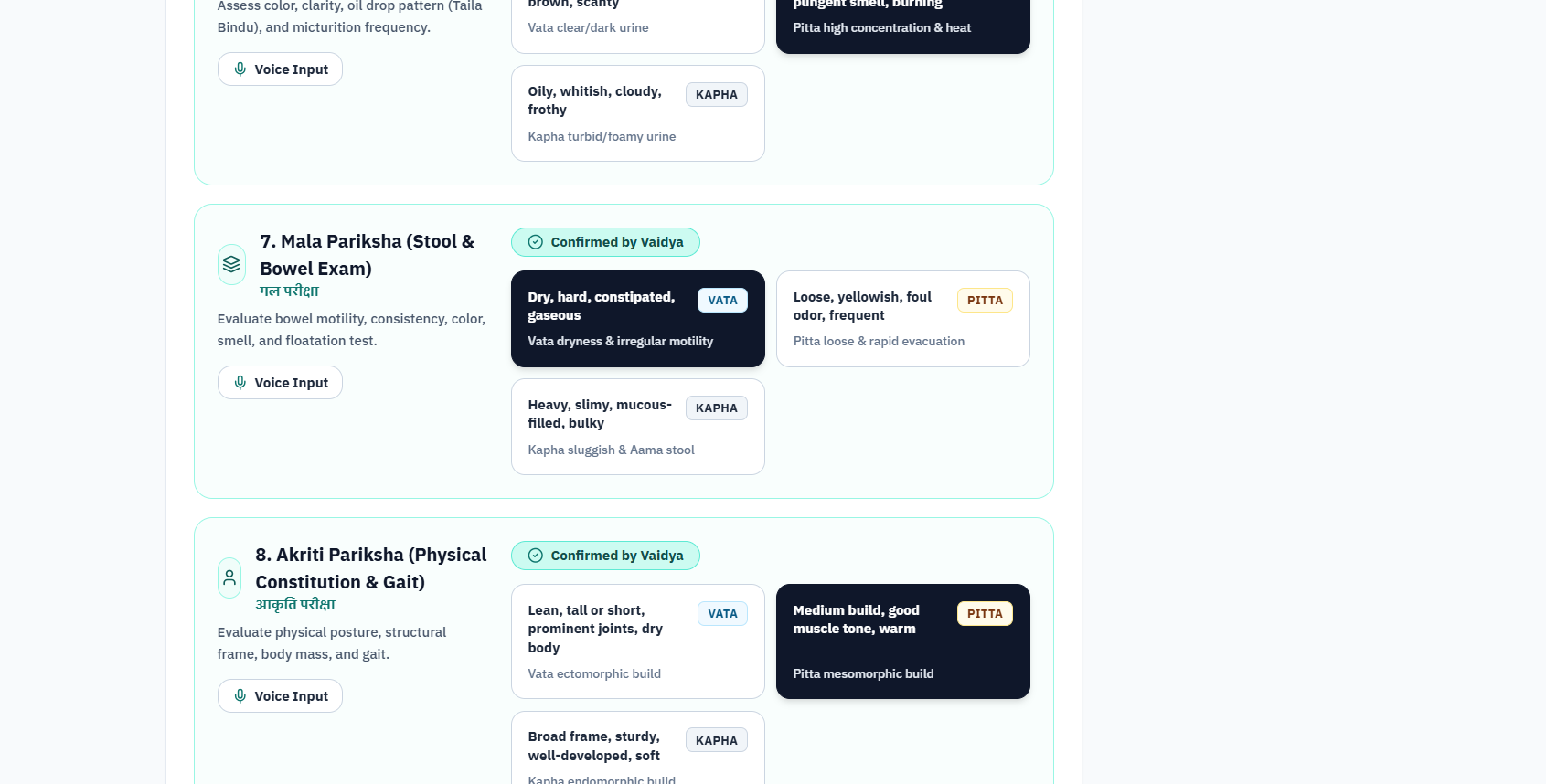
VaidyaSetu is a digital case-taking tool for Ayurvedic clinical practice. It lets practitioners record patient history and examination findings in a structured format aligned with classical diagnostic frameworks, replacing scattered paper notes with searchable, organized digital records.
How we built it
We built the frontend and core case-sheet logic, deployed it on Vercel, and structured the data model around standard Ayurvedic diagnostic categories so records stay clinically meaningful rather than just generic form fields.
Challenges we ran into
Translating a nuanced, text-heavy clinical process (multiple examination frameworks, Sanskrit terminology, doctor-specific shorthand) into clean structured UI without losing flexibility for the practitioner was the biggest challenge, along with keeping the form fast to fill during a live consultation.
Accomplishments that we're proud of
Getting a working, deployed case-taking flow that respects the actual structure of Ayurvedic diagnosis rather than forcing it into a generic EHR template.
What we learned
That digitizing traditional medicine workflows requires domain-specific data modeling, not just a form builder — and that speed of data entry matters as much as completeness for real clinical adoption.
What's next for VaidyaSetu
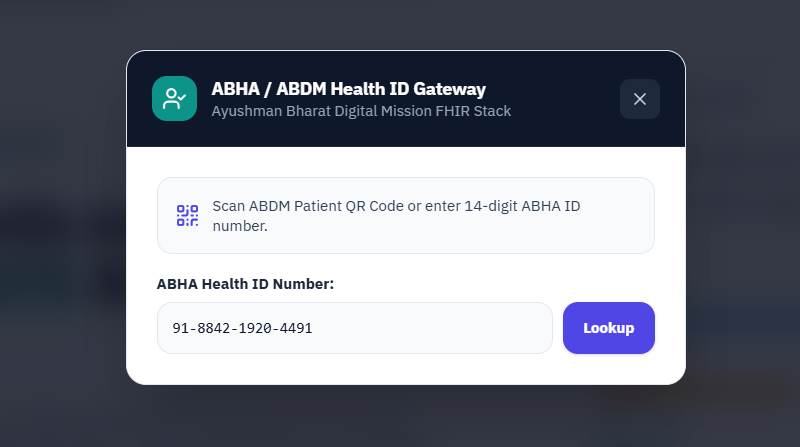
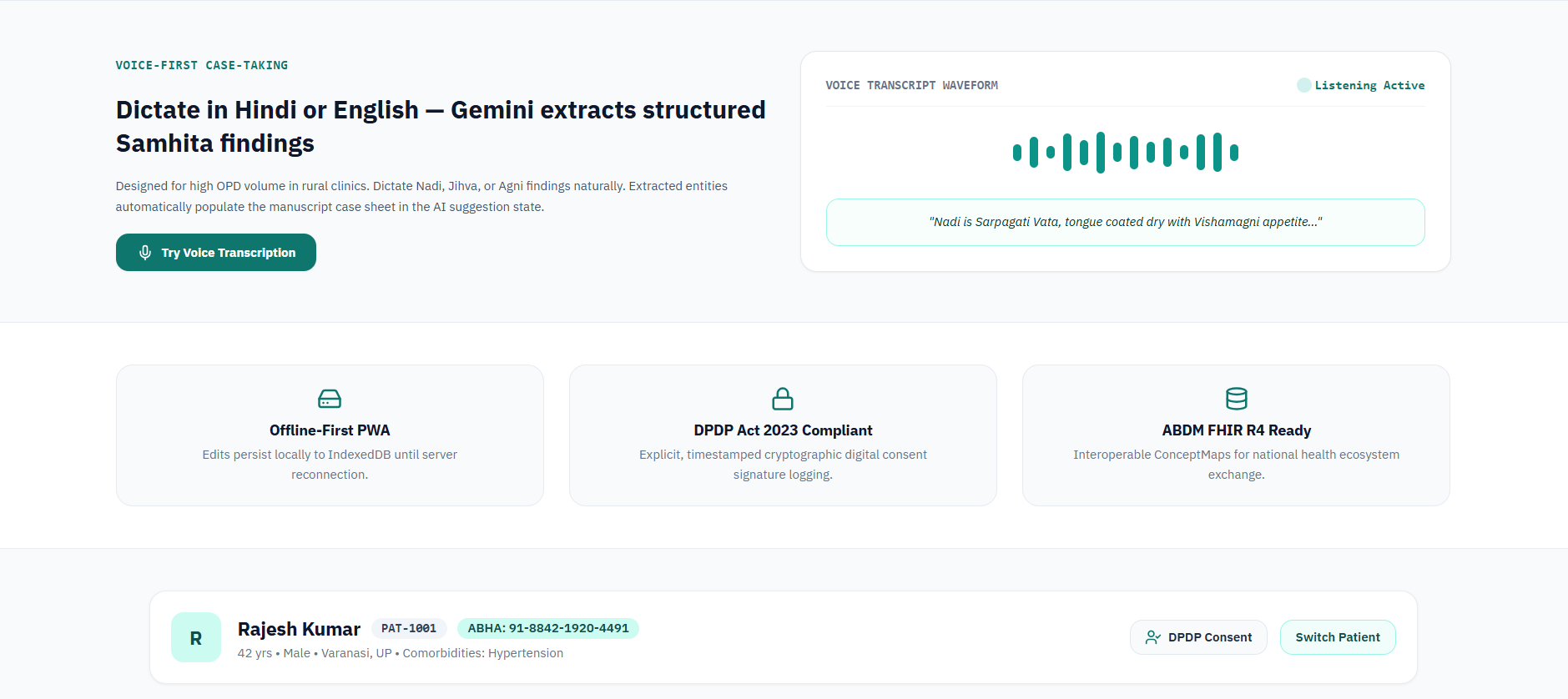
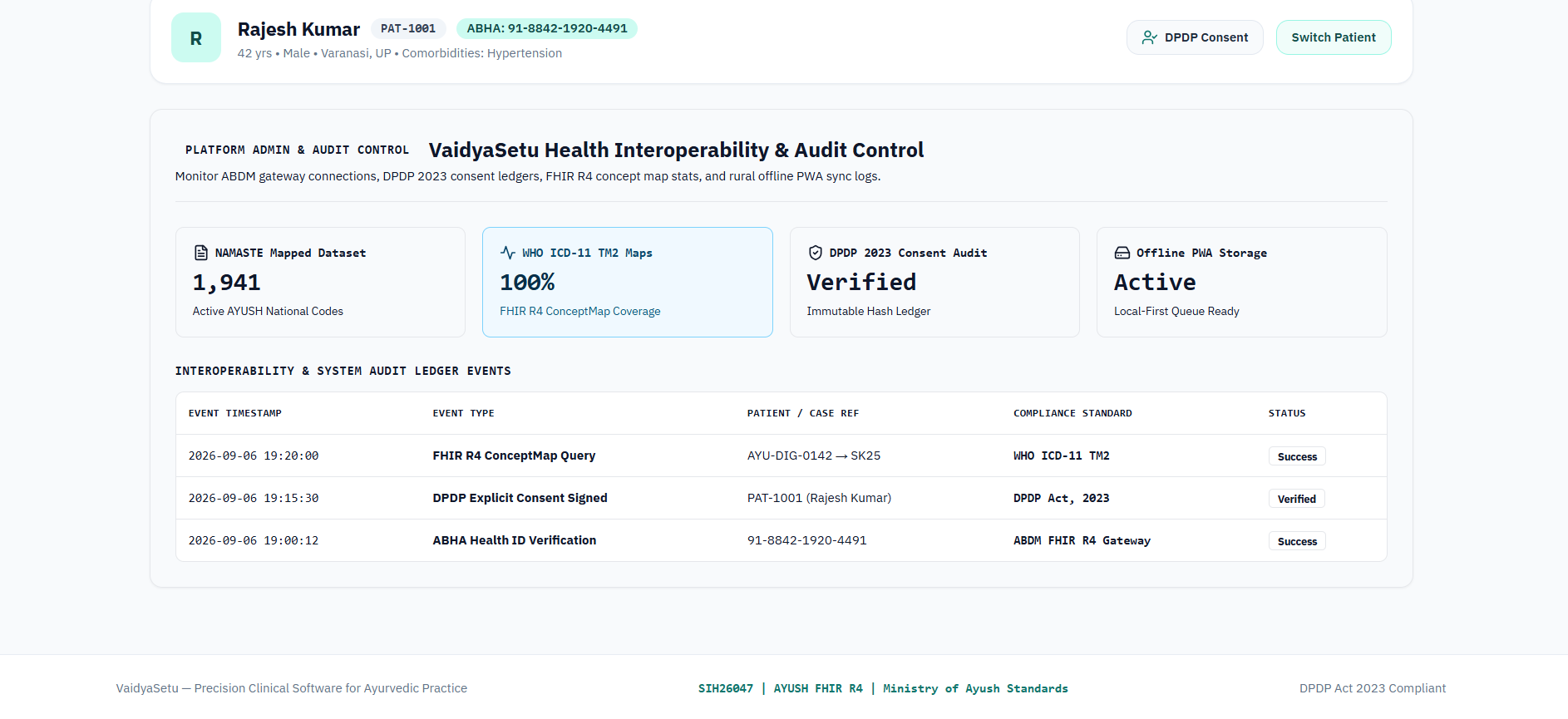
Voice-to-structured case sheets, herb-drug interaction checks against a patient's allopathic medications, NAMASTE/ICD-11 TM2 coding for interoperability with India's digital health stack, and offline support for rural clinics.

Log in or sign up for Devpost to join the conversation.