-
-
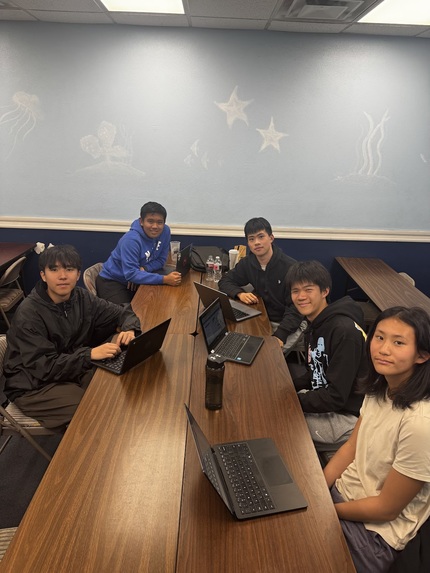
Our team - Van, Aidan, Chauncy, Darren, Olivia

Inspiration
We saw the problem of malaria's spread in Central Africa due to low vaccination rates, and we wanted to provide a novel, possible solution to help with healthcare and vaccination access inequalities within impoverished countries.
What it does
Vacseed helps our society get more equality in access to vaccination through delivering seeds for native plants that produce proteins which cause our body's immune system to create antibodies, just like with normal vaccines, which drops the mortality and infection rates and increases vaccination rates worldwide due to more equal vaccine access.
How we built it
We took the newly developed technologies of edible vaccines and genetic engineering and combined them with the accessible power of drones to deliver vaccines to remote areas without the hassle of transporting them with refrigeration and equipment to handle fragile traditional vaccines.
Challenges we ran into
We ran into the challenges of deciding what kind of plants we would use to deliver the vaccine, as the proteins used in vaccines break down when cooked, so we had to choose plants that can be eaten uncooked, as well as being non-invasive and able to grow in the environments we plant them in. We also had to come up with a novel way of delivering the seeds, because even though they are much tougher than traditional vaccines, the areas we plan to deliver to are tough to access, even on foot, so we decided to use a drone to drop our seeds into remote areas to be planted.
Accomplishments that we're proud of
We are proud of our idea of VacSeed, especially our idea of inserting genetic code into plants to produce proteins to be used as “edible vaccines” for countries that have inequal access to vaccinations, because it helps improve the health quality of countries by using a much simpler and novel method compared to traditional vaccines. We are also proud of the amount of work we put into creating our project's supporting elements such as our video and website.
What we learned
We learned more about genetic engineering and technologies such as CRISPR and PCR, as well as ways that climate, soil, and water can affect how well plants can grow. We also learned about different types of crops that are grown in different parts of the world, such as yams in Africa, and how they are prepared and consumed there.
What's next for VacSeed
Next, we plan to expand from malaria in Central Africa to treating other diseases like tuberculosis in other parts of the world that have unequal access to vaccines, such as Southeast Asia and South America. We plan(t) :) to use crops like rice and potatoes to account for other climates in different parts of the world, and to prevent accidentally introducing invasive species to new ecosystems.
Built With
- canva
- national-library-of-medicine-digital-collections
- wordpress
- world-health-organization
- youtube


Log in or sign up for Devpost to join the conversation.