Inspiration
It has been over a year and a half since the first COVID outbreak in the United States, and chances are we will need to learn to live with the virus for many years to come. Vaccination, without a doubt, is currently the most effective way to combat the virus is through vaccines. We got our inspiration from a privacy law class at Georgia Tech this semester; a great portion of the class focuses on vaccine passports and how to design them to maximize both security and privacy.
The two biggest challenges of vaccine passports are that similar systems tend to be centralized, which greatly lacks privacy, and the lack of transparency also implies less security. In an effort to come up with a solution that is the best of both worlds, we decided to employ blockchains as a way to implement the vaccine passport. Blockchains are inherently more transparent than a centralized system, and it is also extremely challenging to fake records on a blockchain by design. Given that many businesses now require individuals to be vaccinated and that there will be more and more people attempting to fake vaccination records, our product will prove integral to our new way of life by providing a reliable and secure vaccine passport to individuals and businesses.
What it does
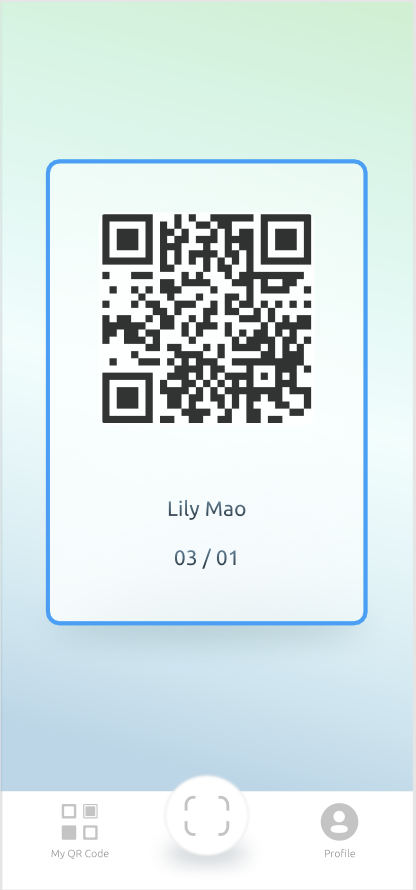
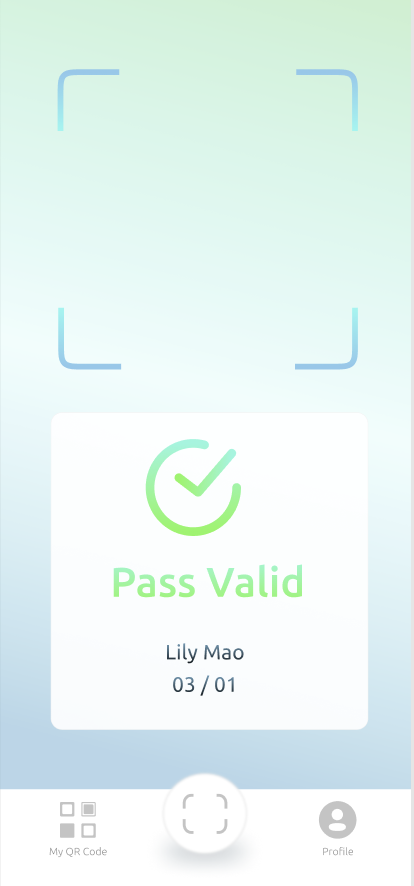
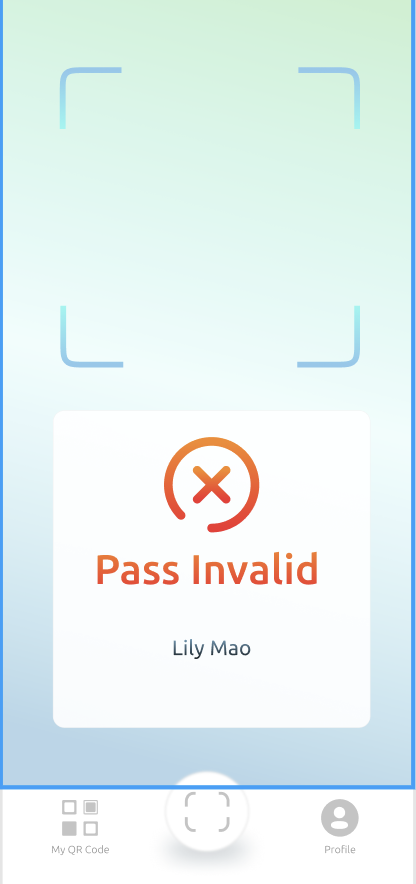
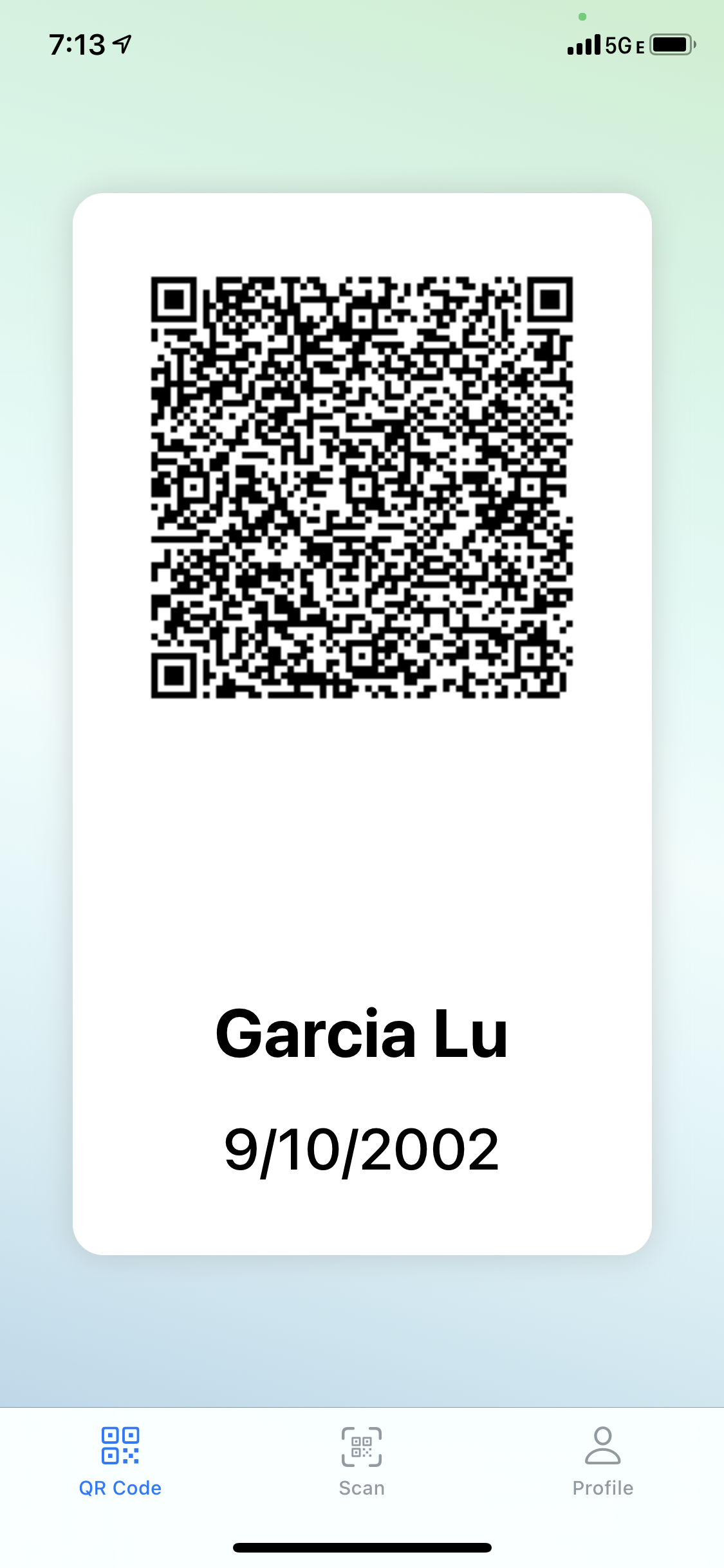
VaxPass allows users to seamlessly and securely verify the COVID vaccination status of others. After signing in on an iPhone, each user is given a unique QR code representing their vaccine status. Users can either scan another person's QR code or can display their own QR code to others for verification of vaccination status. One of the most significant and important features of the app is that the only three pieces of information it shares about a user is a true/false value indicating whether the user meets vaccination requirements, the user's name, and the user's birthday (without the year). We do not display information about when the vaccine was received, what brand the vaccine was, how many doses the user has received, etc. because these are ultimately irrelevant to the other party regarding whether this person has been vaccinated or not. This also helps maintain maximum privacy as well as maximum efficiency. Information is stored either on the device or on an Ethereum blockchain after going through encryption..
How we built it
The group leveraged FirebaseAuth for Authentication and Firebase Firestore for storing user information. Google Cloud Platform powers the backend server, and we use the Python Flask framework for our API. In addition, our blockchain is built with Ethereum Smart Contracts and the Solidity language. The iOS app is written with Swift on the Xcode IDE. The iOS app uses frameworks like UIKit to build components, AVFoundation to scan QR codes, URLSession to make http requests to the backend. We also used Figma to create lo-fi and hi-fi wireframes for the app.
Challenges we ran into
None of us knew much about blockchain technology prior to the hackathon. We first had to determine which technologies to use to implement a blockchain, then decide which frameworks to use for our frontend and backend, implement the full-stack app, and, finally, plug all pieces together within 36 hours. We also had to figure out how to encrypt data that went onto the blockchain.
Accomplishments that we're proud of
We're proud that we created a functional blockchain! Despite being quite minimal, the blockchain was implemented entirely by ourselves from scratch, and through that, we were also able to fully understand how it functions.
We're also very proud of the fact that our idea is based on a product that promotes positive social impact. An app like this can potentially provide a privacy-aware solution for millions of people.
What we learned
The hackathon was an enormous learning experience for every single one of us. What we learned included, but is not limited to:
- Blockchain implementation with Ethereum Smart Contracts
- Solidity language
- API setup with Flask
- Deploying a backend with Google Cloud
- Data Storage with Firebase
- Wireframing with Figma and many more.
What's next for VaxPass
- Verifying negative test results
- Vaccine Appointment Scheduler and Reminder
- Vaccination Demographics
- Registering and Tracking COVID-19 Diagnoses


Log in or sign up for Devpost to join the conversation.