-
-
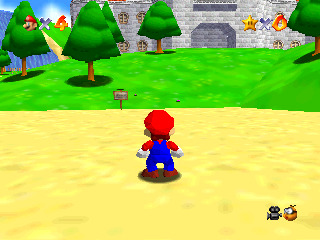
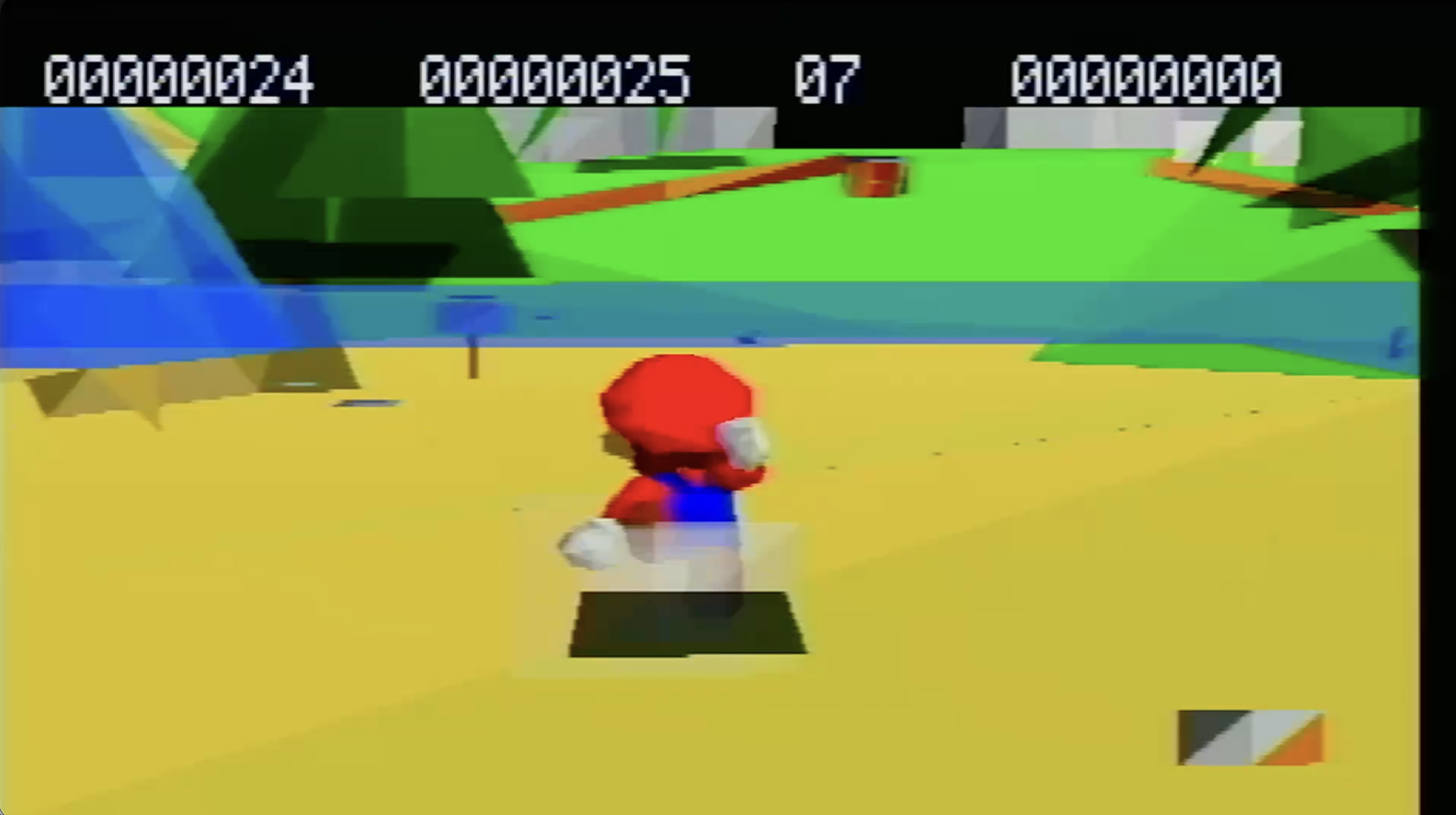
Captured on Emulator
-
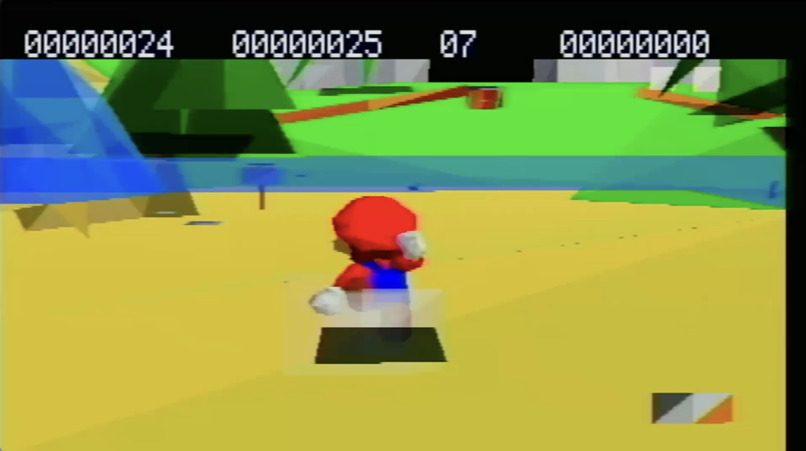
Captured on Console
-
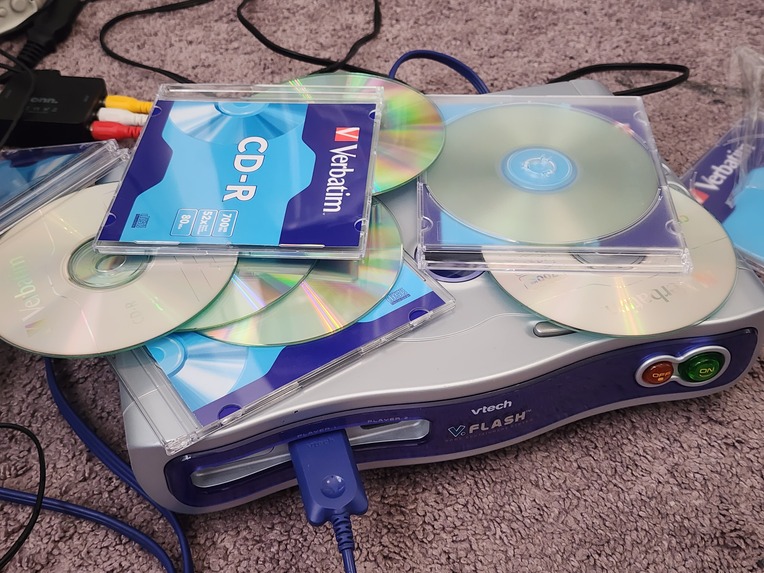
Yeah
Inspiration
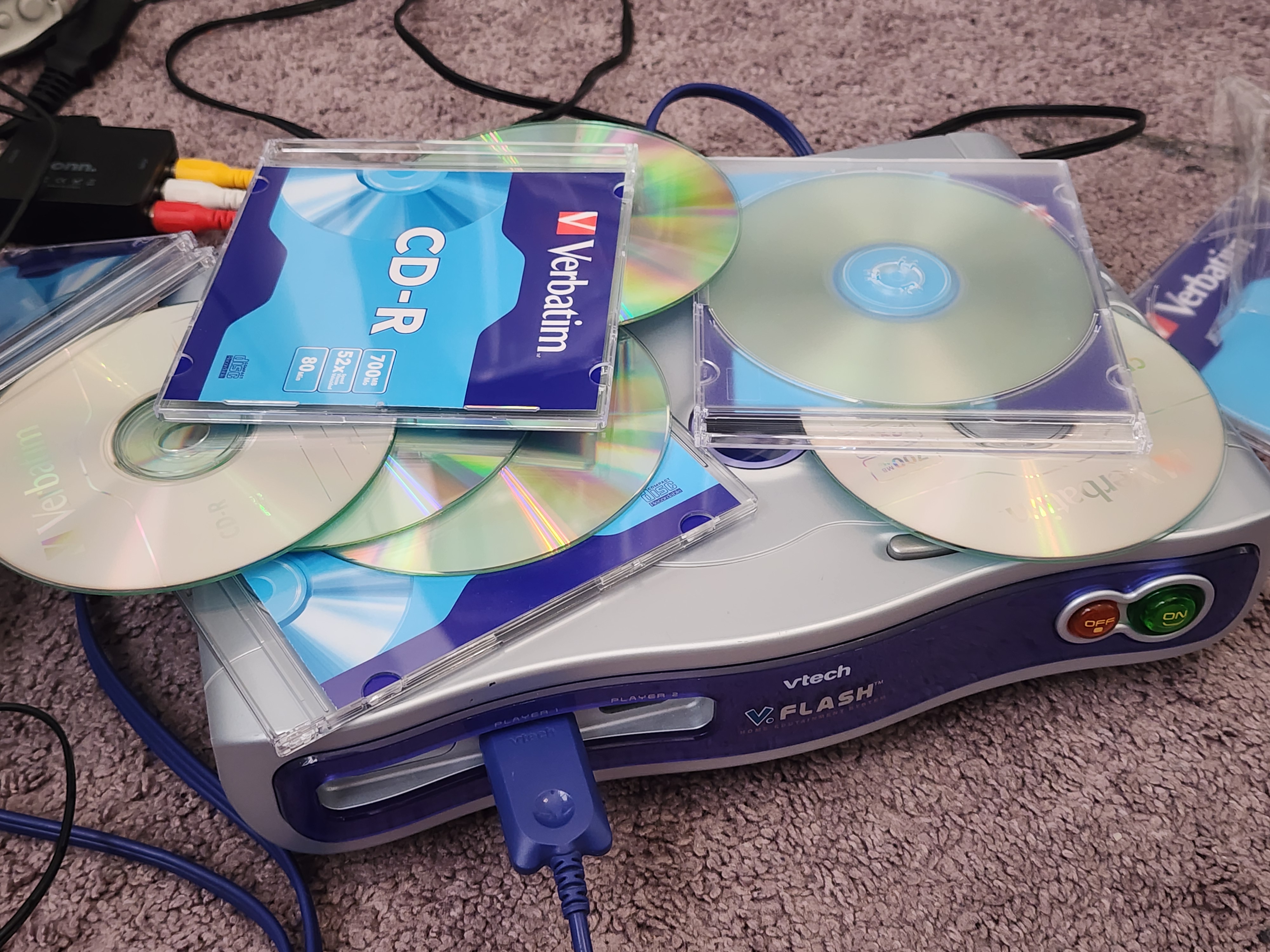
We have been interested in obscure game consoles for a while. And the V.Flash was one of the most interesting: A 3D educational kids console that was like a supercharged version of the PS1. We knew we wanted to see how it operated and how capable it was. We wanted people to be able to develop their own games for the system as we feel like it's a more approachable PS1-like environment to work with; having more modern features while having similar graphics abilities to 5th generation consoles.
What it does
We have created a unofficial SDK for the V.Flash, allowing curious individuals to make their own games for the console. We have also0 ported Super Mario 64 as a demo proof of concept program to show off what the SDK is capable of.
How we built it
AI-assisted coding was heavy used, we used Codex with GPT 6.1 Sol; I don’t think it would have been possible in the amount of time provided otherwise. Everything was first ran on an emulator, before being tested on a real console. Open source projects like GCC are used in the SDK to compile to ARMv5 machine code. Ghidra was used along with an MCP to reverse engineer the V.Flash’s hardware and how it works to reimplement in our SDK. The code that the AI wrote was in C and ARMv5 Assembly.
Challenges we ran into
We ran into difficulties in terms of the emulator we used. The emulator we found for the V.Flash was EXTREMELY inaccurate in terms of graphics emulation and the AI had to figure out the accurate behavior by trial and error. I only managed to get a flat shaded (but GE enabled) version of Mario 64 before the deadline. If I had more time, I would had probably had gotten something closer to what I got on said "emulator".
Accomplishments that we're proud of
We are proud of what we accomplished within the 24 hour time span. We were able to get a proof of concept version of Mario 64 up and running on real hardware with a GE backend, despite many technical difficulties. We were also able to uncover new information about the console.
What we learned
We have learned so much about how the V.Flash works, how it's graphics engine worked, and how emulators being inaccurate can be problematic. We also learned about how early ARM compilers functioned and how VTech developed the console's architecture.
What's next for V.Flash64
We hope to improve the Mario 64 proof of concept into an playable port. Including audio support, better remapping to the controller, optimization, improve graphics, etc. We are also going to polish up the SDK before public release on GitHub.
Built With
- ai
- assembly
- c

