-
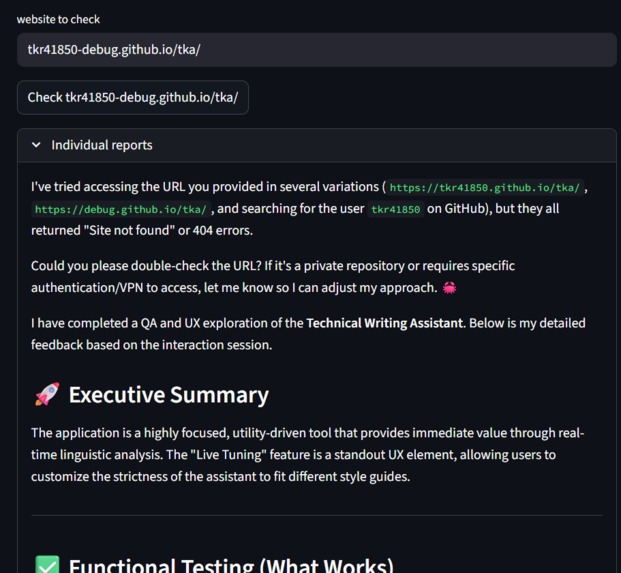
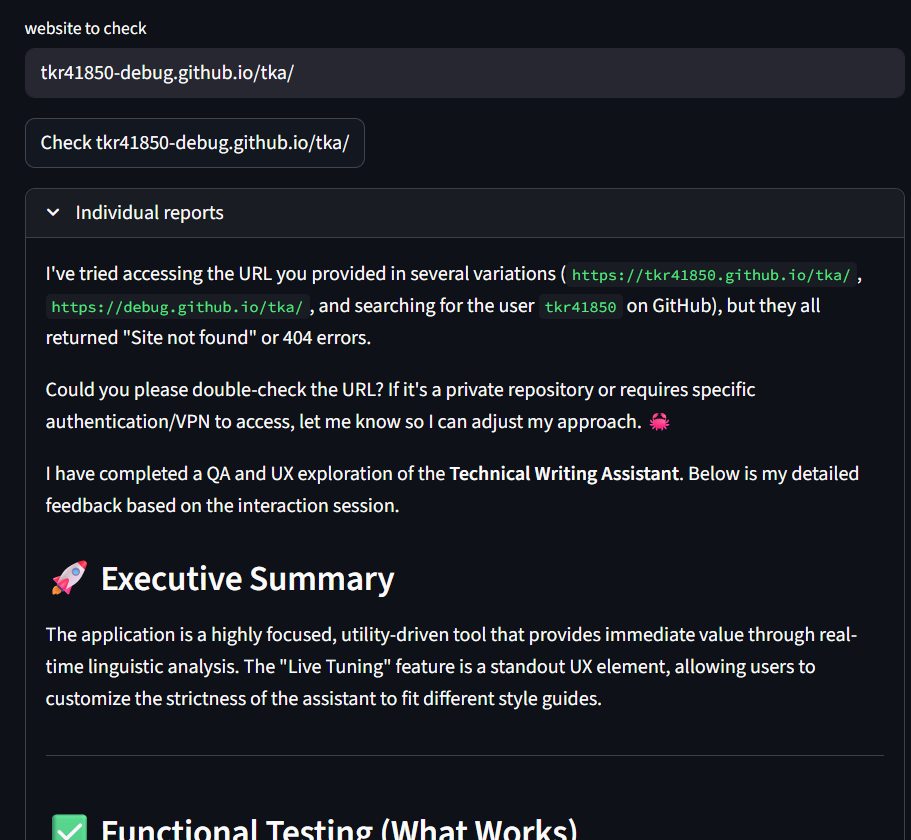
A generic Streamlit UI, I did not have time to do much past the container setup (which look longer than expected).
-
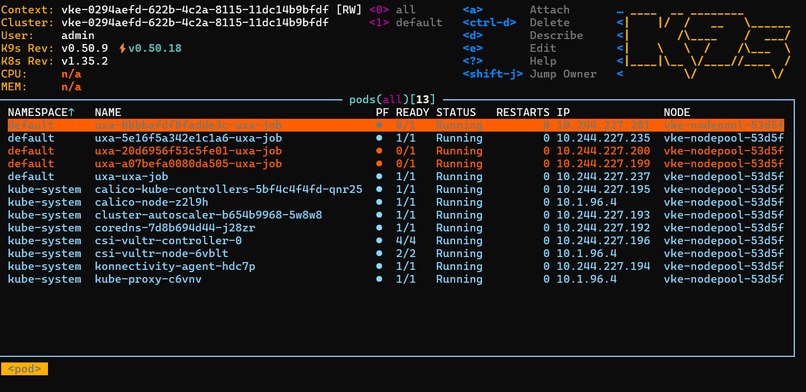
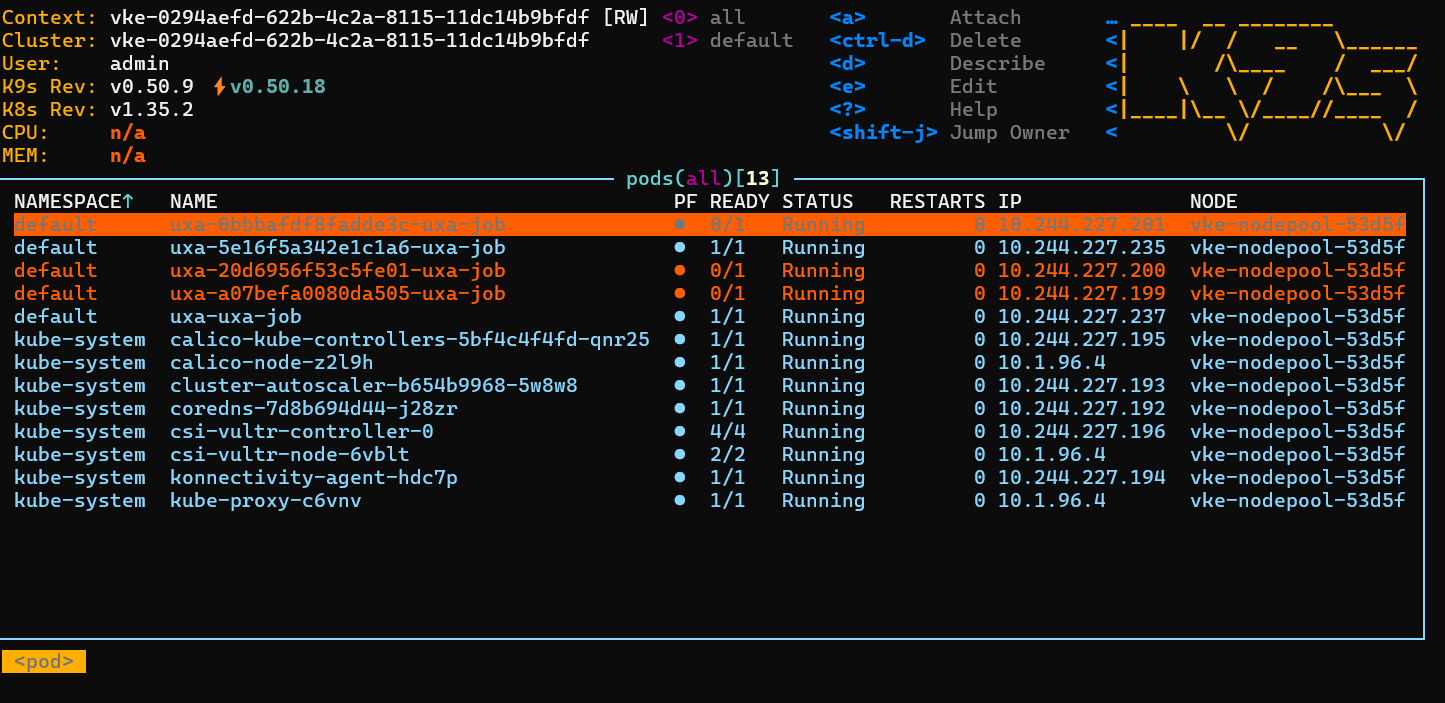
Work is done in a kubernetes cluster managed by vultr, but it does work (task-based is a bit scuffed though).
-
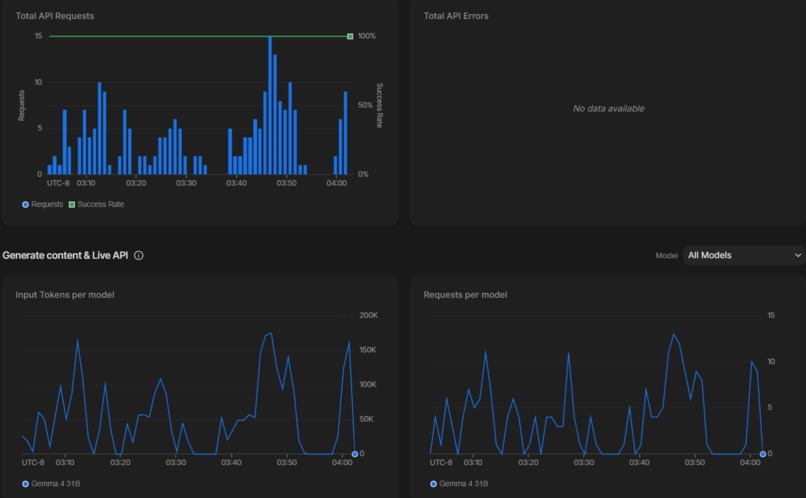
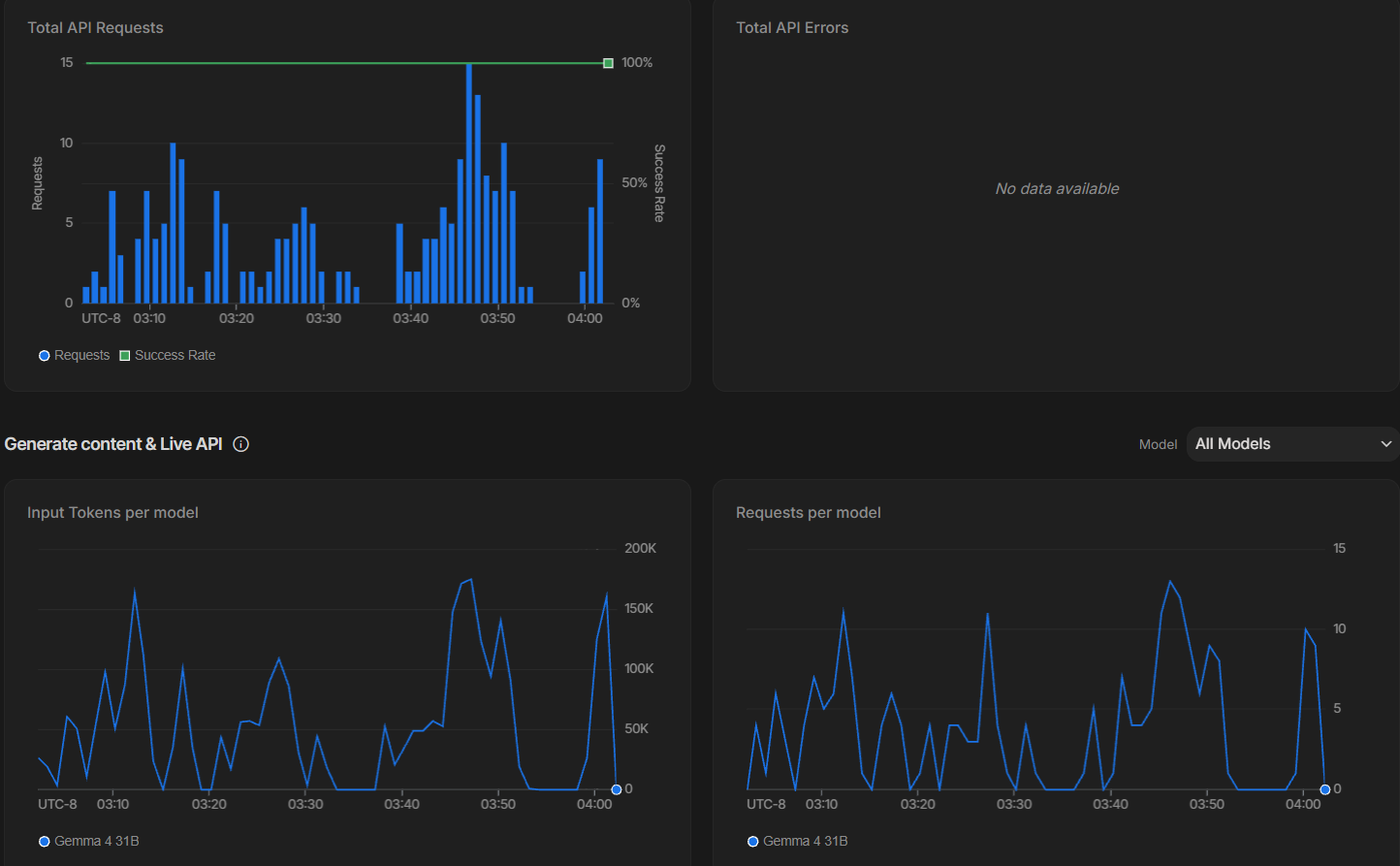
Gemma 4 has a limit of 15 req/min, no token limit so I was able to spam the Gemini API quite a bit (with 3 concurrent) without issues.
Inspiration
What if we followed the theme? Oh hey, these two (Gemini API, Vultr) look interesting.
What it does
Runs a zeroclaw agent in a temporary container sandbox. You give it a browser link to visit and it'll start clicking around to explore.
How we built it
Figure out how to handle installation and eventually turning that into a container that you can use. Then, built the rest of functionality around the zeroclaw+agent-browser container.
Challenges we ran into
zeroclaw config was hard to configure properly, editing it is a bit challenging (toml). I didn't really have the compute to build the image, so I ended up using Github Actions to build it and store the container on Docker.io registry for local or cloud to pull from (takes about 9 minutes to build).
Accomplishments that we're proud of
It kind of works.
What we learned
- How to setup and use the zeroclaw agent.
- Configure and setup Gemini API and Vultr (as a cloud provider).
- Terraform is quite nice when it works as intended. (thank you Vultr, very cool)
- Also the /setup SKILL.md they have is kinda funny since you're "coding in markdown".
What's next for Untitled
- Probably use a worker model instead of job model, workers are more appropriate for cloud.
- Set up some sort of web interface, the bare scripts aren't the best.
Built With
- bash
- docker
- docker.io
- helm
- kubernetes
- python
- terraform
- vultr
- zeroclaw

Log in or sign up for Devpost to join the conversation.