-
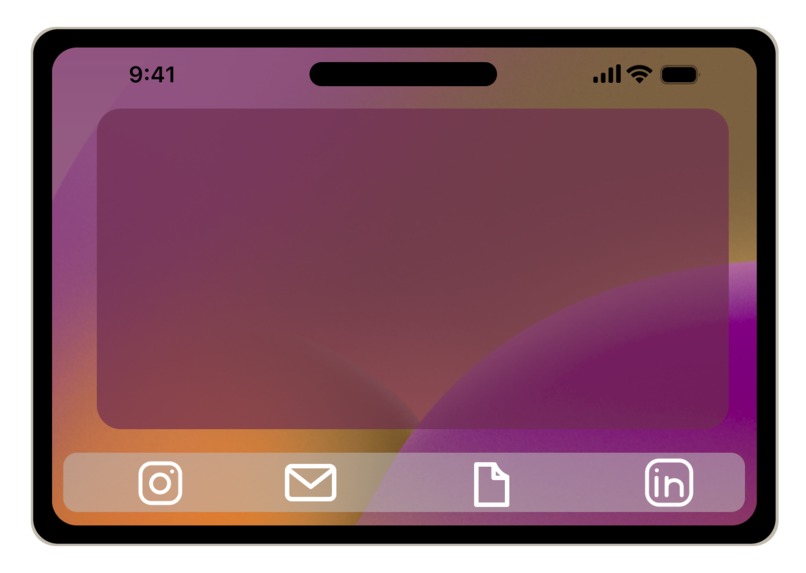
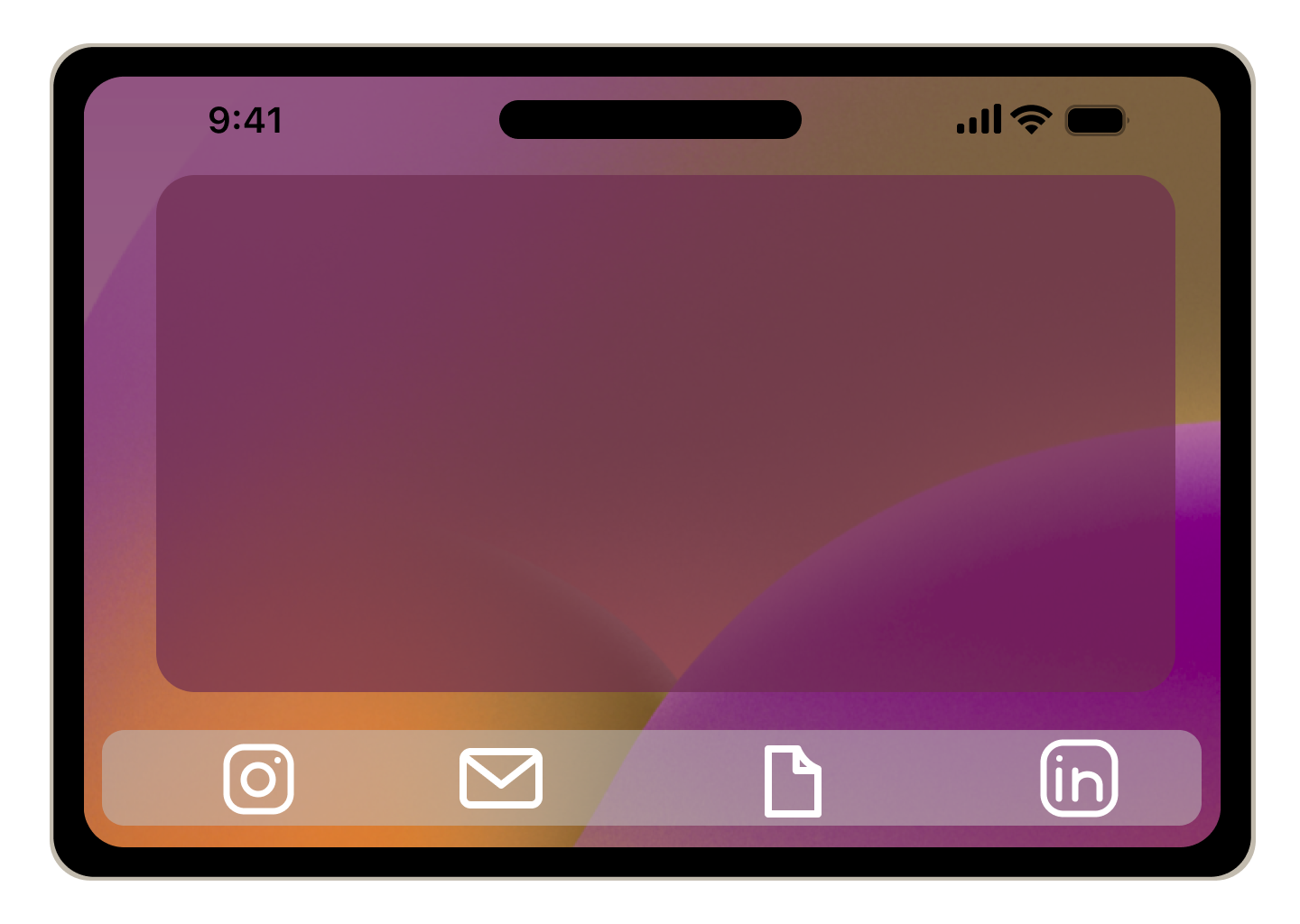
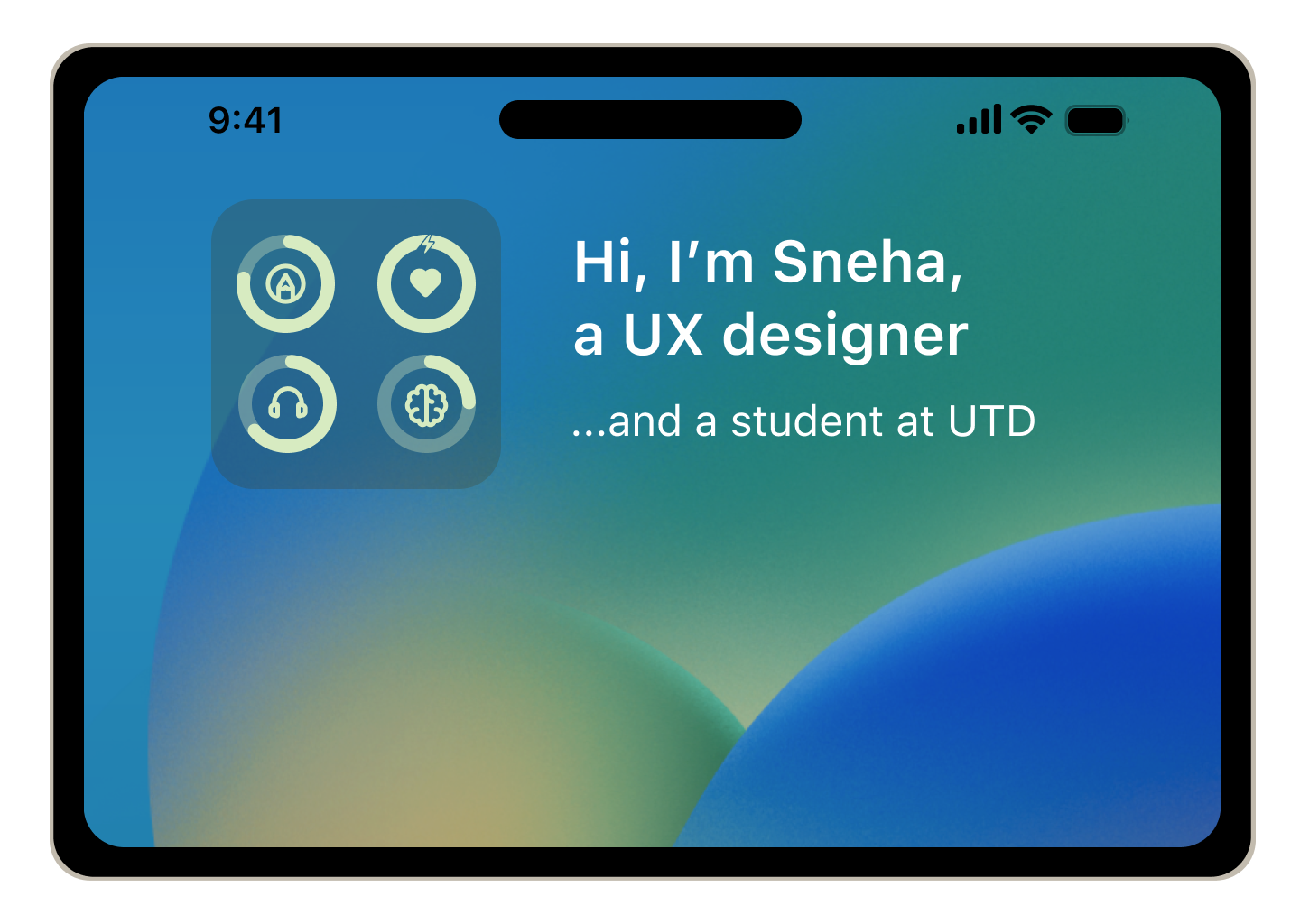
Changed Ipad design
-
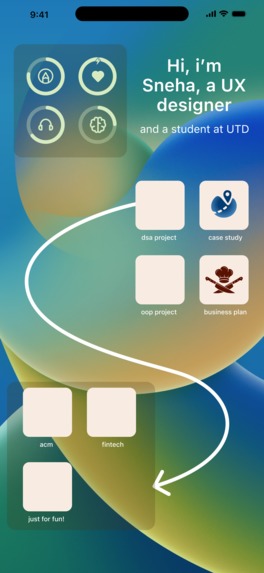
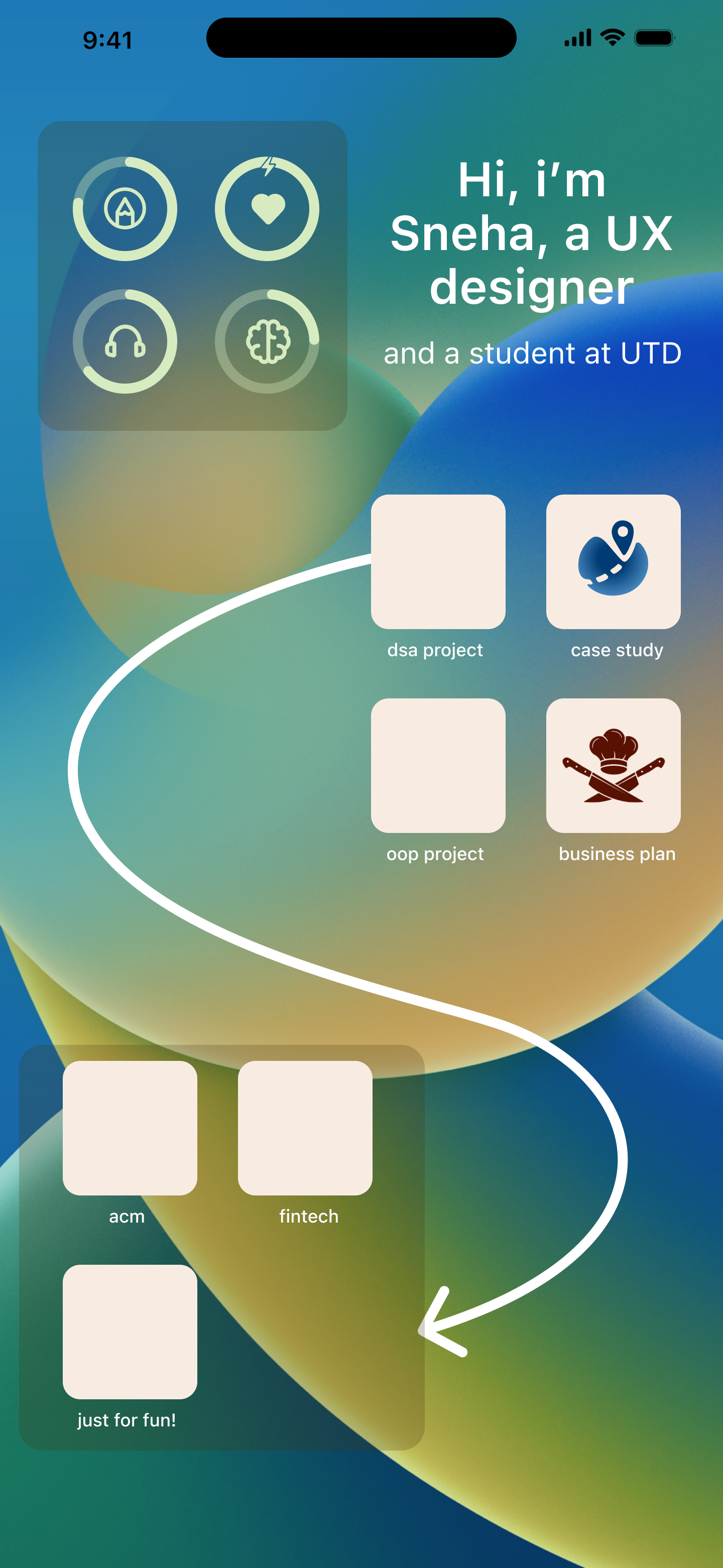
starting design, with arrow for accessibility
-
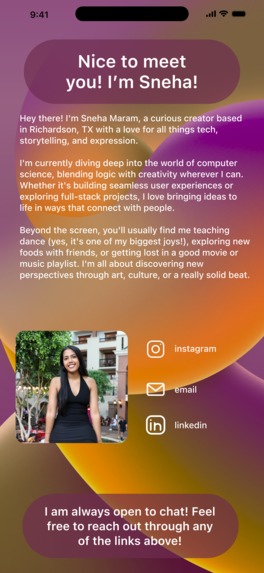
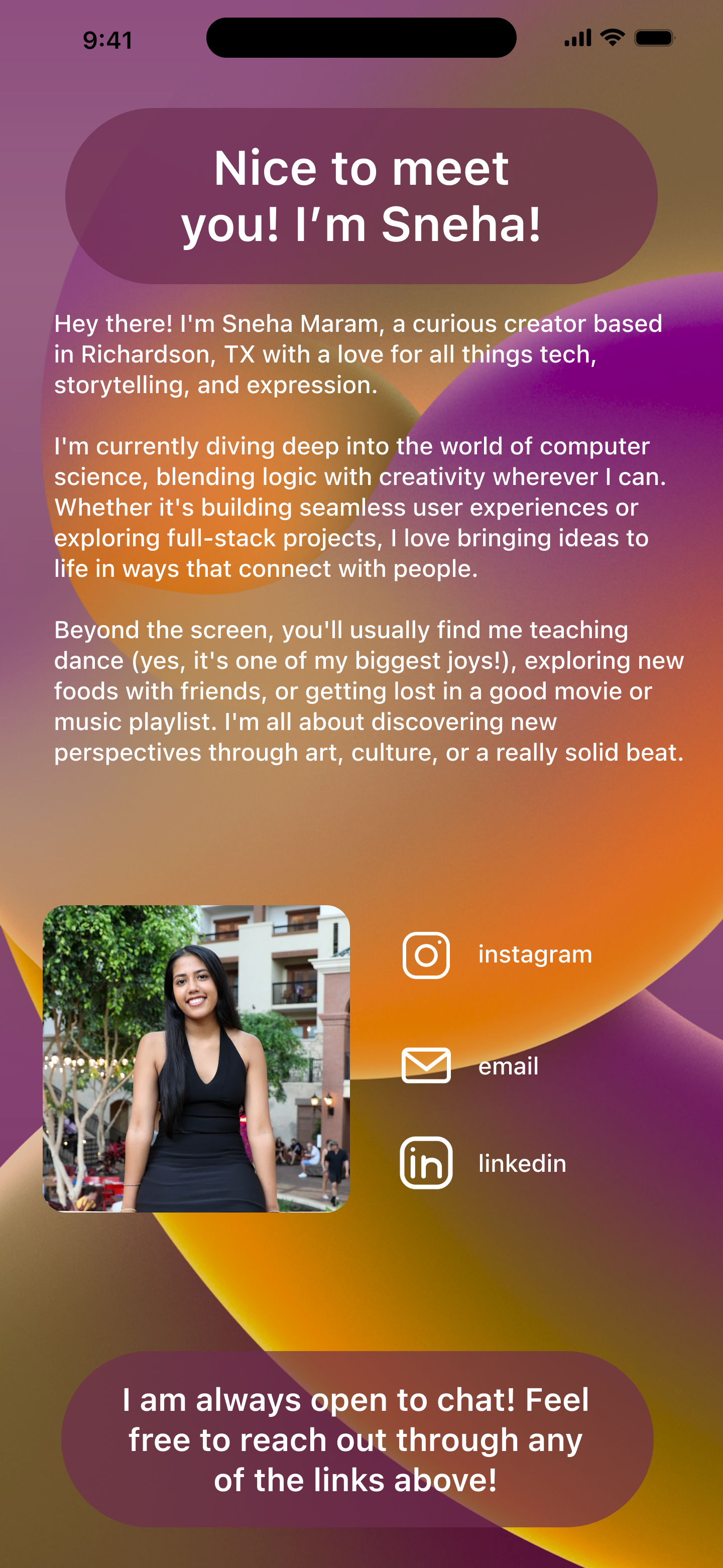
Initial about page
-
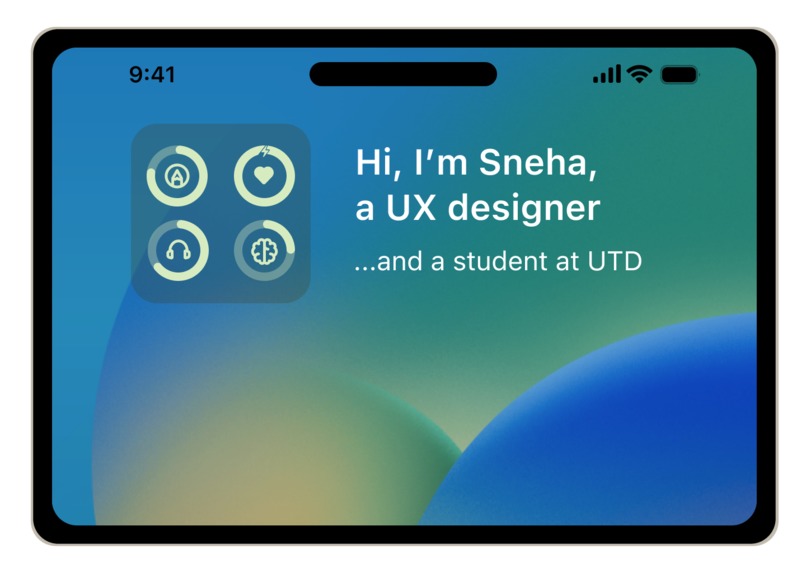
changed Ipad design
Inspiration
Navigating the UX job market, I noticed that many portfolios are either overwhelming to use or lack a clear narrative about the designer’s process. I wanted to create a portfolio that not only showcases my work but also embodies the principles of intuitive, delightful UX-making it as easy and engaging to navigate as using an iPad. My goal was to design a digital space that’s instantly recognizable, accessible, and enjoyable for everyone, including those with different abilities, aligning with the hackathon’s focus on human-centered, impactful technology.
What it does
This portfolio presents my UX projects through the familiar metaphor of an iPad interface, making navigation simple and inviting. Each project is structured as a case study, highlighting the problem, my process, and the impact of the solution. Key features include:
- iPad-inspired navigation for instant recognition and ease of use
- Accessibility-first design (color contrast, keyboard navigation, screen reader support)
- Human-centered impact statements and clear documentation of my design process
- Responsive layout for seamless experience across devices
The site demonstrates not just my visual design skills, but also my commitment to usability, empathy, and inclusive design.
How I built it
Design: Prototyped in Figma, focusing on iPad UI metaphors and user flows Development: Built with Next.js, Tailwind CSS, and theme variables for consistent, scalable styling Demo Video: Recorded a walkthrough explaining the site’s UX highlights and accessibility features Deployment: Hosted on Vercel for fast, reliable access
Challenges I ran into
Balancing visual fidelity with accessibility: Ensuring the iPad theme remained accessible for all users required careful color contrast checks and alternative navigation options. Documenting process concisely: Summarizing complex projects into clear, engaging case studies without losing important details was a challenge.
Testing across devices: Making sure the portfolio delivered a consistent, delightful experience on all screen sizes and assistive technologies took multiple iterations.
Accomplishments that I am proud of
- Creating a portfolio that’s both visually distinctive and highly usable, standing out from standard templates
- Clearly communicating my design process through how-to documentation
- Receiving positive feedback from peers on the portfolio’s clarity and navigation
What I learned
Empathy in design is about more than aesthetics, it’s about anticipating diverse user needs and making every interaction seamless. Process documentation is as important as the final product; showing how you think and solve problems resonates with both judges and employers. Iterative testing with real users (including those using assistive tech) is crucial for building truly inclusive digital experiences.
What's next for UX Portfolio Design
Expand accessibility features: Add more language options and support for alternative input devices. Integrate user feedback: Continue refining the portfolio based on feedback from recruiters, mentors, and users with disabilities. Open source templates: Share the iPad-themed portfolio framework for other designers to adapt and build upon. Case study expansion: Add more projects, including collaborative and community-focused work, to further demonstrate impact and versatility.

Log in or sign up for Devpost to join the conversation.