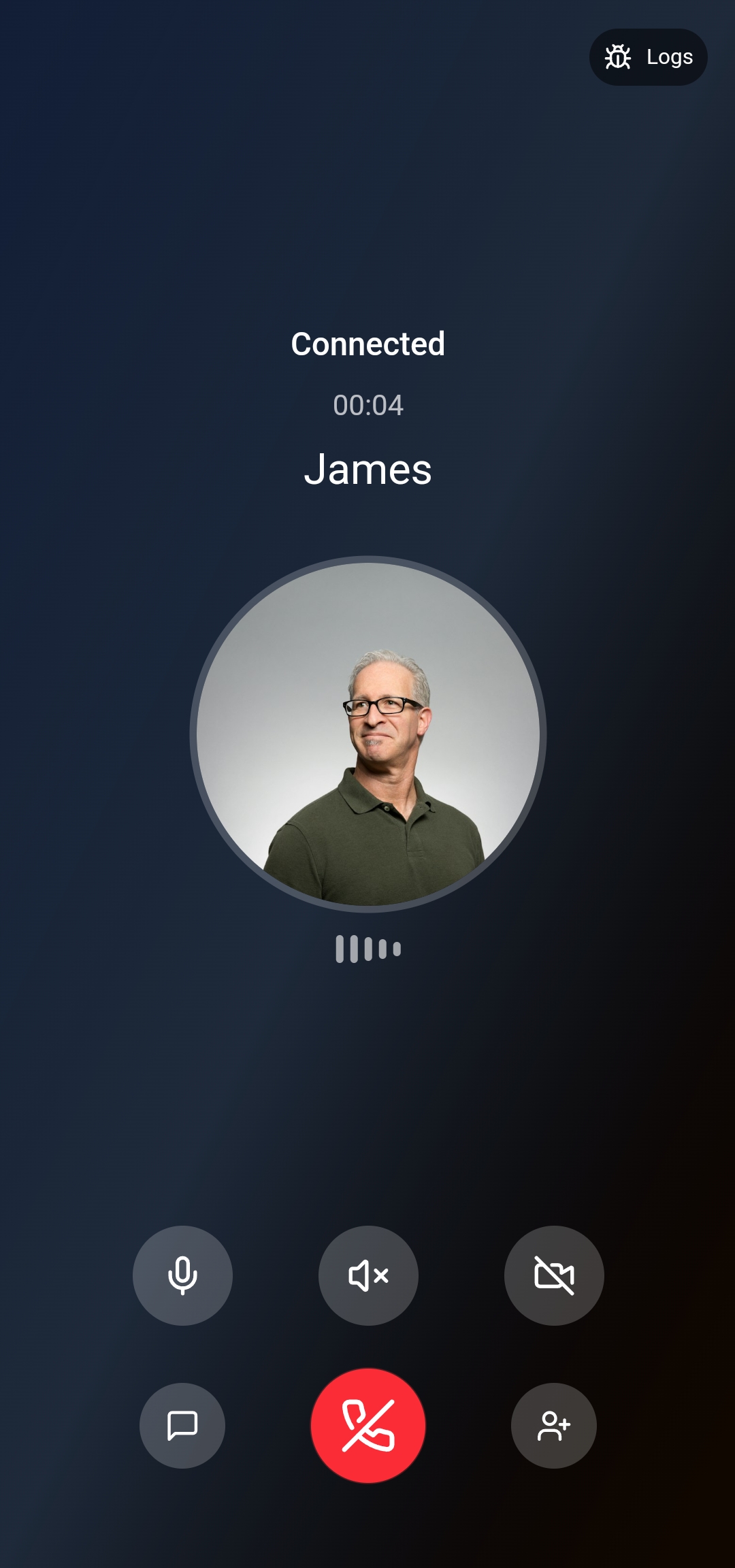
Inspiration
Over 430 million people globally experience disabling hearing loss, yet standard communication channels, emergency services, and digital platforms completely lack real-time sign language interpretation. The inspiration behind Uvilox AI came from a desire to bridge this deep accessibility gap. We wanted to build a platform that doesn't just translate text, but translates human motion and real-world expression into instant, actionable communication across standard voice and video networks.
What it does
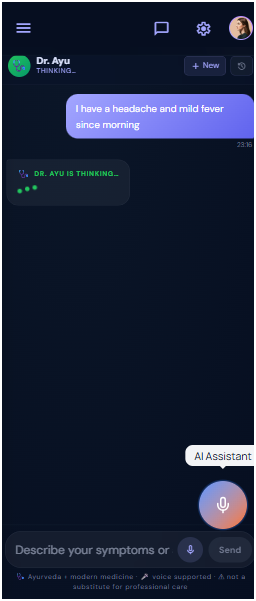
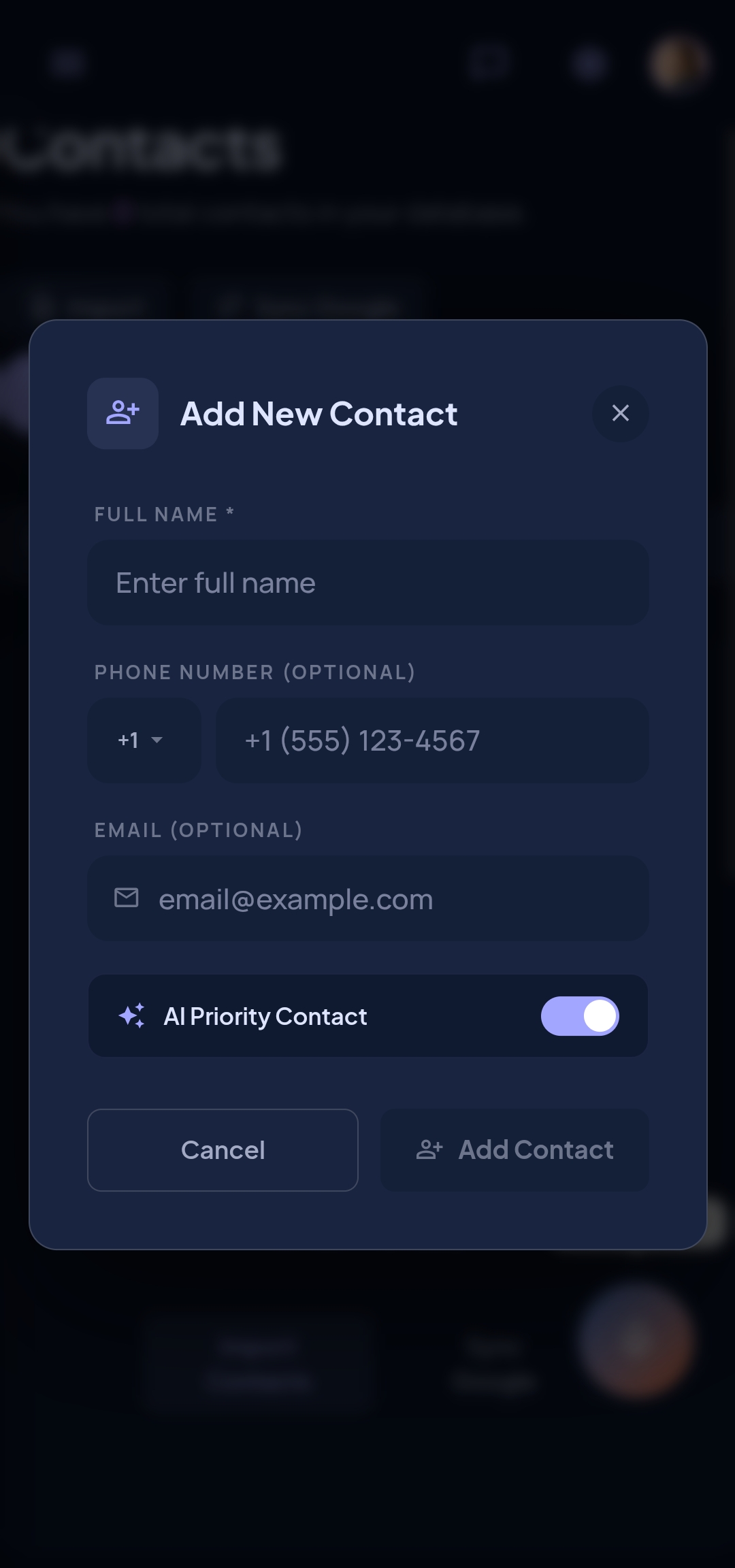
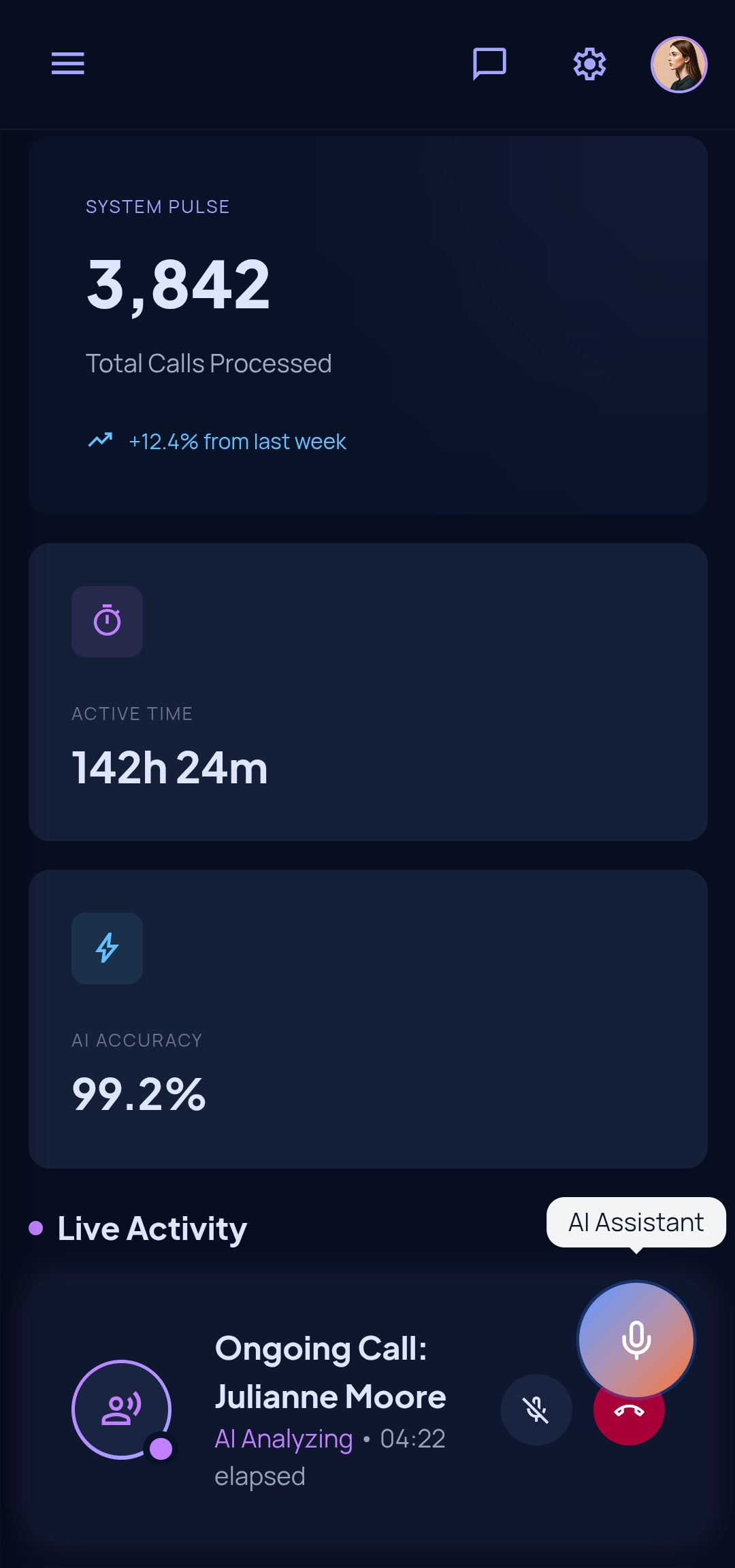
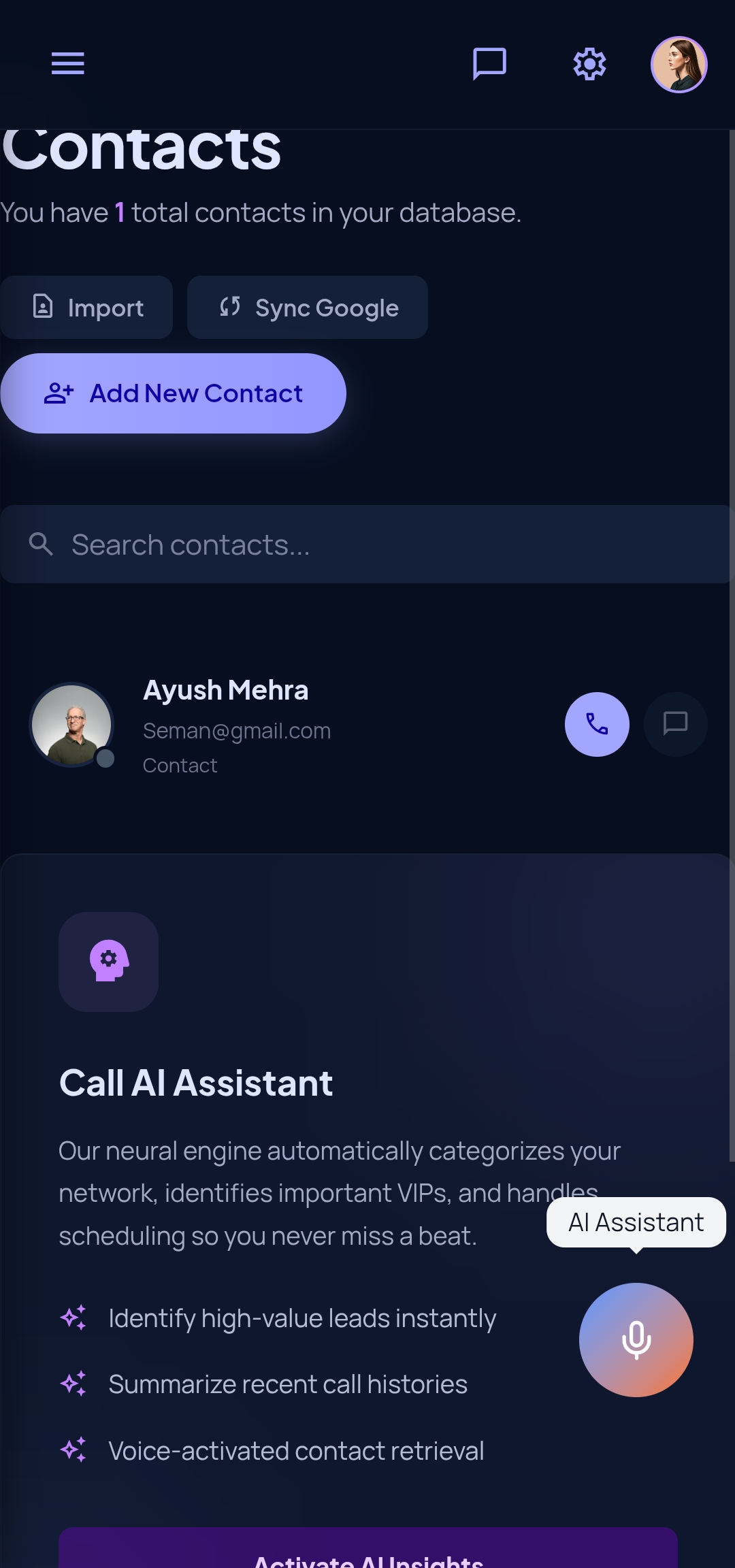
Uvilox AI is an AI-powered, real-time accessibility platform designed to eliminate global language and hearing barriers. Its primary features include:
Real-Time Sign Language Translation: Instantly converts hand landmarks and spatial gestures into text and speech.
Low-Latency Streaming: Utilizes WebRTC and LiveKit to ensure conversations flow without conversational lag.
Emergency & Health Access: Connects non-verbal or hearing-impaired users directly with essential services and regional medical support.
Cross-Platform Availability: Accessible seamlessly via web browsers and mobile environments.
How I built it
Uvilox AI was engineered using a robust modern tech stack tailored for real-time processing and computer vision:
Computer Vision & AI: Built hand landmark tracking and gesture classification models using Python, MediaPipe, OpenCV, and TensorFlow / Keras.
Real-Time Infrastructure: Integrated WebRTC, LiveKit, and speech-to-text (STT) services to handle bi-directional audio/video streaming.
Frontend & Backend: Developed responsive interfaces using React / Next.js and Tailwind CSS, powered by a high-performance FastAPI backend.
Challenges I ran into
Reducing Latency: Achieving real-time computer vision inference without introducing noticeable video or audio lag during active translation streams was a major performance hurdle.
Gesture Variance: Training the sign language models to accurately recognize subtle variations in hand placement, lighting conditions, and diverse user signing styles required rigorous data filtering and pipeline tuning.
Accomplishments that I'm proud of
Successfully building an end-to-end pipeline that bridges computer vision hand-tracking directly into real-time communication protocols.
Deploying a functional prototype that addresses a critical real-world social impact problem with sub-second response capabilities.
What I learned
Deepened expertise in optimizing real-time computer vision inference loops and handling asynchronous WebRTC media streams under constrained network conditions.
Gained a clearer perspective on designing inclusive user interfaces centered around accessibility-first architecture.
What's next for Uvilox AI
Global Sign Language Expansion: Expanding gesture datasets to support additional international sign languages (ASL, BSL, etc.).
Edge Optimization: Moving lightweight model inference directly to mobile devices to ensure offline functionality in emergency scenarios.
Ecosystem APIs: Opening developer APIs so third-party telehealth platforms, customer service portals, and emergency lines can embed real-time sign interpretation natively.
Built With
- azure
- clouflare
- mongodb
- python
- react-native
- tailwind

Log in or sign up for Devpost to join the conversation.