-
-
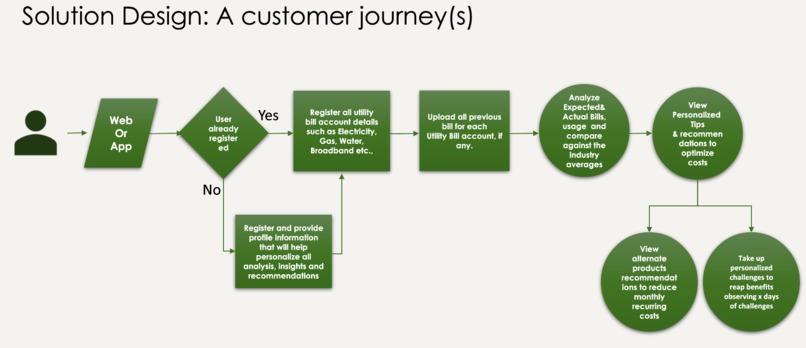
My Expenses Customer Journey
-
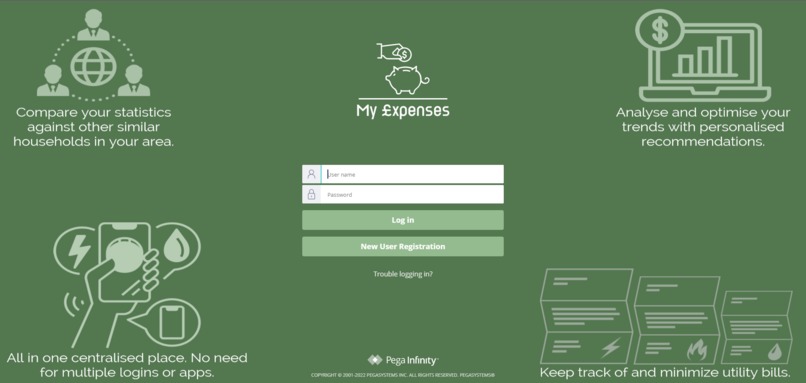
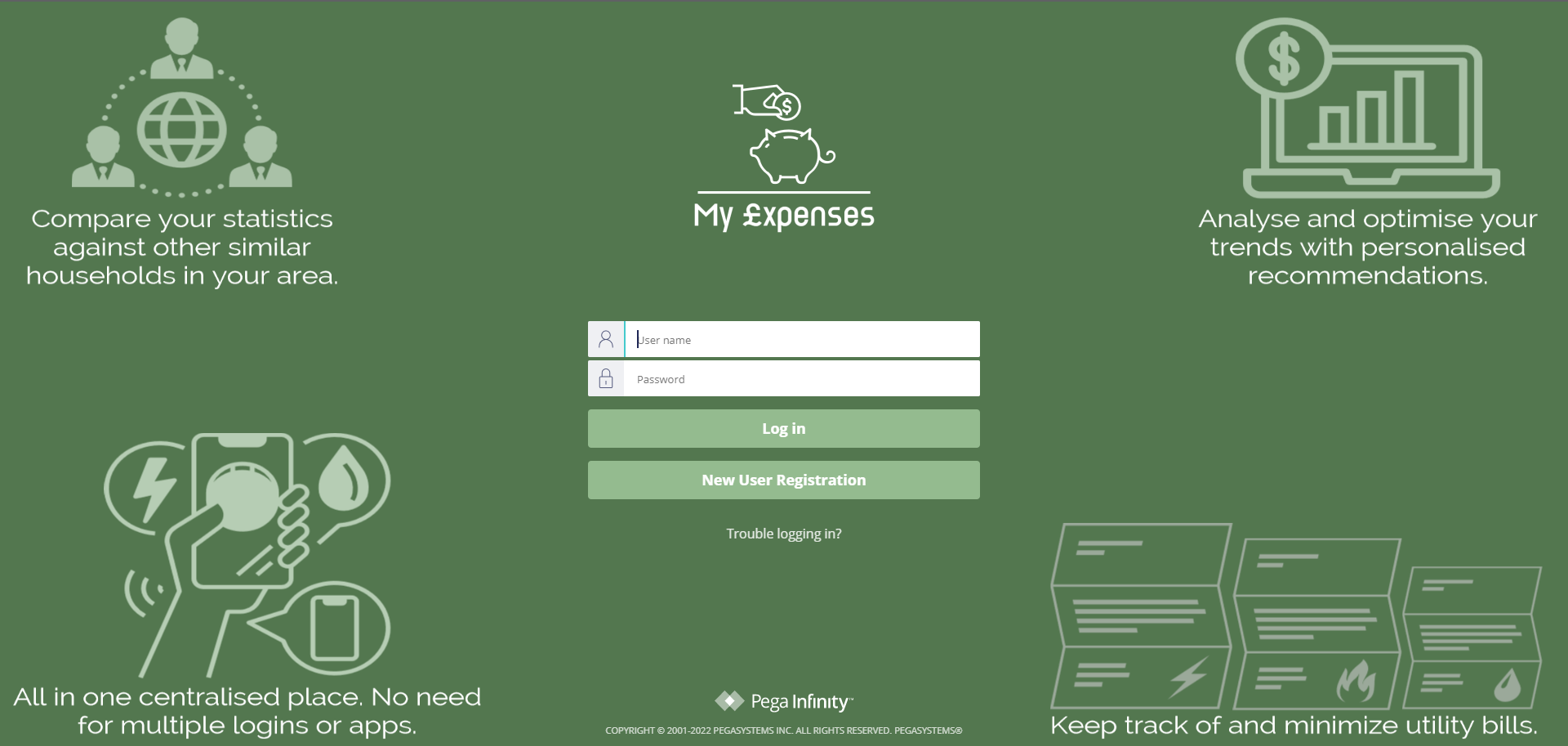
My £xpenses Login screen
-
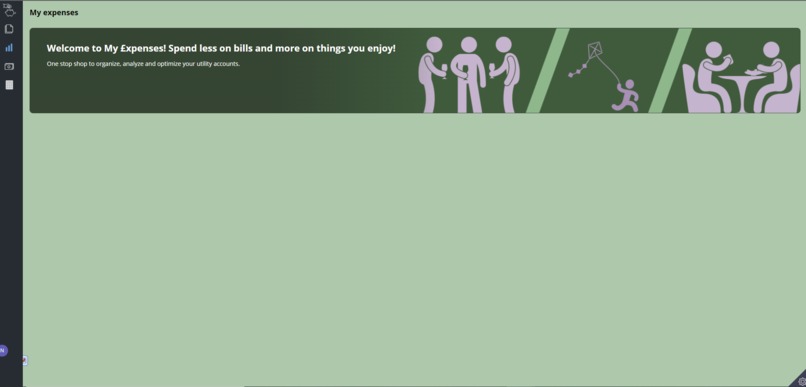
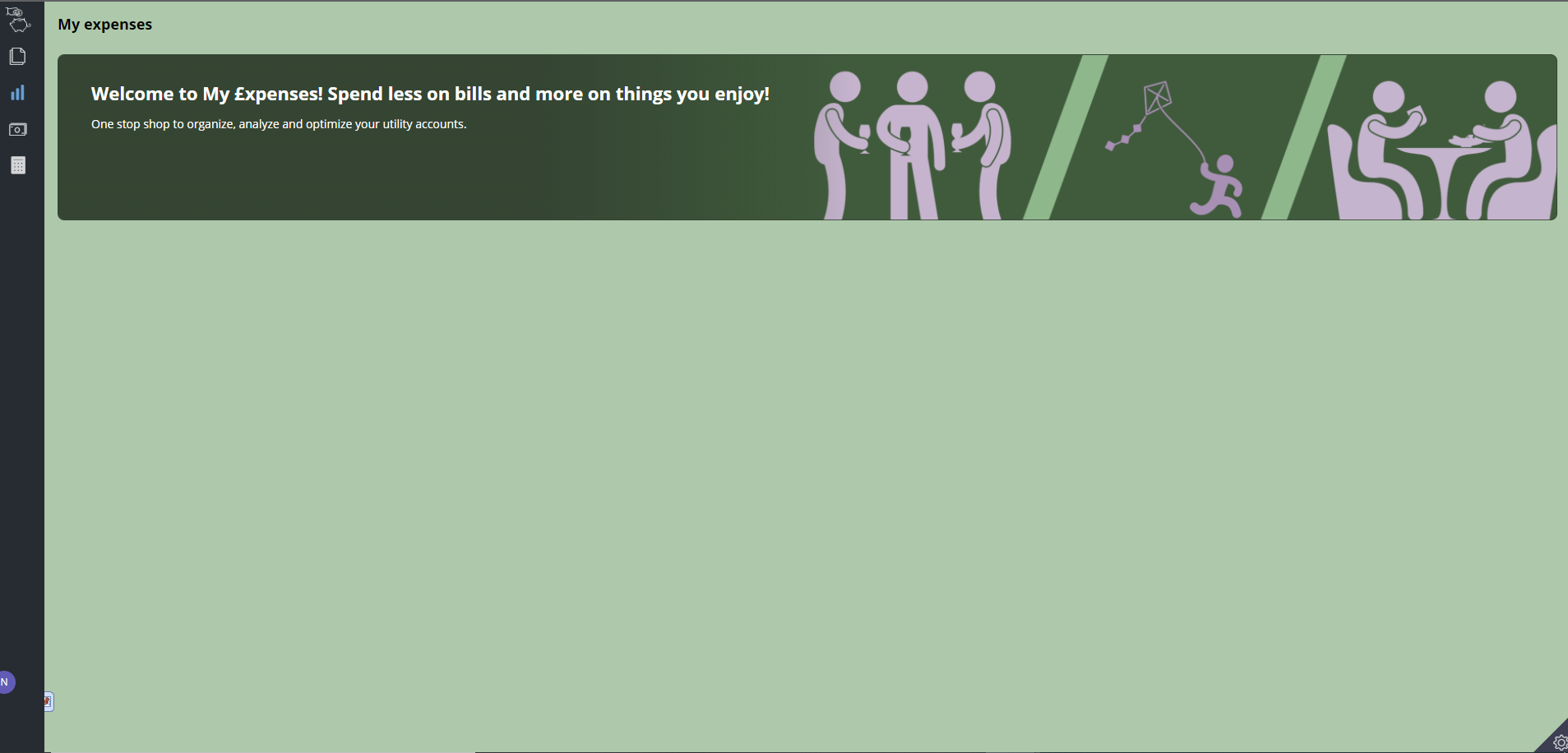
My £xpenses Home screen
-
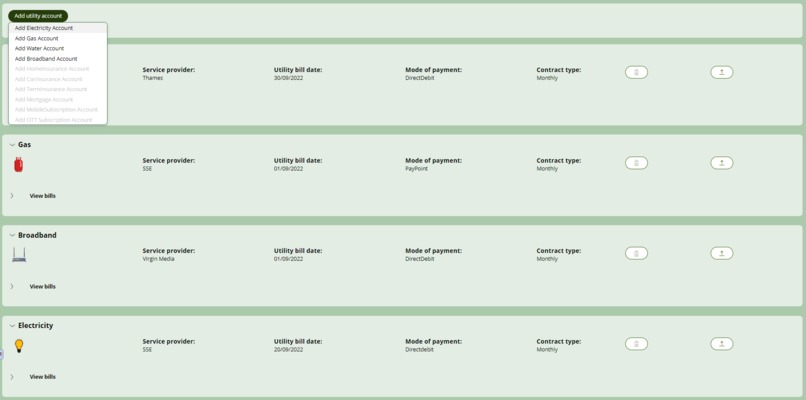
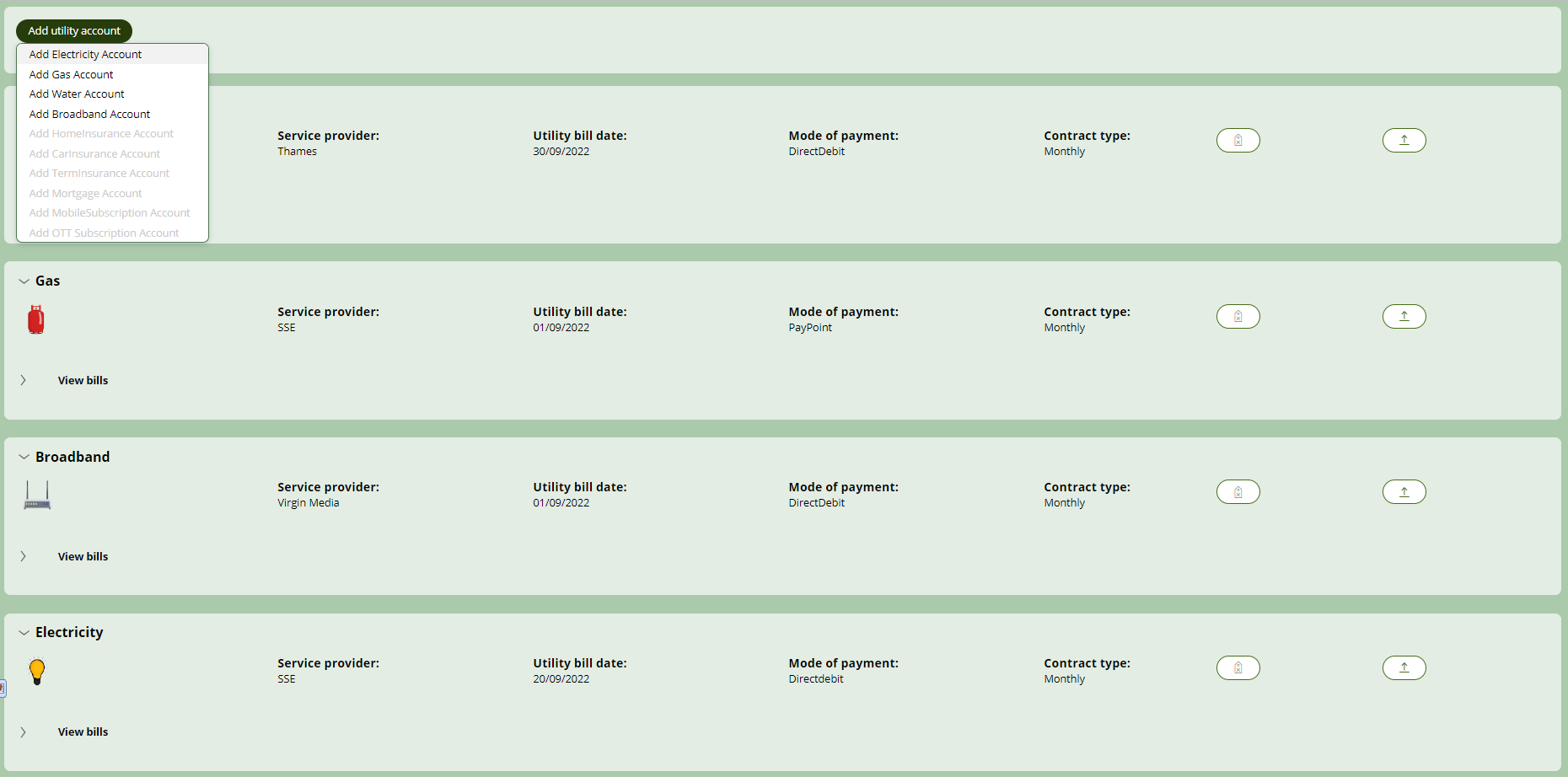
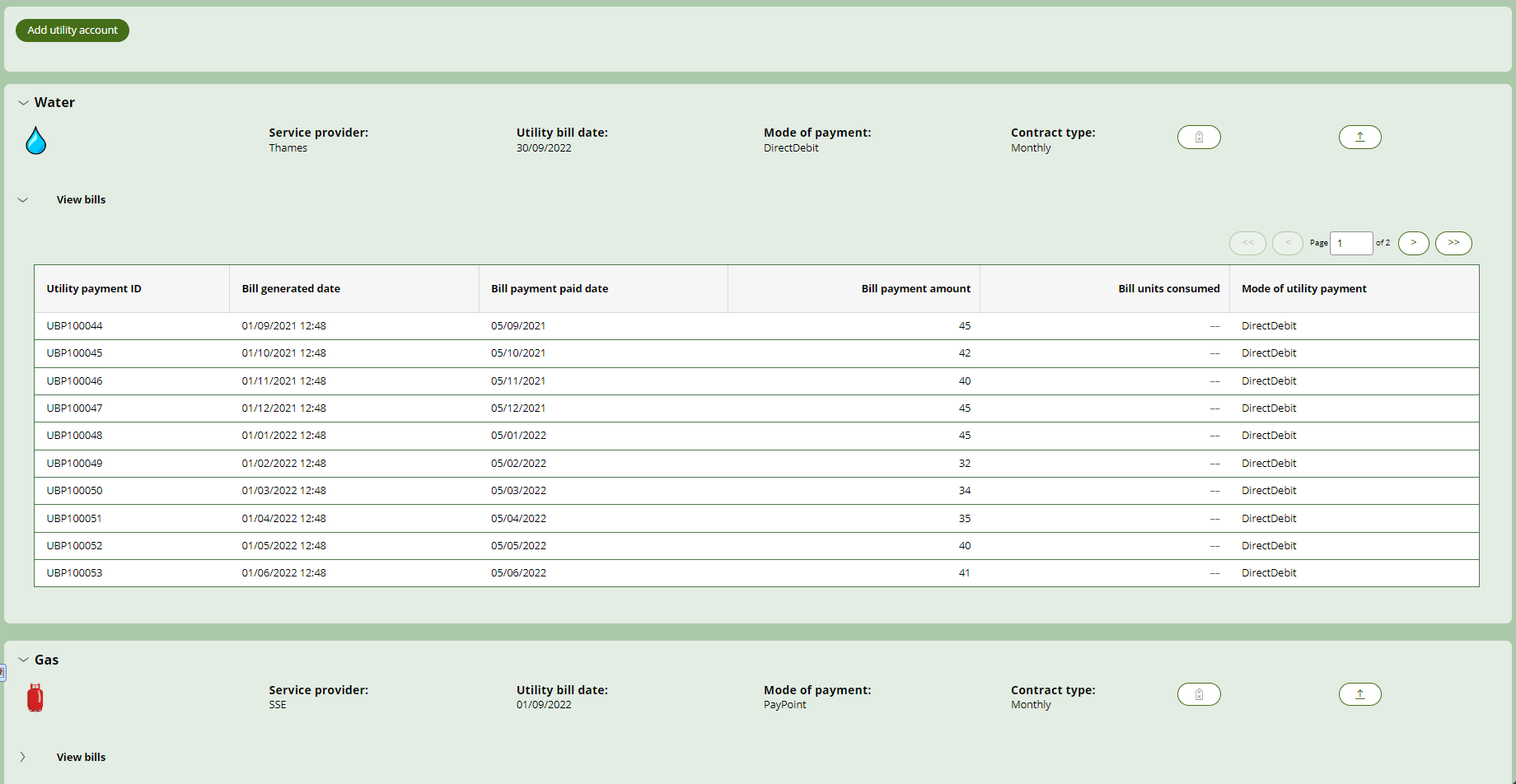
Add a new Utility Bill Account / View Existing Utility Bill Accounts & Payments
-
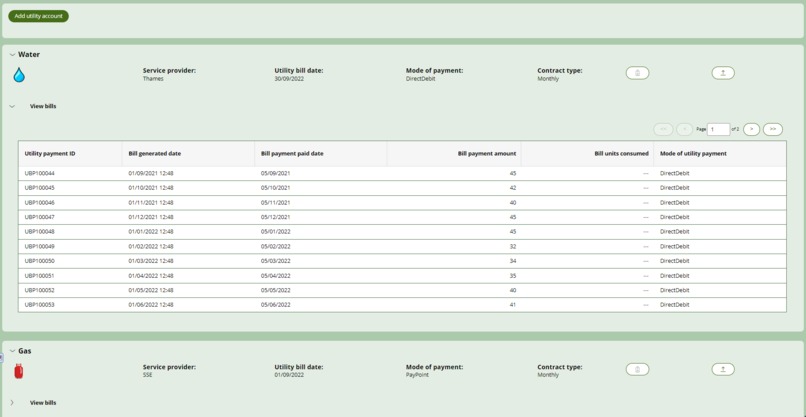
View an Existing Bill Accounts
-
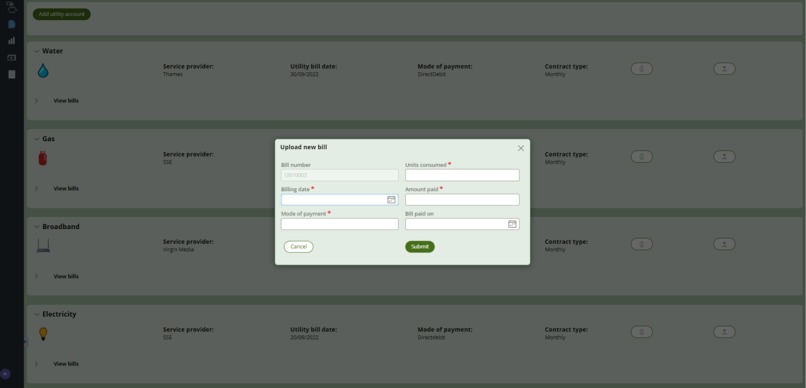
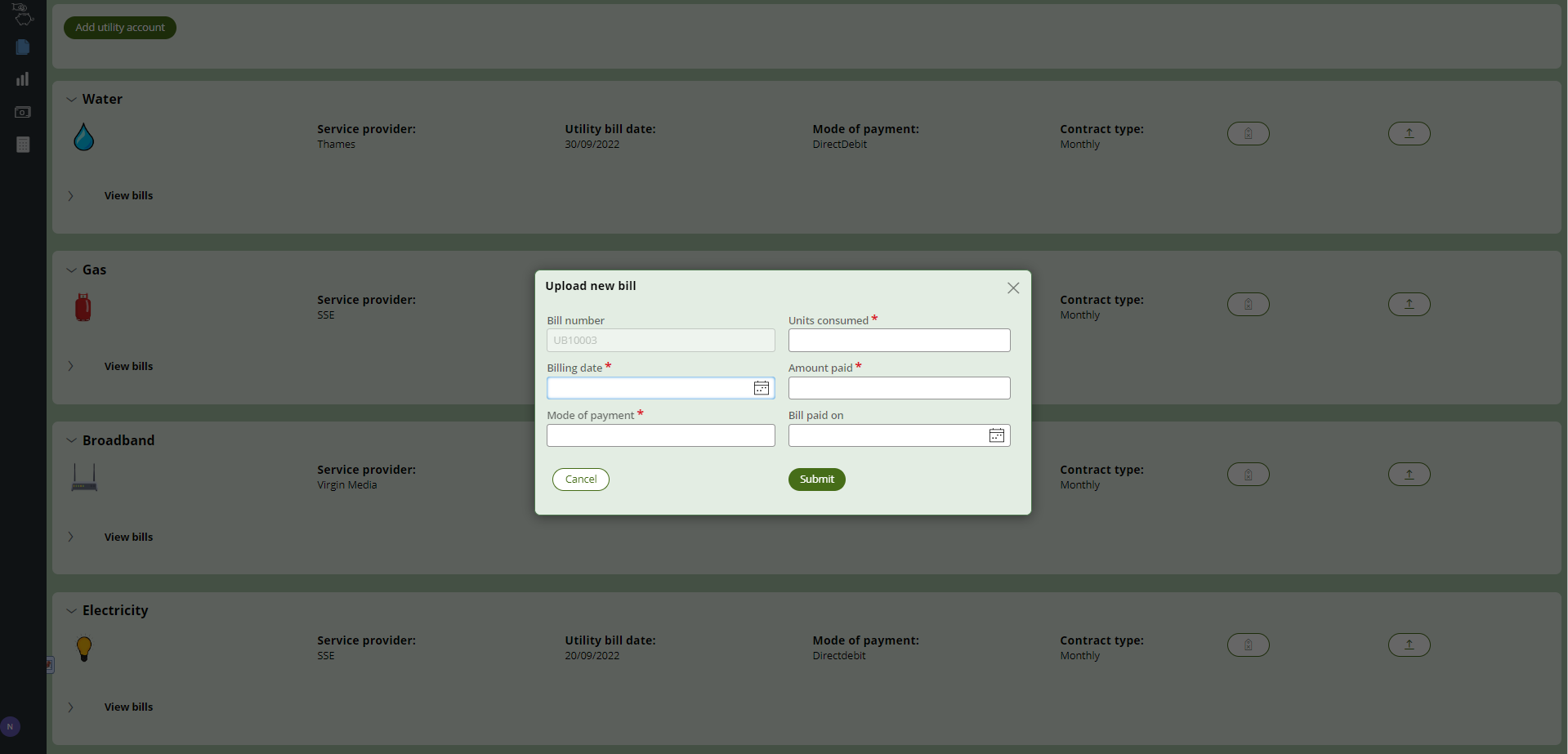
Add a new Utility Bill Payment for each Utility Bill Account
-
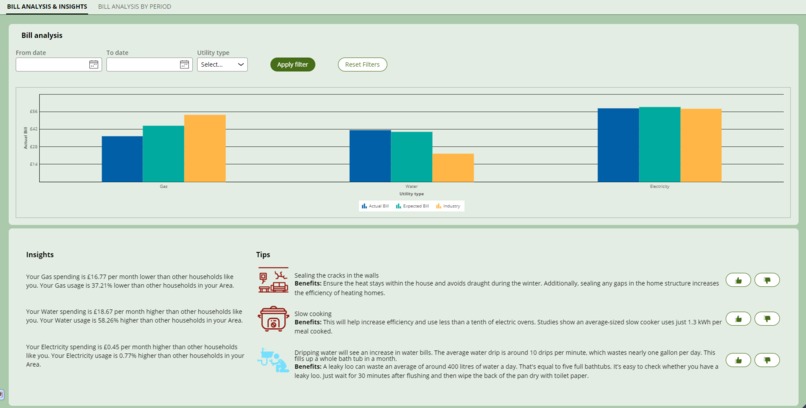
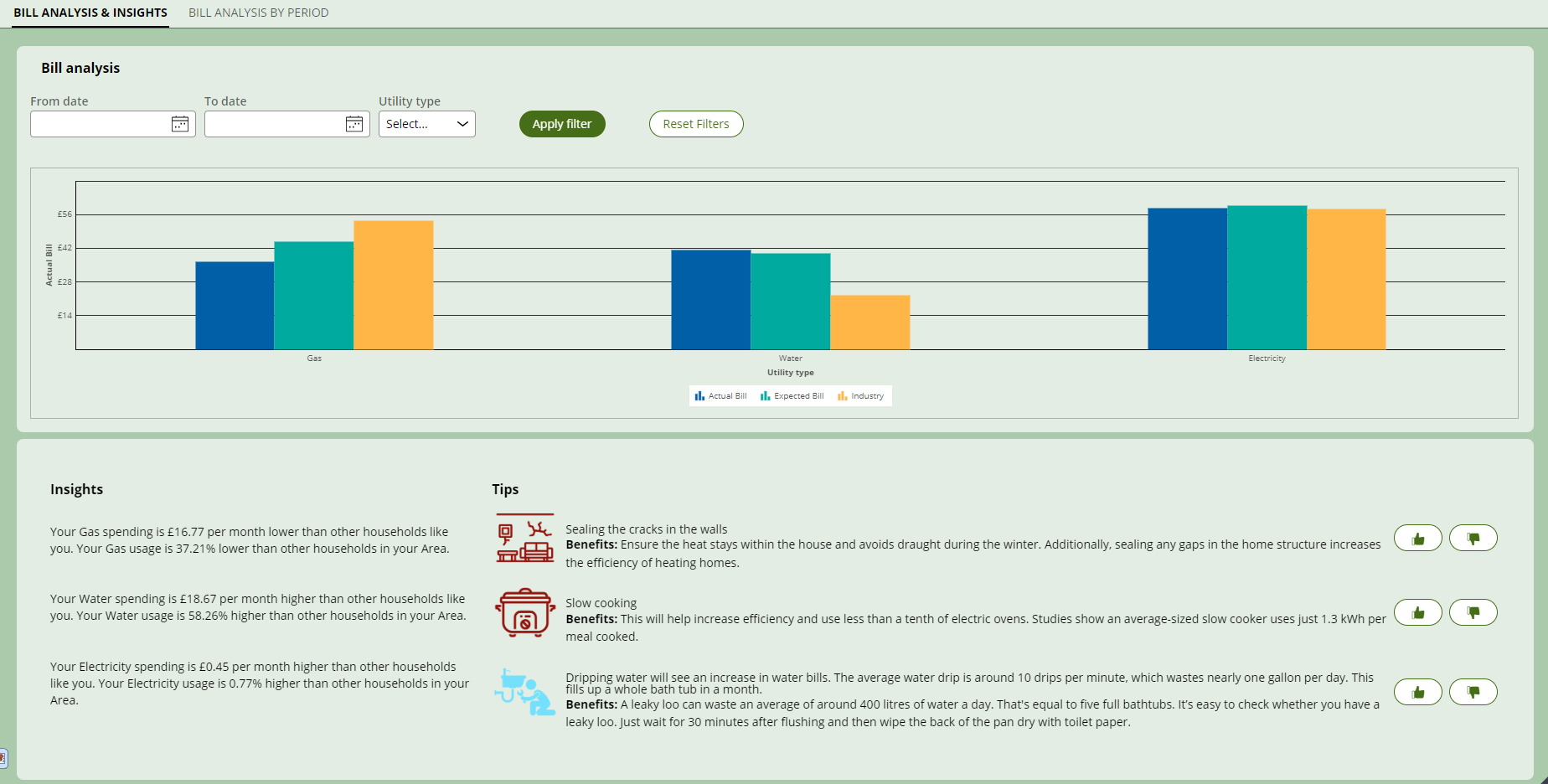
Utility Bill Analytics and usage Insights
-
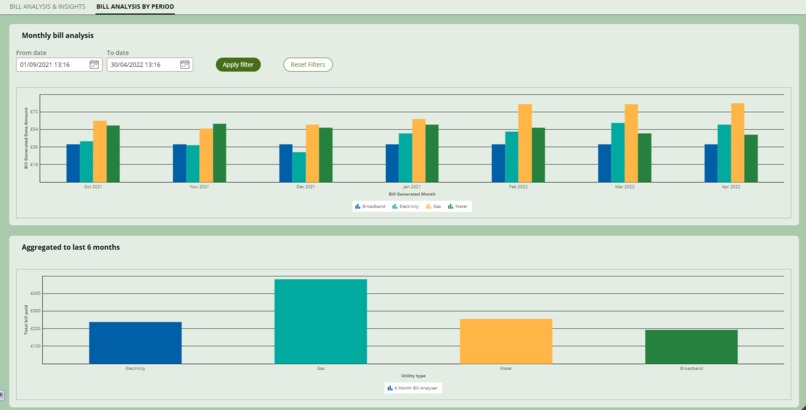
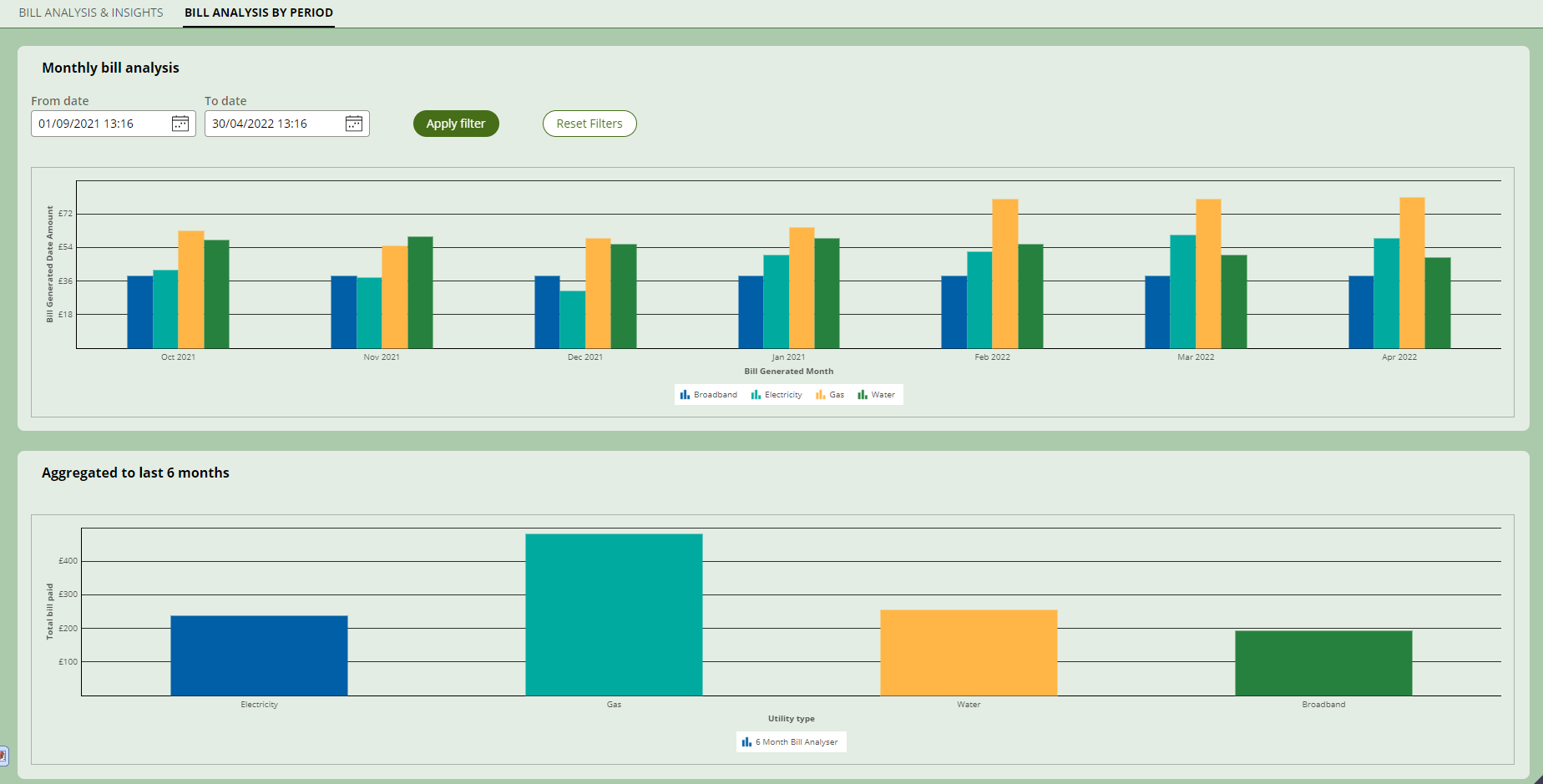
Utility Bill Analysis by Month & Utility Bill Type
-
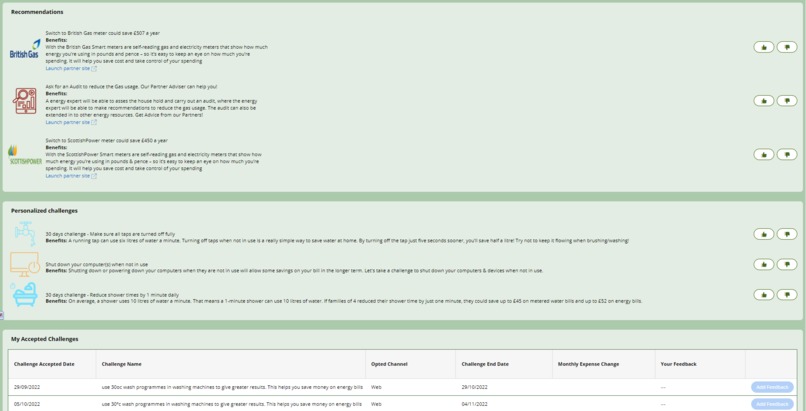
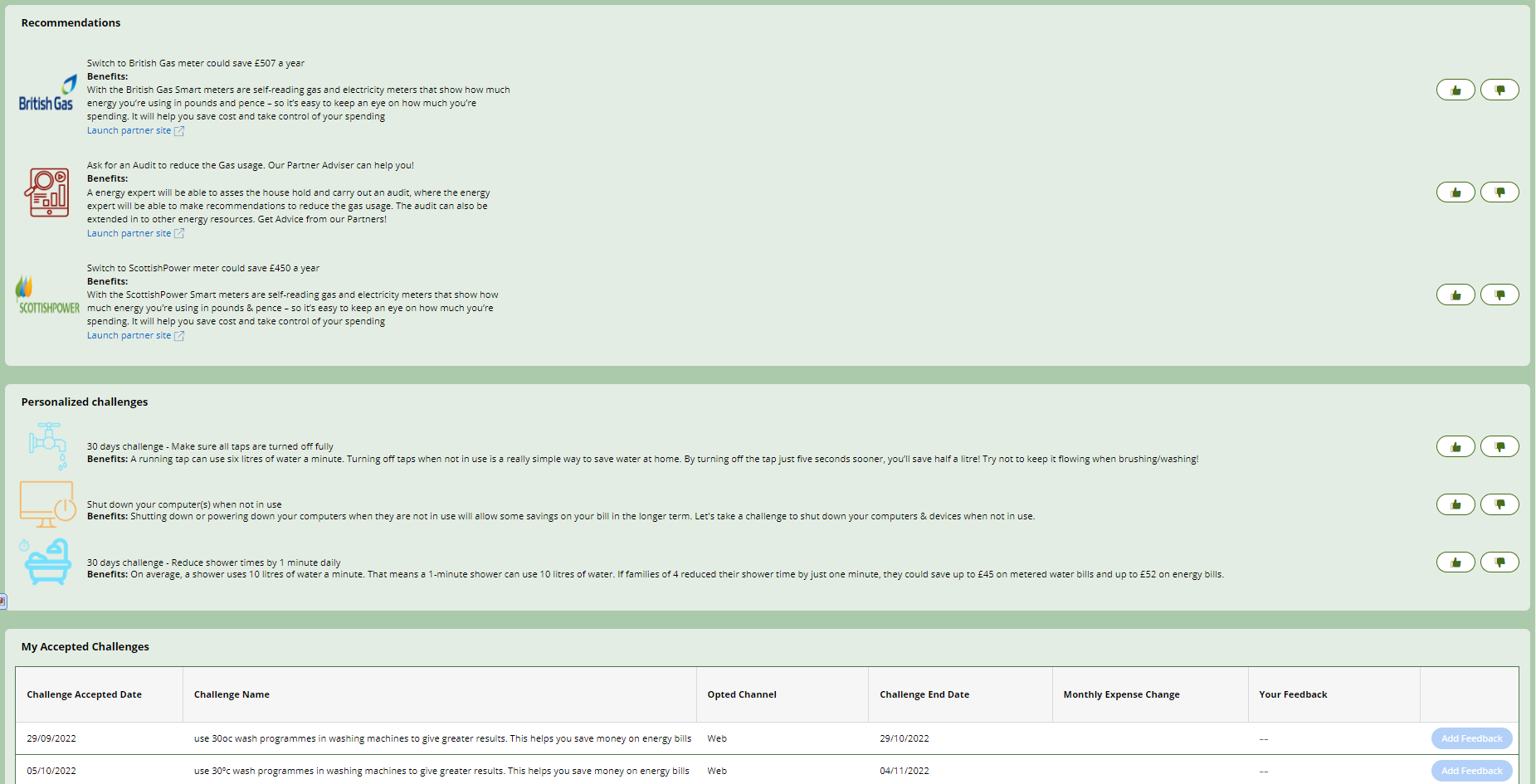
Personalized Partner sales Recommendations & Challenges for long term Savings
-
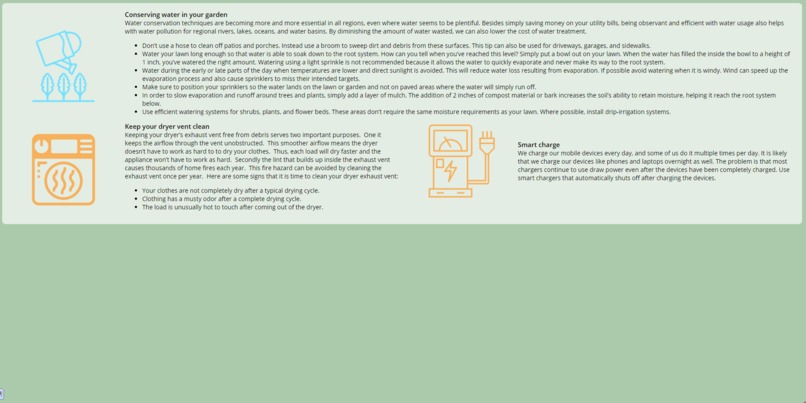
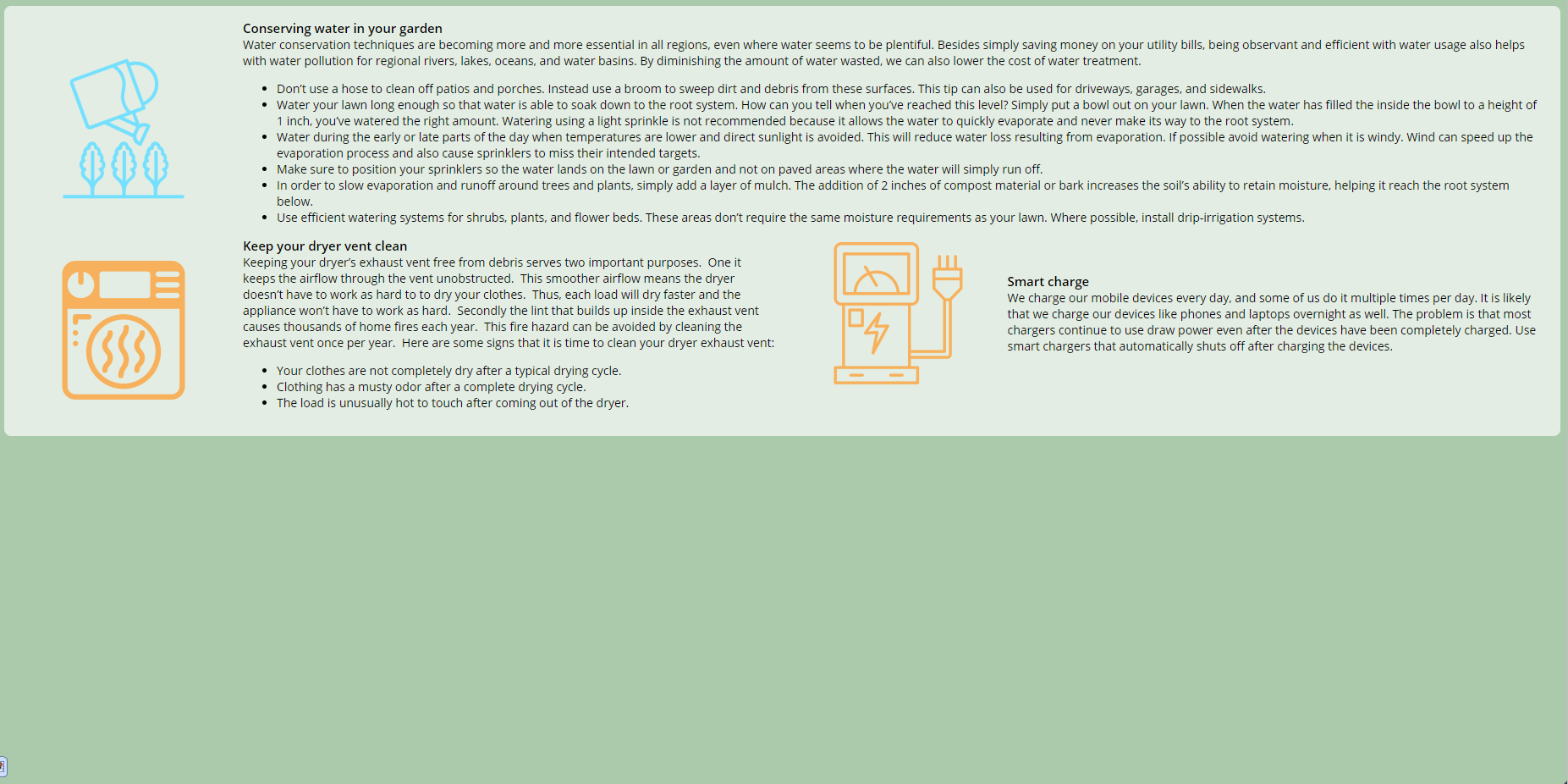
Static Tips & Tricks to optimize Utility bill spending
-
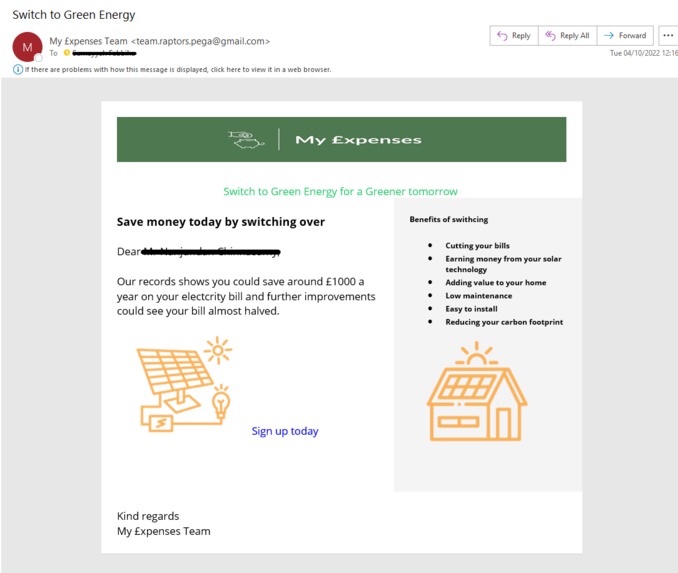
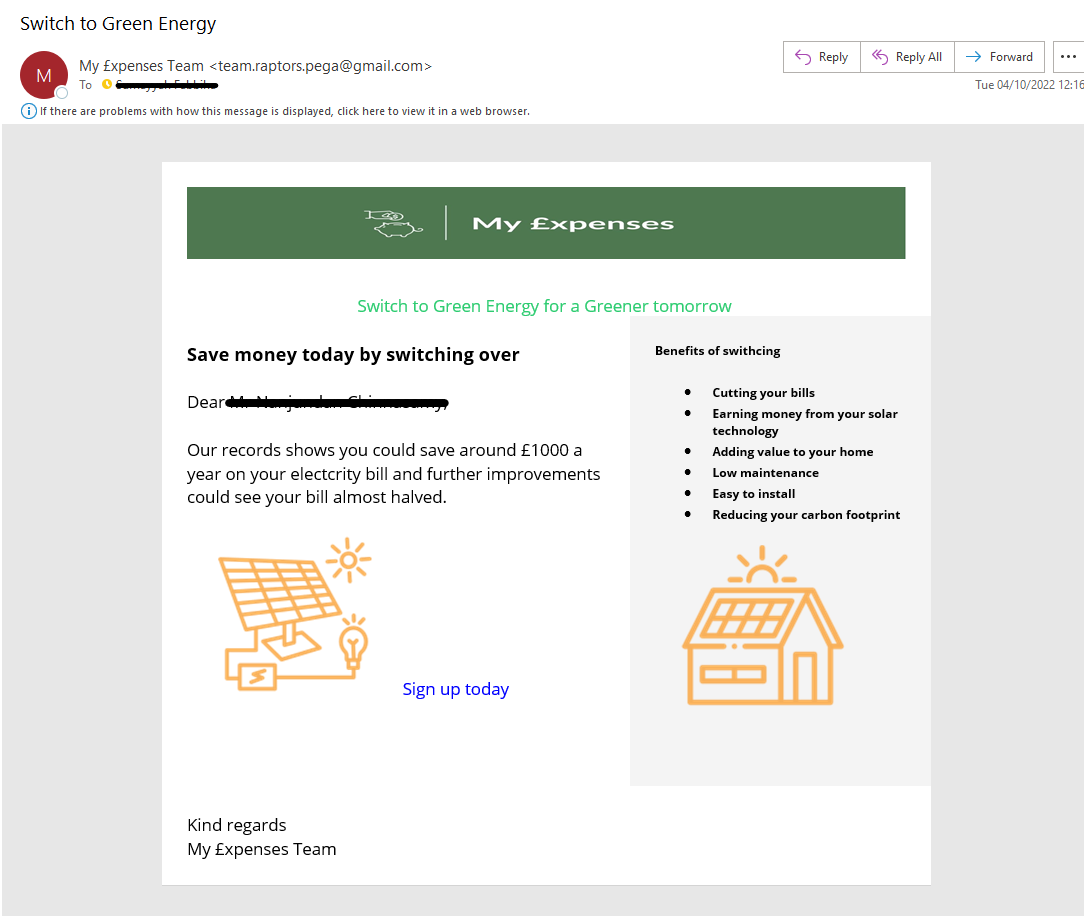
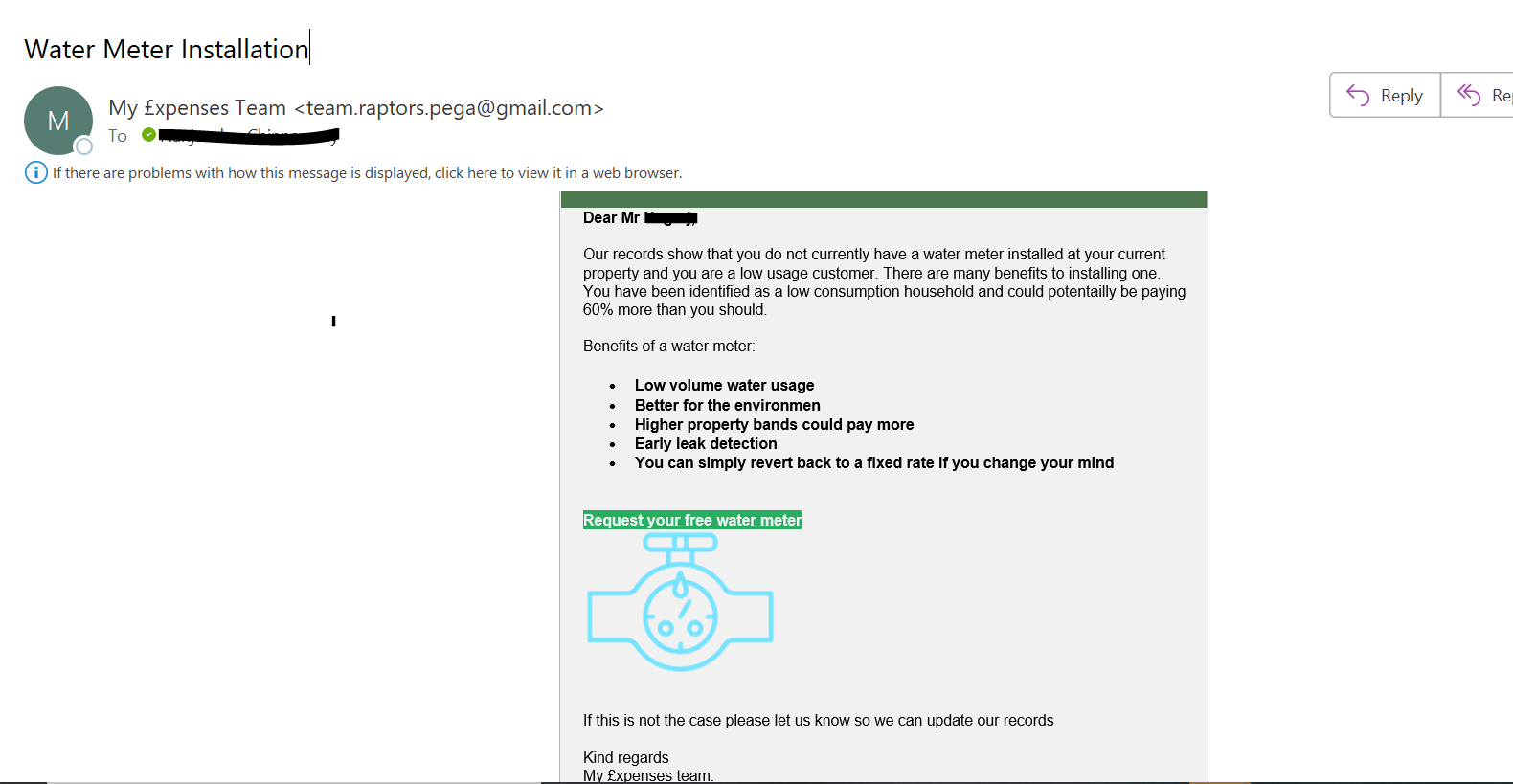
Always ON Outbound email (Personalized Tips & challenges)
-
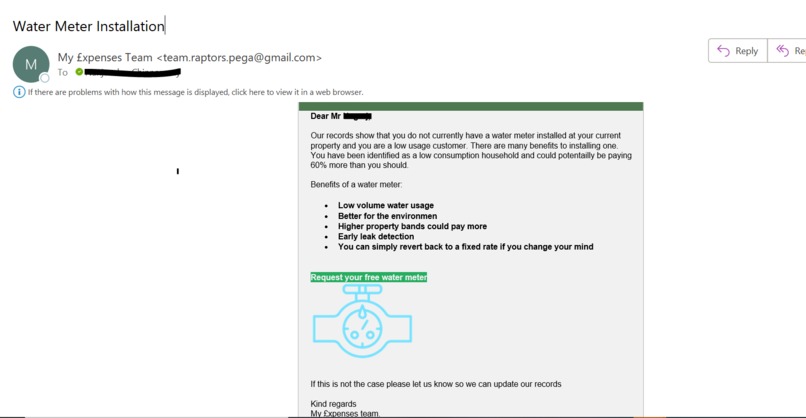
Always ON Outbound email (Personalized Tips & challenges)
-
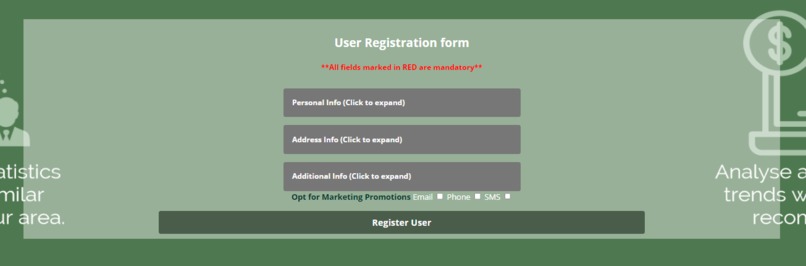
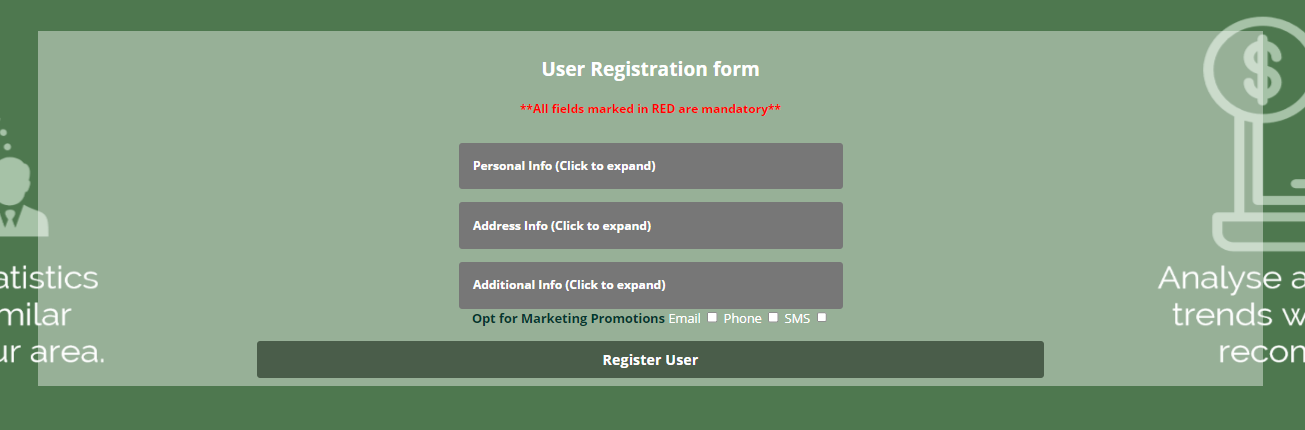
New Customer Registration screen (Collapsed)
-
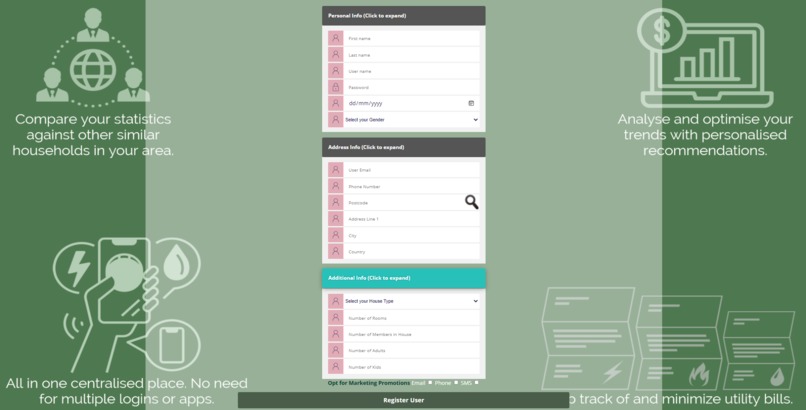
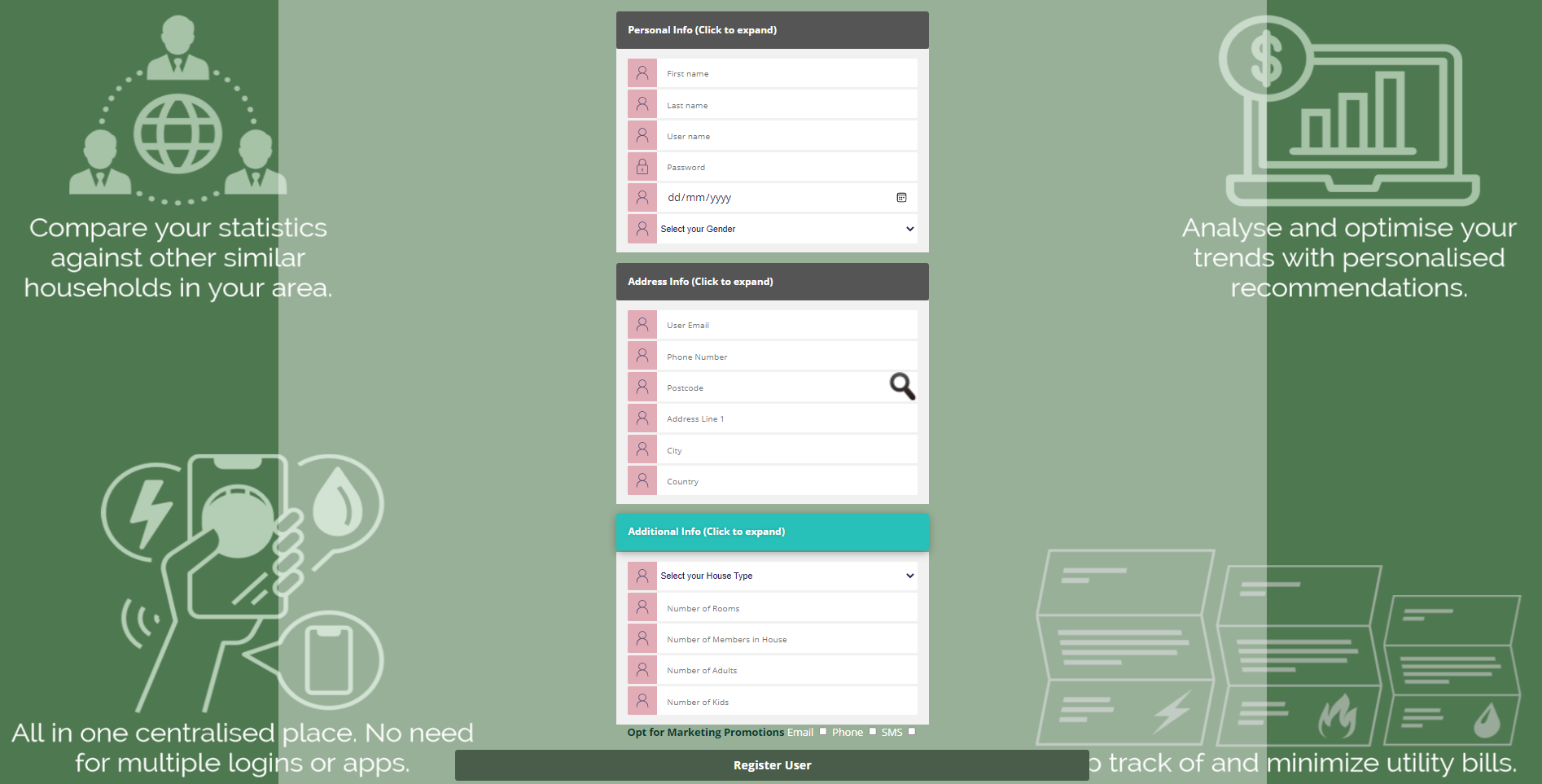
New Customer Registration screen (Expanded)
-
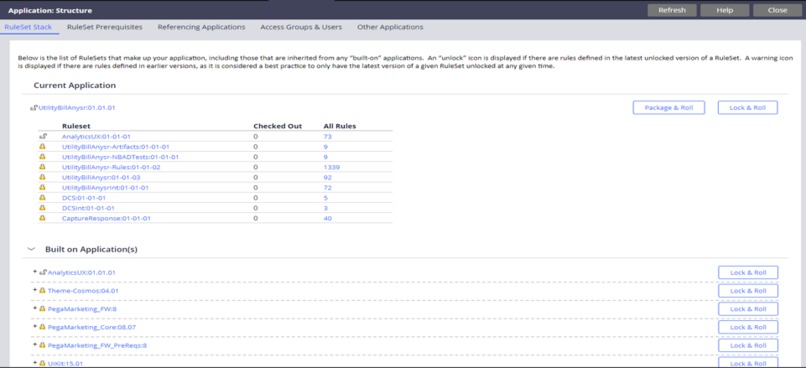
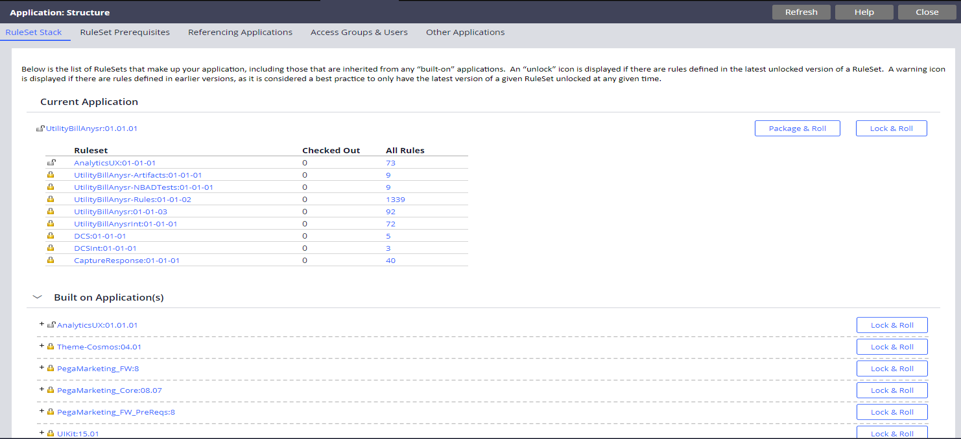
Enterprise Application Structure
-
Thank you Decision Consultant Solutions!
Inspiration
The 2021–present global energy crisis is the most recent in a series of circular energy shortages experienced over the last fifty years. It is more acutely affecting countries such as the United Kingdom, Germany, and China, among others. The crisis has emerged in the oil, gas and electricity markets. Reference
Problem Statement
Introduction:
The United Kingdom is currently witnessing one of the worst economic crises in its history. The Russian invasion and subsequent sanctions have triggered a catastrophe for an already fragile post covid economy; inflation is forecast to reach a 50-year high, energy bills have increased drastically despite government capping, interest & mortgage rates are increasing to levels not seen for 30 years, and GBP has almost hit parity with the US dollar.
In such uncertain times, when the vast majority of the population is struggling with the cost of living crisis, they will naturally look to reduce their outgoings. Utility bills make up the largest portion of spending after rent/mortgage costs, so a key area of household focus. Existing comparison websites have an overwhelming amount of choice and it is difficult to know which offer is most suitable. We wanted to create a website and app that simplifies these choices, providing informed recommendations regarding utility bill payments, and a comparison against actual, expected and industry average data. We also want to offer contextual specific insights for consumers to reduce their utility bill expenditure, and provide analytical & usage reports to identify areas of improvement.
What it does
Current usage & Analytics: When searching for a new provider via existing comparison sites, all available products are listed, and it is difficult to determine which product is most suitable. It can also be confusing to understand current usage patterns from previous bills. Our Solution (My £xpenses) helps to understand all utility bill payments using various filters, (By Utility Bill Type, monthly, 6 months average and any given date range), which would highlight any obvious usage patterns.
Insights: My £xpenses captures estimated prices for each utility bill, and will compare against actual bills. Additionally, individual bills will be compared against similar households in the local area, (house type, No. rooms, No. occupants). For example, we can identify two households of the same type and with the same number of occupants, living next to each other. Currently they would both be offered the same products for their electricity bill, but one of these households may have an electric car - which means they would benefit from cheaper overnight electricity, provided with a slightly higher daytime cost.
Tips: With the help of Pega's Decisioning Brain, customers will get personalised Tips (a.k.a. soft recommendations), providing insightful messages for each utility, with the aim to optimise bill expenditure, and reduce individual carbon footprints.
Recommendations: Personalised recommendations, powered by Pega Decisioning, for customer actions. Along with personalised offers, we will provide a personalised partner-site link in the recommendations for increased customer ease.
Spending & Usage challenges: My £xpenses recommends personalised challenges to customers over Inbound (web channel) and Outbound (Email) channels. These challenges encourage and highlight to customers where they can reduce their usage over a fixed time period of time (e.g. 30 days). They will then be able to observe and compare how the changes to their usage impacts their spending overall. The challenges themselves are driven by Pega’s Adaptive analytics will be prioritised when shown to similar customers.
Our Solution to the Problem being described
- Impact on Individual Households
- Our intention is to educate & encourage individuals to use their electricity, gas, water and other resources more effectively.
- We will provide customers with insights, comparing their actual and expected spending against industry data (households similar to customers living in the same area).
- Offer informed choices to customers, suggesting they switch to another provider if they are paying too much for their usage and a cheaper alternative exists.
- Impact on an Enterprises
- Commercial utility bill payments are one of the most significant costs for businesses. There is an opportunity to expand this solution across all types of Industries.
- Impact on a Country
- The vast majority of countries in the world are net fuel importers. Due to the higher prices of oil & fuel imports, forex reserves are declining, adversely impacting GDP, inflation and the economy. If there is a notable decrease in energy consumption due to consumer awareness, it will lead to a reduction in imports, which would benefit the economy in the long term.
- Impact Globally
- Businesses and countries have targets to reduce carbon emissions, to make the world greener. Our application will proactively offer recommendations to encourage individual customers to switch to green energy and energy efficient appliances, which would help everyone be more accountable for their carbon footprint.
How we built it?
We have built 2 applications for this Solution.
My expenses is a Pega CDH implemented application using a new CAR model built for this solution. It has been built on top of the Pega CDH framework application and Custom AnalyticsUX application.
AnalyticsUX is a UI/Presentation application for all UI/Presentation logic for web channels. It has been built on top of Pega's Theme-Cosmos version 04.01.
CDH xCAR Model classes:
- DCSCDH-Data-Utility-Customer - For All customer & household related details.
- DCSCDH-Data-Utility-UtilityBill - For All Utility Bill Account Details linked to customer profiles.
- DCSCDH-Data-Utility-UtilityBillPayment - For all Utility Bill Account Payments for each Utility Bill Account.
Other Data Types:
- DCS-Data-ChallengesAccepted - For personalised challenges accepted by each customer, to capture the financial impact and feedback observed.
- DCS-Data-UtilityUsageIndustryAvg - Reference data used for area wise utility usage & industry average bill data.
Integrations:
- Real-time container with the Container REST service (V3) is used to get the Top 3 recommendations for tips, sales and challenge related recommendations. More details about pega real-time container V3 service details available here
- Capturing responses to actions with the CaptureResponse service - Customer feedback for the Recommendations received and Pega Adaptive models trained using Capture Response V2 API. More details about pega cdh capture response v2 api details available here
My £xpenses enterprise application structure

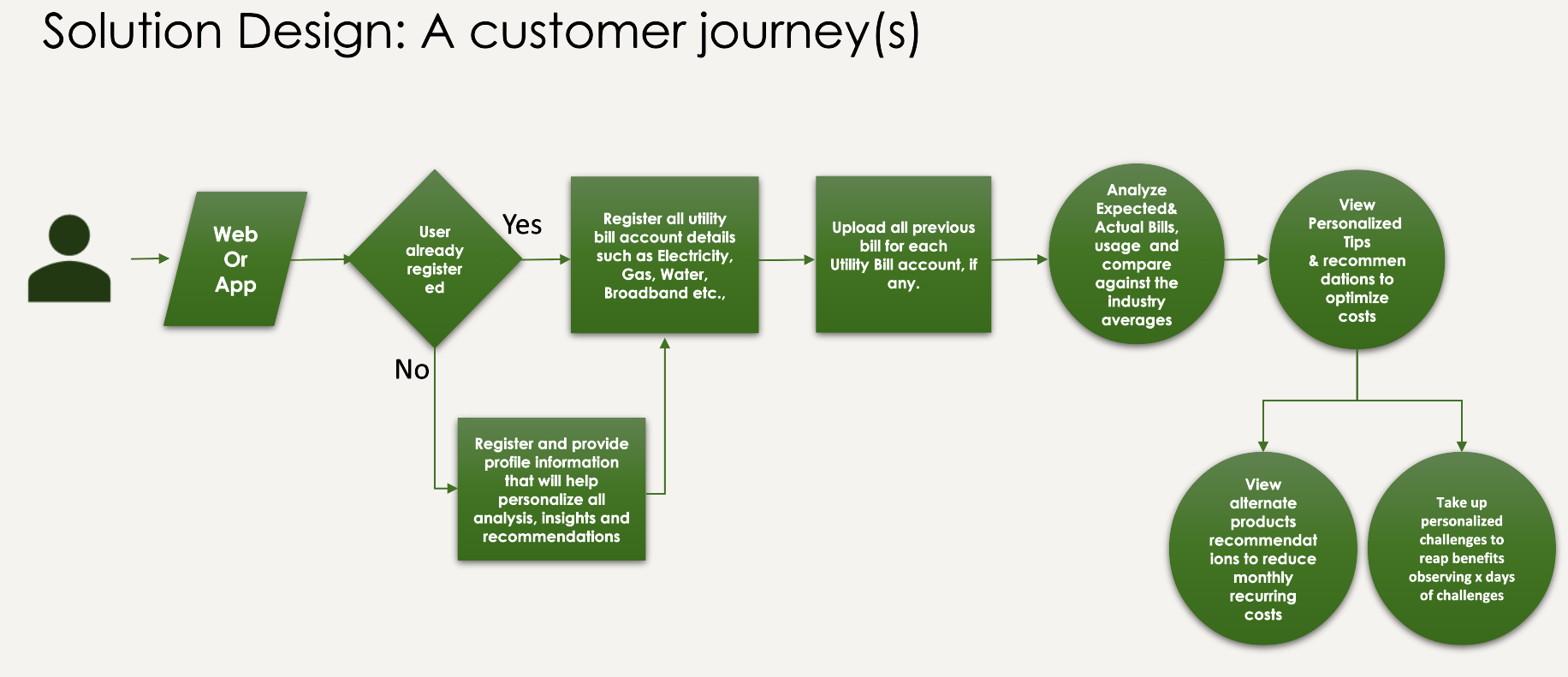
List of Customer Journeys covered for this solution: There are 2 major customer journeys covered within this Hackathon:
- New User Registration
- Launch page / Home page
- Create an account by providing customer details, household-level details and Marketing preference details
- we will create an operator id and customer profile for the details captured
- Login as Existing User
- Directly links to the My Expenses Home page
- Customer has an option to add a new utility bill account and view existing ones.
- Add Bill Payment details against each utility bill account already added
- "Analytics & Insights" page has 2 tabs
- First tab is for analytical information. To visually present the expected, actual and Industry average value (against similar households in the same area) for the utility bill type.
- Detailed insights about the spending and % difference in variation compared to industry average data.
- Second tab is more of a "drilled down" view of Individuals utility spending sorted by date or utility types and presented in chart form to display how the individual's money is being spent.
- Personalized soft recommendations / tips to educate & optimise bill spending.
- Recommendations & challenges screen
- Recommendations are Pega CDH driven, long-term saving options, by providing choices to the customer to upgrade to more energy efficient appliances and/or switch to other service providers.
- Challenges to encourage the customer to actively interact with daily tasks which can help them be more cost efficient.
- Tips and tricks: These are provided on a generic level, without personalization, and can be applied to any household or profile.
My £xpenses User Journey flow diagram

Our delivery methodology and build
Following an agile methodology, we had a scrum master hosting daily stand ups to provide any updates or changes to be made. We identified 3 main user cases and split this into 17 stories to be completed. We used a JIRA Kanban board to monitor the progress of each of these tasks.
Use of Pega Express methodology: We used Pega’s design-focused methodology (Pega Express) to build our application. Pega Express includes the following phases:
- Discover Phase
- Prepare Phase
- Build Phase
- Adopt Phase

Sprint 1 (Week #1: 06/09/2022-11/09/2022)
- Define team roles and responsibilities
- Conceptualized MLP scope:
- User journeys
- Setup JIRA user storyboards
- Features list
- Screen mock-ups
- Exploring data inputs
- Hackathon environment setup, own cloud environment setup
- Prepare data model
Sprint 2 (Week #2: 12/09/2022-18/09/2022)
- CDH application setup
- CDH context dictionary setup
- CDH taxonomy setup
- UI application setup
- Define application architecture & communication between UI and CDH application
- Prepare & refine the list of stories to be developed
- Prepare test data for development
Sprint 3 (Week #3: 19/09/2022-25/09/2022)
- Refine test data setup
- Research & build Industry average usage and annual bill data for water, gas and electricity usage at an area level
- Build UI screens to capture utility bill accounts and utility bill account payments
- Build the utility bill analysis charts (expected vs actual vs industry average data)
- Implement insights/tips/recommendations from CDH to optimize the customer bill
- Implement partner sales recommendations from CDH to optimize the customer bill
- Prepare images needed for the logo, application home page, CDH actions, web and email treatments
- Build group-level & action-level engagement & contact policy rules
Sprint 4 (Week #4: 26/09/2022-02/10/2022)
- Implement UI screen to present insights/tip recommendations from CDH
- Implement UI screen to present partner sales recommendations from CDH
- Implement challenge recommendations from CDH to optimize the customer bill
- Implement UI screen to present challenges recommendations from CDH
- Refine the look and feel of UI and the workflow based on the user demo
- Implement new customer onboarding journey UI flow
- Demo the application and user journeys to sponsors and get feedback
- Work on the received feedback
Sprint 5 (Week #5: 03/10/2022-07/10/2022)
- Dev post submission
- Demo presentation preparation
- Demo video preparation
- Prepare hackathon application RAP file
Challenges we faced:
Deciding upon a workable idea was our first hurdle, we wanted something relevant to the current global challenges, but also something that could best utilise Pega capabilities. We had an internal organisation level open submission challenge for ideas and "Utility bill analytics” was chosen as the most suitable candidate.
Another difficulty we faced was setting up the CDH environment on our own cloud, as the community edition didn't allow for this. Once this was setup though, we were ready to go. For a lot of team members, using Pega 8.7 and cosmos was completely new and this was a learning curve. Although there were plenty of OOTB components, some of these had to be modified to suit our application, such as editing the cosmos portal.
Gathering the Utility Industrial Average data for UK Area code level was challenging. We decided to build the simulation data, and to build the Area-wise Industrial Average data for the same house-type, and with the same number of occupants took some time.
The team consisted of developers with 1-2 years experience mainly in Pega decisioning therefore building a UI application using Theme-Cosmos was challenging. Many of our team had to learn and develop new skills while undertaking this Hackathon.
Building an UI application using Theme-Cosmos was challenging considering the complexity and the amount of work identified for Hackathon build to demonstrate the use cases we have identified.
Hackathon build work was completed during individual personal time (late nights and weekends), as everyone is on client during regular work hours. Our team sacrificed personal and family time to ensure the Hackathon build was a success.
Accomplishments we're proud of:
For most of us, this was our first hackathon, and to have come up with an idea, and create a working solution to this, in a limited time period was a great achievement. Everyone was able to work on something and help out others, learning and team-building was a major part of this project, and we have all gained some invaluable skills.
We are able to complete the key customer journeys identified for the Hackathon MVP release, both MVP Journeys for new & existing customers.
- UI Application Development:
- New user registration screen
- Existing user home screen
- Add Billing Account screen
- Add Billing Account Payments screen
- Analytics & Insights screen
- Recommendations & Challenges screen
- Tips & Tricks screen
- CDH Application Development:
- Brand new xCAR model built to deliver the solution
- Over 32 Actions created along with web & email treatments
- Created over 80+ images for the logo, home screen, CDH treatments and log in
- Used only CDH extension points to implement the solution.
- Used Pega OOTB container V3 API for recommendations
- Implemented Capture Response API and trained Adaptive model
What we learned:
For a lot of the team this was the first time using CDH and Pega 8.7, and this Hackathon provided some first hand experience with newer features which could be used in the future, as existing clients migrate from older versions. In addition to this, we rotated areas of working, so even our testers got to do some UI work. There were also certain components such as charts, which no one had previously used, and the learnings were shared between the team.
Future upgrades for my £xpenses:
We followed Pega's Centre-outBusiness Architecture to build this Application. In the future we could expand the application to more products such as home insurance, Car Insurance, Mortgages, credit Cards, Life Insurance etc. We would like to make the My £xpenses applications generic as possible to manage expenses in one application, and help every customer optimise their expenditure.
Once we expand our Application to Additional Bill Account Types for Individual customers, we will be expanding the solution for Enterprises in the UK. We are also planning to extend this solution to outside the UK market.
We would also like to expand our application to a mobile app, although it is viewable on mobile, there are some specific features such as push notifications we could use to prompt users. A helpful feature of the CDH is that we can easily expand our treatments to be shown through different channels. Currently we are using web and email, but as the treatments already exist, it wouldn't be too difficult to add a new channel such as SMS, WhatsApp etc.
If any customers default on their bill payments for three consecutive months, we will attempt to connect with them, identifying and pushing offerings available to them; such as "Grants and benefits to help them pay their energy bills", connections with Citizens Advice Line, or local closed Facebook advice groups etc.
Commercial opportunities for this Solution
- Have a partnership with other partner sites to make Informed recommendations for energy efficient product sales.
- Have a partnership with Utility service providers (Broadband, Gas and Electricity) to switch to another service provider.
- Have a partnership with Banks to switch Mortgages, Insurance Products, etc, to switch to another cost efficient provider.
Pega Capabilities used in our build:
- Pega-platform
- Theme-Cosmos
- Reporting & Charting
- Pega Connecters
- Pega Decisioning Hub Always-On Real-Time Decisioning
- Pega CDH Always-On Outbound campaign
Reference Documents
- Data Model Design document
- UK Utility Industry Average data
- My £xpenes demo/presentation
- UK Energy crisis and Growth plan
- National Institute of Economic Research paper on Impact of Fixed Energy cap policy in UK
Interested to know more details? Email us
Built With
- cdh
- customer-decision-hub
- pega
- pegacosmos


Log in or sign up for Devpost to join the conversation.