-
-
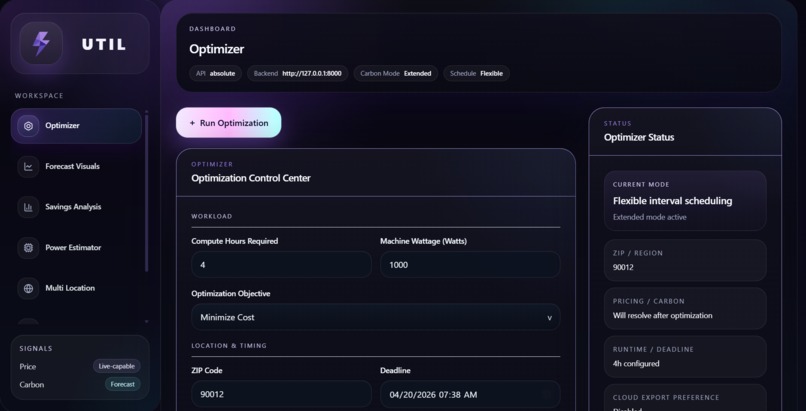
Dash board
-
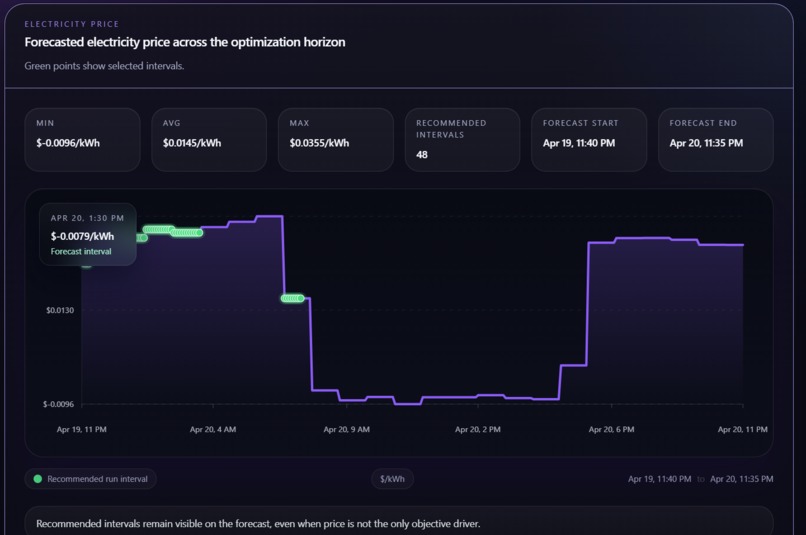
Forecast visuals
-
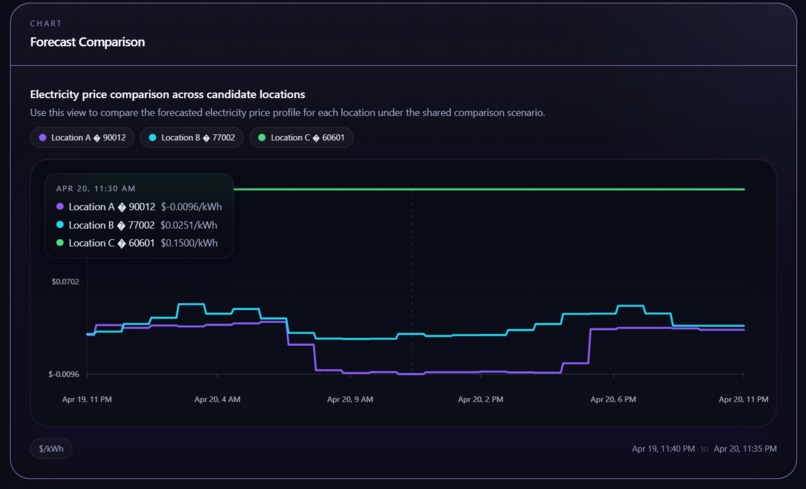
Location Comparison
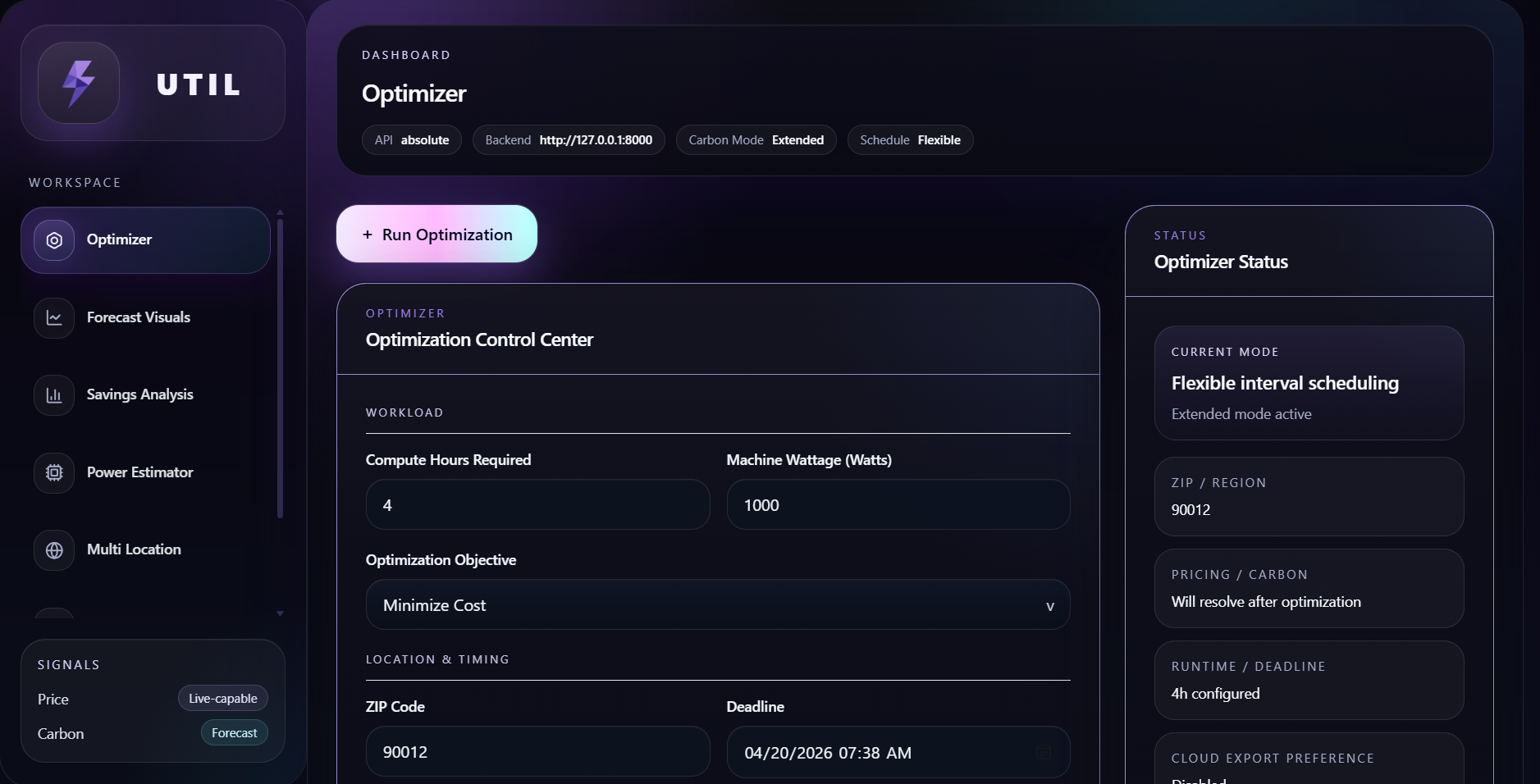
Inspiration
My inspiration is from my research at UCSB in how Economics can impact the environmental costs of AI. I found the strongest outcome was incentivising shifting workloads to locations of cleaner energy, yet there were no tools to support this for smaller companies, data centers, research schools, or individuals. So I came up with a program that has the objective of helping them shift the workload to a time and place with access to cleaner energy. AI is scaling rapidly, and now the bottleneck is no longer software, but access to energy. These data centers are getting these at any cost. It is important we direct them to clean alternatives when and where possible.
What it does
Util is a decision-support tool that optimizes when and where computational workloads should run to minimize electricity cost, carbon emissions, or a weighted combination of both.
The system models compute as a constrained optimization problem under real-world conditions by using the variables:
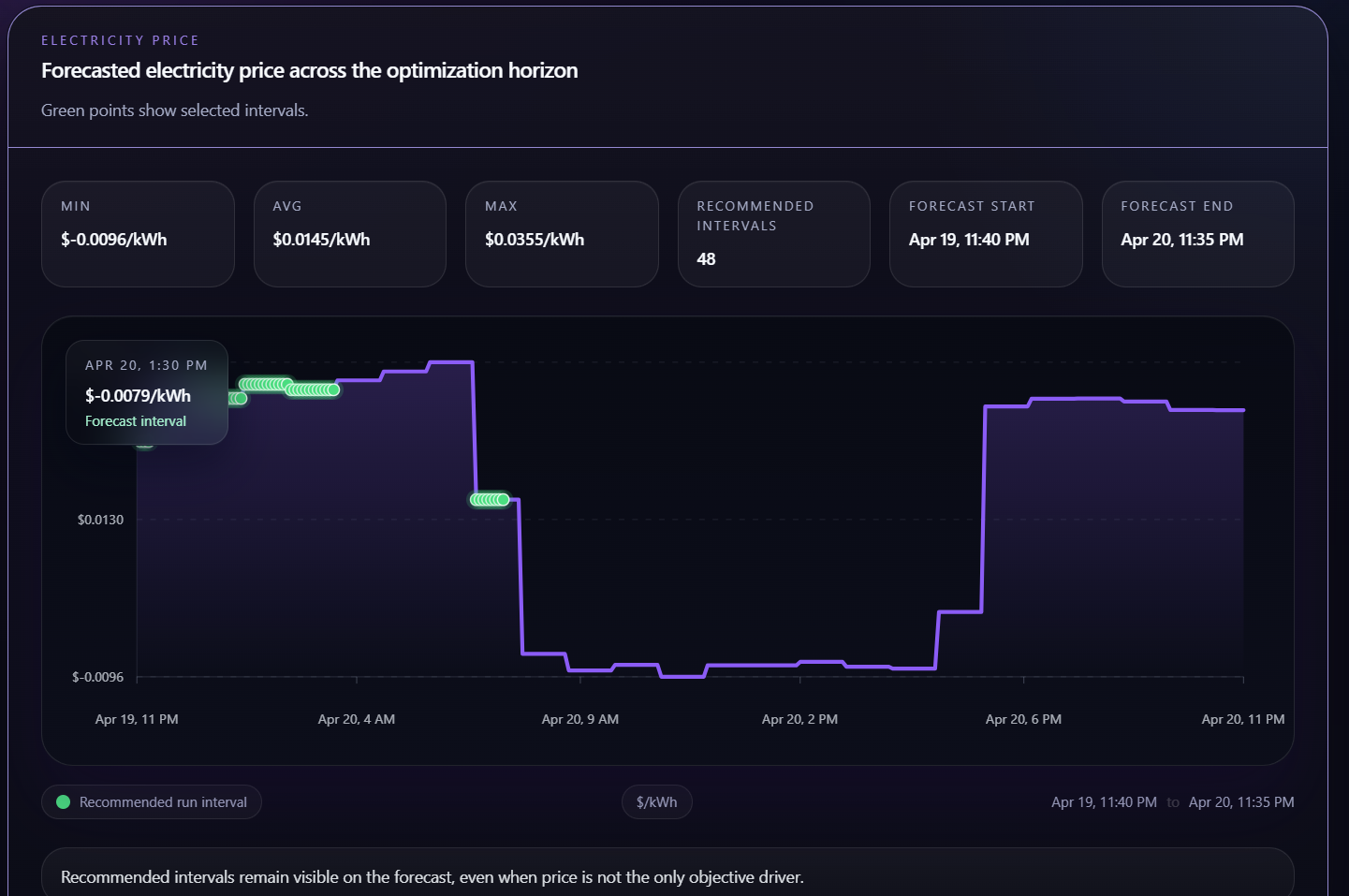
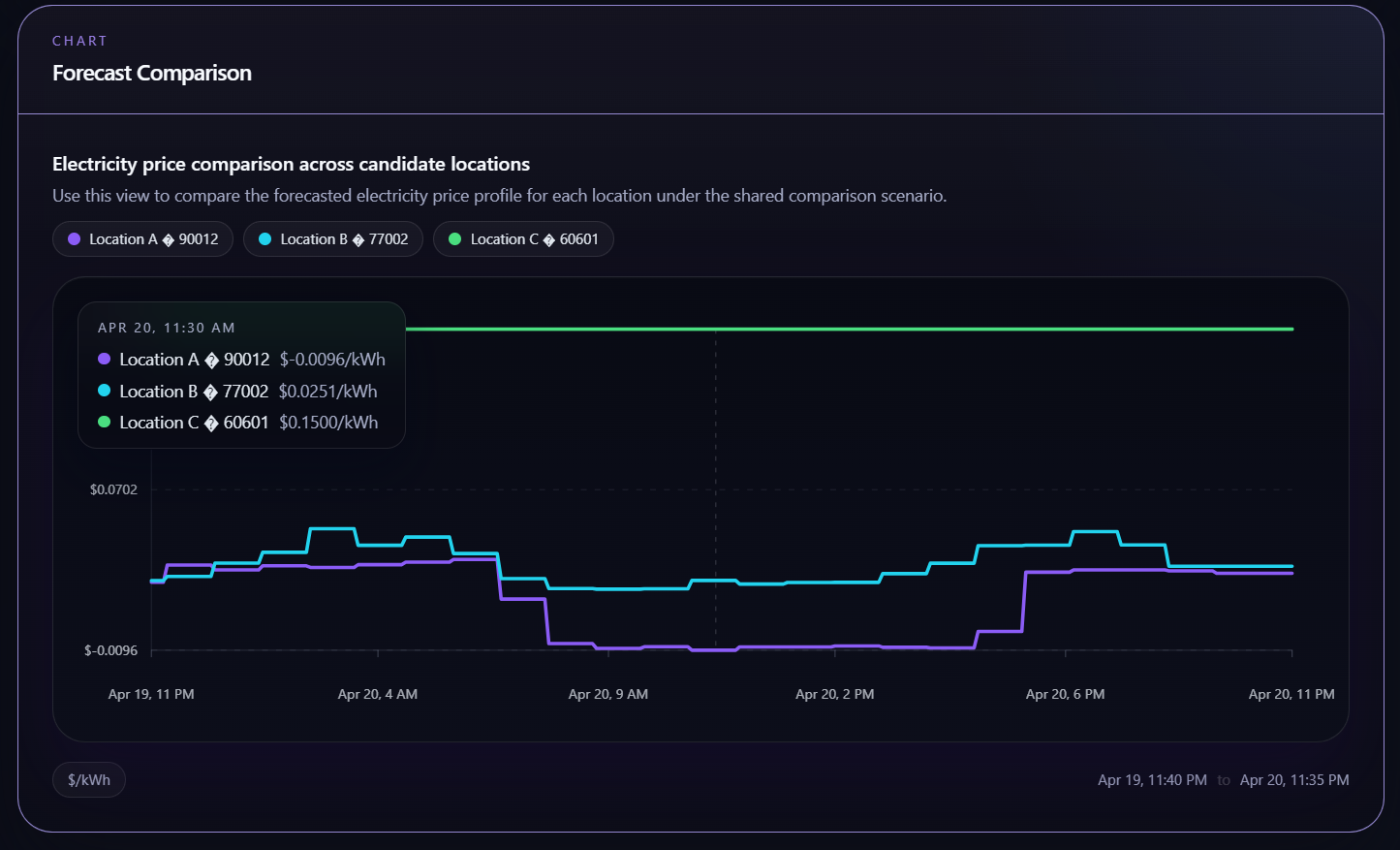
-time-varying electricity prices -carbon intensity of the grid at any given time -Workload time requirements deadline constraints -Historical data -Util produces an optimal execution schedule along with quantified cost and emissions outcomes.
How we built it
We used real data from research individuals at UCSB. Access to live emission data across the United States thanks to WattTime. Access to pricing based on the users zip and electricity companies API data (some locations are still being added).
System Architecture User Input ↓ Location Mapping ↓ Energy Data Fetcher ↓ Forecast Engine ↓ Optimization Engine ↓ Scheduler ↓ Dashboard Output
Tech Stack Python pandas / numpy — data processing scipy.optimize — optimization engine Streamlit — frontend interface Altair — visualization
How It Works Util solves: Minimize: Cost = Σ(power × price × time) or Carbon = Σ(power × carbon_intensity × time) Subject to: required compute hours deadline constraint machine capacity
Challenges we ran into
Getting access to live emissions data. This is very difficult and generally only from paid access to platforms at scale such as Google or Meta. After talking on a call with WattTime, they kindly allowed our use for research purposes.
Accomplishments that we're proud of
- Machine learning engine that determined proper waiting of variable weighting (day of the week, past 1 year, past week) for determining forecasting outside of given emissions data 24 hour future window
- Claude integration for easy interpretation
- Export file in styles requested by real researchers that will be using our platform
- Live emissions and price data
- Download site
- Drastic emissions savings with little change needed from users
What we learned
- Energy markets are dynamic and underutilized in compute decisions
- Translating economic models into real systems requires: -Handling missing/slow API data -Designing around imperfect information -Optimization isn’t just math — it’s about: -usability -constraints -real-world tradeoffs
I also learned how to:
-Deploy full-stack apps (Render + Vercel) -Handle API latency and failures -Design systems that balance technical rigor + product usability
What's next for Util
- Hours required for current workload estimation system
- harware throttling system to automatically start and stop systems at optimal windows
- use in real data centers!
Built With
- amazon-web-services
- market-data-api's
- python
- react
- sql
- streamlit
- vercel

Log in or sign up for Devpost to join the conversation.