## Inspiration
Every time we shared a link for a campaign, a launch, or a piece of content — we'd check the analytics and see one thing: a number. 847 clicks. That's it.
No context. No explanation. No answer to the question that actually matters: why did this perform this way?
We'd spend an hour cross-referencing traffic sources, exporting CSVs, and building spreadsheets just to answer questions that should take ten seconds. Every single time.
We looked at Bitly, Dub, TinyURL — every shortener gave us the same thing. A click count dressed up as analytics. Nobody had built the layer that connects the data to the decision.
So we asked: what if your links could just answer your questions directly? That became urldn.
## What it does
urldn is a Link Intelligence Platform — the only URL shortener with a built-in AI data analyst.
It does four things no other shortener does together:
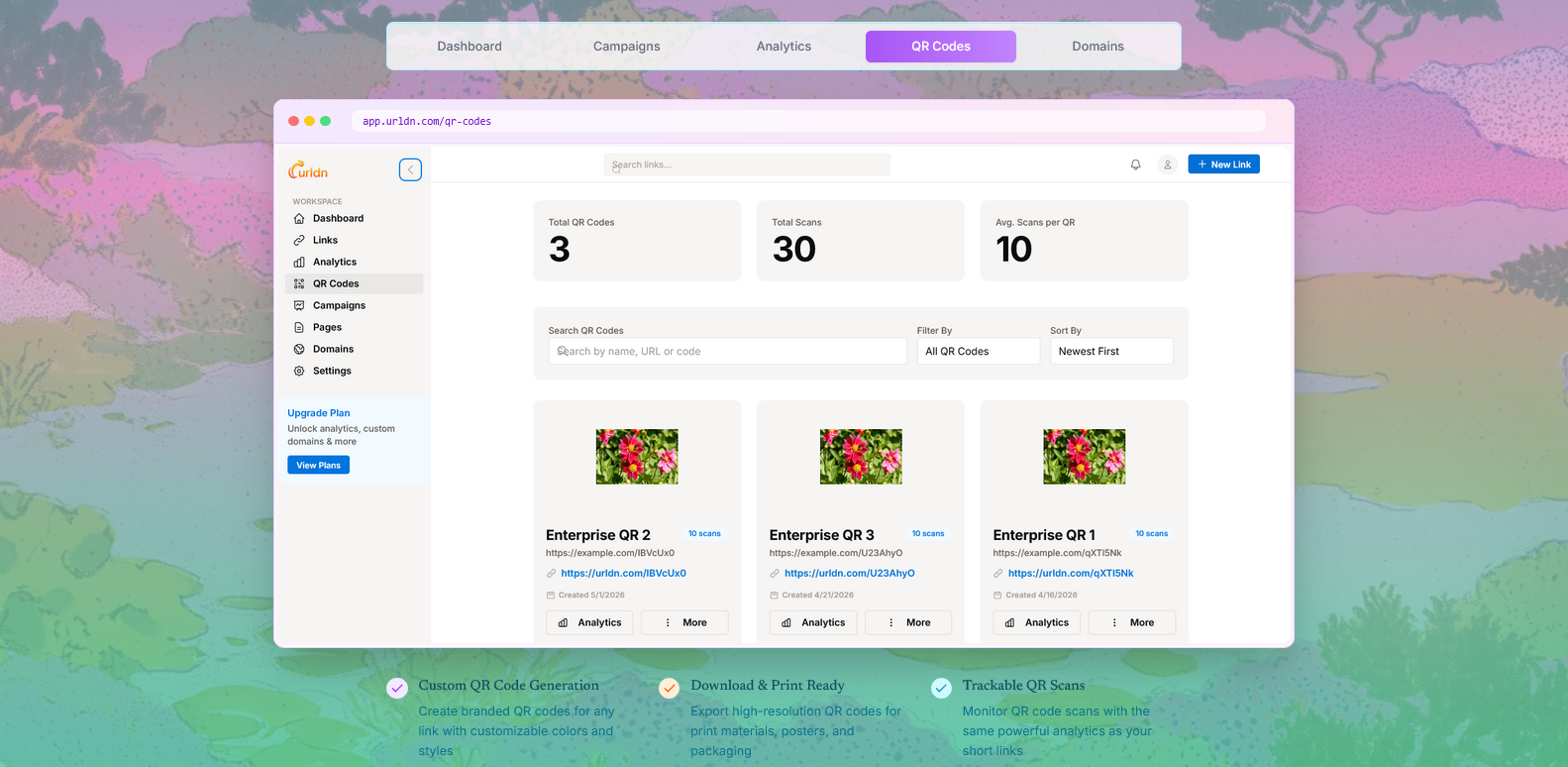
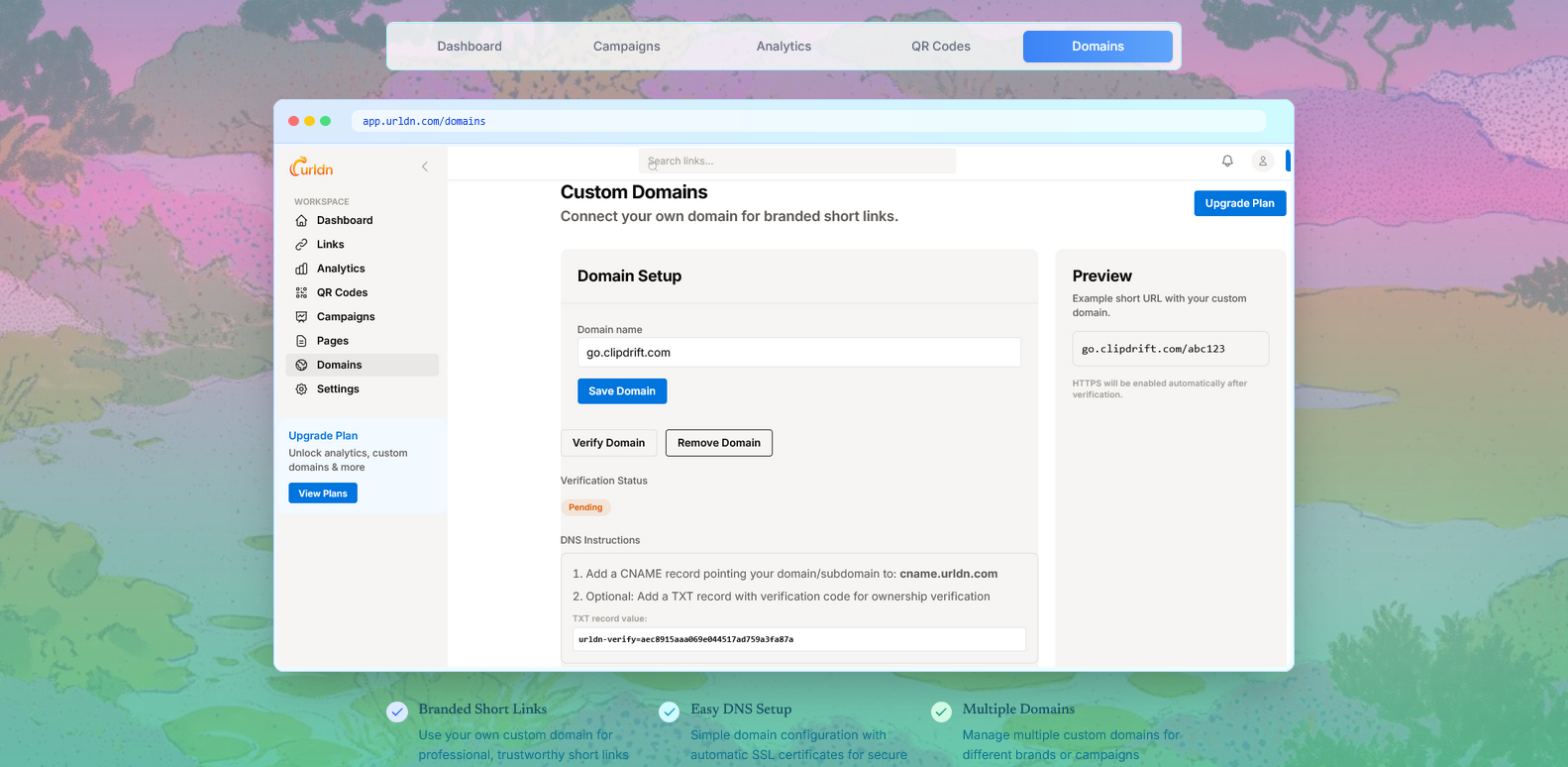
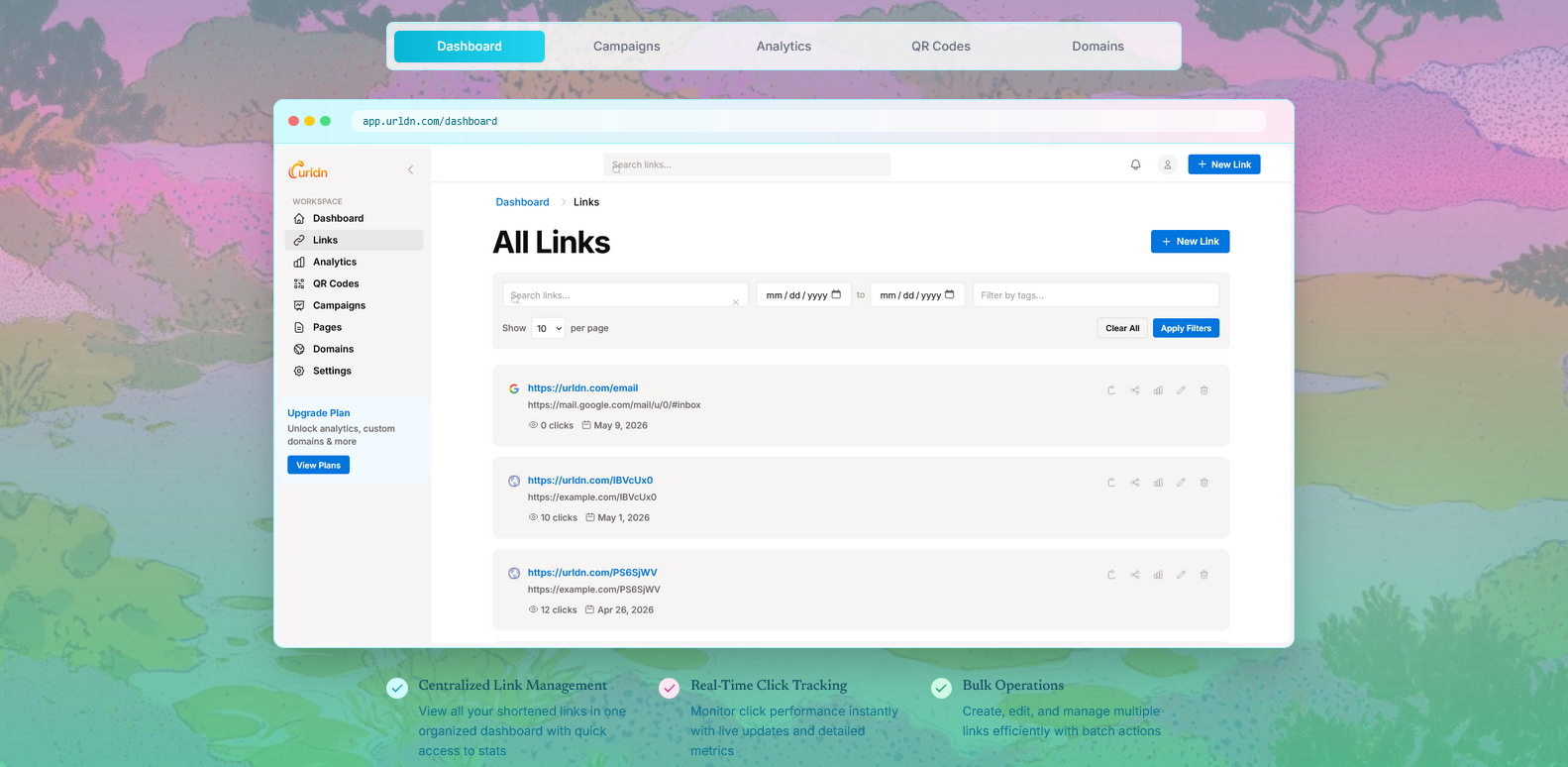
1. Branded short links — clean, fast, custom domain support. Your brand on every URL you share.
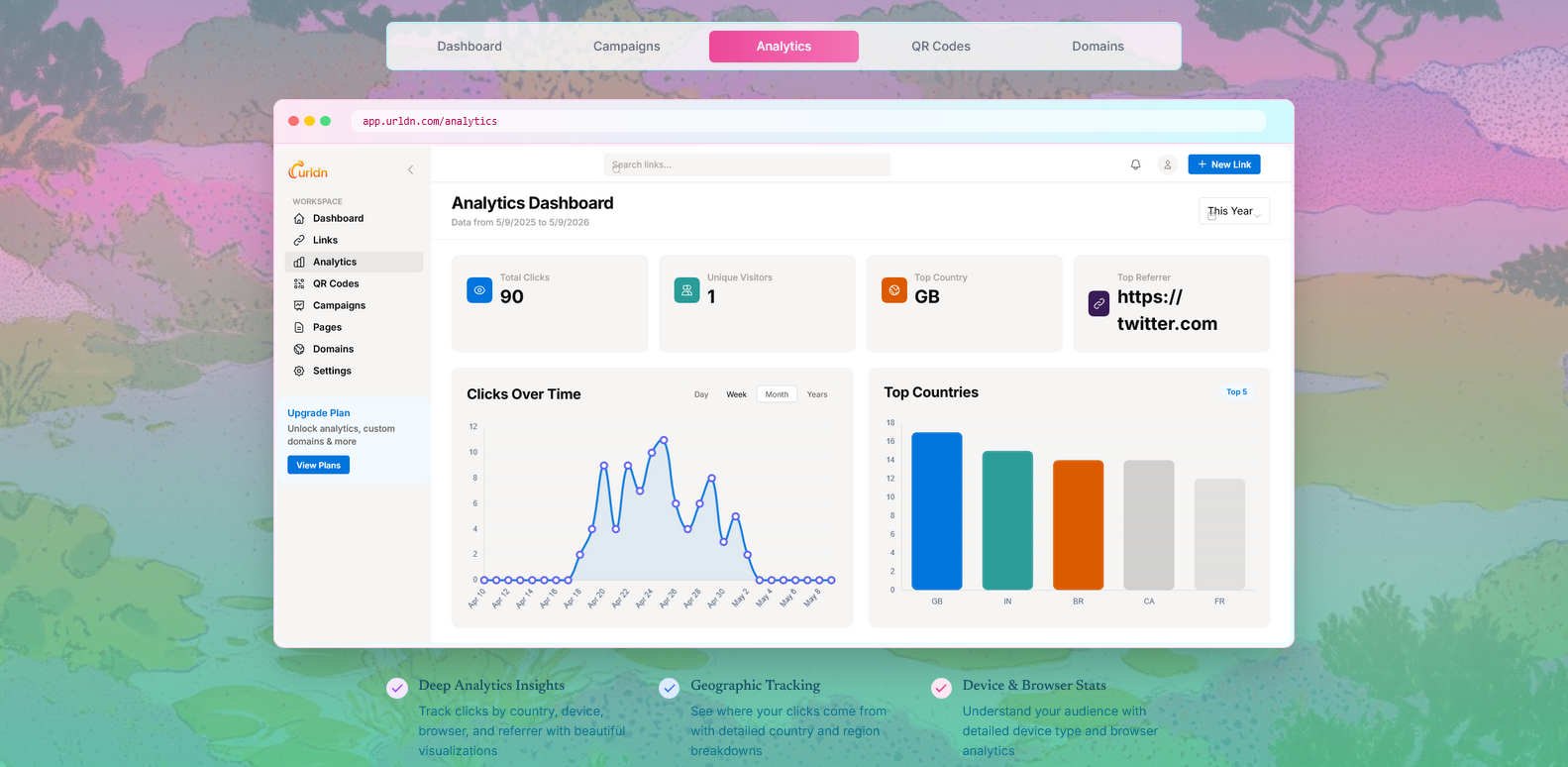
2. Deep analytics — geographic breakdown, device and browser split, referrer tracking, time-based click patterns. Not just how many — but who, where, when, and how.
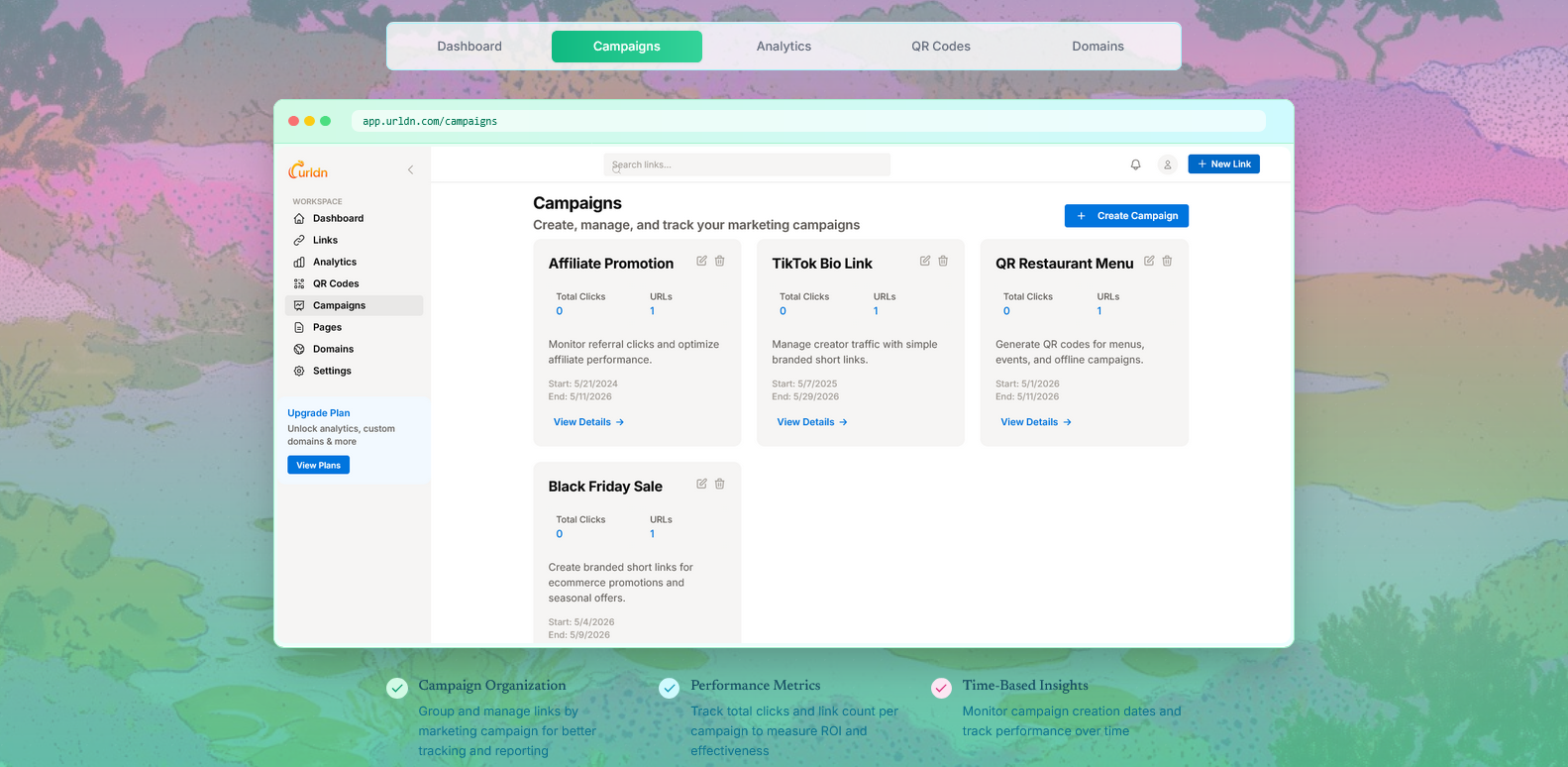
3. Campaign attribution — UTM tracking, source and medium tagging, campaign comparison. Know exactly which channel drove every click.
4. AI data analyst — ask your link data anything in plain English. "Which campaign drove the most clicks last week?" "What's my top traffic source by country?" "Which links are underperforming?" It answers instantly from your real database — zero hallucination, zero guesswork.
## How I built it
Backend: Express.js — REST API handling link creation, click event tracking, and user authentication
Frontend: reactjs
Browser extension: Chrome, Firefox, and Edge — right-click or toolbar, shorten any URL in two clicks without leaving your tab
## Challenges I ran into
Manifest V3 service worker limitations — the browser extension clipboard write flow broke when the service worker went inactive mid-operation. Solved by keeping the clipboard write inside the user gesture scope in the content script rather than passing through the background worker.
Preventing AI hallucination — early versions let the model answer freely. It would confidently make up numbers when data was sparse. The fix was strict: always aggregate real data first, pass it as structured context, and instruct the model to say "I don't have enough data" instead of guessing.
## Accomplishments that I'm proud of
- Built a URL shortener where you can literally have a conversation with your link data — and it gives accurate answers every time because it reads from the real database
- Zero hallucination architecture — every AI answer is grounded in actual MongoDB click data, not model inference
- Browser extension shipping on Chrome, Firefox, and Edge simultaneously
- Defined a new product category — Link Intelligence Platform — that nobody else currently owns
## What I learned
Positioning is a product decision, not a marketing decision. Deciding urldn was a "Link Intelligence Platform" changed which features we prioritized — not just how we described it.
The AI layer is only as good as the data layer underneath it. We spent more time building the analytics aggregation service than the AI integration itself. Getting clean, structured data to the model was 80% of the work.
Remove friction at every step. The browser extension exists because switching tabs to shorten a link was enough friction to break the habit. Two clicks matters more than it sounds.
Build in public from day one. Sharing the journey on X, LinkedIn, and Bluesky drove our first signups before we had a polished product.
## What's next for urldn
- Team plan — shared link workspaces, role-based access, team analytics
- Conversion tracking — go beyond clicks to actual goal completions and revenue attribution
- AI-generated campaign reports — weekly digest sent to your inbox, written by the analyst in plain English
- Link performance alerts — "your top link dropped 40% this week" without you having to check
- API-first expansion — full developer API so teams can integrate link intelligence into their own dashboards
- More languages
The vision: every link you share becomes a source of actionable intelligence. We're starting with the shortener layer. We're building toward becoming the analytics brain for lean marketing teams worldwide.


Log in or sign up for Devpost to join the conversation.