-
-
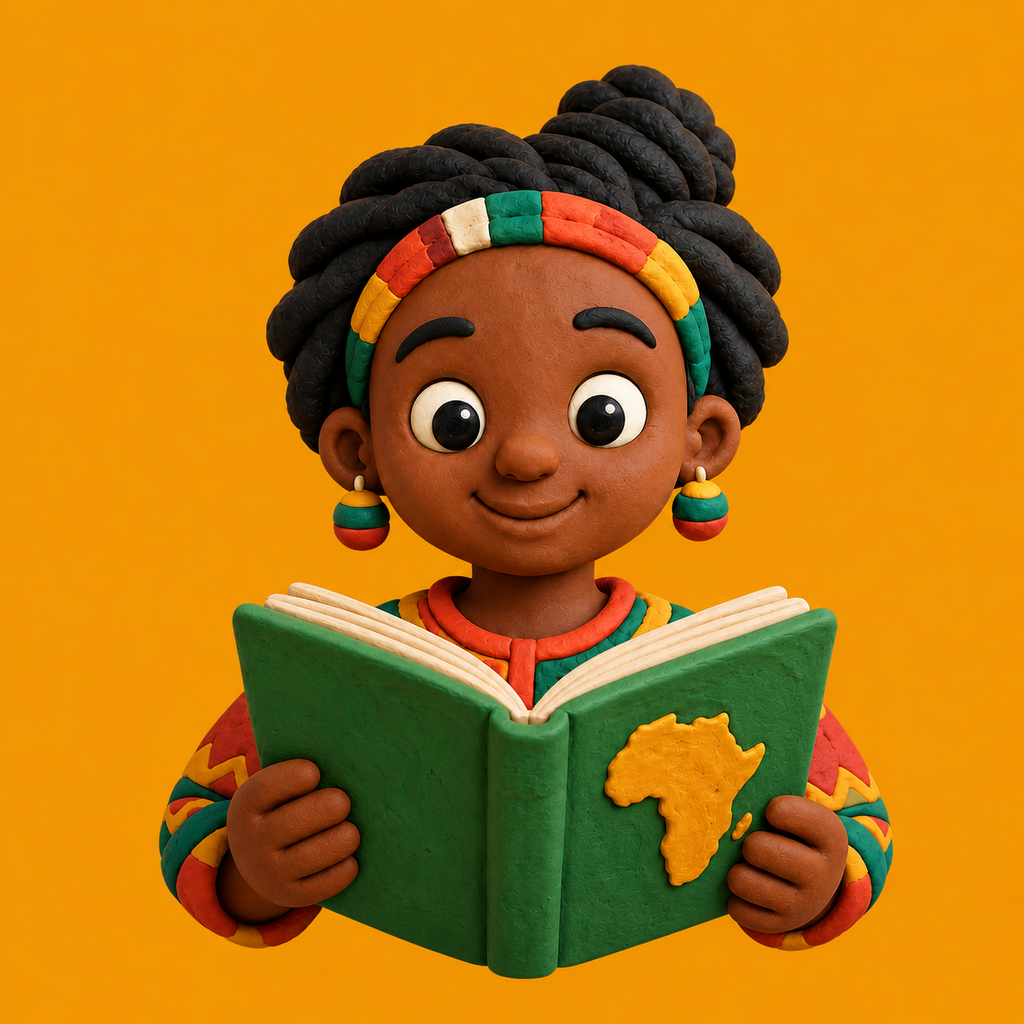
Logo
-
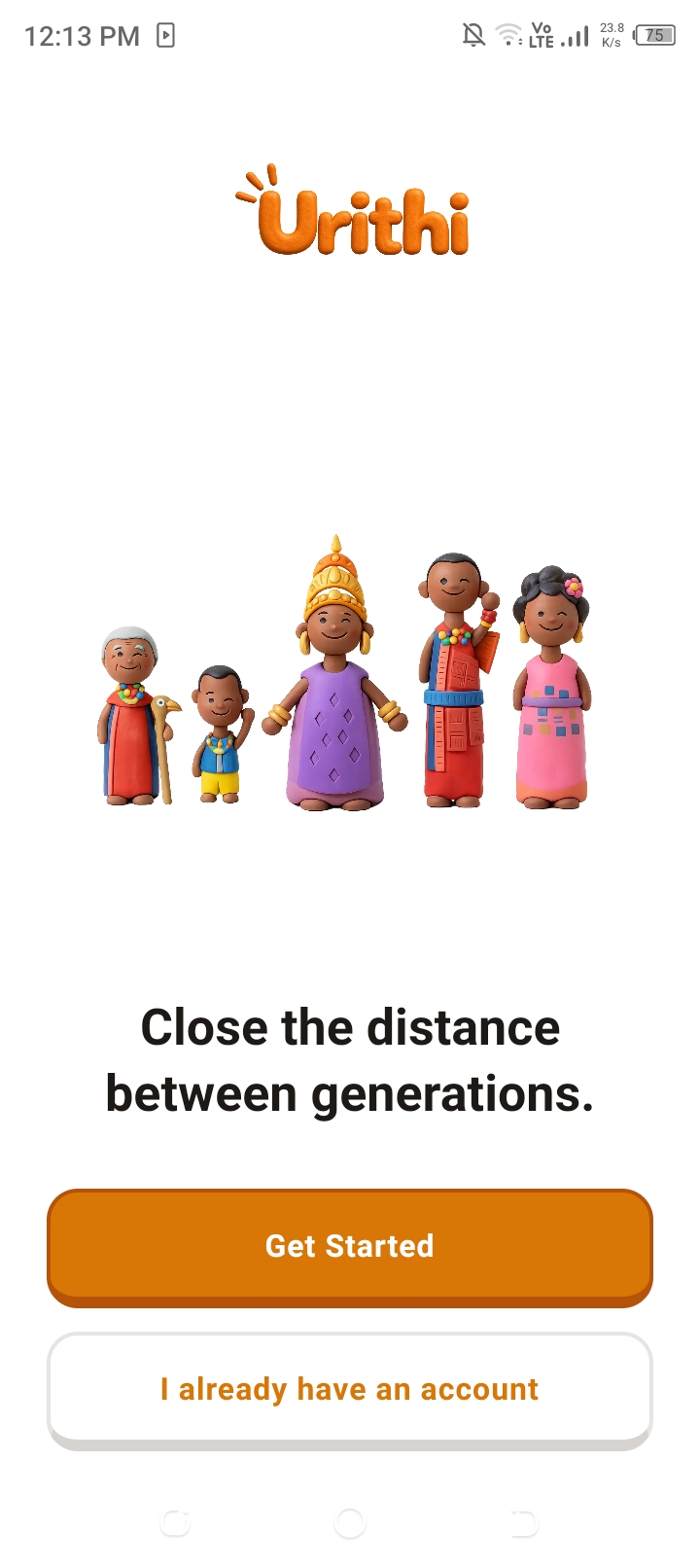
Landing page
-
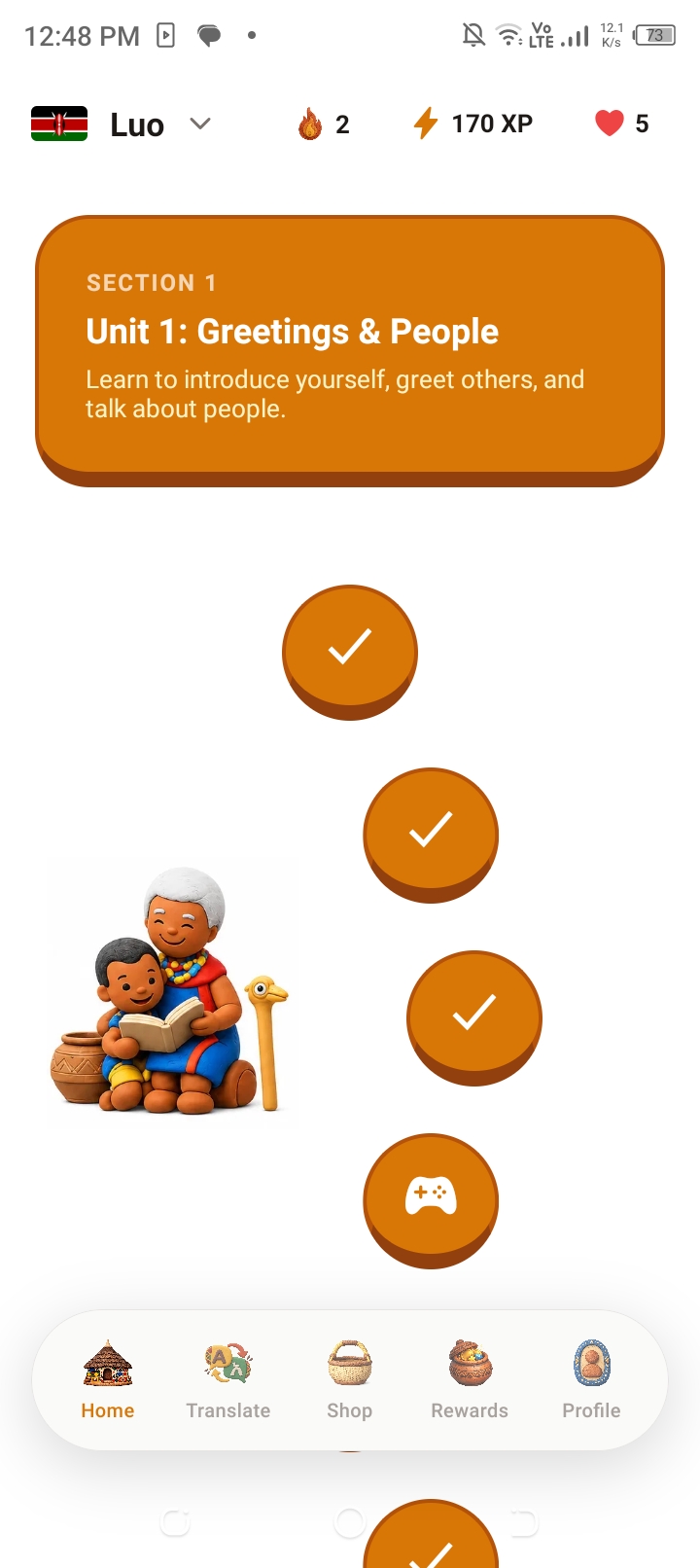
Home Page
-
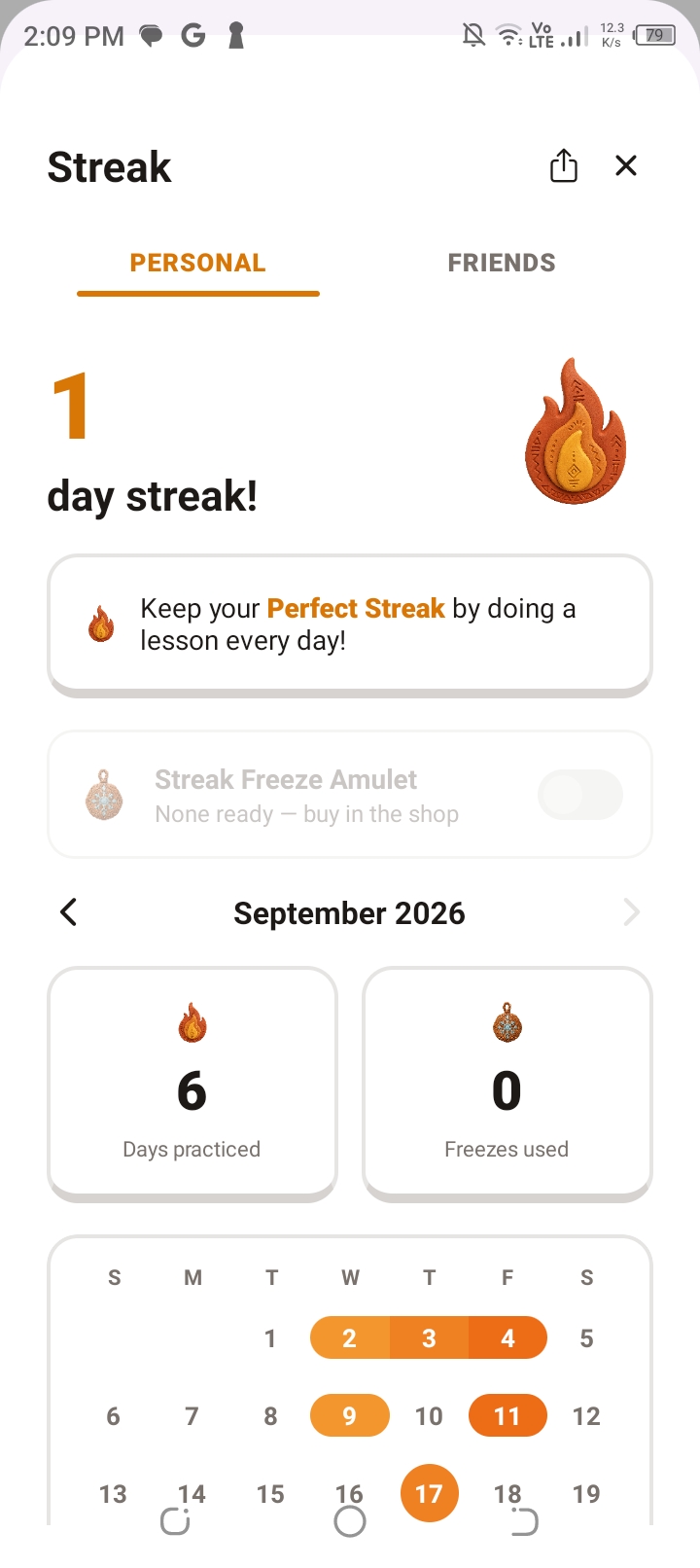
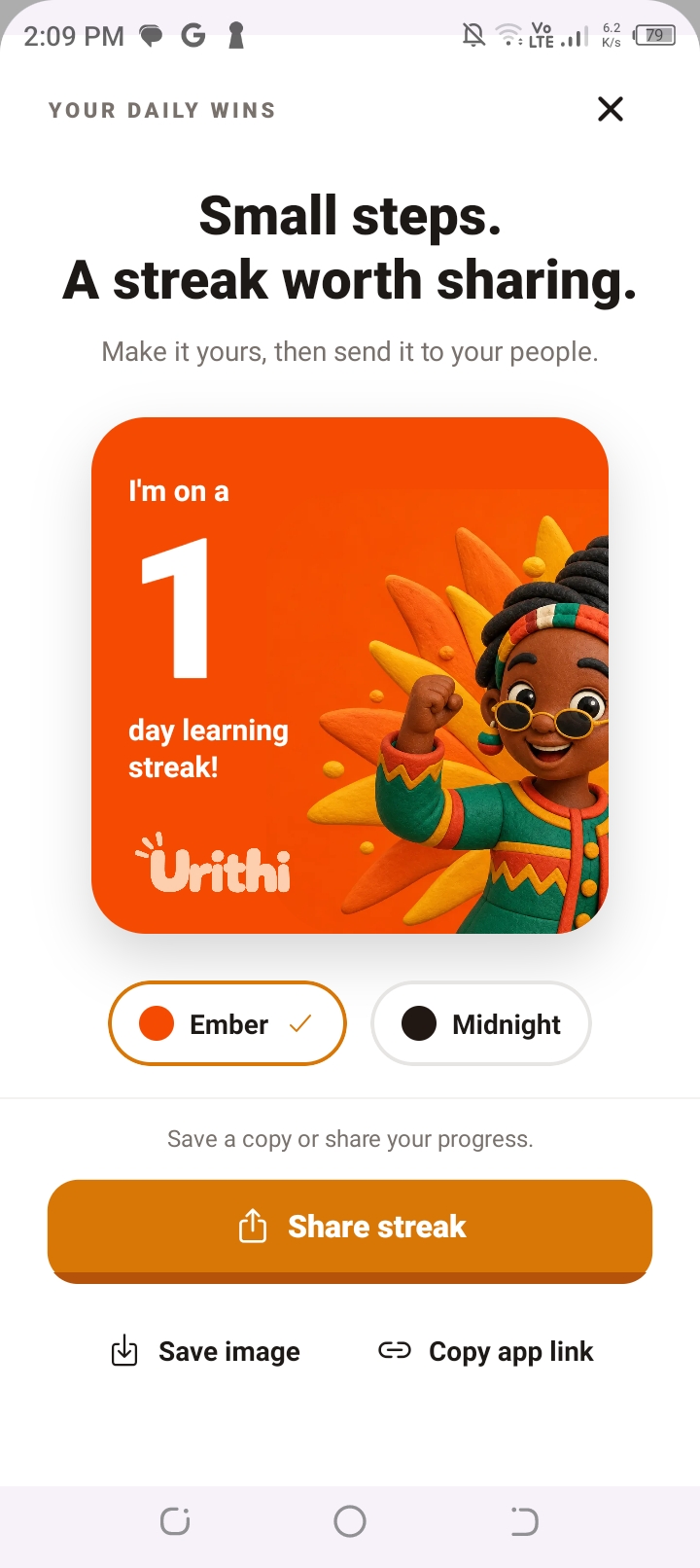
streaks
-
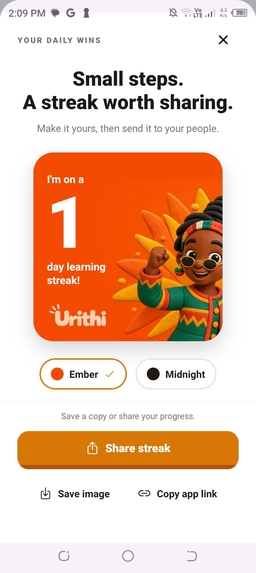
streaks
-
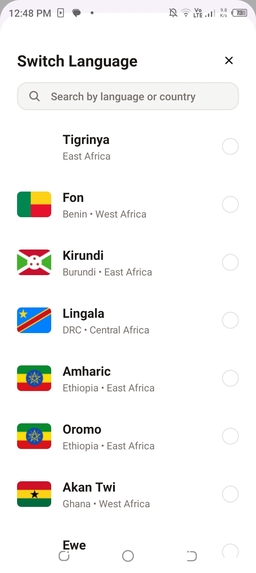
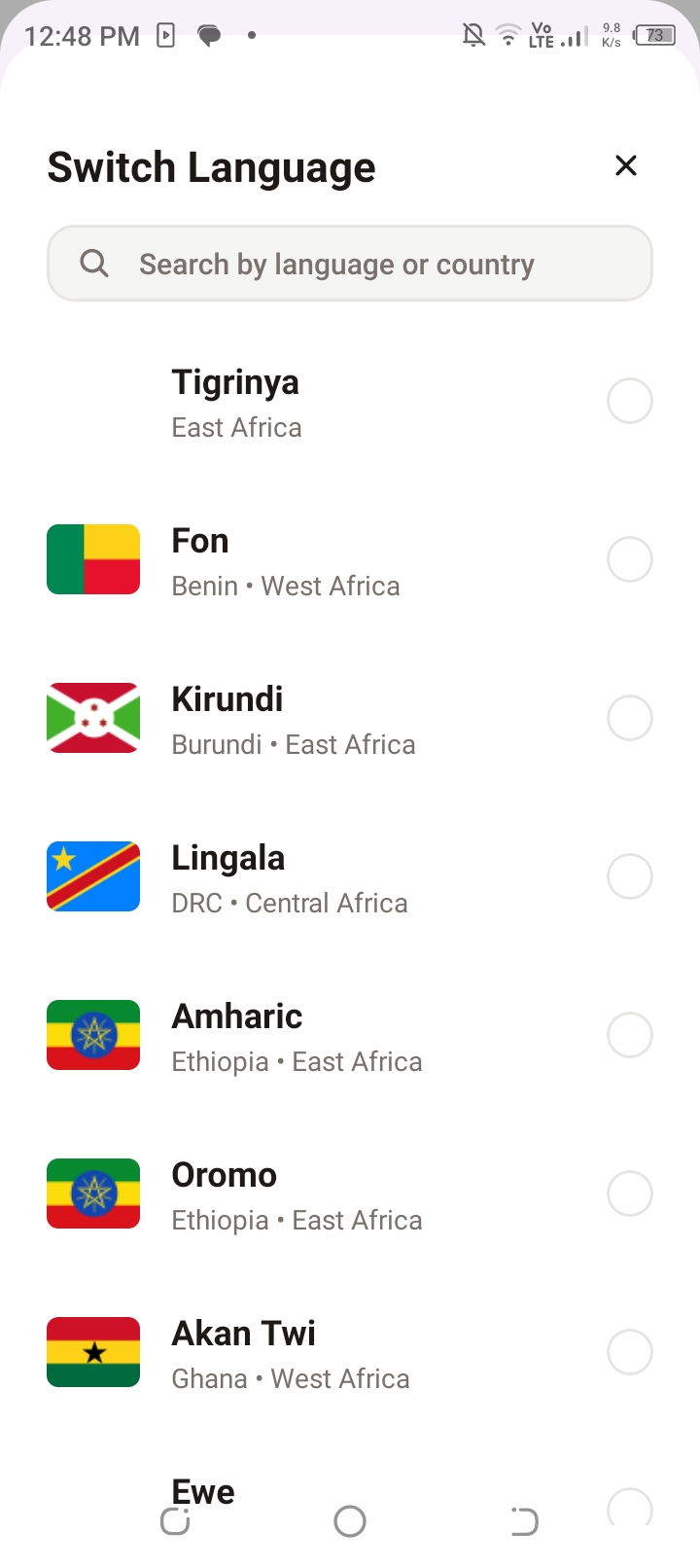
Language selection
-
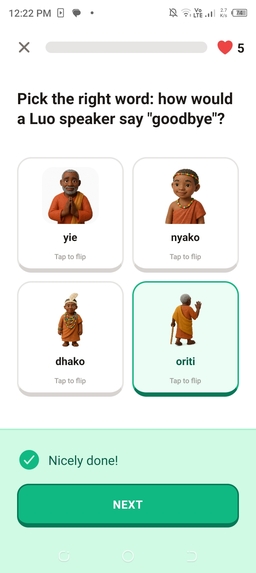
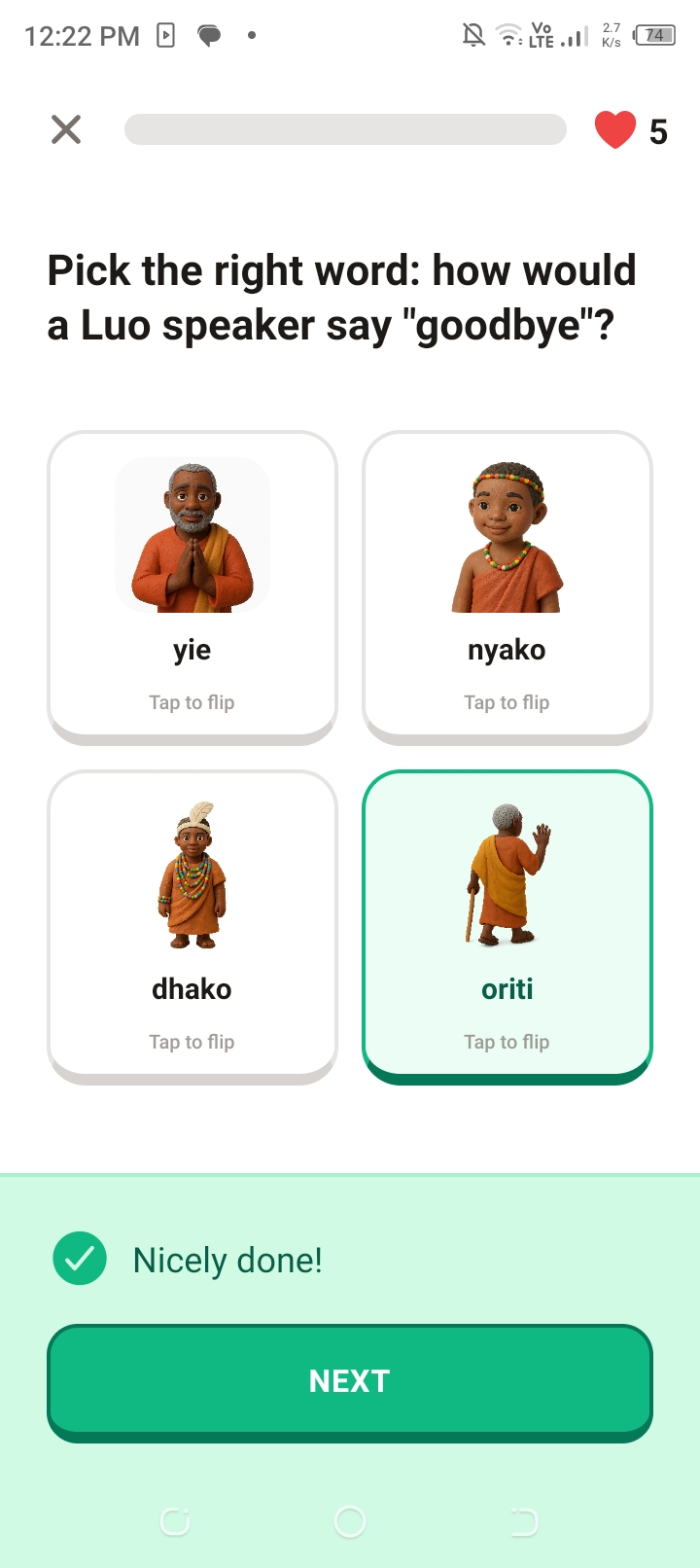
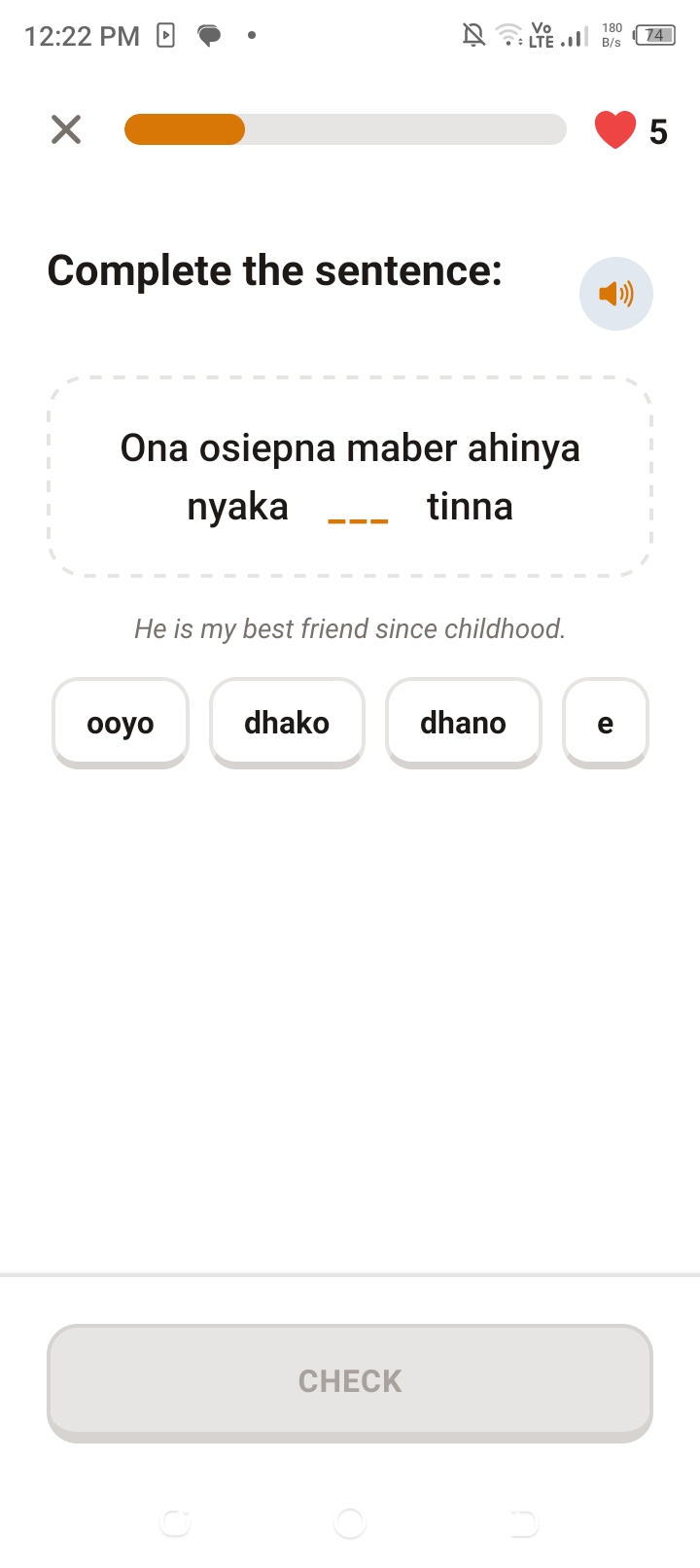
Lesson
-
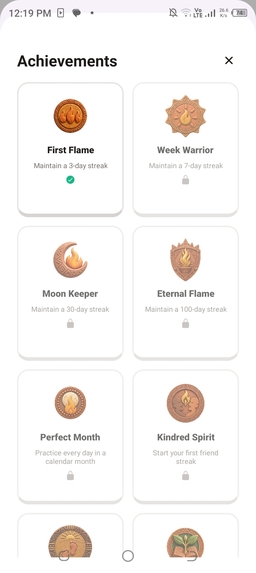
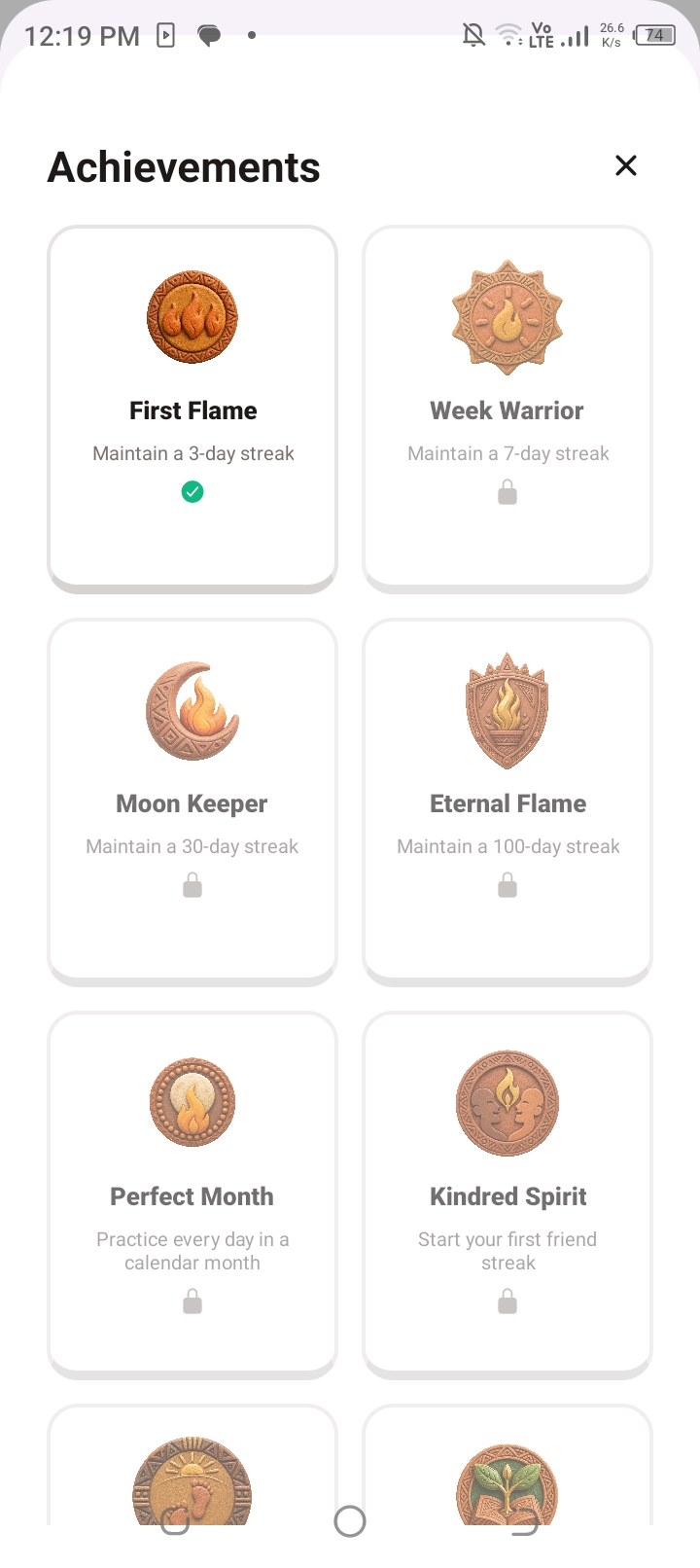
Achievments
-
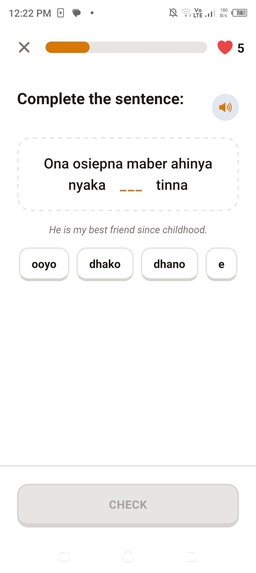
Lesson
-
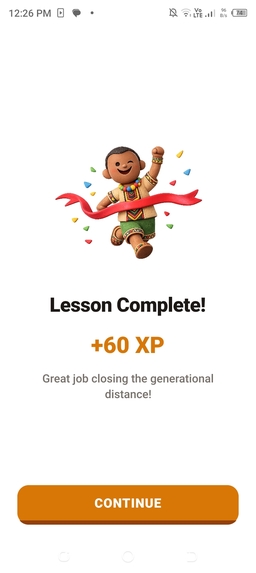
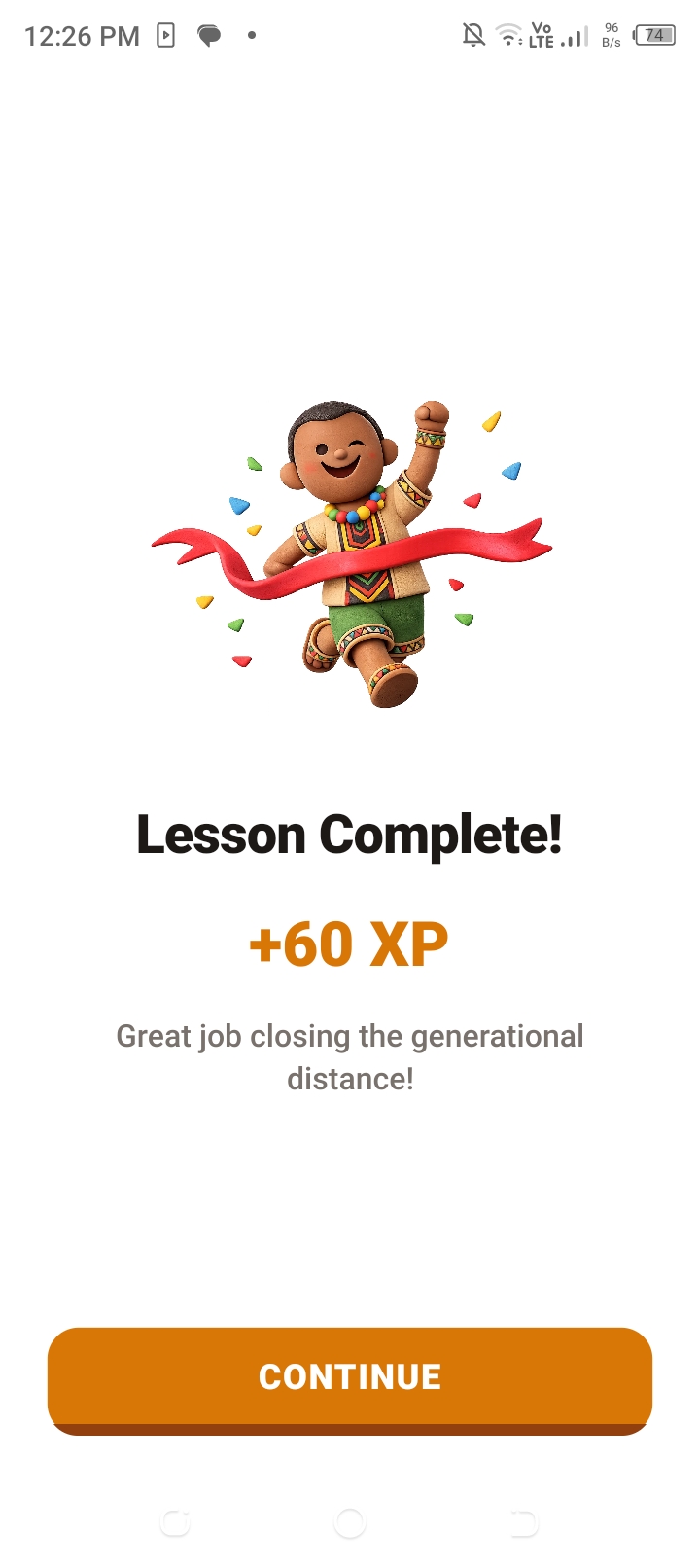
Lesson completion
-
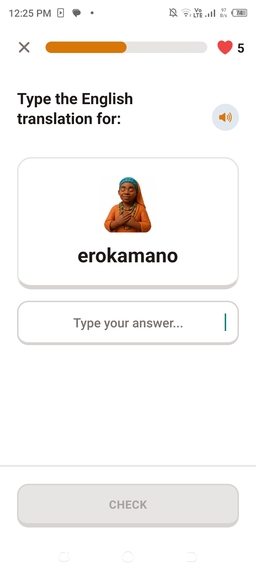
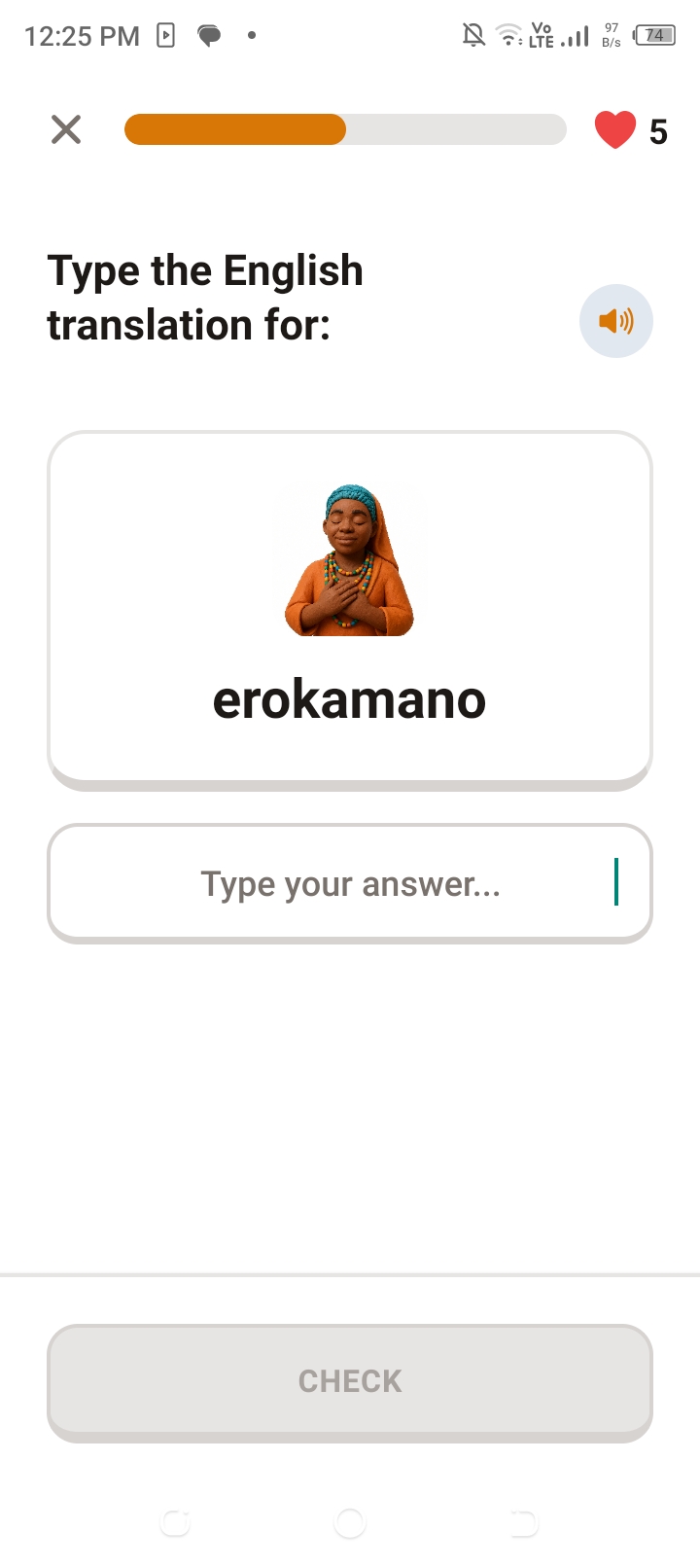
Lesson
-
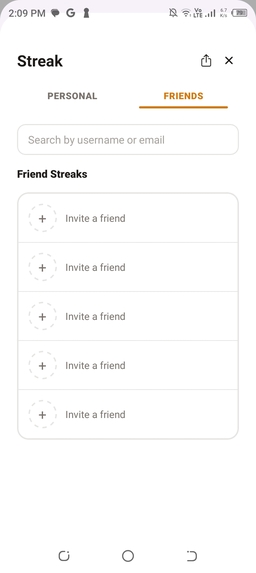
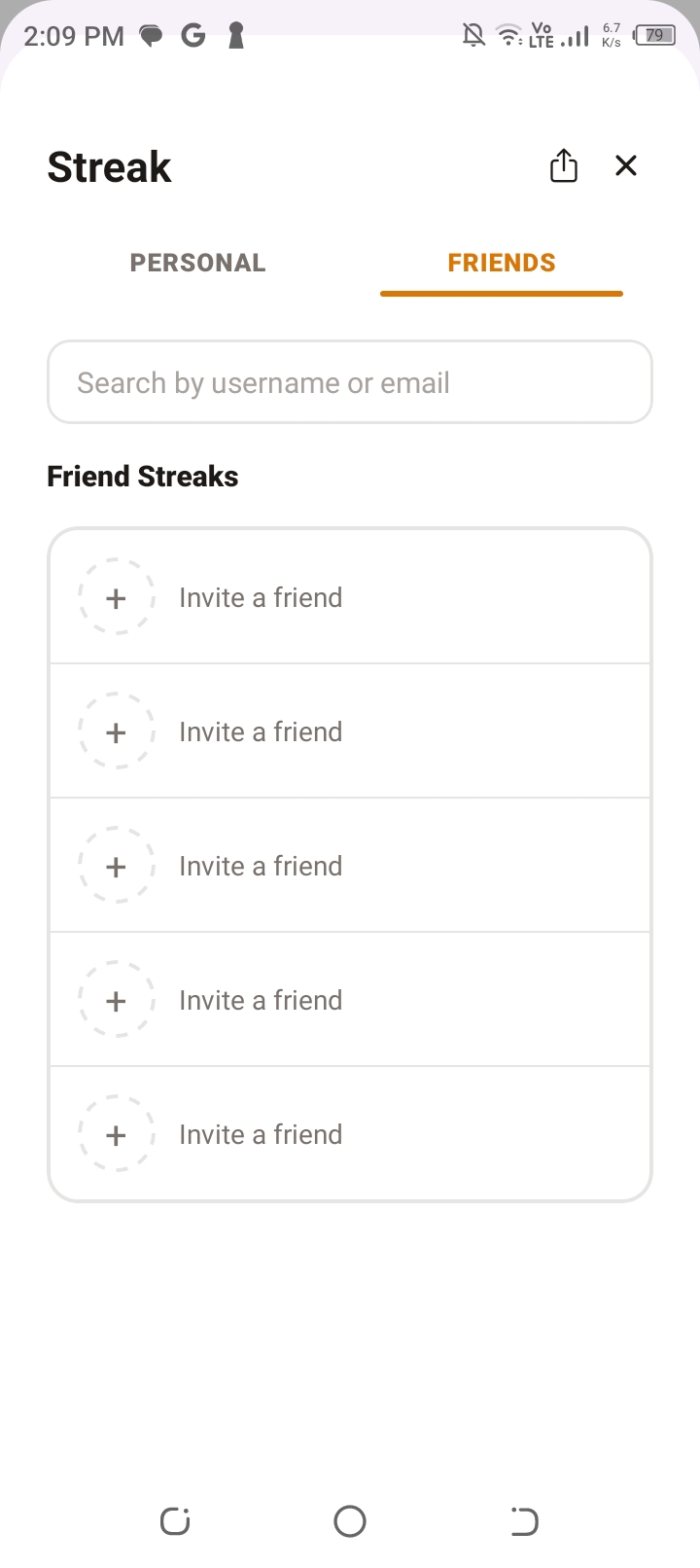
Friend streaks
Urithi
Inspiration
Africa is home to thousands of languages, yet most language-learning technology still focuses on a relatively small number of globally dominant languages.
For many African languages, learning resources are fragmented across books, websites, recordings, family members, and community knowledge. Even when resources exist, they rarely provide the polished, interactive experience people have come to expect from modern learning apps.
That was the inspiration behind Urithi.
Urithi is a language-learning app designed to make African languages easier and more enjoyable to learn through short, interactive lessons. The goal is to create a learning experience that feels modern and accessible while helping preserve and promote languages that are often underrepresented in technology.
The name Urithi means heritage in Swahili, which reflects the idea behind the project: language is not only a way to communicate, but also a way to connect with culture, family, and identity.
Categories to Be Considered
I am submitting Urithi for the RevenueCat Peace Prize and the RevenueCat Design Award.
RevenueCat Peace Prize
Urithi helps make African languages easier to learn and more accessible digitally.
Many African languages still have few high-quality learning tools, especially for people trying to reconnect with a family language, understand their community better, or simply learn a language they were not taught growing up.
Urithi combines structured lessons, audio, practice, and a modern mobile experience to make that learning approachable. The broader goal is to support the continued use of African languages while helping people connect with culture, family, and community.
RevenueCat Design Award
I am also submitting Urithi for the Design Award because design has been central to the product from the beginning.
I wanted African language learning to feel modern, playful, and polished rather than like a digital textbook. Urithi uses a distinctive visual system, illustrations, animations, clear progression, and thoughtful lesson interactions to make learning feel welcoming and rewarding.
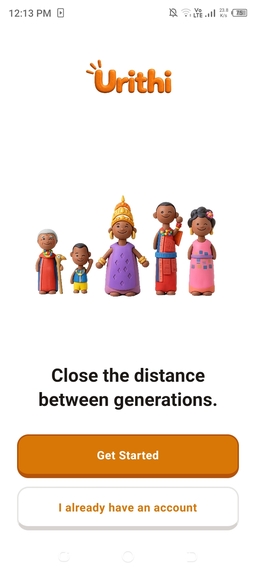
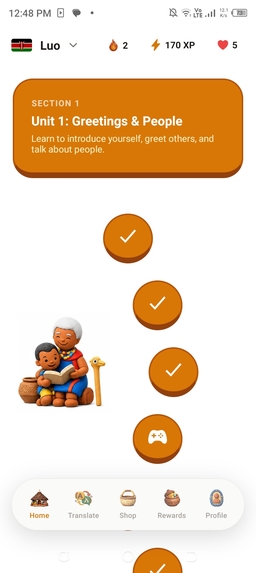
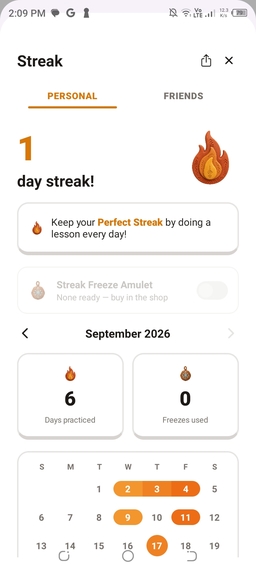
Judges should pay particular attention to the lesson experience, onboarding, progress feedback, social features, illustrations, and animations throughout the app.
For Urithi, design is not just decoration. It is part of what makes unfamiliar languages feel accessible and enjoyable to learn.
What I Built
Urithi provides bite-sized lessons for learning African languages through vocabulary, translations, pronunciation, exercises, and interactive learning activities.
The platform currently supports 30 African languages, with particular attention given to languages that have historically had limited representation in mainstream language-learning products.
I built Urithi as a mobile-first product and launched the Android version publicly on the Google Play Store.
The experience is designed to make learning feel approachable rather than academic. Instead of presenting users with large dictionaries or long blocks of grammar, lessons are broken into small activities that allow learners to gradually build vocabulary and confidence.
How I Built It
Urithi was built using React Native and Expo, allowing me to create a cross-platform mobile experience while iterating quickly across both Android and iOS.
I also integrated RevenueCat as the foundation for monetization. RevenueCat powers Urithi’s subscription paywalls and entitlement management, making it easier to offer premium access across platforms without having to build and maintain subscription infrastructure from scratch.
More importantly, I wanted the monetization model to reflect the realities of the markets Urithi serves. In many African markets, recurring subscriptions can be a significant commitment, and users may not always want or be able to pay for a full monthly plan. Because of this, I designed Urithi to support a more flexible model that combines subscriptions with smaller microtransaction-style purchases, giving learners different ways to pay based on what is affordable and useful to them.
RevenueCat makes it possible to manage these different purchase models reliably while keeping the experience simple for the user. This flexibility is especially important for Urithi because accessibility is not only about language and design, but also about making the product financially accessible to the people it is built for.
A significant part of the project involved building the infrastructure around the language content itself.
African languages present an interesting technical challenge because the datasets, dictionaries, speech models, and APIs that exist for languages such as English, French, or Spanish are often unavailable or incomplete.
To build the language datasets used by Urithi, I experimented with several sources and approaches, including multilingual lexical datasets such as PanLex, open language datasets, custom translation sources, and language-specific resources.
I also explored text-to-speech models for languages such as Kikuyu, Luo, Kamba, Kalenjin, and Kisii. Where possible, the application combines structured vocabulary data with generated or recorded audio so learners can both read and hear the language.
The application also uses a modern product stack around the learning experience, including authentication, analytics, subscription infrastructure, and over-the-air updates, which allows the product to continue improving after release.
Challenges
The biggest challenge was not building the mobile application itself.
It was language data quality.
For many African languages, there simply is not enough high-quality structured data available online.
Translations can vary by dialect. Some datasets contain outdated or inconsistent vocabulary. Text-to-speech models may pronounce the correct word with the wrong intonation. Even spelling conventions can vary depending on the source.
One of the most useful pieces of feedback I received after launching Urithi came from fluent speakers who pointed out that some translations were correct while the generated pronunciation did not sound natural.
That highlighted an important lesson: language accuracy is not just about translating words correctly. Pronunciation, tone, dialect, context, and cultural usage all matter.
Instead of treating this as purely a machine-learning problem, I began thinking about Urithi as a combination of technology and community knowledge, where native speakers can ultimately play an important role in validating and improving the learning content.
Another challenge was scope. Supporting many languages makes the platform useful, but every additional language introduces its own data, pronunciation, and quality-control problems. Building systems that can scale while still respecting those differences has been one of the most interesting parts of the project.
What I Learned
Building Urithi taught me that working with underrepresented languages requires a very different mindset from building software around languages with abundant datasets.
You cannot assume that a perfect API or dataset already exists.
Sometimes you have to combine multiple datasets, build your own processing pipelines, validate information manually, experiment with open-source models, and most importantly, listen to native speakers.
I also learned a lot about shipping consumer software.
Launching the application made the project much more real. Once users started using Urithi, questions that seemed theoretical during development became obvious very quickly: Which lessons are confusing? Which pronunciations sound unnatural? Where do learners stop? Which languages are people actually interested in learning?
That feedback loop has become one of the most valuable parts of building the product.
What I'm Proud Of
The part I am most proud of is that Urithi moved beyond being an idea or prototype.
It became a real product that people can download, use, critique, and help improve.
There is still a huge amount of work ahead, particularly around improving native pronunciation, expanding lesson depth, and building better tools for validating language content.
But Urithi has already demonstrated something I strongly believe:
African languages deserve the same quality of technology and learning experiences available to the world's most widely supported languages.
Urithi is my attempt to help build that.
Built With
- expo.io
- limrun
- mobbin
- react-native
- revenuecat
