-
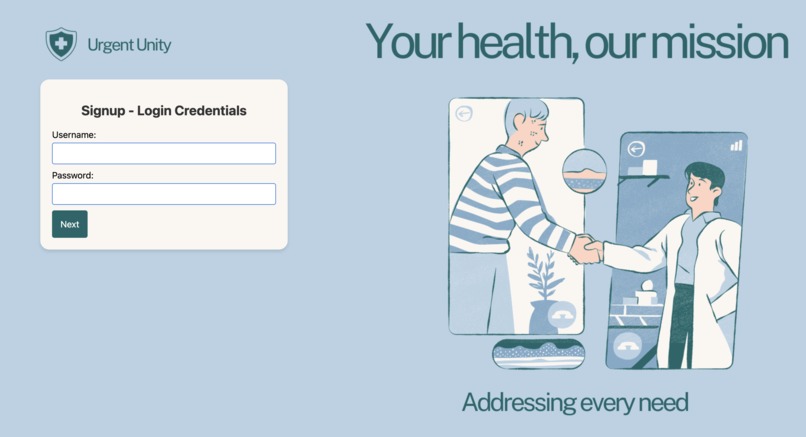
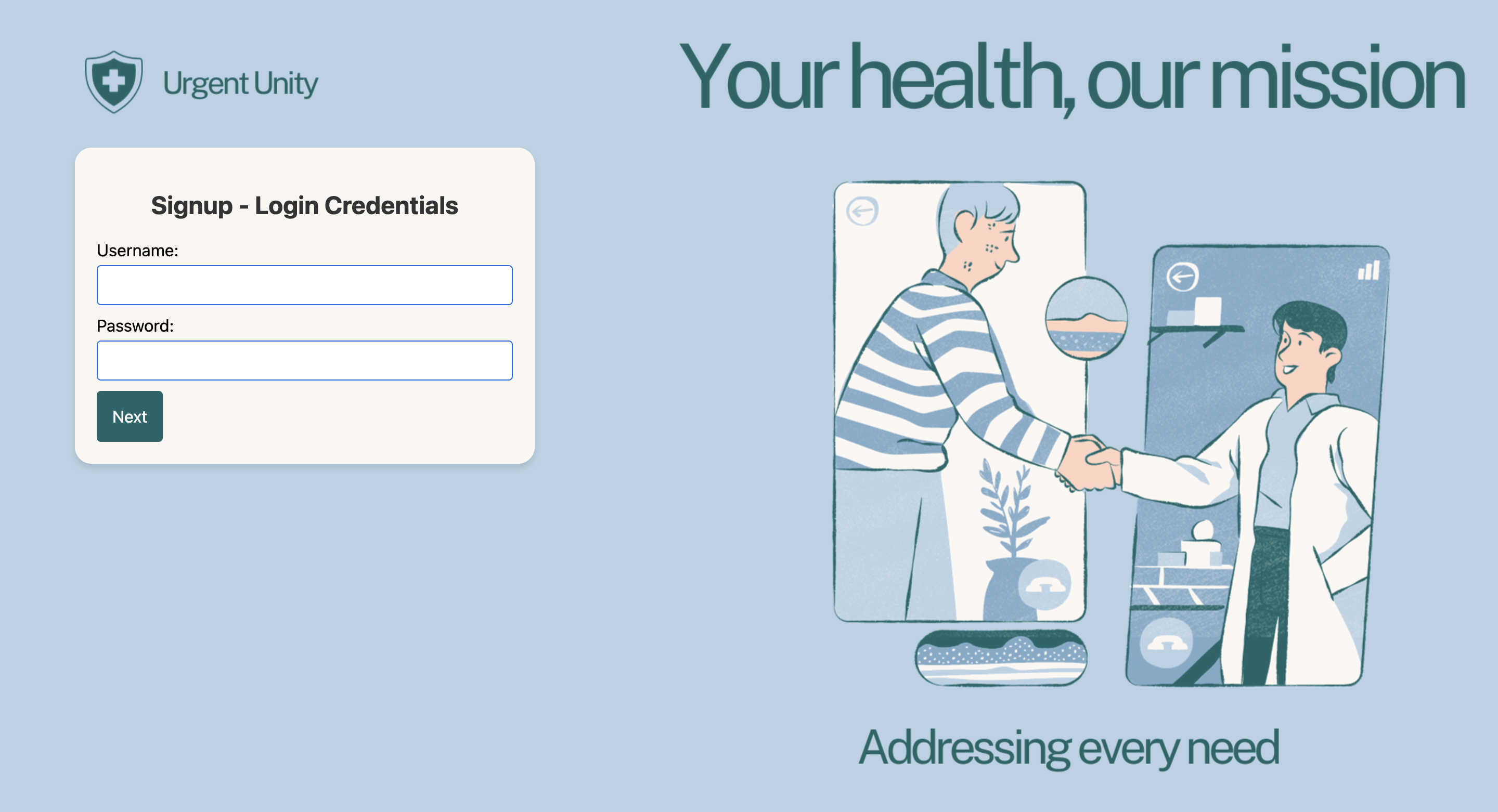
Sign up Page
-
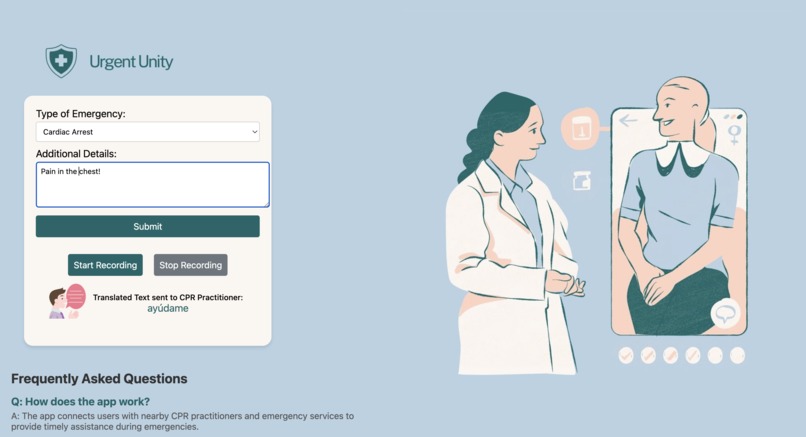
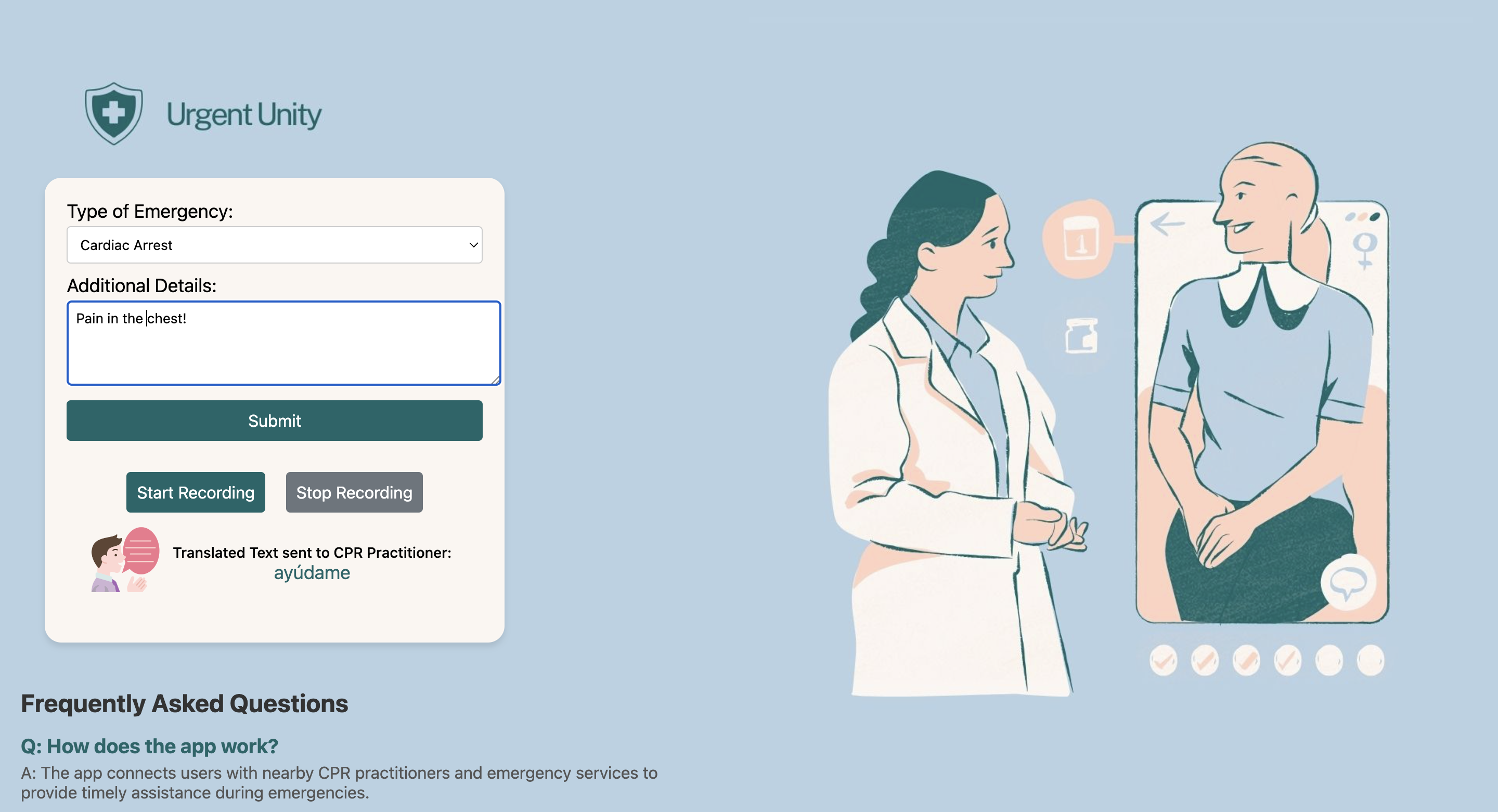
Emergency Reporting Page
-
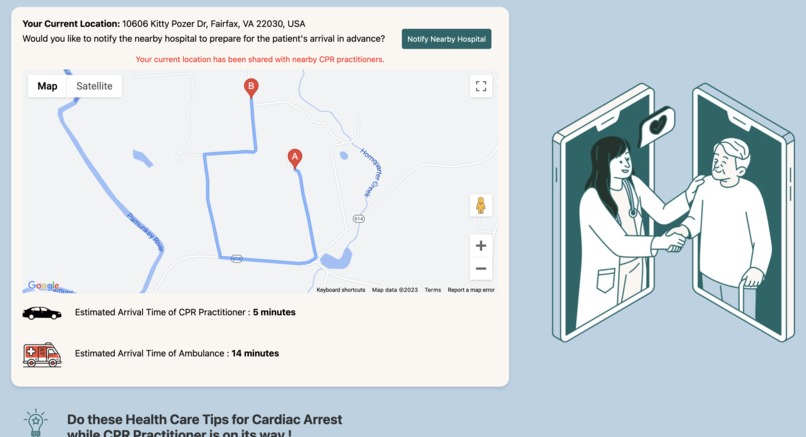
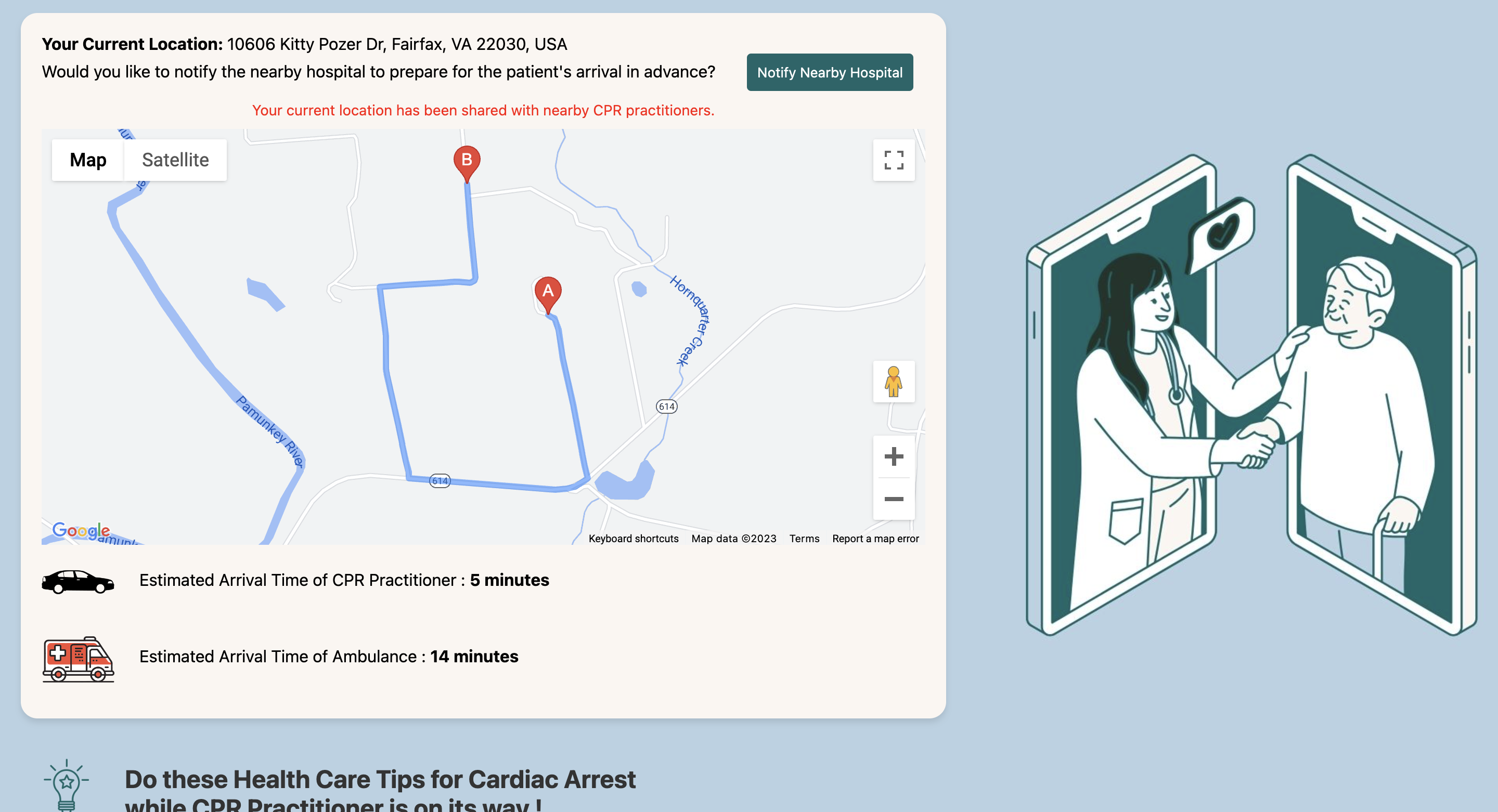
Navigation Page
-
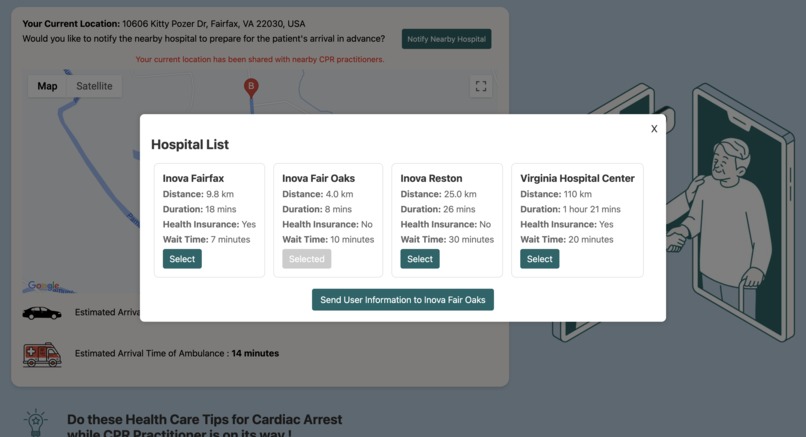
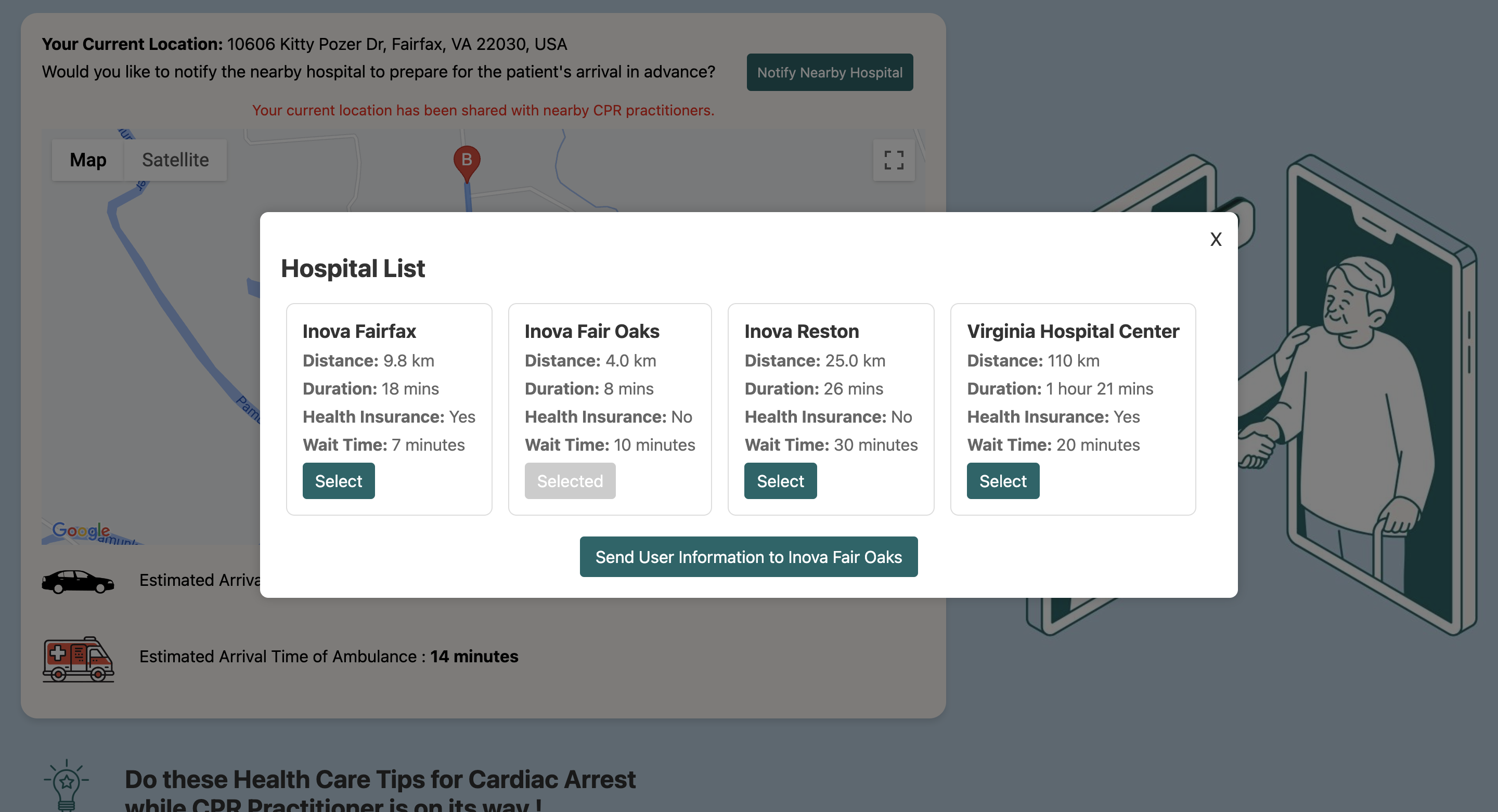
Hospital List
-
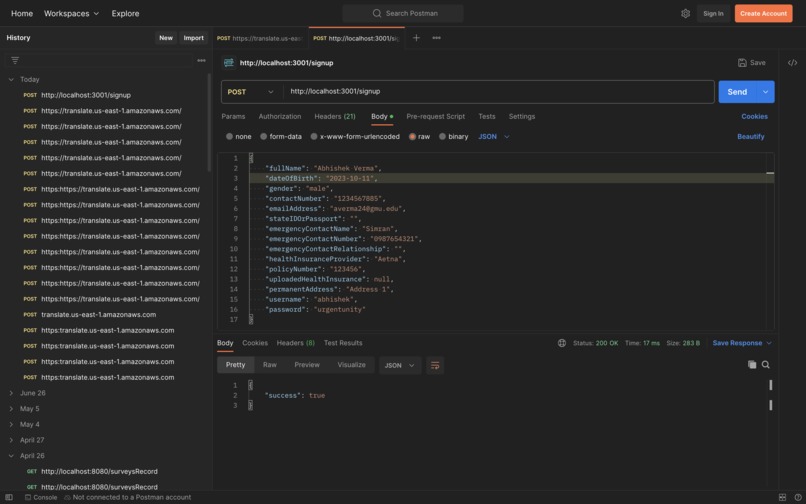
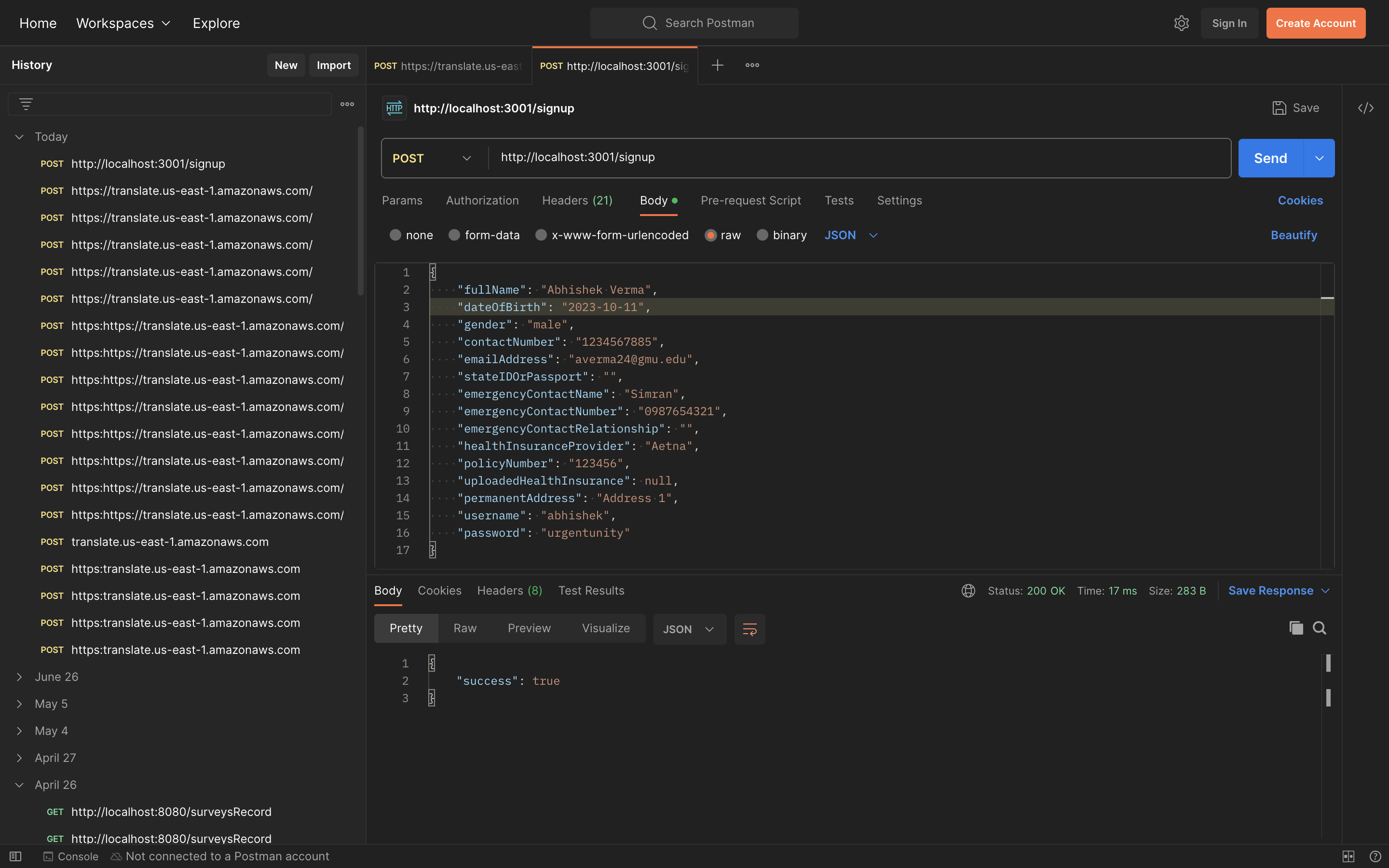
POST API call to save user data
Inspiration:
Cove, Oregon is a small rural town located about 25 minutes away from the nearest major hospital in La Grande. For many experiencing medical emergencies like cardiac arrest or choking, 25 minutes is far too long to wait for paramedic-level care. But our app identified that the local fire department just 1 minute away has multiple personnel trained in CPR and first response. With our technology, we could summon those CPR individual to provide immediate assistance until the ambulance arrives from La Grande. Just minutes can make the difference between life and death. According to our data, Cove is not an isolated case - there are many rural communities across the country that are 15+ minutes from hospitals but have closer access to individuals with lifesaving skills.
Need:
Without insurance, the average cost of an ambulance ride is around $1200. Emergency medical service units average 7 minutes from the time of a 911 call to arrival on scene. That median time increases to more than 14 minutes in rural settings, with nearly 1 of 10 encounters waiting almost a half hour for the arrival of EMS personnel. Additionally, many hospitals are out-of-network for patients' insurance coverage. Being taken to the wrong facility can result in massive unexpected medical bills.
What it does:
Our app saves lives by quickly connecting people experiencing medical emergencies with nearby individuals certified in CPR and first aid. When an emergency is reported, the app immediately alerts qualified responders in close proximity with the patient location so they can provide potentially life-saving assistance while an ambulance is on the way. By getting trained individuals to the scene faster, especially in rural areas far from hospitals, we can drastically improve survival rates for critical incidents like cardiac arrest, choking, trauma, and more. Our app also assists with navigation, providing medical instructions, finding suitable hospitals to transport to after the initial response and hospital will receive the patient Insurance Details and medical history. It includes speech translation features to enable communication when language barriers exist and enables the users to report emergencies even when they have limited or no internet connectivity, with data sync once the connection is restored.
How we built it:
For the frontend of our emergency response app, we used React.js to build a fast and responsive web interface that works seamlessly across platforms.
On the backend, we built a robust REST API using Node.js and Express. This provided us with scalable endpoints for user authentication, real-time communication, and integrating with various third-party services. Some key external services we incorporated:
- AWS Translate for enabling speech translation in real-time chats. This helps remove language barriers between patients and responders when needed.
- AWS Amplify to deploy and host our entire web application to streamline the DevOps process and enabled continuous deployment from GitHub.
- Google Maps API for navigation and pinpointing emergency locations. We display navigation right within our app to guide responders to incidents.
Challenges we ran into:
We were unable to obtain the original API we planned to use to locate nearby CPR-trained individuals who could respond to emergencies. As an alternative, we had to develop our own user registration system and database of responder profiles and locations. Additionally, we wanted to show estimated wait times at nearby hospitals when transporting patients after stabilizing them. However, we could not get access to real-time API data on local hospital wait times and had to use dummy wait time data to feature this on our project.
Accomplishments that we're proud of:
We are incredibly proud to have gone from idea to full-fledged working product within the tight 36-hour hackathon timeframe. Through determined teamwork and rapid iterative development, we successfully built and deployed an end-to-end emergency response platform that addresses a major need for faster medical assistance. Despite some challenges acquiring certain APIs, our app demonstrates the core functionality and user flows for matching nearby volunteers to people experiencing medical emergencies. We implemented important features like location tracking, communication tools, navigation, and profile matching that lay the foundation for our vision of a service that can save lives by getting trained responders to the scene much quicker.
What we learned:
Through developing this emergency response app, we learned firsthand how complex and critical the problems are around slow medical response times and access to timely care. We gained valuable perspective on the massive impact improved emergency systems could have on society. On a technical level, we gained hands on experience on building end to end application and using AWS Translate, Google Maps service and deploying it to Amplify
What's next for Urgent Unity:
Moving forward, our top priority is integrating real-time data sources into our platform to take emergency response capabilities to the next level.
- First, we will work on partnerships and agreements to gain access to APIs that can provide live wait time data for nearby hospitals. This will enable our app to intelligently route patients to the facilities that can treat them soonest.
- Additionally, we aim to incorporate datasets that identify the locations of all certified CPR-trained individuals in a region who can respond more quickly than an ambulance in many cases. This will maximize our ability to get help to emergencies rapidly.
- To scale up our infrastructure, we plan to expand to additional servers and optimize our backend to smoothly handle a high volume of emergency alerts and communications as our user base grows.
- Monetization will also be an important next step. We aim to keep the app free for emergency patients, but will offer paid tiers and premium features for certified responder users. Partnering with healthcare brands for sponsorship opportunities


Log in or sign up for Devpost to join the conversation.