-
-
Σureka Icon
-
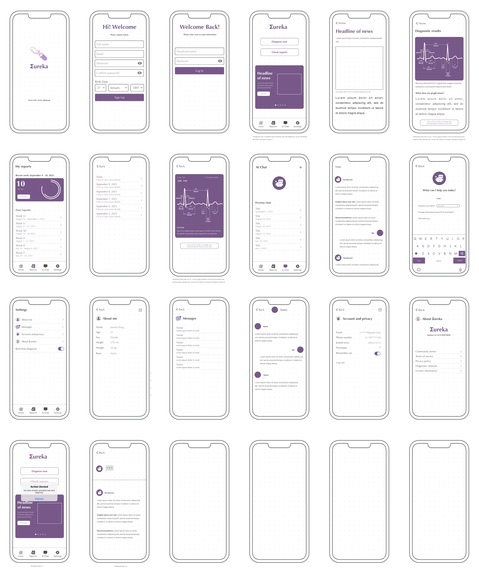
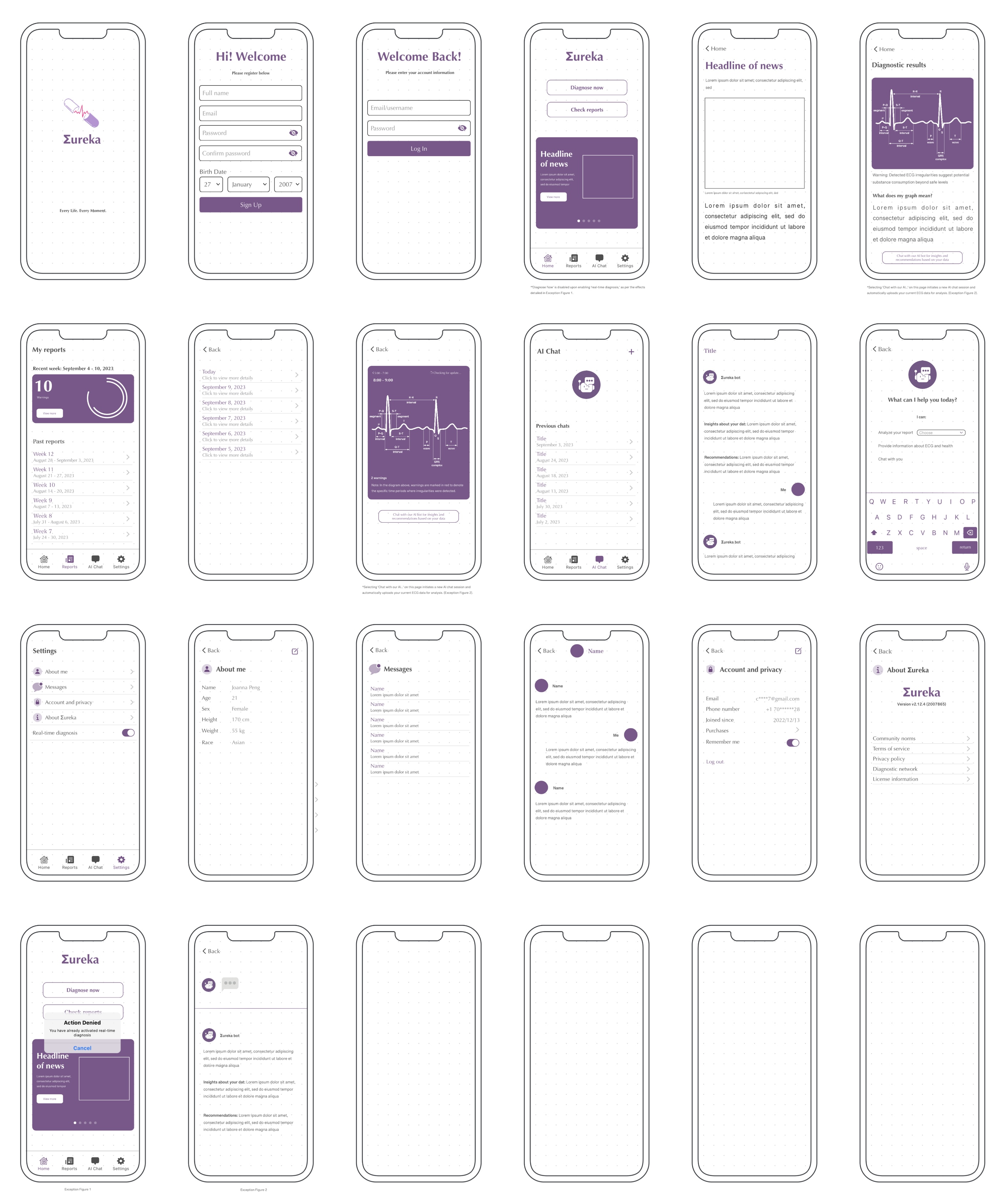
Σureka User Interface Design
-
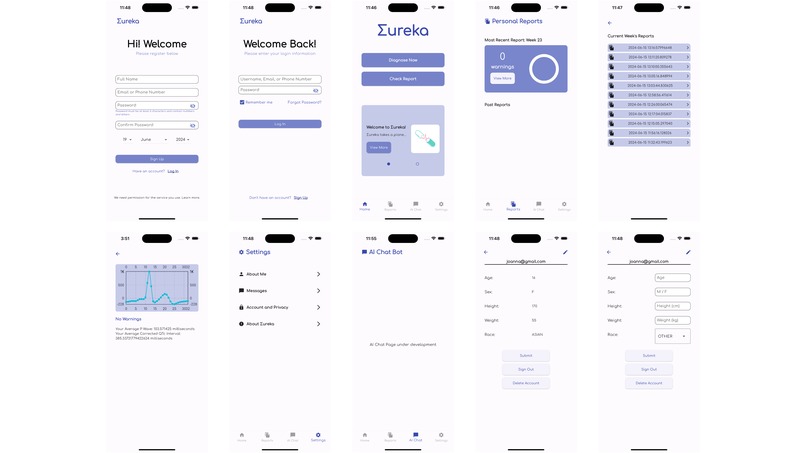
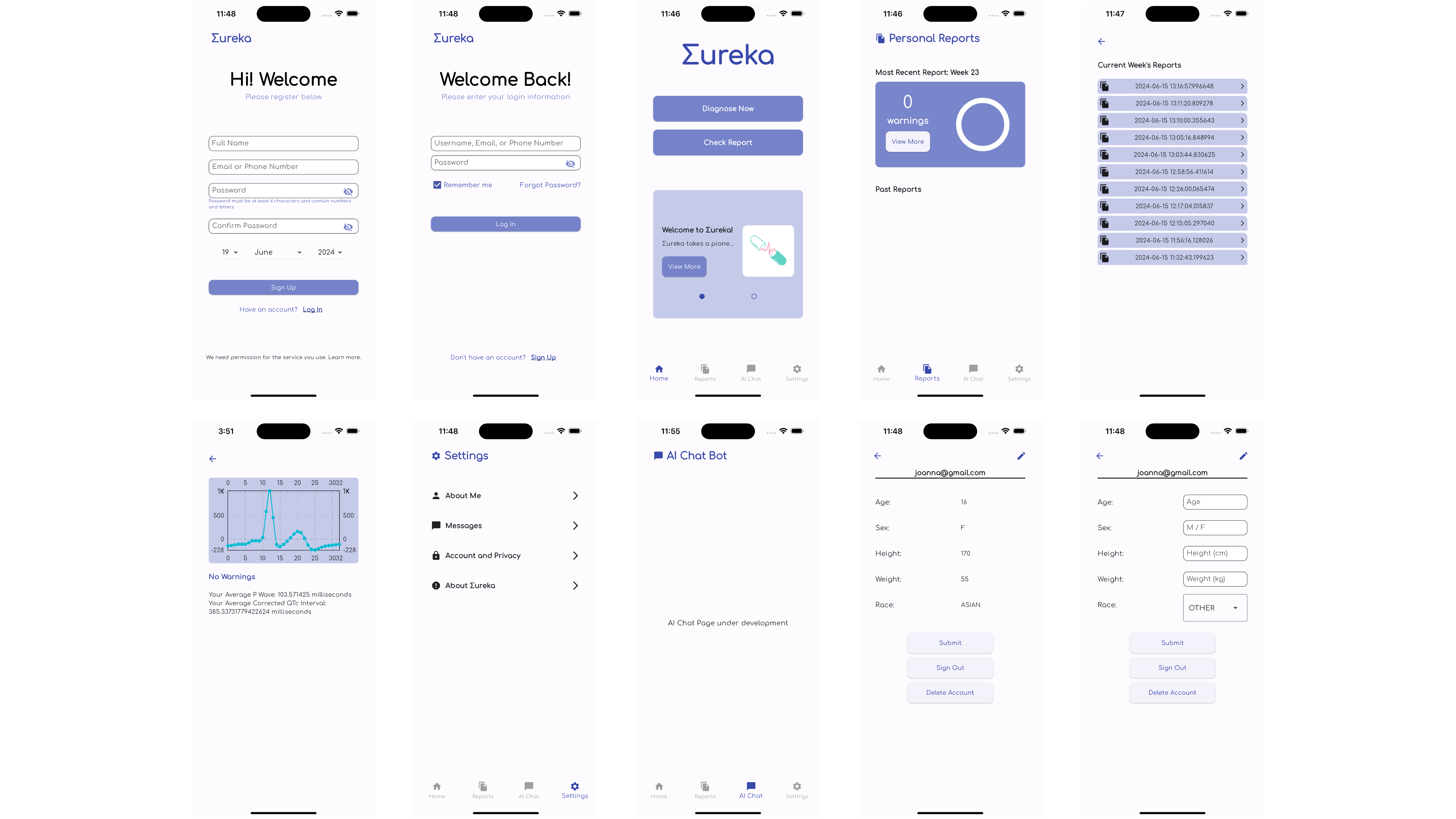
Σureka User Interface on iPhone Simulator
-
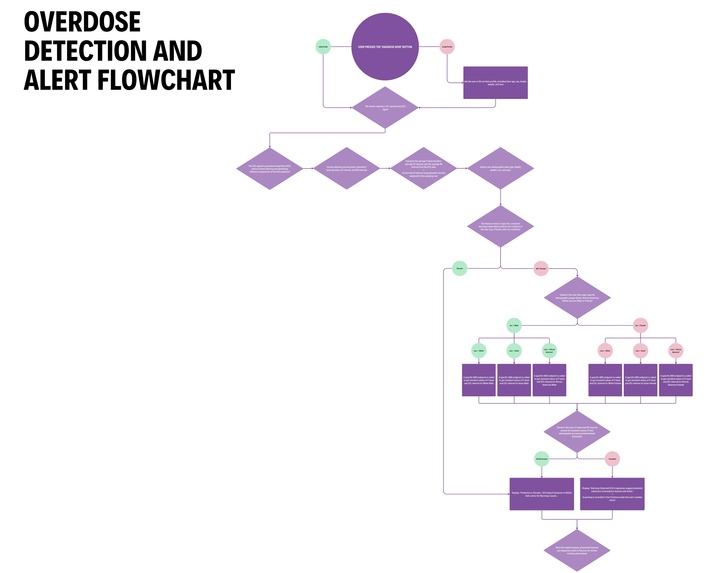
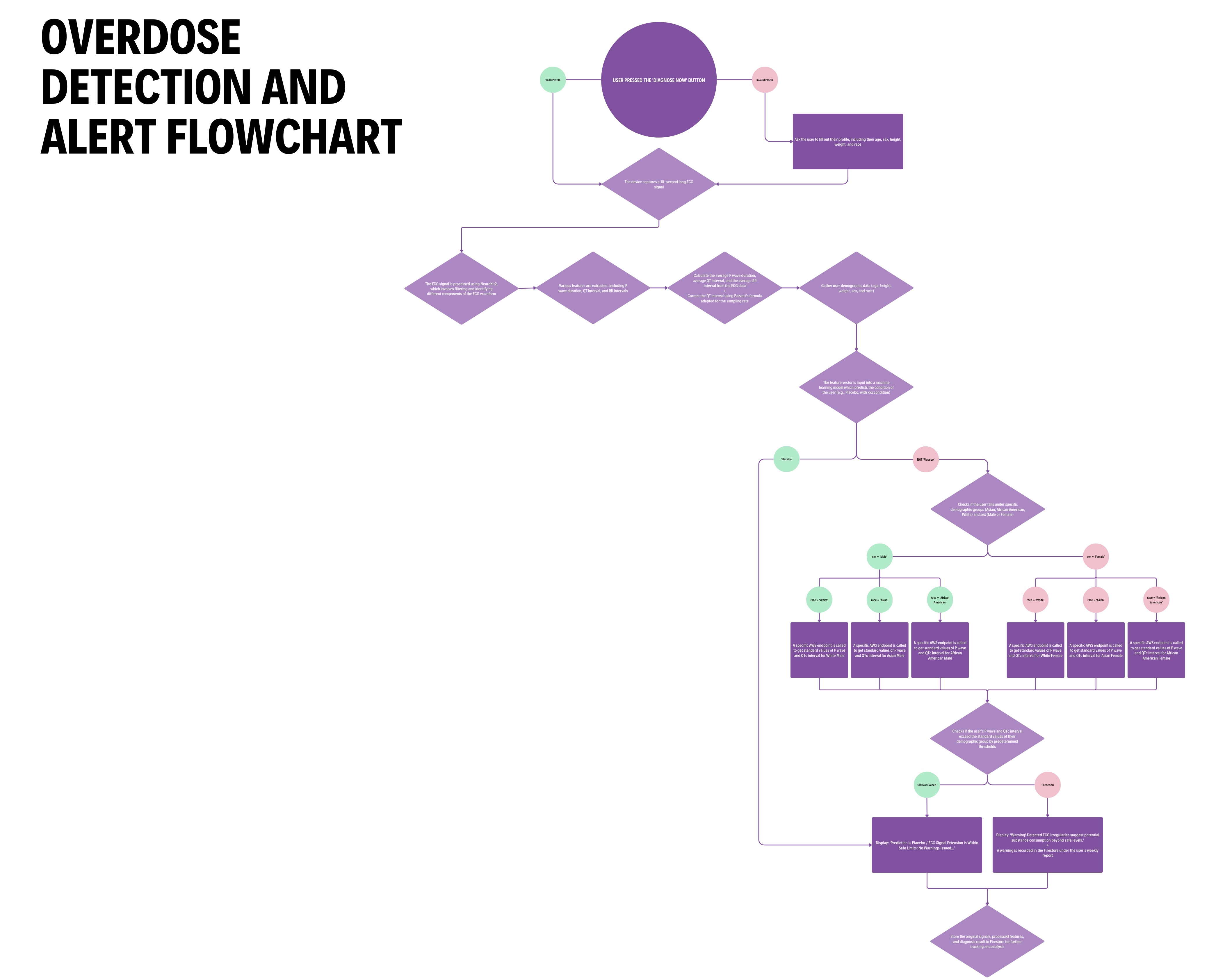
Overdose Detection and Alert Flowchart
-
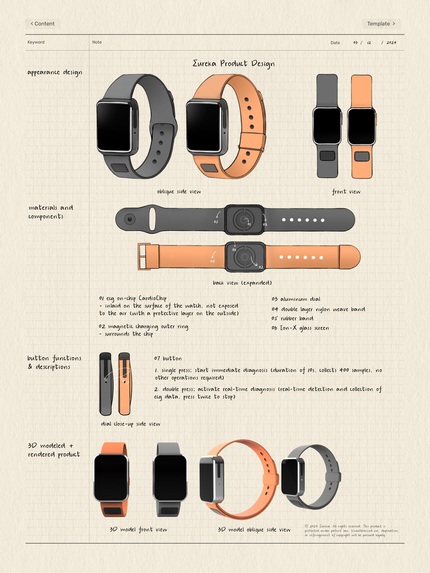
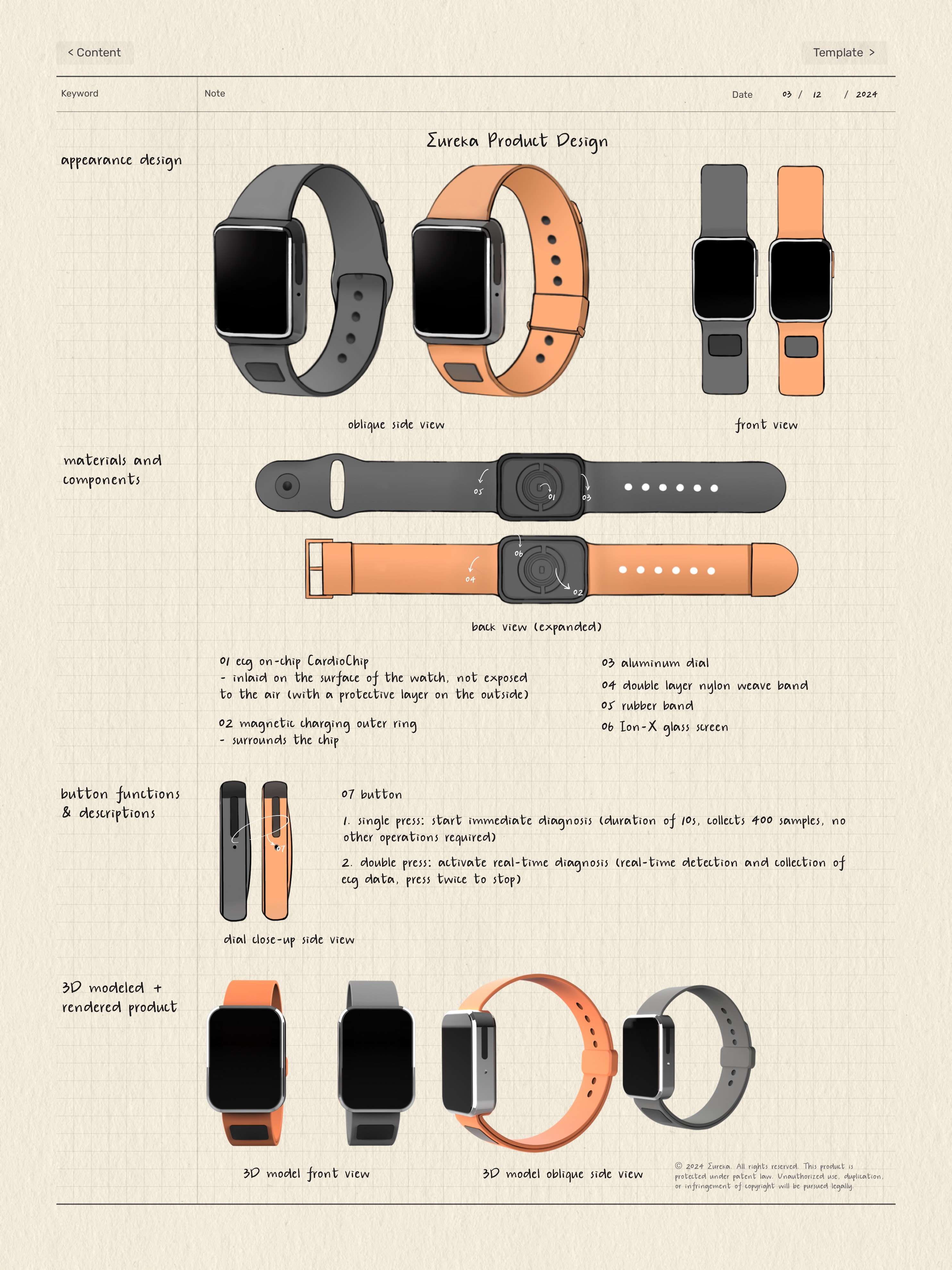
Σureka Product Blueprint
-
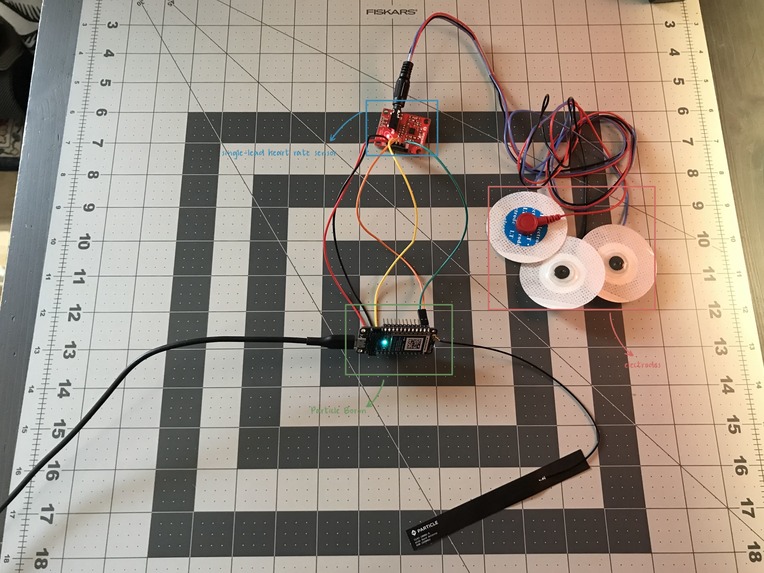
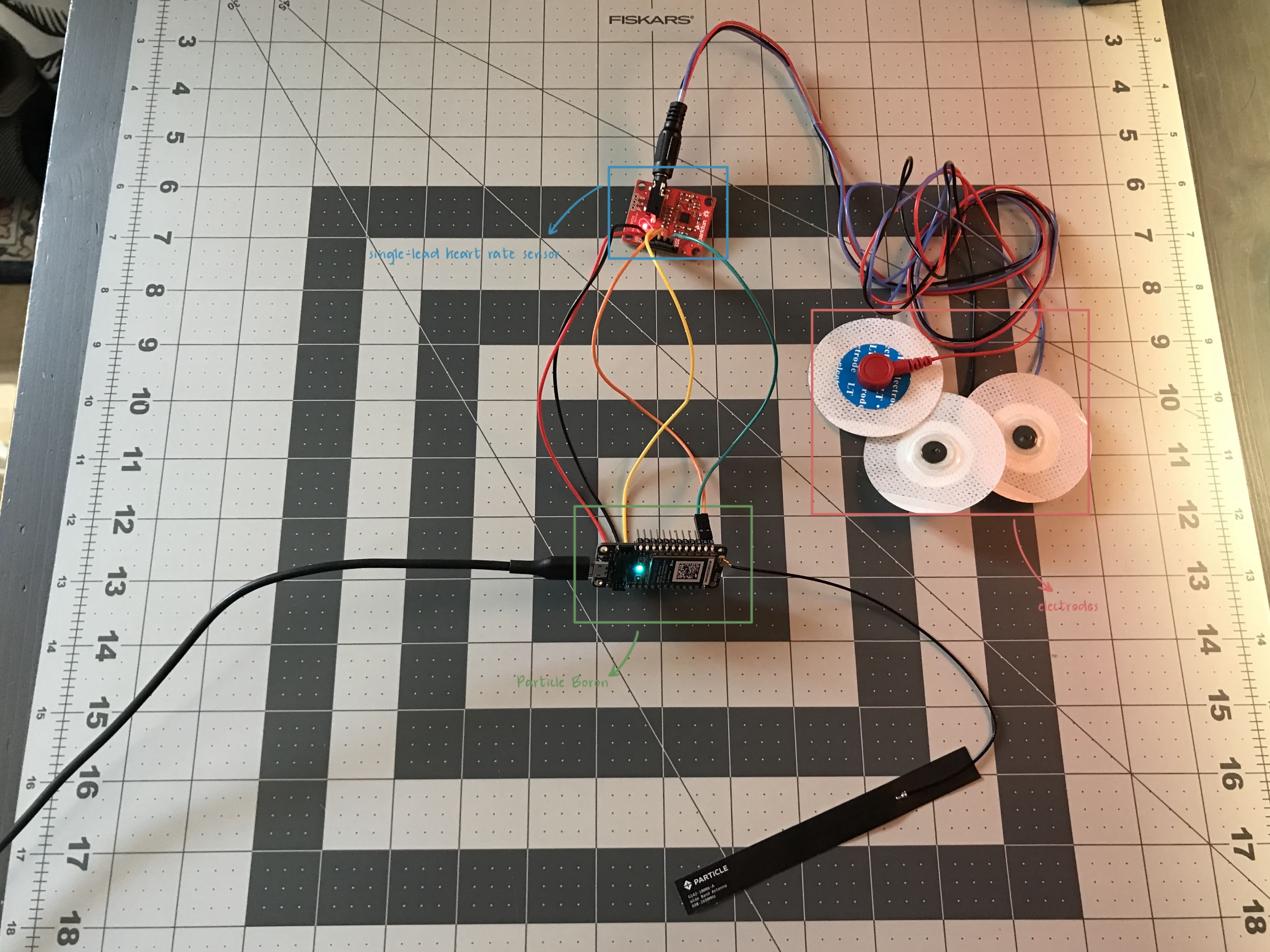
Prototype Assembly
-
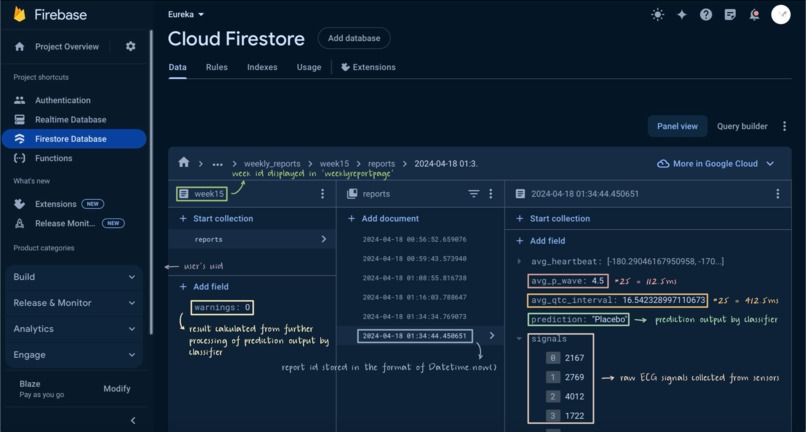
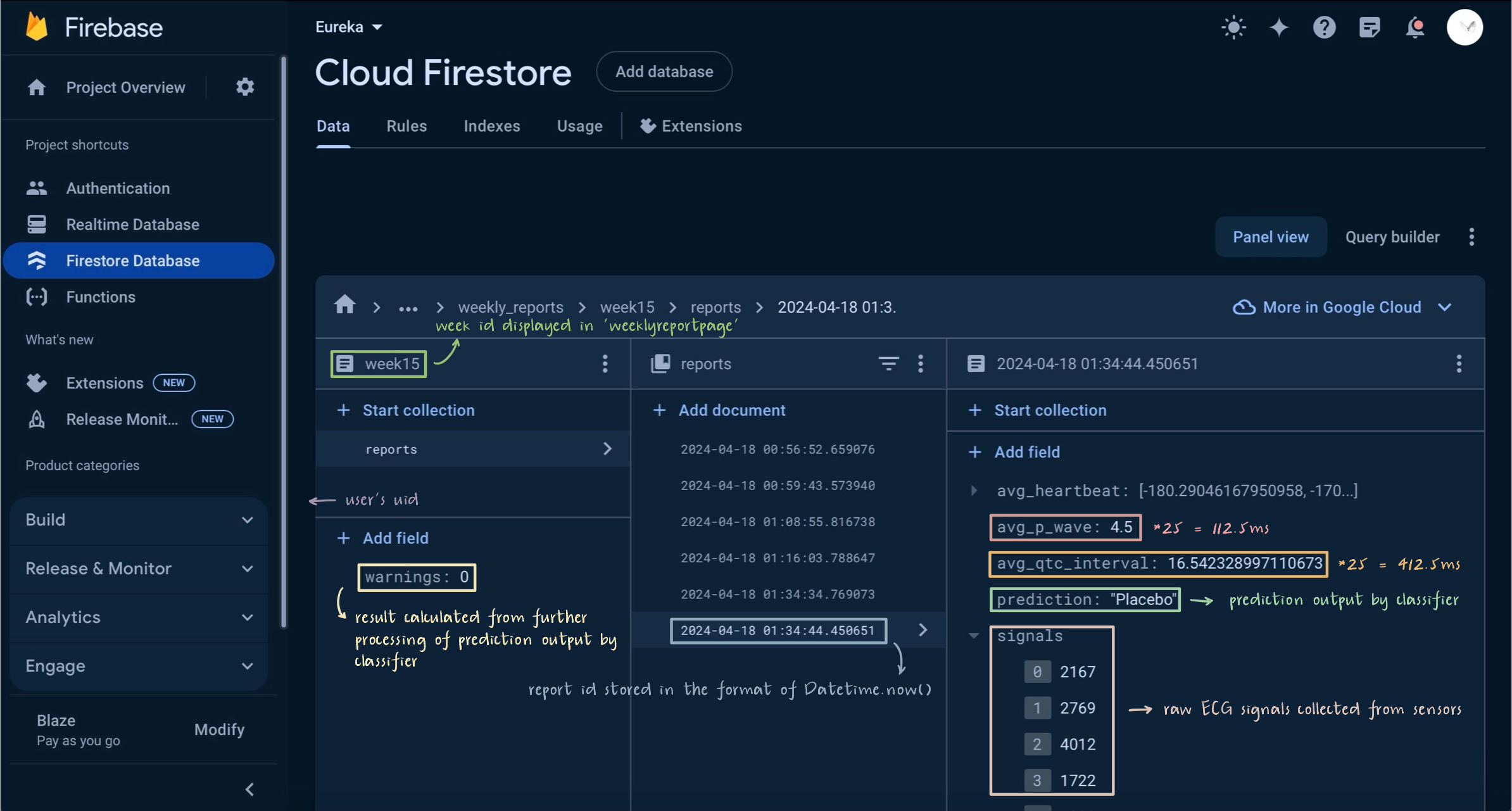
Firebase Integration
Inspiration
Inspired by the growing concerns of substance abuse and its devastating effects on individual health, Σureka was conceived to offer a proactive solution. According to the World Health Organization, over 3 million deaths each year result from harmful alcohol use, and the opioid crisis has led to more than 70,000 overdose deaths annually in the United States alone. Our team recognized the need for a tool that could monitor health in real-time and provide early warnings to prevent overdoses and other health issues related to drug and alcohol misuse. We aimed to create an accessible, user-friendly app that combines technology and medical expertise to make a positive impact on public health.
What it Does
Σureka takes a pioneering approach to combat substance abuse by conducting advanced analysis of prolonged electrocardiogram (ECG) intervals alongside demographic data such as age, sex, height, weight, and race to identify potential signs of alcohol intoxication, opioid drug misuse, and cardiovascular medication overdose. Powered by machine learning, the application flags potential substance abuse to facilitate early and timely interventions through its integrated smartwatch or connection with other ECG wearable devices. Committed to the UN Sustainable Development Goals 3 and 10, we harness technology to promote health equity and provide a novel solution to address substance abuse disparities.
How We Built It
Throughout our learning process, my team gained an understanding of electrocardiogram signals, focusing on vital intervals crucial for detecting substance abuse-related health issues. We applied machine learning to differentiate between normal and abnormal patterns, enhancing our ability to alert potential overdose incidents. On the technical front, we mastered both frontend and backend conceptualization and development. From the backend, we built an ECG Support Vector Machine (SVM) classifier using Scikit-learn, established a Flask server in an AWS machine to serve the ECG model, and utilized Firebase for real-time data storage and user authentication.
Challenges We Ran Into
One of the main challenges was acquiring comprehensive training datasets for our machine learning models. To overcome this, we aggregated data from multiple sources and made predictions for demographic groups with limited data. Another challenge was designing a user-friendly hardware component that balances functionality and cost. Ensuring seamless integration of ECG technology with accessible devices like Apple Watch also posed technical difficulties.
Accomplishments That We're Proud Of
We are proud to have developed a comprehensive mobile application that effectively utilizes ECG signal analysis to monitor substance abuse in real-time. Despite facing data limitations, our team successfully aggregated diverse data sources to train our machine learning models across three different races and five key factors—age, sex, height, weight, and race—ensuring algorithmic inclusivity. We also achieved seamless integration with wearable devices, providing users with easy access to critical health monitoring.
What We Learned
Through this project, we gained in-depth knowledge of ECG signal analysis and the application of machine learning in health monitoring. We honed our skills in both frontend and backend development, including real-time data processing and user authentication. The challenges we faced taught us the importance of interdisciplinary collaboration and innovative problem-solving in creating impactful health solutions.
What's Next for Σureka
Looking ahead, we plan to enhance Σureka by incorporating more sophisticated machine learning models and expanding our dataset to improve accuracy. We aim to refine the app's user interface for better user experience and explore additional health monitoring features. Our goal is to establish partnerships with healthcare providers and educational institutions to widen the app's reach and impact, ultimately contributing to a healthier society.



Log in or sign up for Devpost to join the conversation.