Inspiration
Seeing small kitchens struggle with whatsapp orders, delivery chaos and aggregator commissions inspired us to build a simple system that gives them operational control without platform dependency
What it does
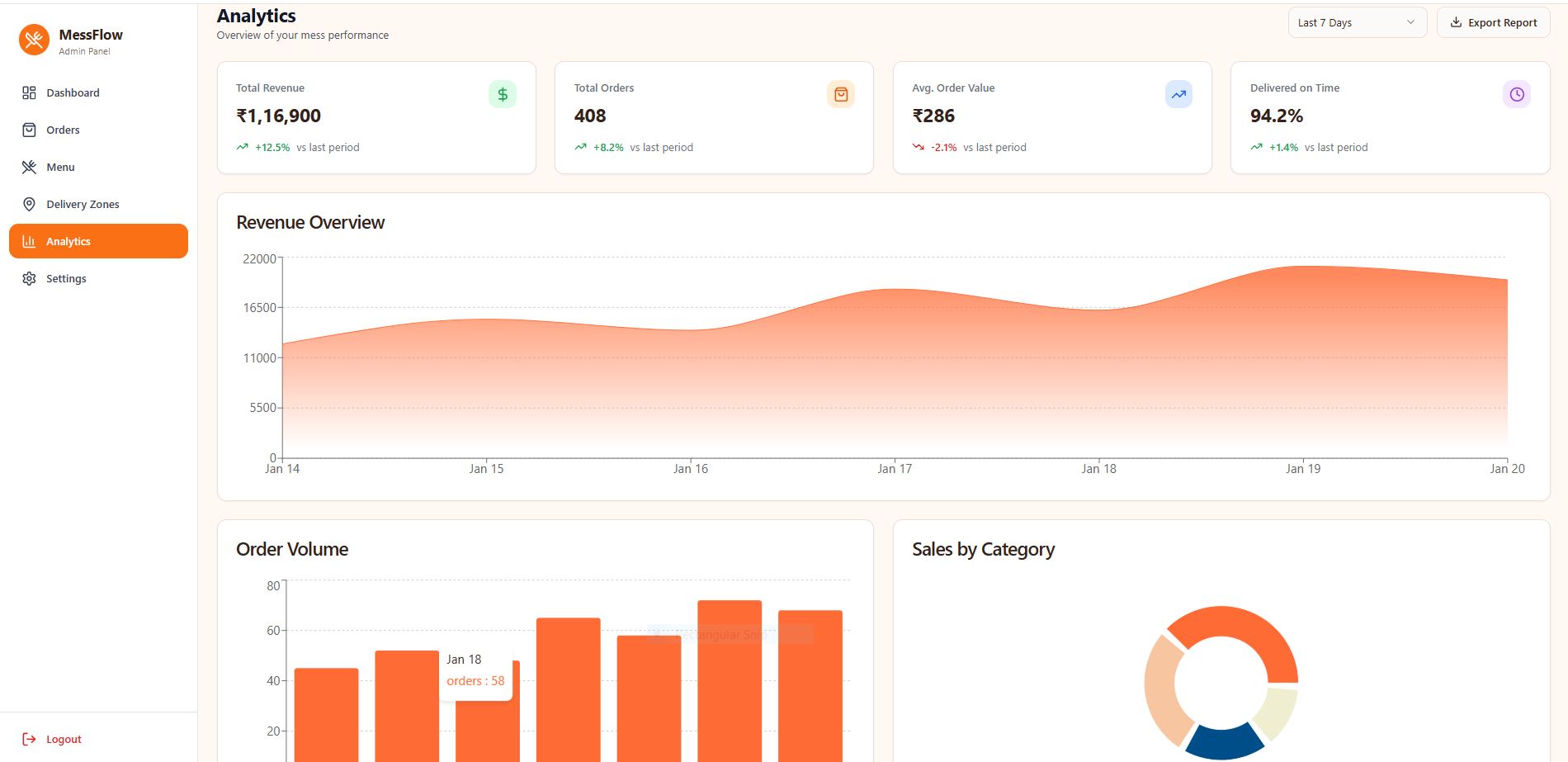
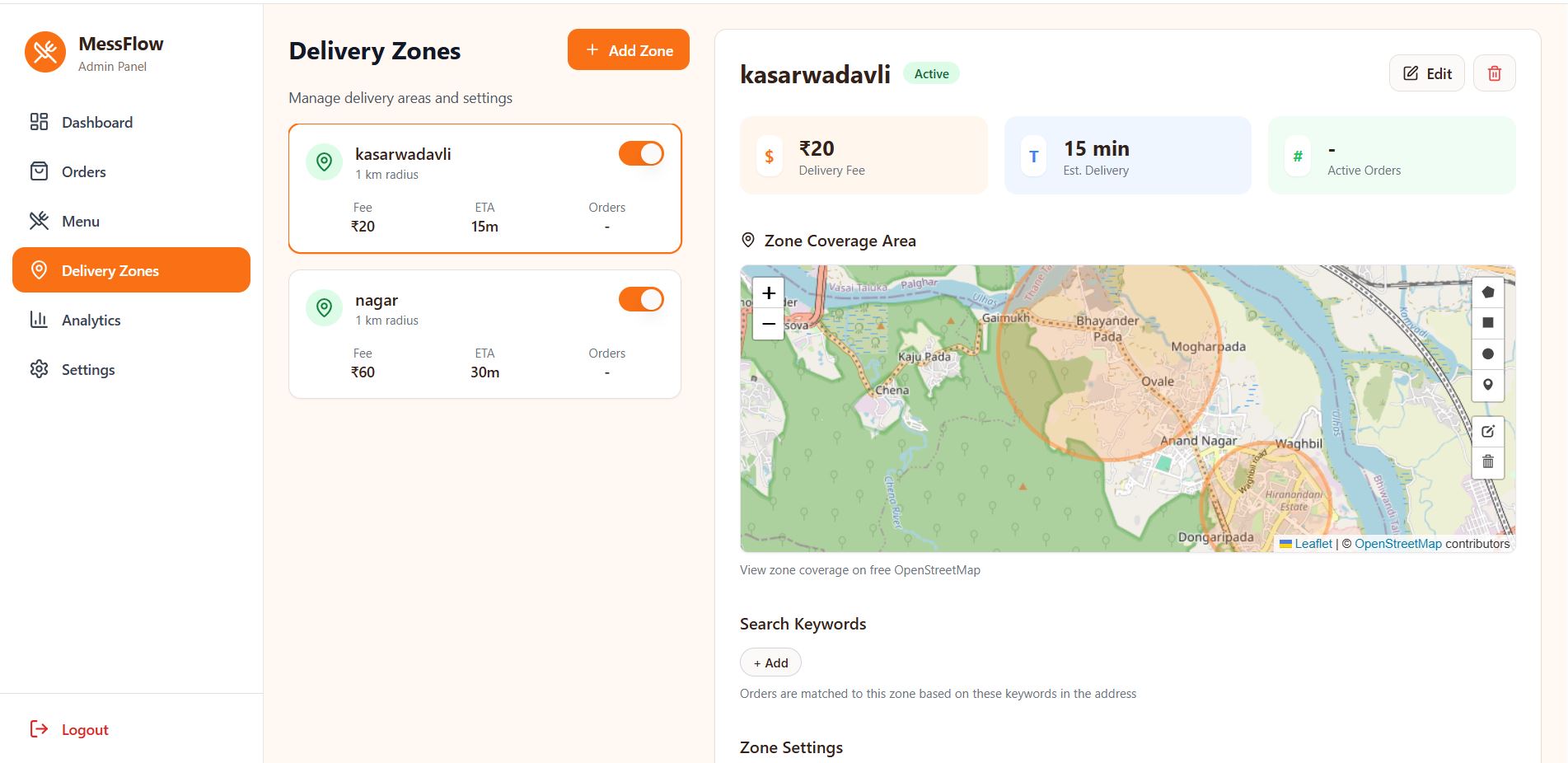
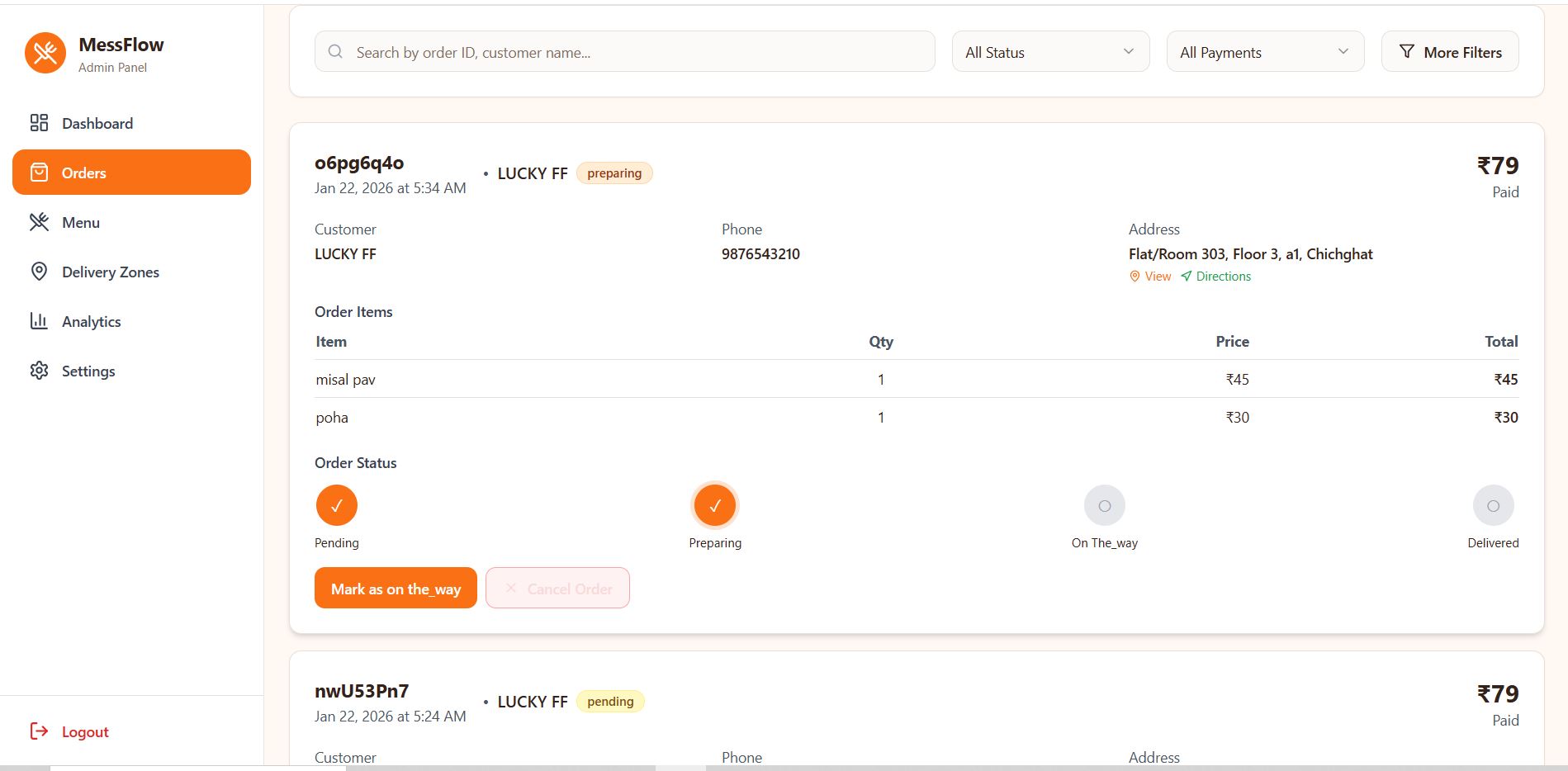
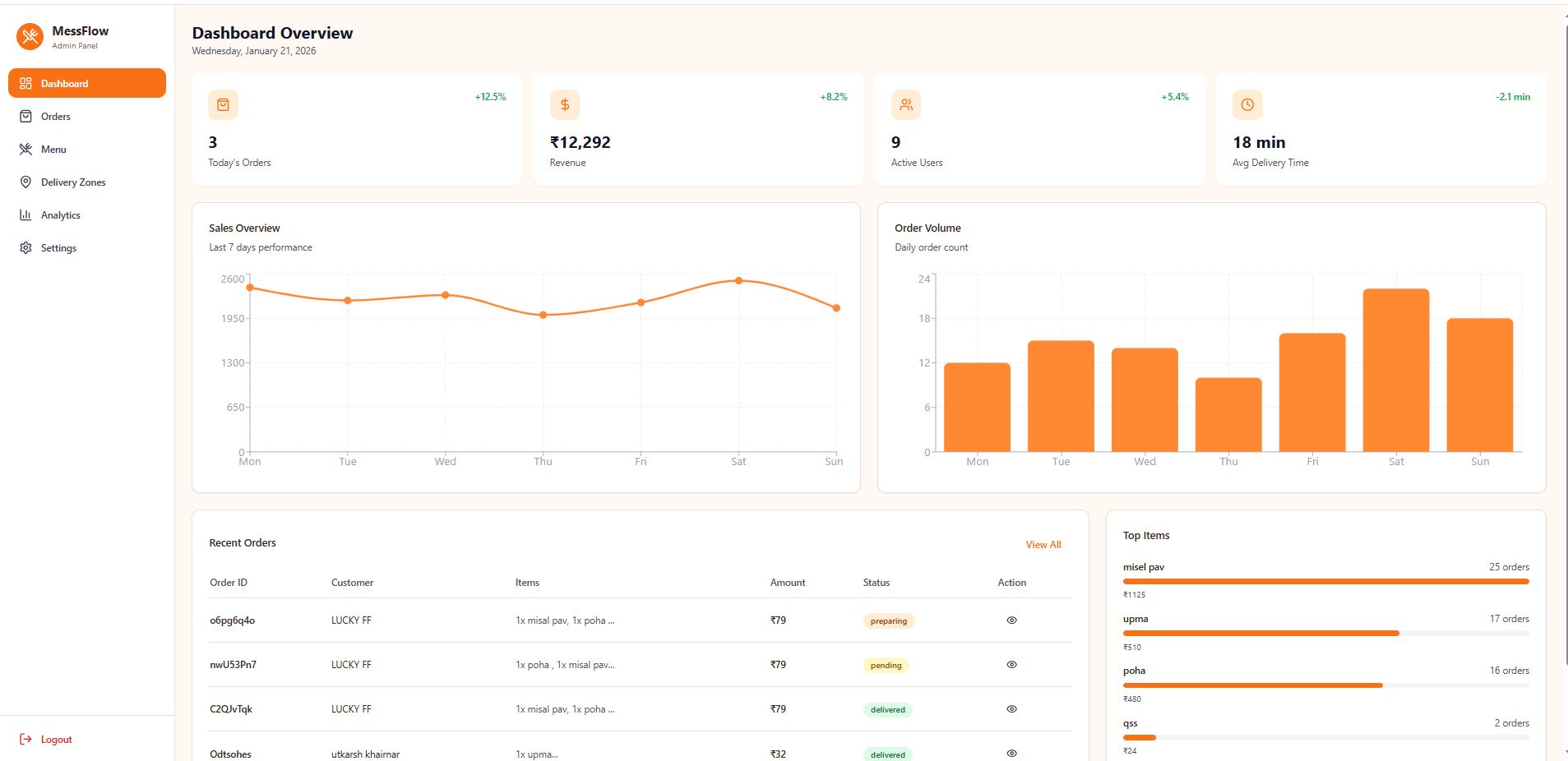
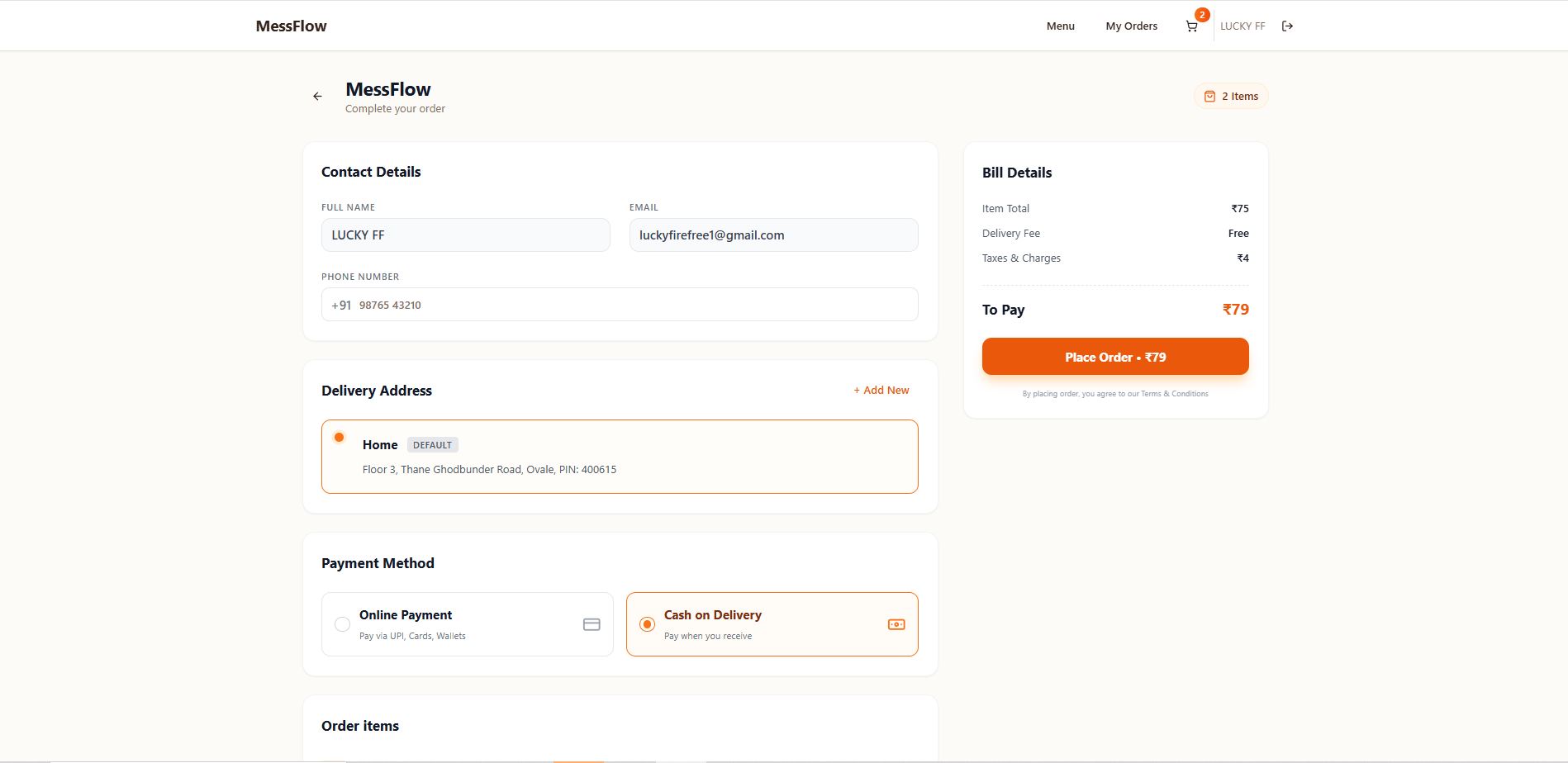
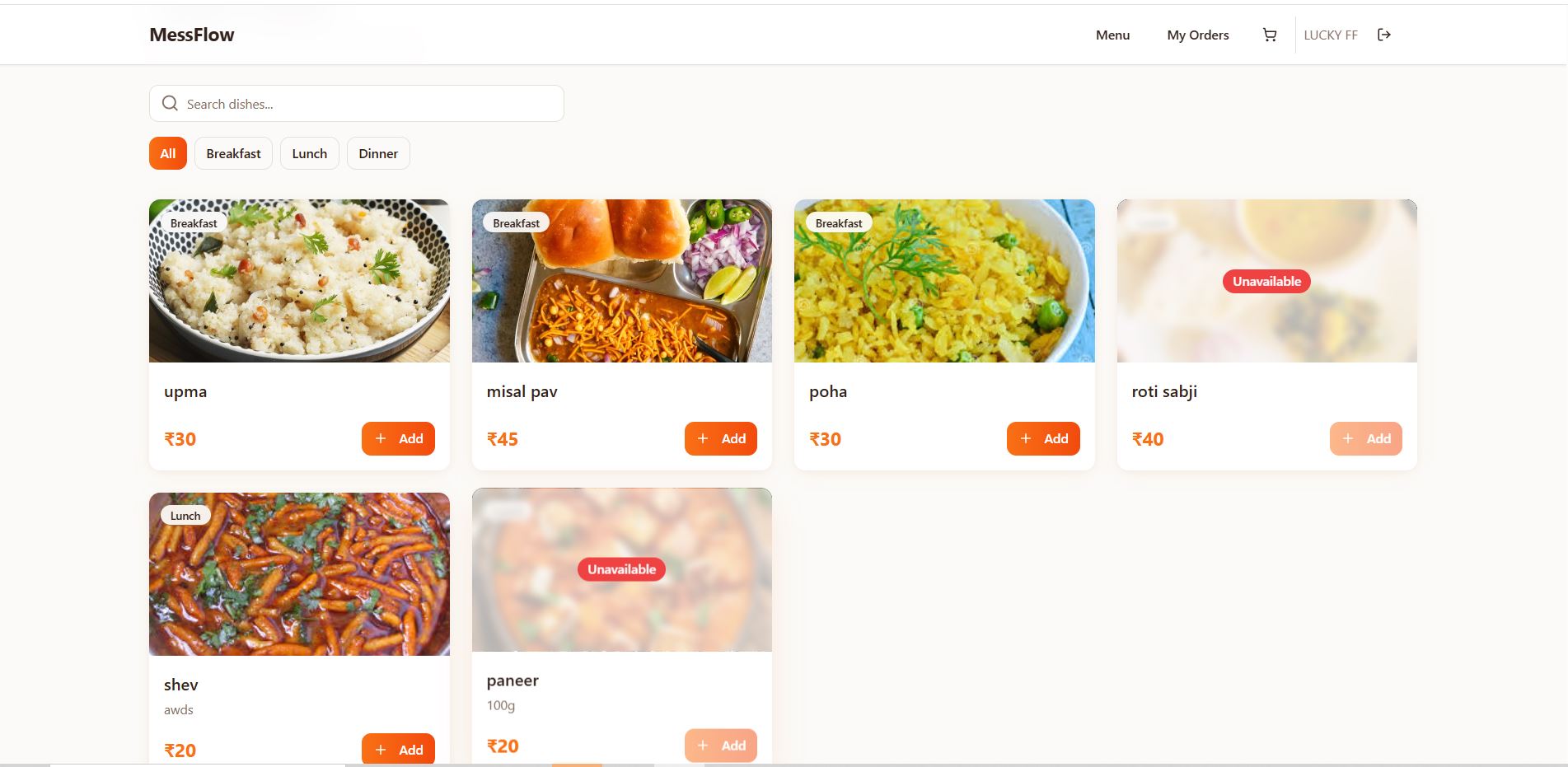
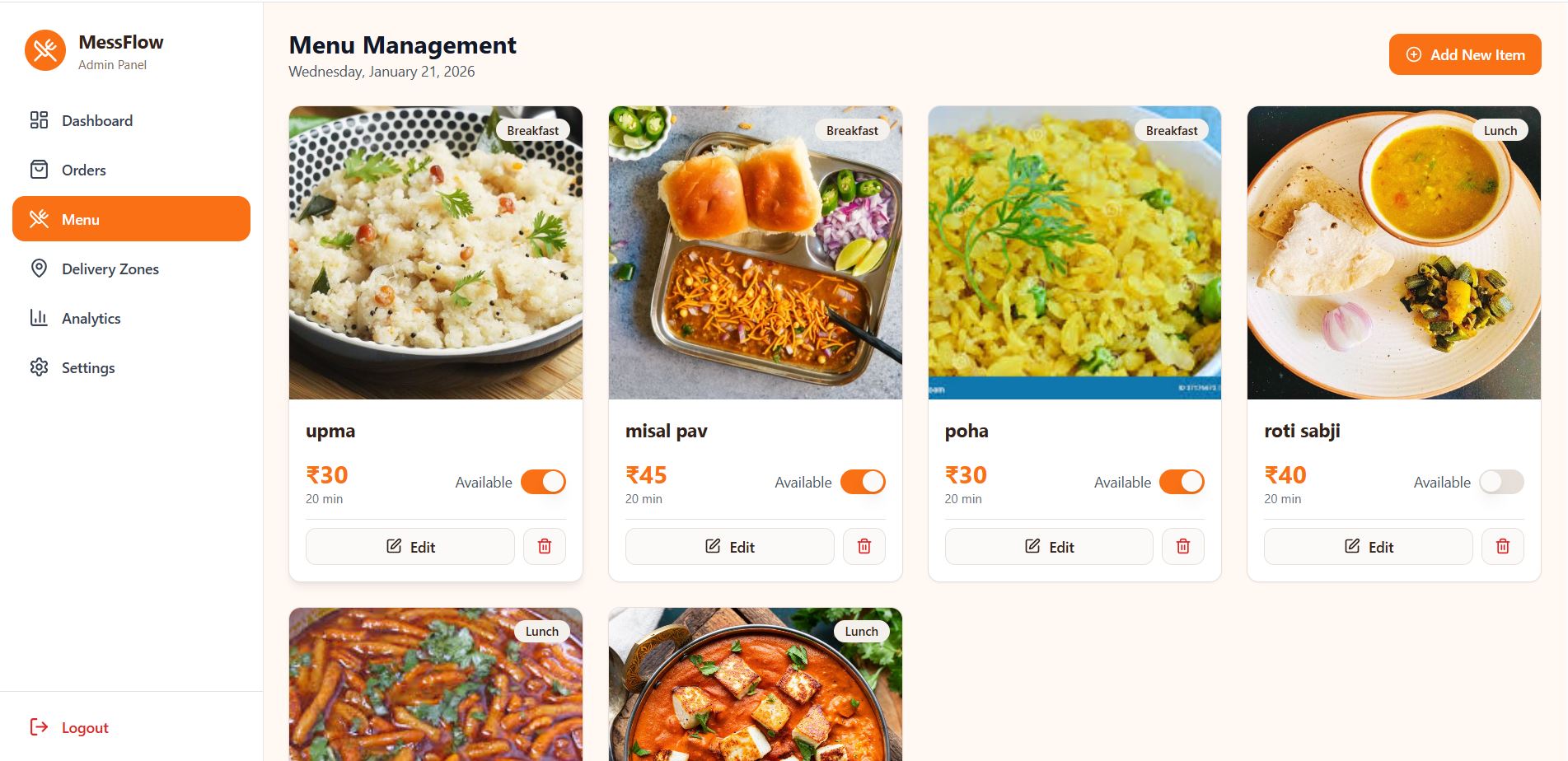
MessFlow lets small kitchens manage daily menus, accept orders only within servicable delivery zones, track orders in real time, and use basic demand insights to reduce errors and food waste
How we built it
We built MessFlow as a React and TypeScript web app with separate customer and admin flows, using Firebase Authentication and Firestore for real-time order and data sync, Leaflet maps with Turf.js for delivery zone validation, and a simple analytics dashboard to turn order history into actionable insights
Challenges we ran into
Defining accurate delivery zones without paid map services required careful geo-logic testing, handling real-time order updats without duplication needed strict data structure discipline, and designing demand insights that were useful without overclaiming "AI predictions" forced us to keep analytics simple and realistic
Accomplishments that we're proud of
Built and deployed a working end-to-end system with real-time orders and delivery-zone enforcment using only free tools.
What we learned
Designing for real kitchen workflows matters more than adding features, and simple, reliable systems outperform flashy solutions when accuracy and trust are critical
What's next for MessFlow
Pilot with a small set of local kitchens, refine prep and inventory insights from real usage and expand to hostels and institutional kitchens where operational efficiency matters most.


Log in or sign up for Devpost to join the conversation.