Inspiration
Our inspiration came from the daily struggle with urban congestion and the clear need for smarter city infrastructure. We recognized the potential of AI to shift from reactive traffic management to a proactive system that not only monitors but also predicts and improves urban flow. This would make commutes smoother, safer, and more environmentally friendly. We envisioned a city where traffic flows smoothly, guided by smart insights.
What it does
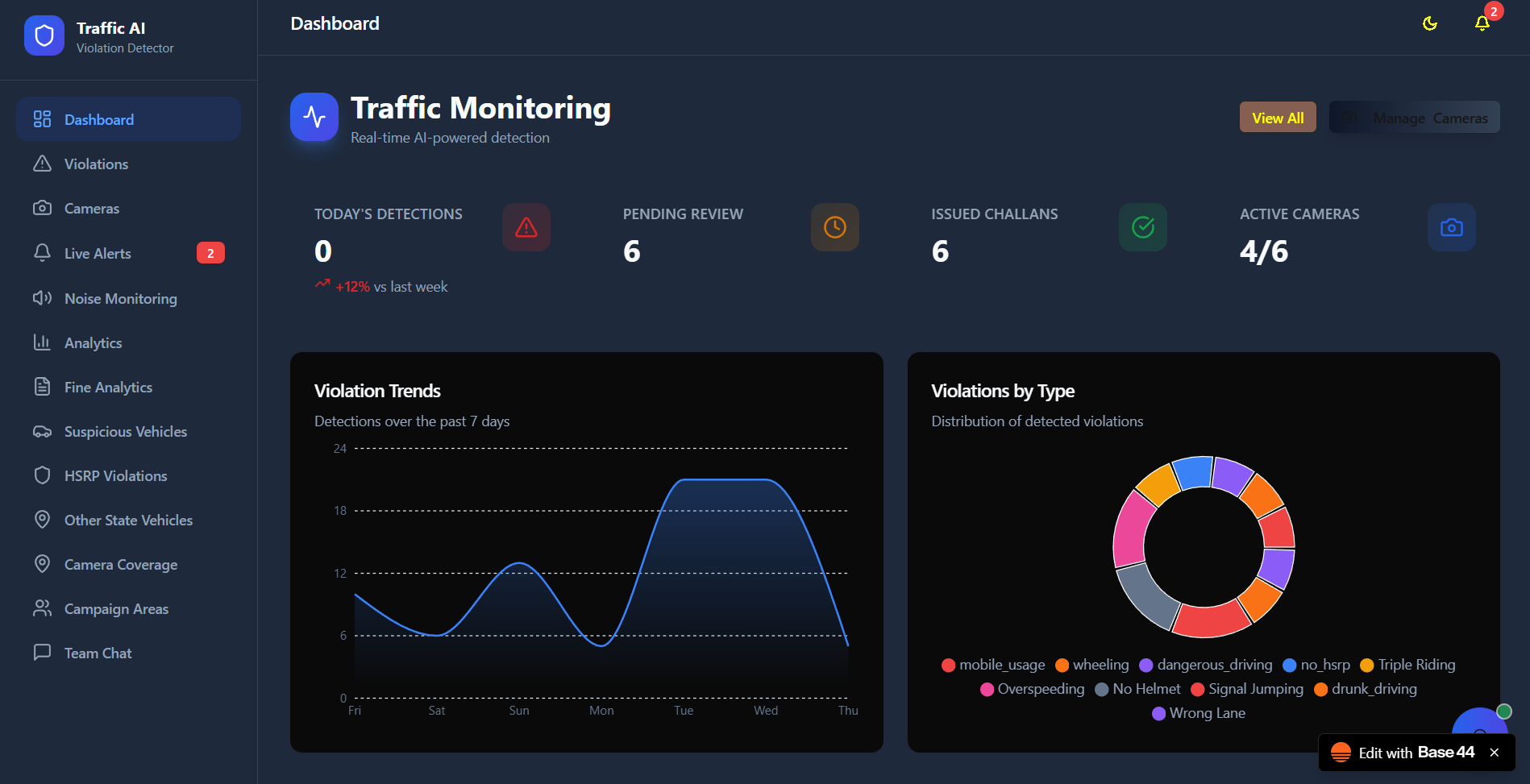
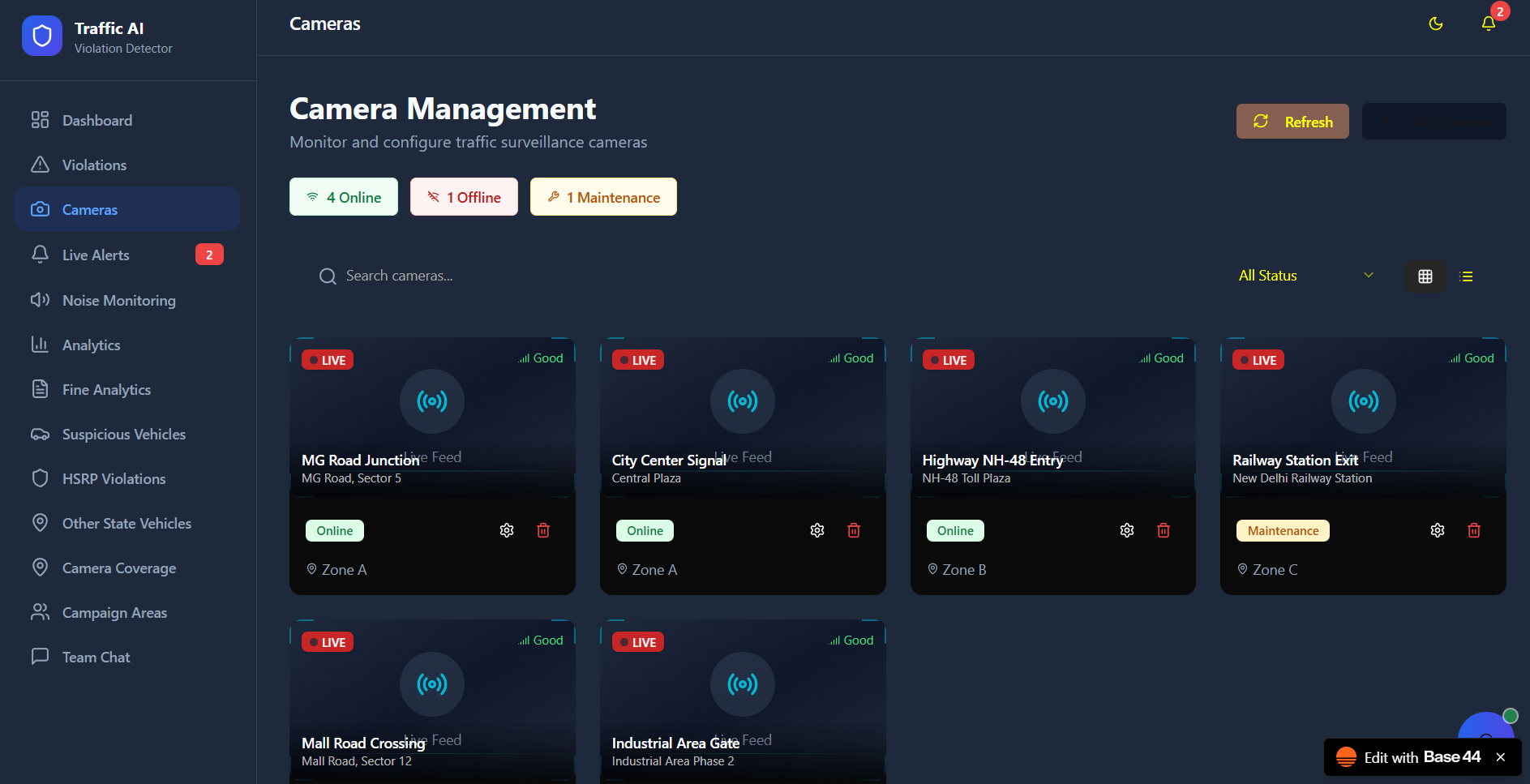
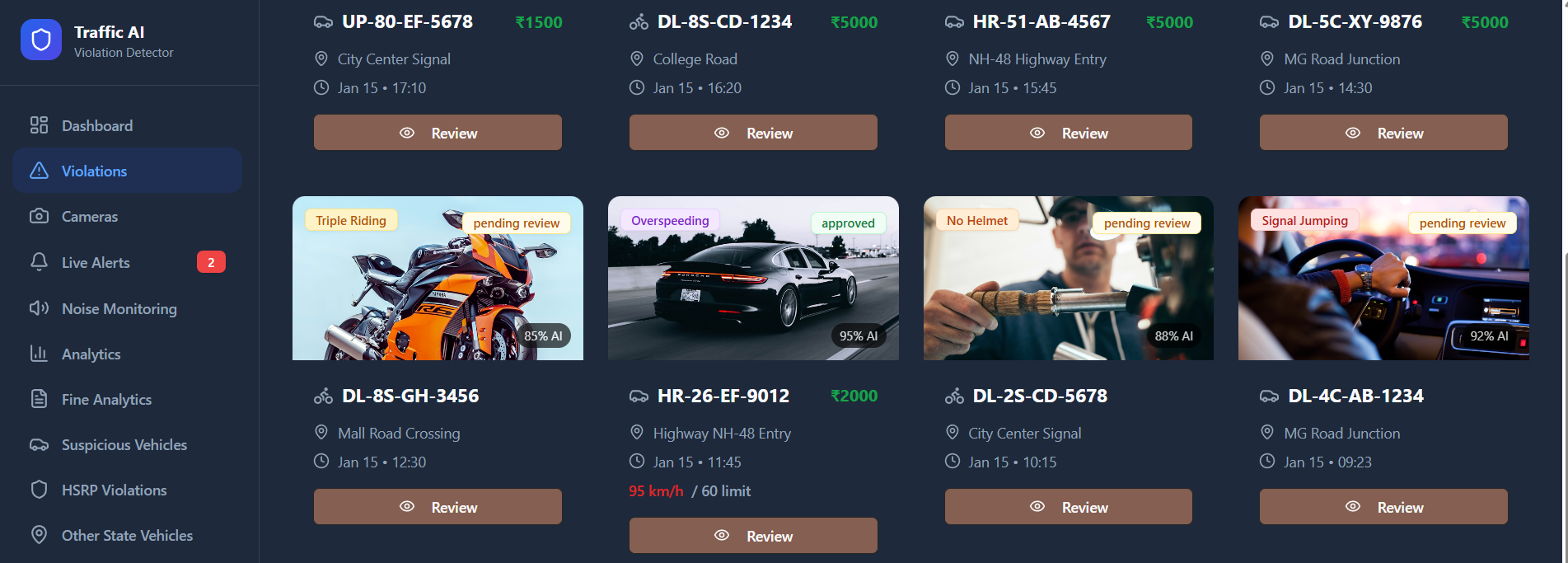
UrbanFlow AI Sentinel offers** real-time monitoring and predictive analysis**for urban traffic networks. It uses AI and machine learning to analyze live traffic data, such as information from sensors, cameras, and GPS. It detects anomalies, predicts congestion hotspots, and suggests dynamic changes to traffic light timings and route options. Its main goal is to optimize traffic flow, cut down travel times, and improve road safety by foreseeing and addressing problems before they grow.
How we built it
We created UrbanFlow AI Sentinel using Base44.
Challenges we ran into
One major challenge was managing the enormous volume and speed of real-time traffic data, which required careful optimization of our data processing pipeline. Another significant issue was adequately training the predictive AI models to handle the complex and often unpredictable factors affecting urban traffic, such as events, weather, and accidents, especially with limited real-world data during development. Integrating various data sources without issues also posed its own set of technical challenges.
Accomplishments that we're proud of
We are particularly proud of creating a strong AI model that shows promising accuracy in predicting congestion up to [e.g., 15-30 minutes] in advance. We also built a real-time visualization dashboard that offers actionable insights, making complex data easy to understand quickly. Additionally, we successfully combined multiple simulated data streams into a unified system, demonstrating the scalability of our approach.
What we learned
This project taught us valuable lessons about the details of real-time data processing and the complexities of building reliable AI models for changing environments. We gained deeper understanding of data visualization best practices for effectively communicating complex analytical results to users. It also highlighted the crucial role of teamwork across disciplines in making an ambitious project successful.
What's next for UrbanFlow AI Sentinel
Next, we plan to improve our predictive abilities by incorporating a wider range of data sets, such as weather patterns and public event schedules. We intend to look into integrating with actual smart city infrastructure for real-world testing and deployment. Further development will focus on creating a system that learns and adapts, allowing the AI to continuously improve its strategies based on past performance and real-time feedback, moving towards truly autonomous traffic optimization.
Built With
- base44

Log in or sign up for Devpost to join the conversation.