

✅ A 2-minute video demo
🔗 Link to your playable prototype
📌 Project overview (max 150 words)
UrbanEco is a mobile app designed to increase awareness among urban residents about effects of indoor plants in living spaces while upcycling plastic waste. The app uses camera vision to visualize how small plants can grow in reused containers like yogurt cups or plastic bottles placed in various home locations. It allows user to simulate their room with green plant pots into their room, to see if the room and the plant pots fit in aesthetically.
In addition, the app allows the users to get the real time air data such as carbon dioxide levels and visualization of it in chart, thus, it informs users where they stand in terms of getting fresh air.
🔍 Research process & findings (max 300 words)
Our research focused on the need for fresh air and green access for urban population.
For example, a 2021 WHO report found that over 99% of the global population breathes air that exceeds safe pollution limits, and urban areas are disproportionately affected.
A study published in Environmental Health Perspectives linked long-term exposure to urban air pollution to increased anxiety, depression, and respiratory illnesses.
This research revealed a clear gap: although people want fresher, cleaner environments, many urban homes are physically and psychologically cut off from nature. We designed UrbanEco to directly address this issue by encouraging micro-green spaces using repurposed materials, offering not only aesthetic improvement but also potential air purification benefits (e.g., peace lilies, pothos).
In addition to investigating air quality, we explored the environmental impact of single-use plastics—specifically small items like yogurt cups and bottles that are common in urban households. Research from the United Nations Environment Programme (UNEP, 2021) emphasizes that plastic containers under 5 cm in diameter often escape recycling processes due to mechanical sorting limitations. This means many yogurt cups end up in landfills or oceans despite being technically recyclable.
We reviewed a study by Hopewell et al. (2009), which highlights how reusing plastic can significantly reduce carbon emissions and waste volume, especially in urban areas with limited waste management infrastructure.
These findings supported our decision to center UrbanEco around upcycling small plastic containers into mini plant holders, addressing both indoor air quality and urban sustainability. This will help people to re-use plastic cups and also help provide equitable access to fresh air for urban city life citizens, that suffer from polluted air outside their window.
References
Hopewell, J., Dvorak, R., & Kosior, E. (2009). Plastics recycling: Challenges and opportunities. Philosophical Transactions of the Royal Society B: Biological Sciences, 364(1526), 2115–2126. https://doi.org/10.1098/rstb.2008.0311
United Nations Environment Programme. (2021). Drowning in plastics – Marine litter and plastic waste vital graphics. https://www.unep.org/resources/report/drowning-plastics-marine-litter-and-plastic-waste-vital-graphics
World Health Organization. (2021). Air pollution. https://www.who.int/news-room/fact-sheets/detail/ambient-(outdoor)-air-quality-and-health Power, M. C., Adar, S. D., Yanosky, J. D., & Weuve, J. (2016).
Berger, J., Essah, E., Blanusa, T., & Beaman, C. P. (2022). The appearance of indoor plants and their effect on people's perceptions of indoor air quality and subjective well-being. Building and Environment, 219, 109151. https://doi.org/10.1016/j.buildenv.2022.109151
🧠 Key design decisions (max 300 words)
A pivotal design choice in UrbanEco was to adopt a dialogue-based user experience. Recognizing that many urban residents are unaware of indoor air pollution and the benefits of indoor plants, we aimed to create an interface that educates and engages users through conversational interactions.
Research indicates that while indoor plants can improve air quality by removing pollutants like formaldehyde and benzene, public awareness of these benefits remains limited. The World Health Organization reports that over 99% of the global population breathes air exceeding pollution limits, emphasizing the need for increased awareness and actionable solutions.
By integrating a chat-based interface, UrbanEco guides users through the process of selecting suitable plants for their living spaces, understanding the environmental impact of upcycling containers, and learning about the health benefits of indoor greenery. This approach not only personalizes the user experience but also fosters a deeper understanding of sustainable practices.
Furthermore, our design incorporates visual aids and real-time feedback to reinforce learning. For instance, when a user selects a plant, the app provides information on its air-purifying capabilities and care instructions, making the experience both informative and interactive.
In essence, our dialogue-centric design bridges the knowledge gap, empowering users to make informed decisions about indoor planting and sustainability.
Also, camera vision feature allows users to visualize plant placement in real-time using AR-like visualization. Testing showed this greatly increased user confidence and engagement, especially when paired with a container color editor to fit home aesthetics.
Inspiration
UrbanEco was inspired by the growing global awareness around sustainability and the urgent need for eco-conscious solutions in our everyday lives. The visual design draws from modern eco-lifestyle apps, incorporating clean, minimal UI patterns with bold iconography. Functionally, it’s influenced by user-centric sustainability tools and local recycling/planting apps. Our goal was to make sustainable action approachable and visually engaging for users living in dense, urban environments.
What it does
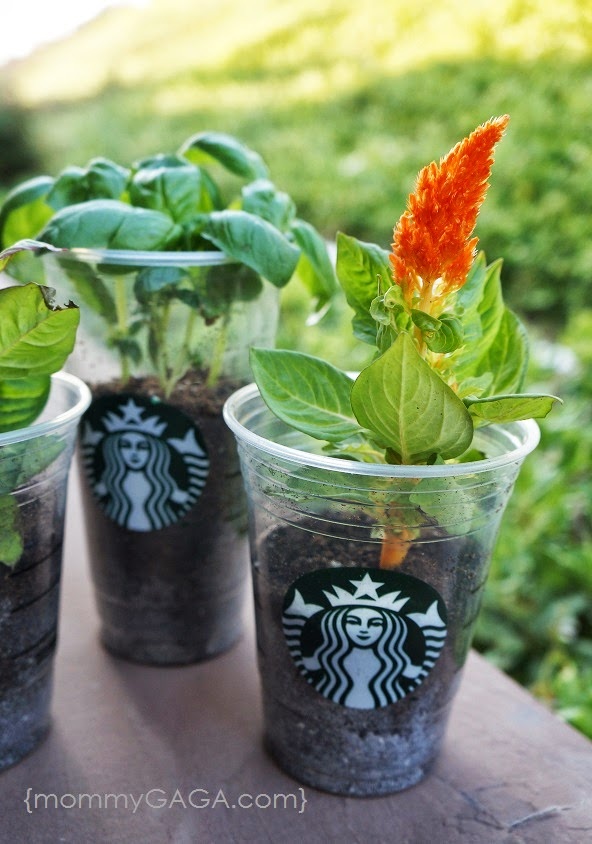
UrbanEco is a mobile app designed for urban residents who want to bring greenery into their small living spaces while upcycling plastic waste. The app uses camera vision to visualize how small plants can grow in reused containers like yogurt cups or plastic bottles placed in various home locations. It allows user to simulate their room with green plant pots into their room, to see if the room and the plant pots fit in aesthetically.
How we built it
We began by researching the most common household containers and small plants that thrive in indoor or balcony conditions. With that data, we structured key features like plant-container pairing guides, oxygen/CO₂ stats. Our design process started with low-fidelity wireframes, followed by user testing of initial flows. After feedback and iterations, we polished the UI using a calming, nature-inspired palette and high-fidelity component library, then assembled interactive prototypes complete with animations and transitions.
Challenges we ran into
We initially struggled to find precise, science-backed data on oxygen production and CO₂ absorption for small plants in various containers. On the tech side, working with Figma was challenging as I am not very familiar with front-end design and UX design, it took me time to figure out how to make it navigate to another wireframe when clicking, etc.
Accomplishments that we're proud of
We're especially proud of translating complex environmental data into bite-sized, interactive visualizations that make sustainability feel actionable. We also designed a clean, intuitive interface that users of all ages can navigate easily.
What we learned
I learned about the need to increase awareness to get fresh air among people. Also, learned a ton about how to use Figma to prototype. I manually linked buttons from bottom navbar one by one, but hopefully there is a modular way to do this.
What’s next for UrbanEco
Next steps include improving the user dashboard with seasonal plant tips, adding a social feature for users to share their setups, and integrating community-based challenges. We also plan to collaborate with local eco-initiatives to make container drop-off and seed kit pickups available through the app. Ultimately, we envision UrbanEco evolving into a city-scaled platform promoting micro-gardening and upcycling for environmental resilience.
We also prioritized a minimalist and calming interface with earthy tones to counteract the overstimulation users reported from city life. This decision was validated through usability testing, where users expressed appreciation for the relaxing feel of the UI.
Another important decision was to focus on reused plastic containers like yogurt cups or bottles as plant holders.
Built With
- figma


Log in or sign up for Devpost to join the conversation.