-
-
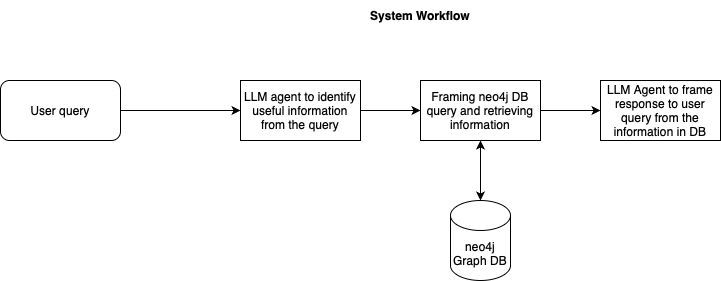
Workflow
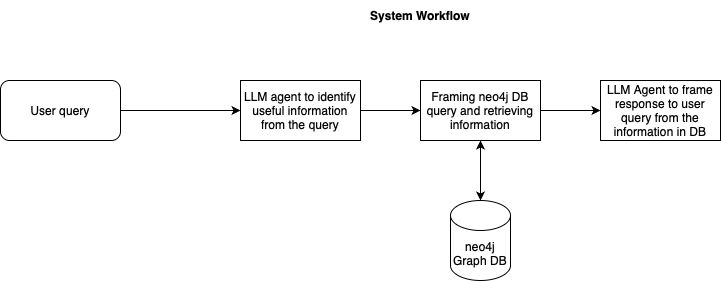
Smart Urban Planning Assistant
Inspiration
The project was inspired by the challenges faced by city planners and families relocating to rapidly growing urban areas. We aimed to create an AI-driven platform that provides personalized insights for making informed decisions about housing, zoning, and infrastructure planning.
What It Does
The assistant processes natural language queries to provide relocation suggestions, zone details, and infrastructure impact analysis. Users can ask questions related to schools, healthcare, budget-friendly areas, or utility availability, and receive data-backed recommendations.
How We Built It
We built the platform using Go for the backend, Neo4j for graph-based data representation, and OpenAI’s GPT models for natural language processing. We integrated APIs to handle user requests and used Cypher queries to extract and display relevant graph data.
Challenges We Ran Into
Our main challenges included optimizing Neo4j Cypher queries for performance, handling structured JSON outputs from OpenAI, and ensuring the AI-generated responses aligned with user expectations. We also navigated typical collaboration challenges as a team of three.
Accomplishments That We're Proud Of
We successfully created a system that provides accurate and insightful recommendations based on complex user queries. The seamless integration of graph-based queries with AI-generated outputs and the real-time response capability are major milestones for our team.
What We Learned
We learned to combine graph databases with AI to handle complex relationships, process structured data, and deliver user-friendly insights. We also gained deeper experience with Neo4j modeling, OpenAI API integration, and collaborative backend development.
What's Next for Urban Planning Assistant & Relocation Helper
We plan to expand the platform with a web-based search and visualization interface, improve prediction models for population growth and resource demand, and introduce real-time notifications for zoning conflicts and utility overloads. Additionally, we aim to incorporate user feedback and expand the dataset to enhance personalization.


Log in or sign up for Devpost to join the conversation.