-
-
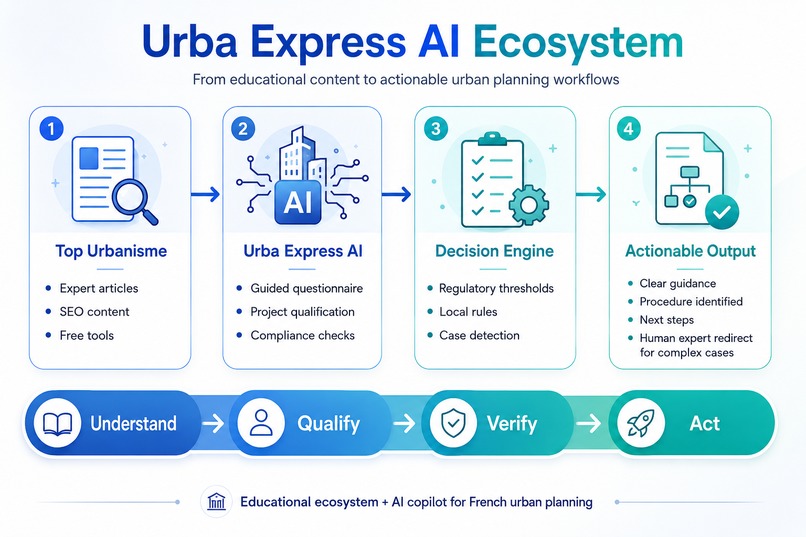
workflows
-
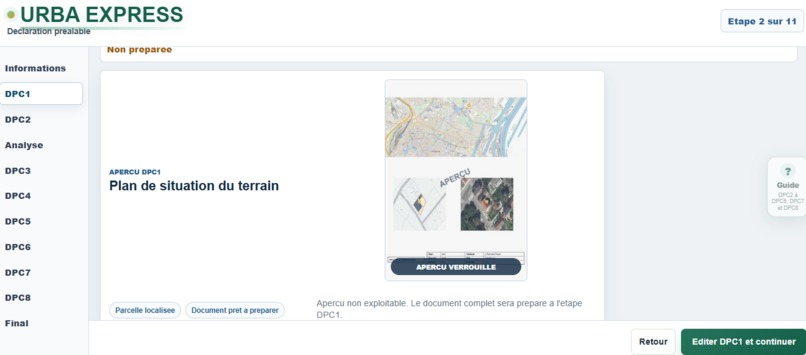
location
-
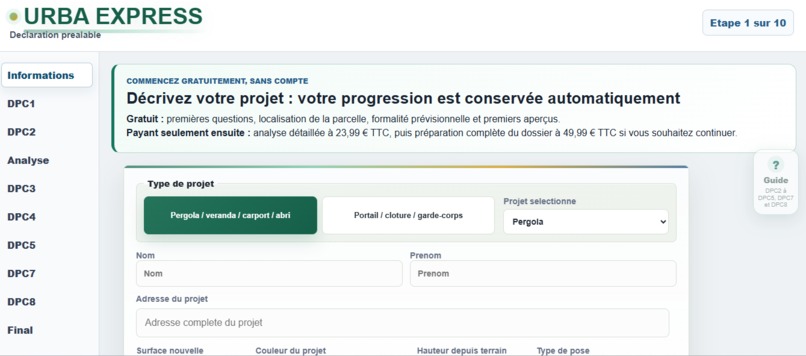
guided questionnaire
-
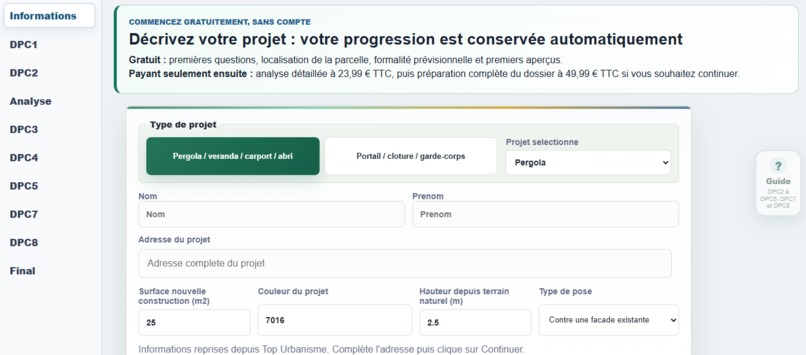
guided questionnaire
-
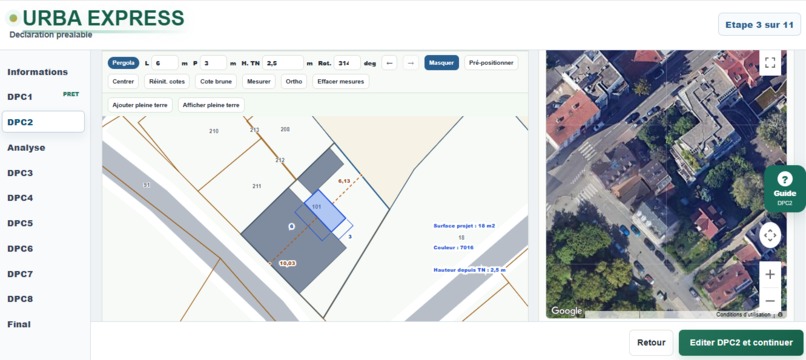
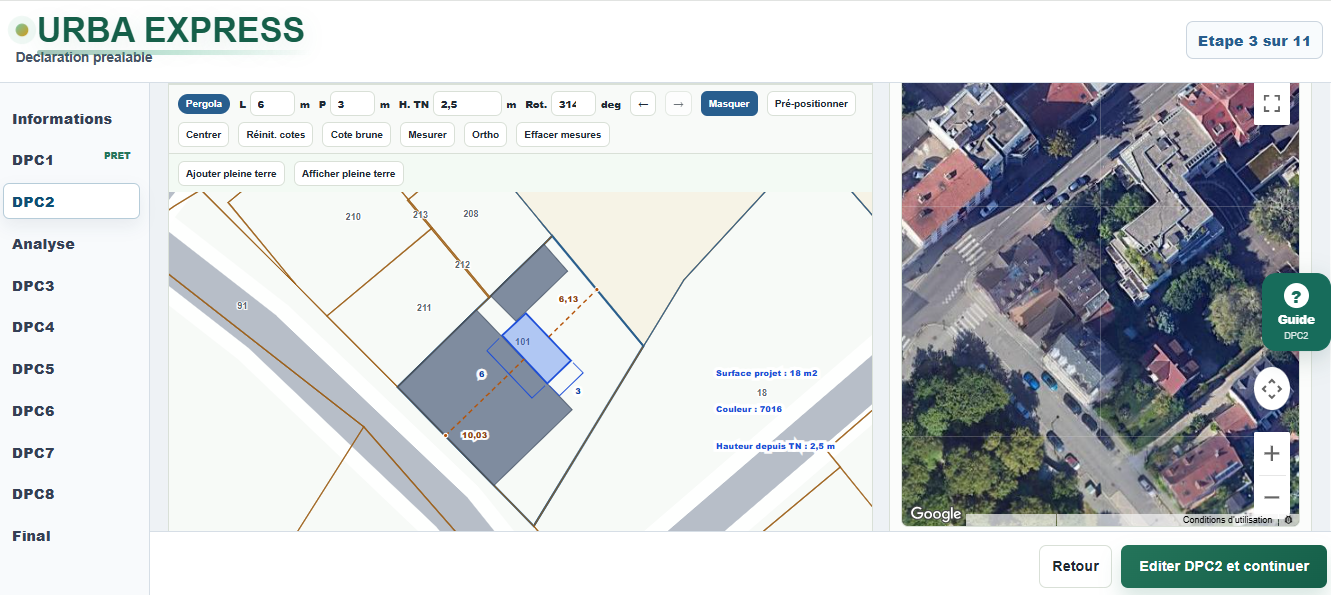
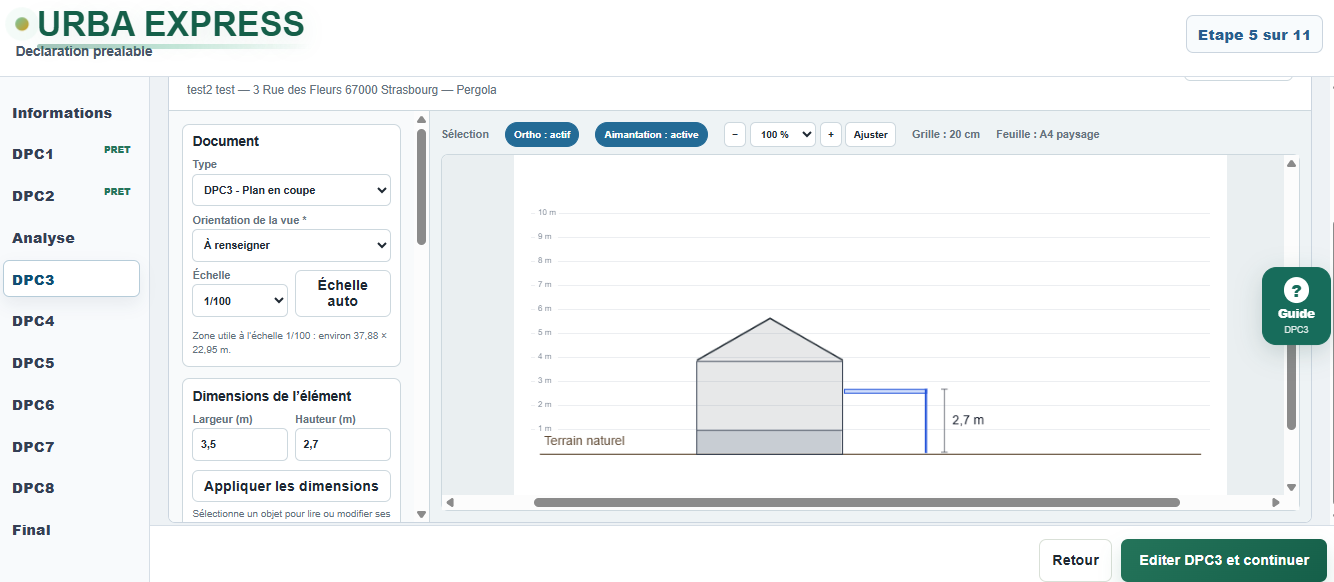
computer-aided drawing and aerial view
-
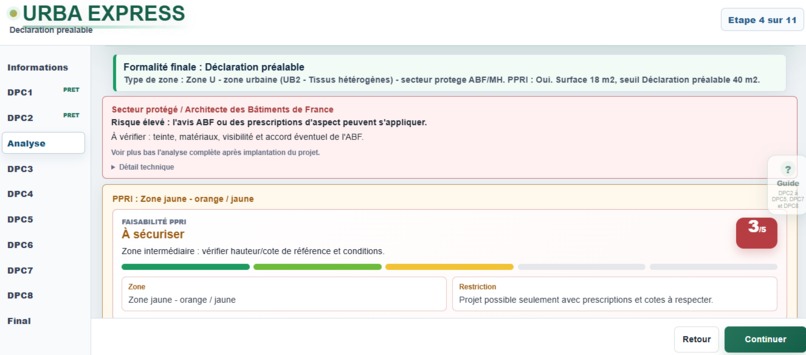
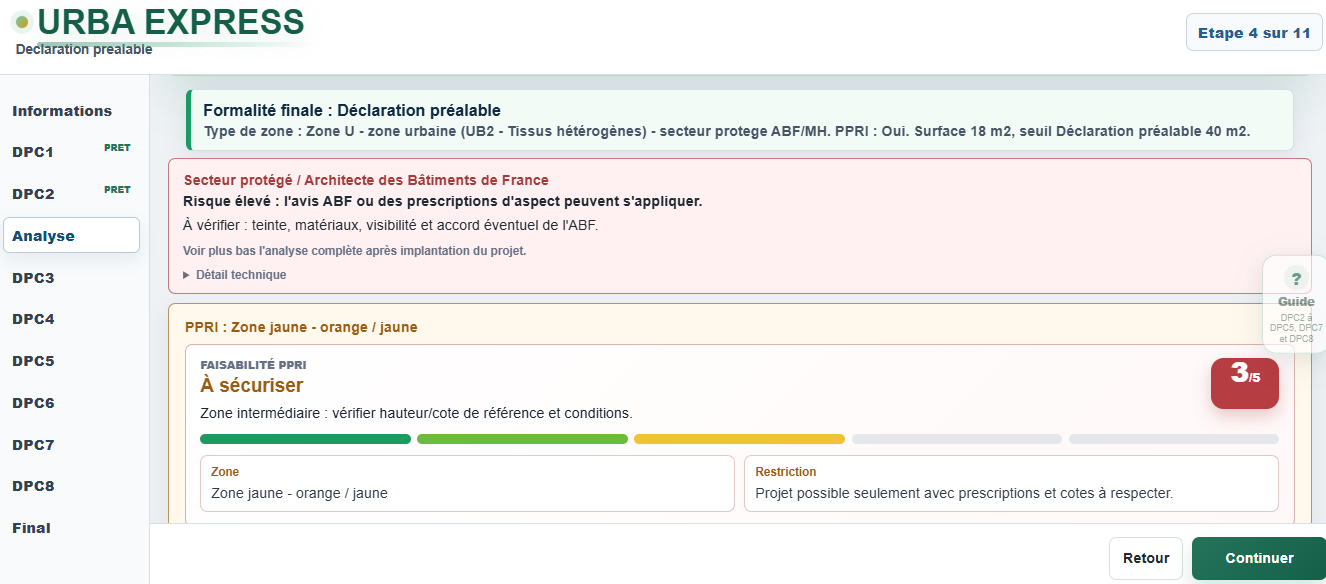
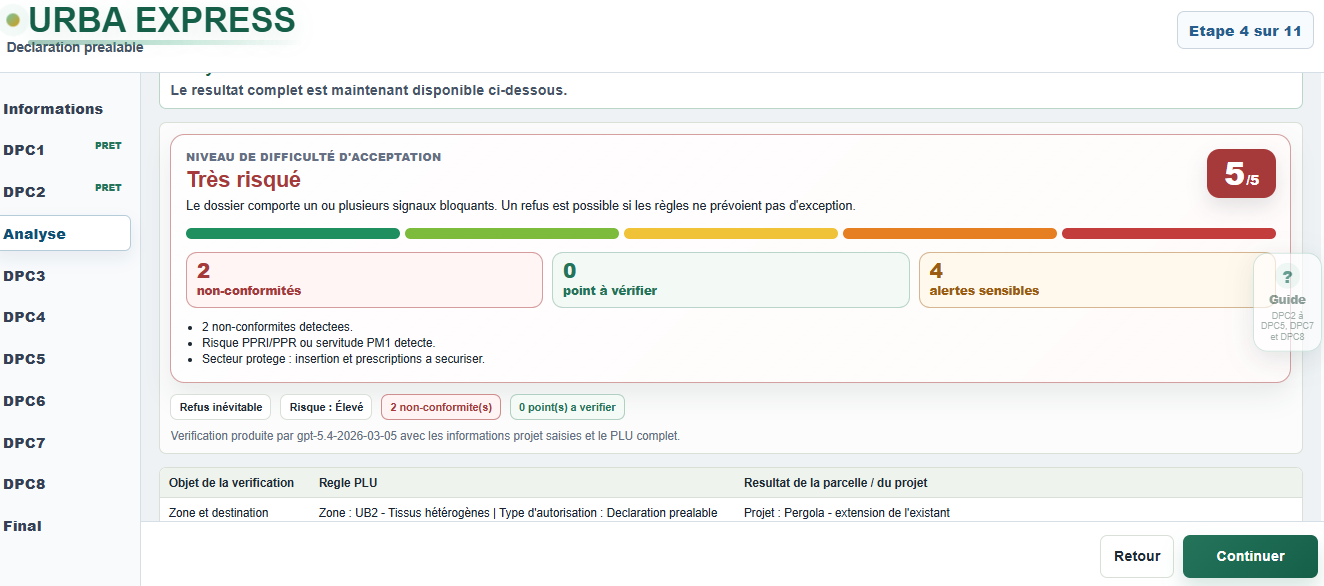
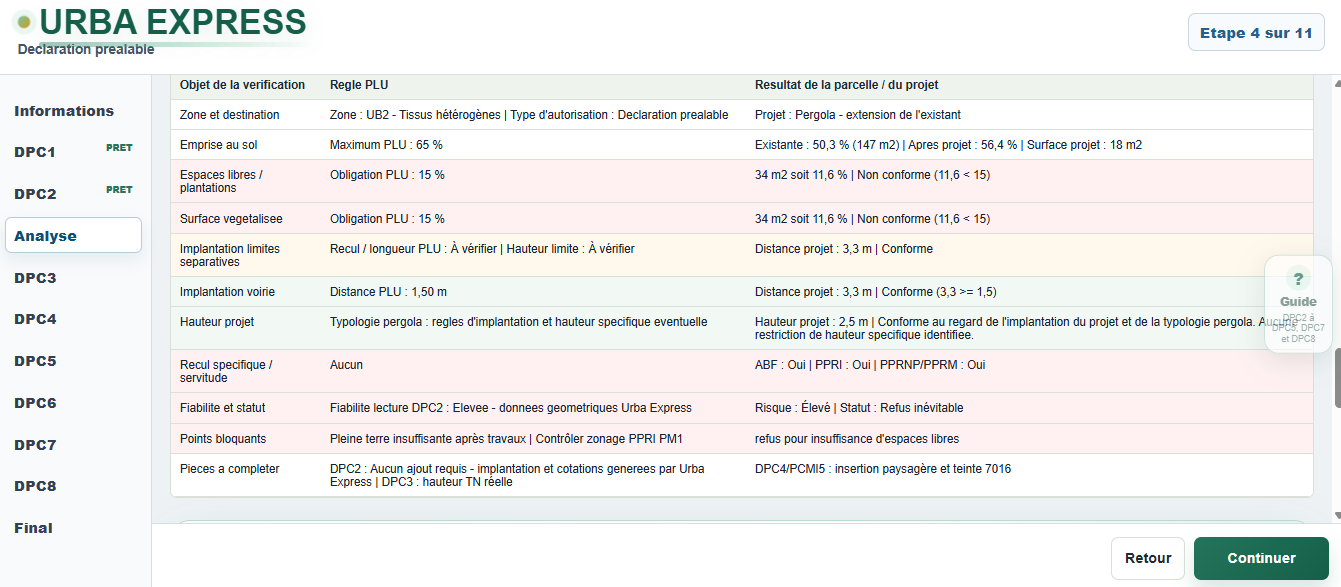
analysis
-
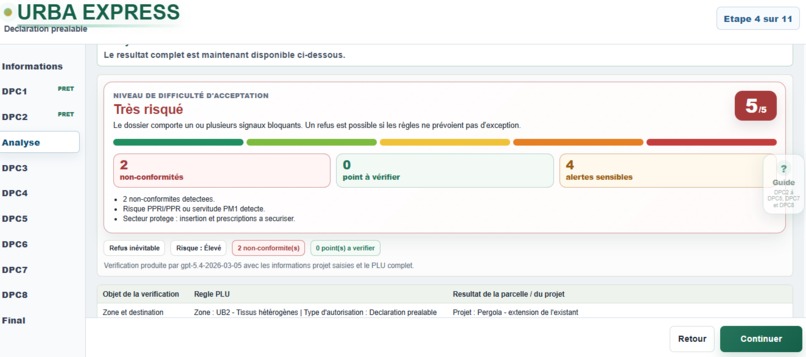
analysis
-
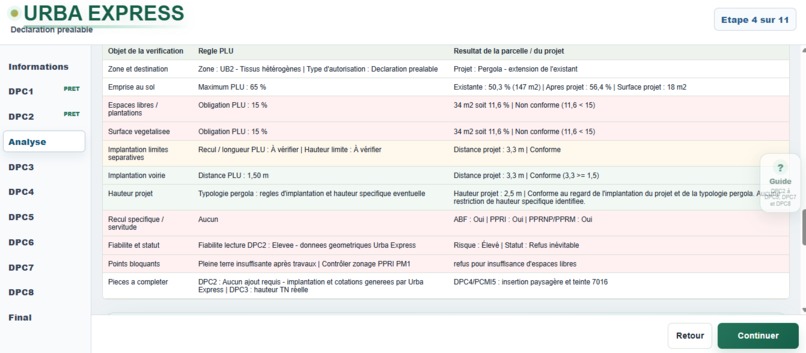
analysis
-
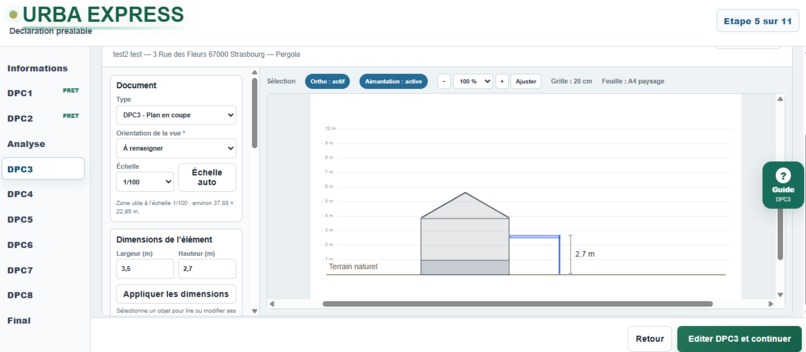
computer-aided design module
-
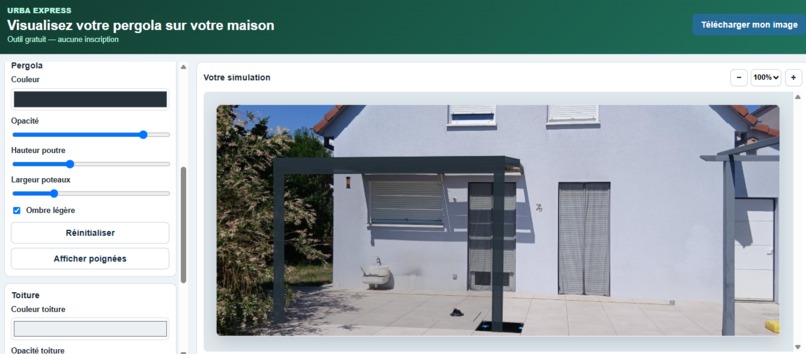
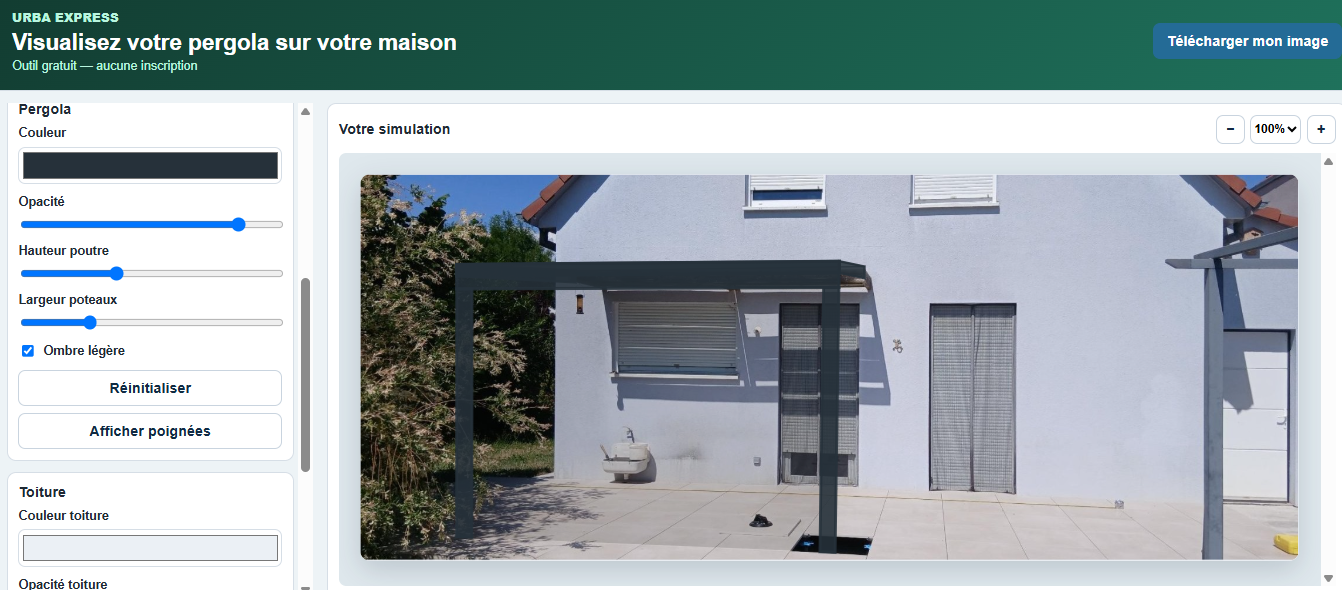
simulator
-
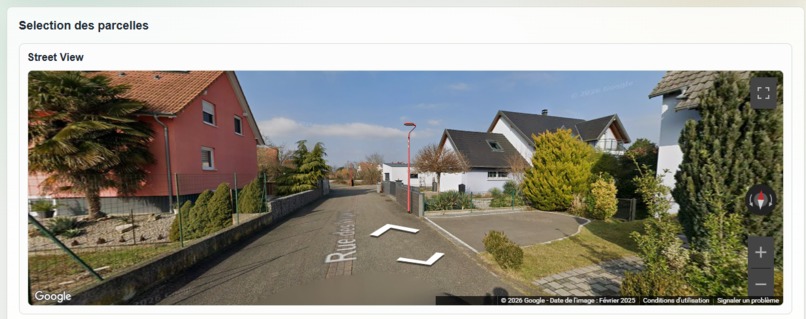
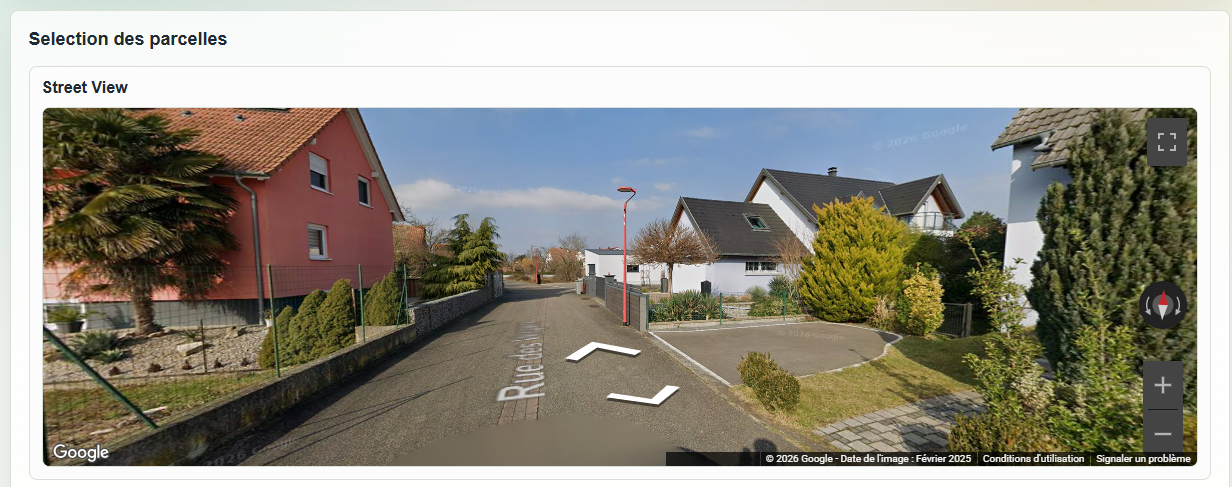
Street View integrated
Why I started this project
Urba Express comes directly from my professional experience.
In my daily work, I deal with French urban planning applications for projects such as pergolas, carports, verandas, extensions and other outdoor developments. I regularly see the same problem: people often understand their construction project, but they do not understand the administrative rules that apply to it.
In France, the required procedure can depend on many factors at the same time: the type of project, its surface area, whether it is attached to an existing building, the total floor area of the property, the local planning rules, the municipality and the presence of a protected area.
For a homeowner or even a construction professional, it is easy to miss an important detail. A mistake can lead to an incomplete application, several weeks of delay or a project that has to be redesigned.
I realized that a large part of my work followed a repeatable process:
- understand the project;
- collect the relevant information;
- identify the applicable thresholds;
- detect possible regulatory issues;
- explain the result in simple terms.
Urba Express was created to structure and automate part of this process without pretending that every urban planning situation can be fully automated.
About the name
Urba Express is the original and official name of the software.
For this submission, the name “Urba Express AI” may sometimes be used to make the artificial intelligence component easier to identify, but the product itself is called Urba Express.
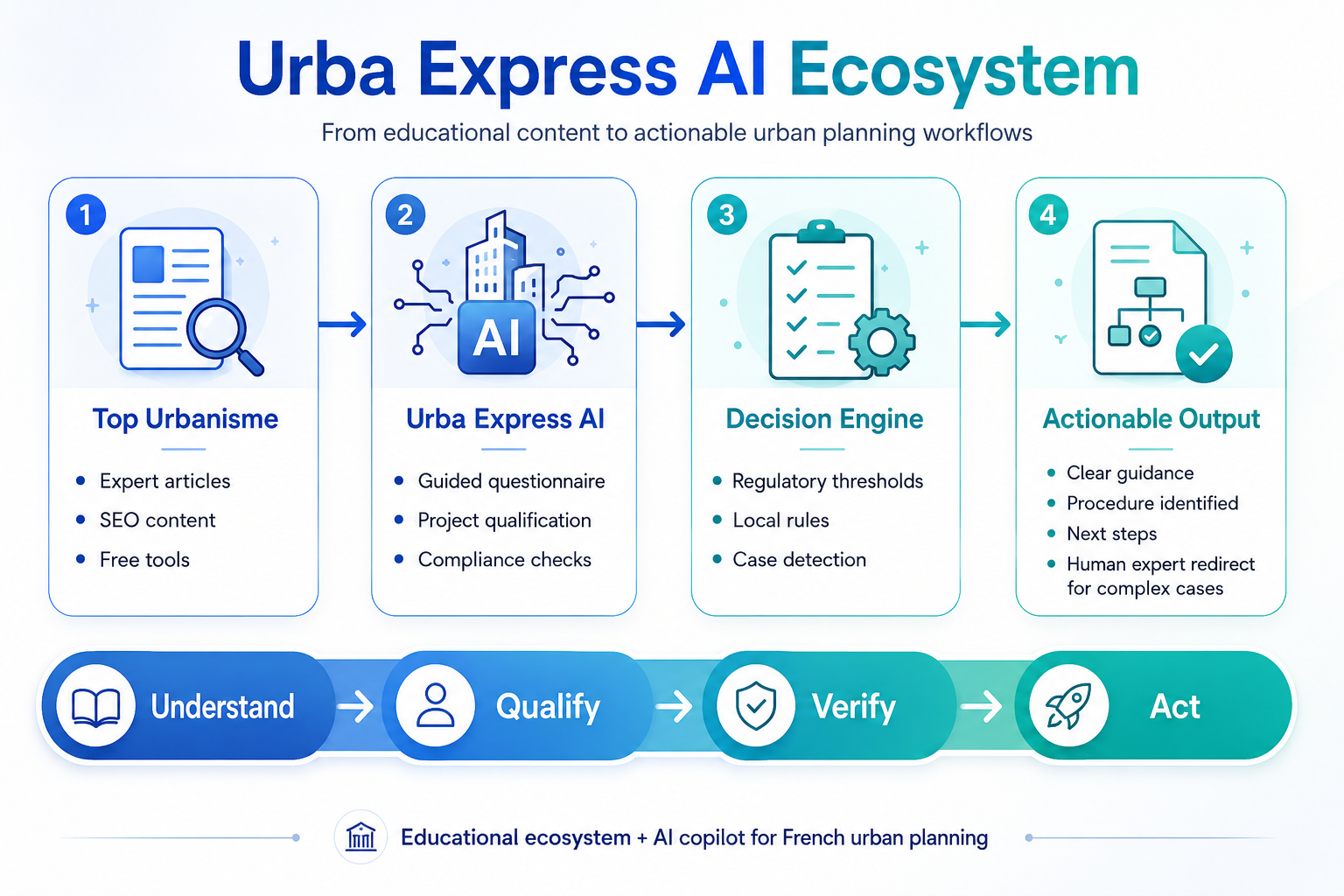
Urba Express is part of the wider Top Urbanisme ecosystem. Top Urbanisme is an educational website that I created and own. Its purpose is to make French urban planning rules easier to understand through expert articles, practical explanations and digital tools.
What Urba Express does
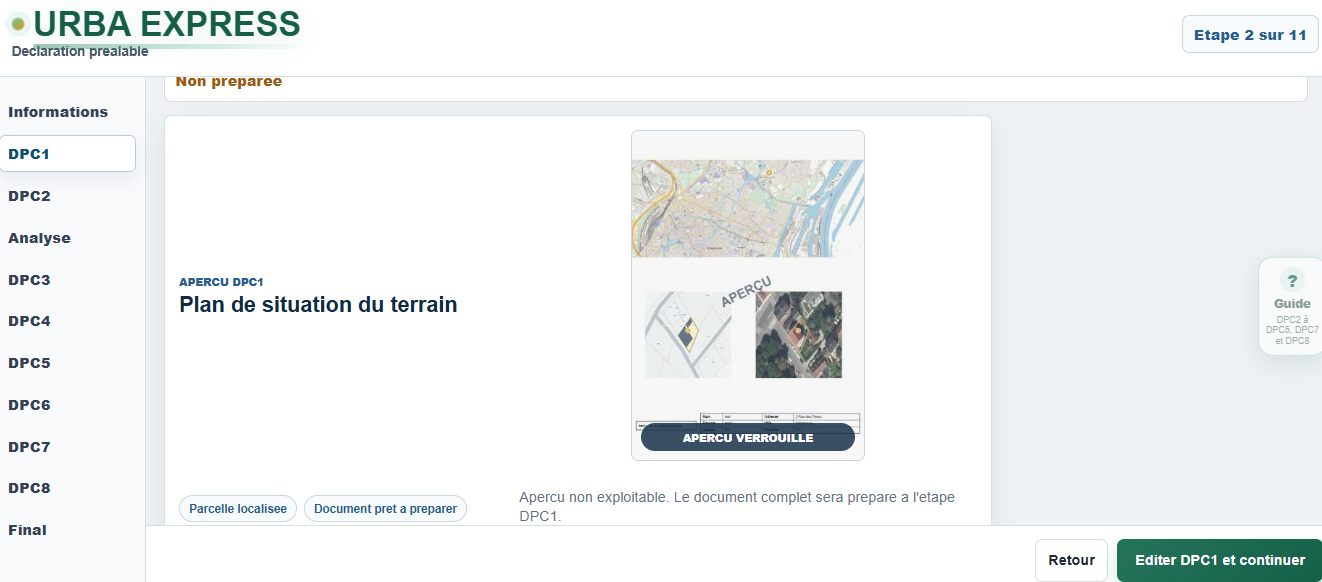
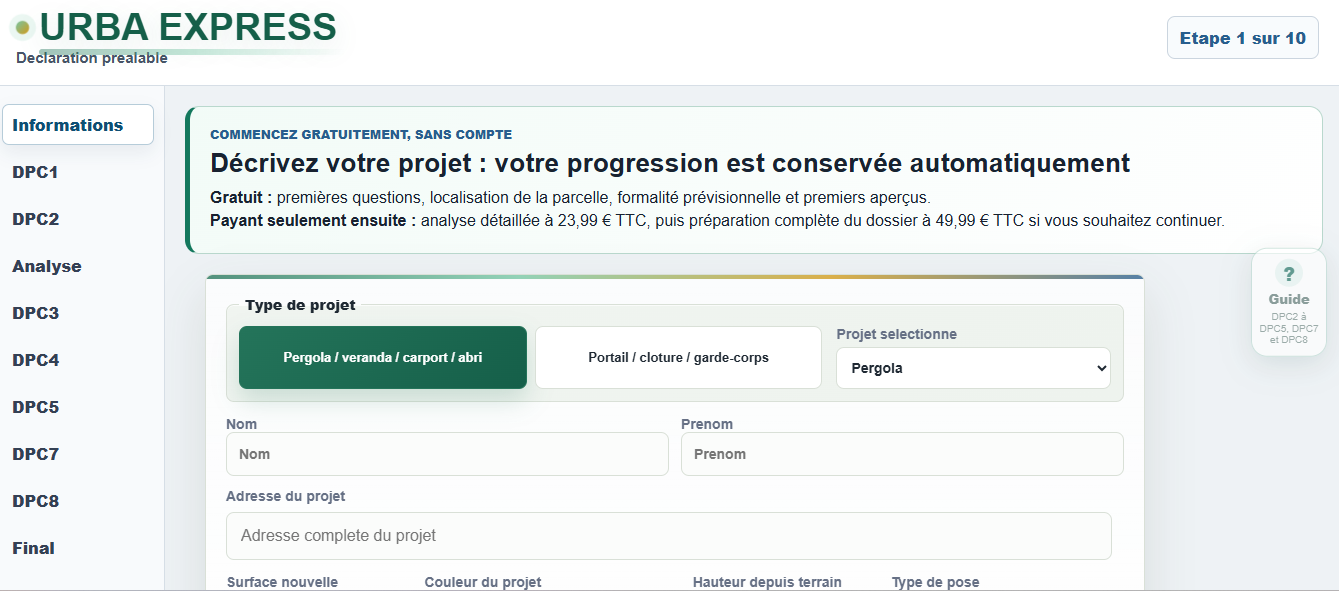
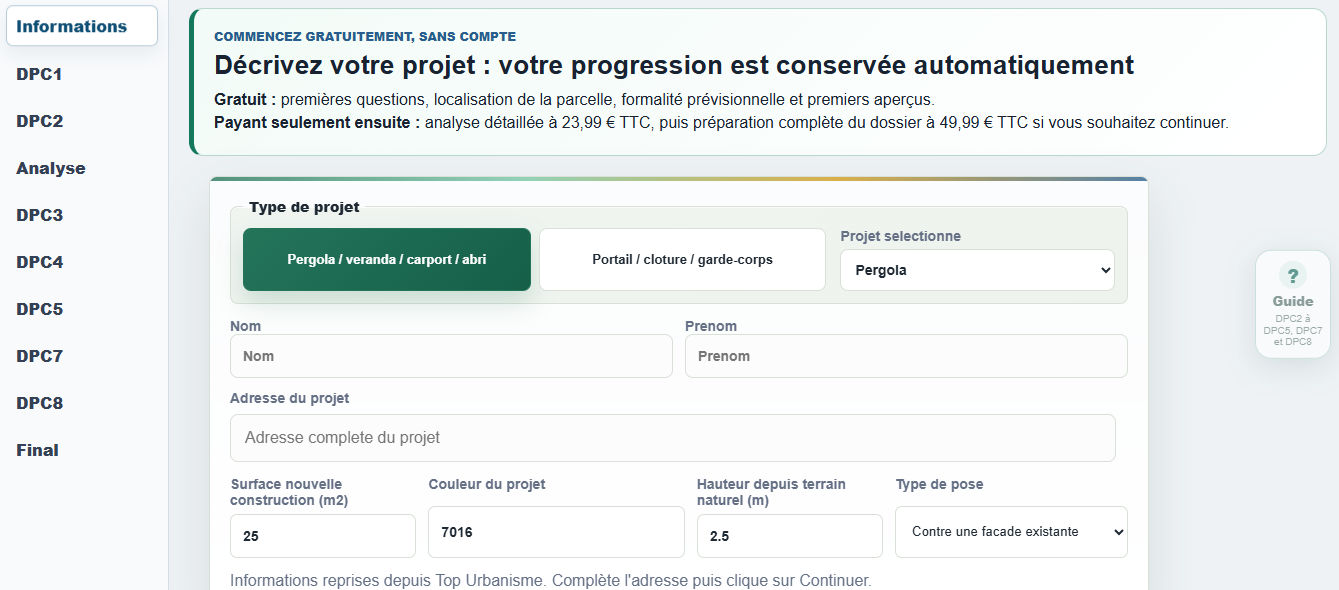
Urba Express guides the user through a structured questionnaire about their project.
Instead of asking the user to understand legal terminology immediately, the application asks practical questions about the planned construction, the existing property and the location.
Based on the answers, the system can:
- identify the type of project;
- distinguish an extension from a separate new construction;
- analyse the relevant surface thresholds;
- indicate the most likely administrative procedure;
- detect situations where an architect may be required;
- identify missing or contradictory information;
- explain the reasoning in understandable language;
- warn the user when the case requires a more detailed review;
- redirect complex situations to a human professional.
The objective is not to replace the municipality, the official planning department or legal advice.
The objective is to help users prepare their project more carefully, identify possible problems earlier and avoid making decisions based on an incorrect understanding of the rules.
How Top Urbanisme and Urba Express work together
Top Urbanisme and Urba Express serve two different but complementary purposes.
Top Urbanisme helps users learn. Its articles explain topics such as planning permission, prior declarations, surface thresholds, local planning documents and common project constraints.
Urba Express helps the user apply this information to a specific project.
The intended journey is:
Understand → Describe the project → Check the main rules → Decide what to do next
This connection between educational content and a guided analysis tool is an important part of the project. The user is not only given a result. They are also given explanations that help them understand why the result was reached.
How I built it
I am not a software developer by training. My main expertise is urban planning and the preparation and verification of administrative applications.
I used ChatGPT and Codex to help transform my professional method into a working digital product.
My role was to define the real-world logic behind the application. This included:
- documenting the questions I normally ask when analysing a project;
- identifying the rules that can be structured reliably;
- defining the situations that should trigger an alert;
- checking the results against realistic project examples;
- reviewing errors and inconsistencies;
- improving the user journey after each test;
- connecting the application with the Top Urbanisme website.
Codex helped me implement, test and improve the software. However, the regulatory logic did not come from an automatically generated description of urban planning law. It was built from my professional knowledge, documented rules and practical use cases.
The application combines explicit business rules with AI-assisted explanations and workflow management. Important thresholds and deterministic decisions remain controlled by structured logic.
The main challenge
The most difficult part was not creating a chatbot or generating text.
The real challenge was deciding what could be automated safely.
Urban planning rules are not based on a single national decision tree. Local regulations can change from one municipality to another, and some projects depend on several documents or interpretations.
The system therefore has to recognise three different situations:
- the available information is sufficient for a structured result;
- important information is missing;
- the project is too complex for a reliable automated analysis.
When the available data does not allow a responsible conclusion, Urba Express does not invent an answer. It clearly indicates the limitation and directs the project towards a specialised human review.
This principle became one of the most important parts of the product.
What I learned
Building Urba Express changed the way I work with AI.
I learned that good results depend less on asking for a complete application in one prompt and more on working step by step: defining a requirement, testing it, identifying failures and correcting the logic.
I also learned to work with Codex as I would work with a technical team. I had to provide clear objectives, explain the business constraints, verify the output and report regressions precisely.
The project allowed me to combine two types of expertise:
- my knowledge of urban planning procedures;
- the ability of AI tools to help structure, develop and improve a digital product.
Next steps
Urba Express currently focuses on common projects for which the main rules can be structured with a reasonable level of reliability.
The next objective is to extend its coverage gradually, municipality by municipality and project type by project type, without reducing the reliability of the results.
The long-term vision is to create a practical bridge between regulatory information and real construction projects.
Before investing money, ordering materials or starting administrative procedures, users should be able to understand the main constraints of their project and know when professional verification is necessary.
Built With
- agents
- ai
- chatgpt
- codex
- css
- engineering
- github
- gpt-5.6
- html
- javascript
- openai
- prompt
- velo
- wix
- workflow

Log in or sign up for Devpost to join the conversation.