-
uQuest
-
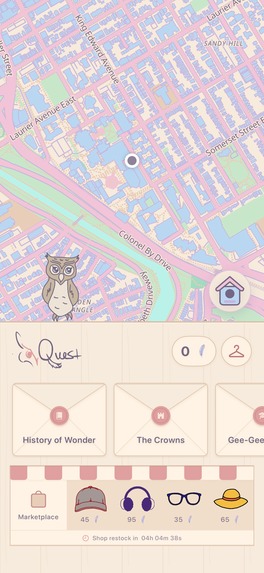
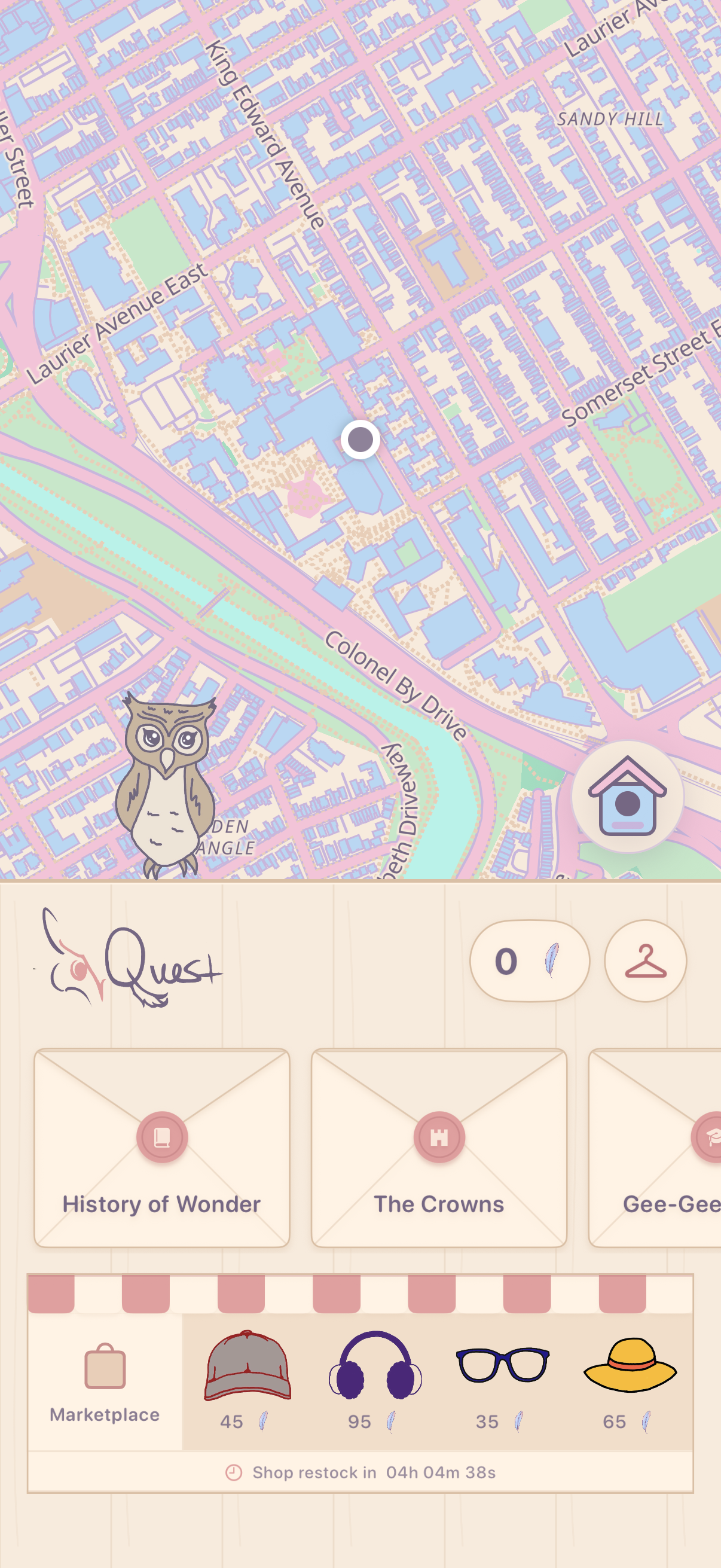
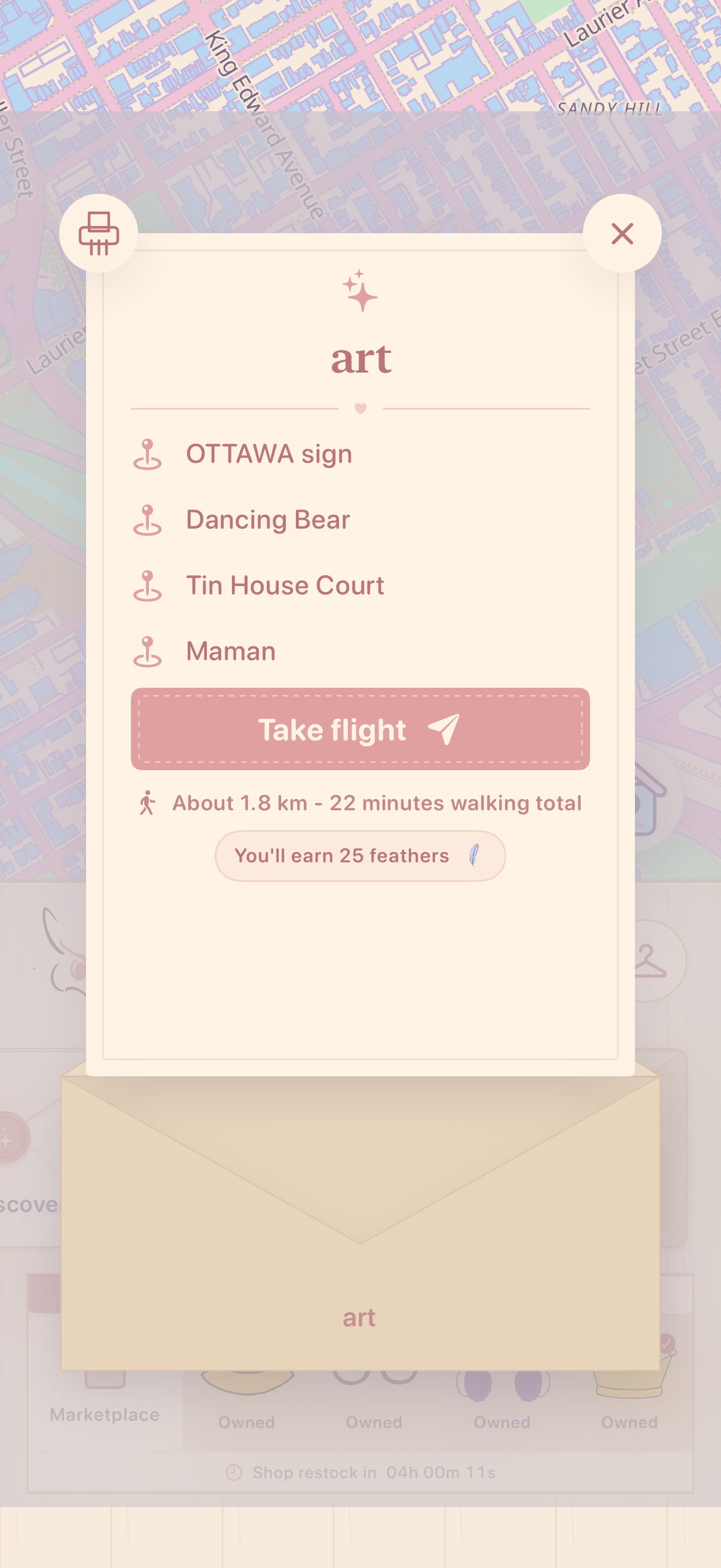
Main Screen
-
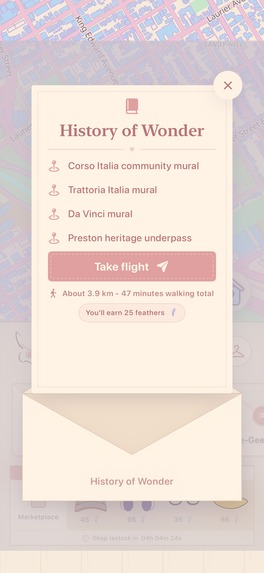
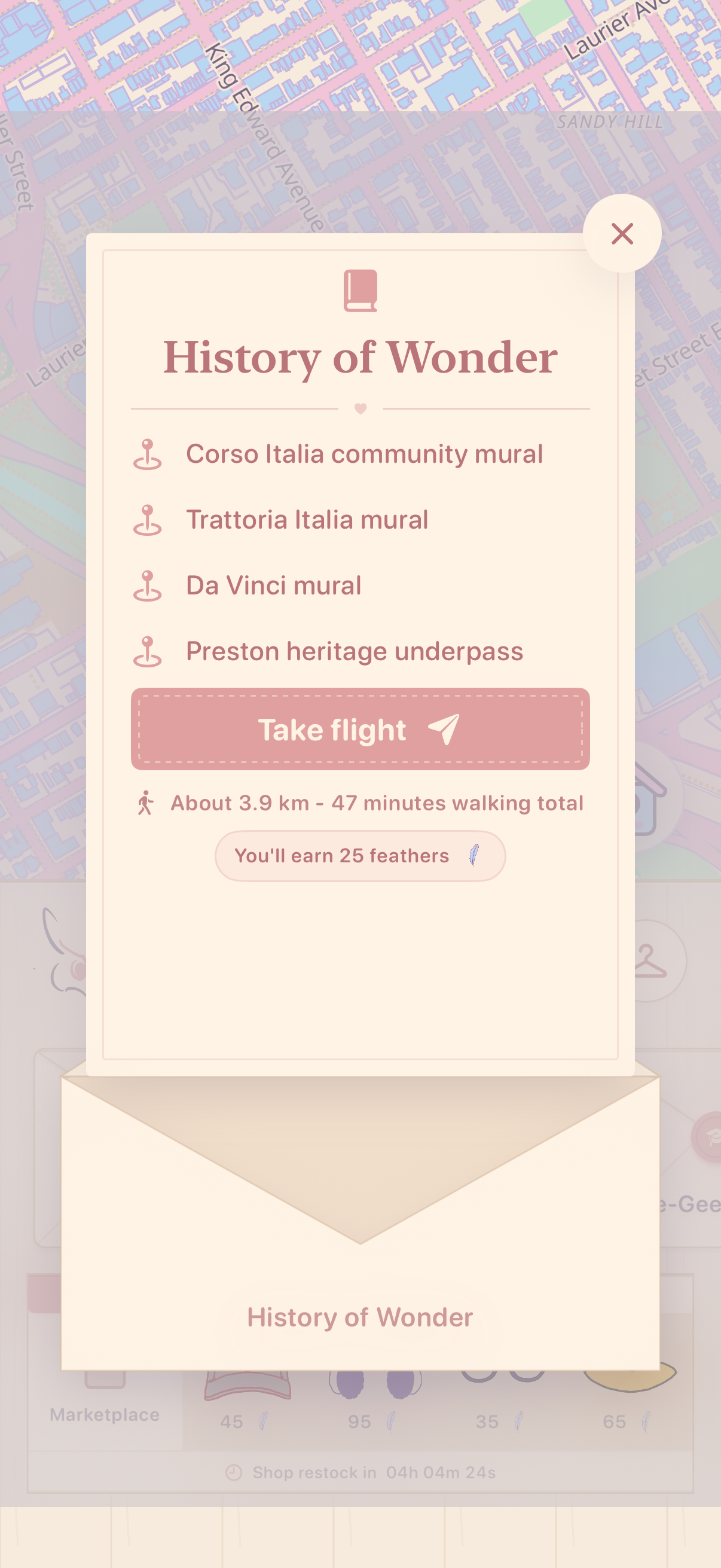
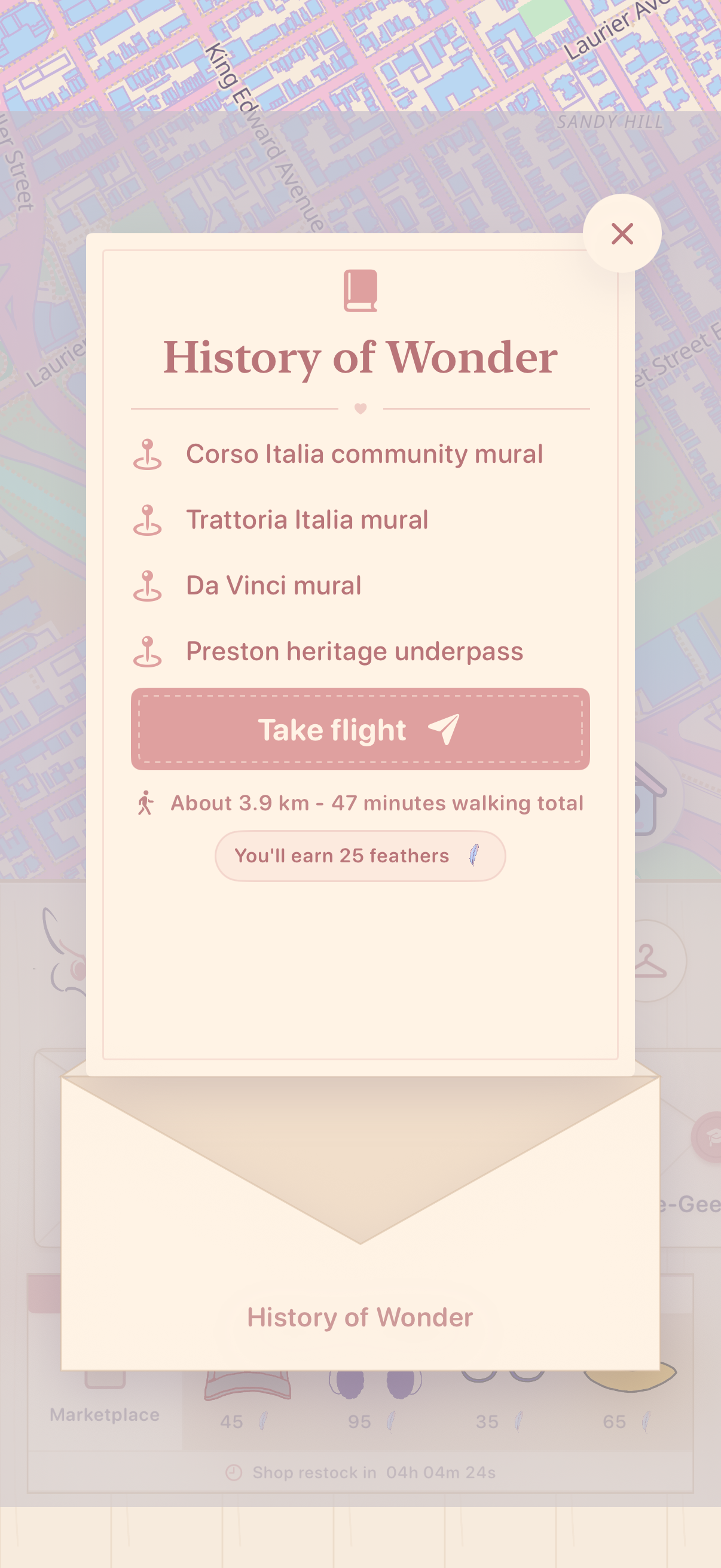
Confirmation Screen
-
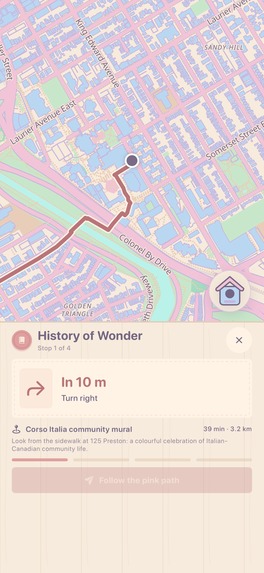
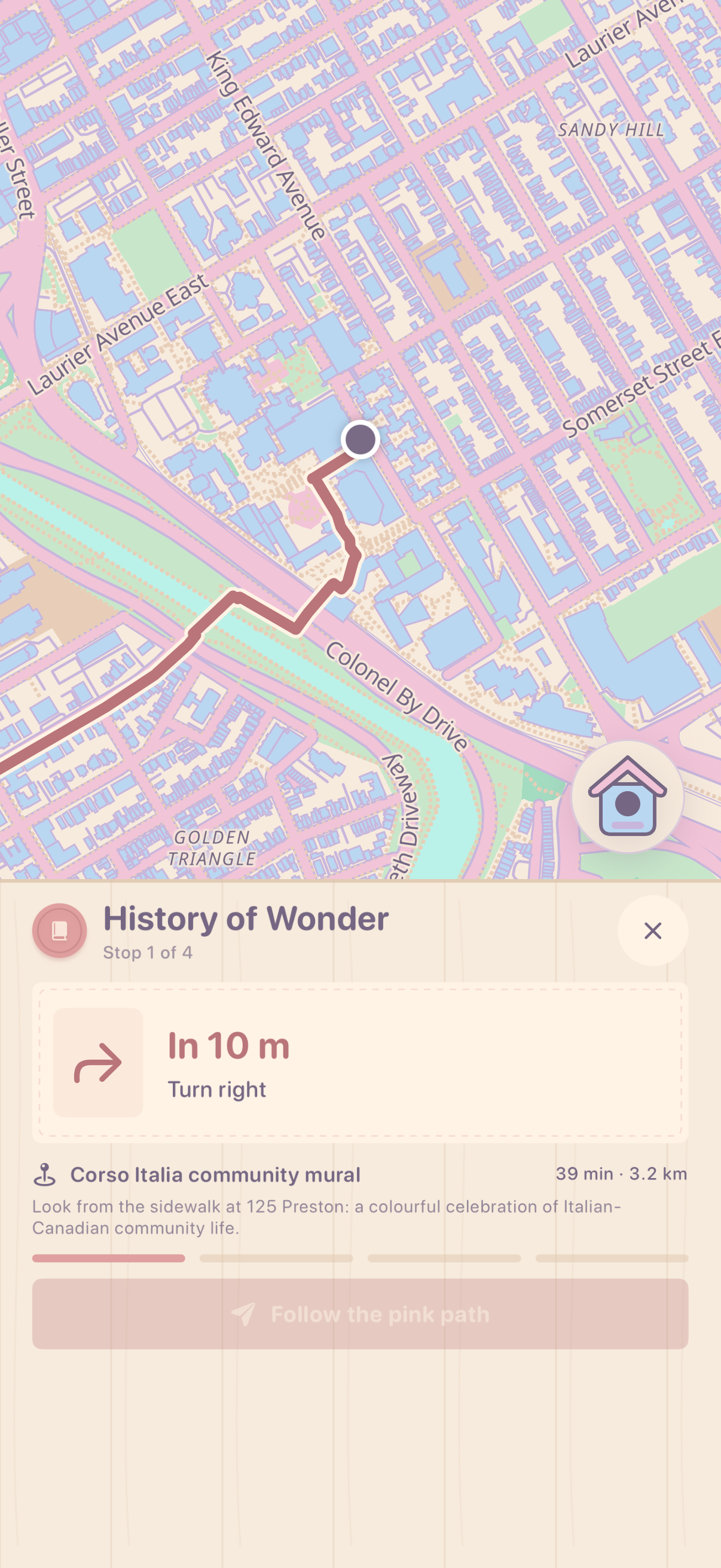
Navigation
-
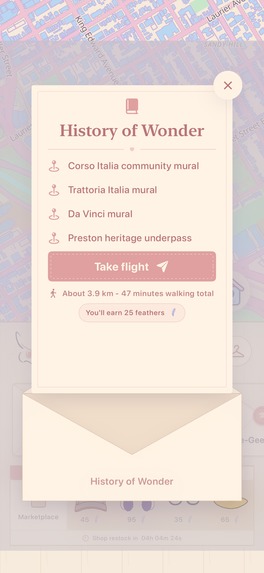
Let's go!
-
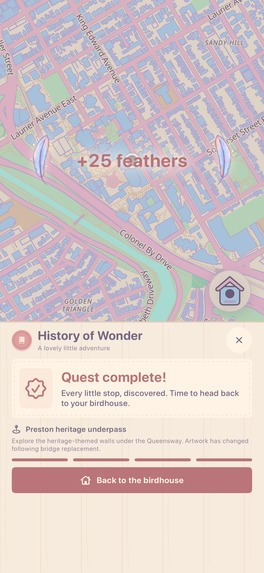
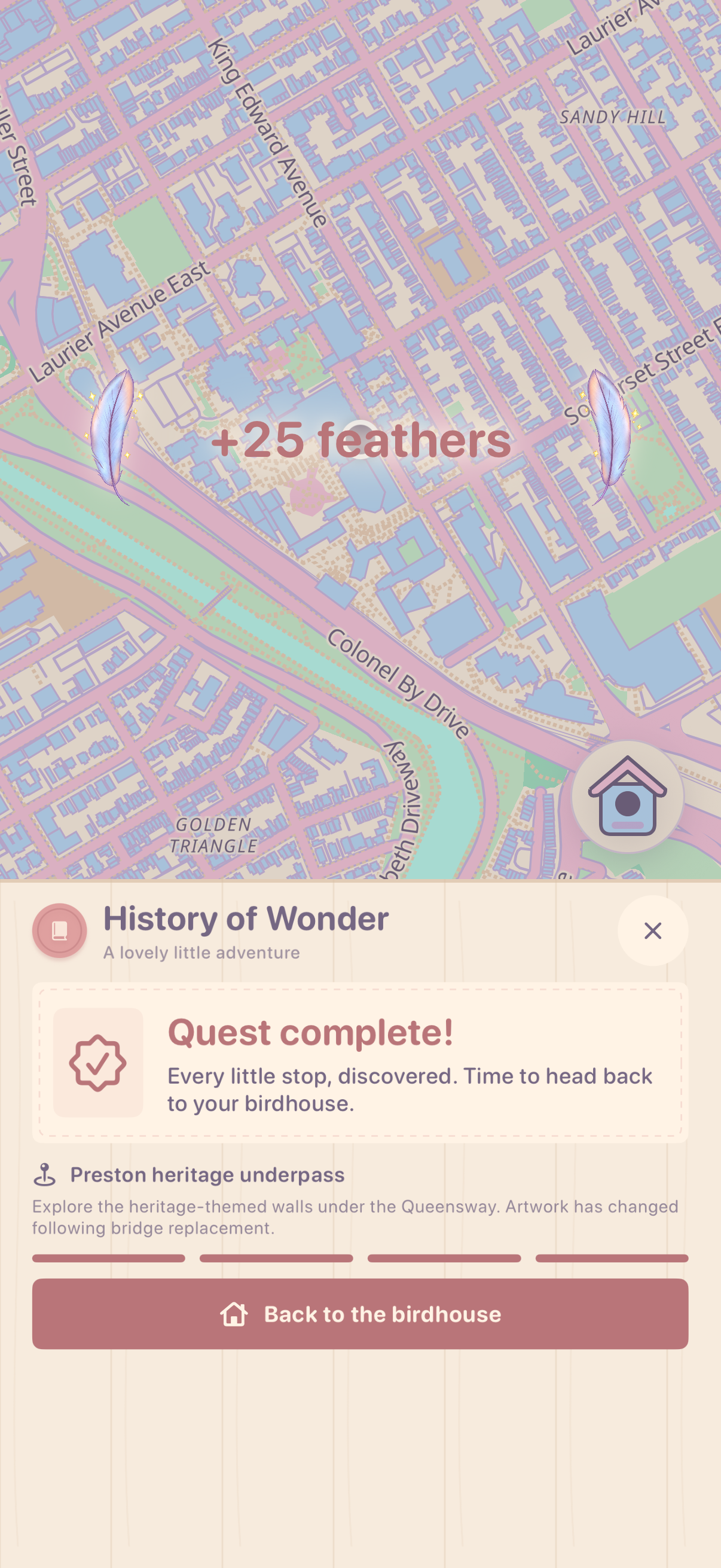
Completed Navigation + Rewards
-
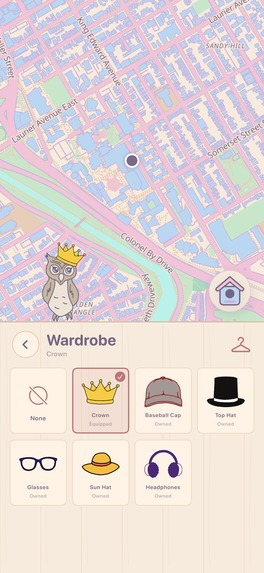
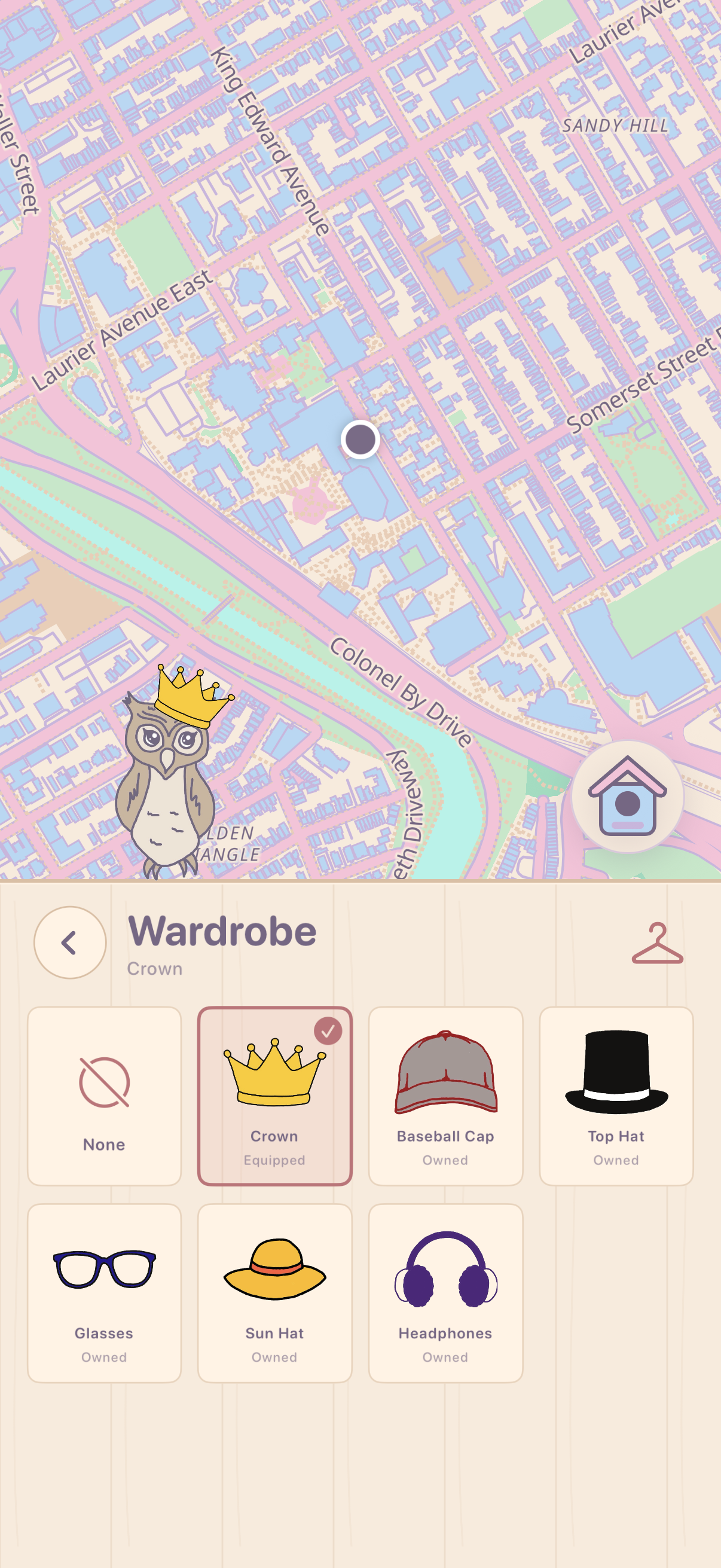
Outfit shop for your owl :)
-
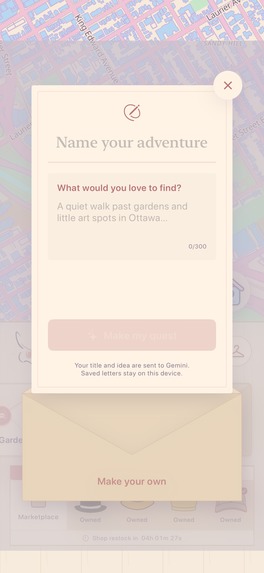
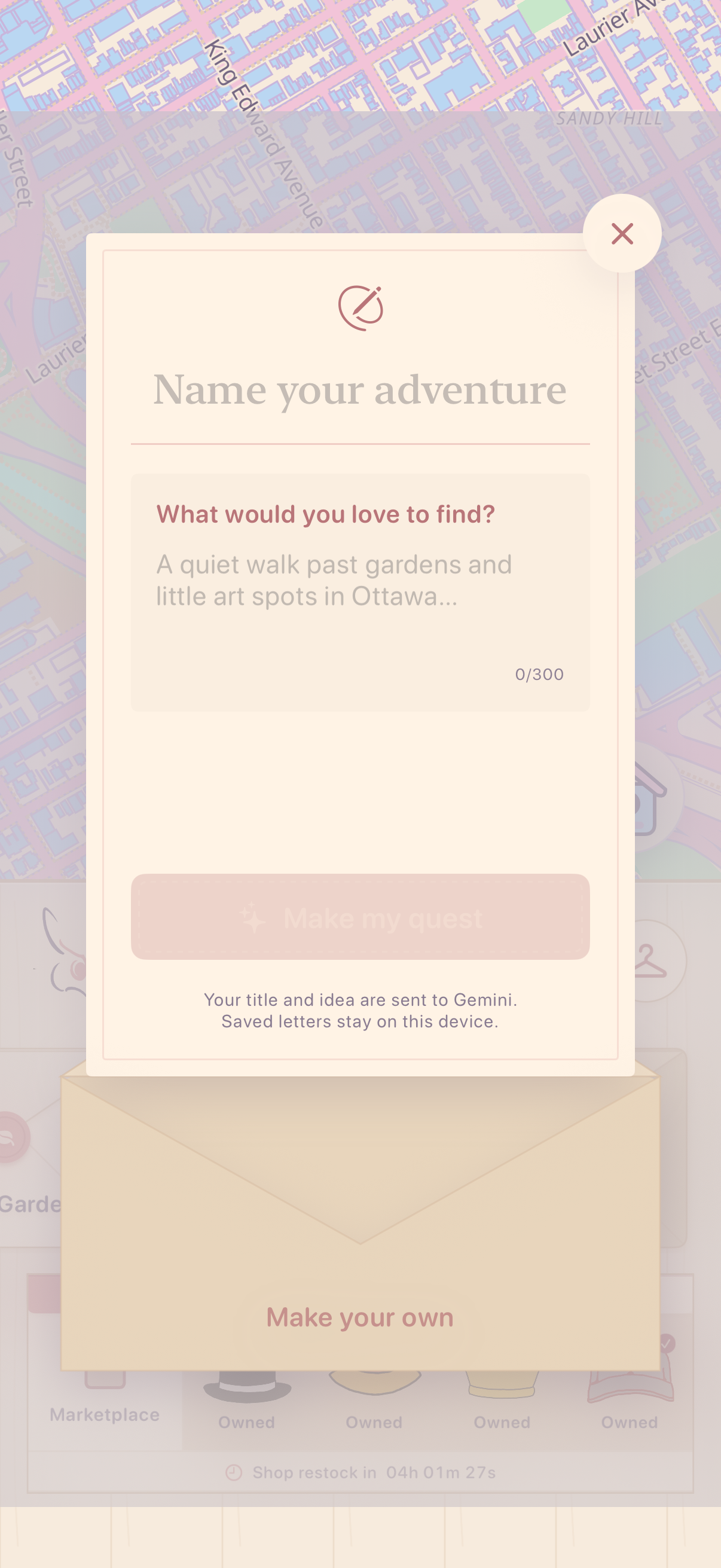
Build your own with Gemini!
-
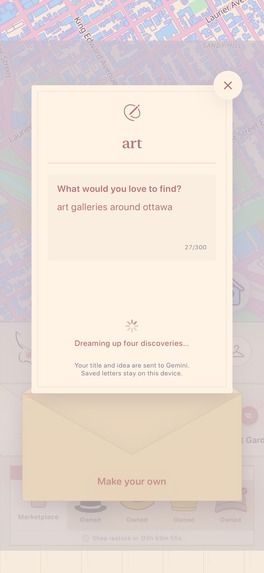
Inputted example
-
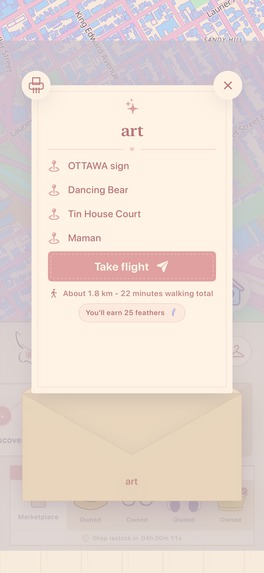
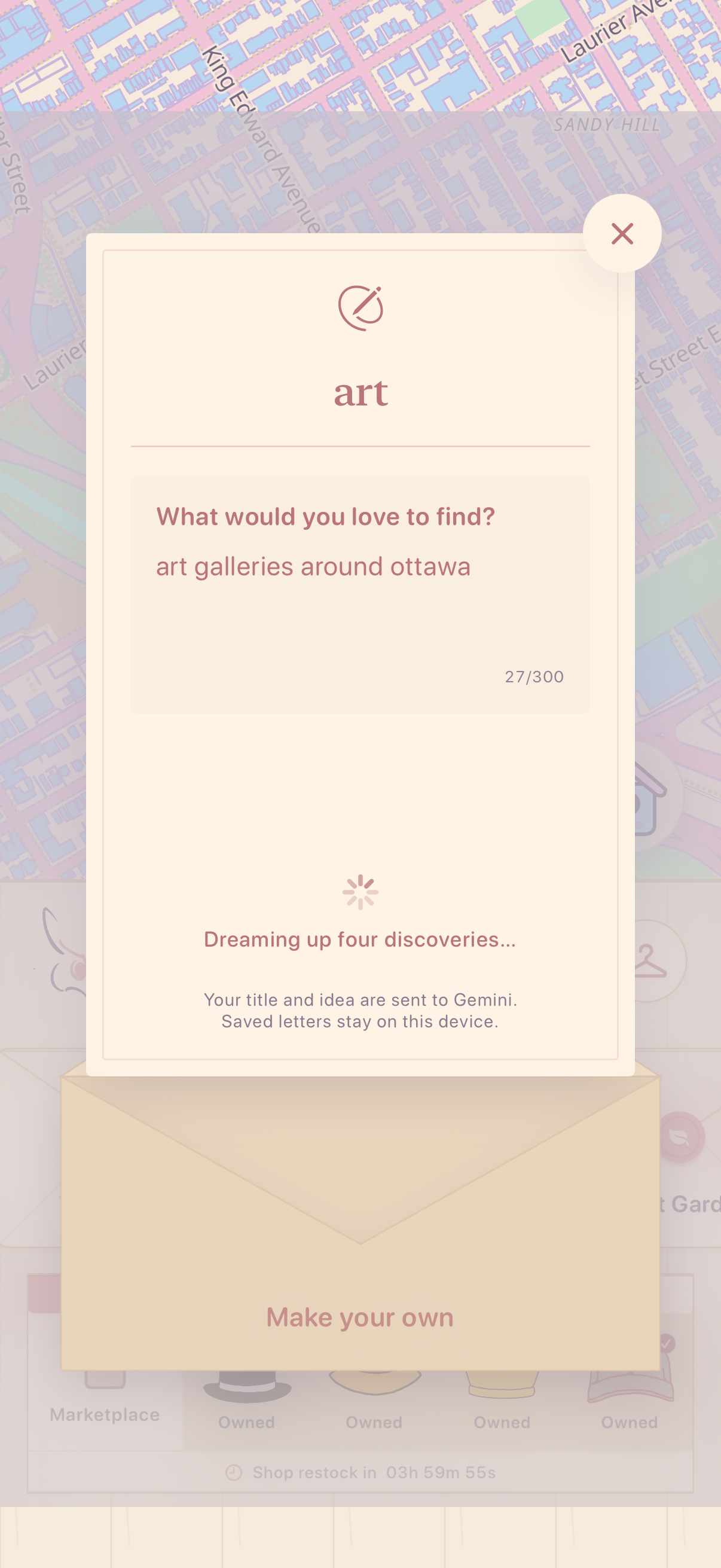
Completed example of Gemini envelope
-
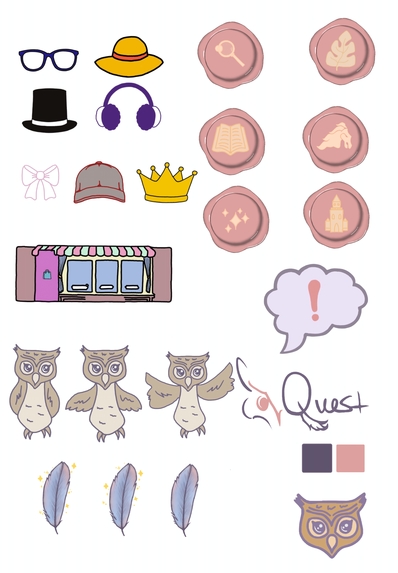
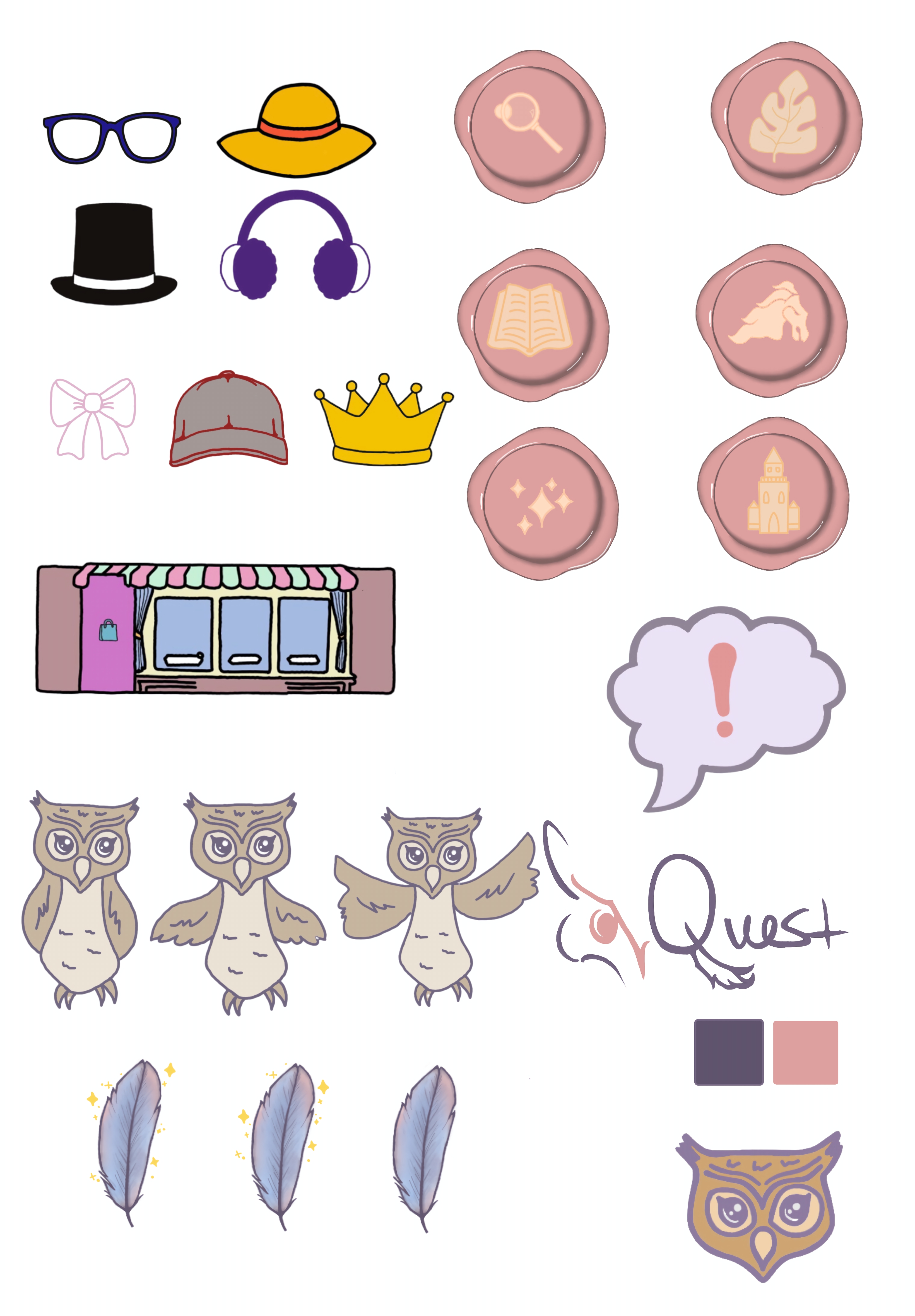
A list of all of our assets :)
$$The following is for the General Challenge.$$
Inspiration
“Ottawa is the most boring city of all.”
We kept hearing some version of that idea, especially from students and people who are new to the city. But Ottawa isn't actually boring — the problem is that discovering something new to do can take more effort than it should.
We wanted to create something that encourages people to get out, explore, and experience places they might otherwise never find. Instead of searching through endless lists of restaurants, attractions, and things to do, what if exploring the city felt more like playing a game?
That idea became uQuest.
What it does
uQuest turns Ottawa into a real-world adventure.
Users can discover side quests around the city, choose what interests them, travel to the location, and complete it to earn 'feathers.' Those 'feathers' can then be used to customize their owl companion, giving users a reason to keep exploring and completing new quests.
Rather than asking users to already know what they want to do, uQuest gives them a reason to try something new.
Our city isn't boring. It's just not been unlocked yet.
How we built it
uQuest was built as a native iOS application using Swift and SwiftUI.
For our map, we used MapLibre with a custom map style to create an interactive map experience that fits uQuest's visual identity rather than looking like a traditional navigation app. We integrated CoreLocation to track the user's current location and built our own quest navigation system to display destinations, walking routes, and progress between quest stops.
We also integrated Google Gemini to power custom quest creation. Users can give uQuest a title and describe the kind of adventure they want — for example, a quiet walk through gardens and local art — and Gemini turns that idea into a complete quest that can be saved and played alongside the app's built-in adventures.
The rest of the experience was built around that core system in SwiftUI, including quest progression, rewards, the feather currency, marketplace, and owl customization.
Throughout development, we focused on making the main experience — discovering, creating, and completing a quest — feel complete rather than trying to add as many features as possible.
Challenges we ran into
One of our biggest challenges was balancing the scope of our idea with the limited time available during the hackathon.
There were a lot of features we wanted to build, but we had to constantly ask ourselves which ones actually strengthened the core uQuest experience. This meant prioritizing the quest system, map experience, and progression loop over features that would have made the project larger but less focused.
Working with location-based features and integrating them into an interface that still felt playful and intuitive was another challenge. We wanted the map to feel like part of the uQuest world rather than simply looking like a standard navigation app.
Accomplishments that we're proud of
We're especially proud that uQuest feels like more than a map with points on it.
We created a complete concept around exploration: users discover something new, turn it into a quest, receive a reward for completing it, and use that reward to progress within the app.
We're also proud of the visual identity we created around uQuest, from its map and interface to its owl companion. By the end of the hackathon, we had turned an idea into a working experience that communicates what we originally set out to build.
What we learned
Building uQuest taught us how important prioritization is when developing under a strict deadline.
We learned that having more features doesn't necessarily make a product better. A smaller number of features that work together toward one clear purpose can create a much stronger experience.
We also gained experience working with SwiftUI, MapKit, location-based application design, rapid prototyping, art, UI, and designing a product collaboratively under hackathon time constraints.
Most importantly, we learned how quickly an ambitious idea can become something real when a team stays focused on its core purpose.
What's next for uQuest
There are a lot of directions we would love to take uQuest next.
We want to expand the number and variety of quests available, introduce more ways to customize your owl, and create different categories of quests based on interests such as food, nature, art, entertainment, and local landmarks.
We would also like to explore social features, community-created quests, achievements, streaks, and partnerships with local Ottawa businesses and organizations.
Ultimately, we want uQuest to become something that works beyond Ottawa too — a way to arrive in any city, open the app, and immediately have an adventure waiting for you.
Because boring is just unexplored.
Built With
- core-location
- mapkit
- maplibre
- swift
- swiftui
- xcode


Log in or sign up for Devpost to join the conversation.