-
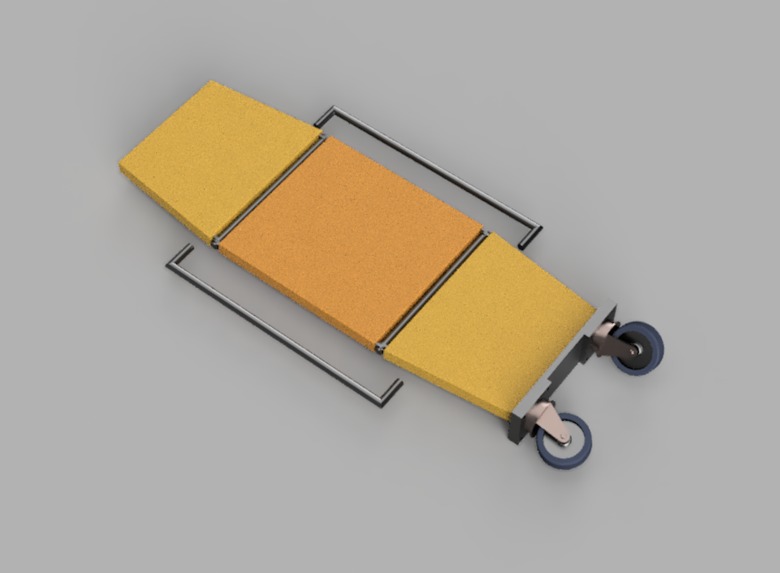
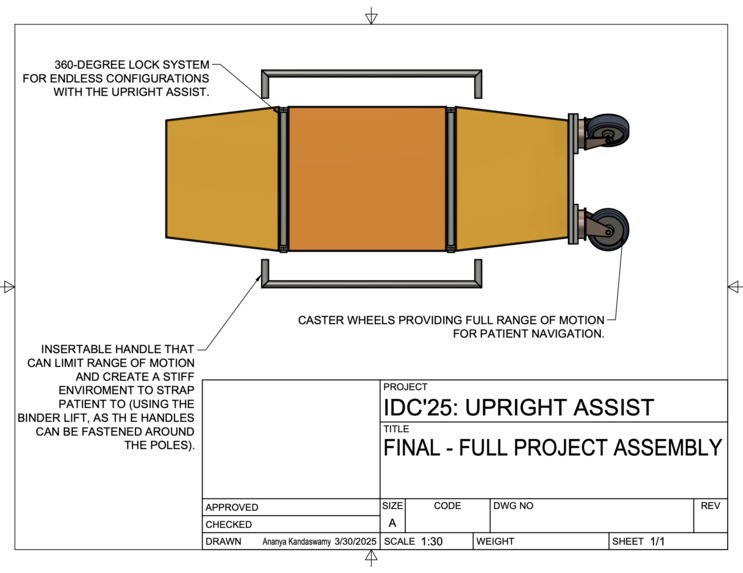
Full Render
-
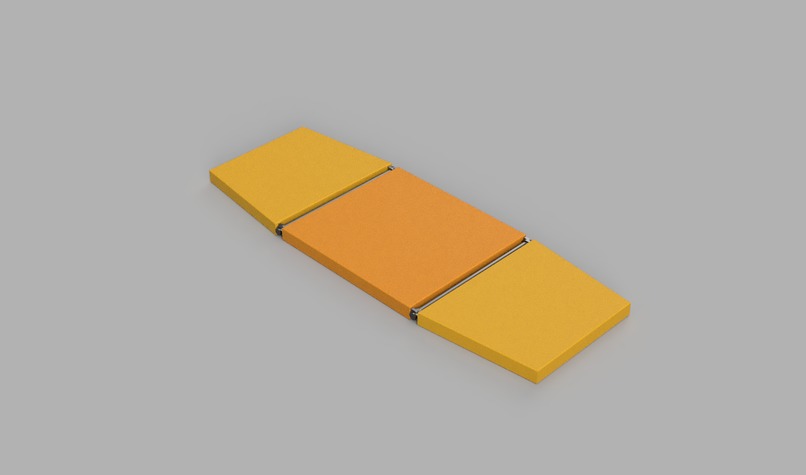
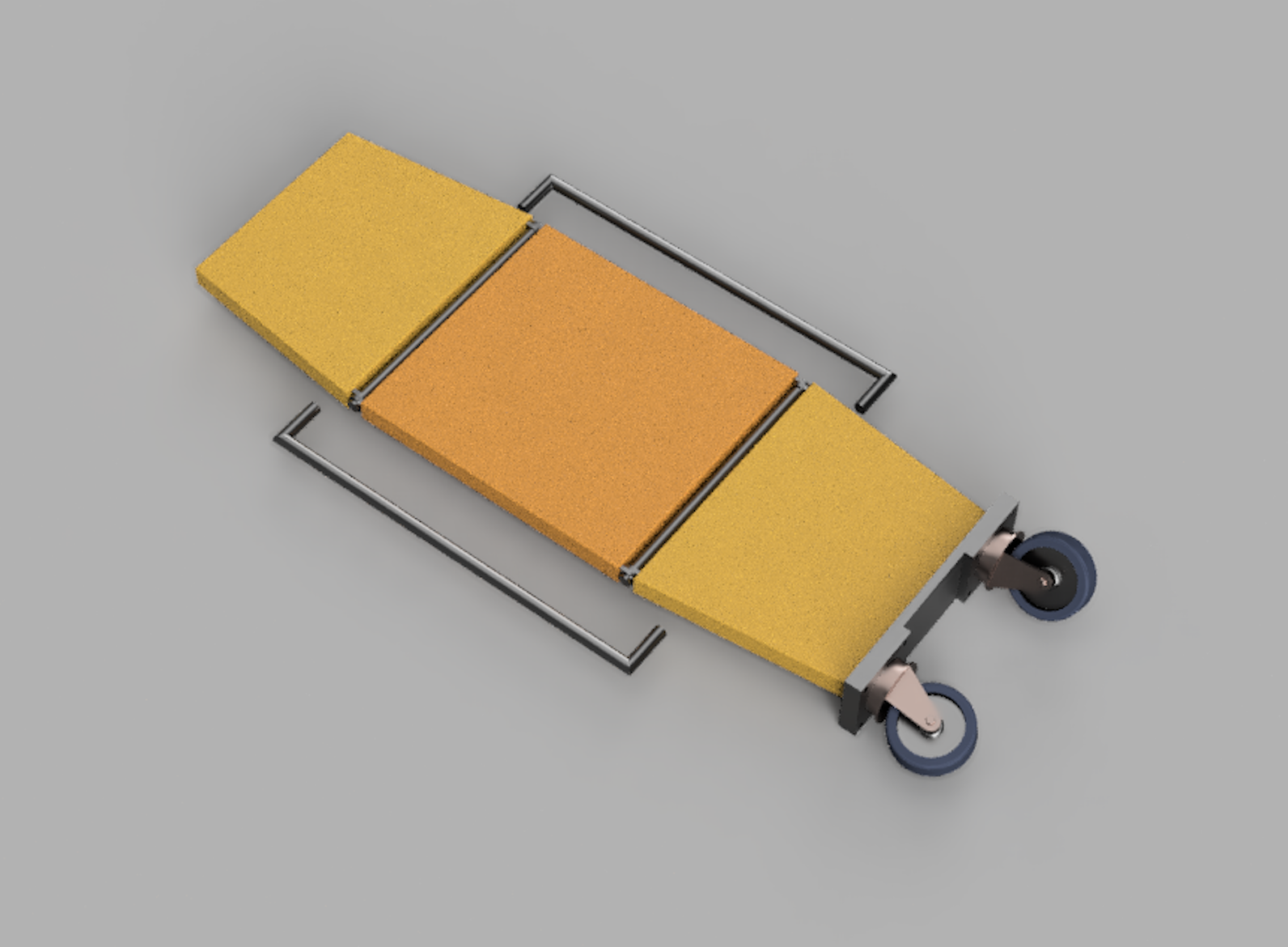
Isometric View
-
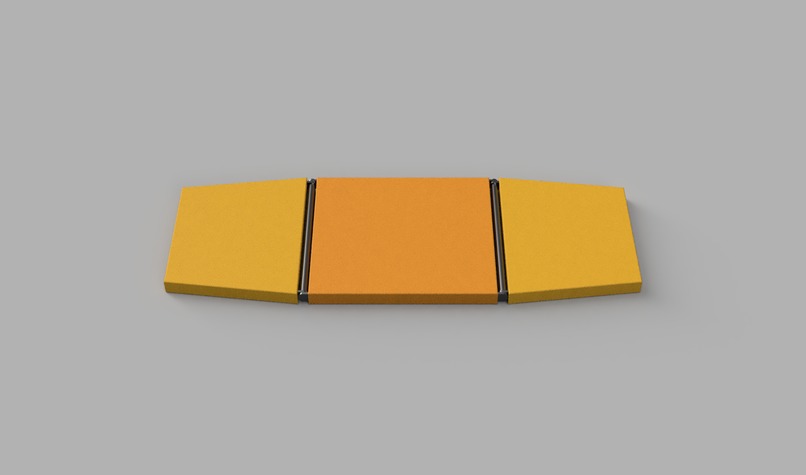
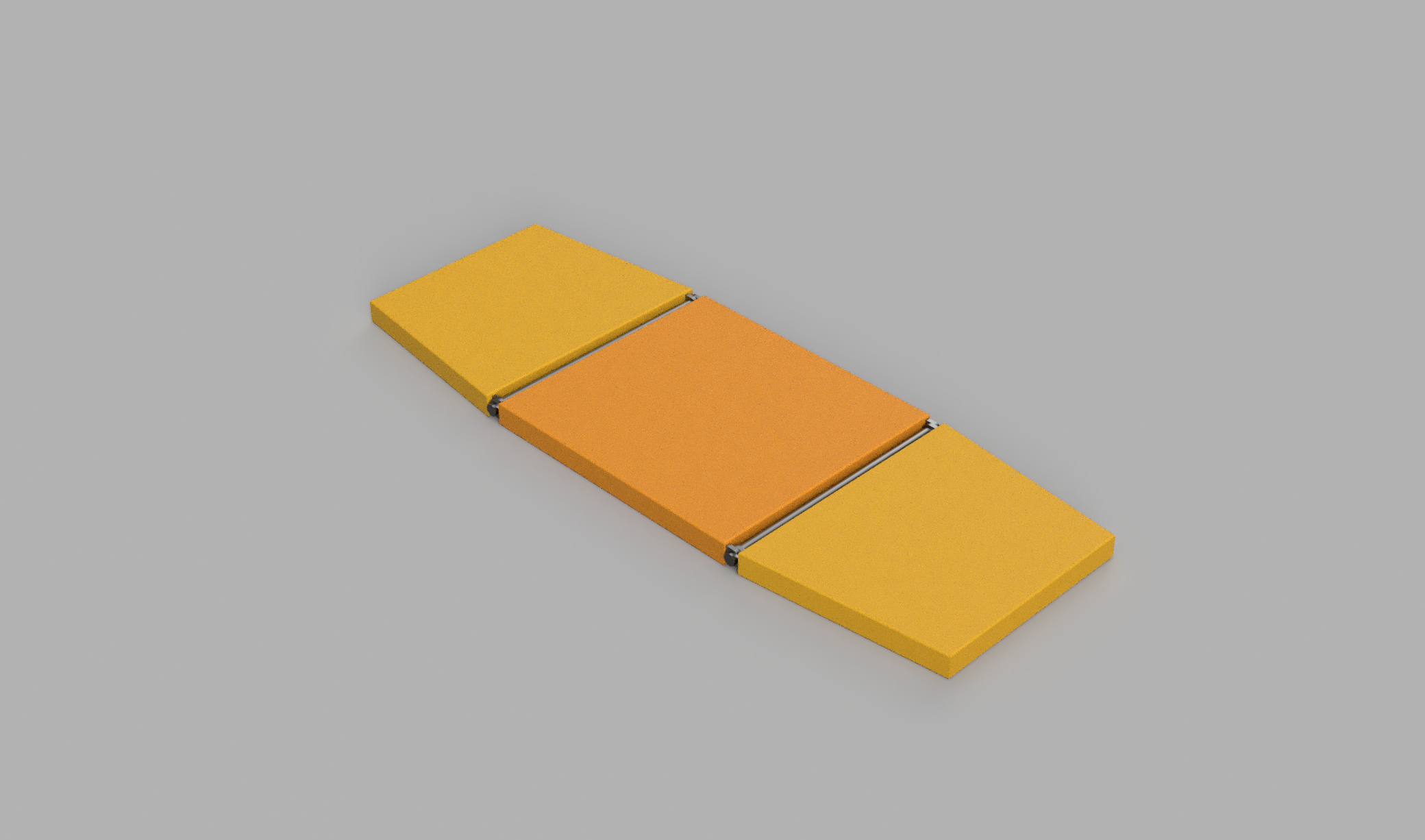
Side View
-
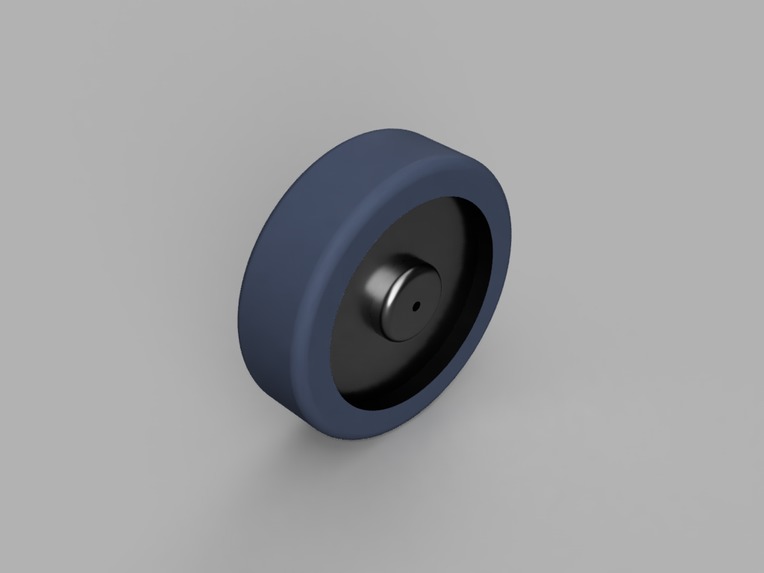
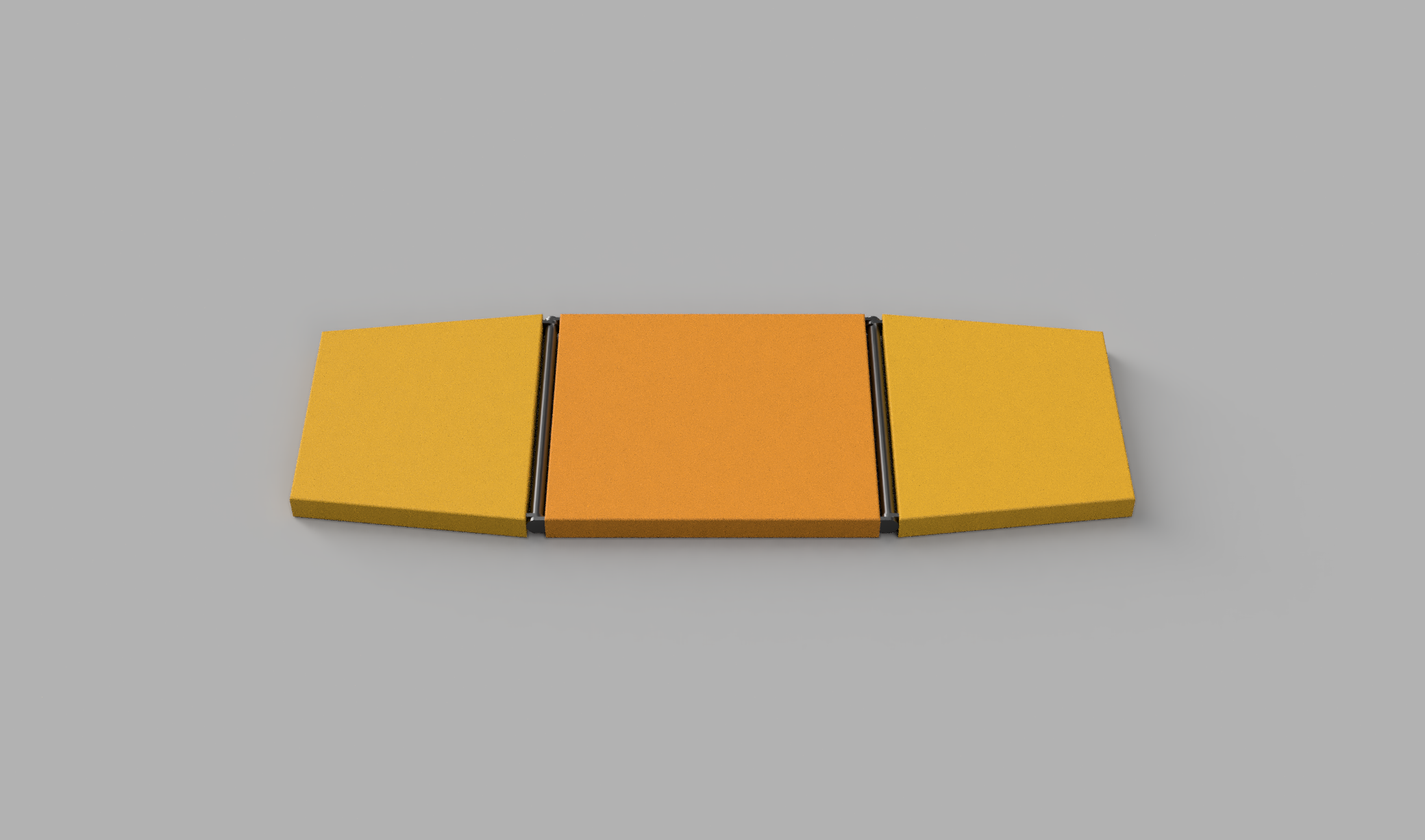
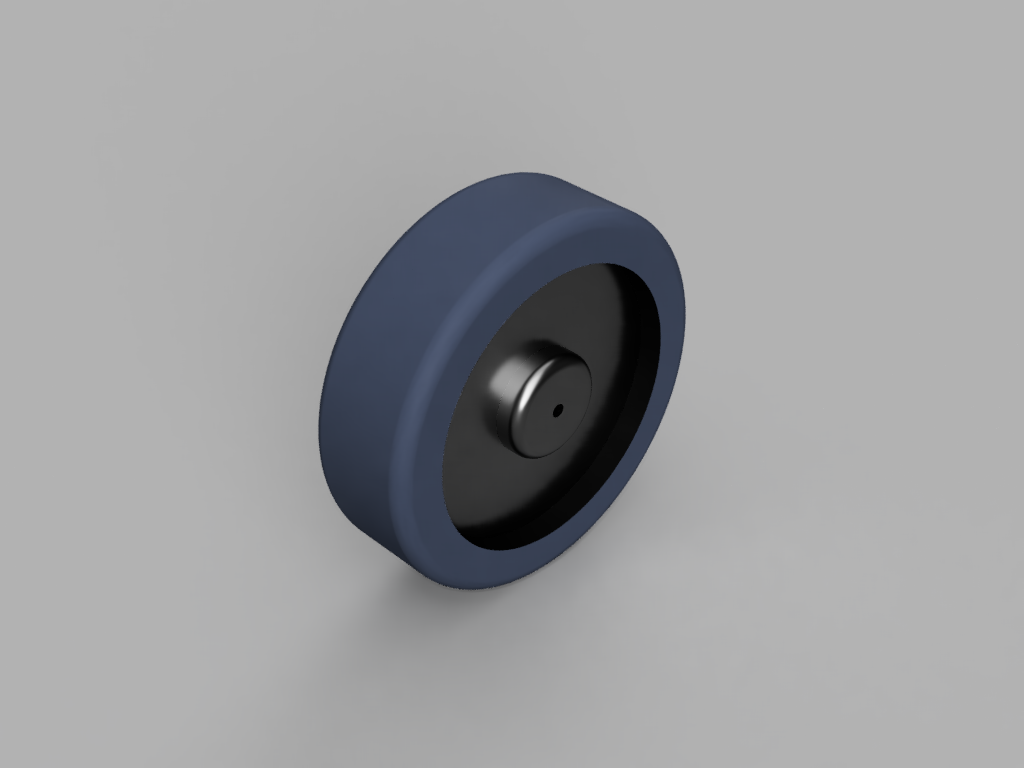
Wheel Render
-
Fact Sheet - Upright Assist
Problem Statement
First responders are often required to lift, carry and transfer patients or victims in life-threatening situations. While this is an essential task, it is also a significant source of injuries among first responders. The physical demands of lifting result in high musculoskeletal injuries, including sprains, strains, and back injuries which negatively impacts the health of first responders and the effectiveness of the services they provide. According to research conducted by the National Institute for Occupational Safety and Health (NIOSH), a significant portion of injuries among EMS workers is related to lifting patients. Specifically, “body motion injuries were the leading event [...], with 90% [...] attributed to lifting, carrying, or transferring a patient and/or equipment” (Reichard, Audrey A., et al.). Pre-existing devices, including the Binder Lift™ and The Simple Strap, “reduce the biomechanical loads experienced by EMS providers as they lift and move patients” (Lavender, Steven A., et al.). While the Binder Lift has proved to be one of the better solutions to this problem, it has its limitations moving the patient to an upright position. The Simple Strap does account for this limitation, but is not the most effective model since it is often uncomfortable for patients and poses challenges in configuring the device to the upright position.
What it does
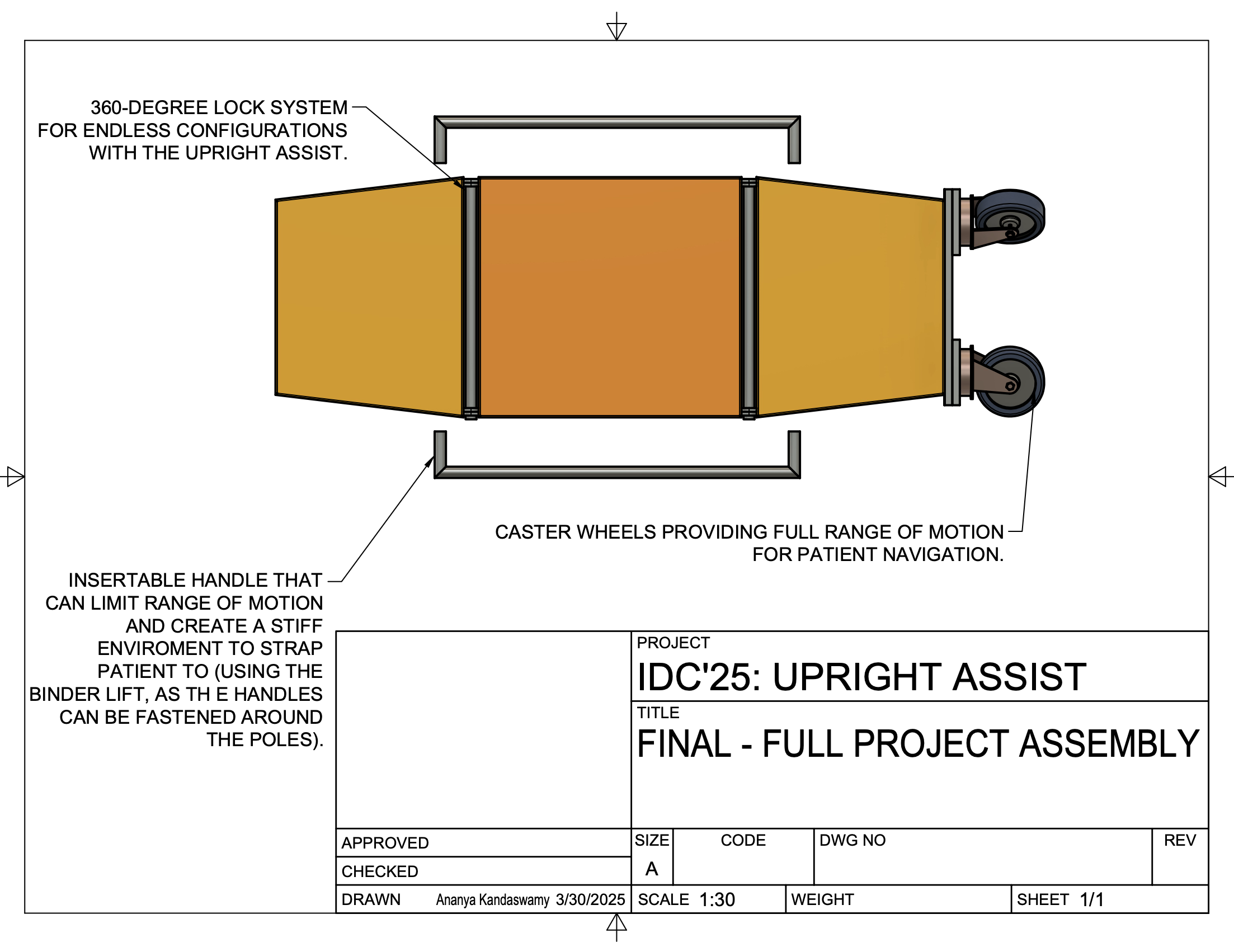
Upright Assist seeks to solve the issue of reducing the load and strain on EMS providers when lifting patients, while allowing them to move the patient into an upright position. Utilizing a joint mechanism between three base boards, the Upright Assist can be easily placed below the patient and allow the provider to move the patient into an upright position to administer treatments or shift them to seated position elsewhere. The Upright Assist is most effective when attached to the Binder Lift and it works in conjunction with this pre-existing product to ease the mechanical load on EMS providers.
Target Audience & User Needs
The target audience includes emergency medical technicians (EMTs), paramedics, firefighters as well as trainers and trainees for these professions and any safety officers who work alongside these professionals. The secondary audience includes healthcare professionals and researchers. The primary audience requires solutions that improve their safety while also not affecting the services they provide to patients. The solution needs to be a lifting solution that is portable, lightweight, and easy to use to ensure that it is actually effective. Additionally it must be durable to bear all weather conditions and the product should be safe as well, not harming both the first responder or the patients.
Technical Design Features
This product has 3 components, a base board, a headrest board that has a range of motion from 0 to 90 degrees, and a leg rest board that has a range of motion from 0 to 270 degrees. All 3 parts are connected together with joints allowing for this dynamic range of motion. Additionally, the materials are also chosen carefully to ensure this doesn’t cause extra strain on the first responder and that the product is able to bear all weather conditions. A primary component of our product that innovates the EMS experience and aids users is the added feature of mobility provided by our wheeling system. 2 caster wheels are attached to the last board, enabling EMS technicians and other first responders to essentially strap a patient with limited function to the boards and wheel them away; these wheels are made to be durable, include swivel-abilities, and function especially well in smooth, indoor surfaces, which is important as multiple EMS emergencies occur within the home or other establishments.
Read-World Feasibility
On the manufacturing side, we are using PVC Plastic for the base boards which will be manufactured using Plastic Injection Molding and steel for the joint system, manufactured using sheet metal processes and machining.
User Story
First responders will arrive at the scene of a medical emergency and the patient is laying down needing to be safely lifted and moved to an ambulance. A first responder tends to the patient while another first responder takes out the product from a compact lightweight bag. The patient is lying on their back, but will need to be transported in a slightly upright position. The first responders place the product next to the patient, lift the patient and then move the top portion up so that the stretcher is upright. First responders then are able to carry the patient to the ambulance.
Future Steps
While the idea is effective in improving the safety of first responders while they are working, the integration between this product and the already existing binder system can be proved. Additionally, more research can be done on the materials and the weight distribution these first responders face. Our next step after further developing the product would be to start manufacturing and testing the product to ensure it meets all safety requirements and begin the process of manufacturing and training first responder departments on this product.
Conclusion
We enjoyed ideating, brainstorming, collaborating, and designing our product for this CAD-athon. A few challenges we faced included improving our idea generation process and streamlining various design choices into a singular product; this event has taught us a lot about participating in competitive design environments. In the future, we would love to further develop this product and prototype iterations that may hopefully be an item of use in the EMS field.

Log in or sign up for Devpost to join the conversation.