Inspiration
Cardiovascular diseases remain one of the leading causes of preventable deaths worldwide. At the same time, wearable devices continuously collect heart rate, activity, and sleep data — yet this data is rarely transformed into real-time preventive intelligence. We were inspired to bridge this gap by building an AI-powered system that shifts healthcare from reactive treatment to proactive prevention.
What it does
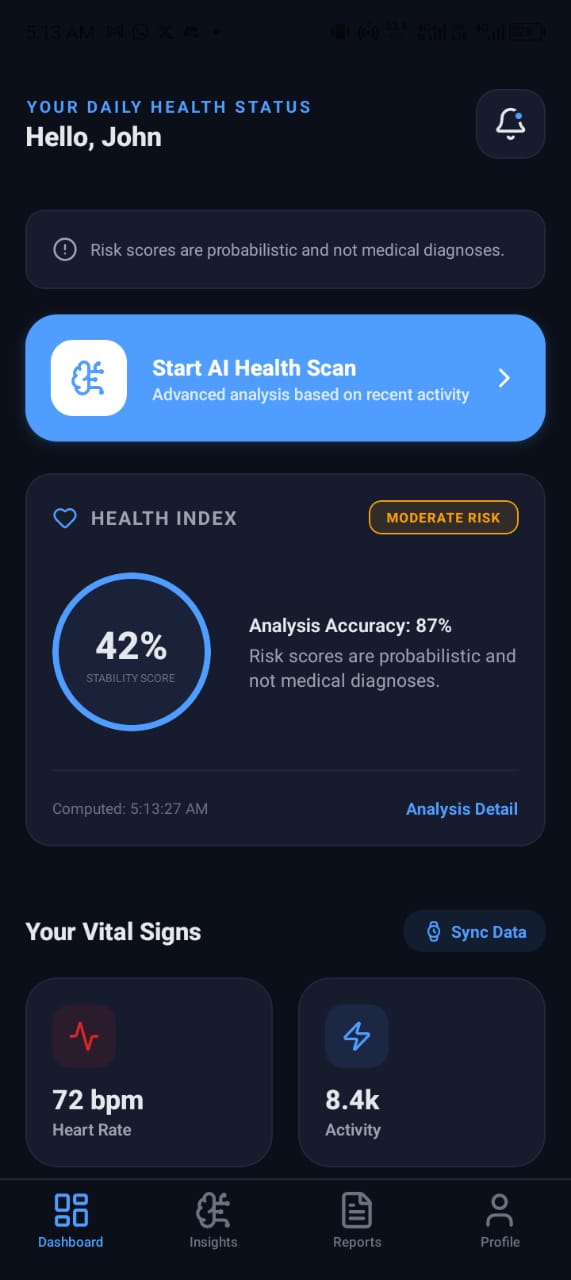
UPIP APP analyzes wearable data and manual health inputs to estimate cardiac risk probability in real time. Using trends in heart rate, blood pressure, sleep, and activity levels, the system computes a personalized risk score and provides prevention-focused recommendations. Instead of diagnosing disease, the app performs risk stratification to detect early warning patterns.
How we built it
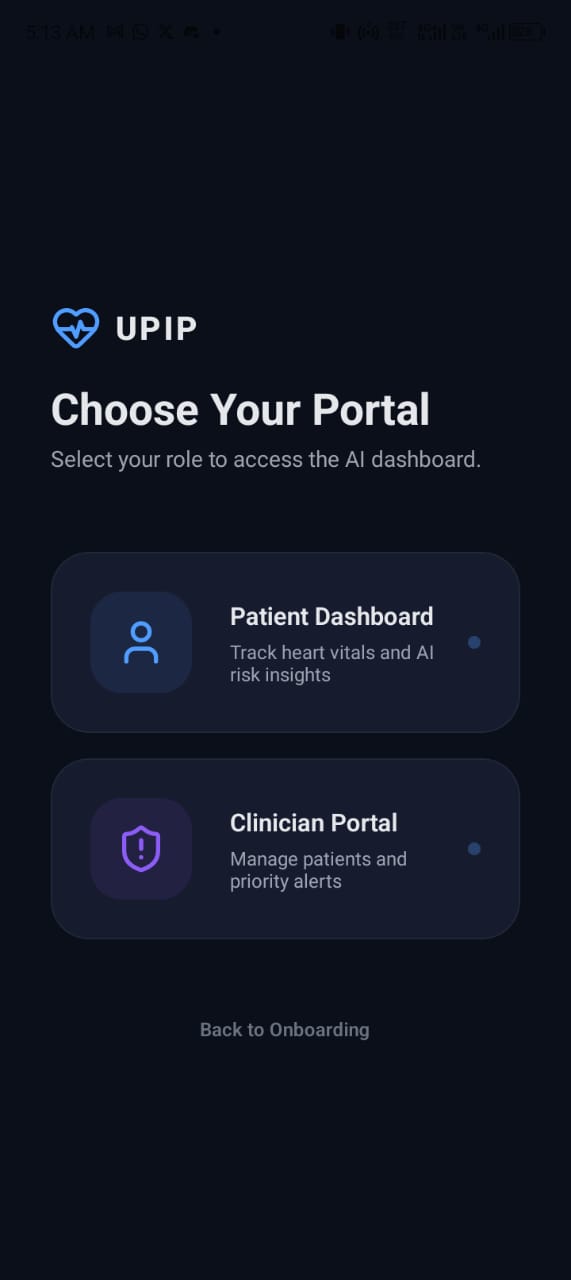
We built the mobile application using React Native (Expo) and integrated wearable data via Health Connect. The backend API processes vitals and computes cardiac risk probabilities using a weighted risk model. The system includes dashboards for users, trend visualization, and an explainable AI component that highlights top contributing risk factors.
Challenges we ran into
One major challenge was balancing innovation with medical responsibility. Wearable data alone cannot diagnose disease, so we focused on risk estimation instead of diagnosis. We also faced integration constraints with Health Connect permissions and had to carefully manage scope within limited development time.
Accomplishments that we're proud of
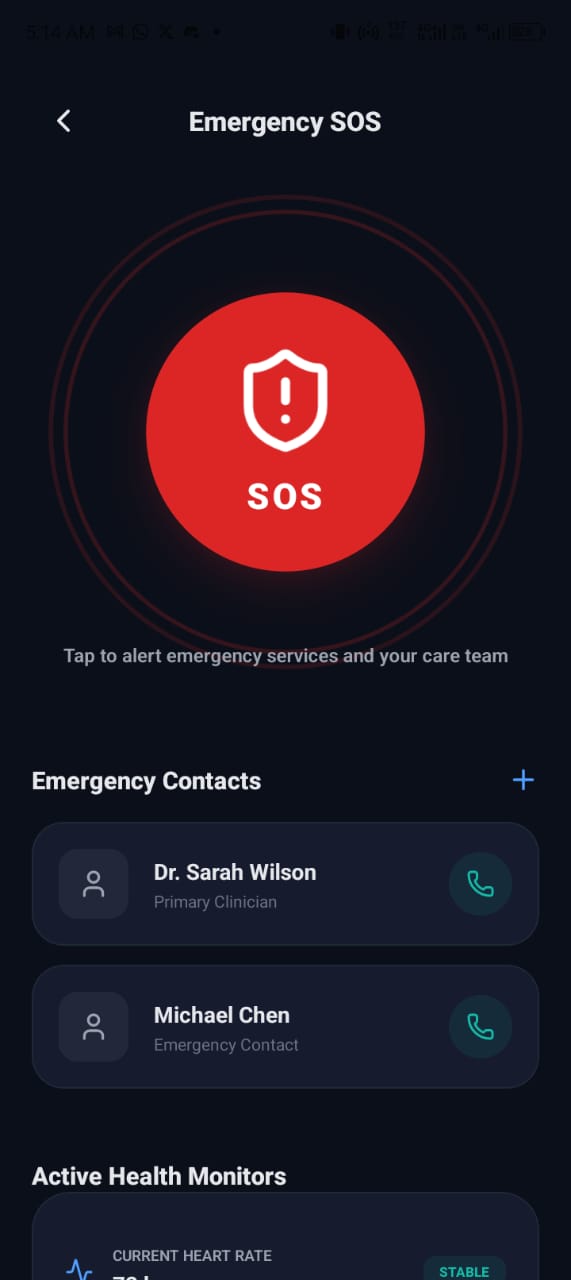
We successfully built a working AI-driven prevention system that combines wearable data, risk modeling, and explainable insights in a clean, professional interface. We are especially proud of shifting the focus from emergency detection to early prevention and delivering a scalable architecture.
What we learned
We learned that prevention requires continuous trend analysis rather than single-point measurements. We also learned the importance of explainable AI in healthcare and the need to communicate risk clearly and responsibly to users.
What's next for UPIP APP
Next, we plan to enhance the AI model using real clinical datasets, integrate with hospital EHR systems, and develop population-level analytics for healthcare providers. Our long-term goal is to make AI-driven prevention accessible at scale.
Built With
- claude
- expo.io
- laravel
- mysql
- react-native
- rest

Log in or sign up for Devpost to join the conversation.