-
-
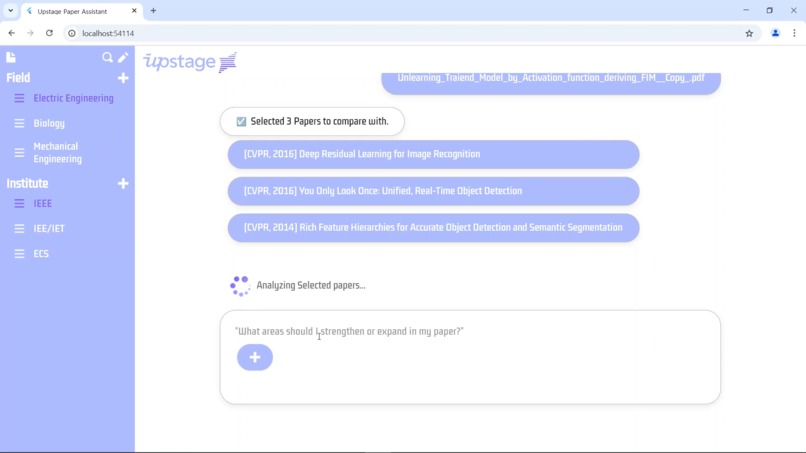
Paper Recommandation
-
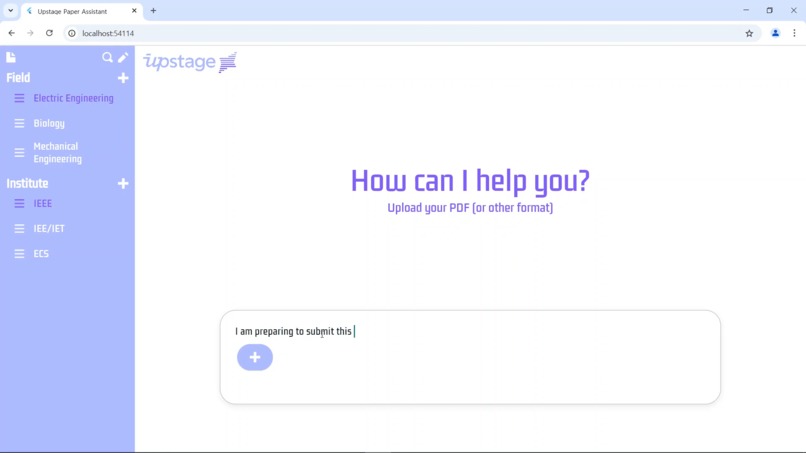
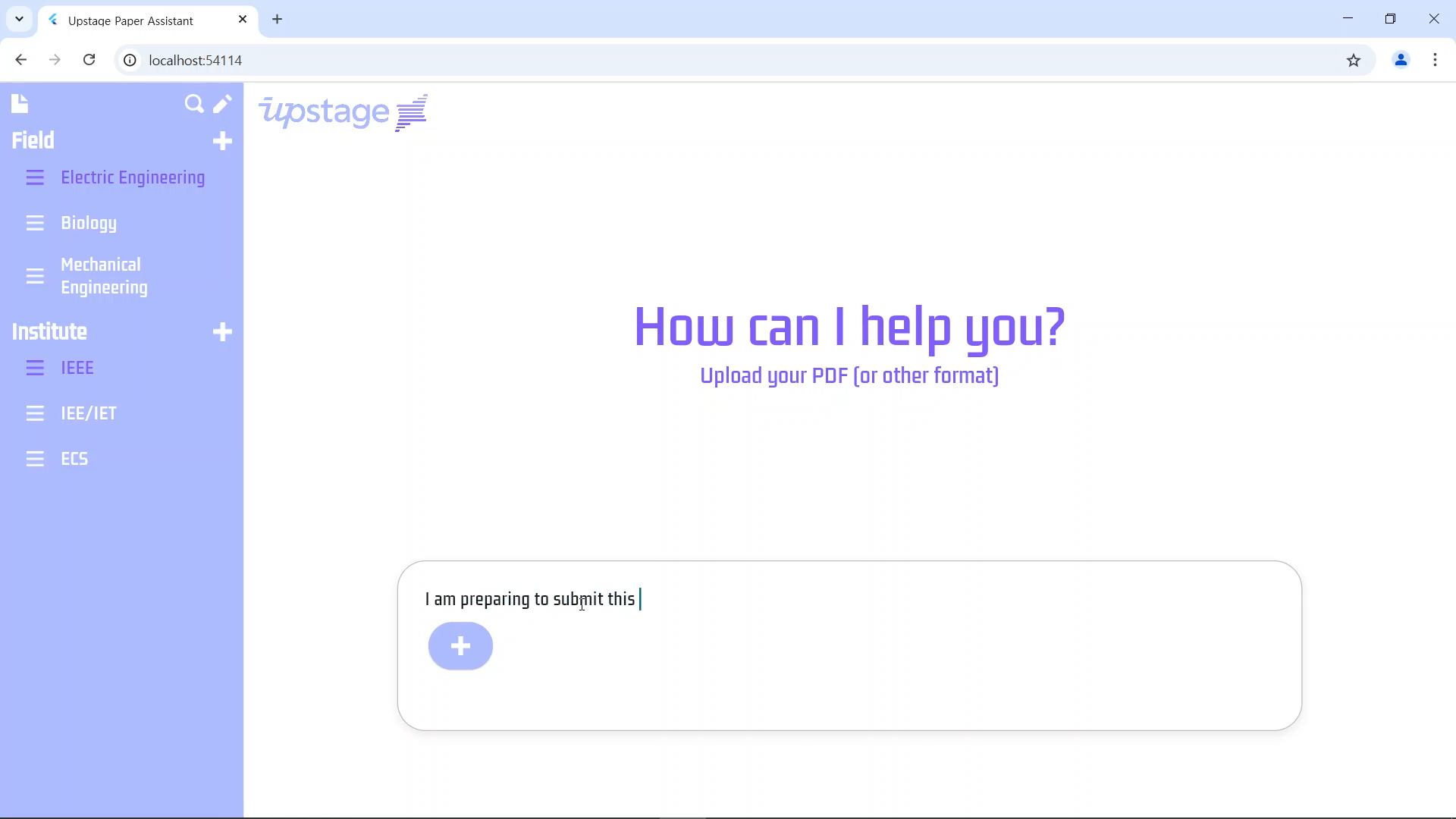
Onboarding Screen
-
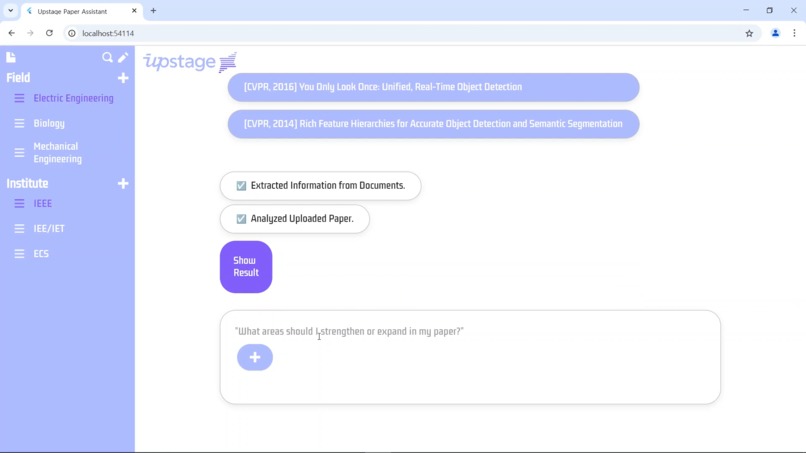
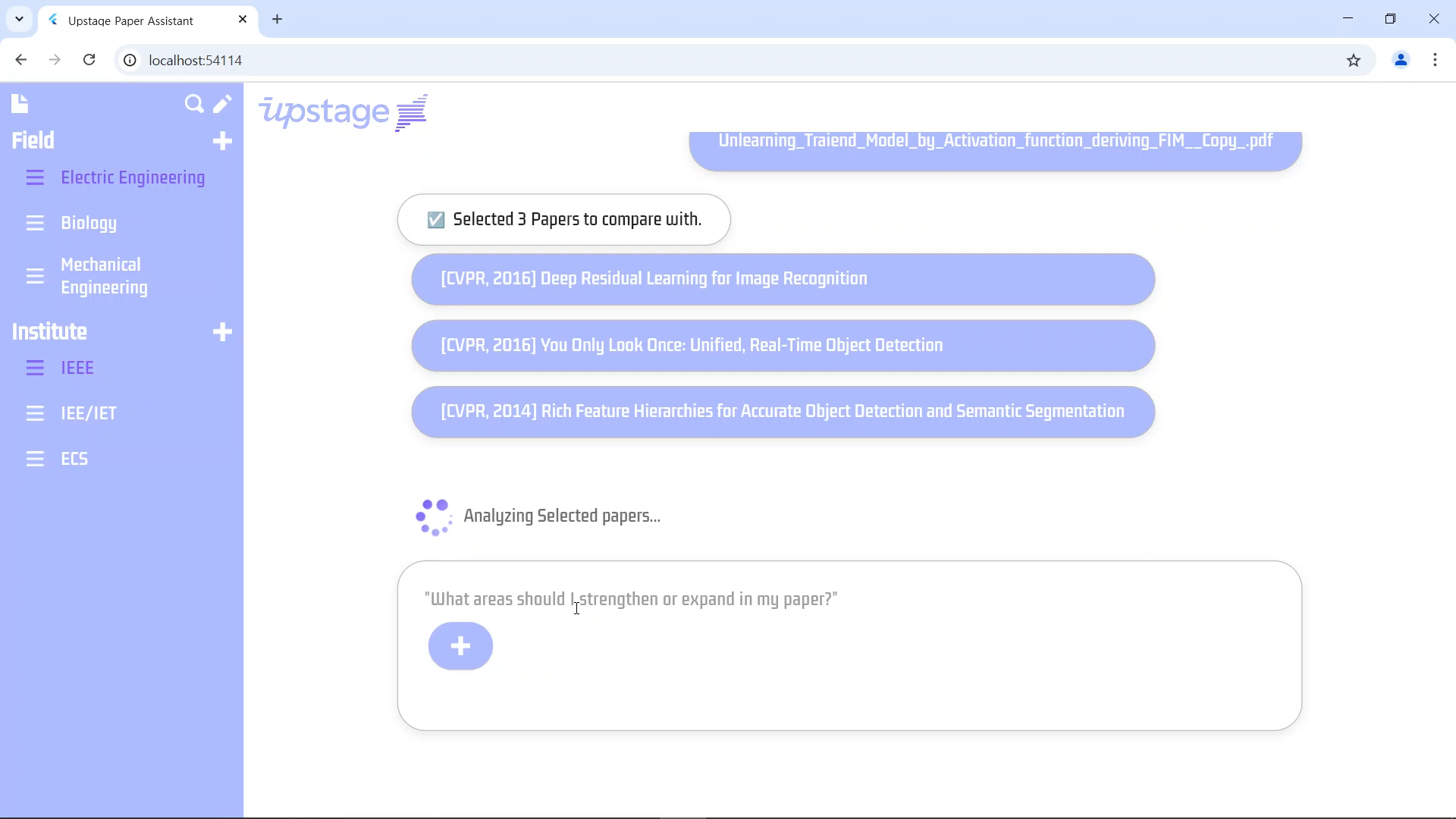
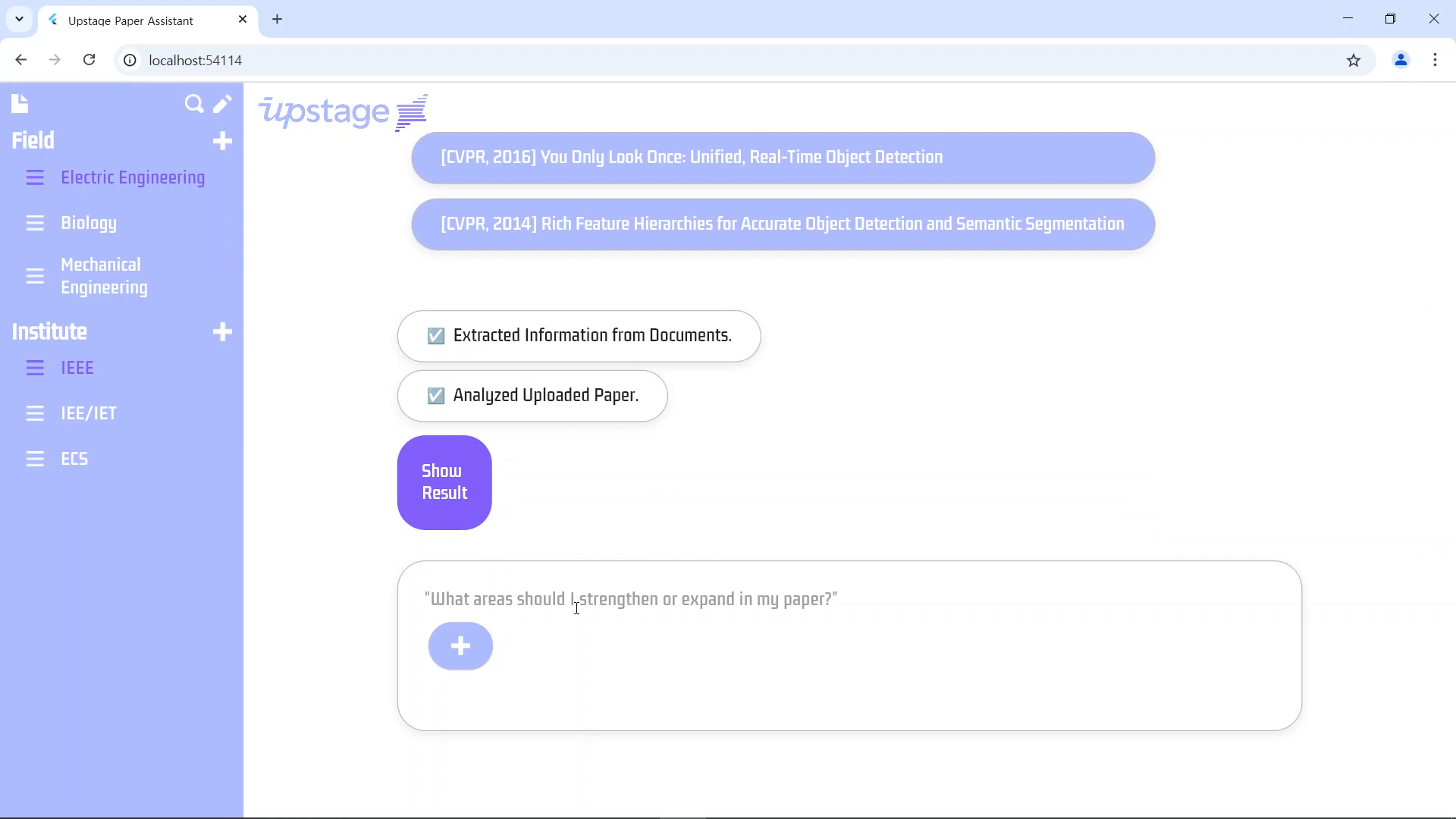
Paper Analyze
-
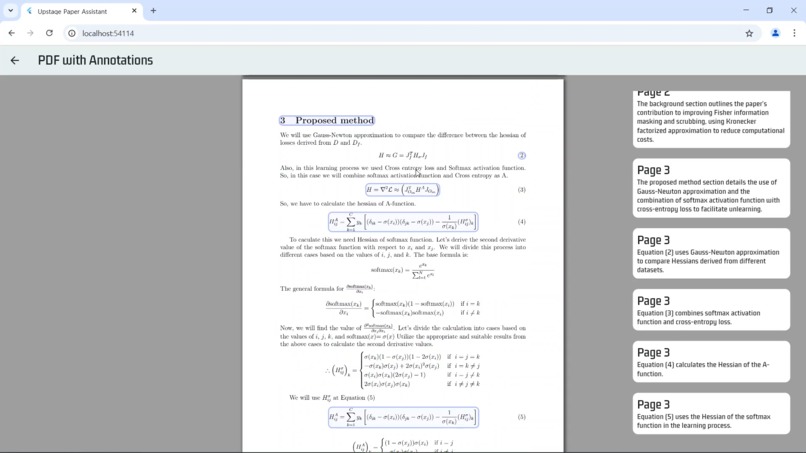
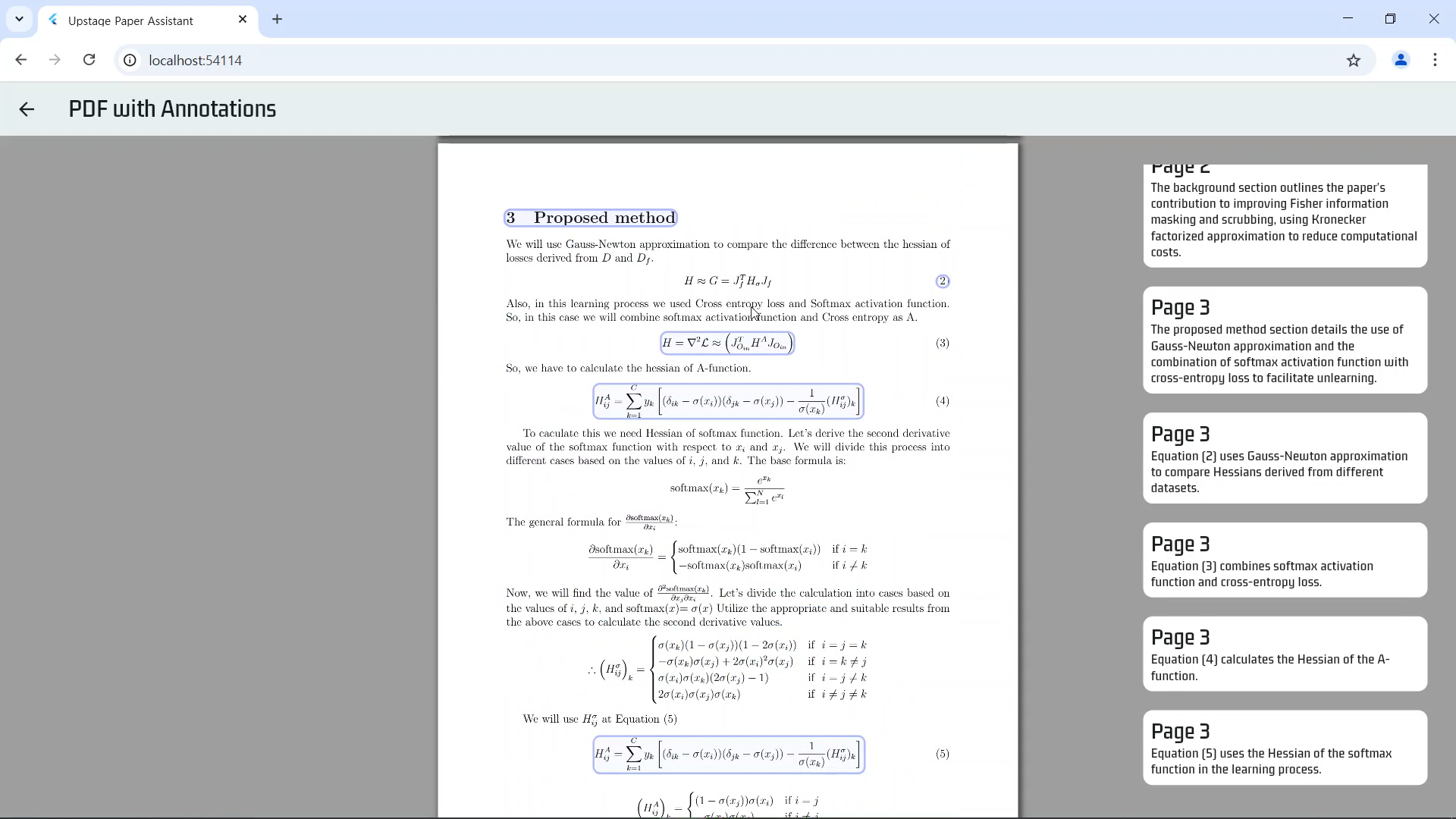
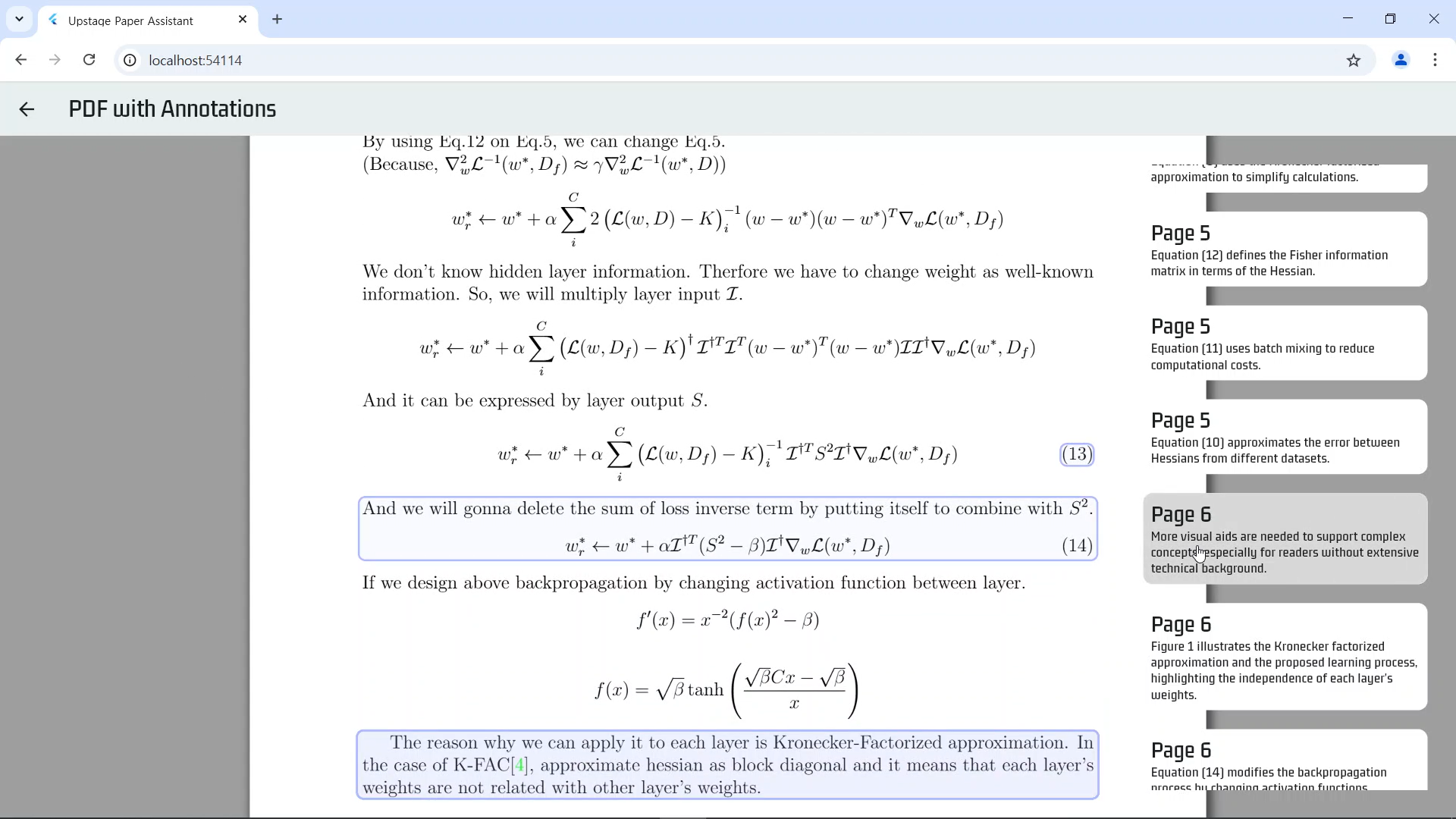
Analyzed Paper & Comments
-
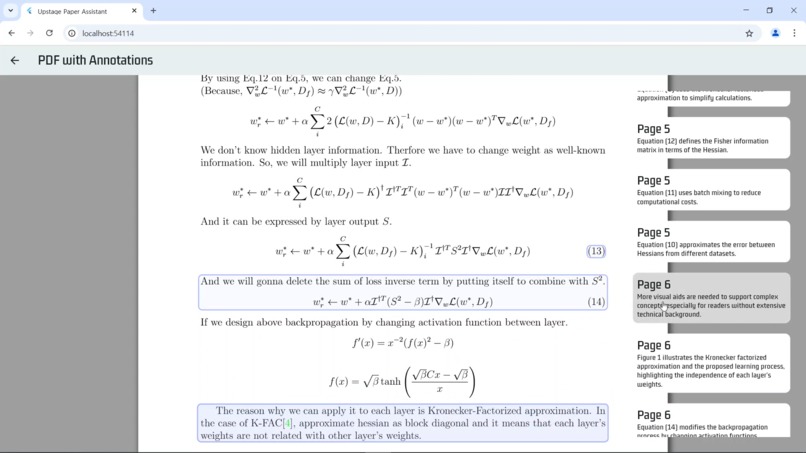
Analyzed Paper & Comments
Inspiration
-While working as a VC intern, I had to write investment review documents — a task that felt overwhelming at first. To learn how to structure them, I spent a lot of time digging through reports written by previous interns and senior analysts. This manual comparison process was time-consuming and mentally taxing, especially without consistent feedback. I realized this wasn’t just my problem — document writing often becomes a bottleneck for many newcomers in any organization. That’s when the idea for an AI-powered document assistant was born: a tool that could read, search good reference, compare, and guide, helping anyone write better documents faster.
What it does
Our tool is an AI-powered assistant that helps users improve technical documents like research papers.
Users can:
- Upload a draft PDF
- Automatically parse and analyze its structure
- Retrieve similar high-quality papers from a curated database
- Receive visual comparison and section-by-section feedback
- Chat with an AI to ask questions and request rewrites in real-time
How we built it
We developed an academic paper analysis system by integrating Upstage's AI-powered APIs with custom-built components through strategic prompt engineering. The solution combines document processing, critical analysis, and visual feedback to help researchers identify weaknesses in their papers.
Challenges we ran into
During the implementation process, we faced significant difficulties due to the limitations and inefficiencies of the provided APIs, which hindered seamless integration into our system. Despite these challenges, we adopted a synergistic approach by combining the functionalities of the available APIs. This strategy enabled us to overcome the obstacles and successfully achieve the desired results.
Accomplishments that we're proud of
We take pride in successfully integrating multiple models into a stable and cohesive system, ensuring seamless functionality across all components. Additionally, we achieved the deployment of the complete frontend interface, demonstrating our team's technical proficiency. Most importantly, the entire process—from design to development—was marked by exceptional collaboration and teamwork, which played a pivotal role in delivering high-quality results.
What we learned
- Real-world document writing is a complex, frustrating task for many
- Even simple AI integrations (retrieval + structured feedback) can greatly improve productivity
- Public datasets (e.g., IEEE papers) are powerful starting points for prototyping assistive tools
- Surveys and user feedback early in the process shape more impactful features
What's next for upDocs
building a general-purpose writing assistant that scales across all documentation tasks.

Log in or sign up for Devpost to join the conversation.