-
-
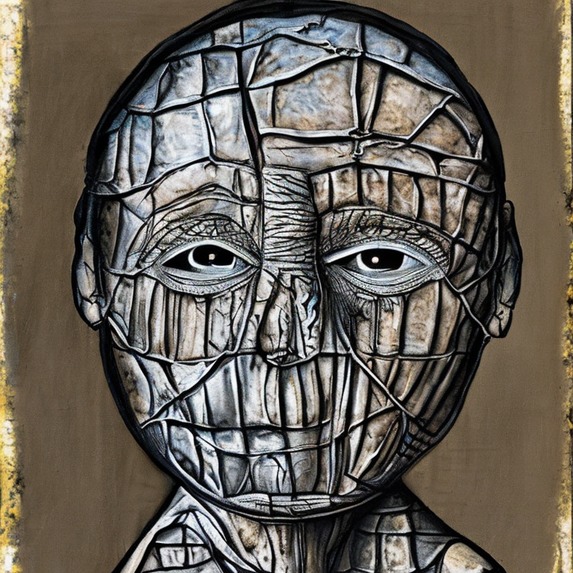
Hopelessness, Confusion, Self-Doubt, Overwhelm, Desperation, Inner Turmoil, Isolation, Existential Angst, Anguish.
-
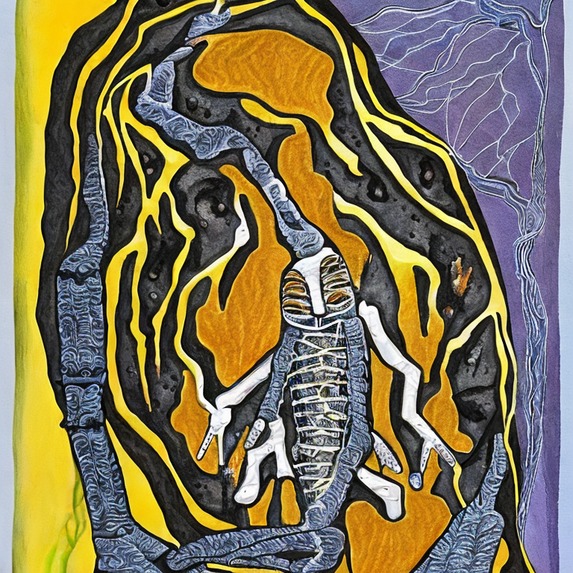
Hopelessness, Confusion, Self-Doubt, Overwhelm, Desperation, Inner Turmoil, Isolation, Existential Angst, Anguish.
-
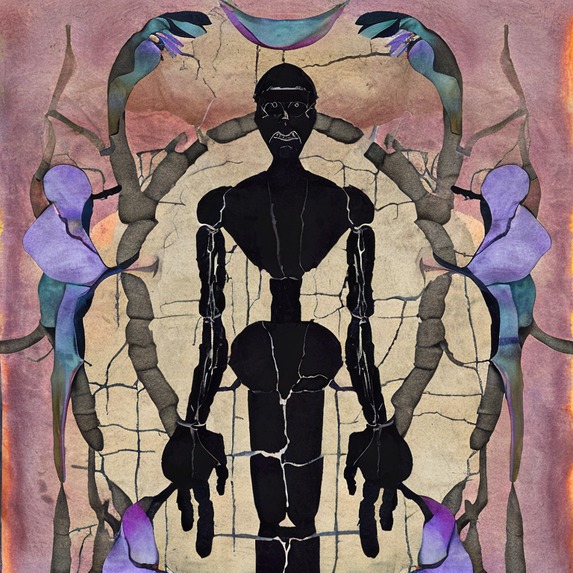
Hopelessness, Confusion, Self-Doubt, Overwhelm, Desperation, Inner Turmoil, Isolation, Existential Angst, Anguish.
-
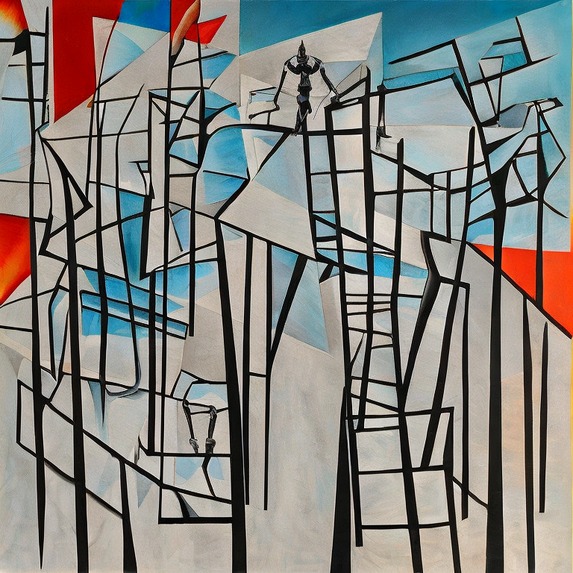
Fear, Betrayal, Pain, Isolation, Anxiety, Sadness, Resignation, Hopelessness
-
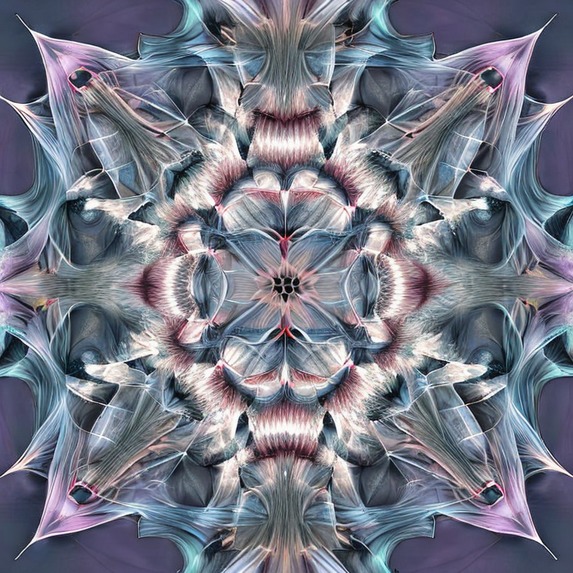
Fear, Betrayal, Pain, Isolation, Anxiety, Sadness, Resignation, Hopelessness
-
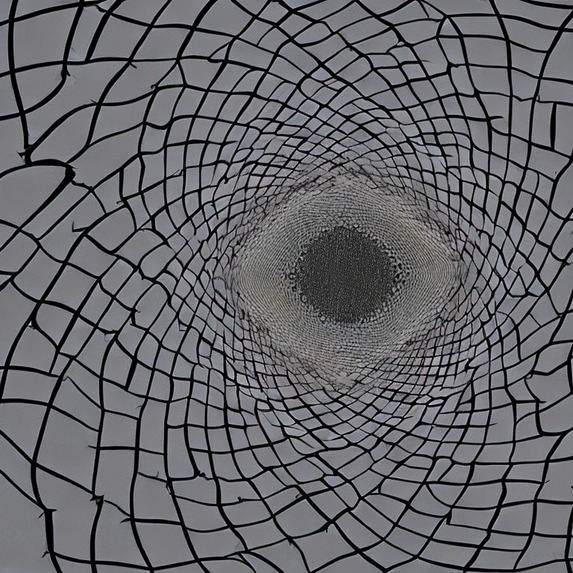
Fear, Betrayal, Pain, Isolation, Anxiety, Sadness, Resignation, Hopelessness
-
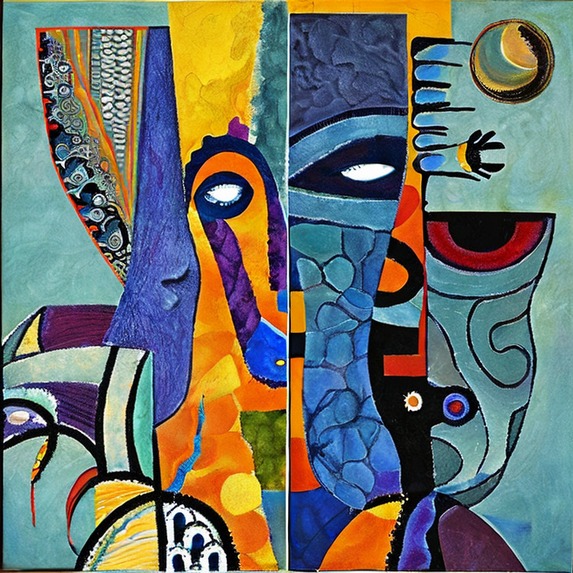
Disconnection, Sadness, Emptiness, Confusion, Weight, Isolation, Hopelessness
-
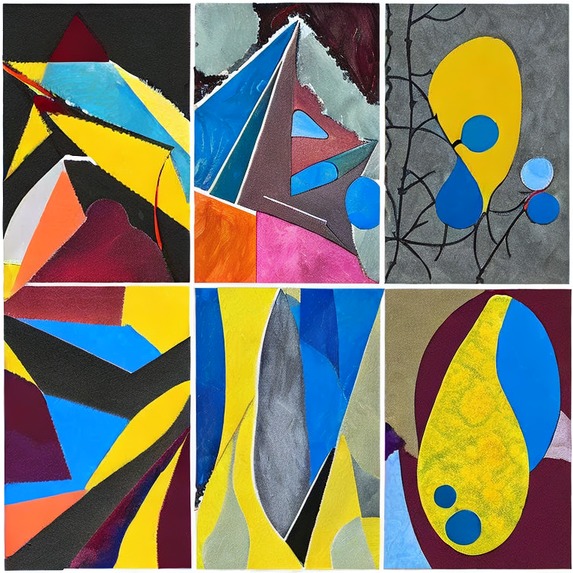
Disconnection, Sadness, Emptiness, Confusion, Weight, Isolation, Hopelessness
-
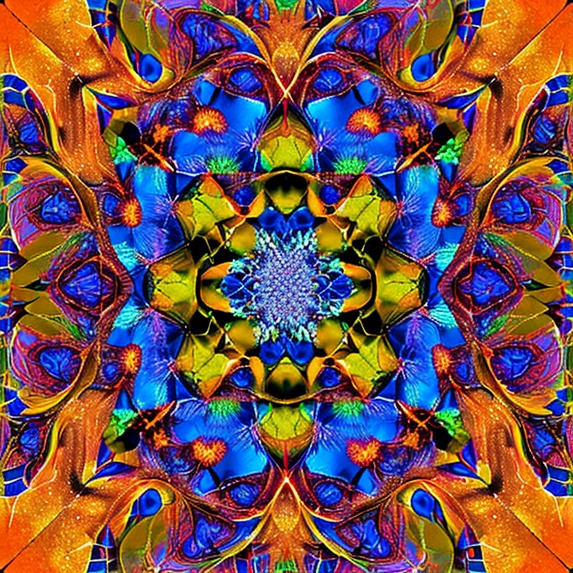
Disconnection, Sadness, Emptiness, Confusion, Weight, Isolation, Hopelessness
-
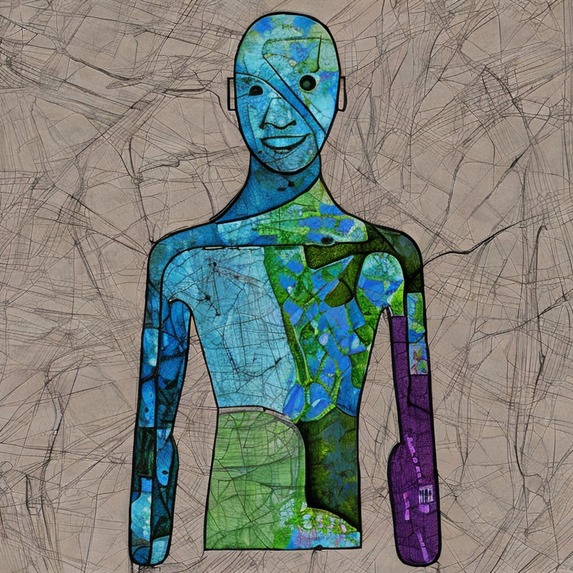
Disconnection, Sadness, Emptiness, Confusion, Weight, Isolation, Hopelessness
-
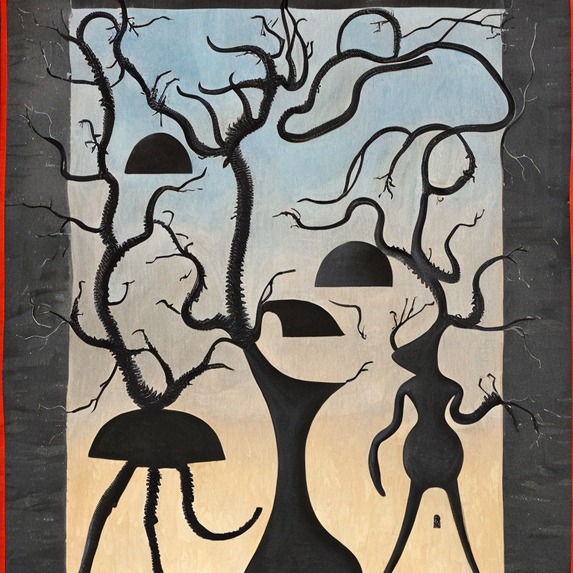
Blindness
-
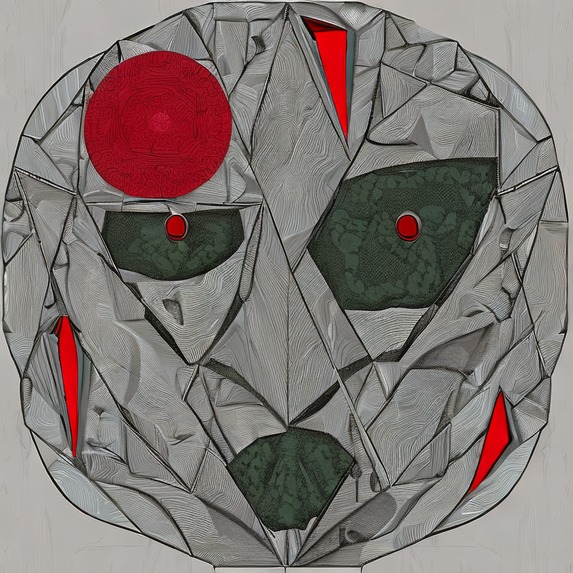
Grief
-
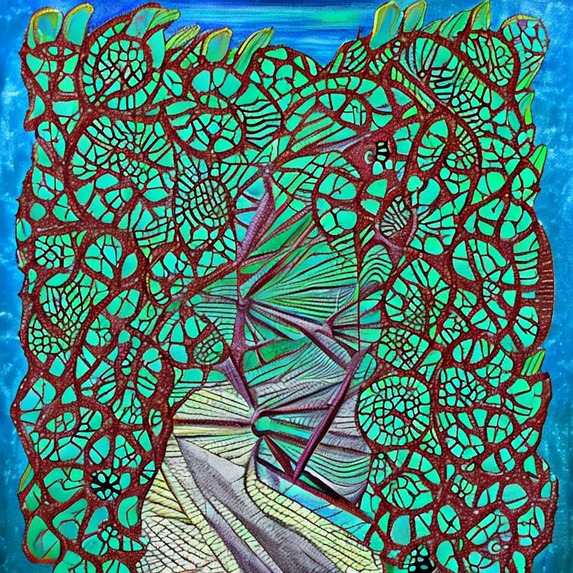
Diabetes
-
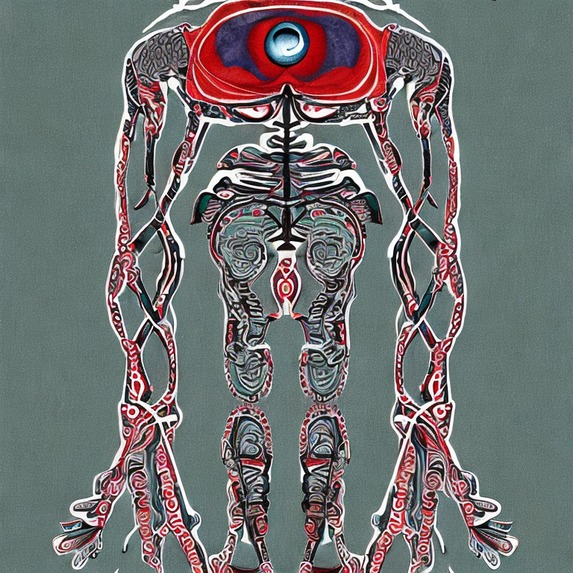
Grief
-
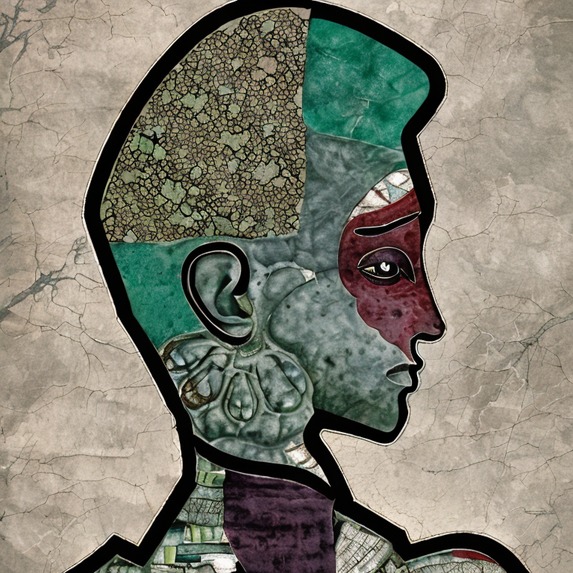
Parkinson's
-
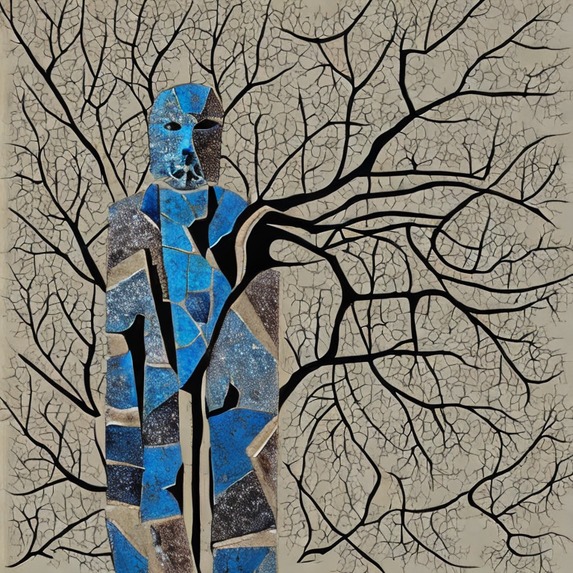
Depression
-
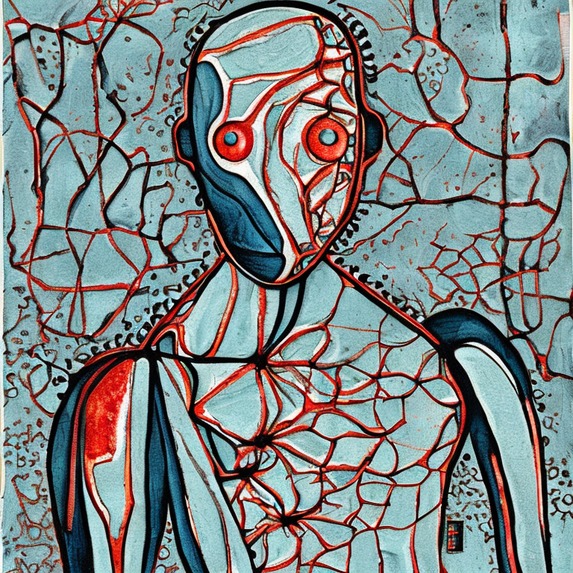
Anxiety
-
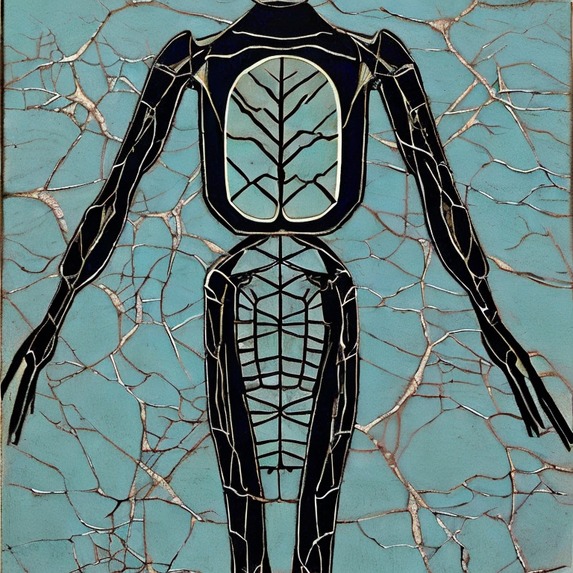
Nihilism
-
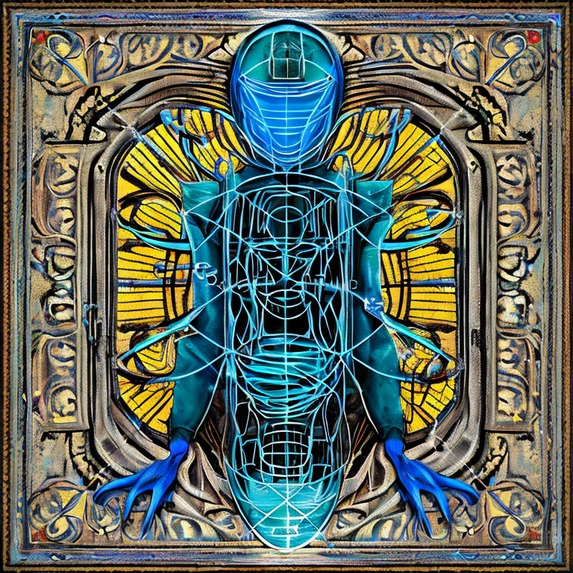
Paralysis
-
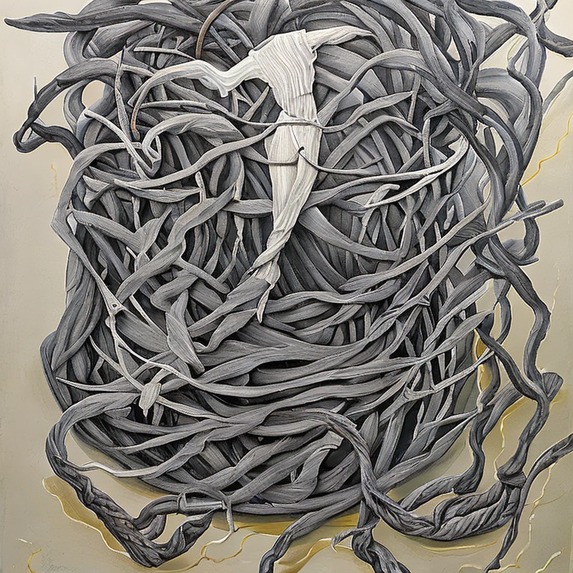
Cancer
Inspiration
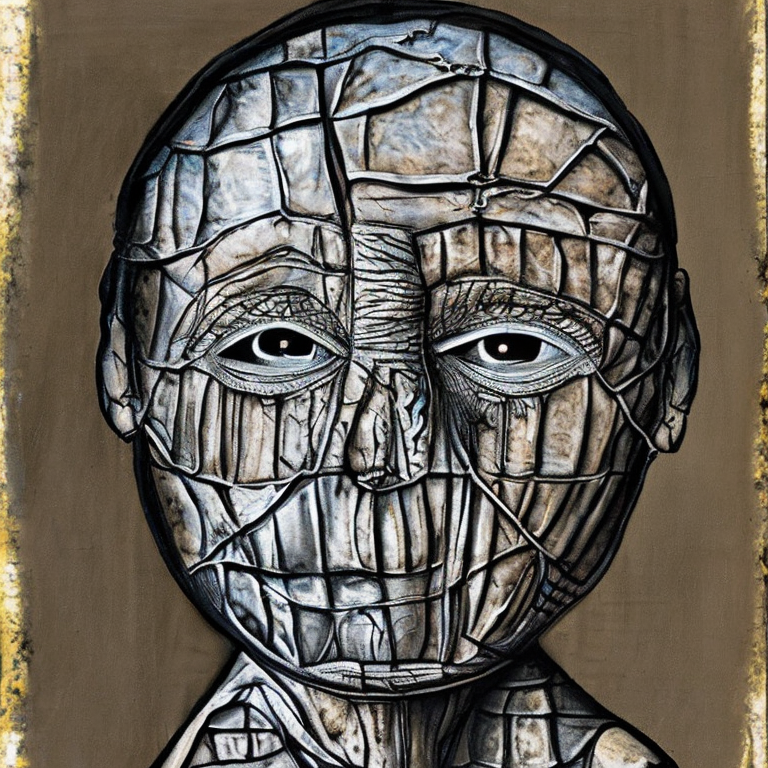
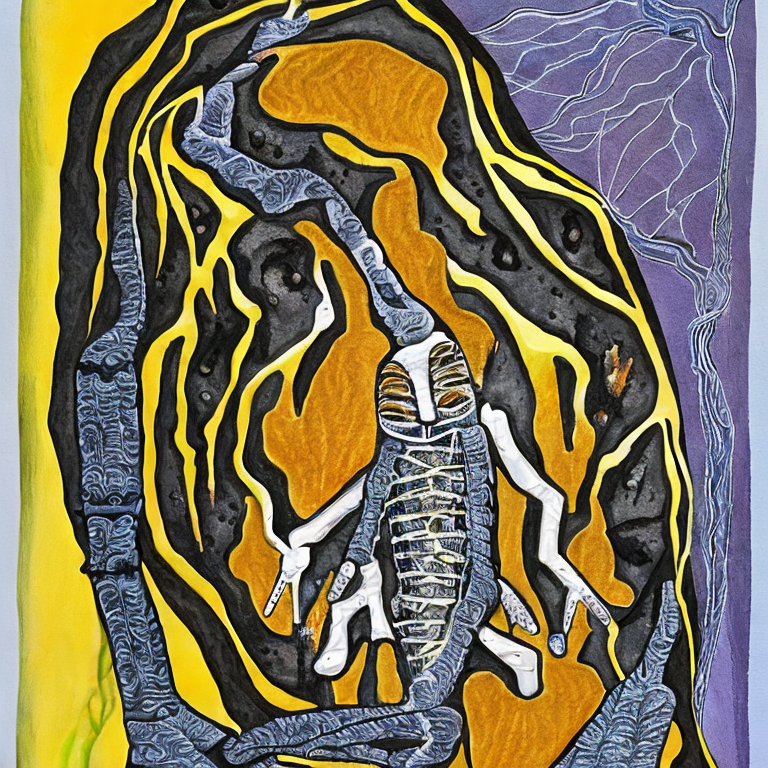
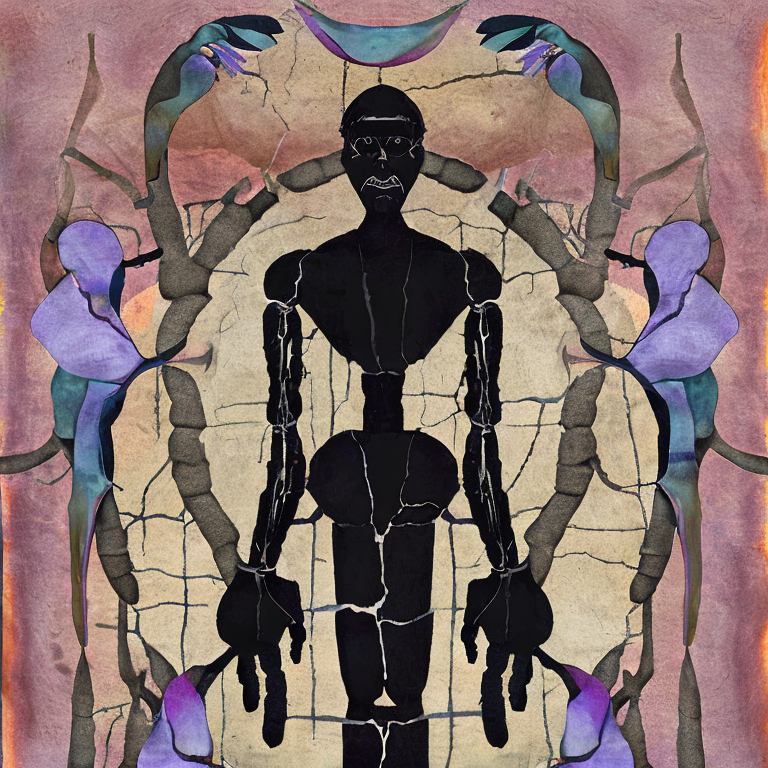
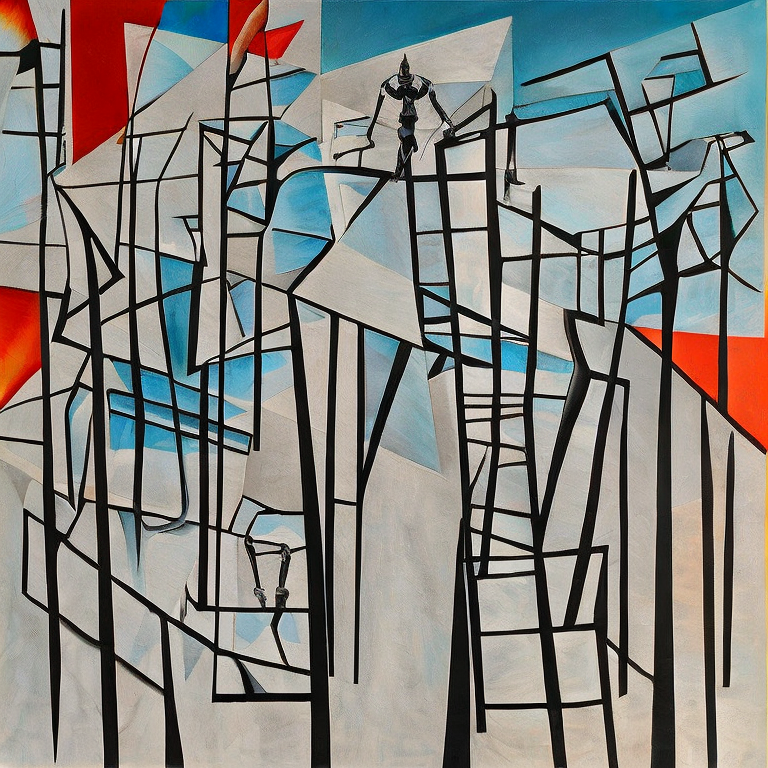
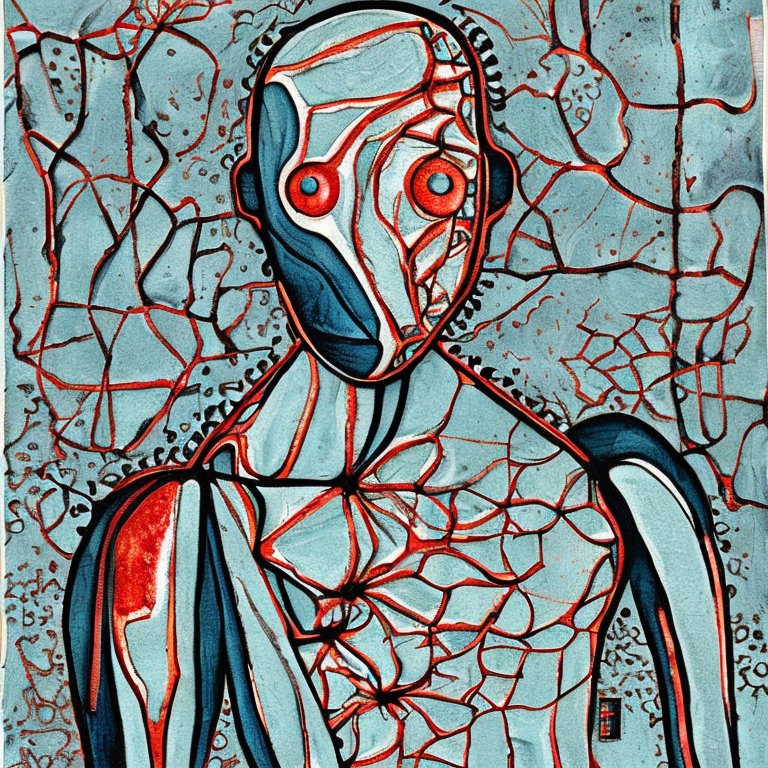
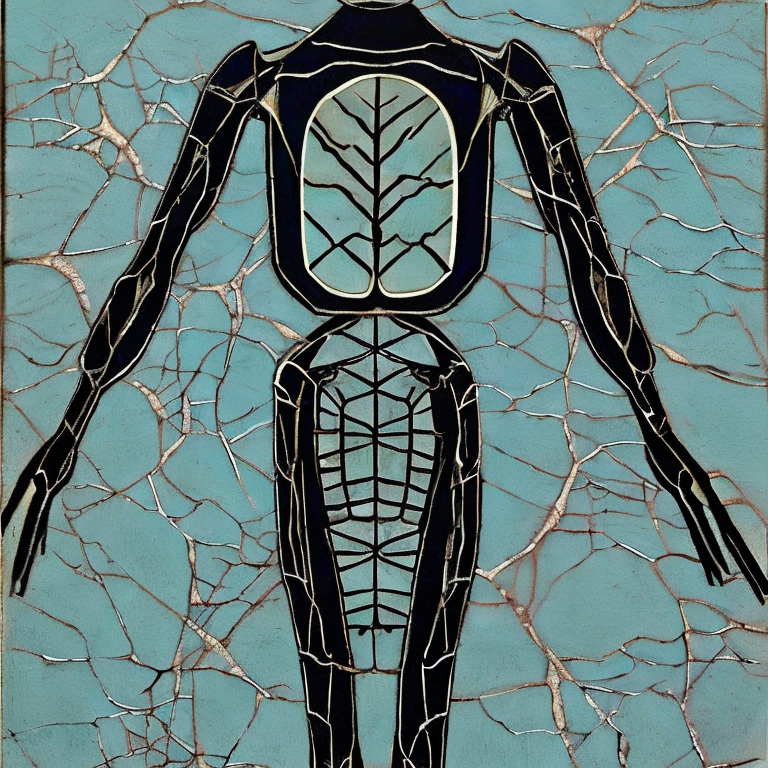
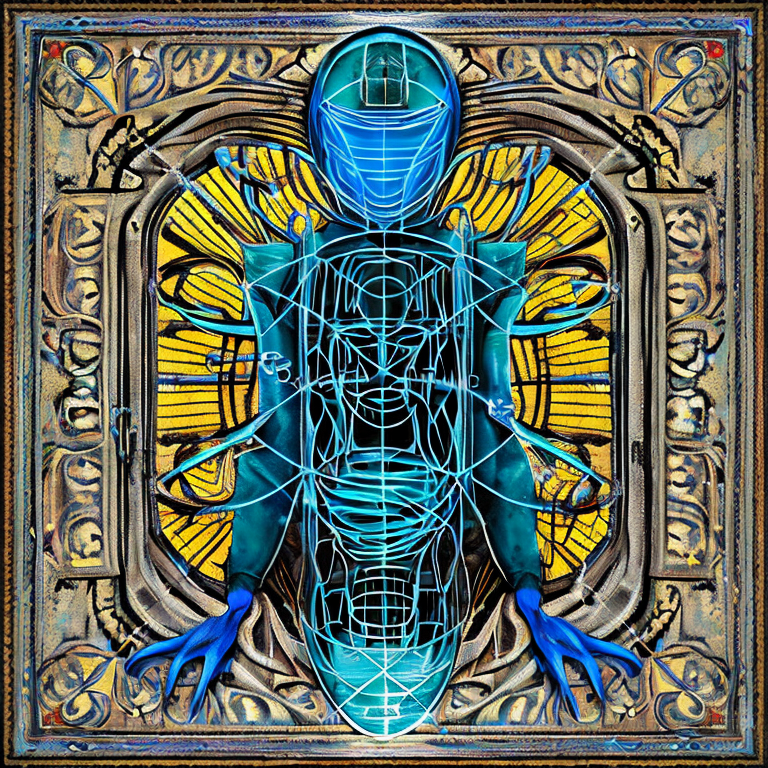
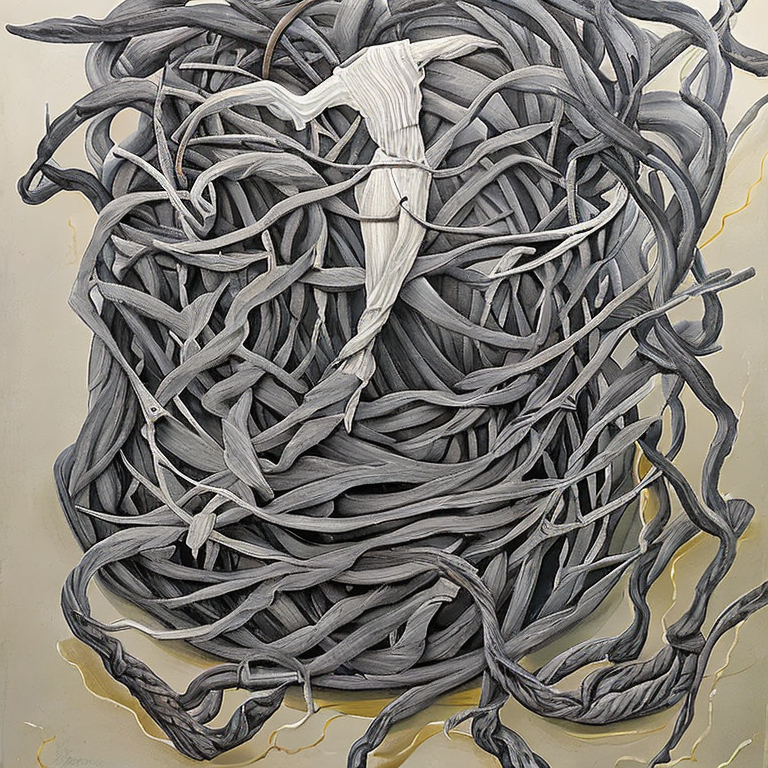
We were inspired by a simple but painful reality: millions of people live with physical or mental conditions they struggle to express — not because they don't want to, but because their experiences go far beyond words. We've all felt things we didn't know how to explain, and many patients face this every day, even in clinical settings. Unspoken Portraits was born from that silence — the desire to give those emotions a visual voice.
What it does
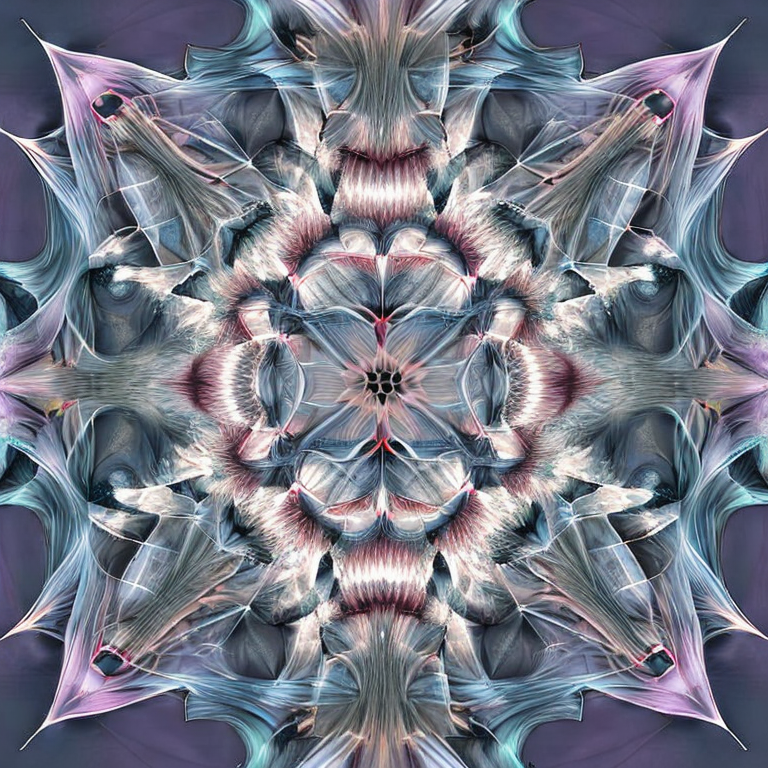
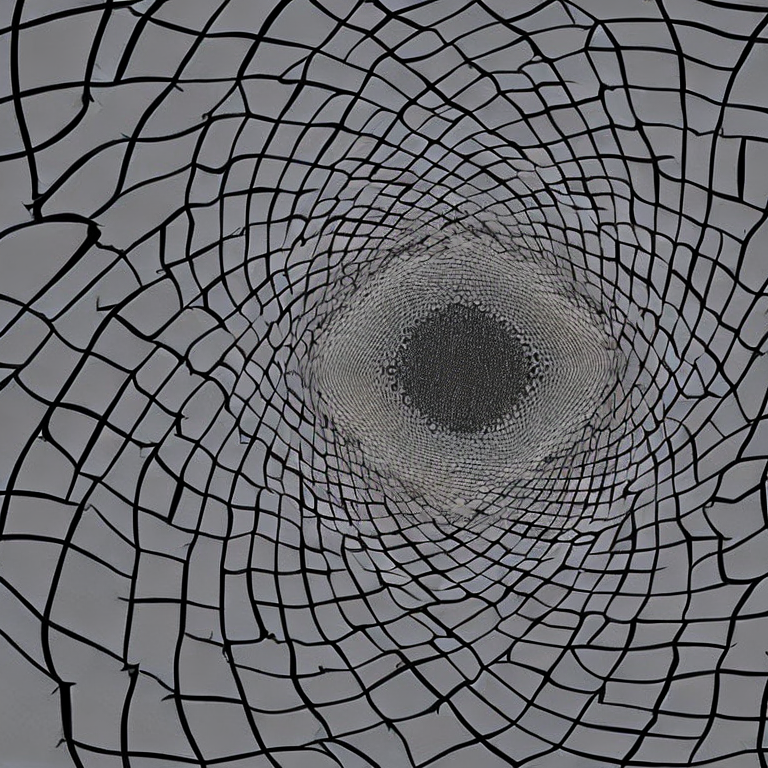
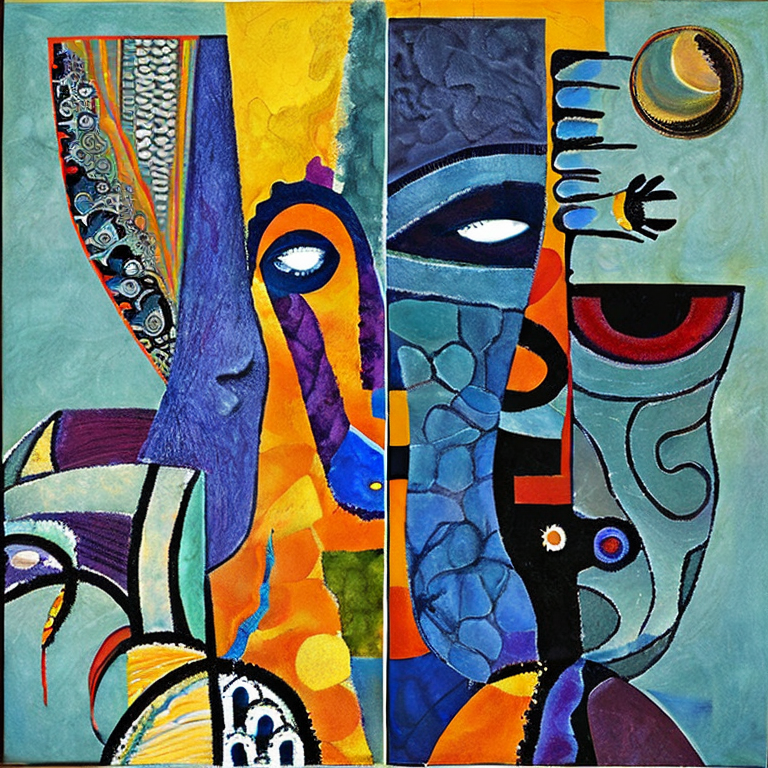
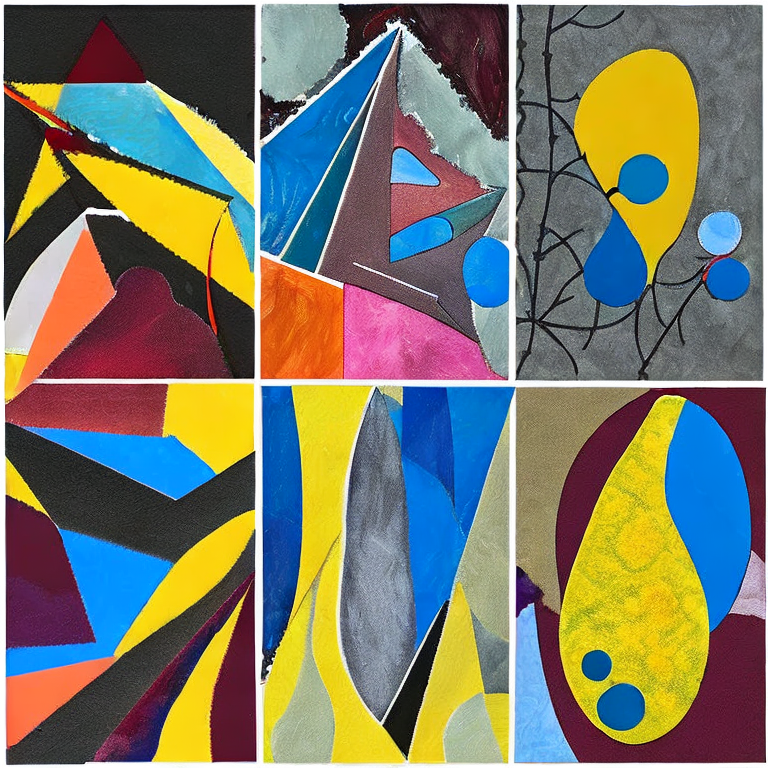
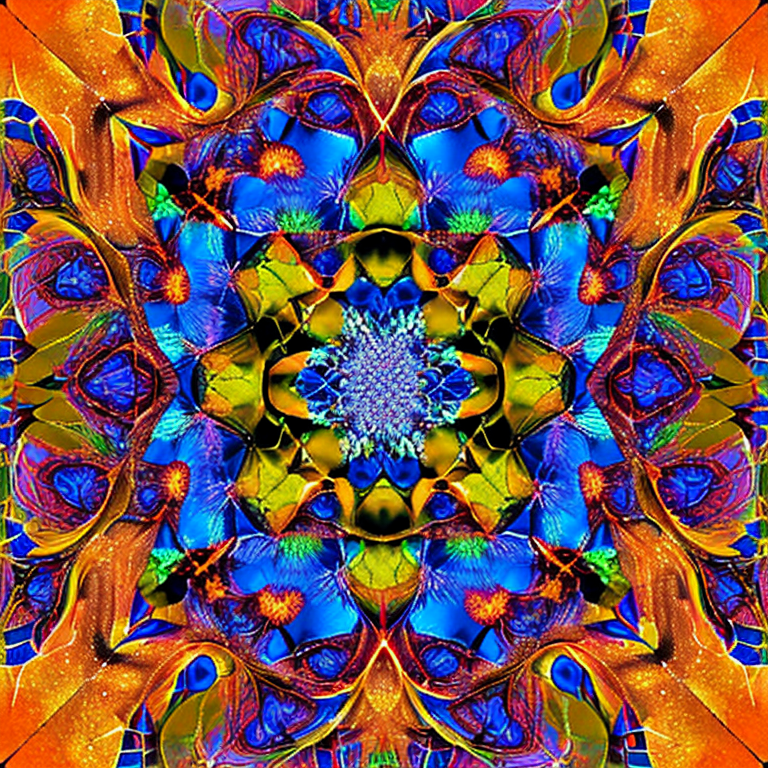
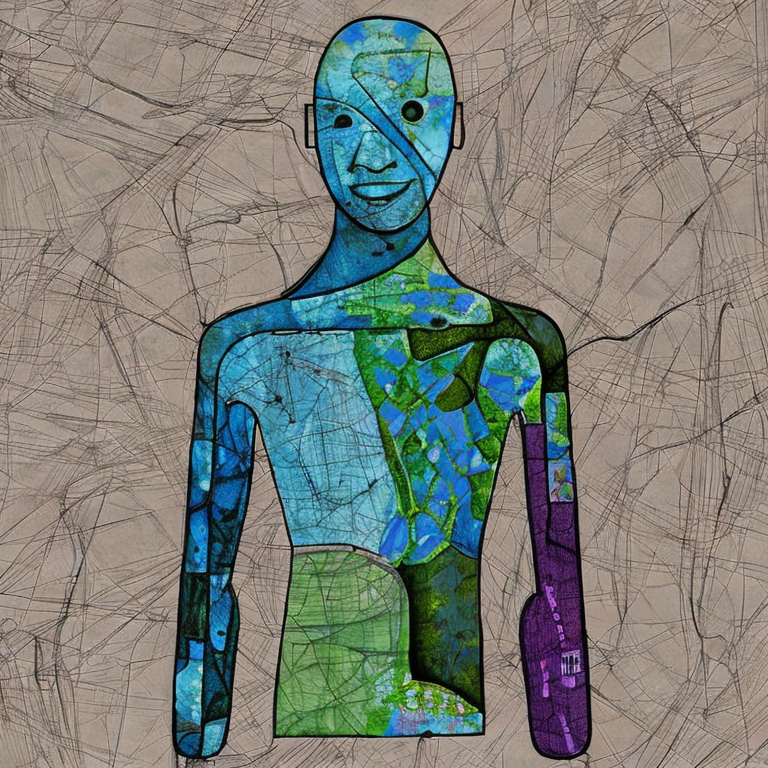
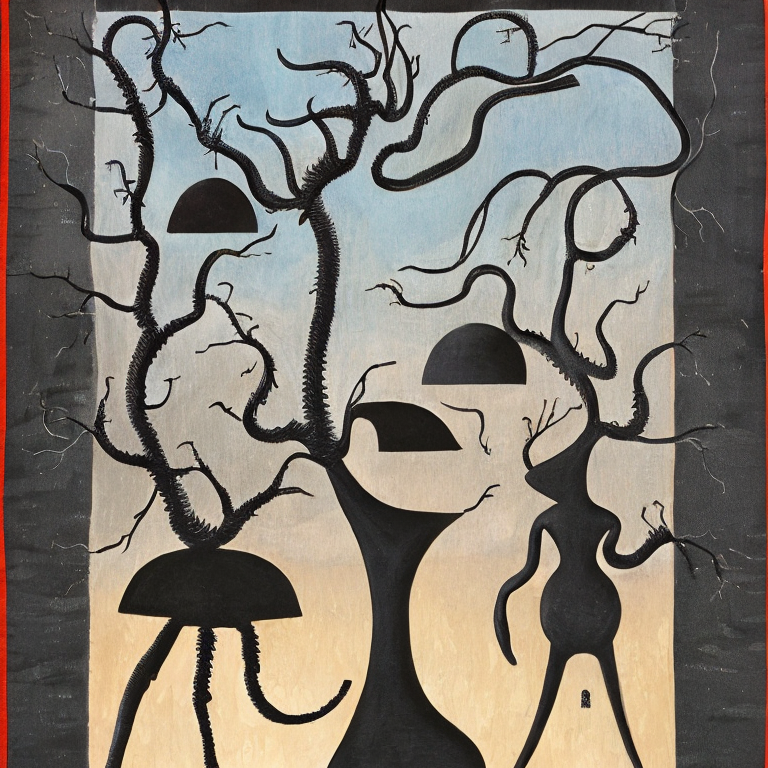
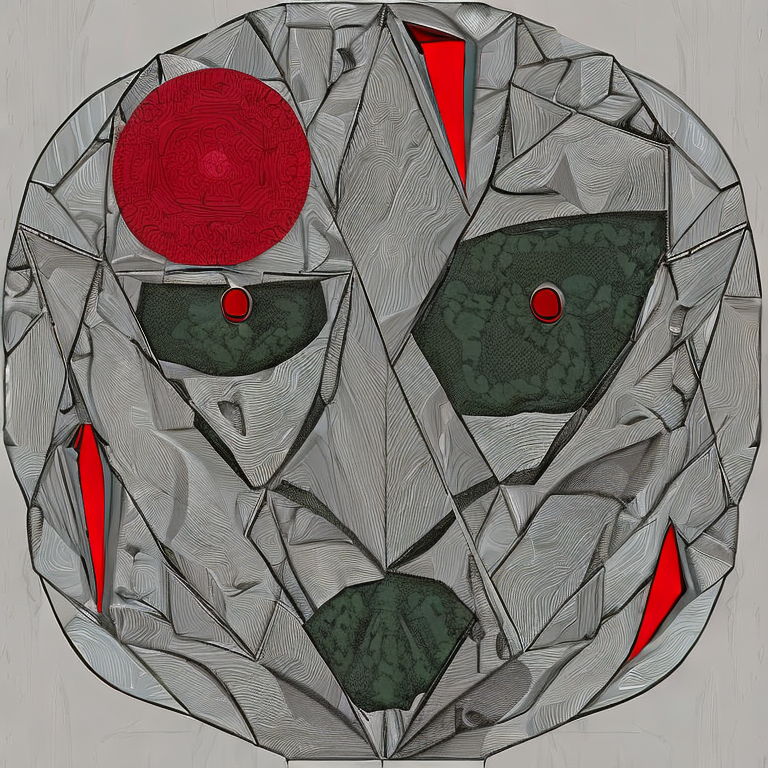
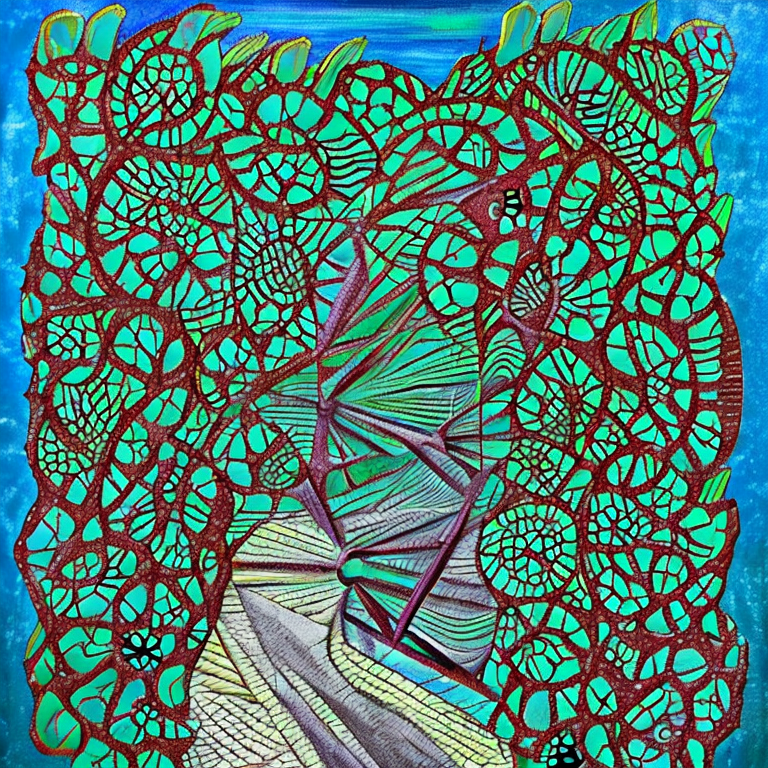
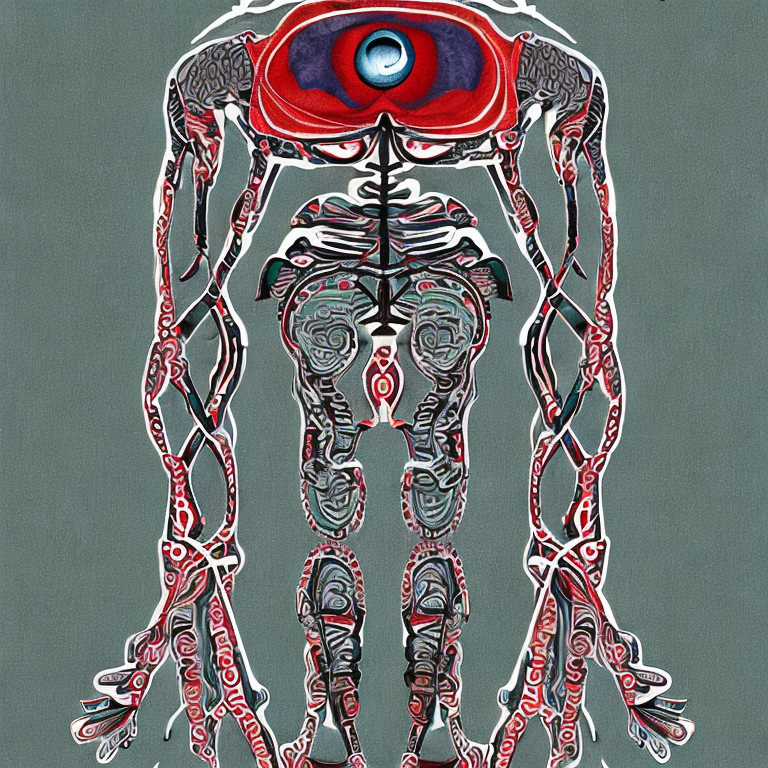
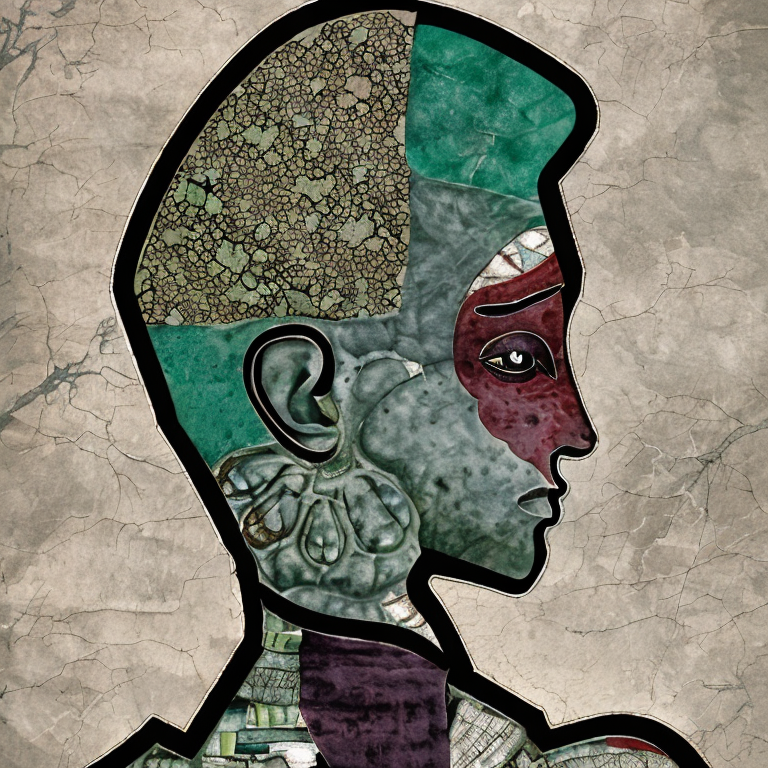
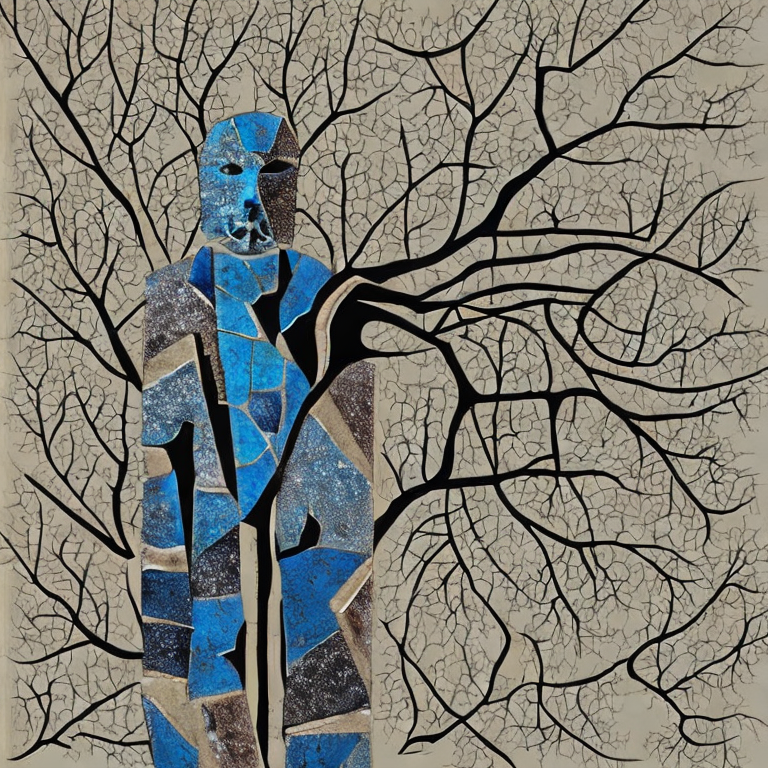
Unspoken Portraits allows users to submit short emotional reflections about how it feels to live with a specific condition. The system analyzes the emotional tone in the text. It translates it into visual elements — colors, textures, symbolic patterns — and uses them to generate expressive artwork that represents the user’s emotional experience.
How we built it
We used the OpenAI GPT-4o API to extract emotions from users' written reflections. These emotions are converted into creative visual instructions, which are passed into the Replicate AI API to generate a final symbolic art piece. Our goal was to build not just an art generator but a unique and emotionally intelligent system that creates a modern, symbolic visual language for unspoken experiences.
Challenges we ran into
The hardest part was keeping the emotional depth intact while using automated tools. We had to fine-tune how emotions translated visually so that the output felt meaningful, not generic. Designing a process that was both technically solid and emotionally respectful was a significant challenge — and one we took seriously.
Accomplishments that we're proud of
We created a working system that transforms raw, personal emotion into visual art. More than that, we crafted a workflow that balances technical AI power with deep emotional sensitivity. We're especially proud that this project can offer something tangible to people who struggle to be understood.
What we learned
We learned that empathy can be engineered — carefully. When combined thoughtfully with AI, language and emotion can create a new form of expression. And that design matters as much as code when what you're building is meant to speak to the human experience.
What's next for Unspoken Portraits
We plan to grow Unspoken Portraits into a public platform where users can share reflections, generate art, and contribute to a collective gallery. We also want to explore other input methods beyond text, like voice recordings or brainwave data, and turn the output into animated visuals that move with the rhythm of the pain or emotion they represent. We aim to make the experience even more personal, immersive, and expressive.


Log in or sign up for Devpost to join the conversation.