-
-
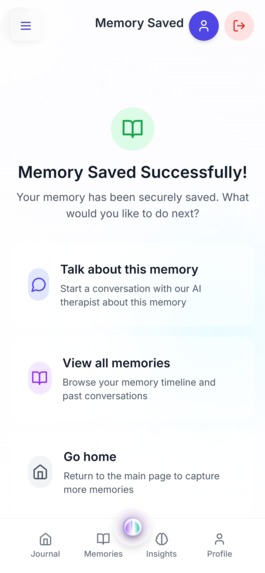
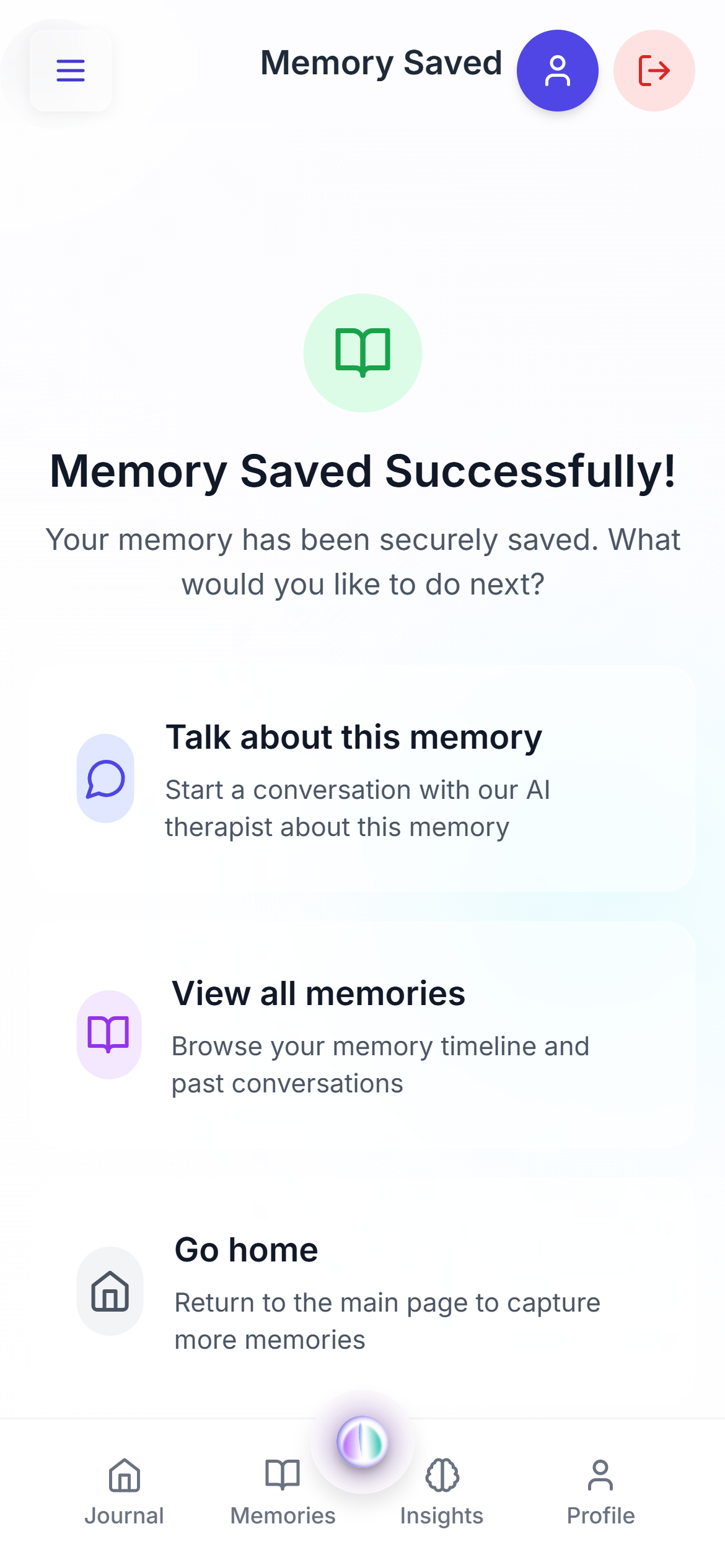
After you have captured a memory what is next?
-

Onboarding 3
-

-

Onboarding 2
-

Write a text memory and save it
-
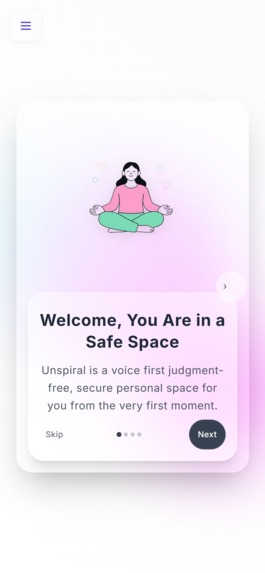
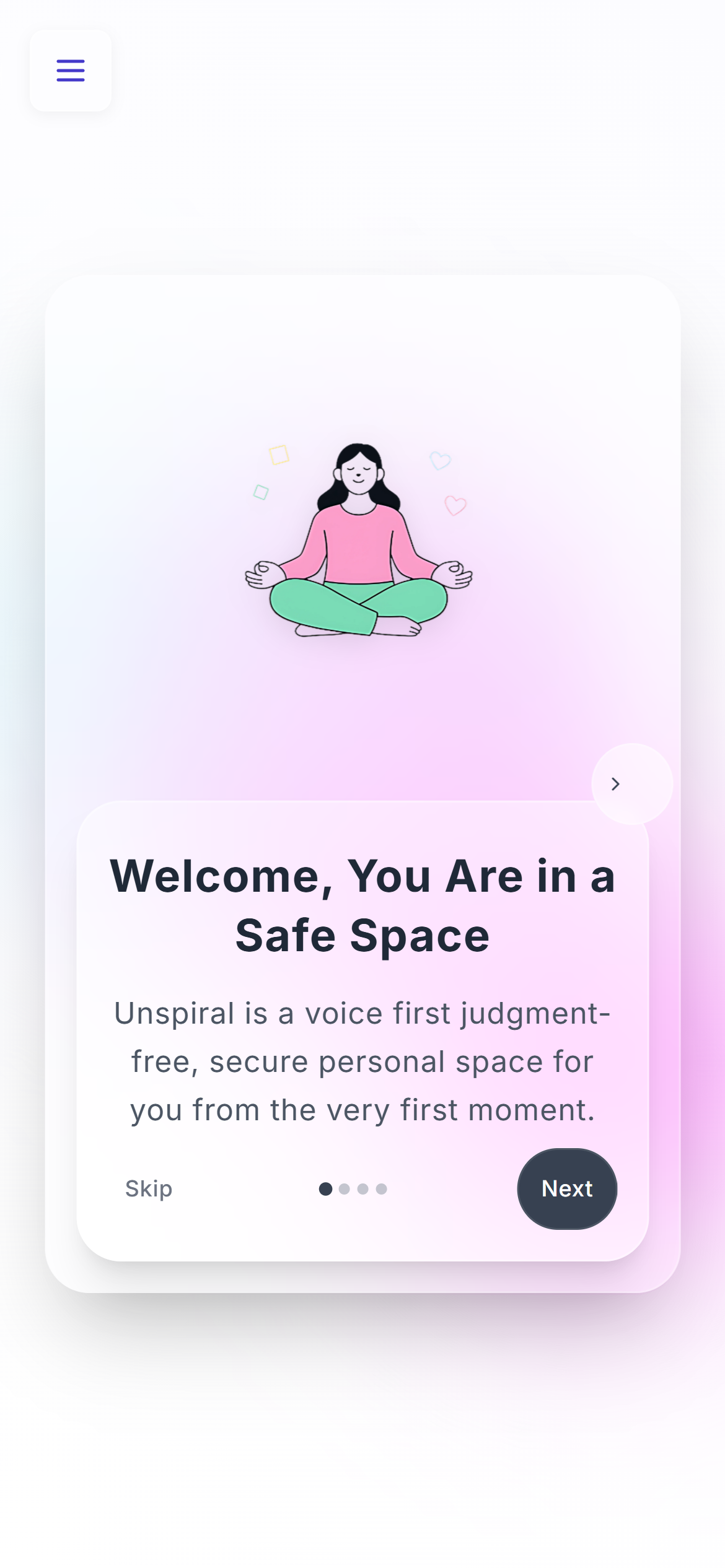
Onboarding 1
-
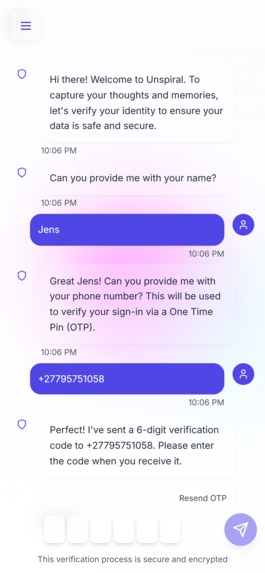
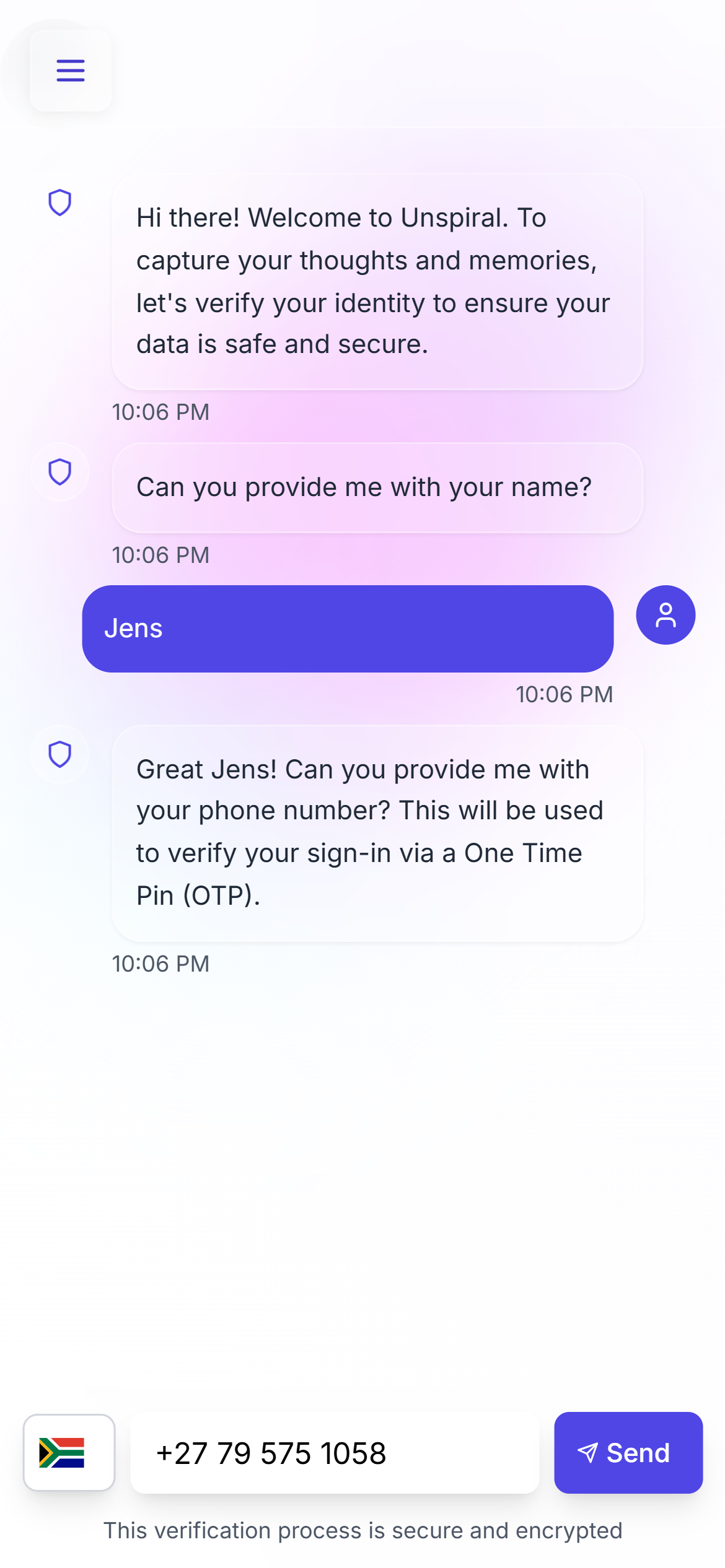
Chat like auth experience 2
-
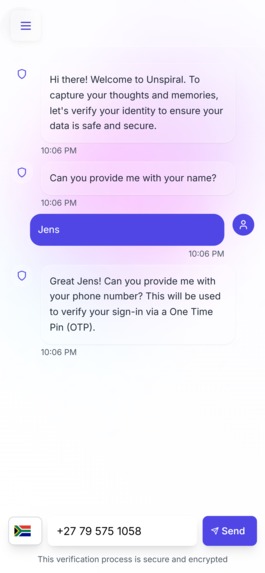
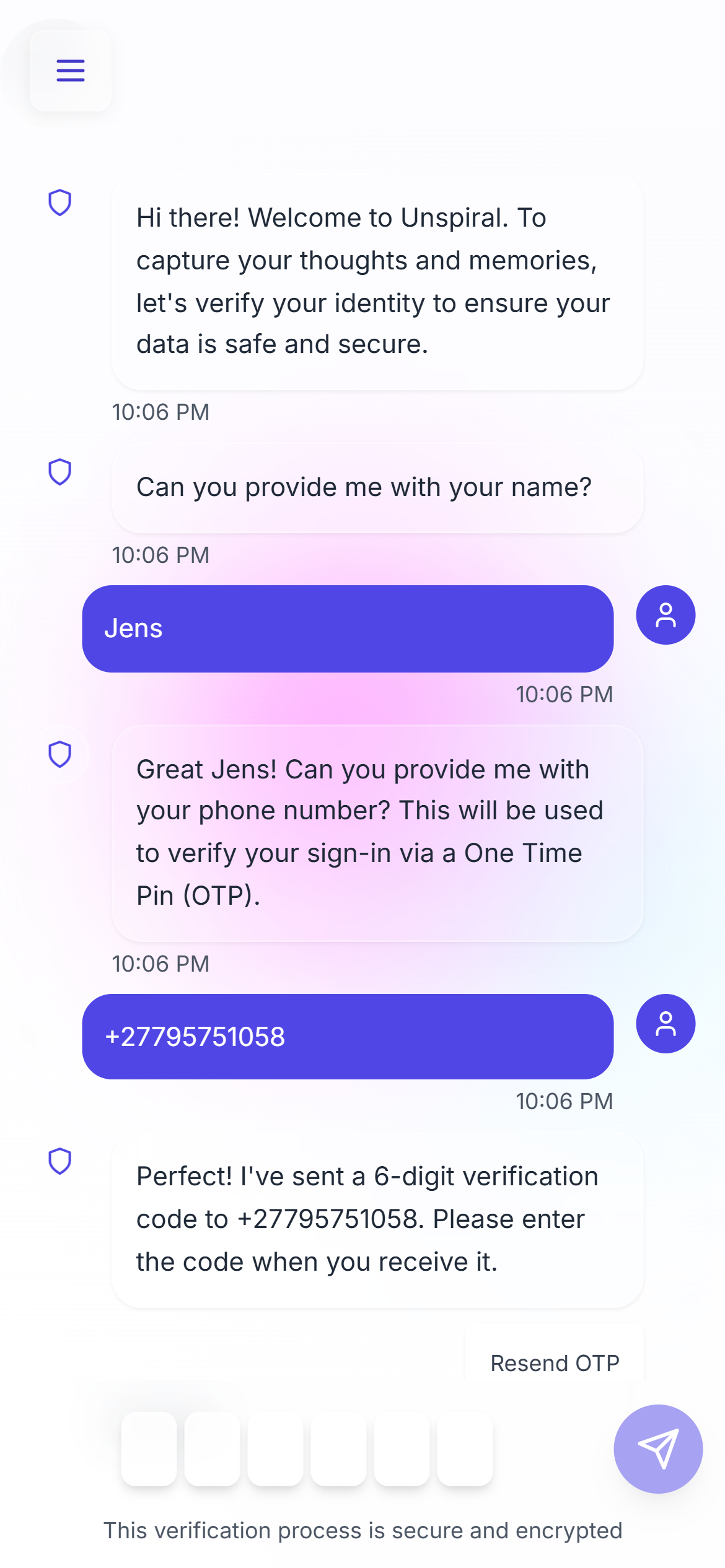
Chat like auth experience
-

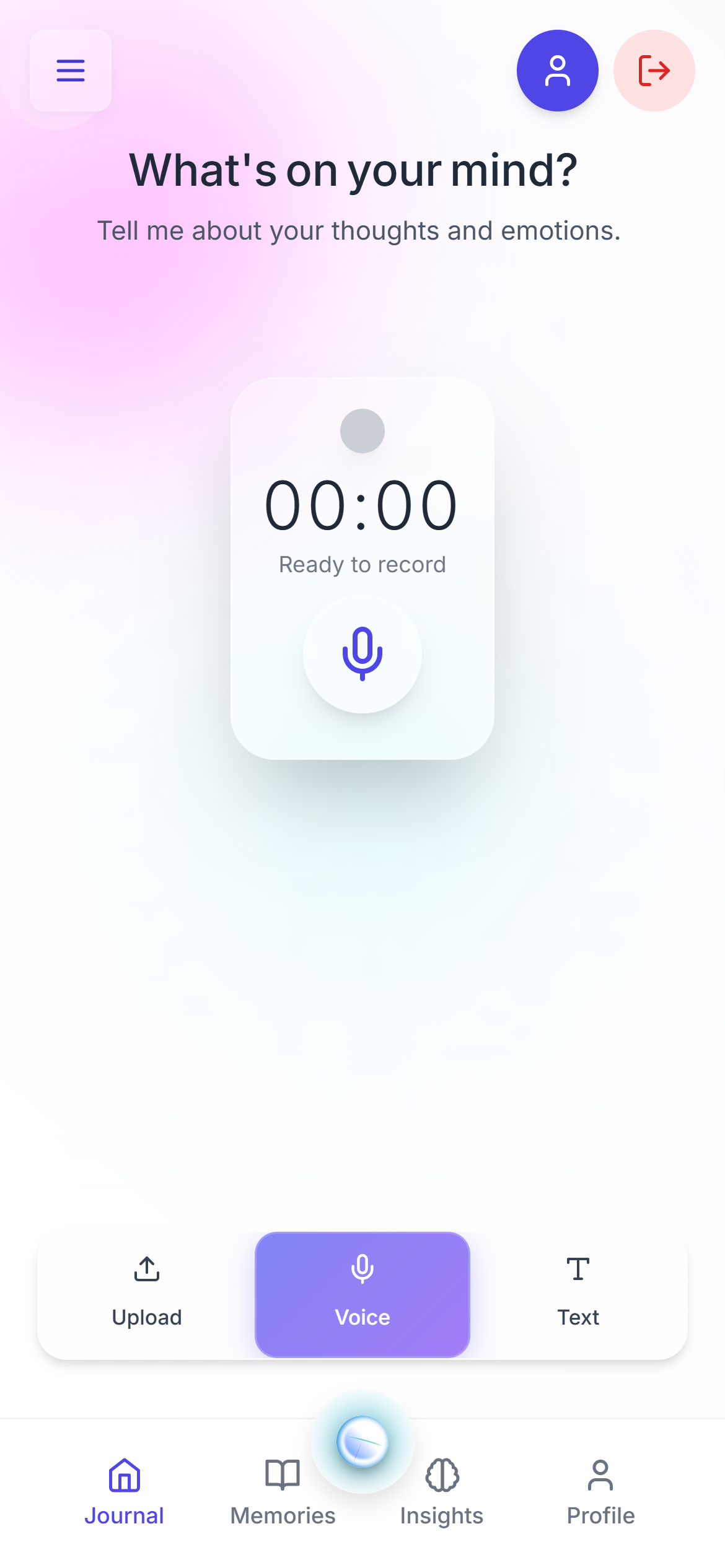
Capture a memory
-
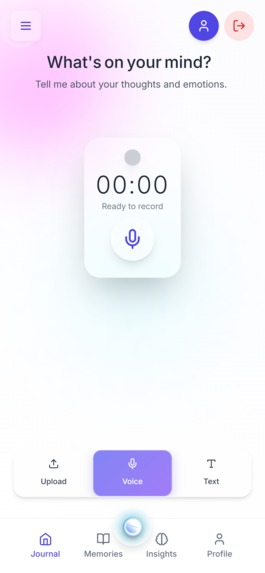
Voice record your therapy session or just a thought
-
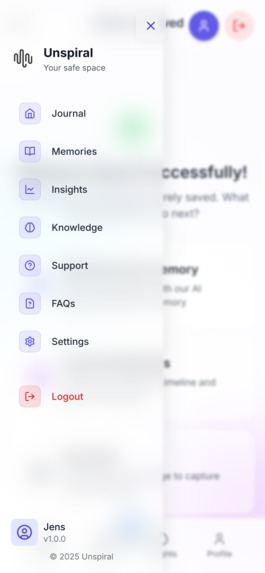
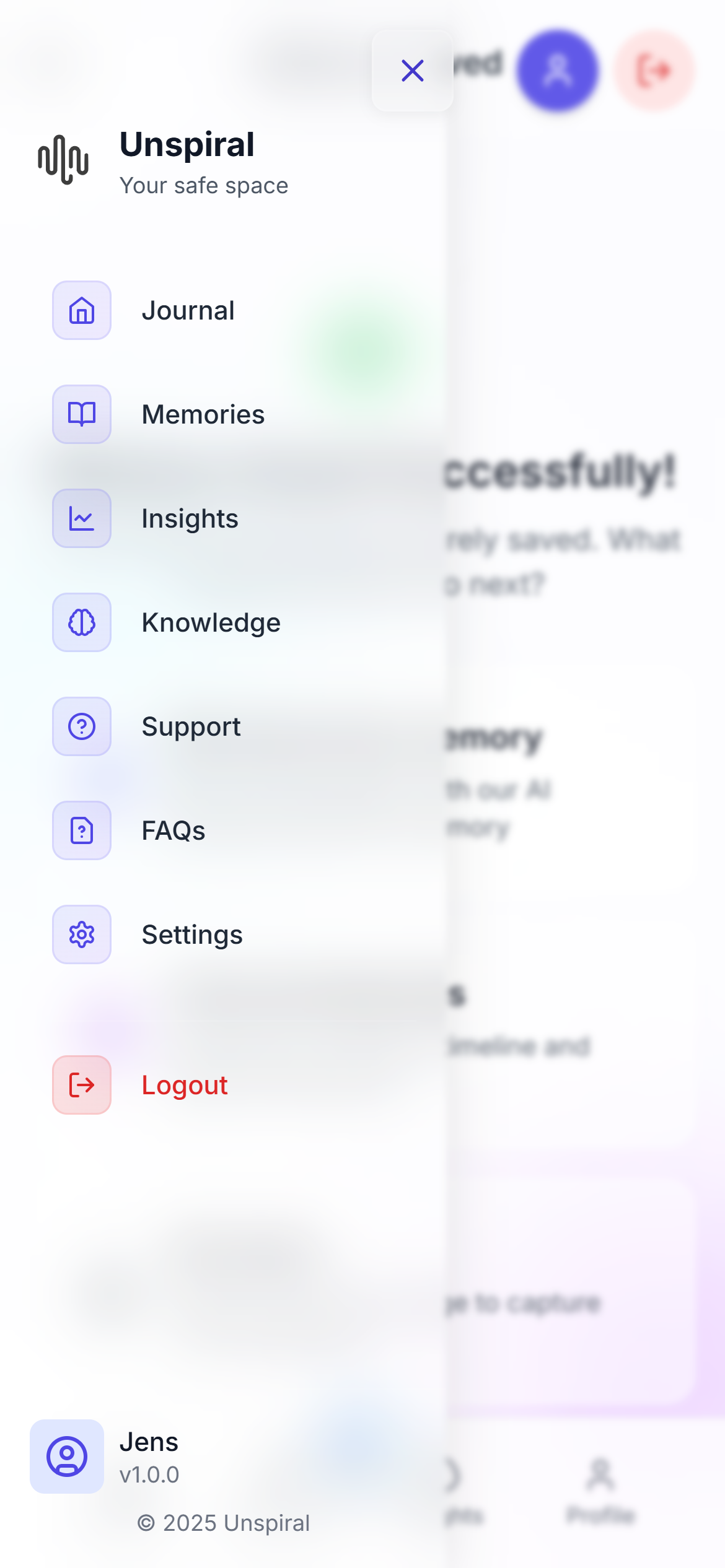
Side menu
-

Personal Growth Insights
-
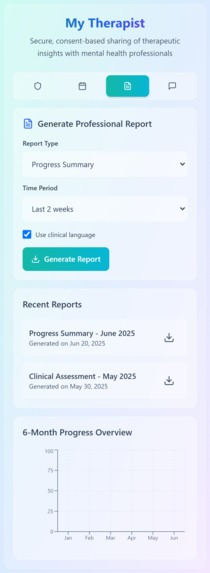
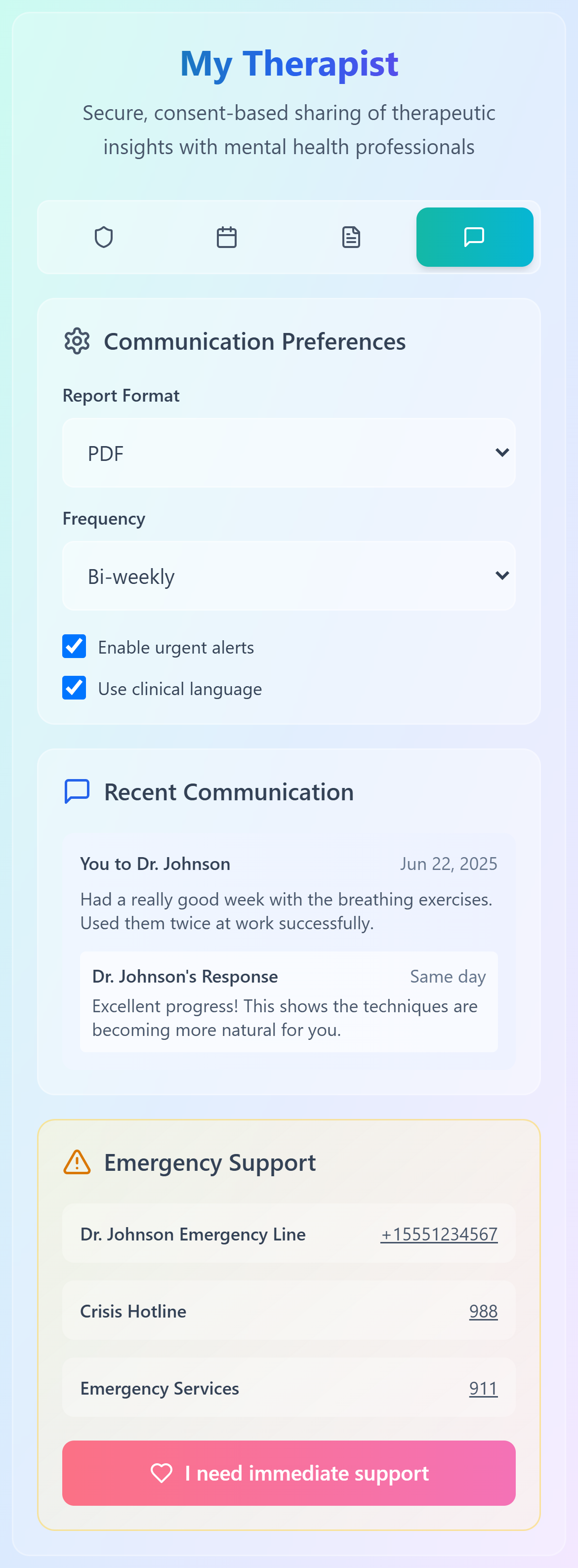
My Therapist Tab 3
-
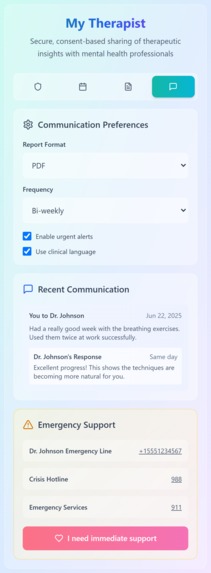
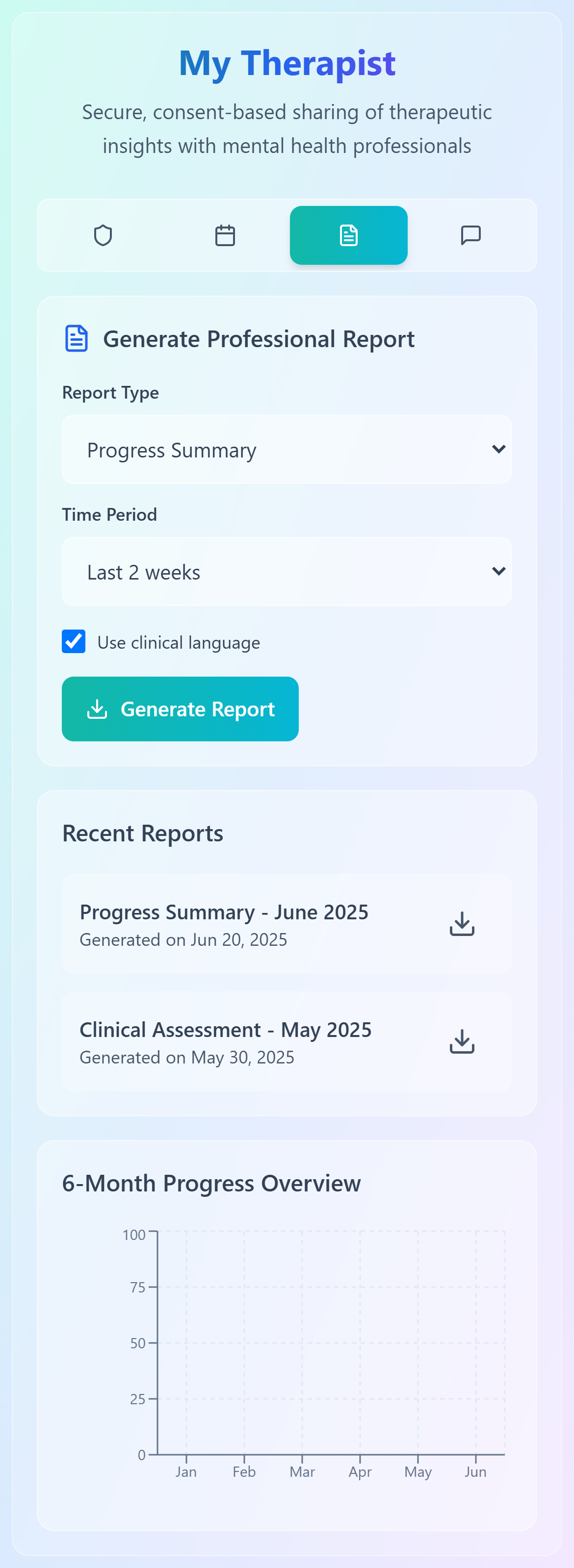
My Therapist Tab 4
-
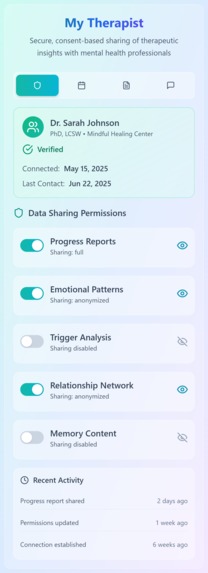
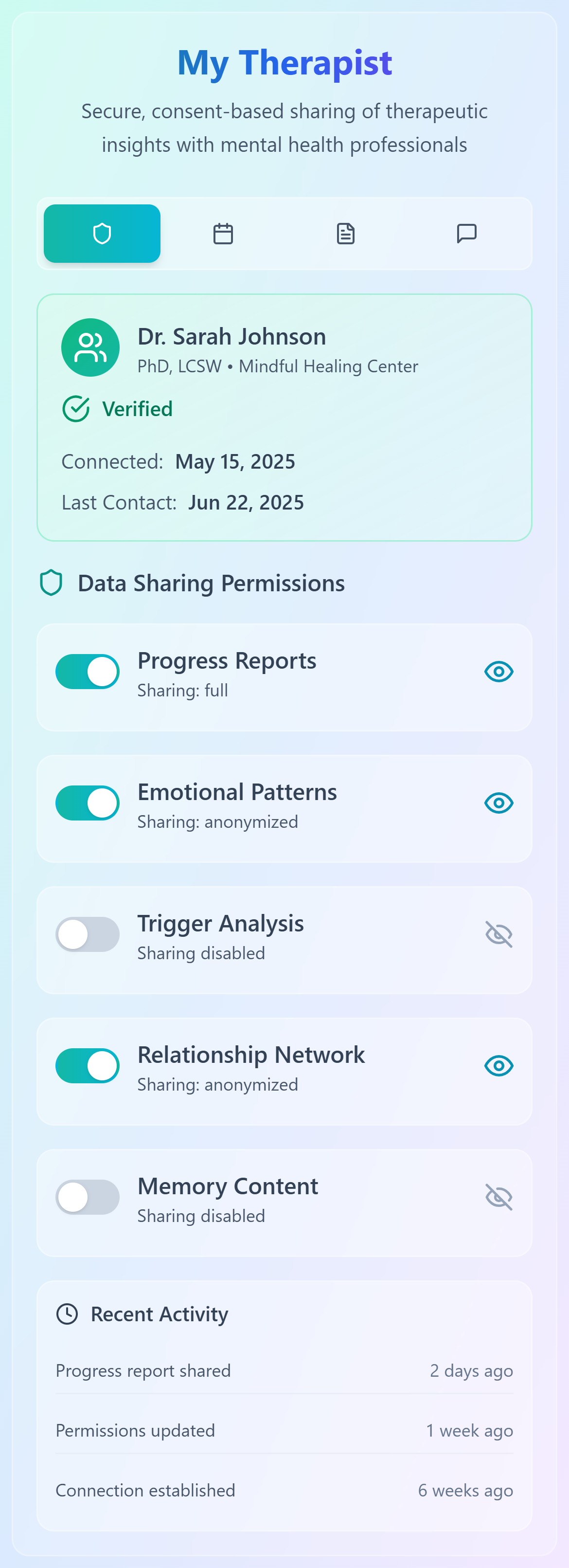
My Therapist Tab 1
-
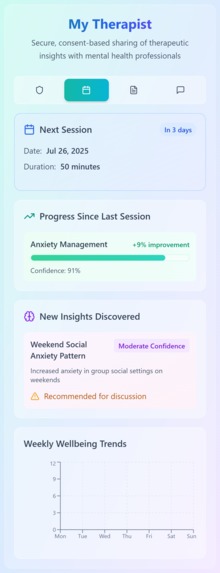
My Therapist Tab 2
-
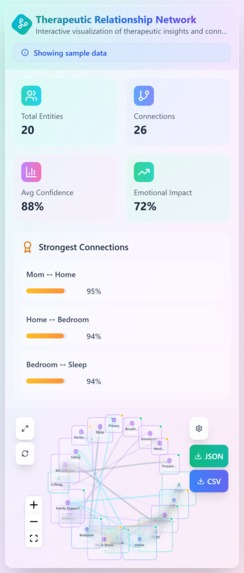
Relationship Network
-

-

AI Conversation with your memory








Inspiration
Unspiral was born out of my own 10-year journey through depression, anxiety, therapy, and medication. While therapy has helped me tremendously, I’ve always felt a persistent disconnect — like every session starts with catching up, rather than diving deeper. The valuable insights and emotional patterns that emerge between sessions often get lost or go unspoken.
I began wondering: What if there were a tool that could capture those invisible threads — the raw feelings, late-night thoughts, quiet victories — and bring them into the therapeutic process? What if journaling didn’t feel like a chore, but a voice-driven, AI-supported reflection companion that respected privacy and emotional nuance?
Unspiral is my answer to that question. A voice-first, encrypted journaling platform that doesn’t replace therapy — it amplifies it. It’s built from lived experience, and designed for people like me who want support not just once a week, but in the messy in-between.
What it does
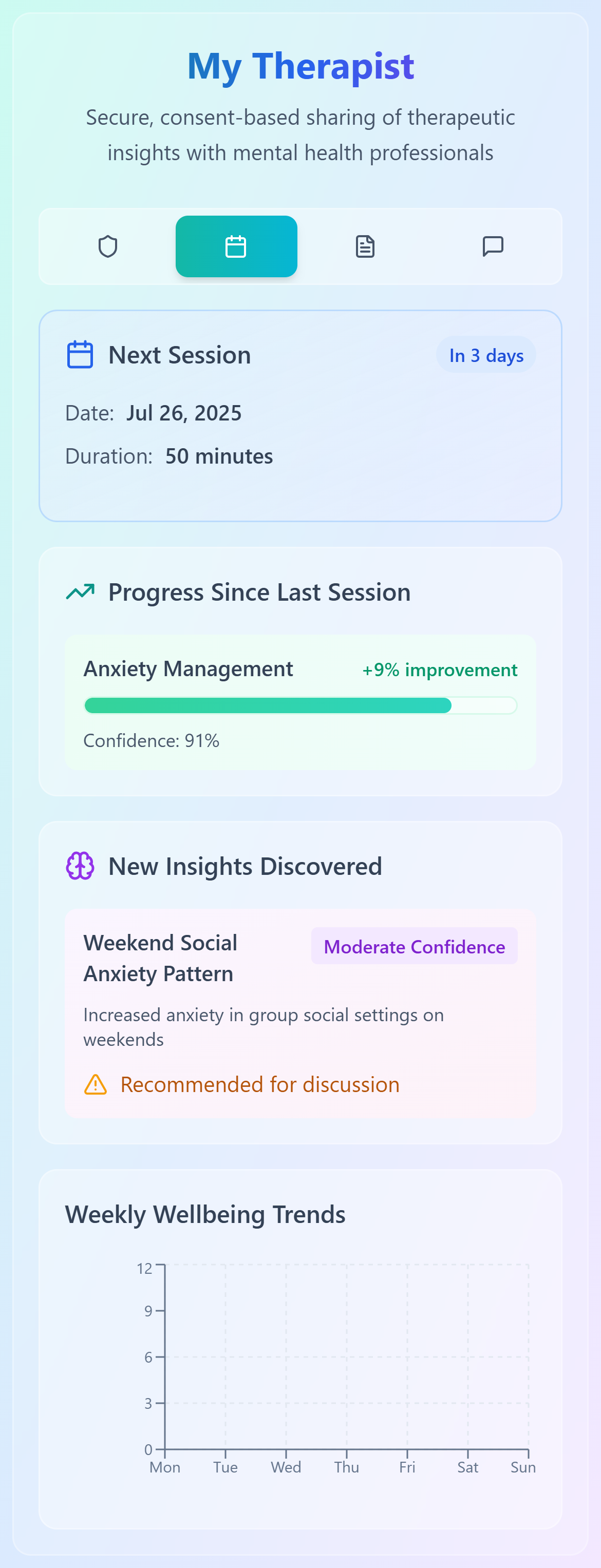
Unspiral is a multimodal therapeutic AI platform that transforms everyday moments into actionable mental health insights. Users can share thoughts through voice recordings, photos with captions, or text, and our AI extracts 50+ clinical therapeutic variables including stress levels, coping strategies, emotional patterns, and self-awareness growth. The platform provides weekly analytics, personalized AI conversations, risk assessments, and generates comprehensive reports that bridge the gap between therapy sessions.
How we built it
We architected Unspiral with a 3-layer therapeutic pipeline:
Layer 1: Multimodal collectors (audio transcription, photo captioning, text processing) convert all inputs to standardized text
Layer 2: AI therapeutic analysis extracts clinical insights using canonical therapeutic variable definitions stored in our database
Layer 3: Cross-memory analytics aggregate patterns over time windows for trend analysis and clinical recommendations
The system uses zero-knowledge encryption with client-side key derivation, ensuring complete privacy while enabling powerful AI processing.
Challenges we ran into
The size of the build: Constantly running into size issues, and only later adopting the strategy of smaller components, then stitch together.
Zero-knowledge architecture: Balancing server-side AI processing with client-side encryption required innovative dual-layer JWT authentication
Therapeutic accuracy: Moving from hardcoded analytics to database-driven canonical therapeutic variables required complete system refactoring
Multimodal integration: Synchronizing audio transcription, image captioning, and text processing while maintaining consistent therapeutic analysis
Real-time insights: Extracting meaningful patterns from limited data while avoiding false positives in mental health assessments
Accomplishments that we're proud of
Clinical-grade analytics: Built 50+ therapeutic variables grounded in evidence-based frameworks, not just sentiment analysis
Privacy-first AI: Achieved zero-knowledge encryption while maintaining sophisticated therapeutic insights
Multimodal intelligence: Successfully integrated voice, photo, and text inputs into unified therapeutic understanding
Longitudinal insights: Created weekly analytics that reveal patterns invisible in individual sessions
Production-ready architecture: Deployed scalable Edge Functions with comprehensive error handling and security
What we learned
Therapeutic AI requires canonical data structures - hardcoded variables don't scale to real clinical needs
Zero-knowledge encryption and AI processing aren't mutually exclusive with proper architecture
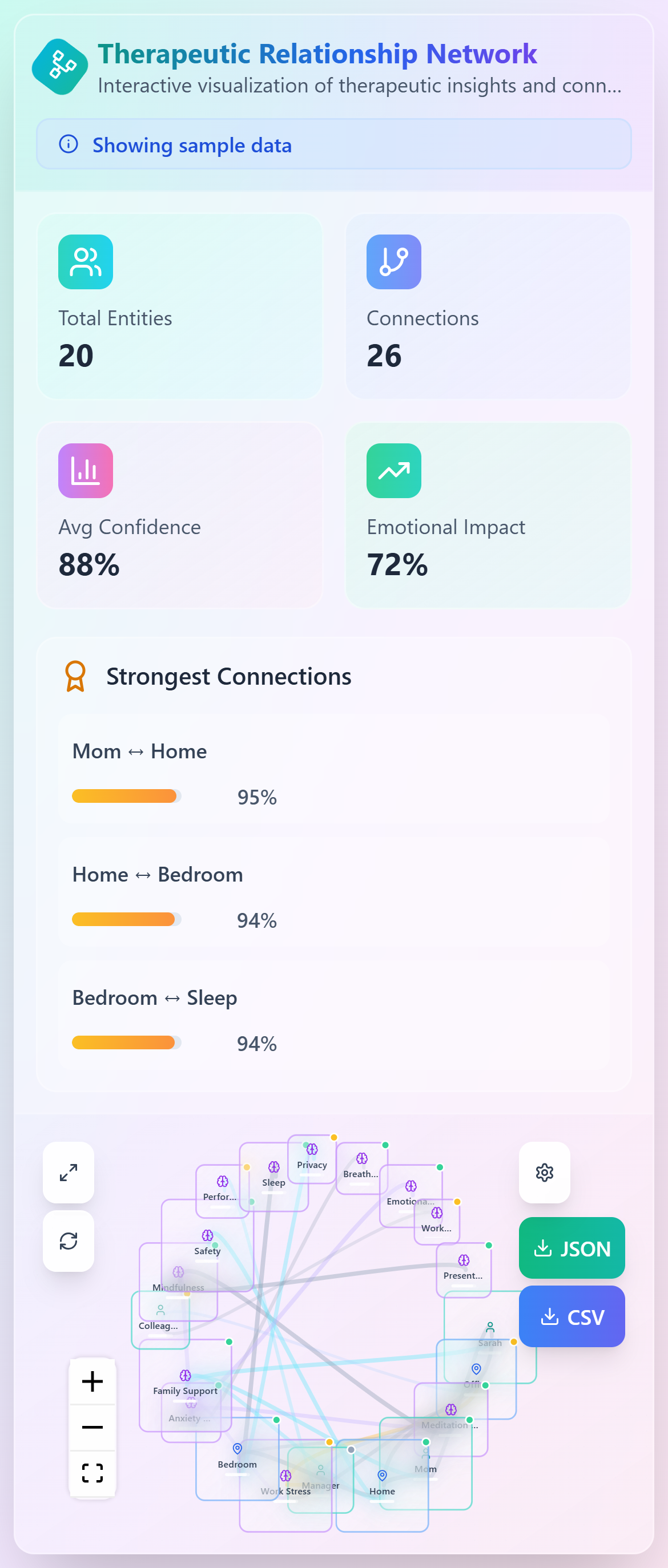
Cross-memory analytics provide insights that individual memory analysis cannot
Real therapeutic value comes from longitudinal patterns, not just momentary sentiment
Privacy and personalization can coexist when designed thoughtfully from the ground up
What's next for Unspiral
Therapist dashboard: Clinical interface for reviewing patient insights and progress
Crisis intervention: Real-time risk assessment with emergency contact integration
Habit tracking: Integration with wearables and daily activities for holistic mental health
Group insights: Anonymous community patterns while maintaining individual privacy
Research platform: Aggregate anonymized insights to advance mental health research
HIPAA Compliance: Moving Forward on HIPAA Compliance to ensure full compliance to the protection of personal health information
Technologies Used
Frontend: React, TypeScript, Tailwind CSS, Vite, GetStream Backend: Supabase Edge Functions (Deno), PostgreSQL with RLS AI/ML: OpenAI GPT-4, Google Gemini 2.0 Pro Flash, ElevenLabs TTS Security: AES-GCM encryption, PBKDF2 key derivation, JWT authentication Database: PostgreSQL with JSONB, Row Level Security, database triggers Cloud: Supabase (hosting, auth, database), Netlify (frontend deployment) APIs: ElevenLabs Speech-to-Text, Google Vision API Architecture: Zero-knowledge encryption, event-driven Edge Functions, multimodal processing pipeline
This represents a new paradigm in mental health technology - where AI truly understands your therapeutic journey while keeping your data completely private. 🚀
Built With
- bolt
- elevenlabs
- getstream
- google-gemini-2.0-pro-flash
- postgresql
- react
- supabase-edge-functions-(deno)
- tailwind-css
- typescript
- vite
- windsurf


Log in or sign up for Devpost to join the conversation.