Inspiration
As a multidisciplinary team of public health professionals, we recognize that problematic social media use has become increasingly prevalent among adolescents worldwide. Many existing interventions, such as educational workshops, prevention programs, and social media bans, have not adequately centered equity in their design and implementation. Screen use has a significant equity dimension, as children from lower socioeconomic backgrounds often spend more time on screens than their wealthier peers. This disparity is thought to stem from factors such as limited access to alternative activities and fewer parental resources. We built UnScroll with the goal of equipping adolescents with a customizable tool to foster a healthier relationship with the digital world and support overall well-being without barriers to health education or extracurricular engagement.
What it does
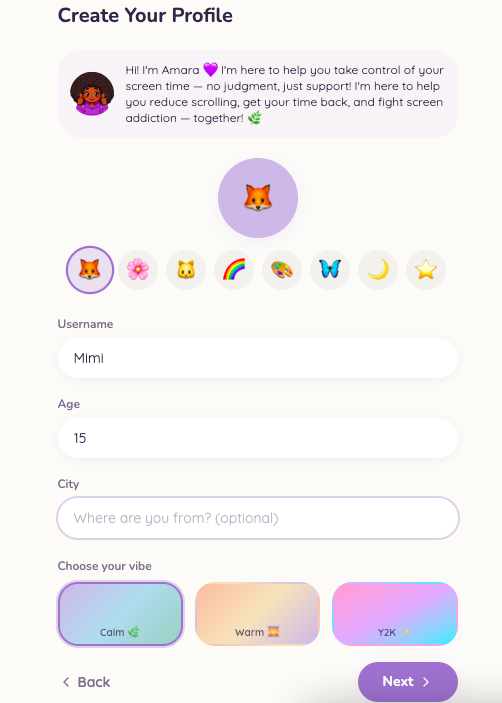
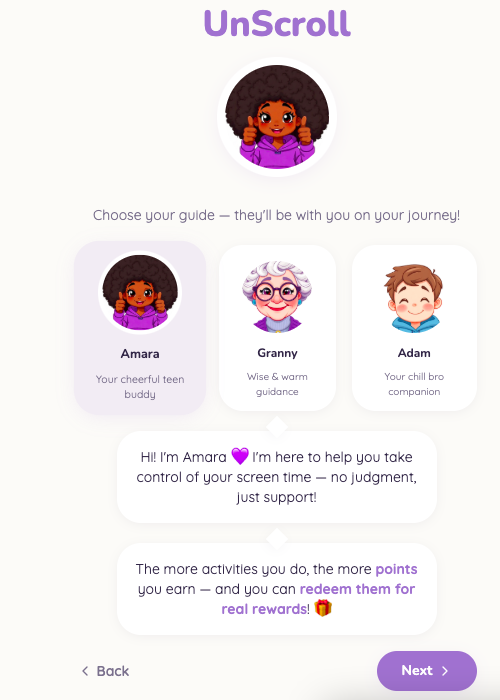
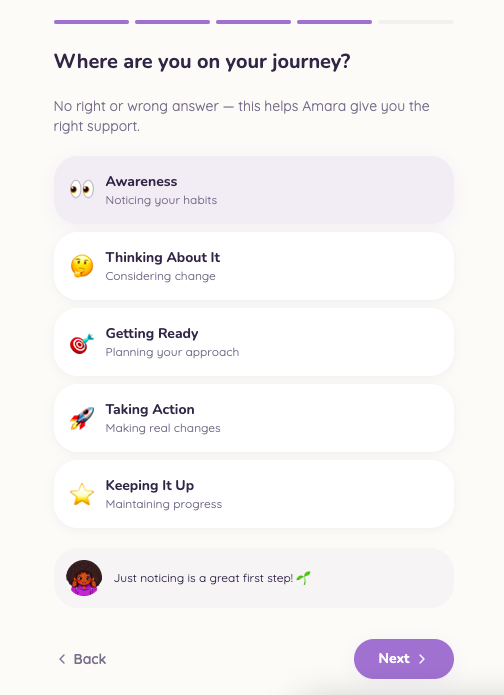
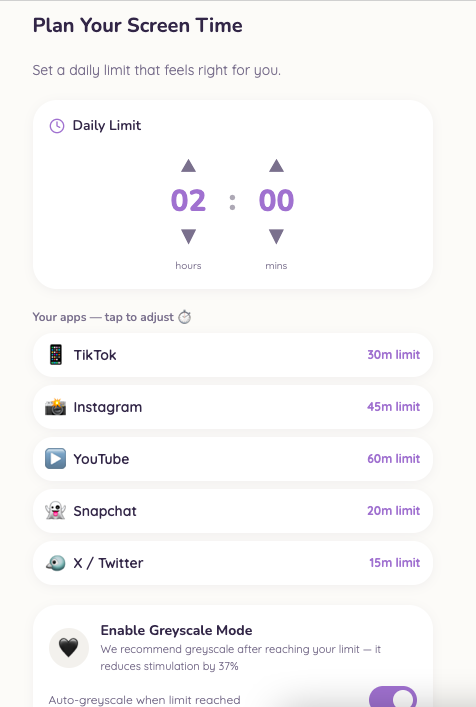
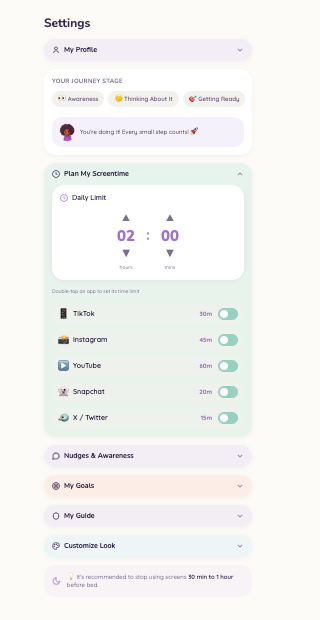
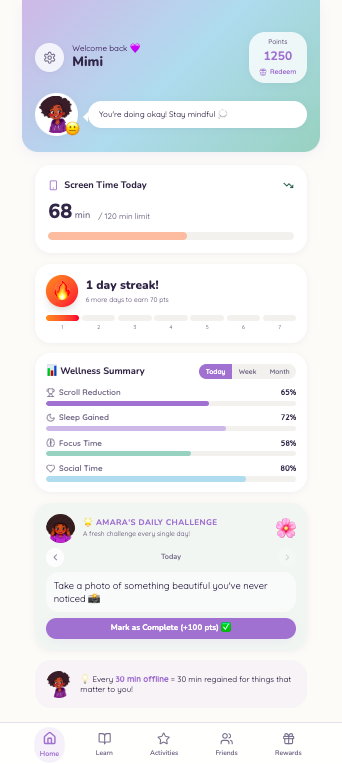
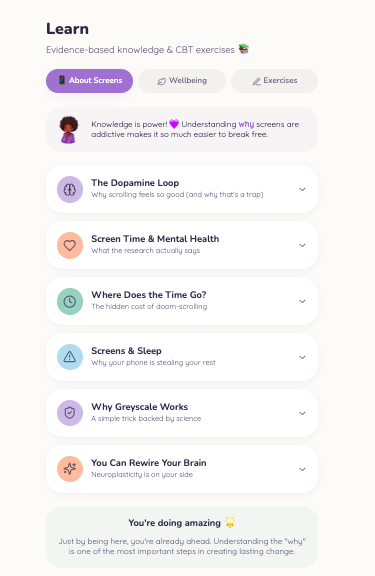
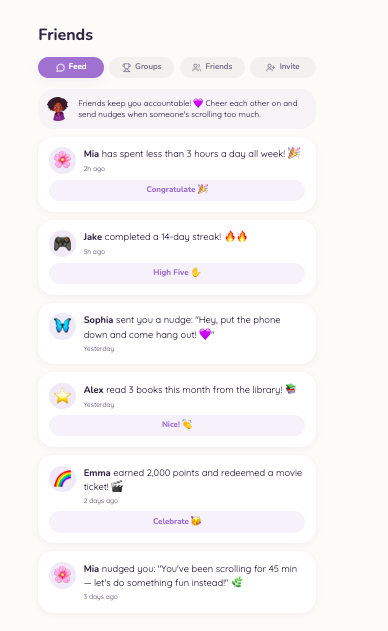
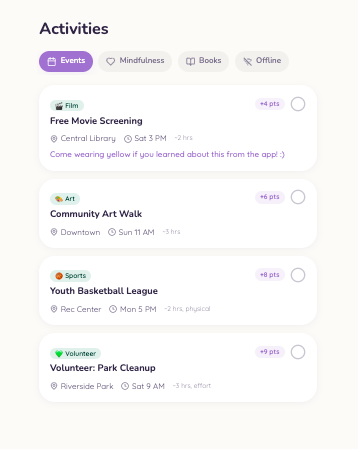
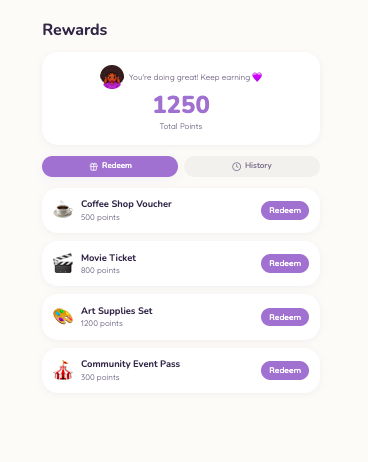
UnScroll is a mobile application designed to help users self-regulate their social media usage. It is informed by established behavior change models commonly used in addressing addictive behaviors. Users can set time limits for individual apps and receive nudges that increase awareness of their screen time. The app also prompts users to reflect on their motivations for excessive use. Additional features include a health education tab covering digital wellness, an activities tab where users earn points for offline activities such as mindfulness, reading, and community engagement, a rewards system with incentives from local partners, and a social feature allowing users to track progress with friends.
How we built it
We used Lovable to develop a minimum viable product. The app’s features were informed by behavior change frameworks, including the COM-B model, Acceptance and Commitment Therapy (ACT), and Cognitive Behavioral Therapy (CBT). Supporting evidence was reviewed both prior to and during the event, and the project was developed over the course of the competition. In the design process, we took inspiration from the features and visual layouts of several different existing apps, including BetterPoint and Duolingo.
Challenges we ran into
As our team did not include a member with experience in coding or software development, we were limited primarily to front-end development. In future iterations, we hope to collaborate with developers to expand the app’s functionality. This project highlights the importance of integrating public health expertise into digital product development, helping bridge the gap between evidence-based research and practical implementation.
Accomplishments that we're proud of
All team members developed new skills in digital product development through the use of Lovable. We are also proud of our ability to coordinate and complete the project while working across five different time zones.
What we learned
Our team gained valuable insight into the product development process and learned how public health evidence can be translated into actionable digital solutions.
What's next for UnScroll
We plan to collaborate with software developers to build out the app’s back-end and integrate APIs that enable secure, privacy-conscious access to smartphone usage data. We also aim to localize the app for non-English-speaking regions by adapting features and nudges to be culturally relevant and inclusive. For the distribution of the app, we plan to introduce the app via partnerships with local educational institutions.
Built With
- lovable


Log in or sign up for Devpost to join the conversation.