Inspiration
Urban planning often involves juggling multiple complex datasets and visualising future development outcomes, which can feel overwhelming and inefficient. We wanted to simplify this process by creating an interactive, simulation-based tool that enables city planners to visualise, design, and test their ideas dynamically. The goal was to help planners model urban spaces that are not only functional but also sustainable and adaptable to real-world challenges such as traffic congestion and uneven zoning.
What it does
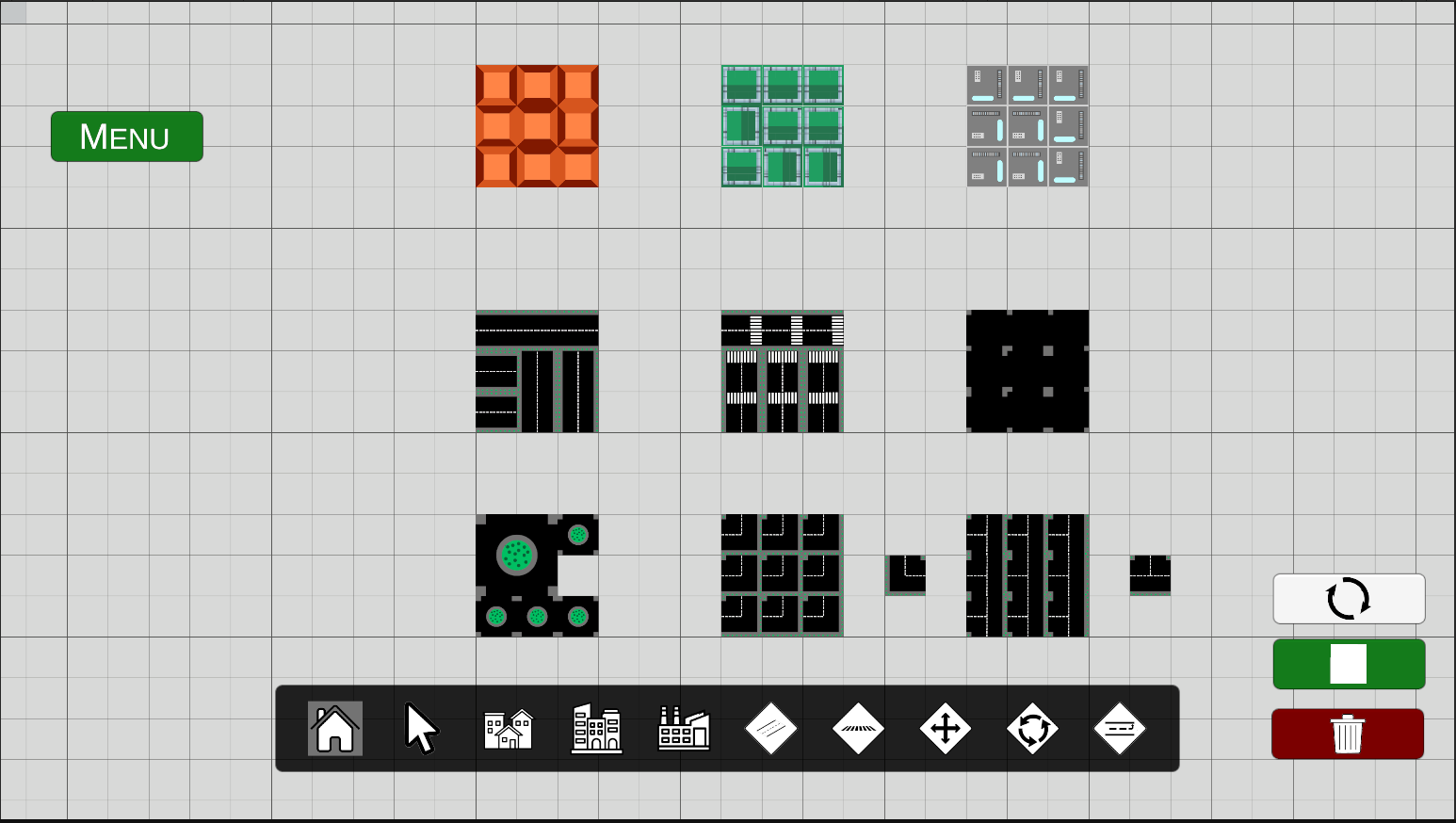
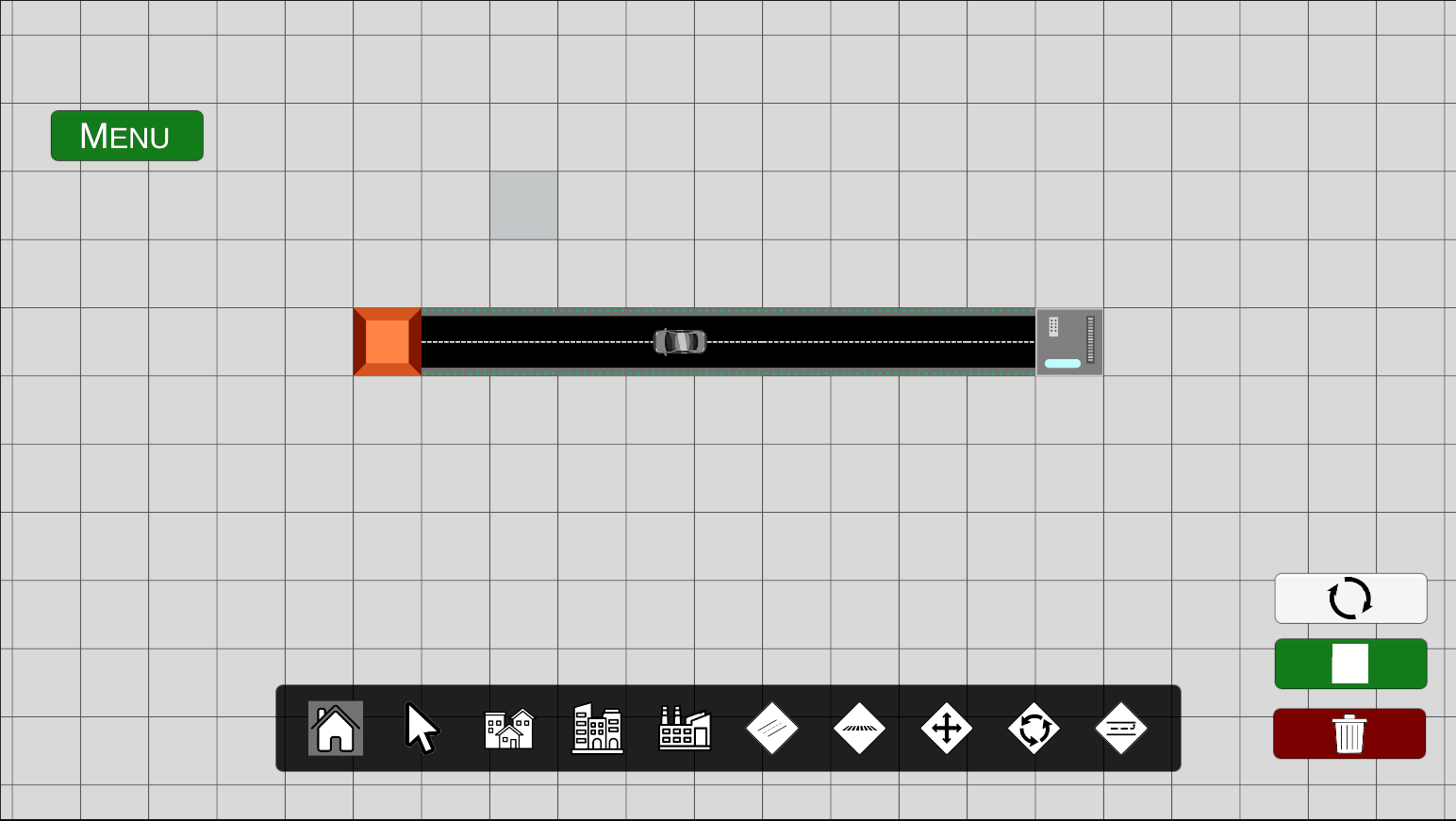
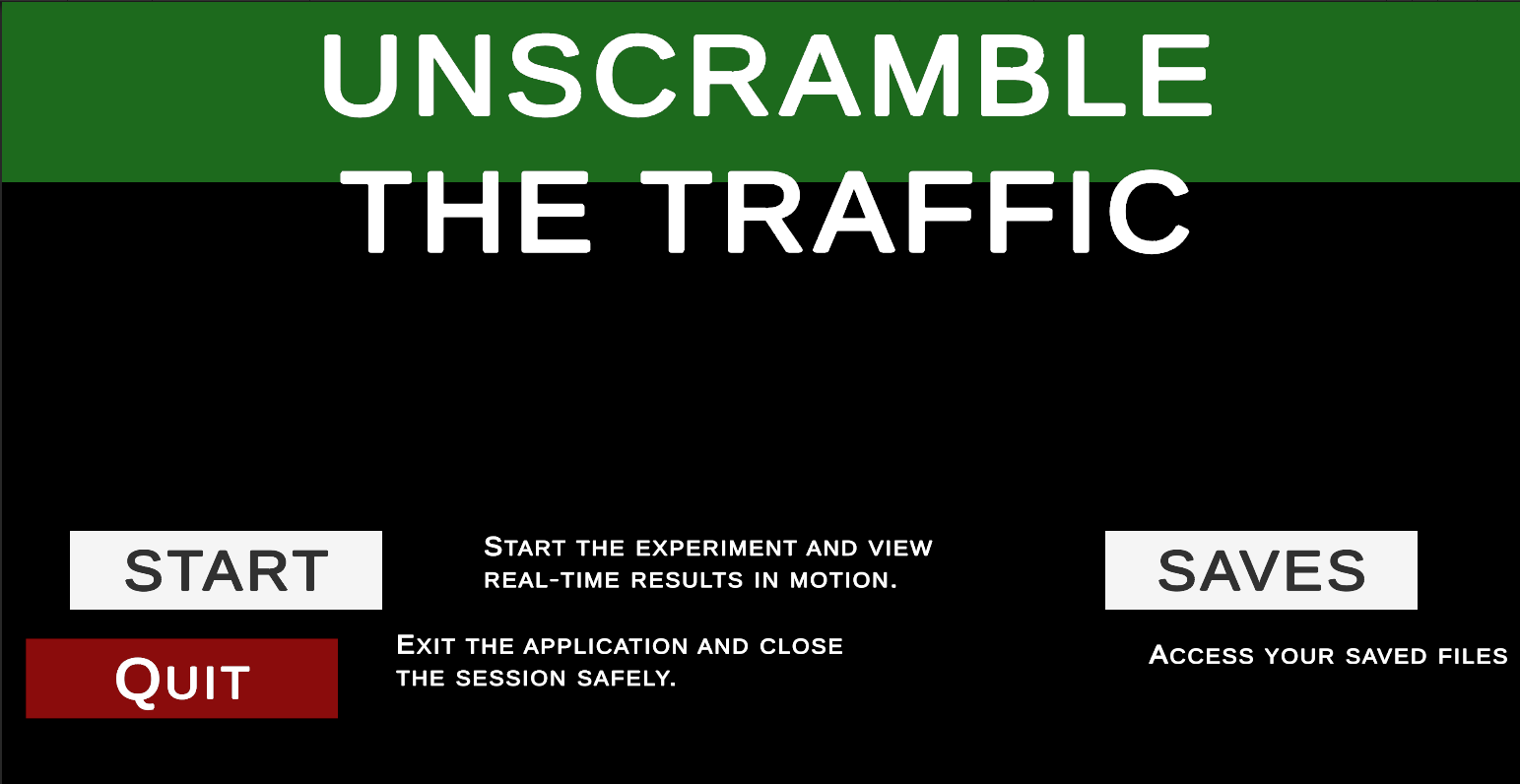
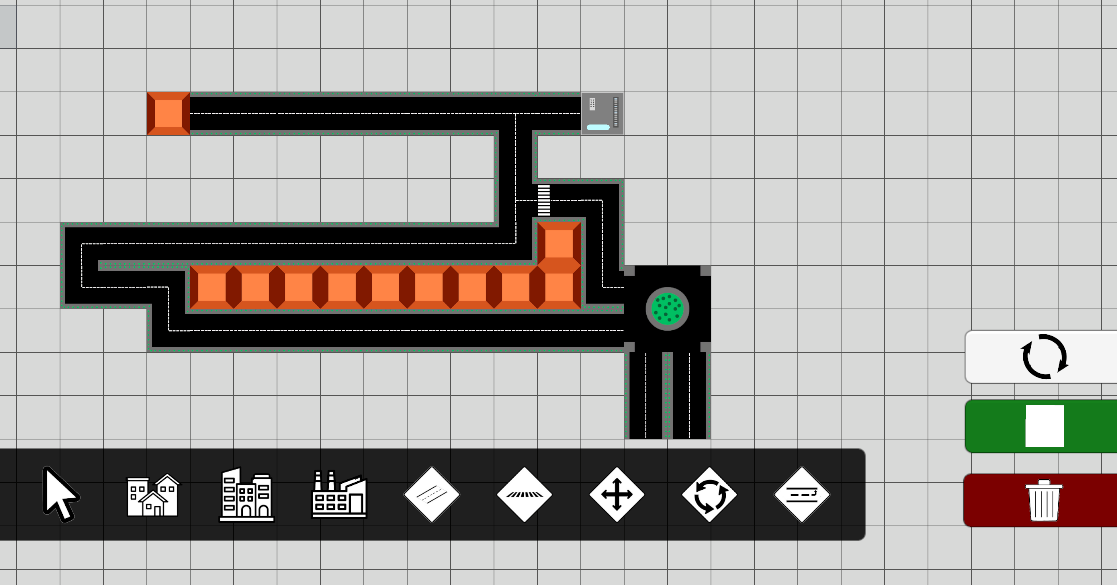
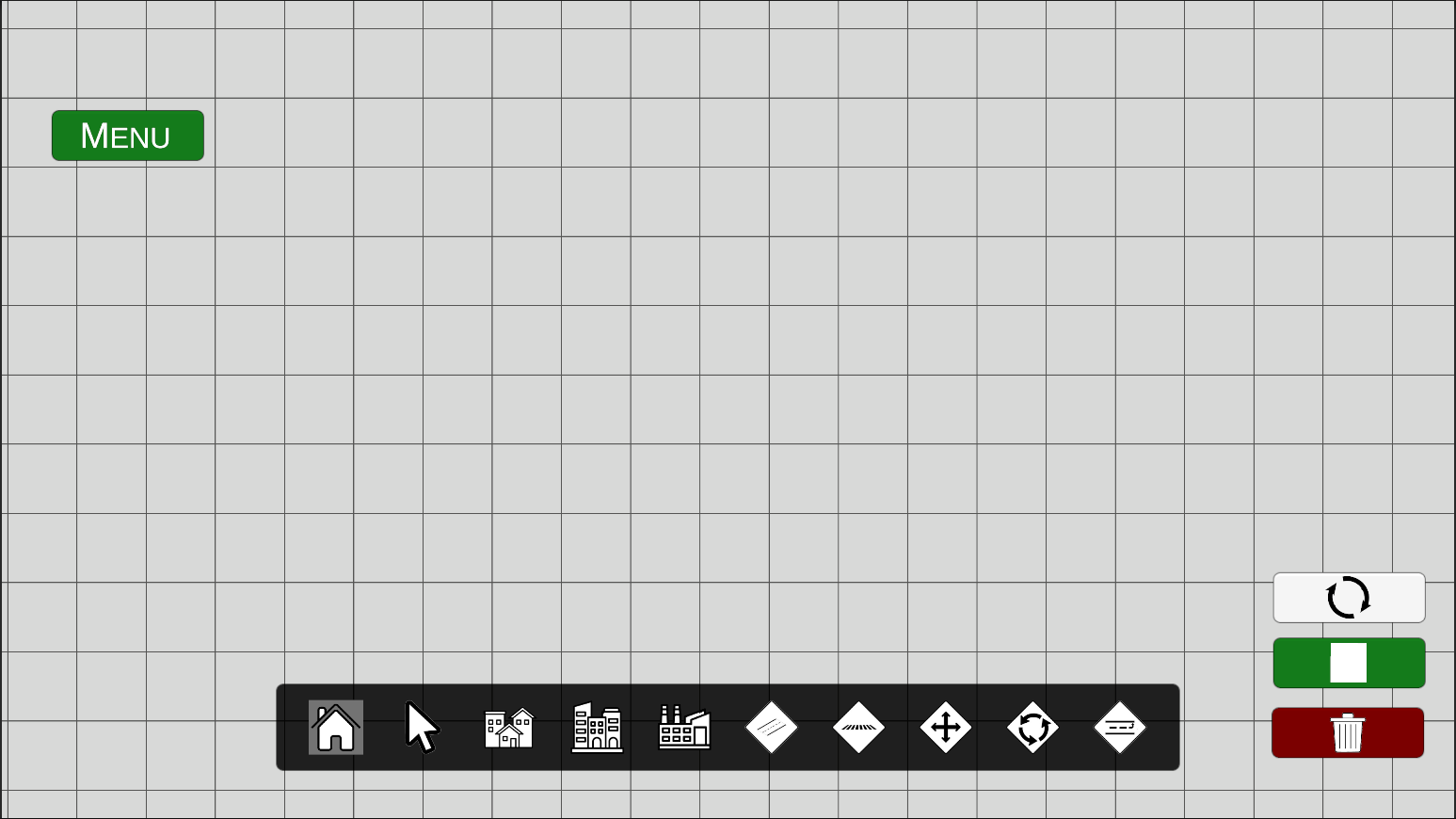
Unscramble the Traffic is a 2D simulation application designed for city planners. It provides a grid-based framework where users can model residential, industrial, and commercial zones while designing road networks and traffic systems. The application simulates vehicle movement, allowing planners to analyse congestion patterns, identify inflection points, and adjust layouts accordingly. By combining simulation, zoning, and transport analytics, the platform offers an intuitive and data-driven approach to city planning.
How we built it
We developed the simulation using Unity with C#, building a modular grid system that supports multiple tile types and real-time simulation logic. Our sprites and visual assets were designed using Canva, ensuring a clean, accessible aesthetic. Throughout development, we used GitHub Desktop for version control and collaboration. The team coordinated builds and assets across systems, ensuring consistent functionality and visual quality across different screen ratios and devices.
Challenges we ran into
We faced several technical and collaborative challenges along the way. Grid alignment, pathfinding, and maintaining consistent object scaling across devices were particularly complex. Additionally, merge conflicts in GitHub Desktop created versioning issues during collaborative work, requiring careful resolution to prevent overwriting progress. Balancing simulation accuracy with visual clarity also demanded multiple rounds of testing and iteration.
Accomplishments that we're proud of
We’re proud of overcoming each small hurdle that brought the project closer to completion — from getting our first cars to move smoothly across the grid to implementing zoning logic that actually influenced traffic behaviour. Designing our own sprites in Canva and seeing them come alive within the simulation was a major highlight. Every functional milestone, no matter how small, felt like a collective victory that pushed us forward.
What we learned
This project taught us the importance of structured collaboration, modular design, and iterative testing. We learned how to manage large projects on GitHub, resolve conflicts, and maintain consistency between code and design assets. On the technical side, we deepened our understanding of simulation systems, grid-based logic, and UI consistency across resolutions.
What's next for Unscramble the Traffic
Next, we aim to enhance the simulation with AI-based traffic prediction, advanced zoning analysis tools, and a richer set of urban assets. We plan to incorporate real-world data imports (such as population density and road width metrics) and provide planners with more accurate simulation outcomes. In the long term, we envision Unscramble the Traffic as a platform capable of supporting smart city design, sustainability analysis, and collaborative urban development.

Log in or sign up for Devpost to join the conversation.