-
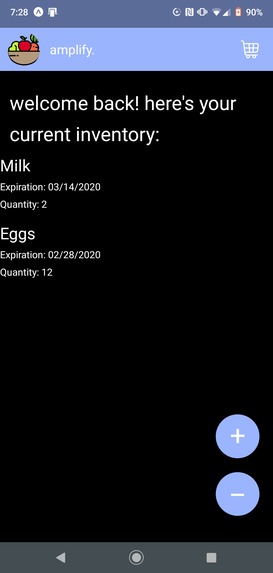
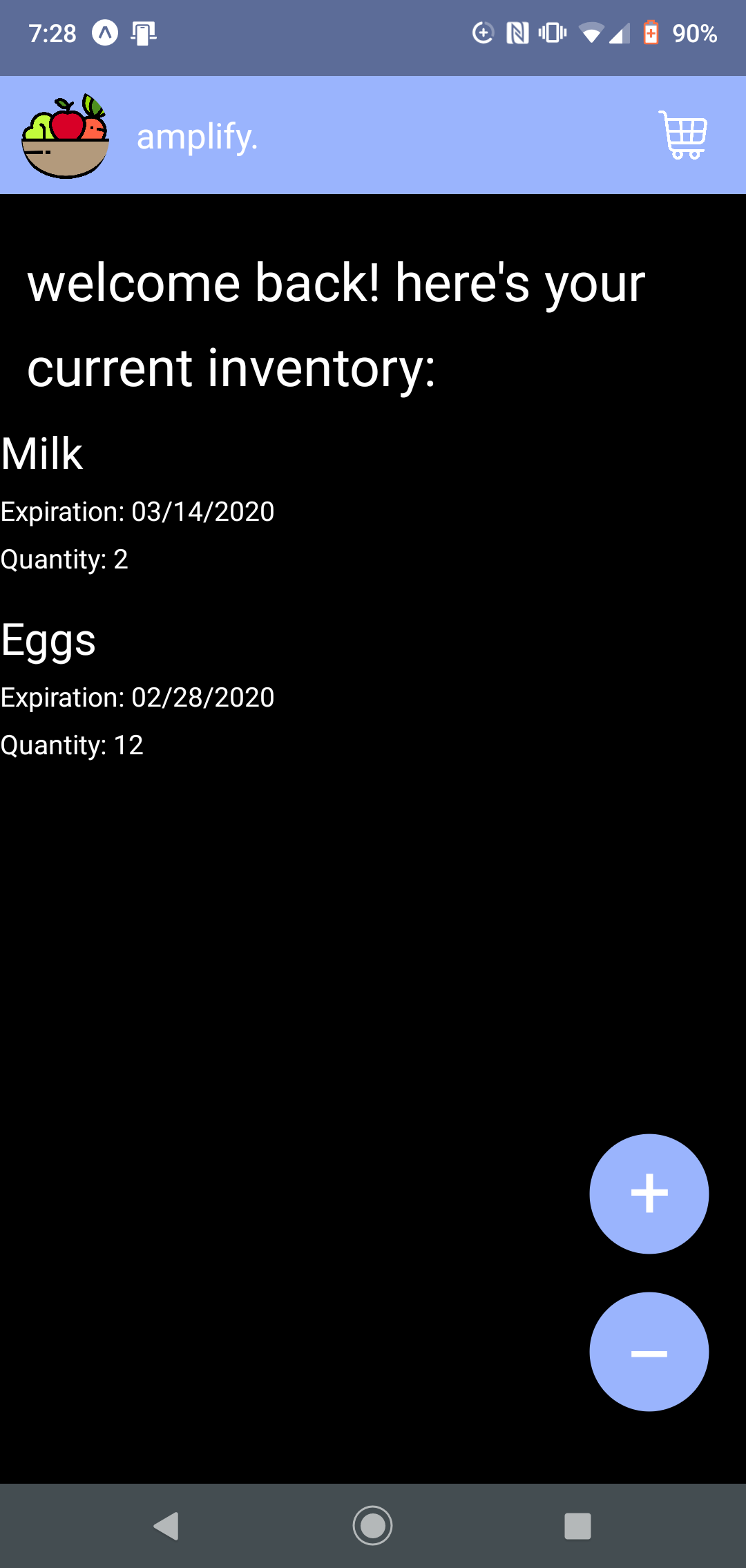
App home page of user inventory. This is based off of what they had previously logged.
-
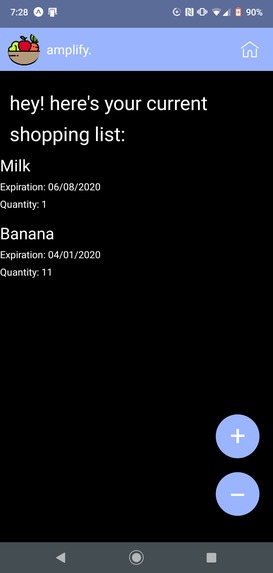
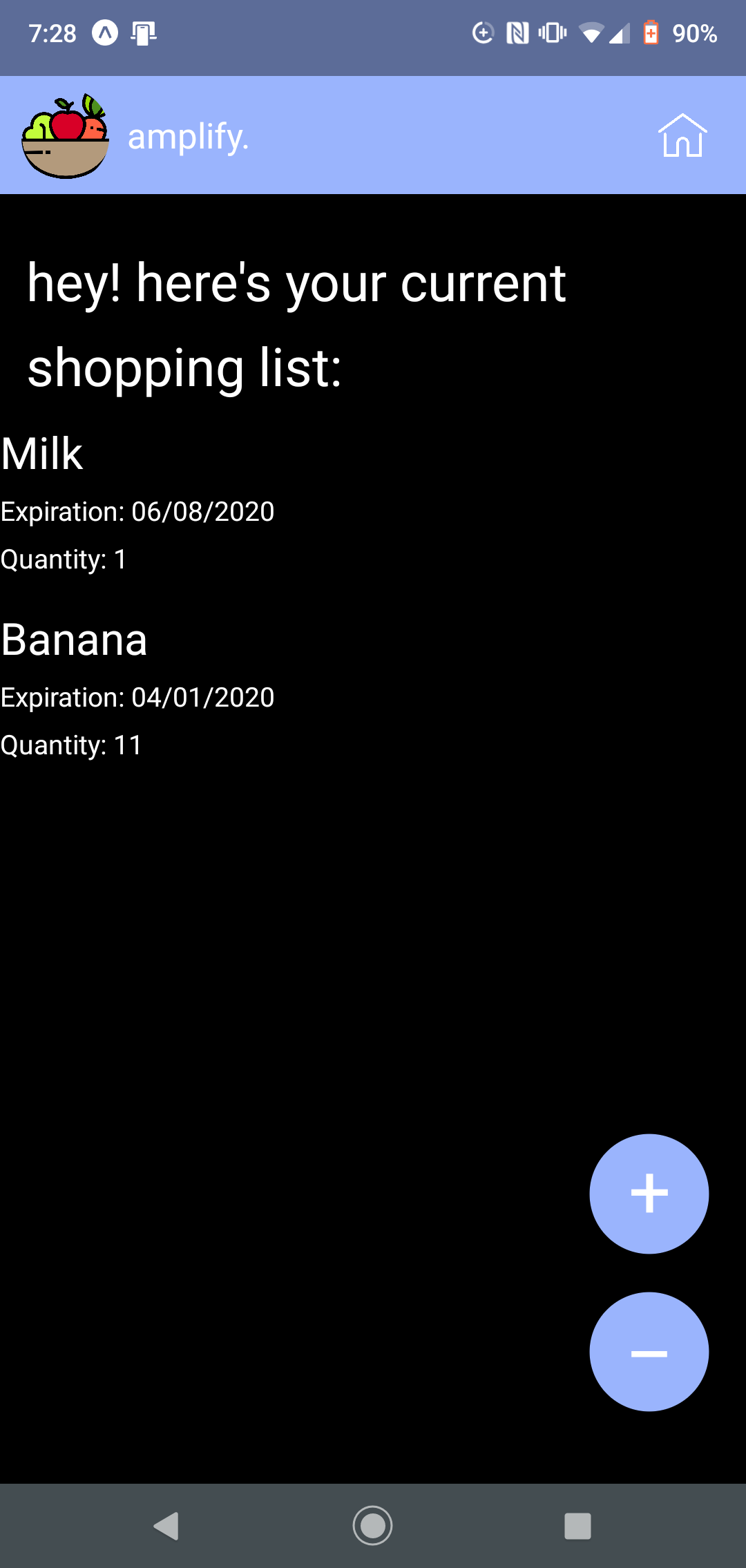
This is their shopping list. It displays things they are considering to buy at the store.
-
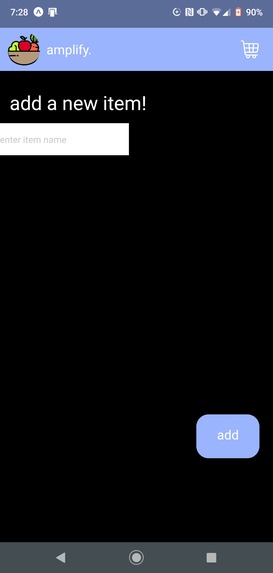
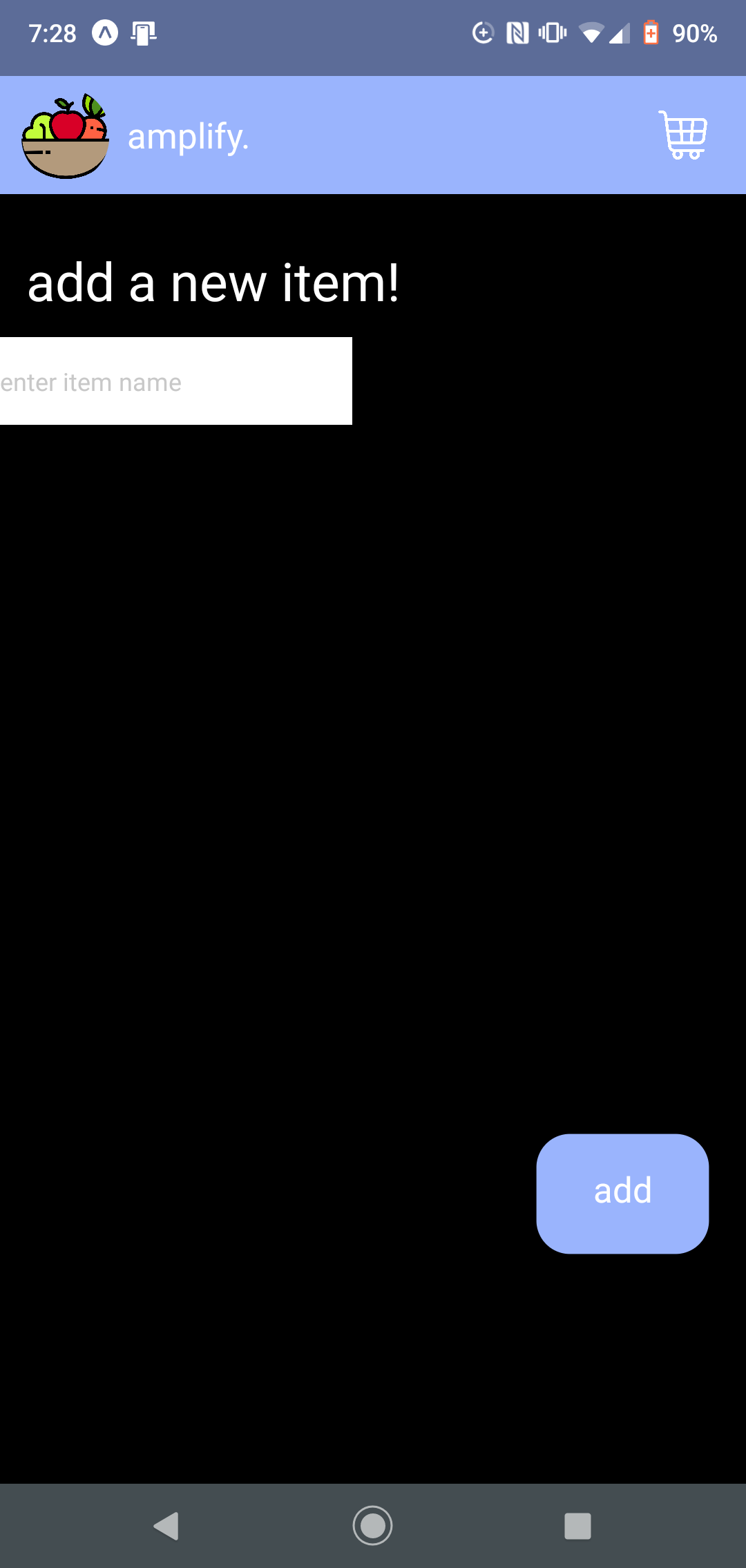
This is what manual input for the items (both shopping + inventory lists) look like.
-
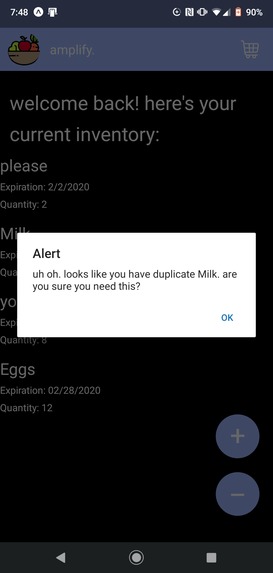
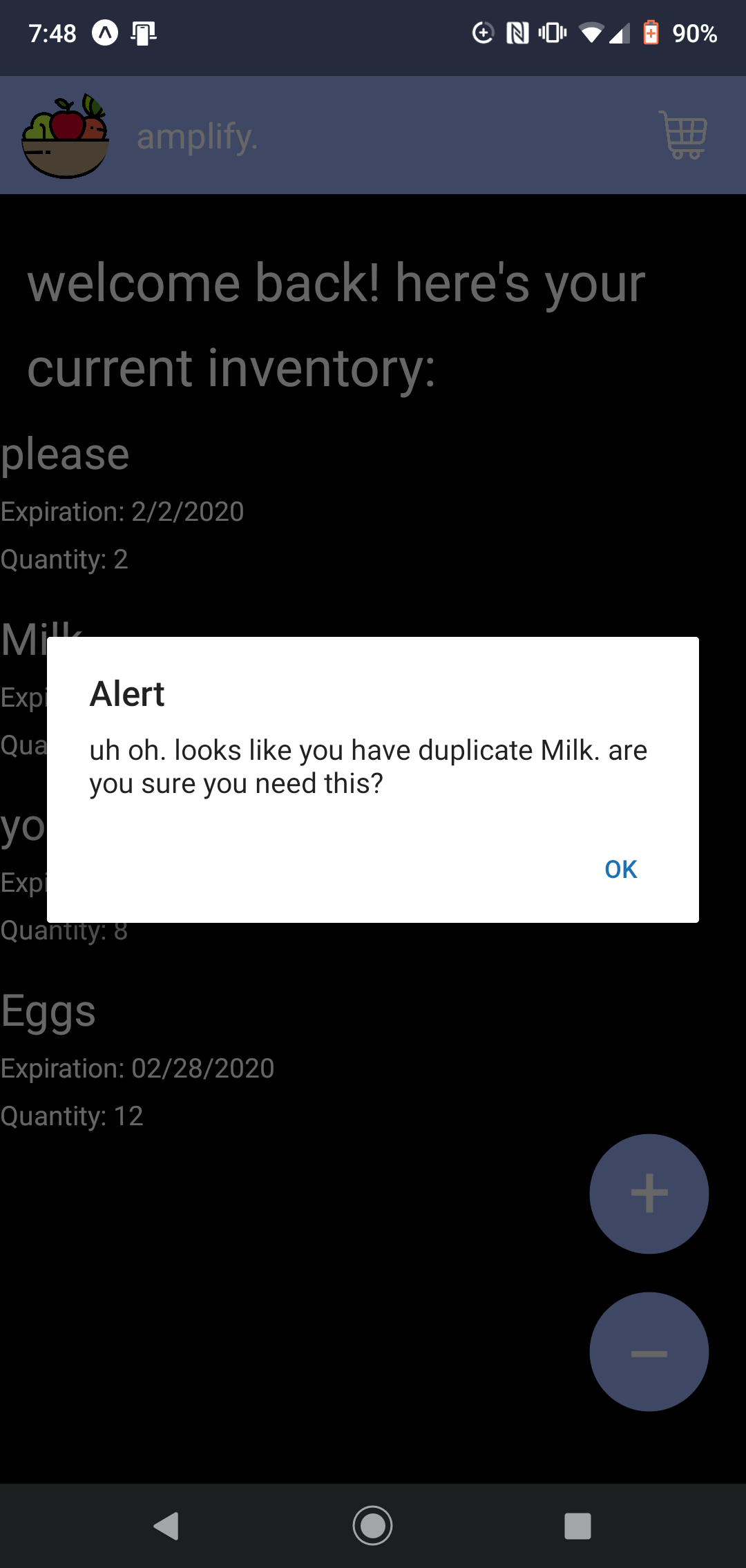
An alert to warn the user that based off of their current shopping list, they will have duplicate milks.
Inspiration
Since the beginning, we knew we wanted our project to tackle some environmental issue. We juggled the idea of solving some aspect of water pollution, but deemed it too unfeasible given our resources and time constraints. This lead us to begin talking about overexploitation and mass-consumption. According to the Food and Agriculture Organization (FAO) of the United Nations, "an estimated 1.3 billion tonnes of food is wasted globally each year, one third of all food produced for human consumption." Our project aims to help consumers make better choices about what they buy, in order to help them reduce food waste.
What it does
How many times have we gone to the store and bought something only to realize we already had it? Too many to count, right? This surplus of items all too often meets the same fate as the rest of our forgotten items: rotting in the back of our cupboards patiently awaiting to be thrown away. Our mobile app, amplify, aims to transform this. Essentially acting as an inventory of the user's possessions, it stores items, their expiration dates (if perishable), and the quantity of the items that the user possesses. By keeping track of the user's possessions, alongside their expiration dates and quantities, it is aimed to help users become more responsible consumers by helping them limit unneeded, or excess things. It does it by comparing the lists of the items they wish to purchase at the store, with the list of things they already own. By comparing both lists, our app notifies the user of duplicate purchases and prompts the user to reflect if they truly need it.
How I built it
Considering that my team is composed of only front-end developers, we decided to create our app using React Native, as most of us already had some knowledge of how it worked. We also used DynamoDB to store the list of the user's items.
Challenges I ran into
Back-end tasks, like pulling data from the database and adding to the database based on user input, were undoubtedly the hardests tasks we had to overcome. As previously mentioned, my team and I are almost exclusively composed of front-end developers and for the most part, only have experience with HTML and CSS. Using React Native and getting accustomed to its weird structure, like components and React Navigation, were definitely hard to get used to, not to mention that downloading Expo and React Native took a very long time to setup! As far as non-programming challenges go, my team and I struggled to come up with a project idea-- with our final project idea being thought of at 4am on Saturday! We really wanted to be unique and make a meaningful impact with our project, which is why we debated the pros and cons of the many ideas we came up with.
Accomplishments that I'm proud of
Although our app might merely look like another list app, I'm really proud of all the challenges my team and I were able to tackle and overcome! I usually tend to stay away from databases in my projects because I don't know how to use it, but having to use DynamoDB to store the user's items definitely taught me a bit more about using real-time APIs.
What I learned
I learned how to use databases to store and retrieve information, how to create our own mobile apps with React Native, and the importance of ideation, since my team and I were all over the place in terms of project ideas at the beginning of the hackathon.
What's next for unknown
When we originally thought of the project idea, we decided to tackle it from a business-lens standpoint. We wanted it to be user-friendly and convenient for the user to use, as to incentivize them from continuing to use our services. As such, we had originally envisioned the app to use image-processing in order to automatically detect the items in the users' fridge or grocery cart and store them in the database automatically. Realistically, not many people would take the time off of their day to count and log all of the items they own and their respective expiration dates and quantities. As a result to the time constraints and our skillsets, we decided to start off our MVP with just a regular list of items and eventually work our way to the image-processing aspect of our app. We also planned on using Radar.io to detect when the users would be inside a store in order to remind them to be conscious of the items they were purchasing. Both the latter and the former never came to fruition, however, as just designing the UI of the app and taking care of the back-end was tedious enough. In due time, we hope to realize the original vision we had for our app as a convenient and fast way for consumers to be conscious of their possessions and subsequently reduce waste.

Log in or sign up for Devpost to join the conversation.