
Inspiration
Counterfeit drugs are a global crisis, responsible for over 1 million deaths annually (World Health Organization, 2023). The World Health Organization (WHO) estimates that 10% of all medical products in low- and middle-income countries are substandard or falsified.
In Africa, up to 42% of all medicines are suspected to be counterfeit, contributing to $200 billion in annual global losses (OECD, 2022).
The Impact
- 120,000 deaths annually from fake anti-malaria drugs in Africa alone (WHO).
- 40% of pharmaceuticals sold in Africa are estimated to be fake or substandard (Interpol, 2023).
- Africa accounts for 42% of the global counterfeit drug market, making it the most affected region (OECD).
Realization
As we looked deeper into the counterfeit drug crisis, we kept asking ourselves: Why do fake drugs still flood the market despite existing solutions?
We examined previous methods—scratch codes, barcodes, and even lab testing—but they all had one major flaw: they relied on trusting a centralized system. Counterfeiters found ways to manipulate barcodes, fake authentication numbers, and even infiltrate supply chains.
Then it hit us. The root of the problem wasn’t just fake drugs—it was the lack of transparency and security in drug verification. If counterfeiters could alter data, fake records, and create convincing copies, we needed a solution that was tamper-proof, decentralized, and publicly verifiable.
That’s when blockchain became the clear answer.
With blockchain, every drug’s authenticity could be recorded in an immutable ledger—one that no counterfeiter could alter, no corrupt official could manipulate, and no centralized system could control. Each drug would have a unique cryptographic identity that consumers could verify instantly.
But we didn’t stop there.
We noticed another pattern: Counterfeiters were getting smarter. They were copying QR codes, forging holograms, and making their packaging indistinguishable from real medicine. That’s when we realized that AI could be the missing piece.
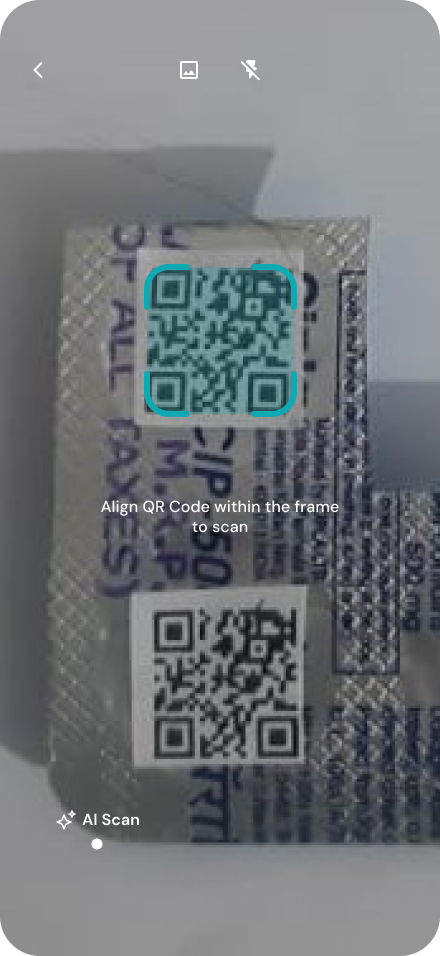
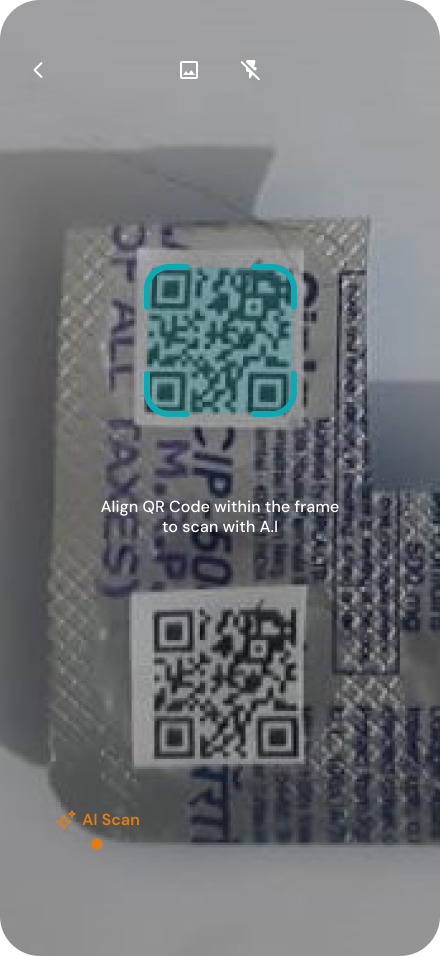
By integrating an AI-powered scanner, we could detect subtle alterations in QR codes, identify signs of duplication, and analyze packaging inconsistencies. If something seemed off, our system would immediately flag it—giving consumers real-time protection against fakes.
What It Does
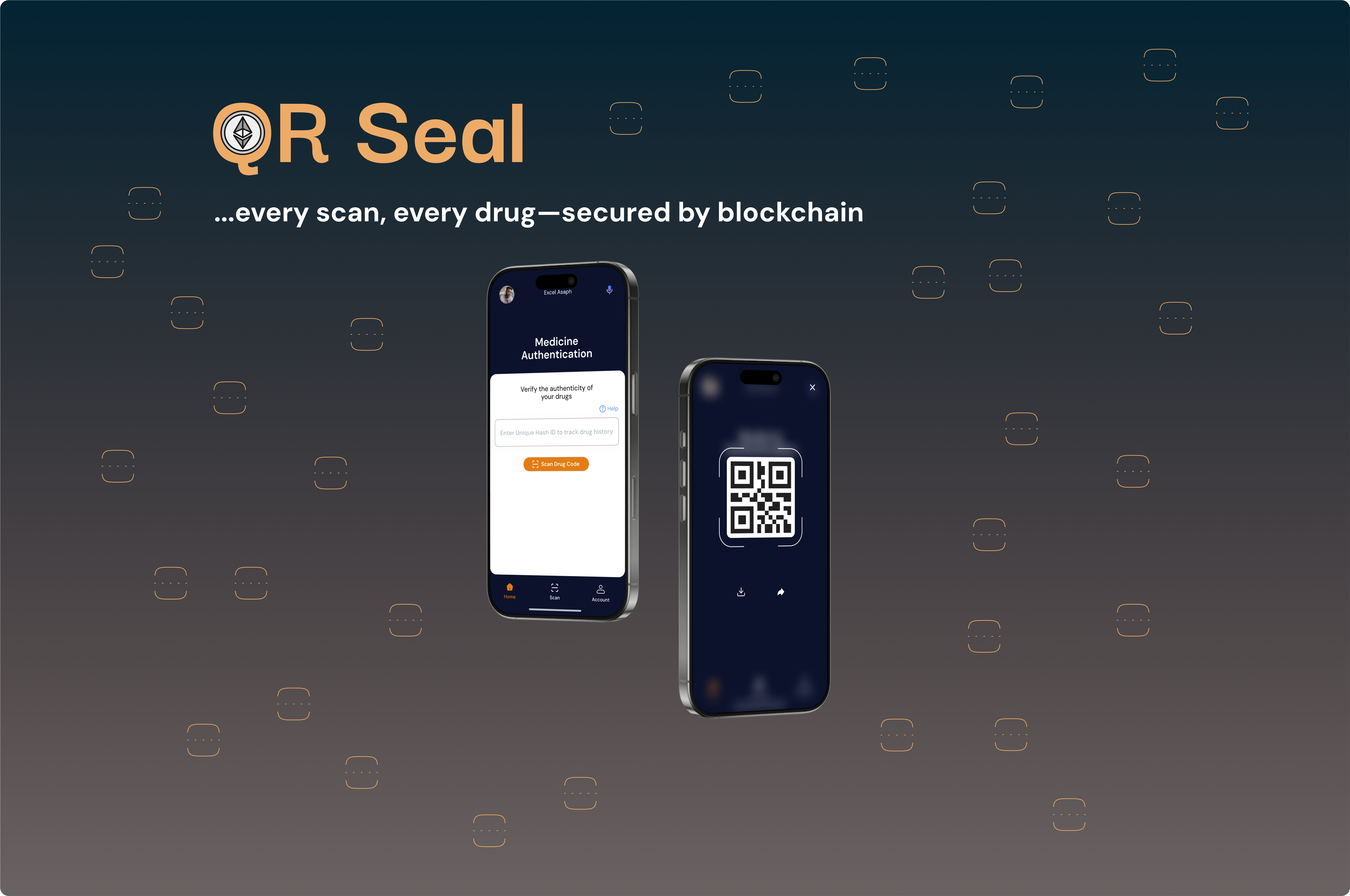
QR Seal is a blockchain-powered drug authentication system that prevents counterfeit drugs from reaching patients.
🔗 How It Works:
✅ Blockchain Authentication:
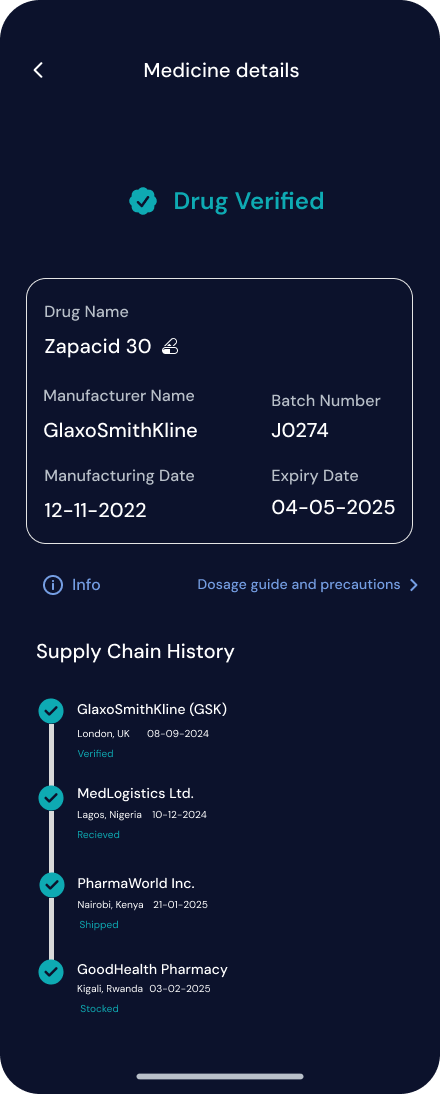
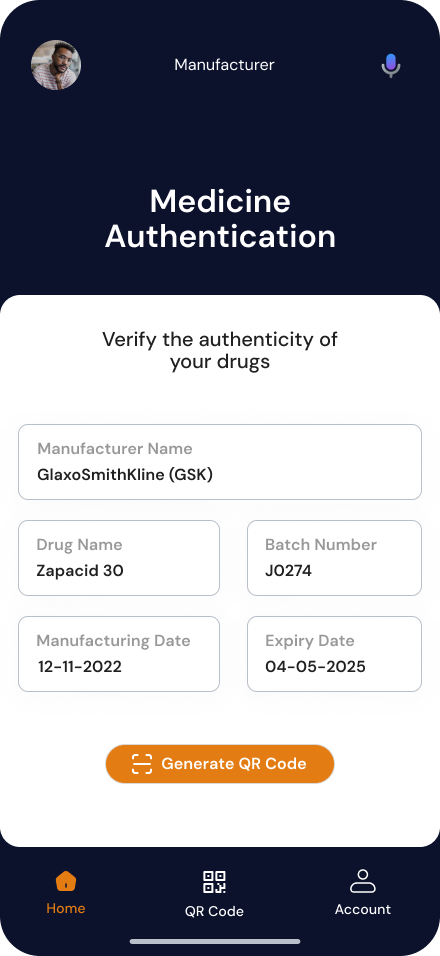
- Each drug has a unique hash ID generated using its Drug Name, Manufacturer, Batch Number, Manufacturing Date, and Expiration Date.
- This hash ID is stored on a blockchain smart contract, making it immutable and tamper-proof.
- Each drug has a unique hash ID generated using its Drug Name, Manufacturer, Batch Number, Manufacturing Date, and Expiration Date.
✅ QR Code Verification:
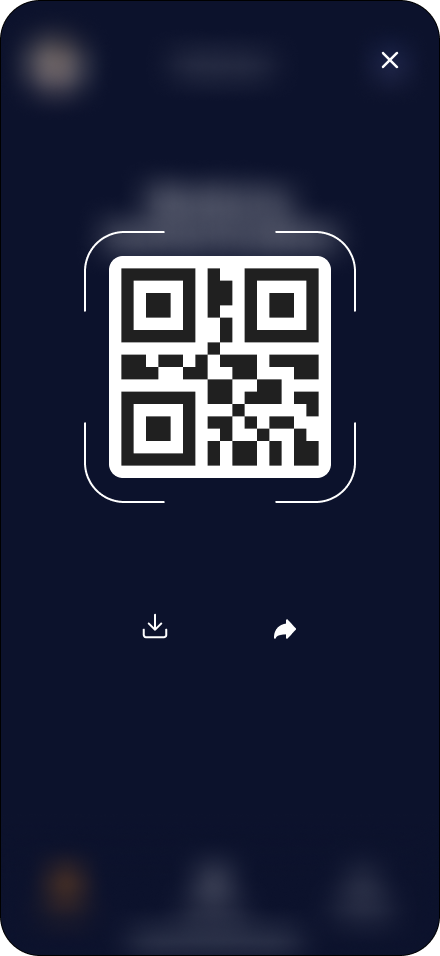
- A QR code is generated for each drug, allowing consumers to scan and verify its authenticity in real time.
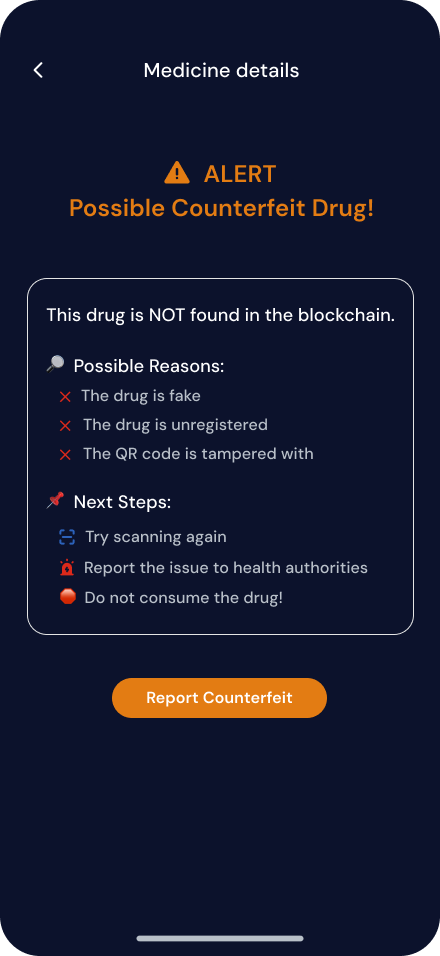
- If the QR code is altered or duplicated, the system raises an alert.
- A QR code is generated for each drug, allowing consumers to scan and verify its authenticity in real time.
✅ AI-Powered Scanner:
- AI detects tampered or copied QR codes, preventing counterfeiting attempts.
- AI detects tampered or copied QR codes, preventing counterfeiting attempts.
✅ Supply Chain Transparency:
- Blockchain records every step of the drug's journey, allowing users to track its origin and distribution.
- Blockchain records every step of the drug's journey, allowing users to track its origin and distribution.
✅ Consumer Incentives:
- Users who scan and verify their medications earn blockchain tokens, which can be redeemed for discounts or healthcare services.
- Users who scan and verify their medications earn blockchain tokens, which can be redeemed for discounts or healthcare services.
✅ Setting Up WebRTC:
- Users can securely communicate and verify drugs in real-time through video calls and live interactions with pharmacists.
How We Built It
We used a combination of cutting-edge technologies to create QR Seal, ensuring that the solution is secure, reliable, and scalable. Here’s a breakdown of the key components and how they work together:
Blockchain (Ethereum / Polygon):
Blockchain technology is the backbone of QR Seal, providing security and immutability to our drug verification system. By leveraging Ethereum and Polygon, we ensure that all drug authenticity data is securely stored and tamper-proof. This decentralized nature ensures no single party has control over the data, protecting it from manipulation.Smart Contracts:
Smart contracts are utilized to store hash IDs and transaction history. These contracts automatically execute actions when certain conditions are met, such as verifying the authenticity of a drug. The hash ID, which uniquely identifies each drug, is recorded on the blockchain through these smart contracts, ensuring that the data is publicly verifiable, transparent, and unchangeable.AI Image Recognition:
We integrated AI-powered image recognition to detect altered QR codes and prevent counterfeiters from manipulating or duplicating the codes. The AI algorithm analyzes the scanned QR code and compares it with known patterns to identify signs of tampering or duplication. This real-time detection capability adds an additional layer of protection for users, ensuring that they can trust the drug they are purchasing.
4. WebRTC
We integrated WebRTC for real-time communication in QR Seal, enabling users to securely communicate and verify drugs in real-time through video calls and live interactions with pharmacists.
- Mobile App:
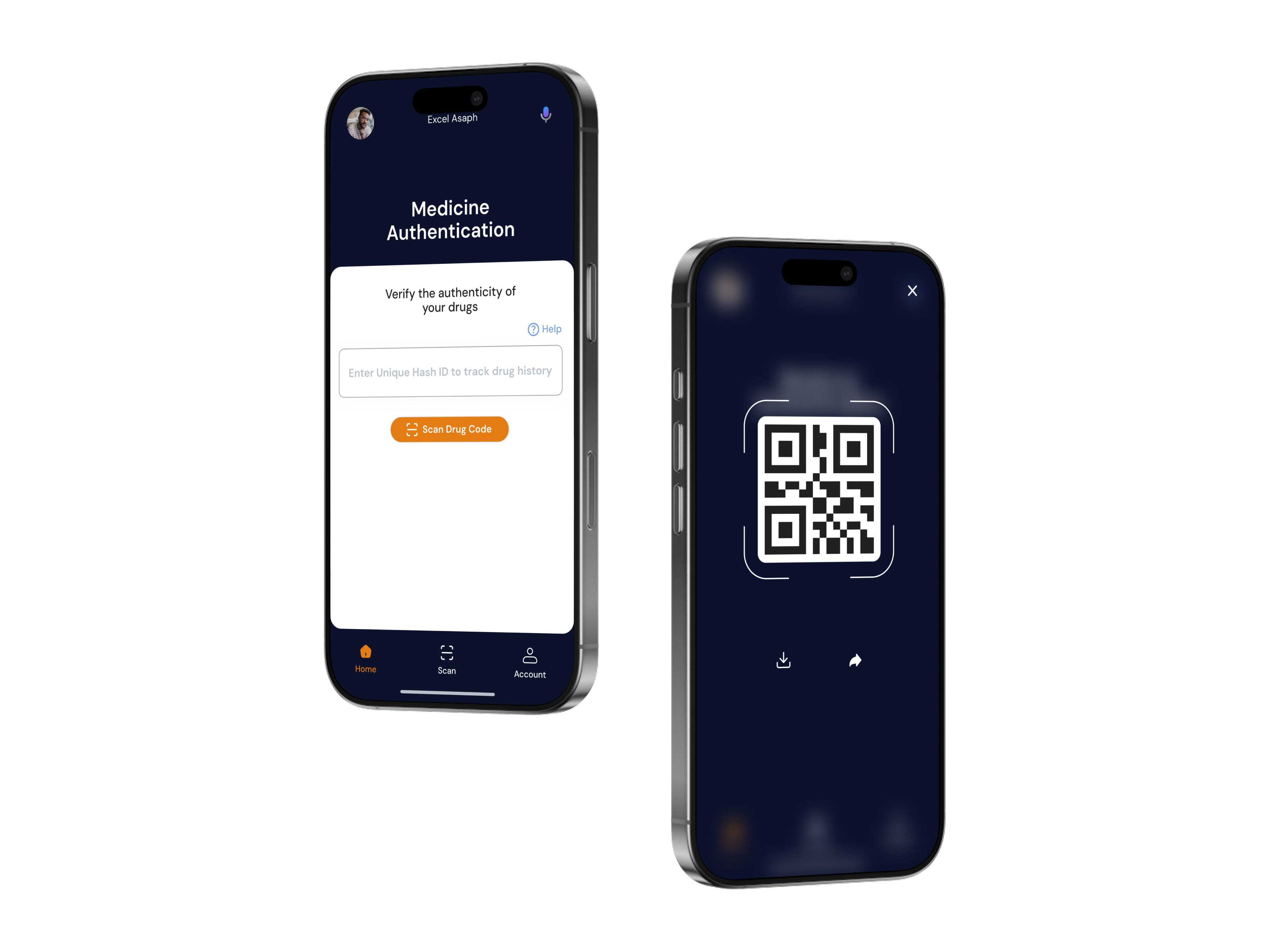
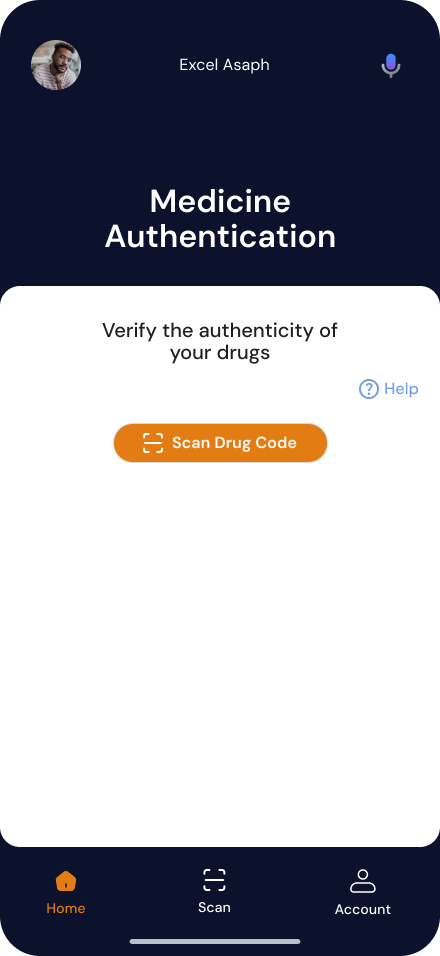
The mobile app serve as the interface through which consumers can scan QR codes and verify drug authenticity. With the ability to scan QR codes in real-time, users can instantly confirm whether the drug is authentic or counterfeit. The app also provides access to the drug's supply chain data, making it easy to trace the drug's journey from manufacturer to consumer.
Challenges We Faced
Building QR Seal was no small feat, and along the way, we encountered several technical challenges that pushed us to think critically and innovate. Here's a look at the key hurdles we faced:
1. Deploying the Smart Contract to the Blockchain
One of the first major challenges we encountered was deploying the smart contract to the blockchain. Ensuring the contract was correctly deployed and interacted with the blockchain required a deep understanding of both Ethereum and Polygon networks. We had to ensure the smart contract was secure, efficient, and capable of handling all transactions related to drug verification. Testing and troubleshooting issues like gas fees and transaction delays were significant hurdles we overcame in this phase.
2. Configuring the Session ID and Admin ID
For security and system integrity, each user interaction with QR Seal needed to be associated with a unique session ID and admin ID. Configuring these IDs across the entire system proved to be complex, especially when trying to maintain a seamless experience for the user while ensuring that the data remained secure. The integration of session management within both the blockchain and mobile app was particularly challenging, but crucial to ensuring that the system could track users' actions and securely store verification data.
3. Connecting the Mobile App to the Blockchain
Another challenge was connecting the mobile app to the blockchain. This required integrating a user-friendly interface with the backend blockchain infrastructure. The connection between the app and the blockchain had to be fast, secure, and capable of handling real-time drug verifications without delays. We had to overcome challenges in ensuring the app communicated with smart contracts in a decentralized environment, leveraging technologies like Web3.js and ethers.js.
4. Setting Up WebRTC
We integrated WebRTC for real-time communication in QR Seal, enabling users to securely communicate and verify drugs in real-time through video calls and live interactions with pharmacists. Configuring and setting up WebRTC proved to be a challenge as it involved establishing peer-to-peer connections across different devices and networks. We had to address issues related to network latency, firewall settings, and ensuring a smooth user experience during live verification sessions.
Despite these challenges, we successfully built a secure and reliable system that addresses the growing issue of counterfeit drugs. Each challenge was an opportunity for us to learn and refine our approach, leading to a stronger and more robust solution.
Accomplishments That We're Proud Of
Some of the key milestones we’ve achieved in bringing this project to life:
1. Successfully Implementing Blockchain for Drug Authentication
One of our proudest achievements is successfully integrating blockchain technology into our drug authentication system. The deployment of smart contracts has enabled us to store critical data, like drug details and transaction history, in a way that can’t be altered by counterfeiters or bad actors.
2. Building a Web App Experience
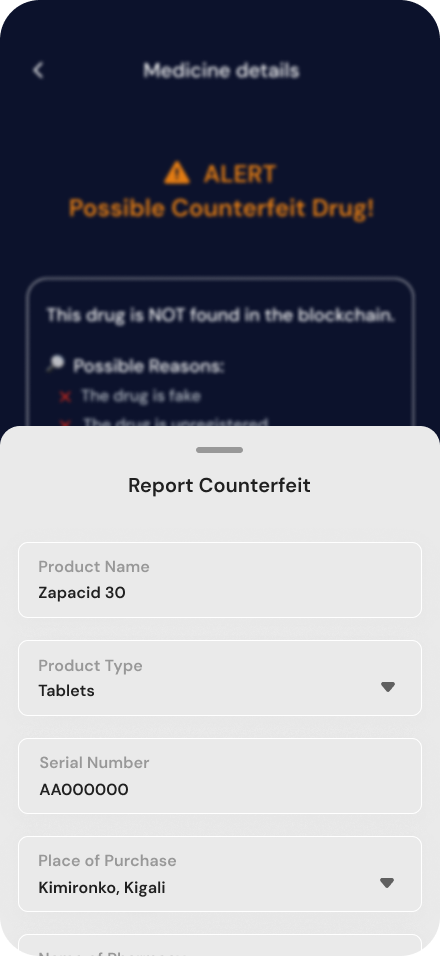
We successfully developed a user-friendly mobile application for QR Seal. The app’s ability to issue alerts for counterfeit drugs and provide rewards to users is something we take pride in.
3. Real-Time Verification with WebRTC Integration
The integration of WebRTC for real-time communication has also been a key achievement. It has allowed us to offer a unique feature that enhances the consumer experience by providing direct, live feedback when verifying the authenticity of a drug.
What We Learned
It's so hard to build a very good project. It requires continuous iteration and extensive research to come up with new architectures and designs. Each stage of development presents its own set of challenges, and overcoming these obstacles is a crucial part of the process.
We learned that persistence, creativity, and adaptability are key to success. Building something truly impactful takes time, effort, and a willingness to continuously improve. Every challenge we faced allowed us to grow and get closer to our vision for QR Seal.
Future Plans
✅ Expand to food & cosmetics authentication: We plan to extend the blockchain-based authentication system to not only drugs but also food and every product that can be counterfeited. cosmetic products.
✅ Partner with pharmaceutical companies for adoption: One of our key strategies is to establish partnerships with pharmaceutical companies, distributors, and supply chains to integrate QR Seal into their operations.
✅ Develop a DeFi-based token economy to scale rewards: In the long term, we aim to create a decentralized finance (DeFi)-based token economy, where users can earn tokens for scanning and verifying drugs. These tokens can then be redeemed for discounts, healthcare services, or even traded on exchanges. This system will incentivize participation and expand the reach of QR Seal, creating an ecosystem for both consumers and healthcare providers.


Log in or sign up for Devpost to join the conversation.