-
-
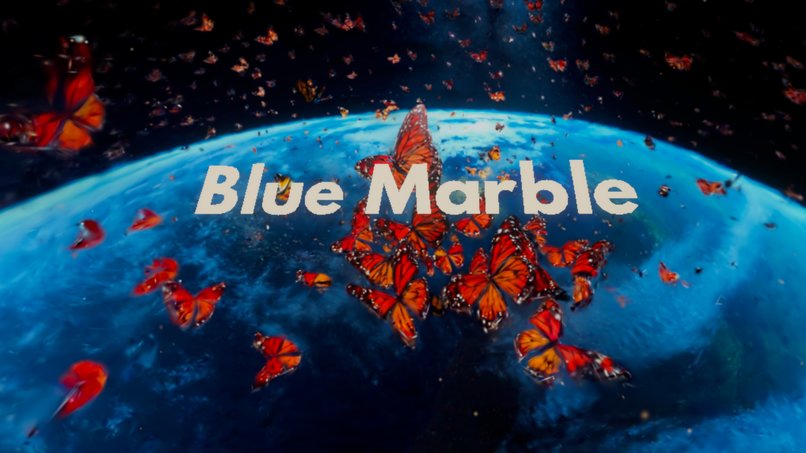
Ported Pitch Deck First Slide
-
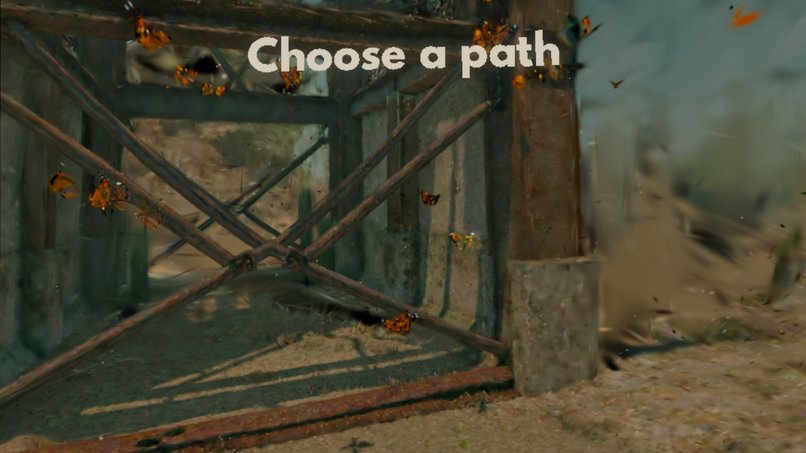
Second Slide
-
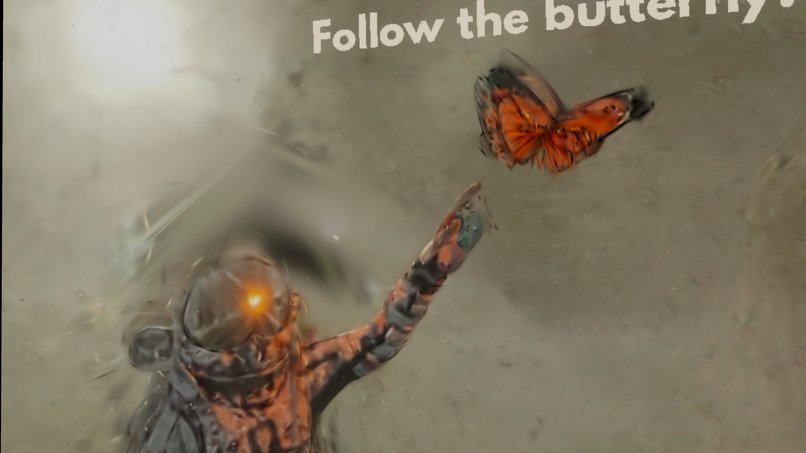
Third Slide
-
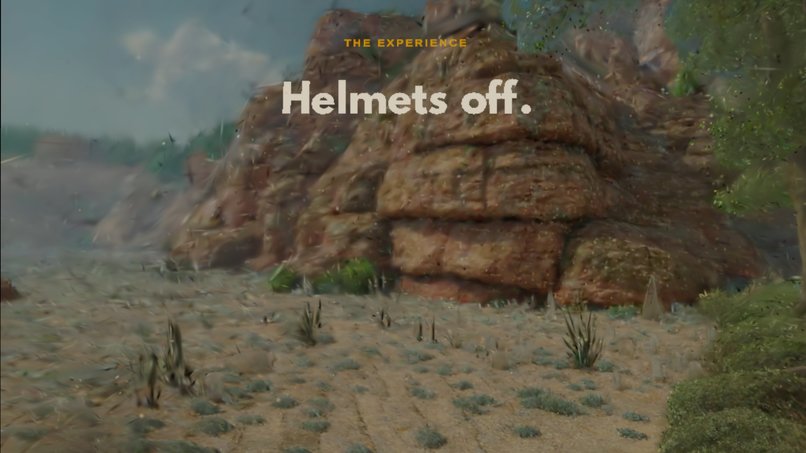
Fourth Slide
-
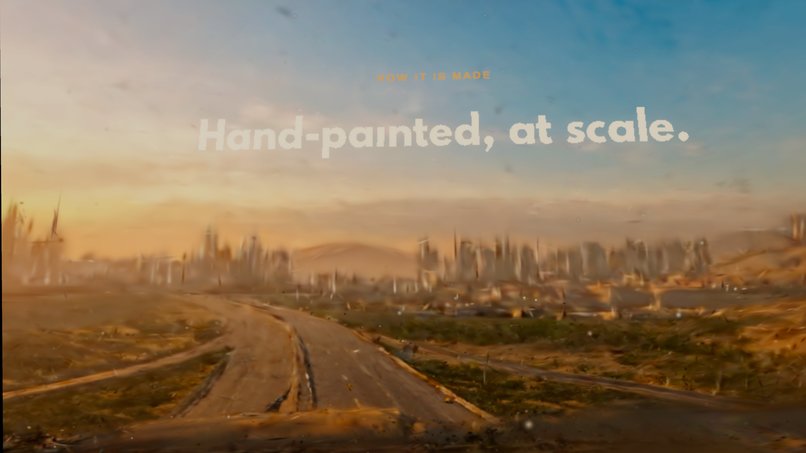
Fifth Slide
-
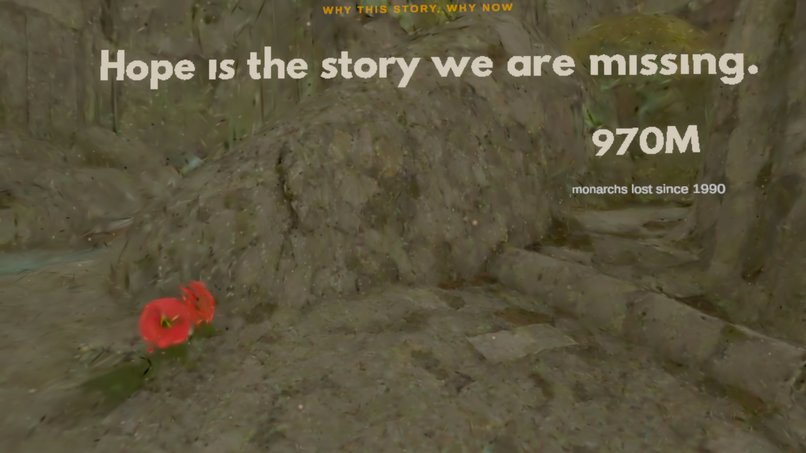
Sixth Slide
-
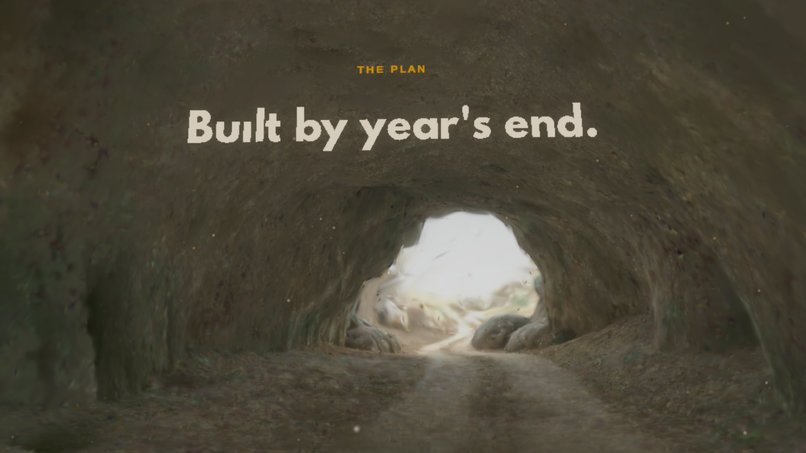
Seventh Slide
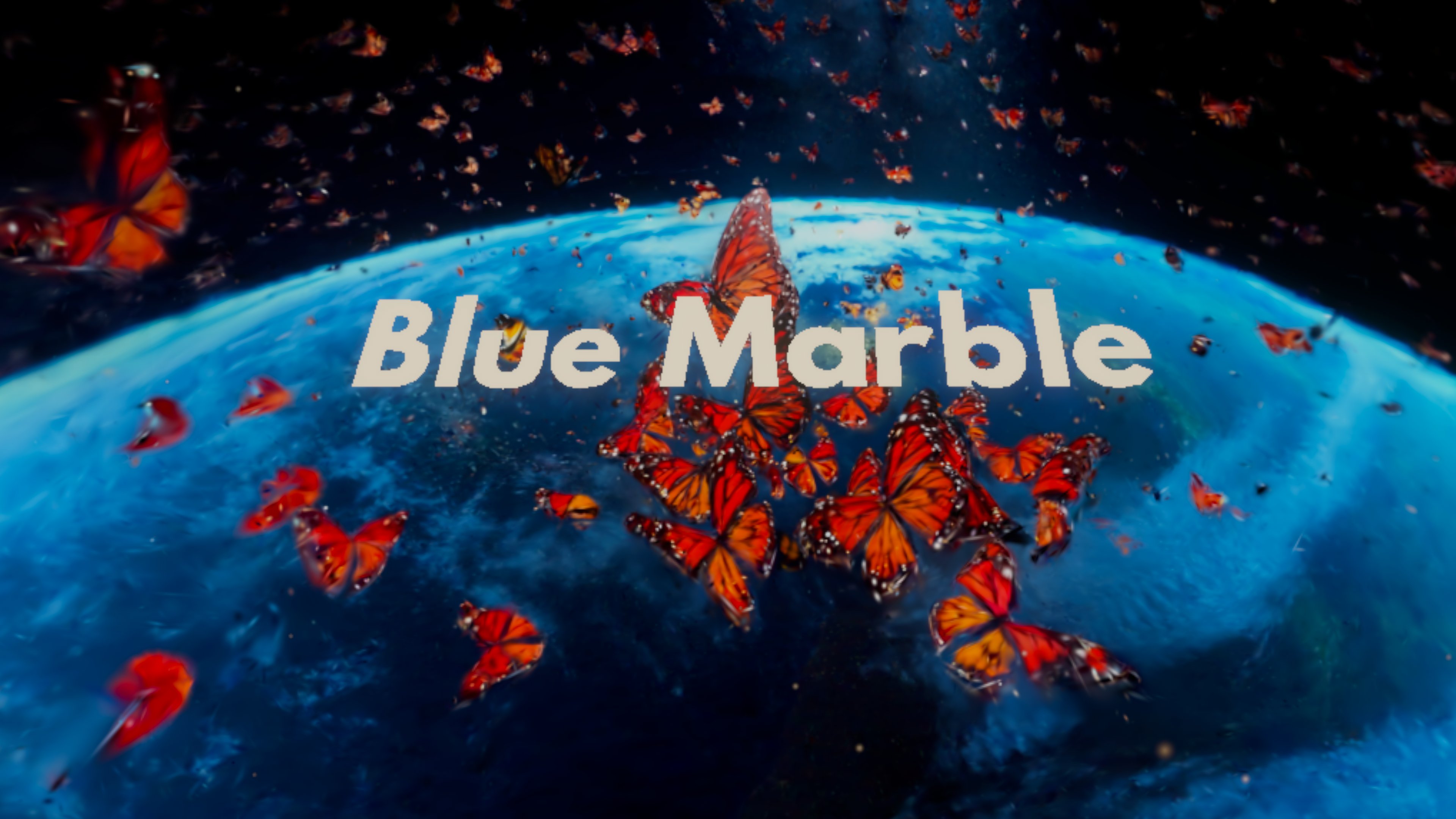
Inspiration
Slide decks flatten stories into bullets. Presentations about places and futures deserve to be experienced, not clicked through. With Marble generating full 3D worlds from a prompt, we asked: what if "next slide" meant stepping through a door?
What it does
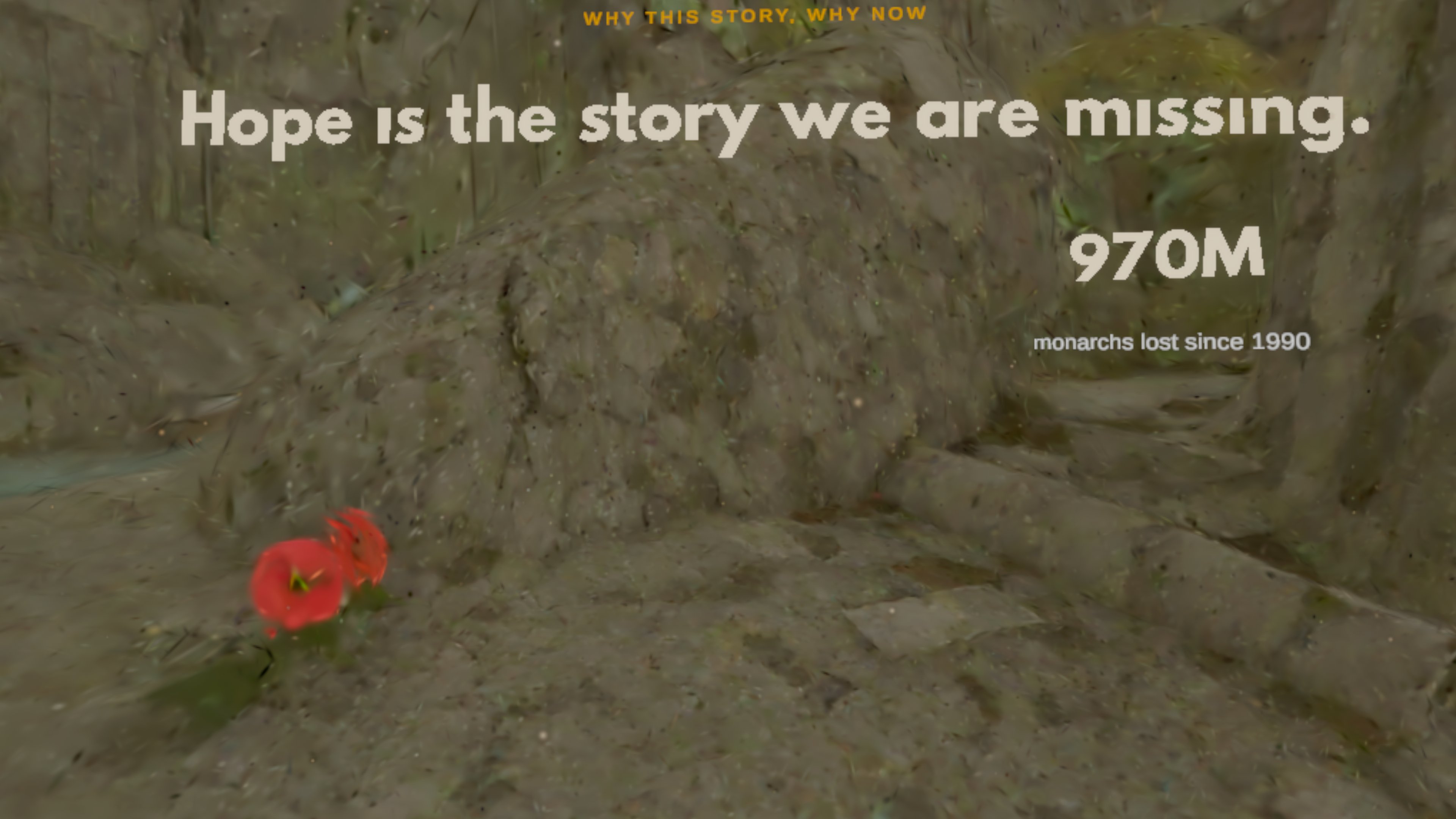
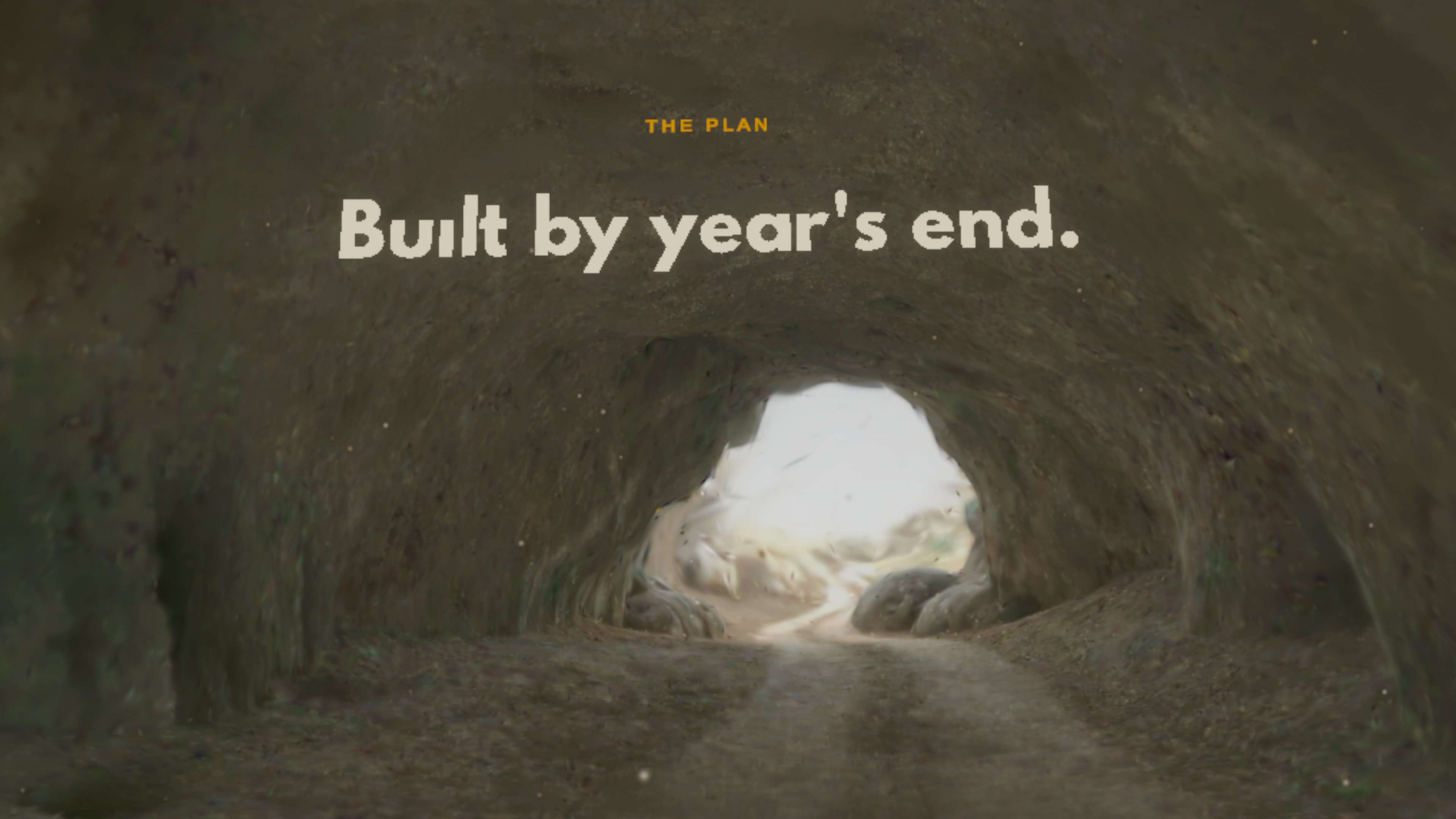
Universe is a proof of concept for porting a slide deck into an immersive viewing experience. Claude interprets the deck's structure, World Labs Marble generates a space per section, and Unity assembles a walkable Meta Quest presentation.
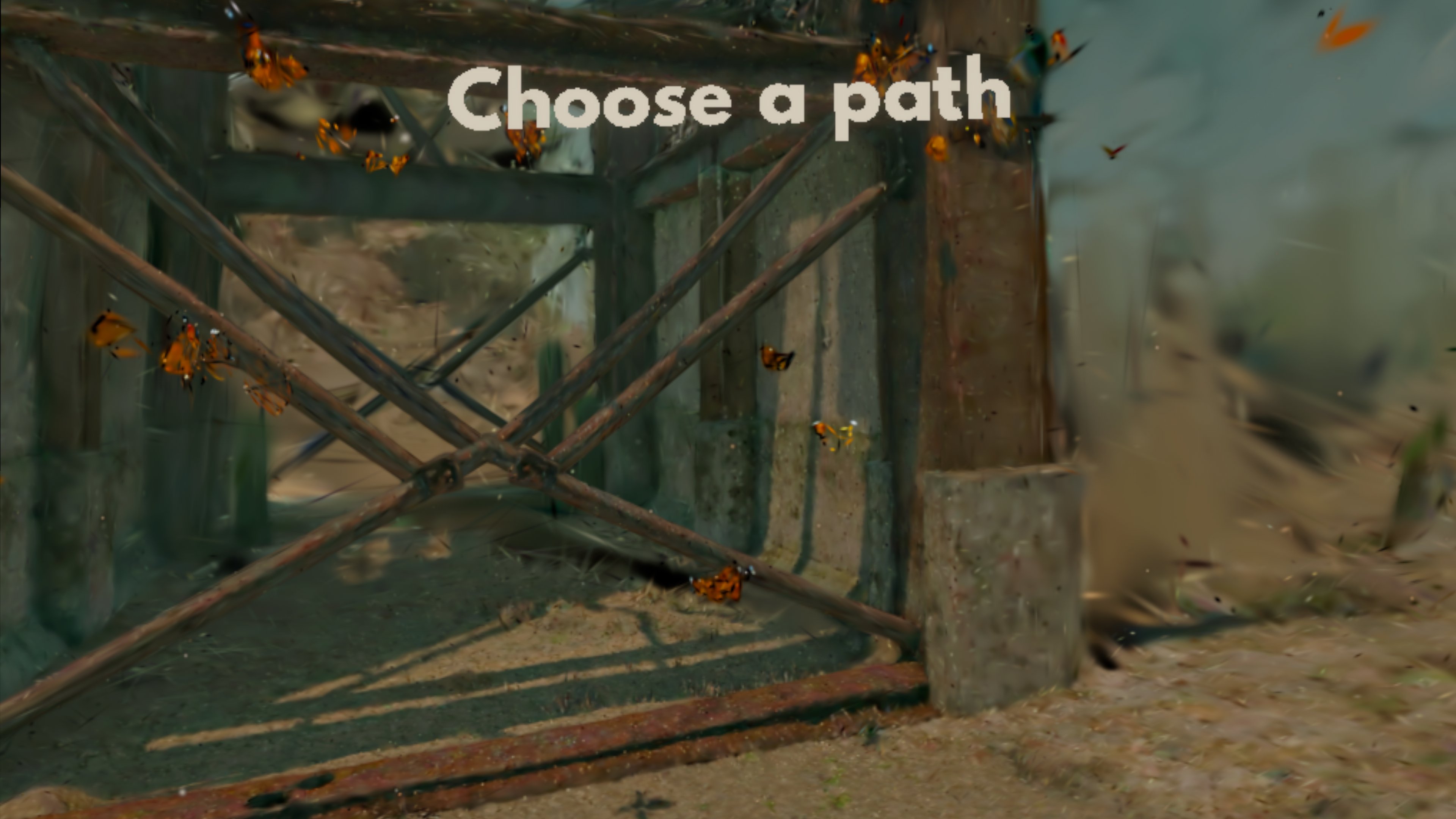
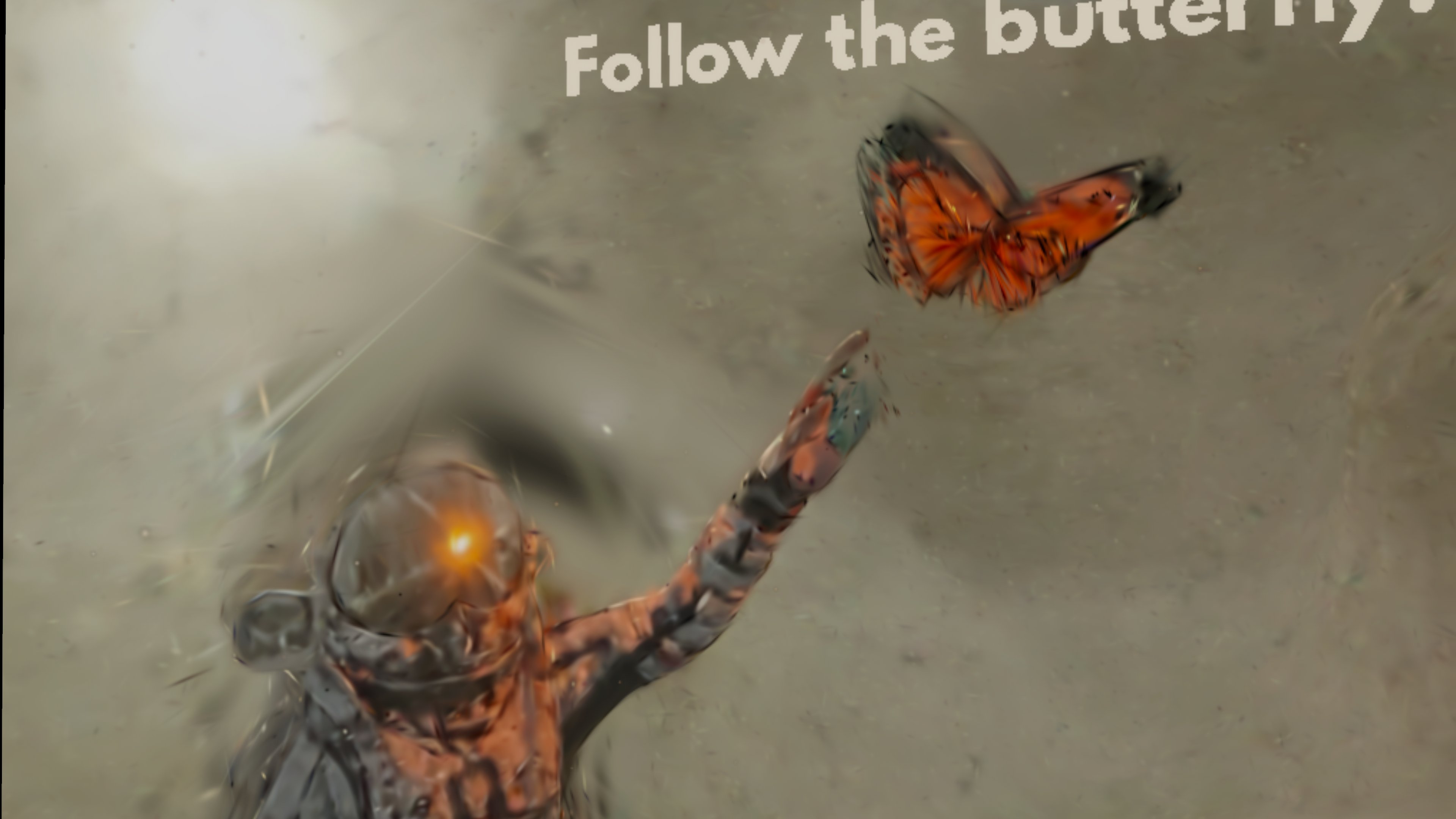
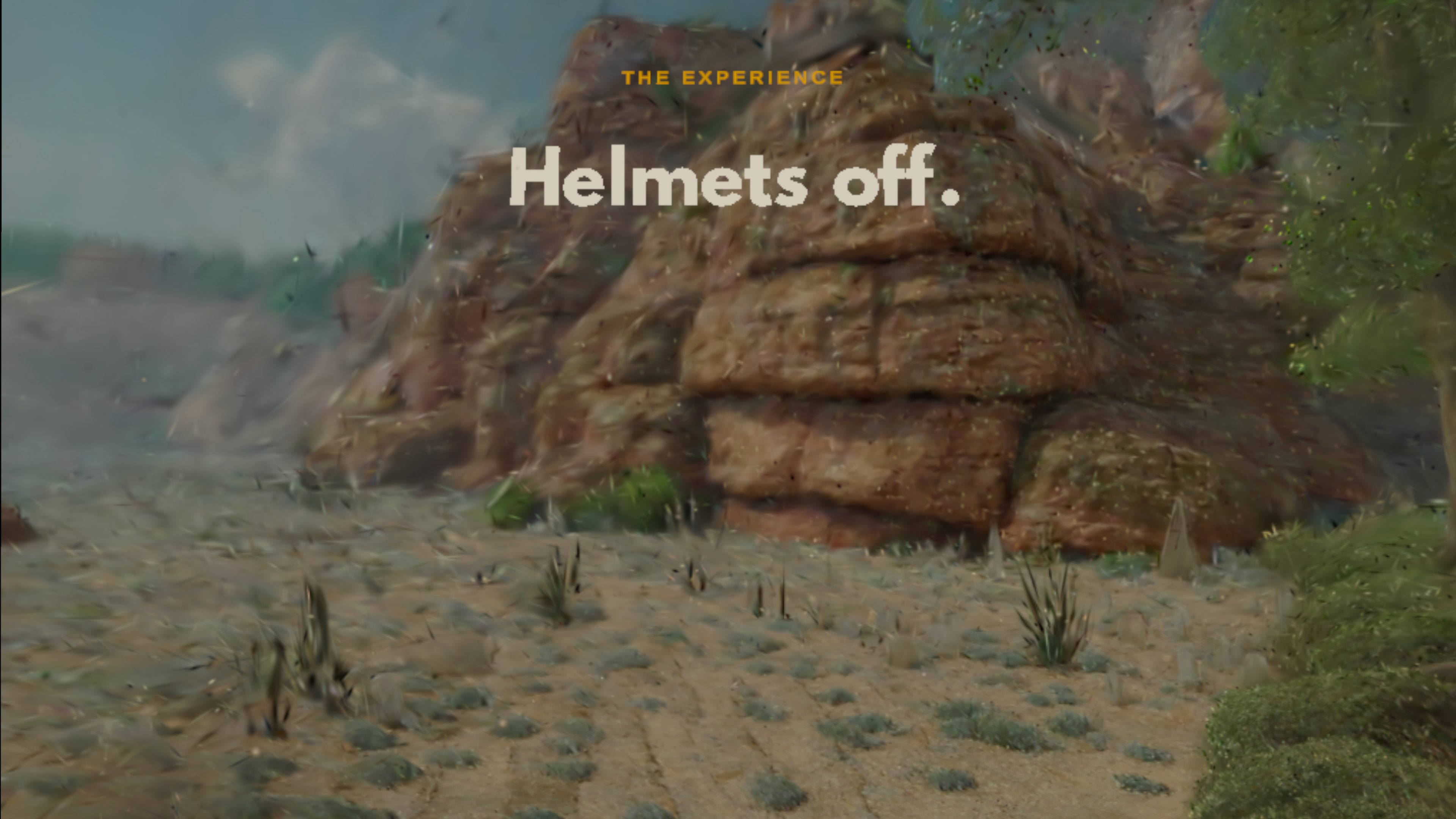
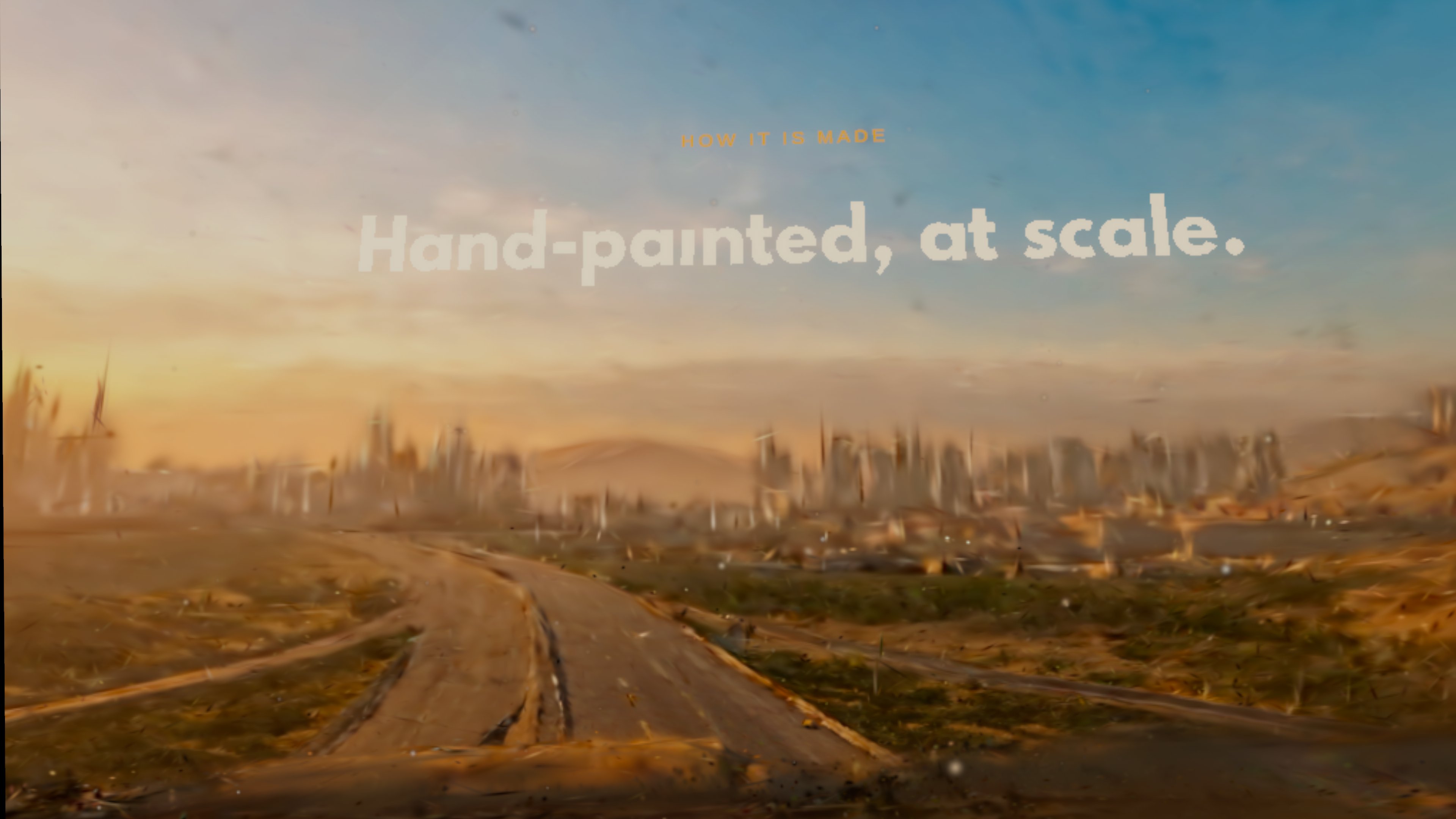
Our demo reimagines Blue Marble, a real climate VR grant pitch, as seven walkable spaces: an orbital lobby, an airlock hub with a door per section, a monarch grove, a barren far-future Earth, a thriving oasis, the artist studio, and a mission control room holding the timeline and the ask. Press A to reveal each caption beat, then step through the next door. The pitch's journey from barren to alive becomes the path you walk.
How we built it
Claude parsed the real pitch deck into sections and caption beats, then generated Marble prompts for each section's mood and content. Marble produced a 3D world per section, which we brought into Unity and connected with the airlock hub, door navigation, and an A-button caption system. The build runs natively on Quest.
Challenges
Translating linear slides into spatial logic: what becomes a room, what becomes a door, how much text survives the jump into 3D. Technically, getting Marble worlds into Unity at Quest-friendly performance and transitioning smoothly between seven environments on mobile hardware.
What we learned
A deck's structure is already a spatial map. World models change the economics of environment art: seven distinct spaces in a weekend would be impossible to hand-build.
What's next
Automating the deck-to-world pipeline into a general tool: upload any deck, get a walkable presentation. Then presenter and audience modes for live pitching, and author controls for art-directing the worlds.

Log in or sign up for Devpost to join the conversation.