-
-
-
-
-
-
-
-
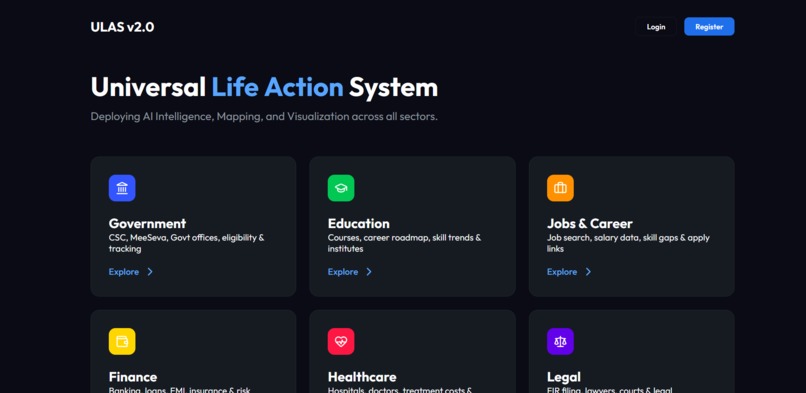
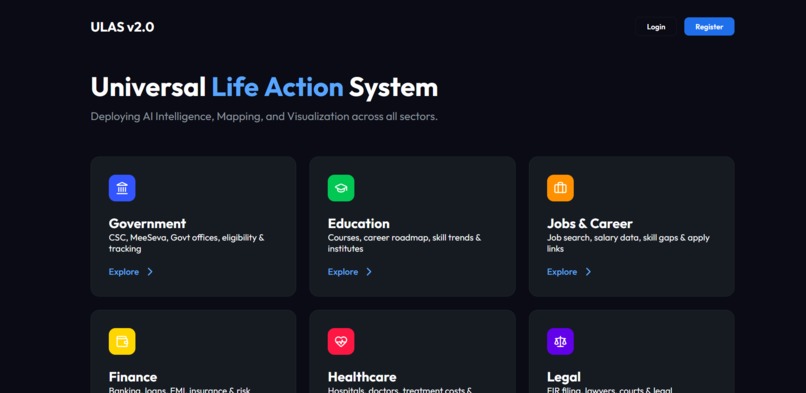
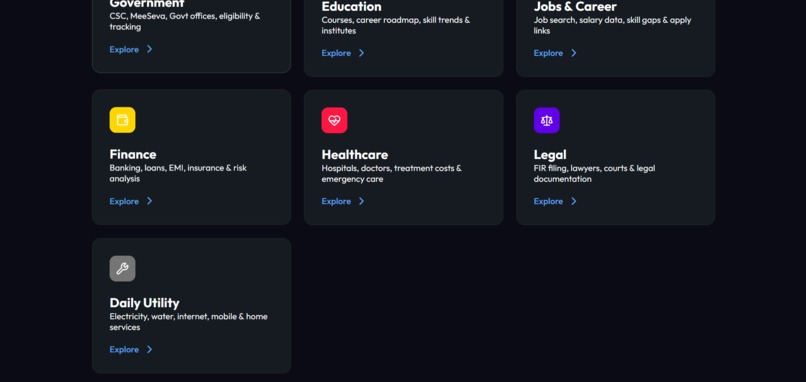
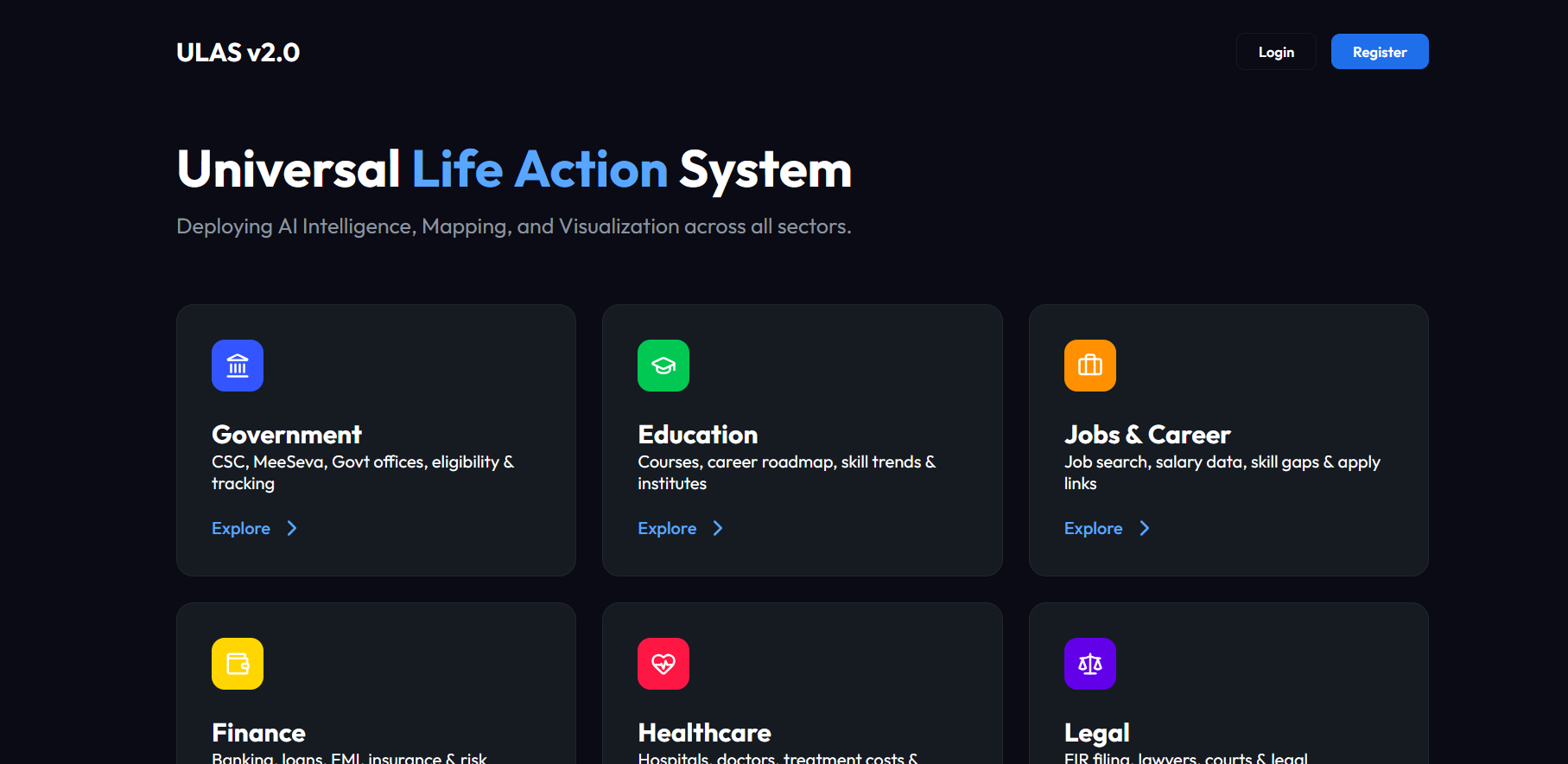
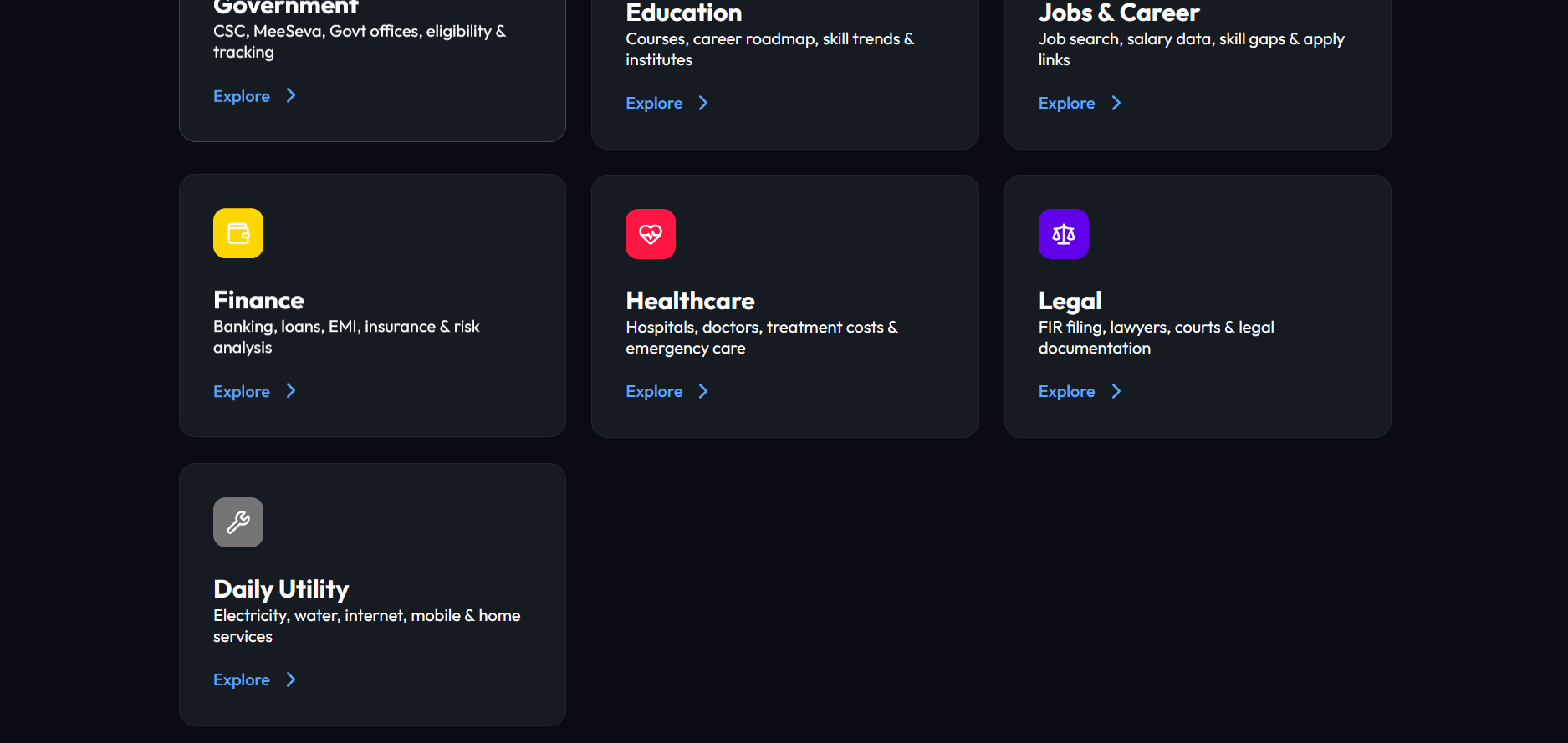
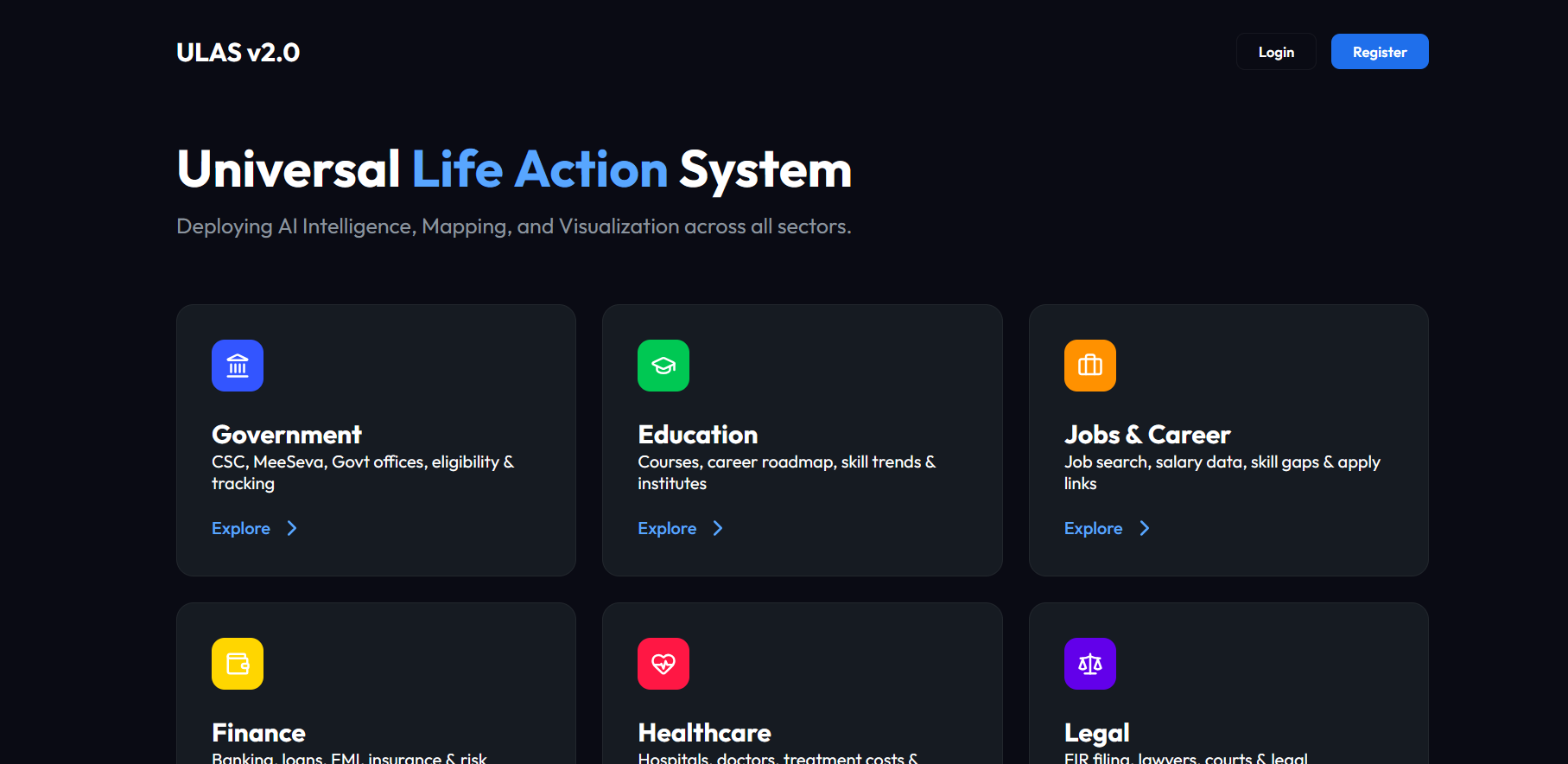
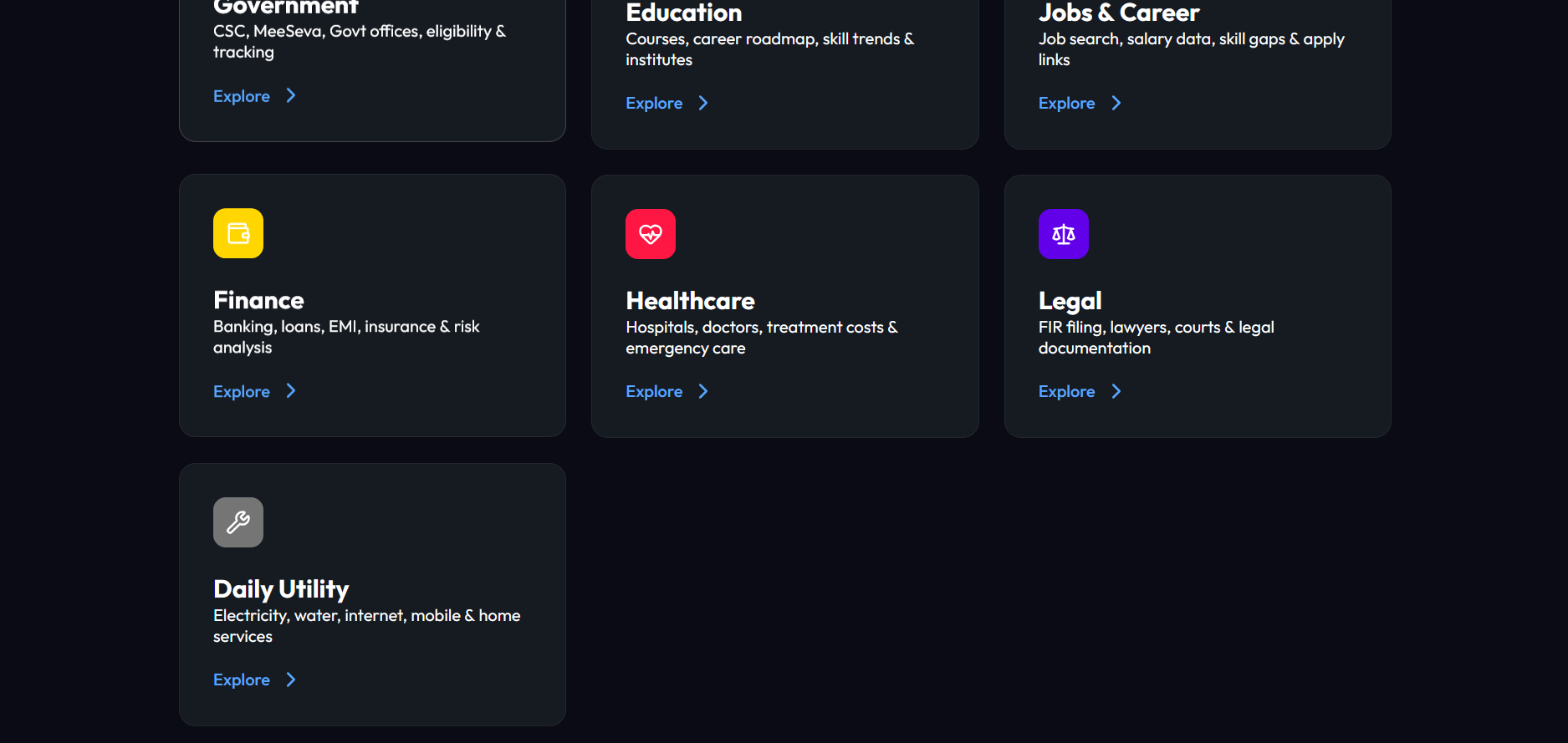
home page seven sectors
-
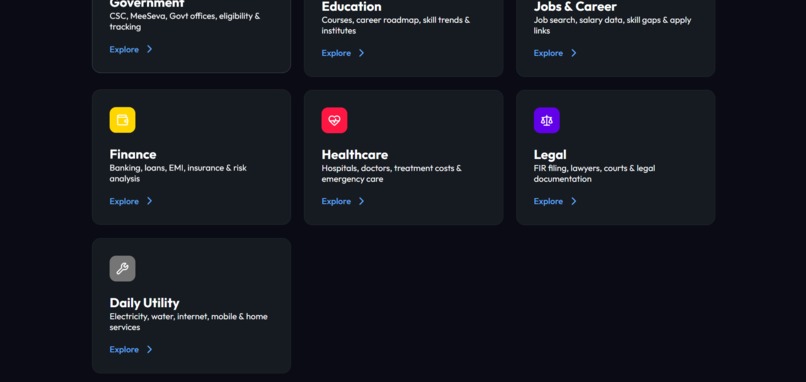
home page seven sectors
-
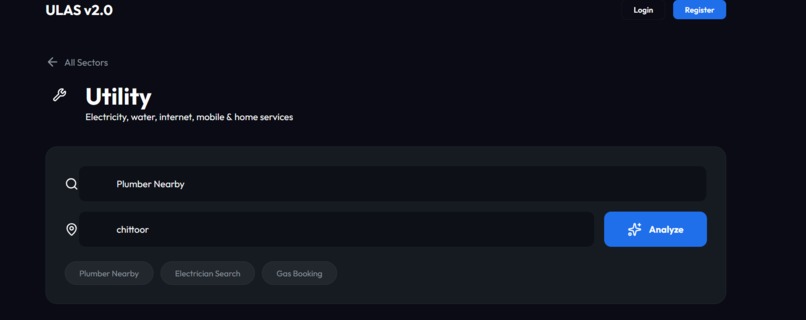
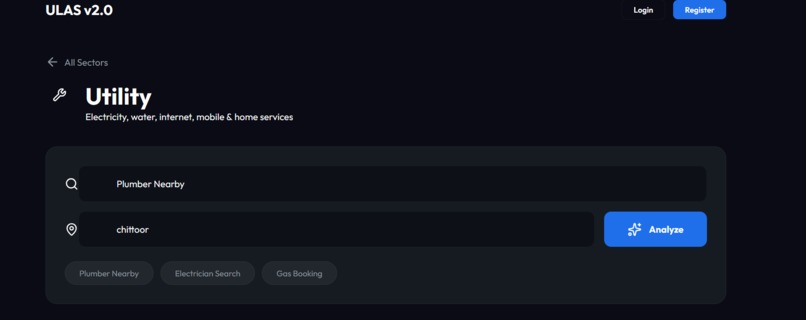
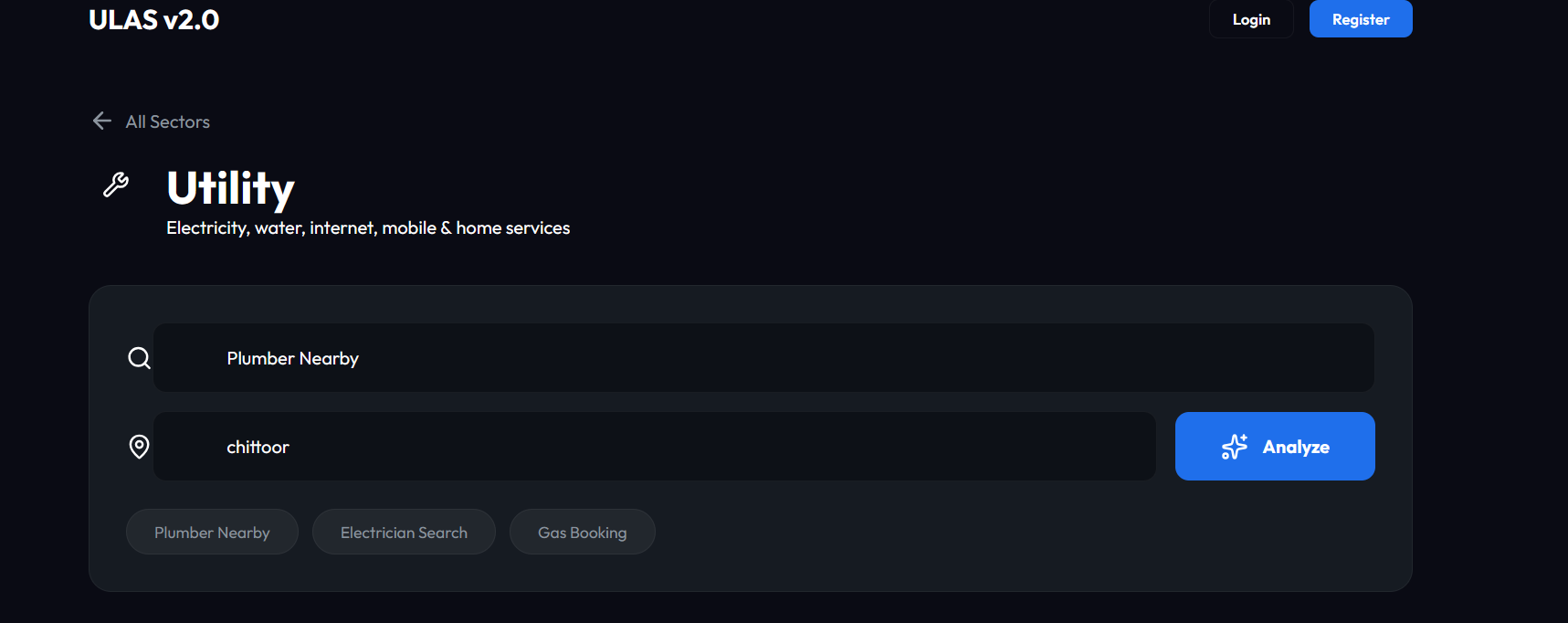
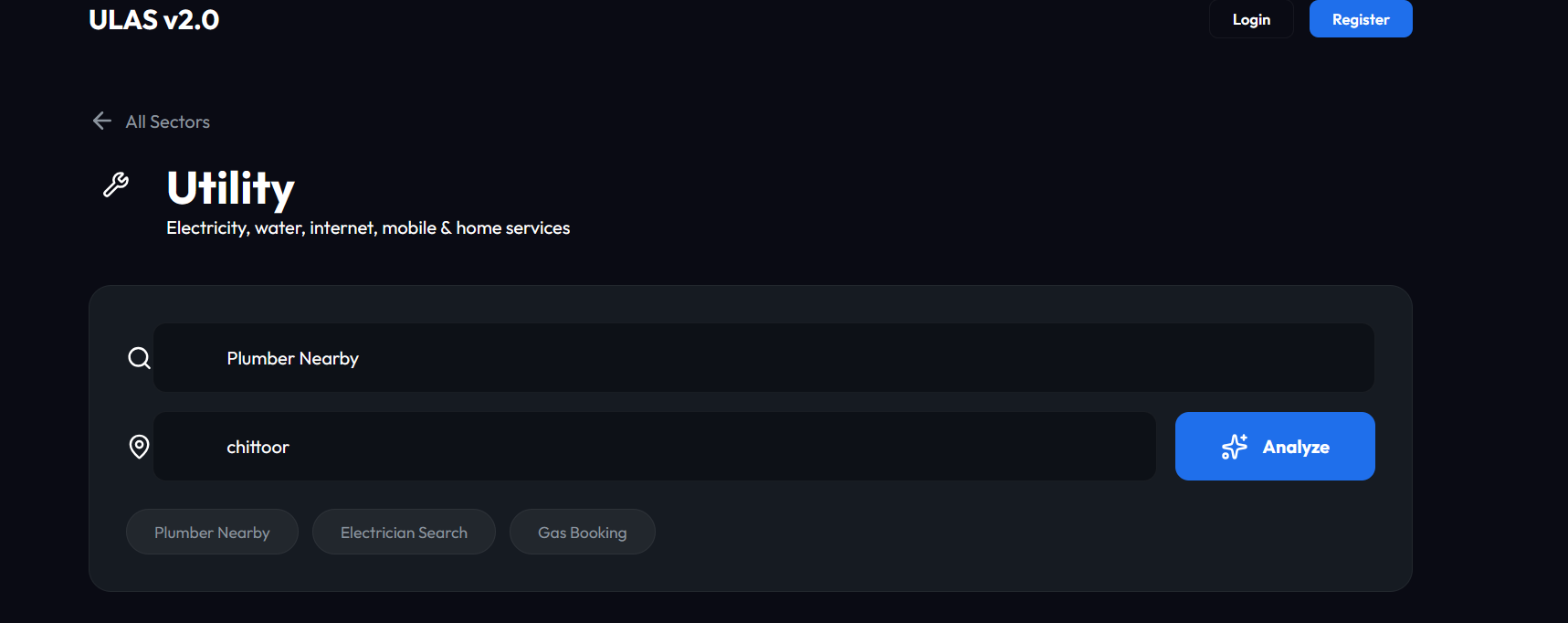
each sector has one search bar with problems and location
-
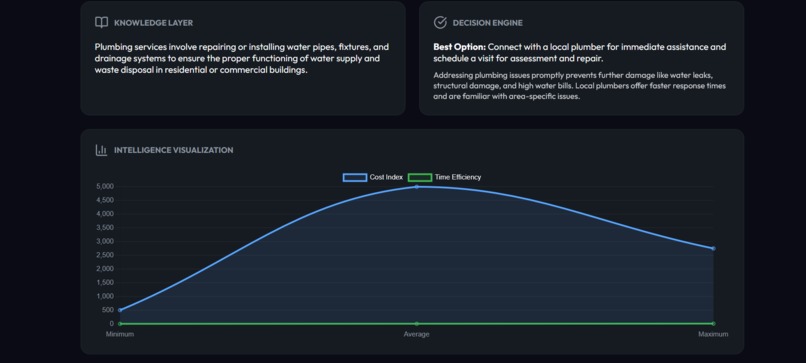
analyze
-
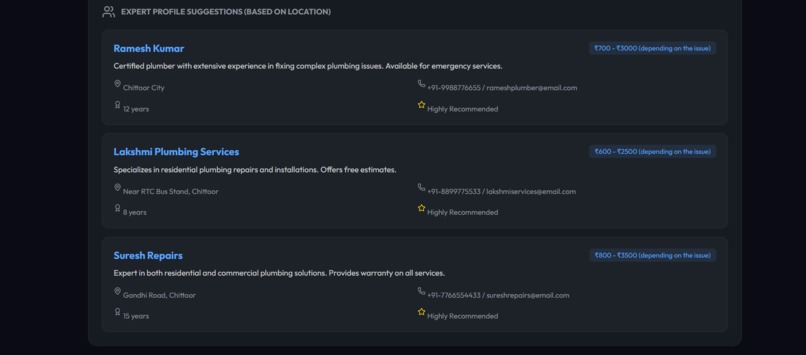
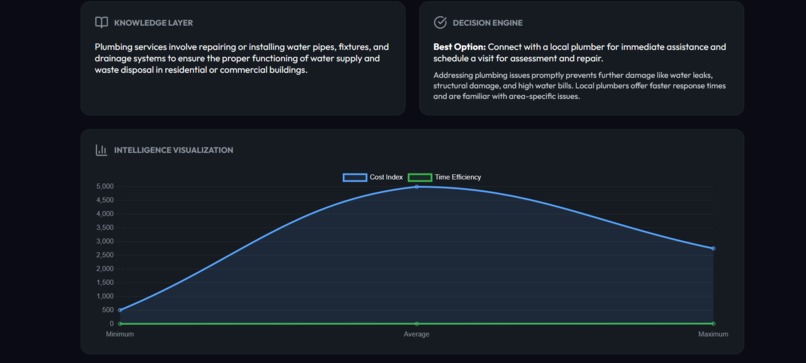
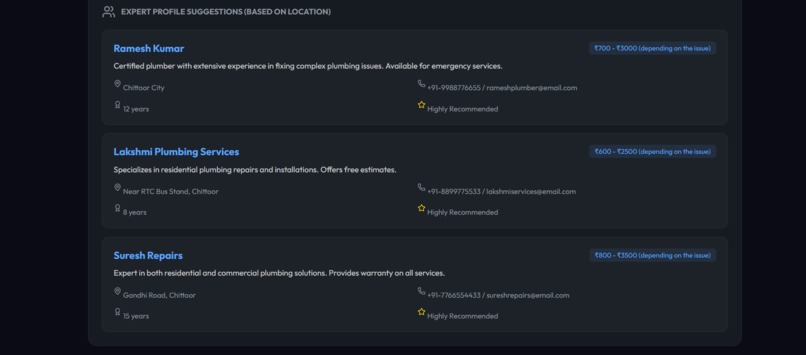
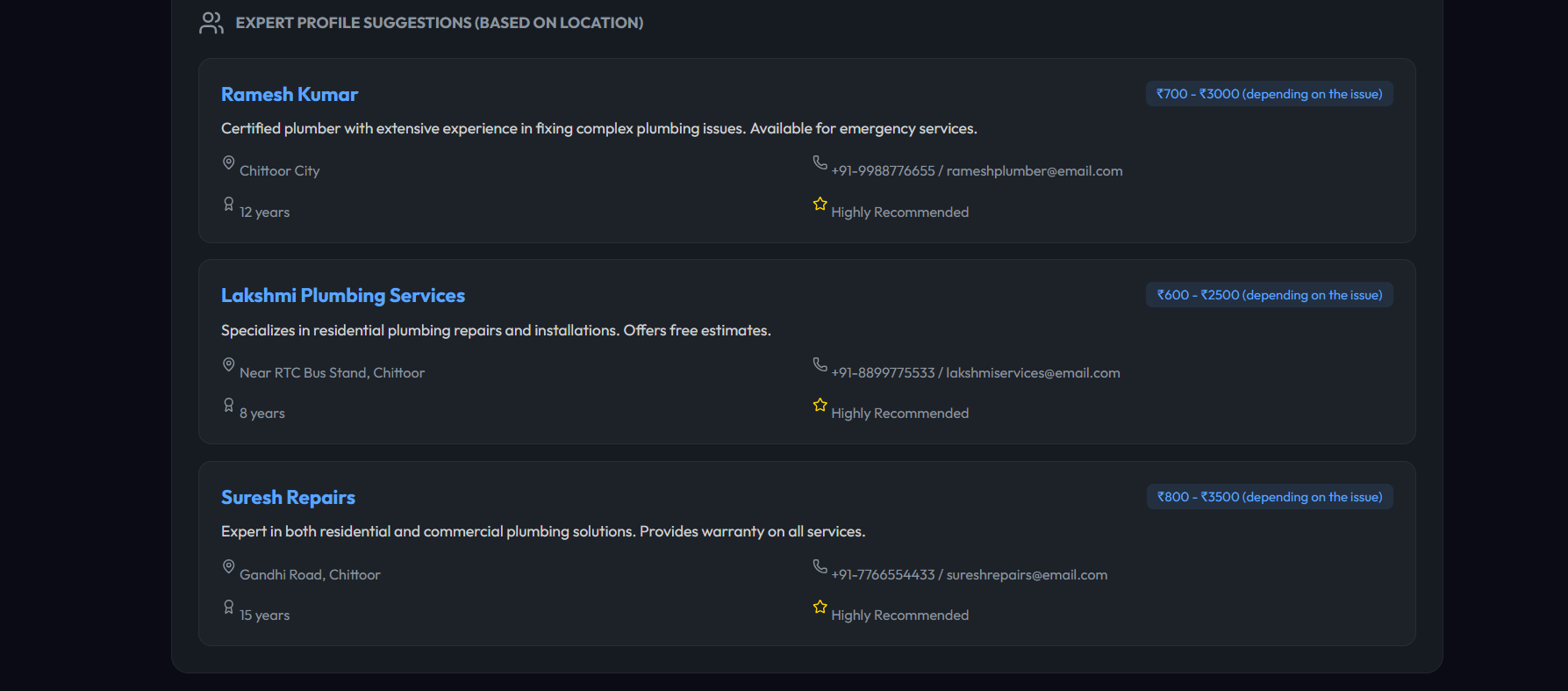
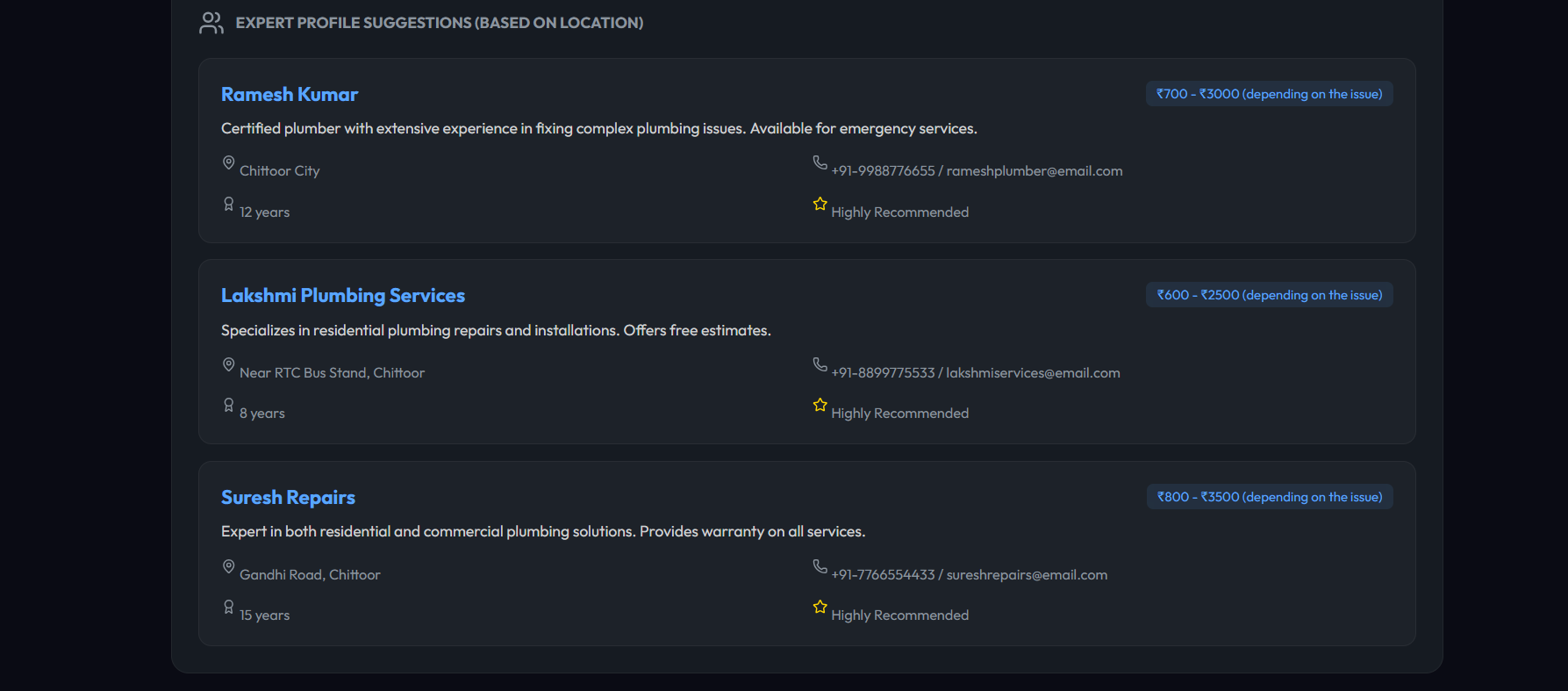
based on the details it suggest the profiles with contact details.
-
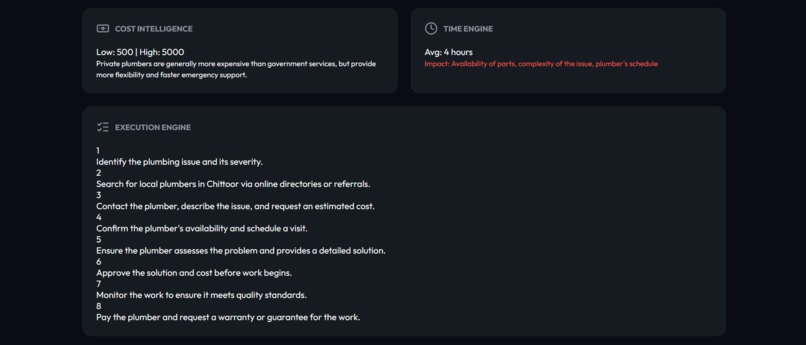
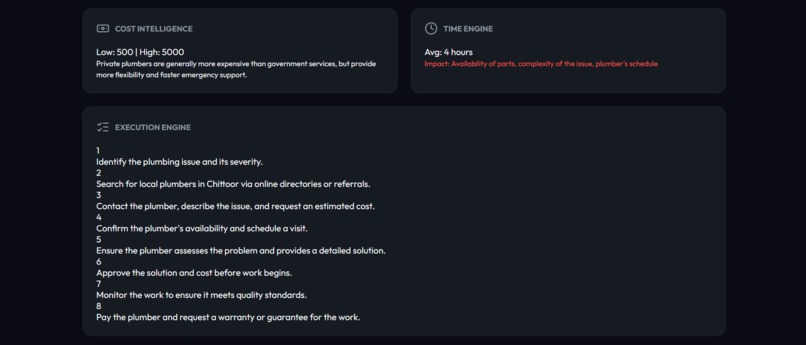
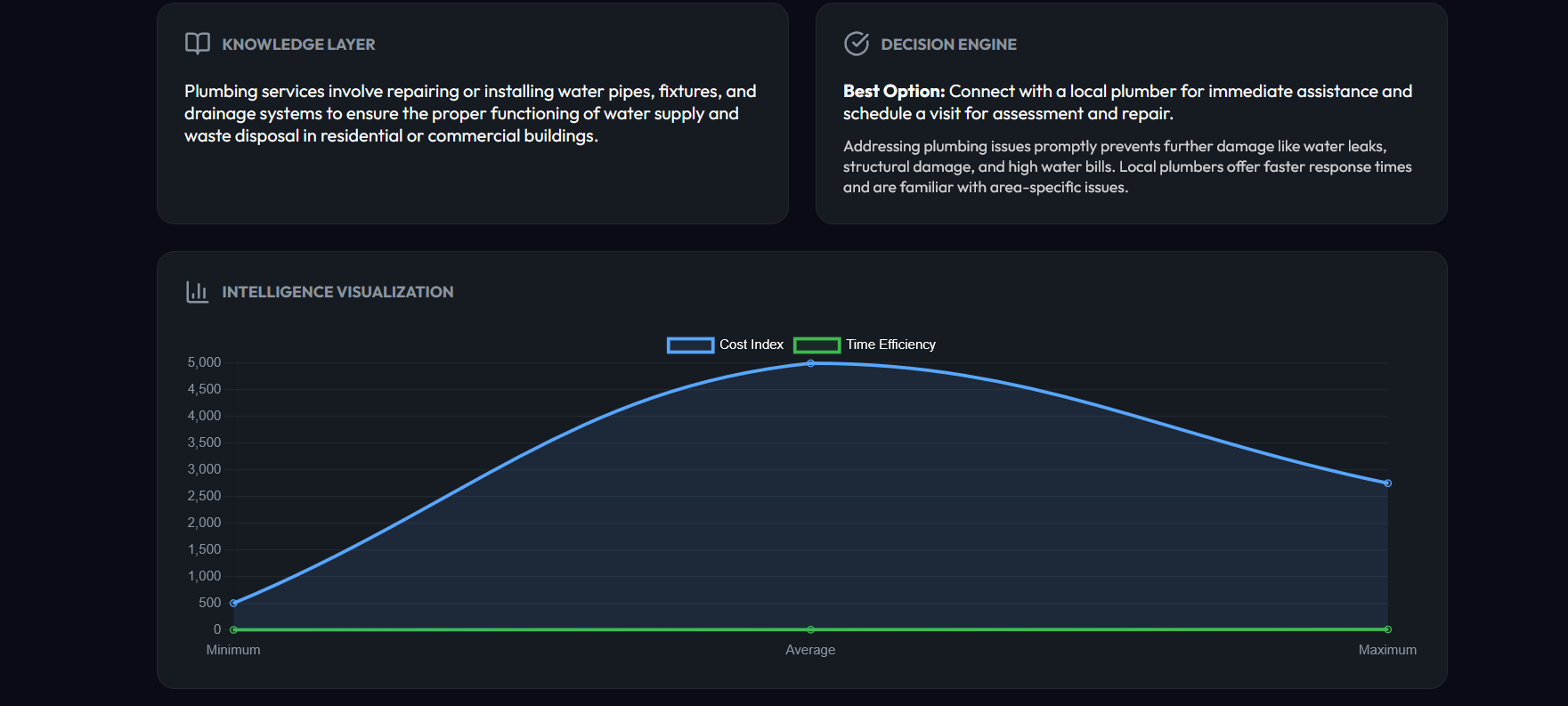
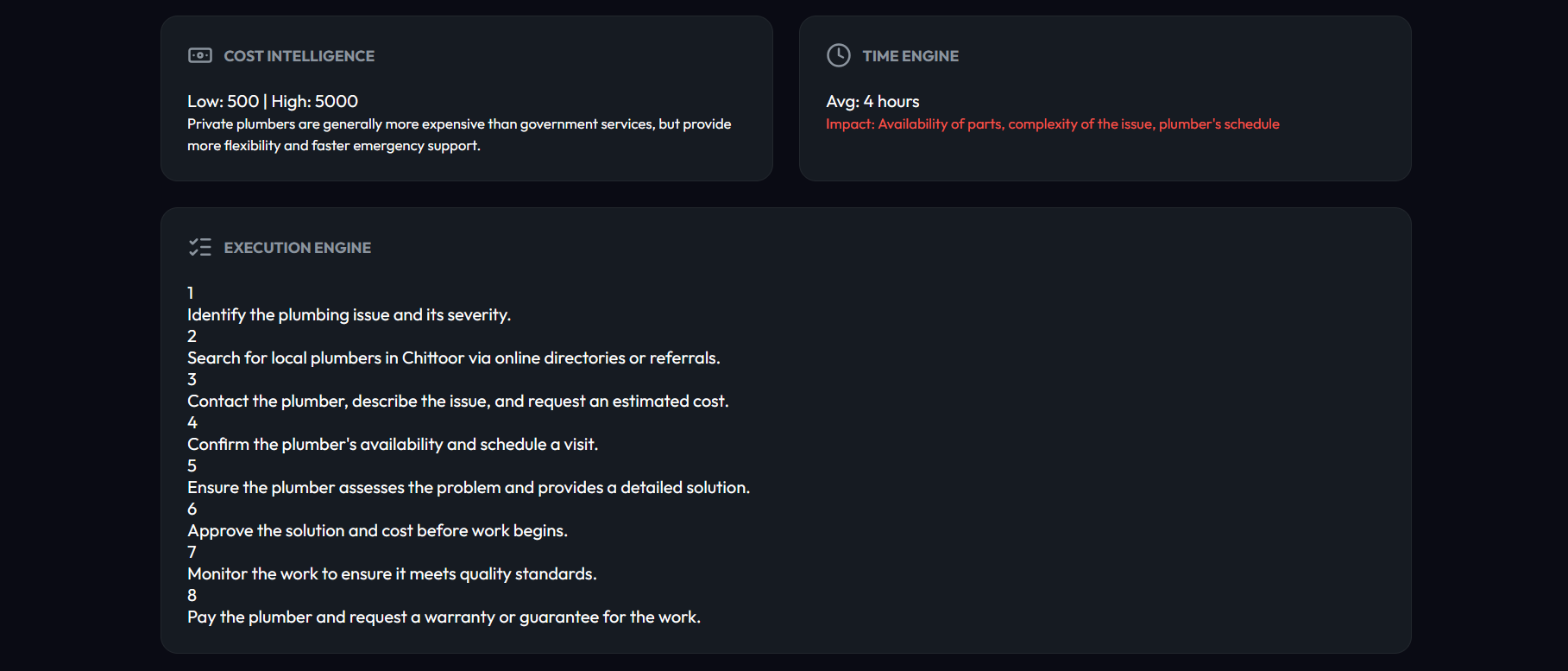
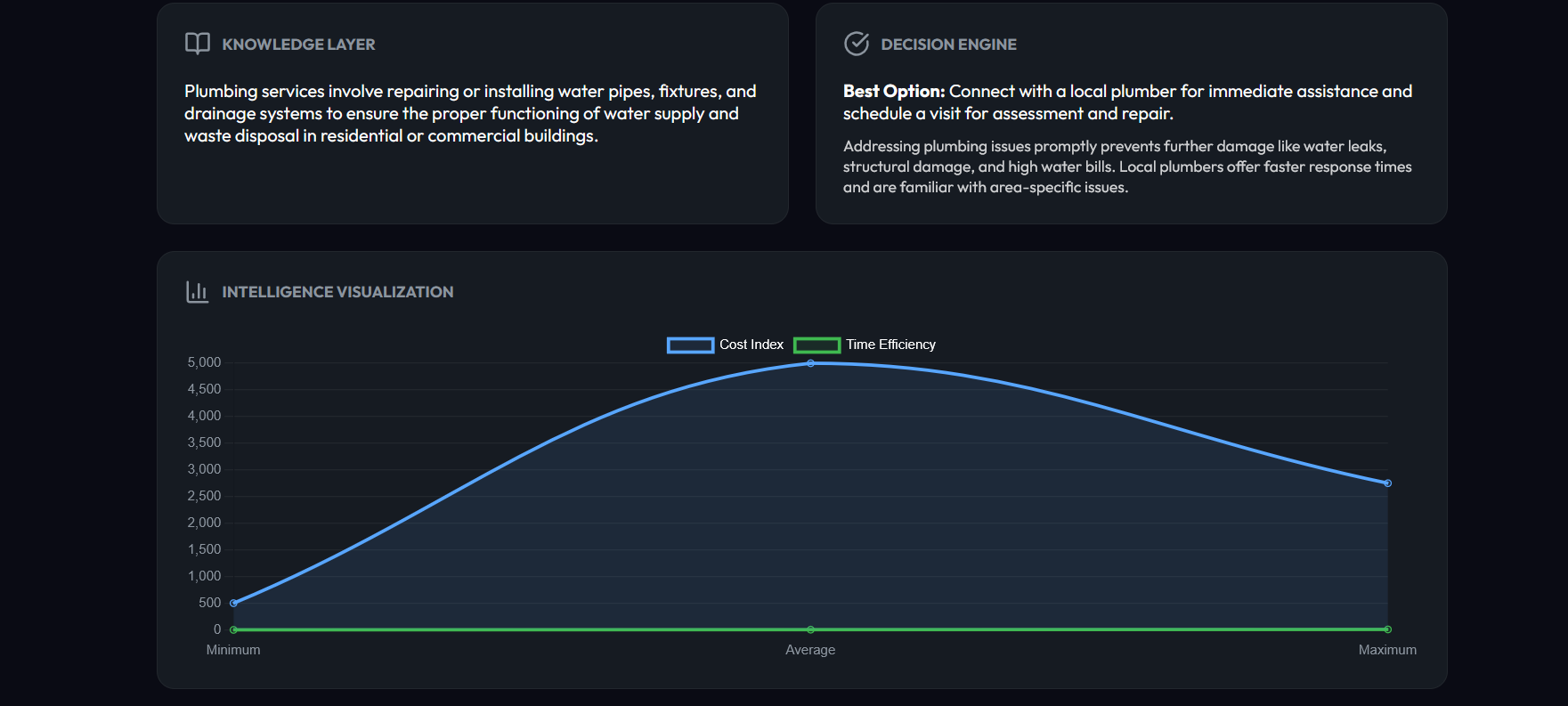
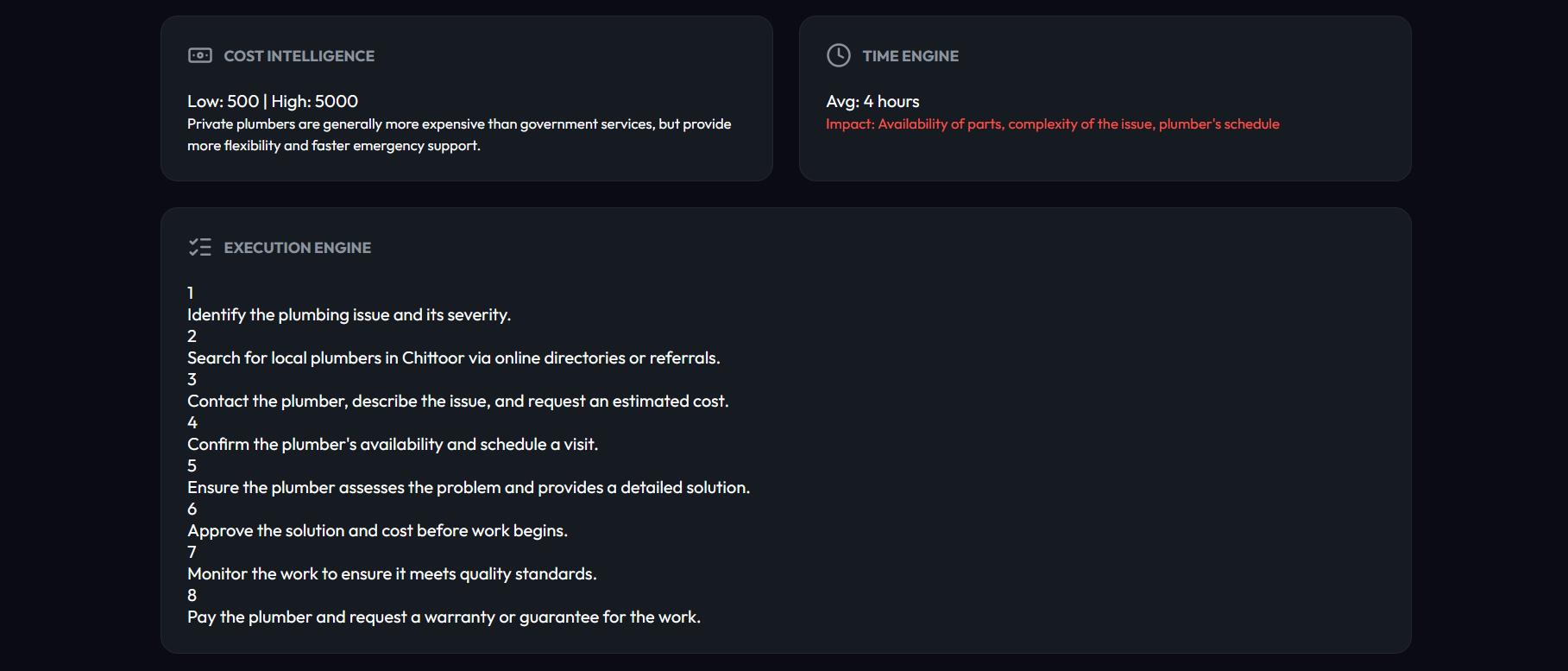
cost and time management
-
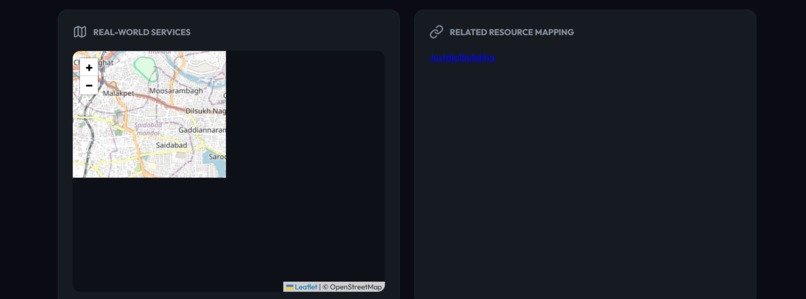
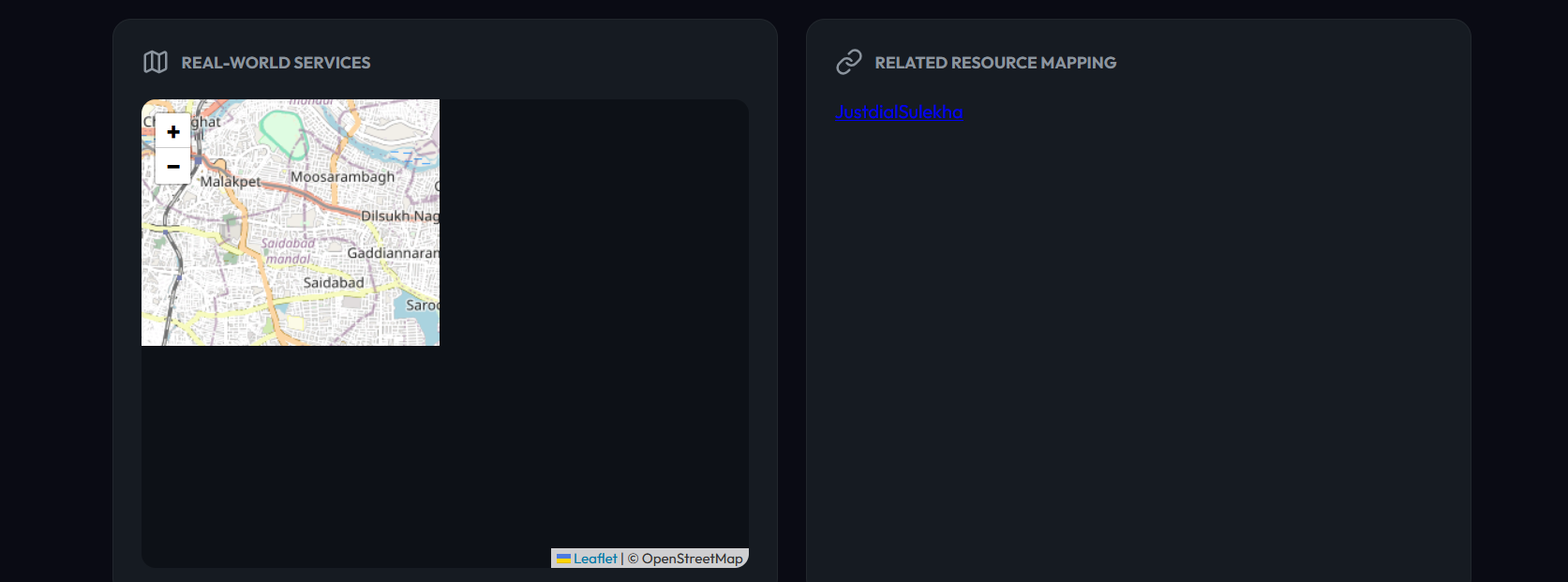
satilite map and suggests the resourse link
Inspiration
ULAS (Universal Life Action System) was inspired by one core problem: people do not struggle because information is missing — they struggle because taking action is confusing. In real life, solving a problem is rarely about getting a simple answer. A student applying for a scholarship needs eligibility guidance, required documents, fee details, deadlines, nearby service centers, and contact support. A patient needs affordable treatment options, hospital trust scores, and emergency contacts. A job seeker needs not just job listings, but skill guidance, salary insights, and direct apply pathways. The problem is not lack of information. The problem is fragmented execution. Today, people are forced to jump between websites, agents, offices, portals, and support lines just to complete one task. We built ULAS to solve that gap. Our inspiration was simple: build a system that does not just answer questions, but helps people take action in the real world.
What it does
ULAS (Universal Life Action System) is an AI-powered real-world action platform that helps users solve everyday problems through structured, practical execution. Instead of only giving answers, ULAS converts user problems into: simple explanations, best next actions, cost and time estimates, trusted official resources, nearby services, contact details, and step-by-step execution guidance. ULAS works across multiple sectors: Government Services Education Jobs & Career Finance Healthcare Legal Daily Utilities Its biggest strength is that it does not stop at information. It helps users move from confusion to execution. One of our strongest features is Profile-Based Problem Prediction, where ULAS understands whether the user is a student, job seeker, working professional, citizen, or senior user and proactively suggests likely problems, relevant services, and direct support contacts before the user even asks the perfect question.
How we built it
We built ULAS as a modular, production-oriented backend system powered by a universal intelligence architecture. The entire platform is built on a 7-Layer Universal Intelligence Pipeline that every sector follows: Intent Detection Layer Knowledge Layer Decision Engine Cost-Time Intelligence Layer Execution Engine Resource Mapping Layer Real-World Service Layer This architecture allows ULAS to process completely different sectors using the same execution logic. For the backend, we used: FastAPI for API development Uvicorn for async server execution Requests for external integrations python-multipart for form and file handling python-dotenv for configuration management We designed each sector as a modular service while keeping all modules connected through one shared execution pipeline. This gave us scalability, maintainability, and clean production design. Each request flows through: intent understanding, decision processing, cost and time estimation, execution planning, service mapping, and structured response generation.
Challenges we ran into
The biggest challenge was not building another chatbot. The real challenge was building a system that could convert intelligence into real-world action. The first challenge was standardization. Government workflows, legal services, healthcare access, and job discovery all behave differently. Designing one universal architecture that could handle all of them without becoming inconsistent was difficult. The second challenge was execution realism. Most systems stop at providing information, but ULAS had to answer: what should the user do next, where should they go, how much will it cost, how long will it take, and who should they contact. That required combining AI reasoning with practical execution logic. The third challenge was usability. Many users do not know how to ask the right question. To solve this, we built profile-based suggestions and predictive issue detection so ULAS could guide users even with incomplete or unclear input.
Accomplishments that we're proud of
The accomplishment we are most proud of is building ULAS as more than just an AI assistant. We built a system that transforms: Question→Understanding→Decision→Cost→Time→Action→Real Service That shift from answer generation to action execution is the core achievement of ULAS. We are also proud of: designing a reusable 7-layer intelligence architecture, making one system work across 7 real-world sectors, integrating cost, time, and service intelligence into every response, building profile-based problem prediction, and turning fragmented information into practical action. ULAS is not just a knowledge tool. It is an execution system.
What we learned
Building ULAS taught us that the future of AI is not just about answering questions — it is about helping people act. We learned that: information alone is not enough, users need clarity before action, execution matters more than explanation, and AI becomes truly useful when it connects digital intelligence with real-world outcomes. The most important lesson we learned is this: The next generation of AI will not be defined by how well it answers. It will be defined by how effectively it helps people act. That idea became the foundation of ULAS.
What's next for Universal Life Action System
The next step for ULAS is turning it from a powerful execution engine into a complete real-world life operating system. Our next goals are: add multilingual support for regional accessibility, integrate live government and service APIs, enable real-time appointment and booking systems, add document auto-fill and smart form assistance, improve AI personalization with deeper profile intelligence, build voice-first support for low-digital-literacy users, and expand ULAS into a fully deployable citizen-scale platform. Our long-term vision is to make ULAS the universal action layer for everyday life — a system that helps anyone solve real-world problems faster, cheaper, and with less confusion.
Built With
- chart.js
- css3
- es6
- fastapi
- gemini-2.0-flash
- glassmorphism-ui
- html5
- javascript
- leaflet.js
- lucide-icons
- openrouter-api
- python
- python-dotenv
- python-multipart
- railway
- render
- requests
- responsive-web-design
- rest-api
- uvicorn

Log in or sign up for Devpost to join the conversation.