





Inspiration
This project was inspired by the growing homelessness crisis in Seattle and the visible gap between available resources and the people who need them most. As students living and studying near the city, we regularly see individuals struggling to access food, clothing, and shelter despite the presence of government programs and nonprofit services. We were motivated by the question: How can technology be used to restore dignity, choice, and efficiency in how aid is delivered?
Rather than focusing only on emergency relief, we wanted to design a system that encourages positive engagement, empowers individuals, and makes better use of existing resources.
What it does
Through research and team discussions, we learned that homelessness is not caused by a single factor, and no single solution can fully address it. We gained a deeper understanding of:
- How fragmented current service systems are
- The importance of ethical, transparent technology in civic applications
- The limitations and responsibilities of using AI in social impact projects
How we built it
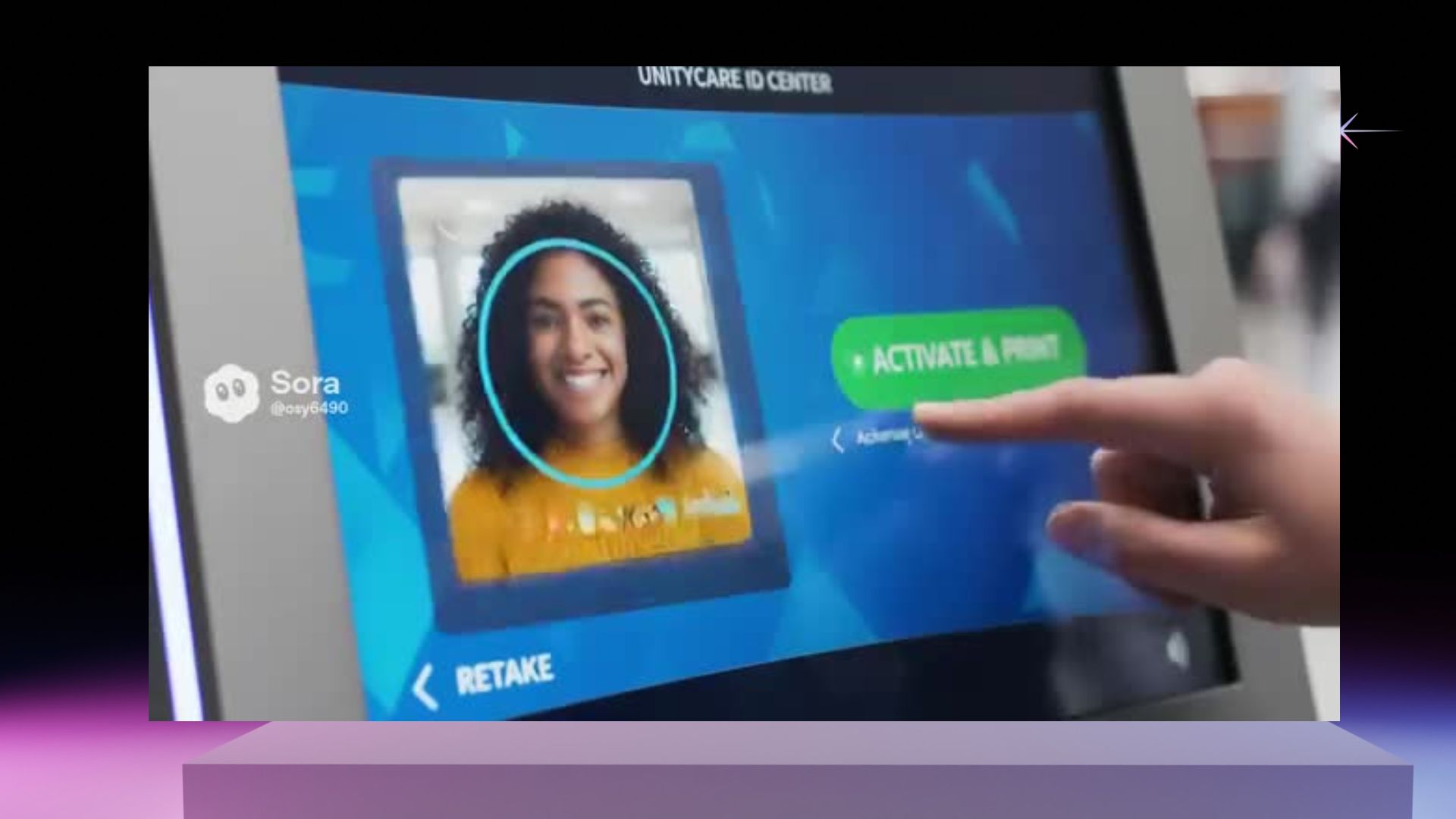
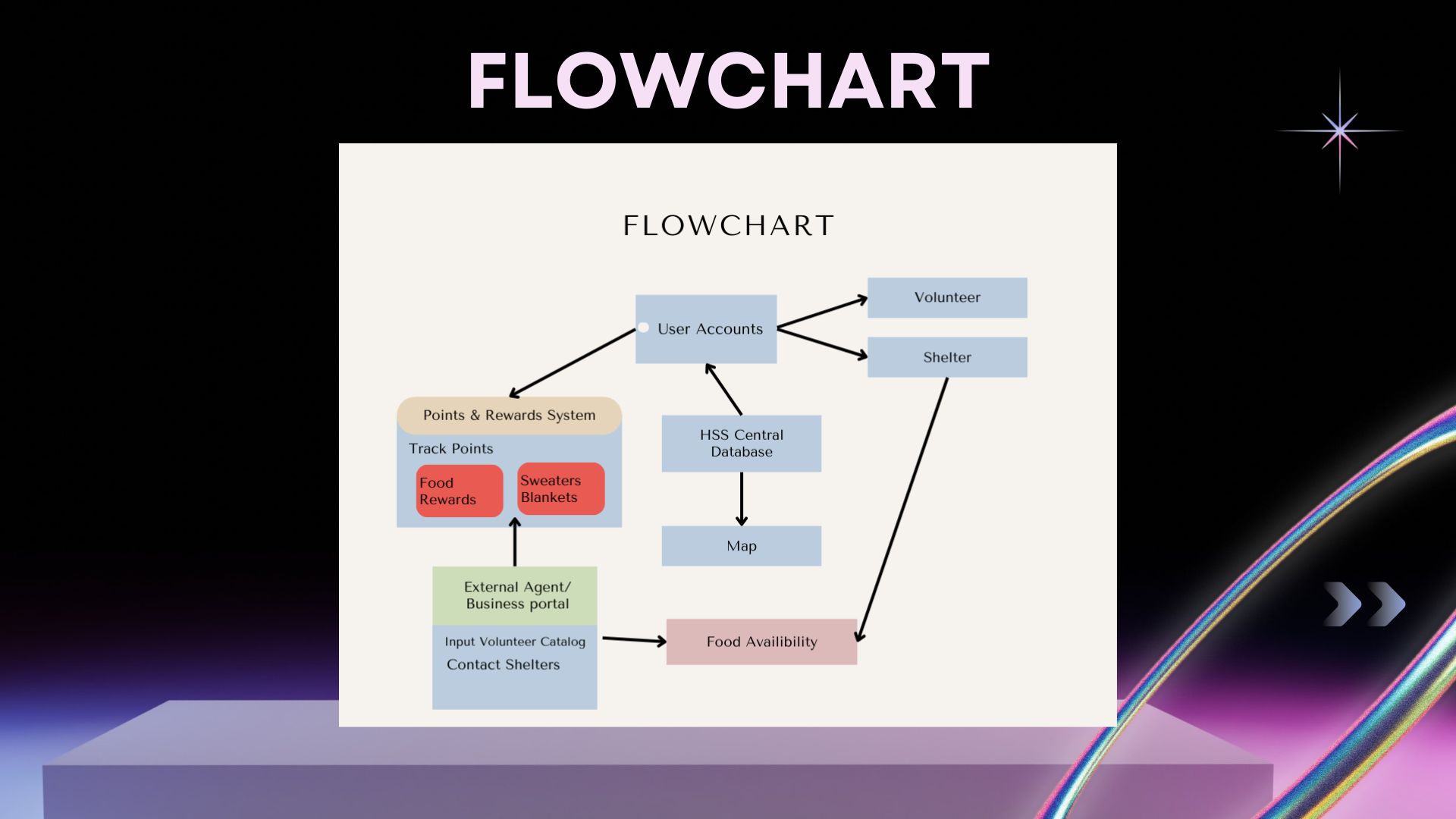
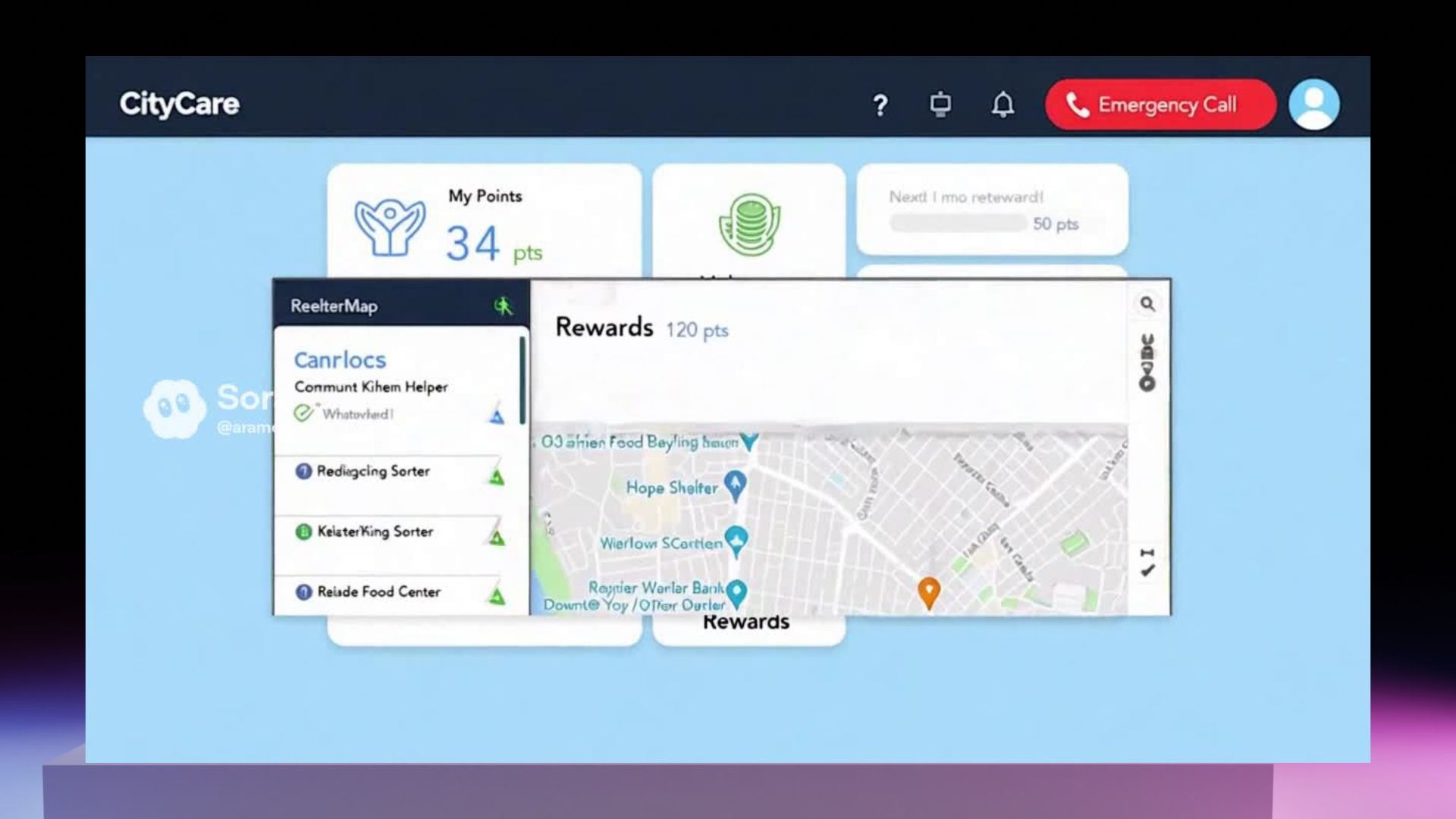
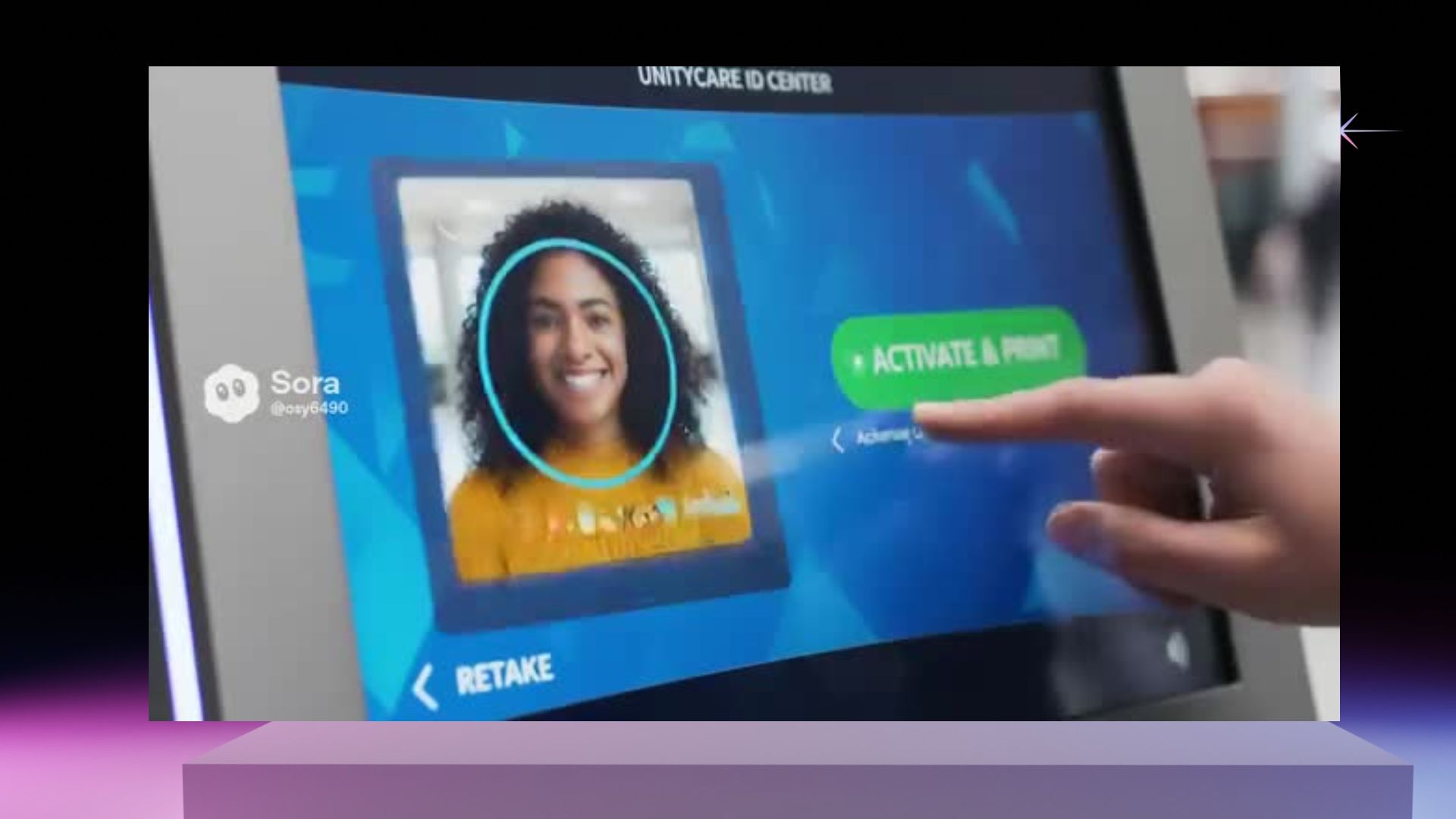
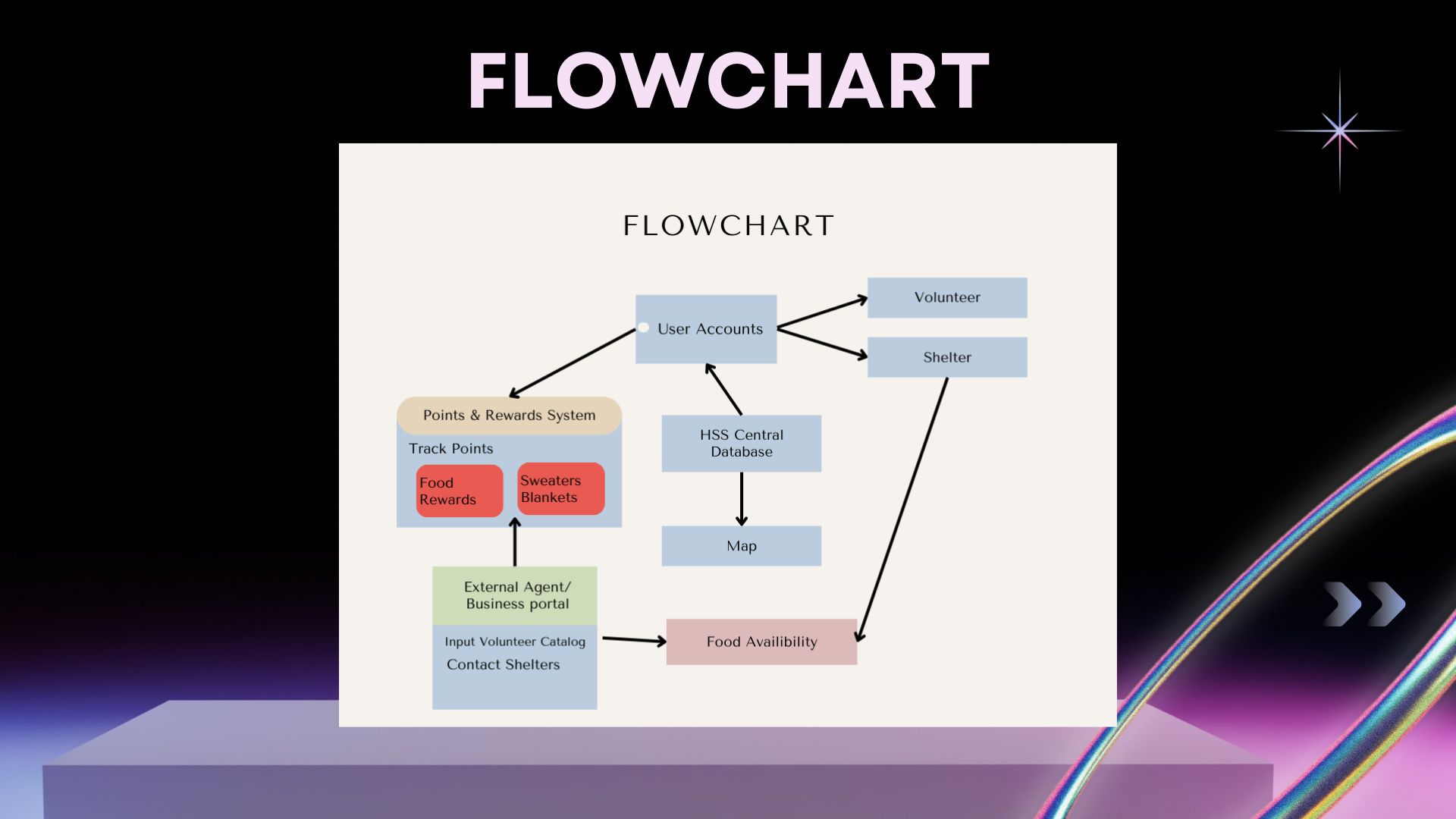
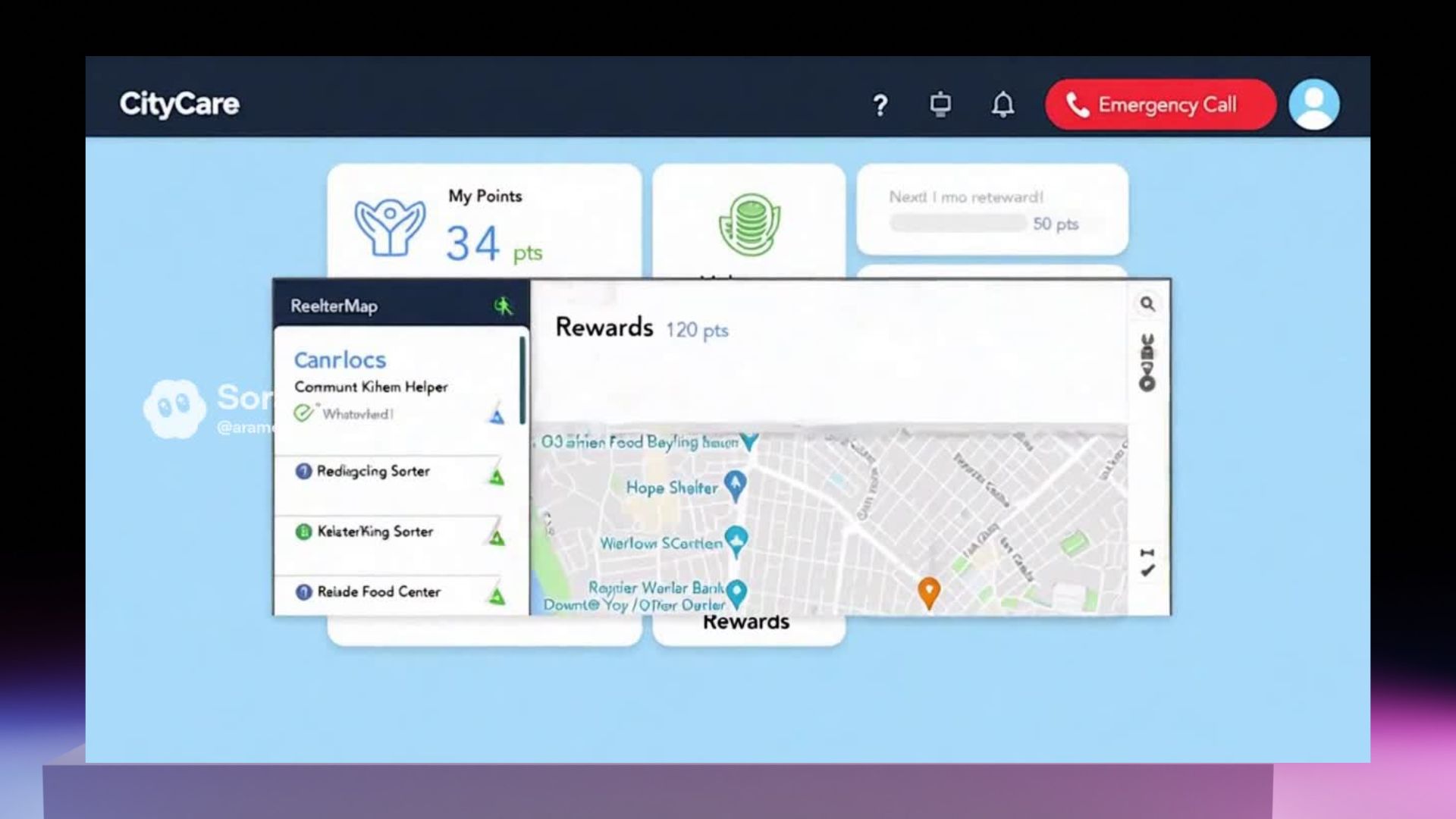
We designed an AI-powered, point-based system that allows individuals experiencing homelessness to earn points through positive engagement, such as attending support programs or checking in with service provider and exchange those points for essential goods and services.
The system concept includes:
- A simple user interface accessible via facial recognition, physical card, and fingerprint scanner.
- An AI component that helps allocate points fairly based on participation patterns and resource availability
Challenges we ran into
One of the biggest challenges was balancing innovation with ethics. We had feedback from multiple mentors in this hackathon to carefully consider privacy, bias, and accessibility, ensuring the system does not exclude people without smartphones or create unintended harm. Another challenge was deciding how much responsibility to give AI versus human oversight. Additionally, designing a solution that is realistic for city adoption required us to think beyond technology, considering policy, partnerships, and long-term maintenance.
Accomplishments that we're proud of
This project challenged us to think beyond traditional classroom assignments and apply our skills to a real-world civic problem. It reinforced our belief that technology should be used as a tool for empowerment, not control. With more time, we would deepen collaboration with community organizations and further test the system through a pilot program.
What we learned
Through this project, we learned that addressing homelessness requires more than providing resources it requires coordination, trust, and dignity. We discovered how fragmented current systems are and how difficult it is for individuals experiencing homelessness to navigate multiple services with different rules and access points. From a technical perspective, we learned that AI can be a powerful support tool when used responsibly, but it must be paired with human oversight, ethical safeguards, and transparency. We also learned the importance of designing for accessibility, especially for users who may not have smartphones, stable internet access, or formal identification.
What's next for UnityCare
Future development would include:
- Gathering feedback directly from participants and service providers
- Refining the AI models to improve fairness and efficiency
- Expanding vendor and nonprofit partnerships
- Adding multilingual support and accessibility enhancements
In the long term, UnityCare could scale across Seattle and be adapted for other cities facing similar challenges. With continued collaboration and responsible use of technology, UnityCare has the potential to become a sustainable, human-centered platform that improves access to essential services while preserving dignity and choice.

Log in or sign up for Devpost to join the conversation.