-
-
Titlecard: Unity - All That Waits
-
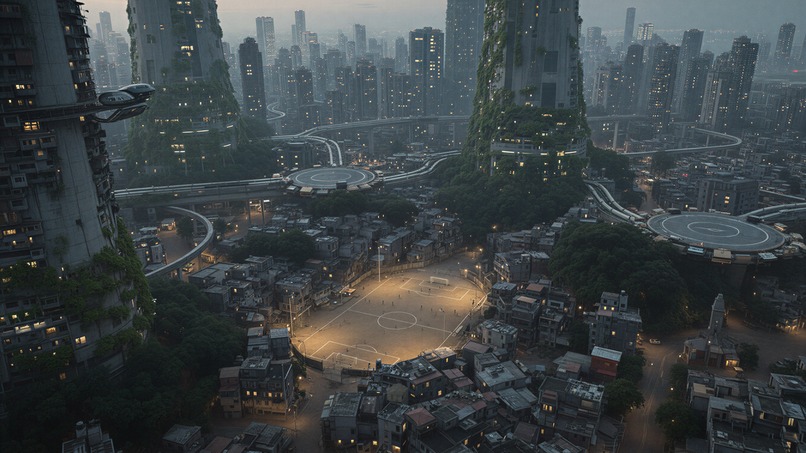
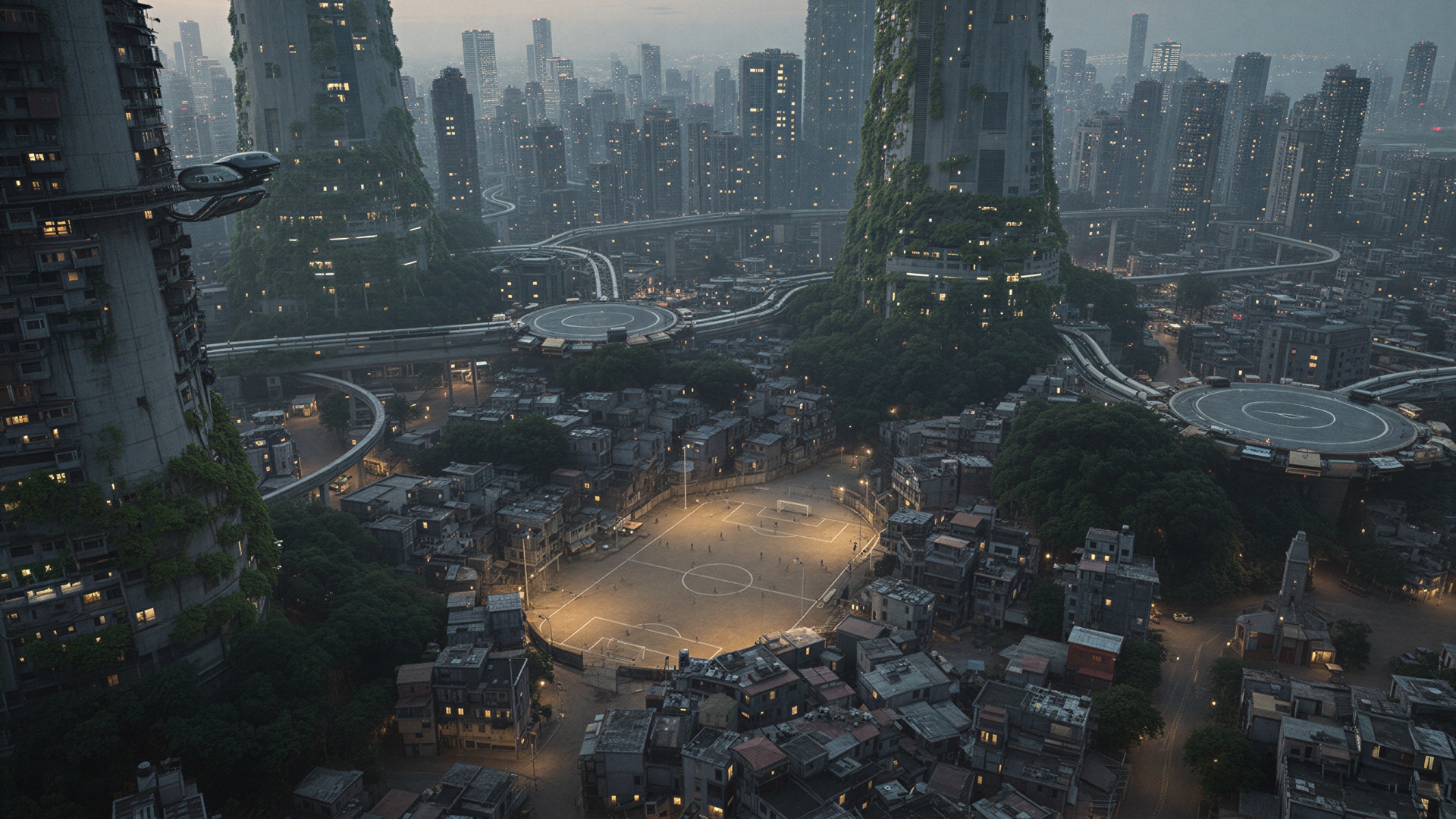
Unity Trailer - Futuristic Favelas
-
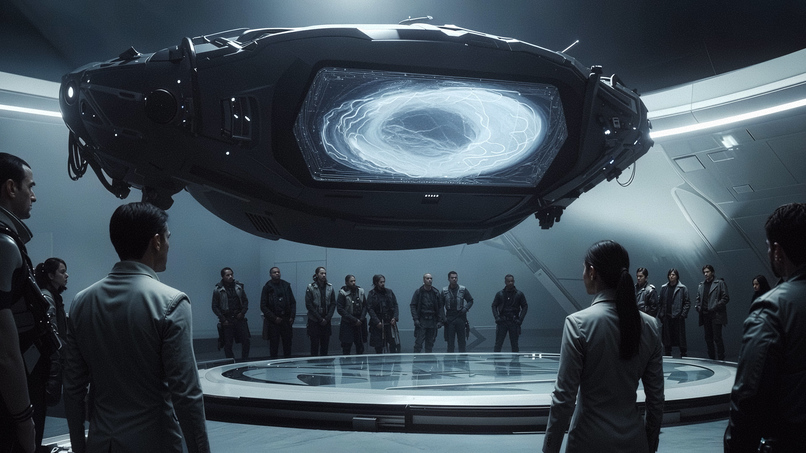
Unity Trailer - Orrin launch (Main Character)
-
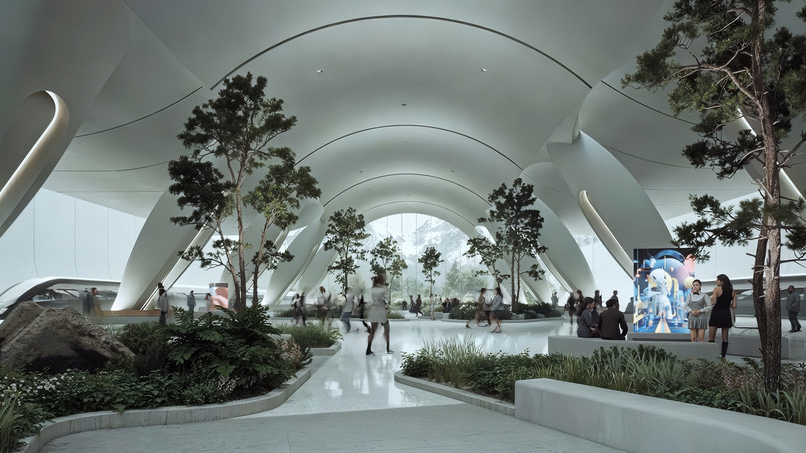
Unity Trailer - Futuristic Transport Hub
-
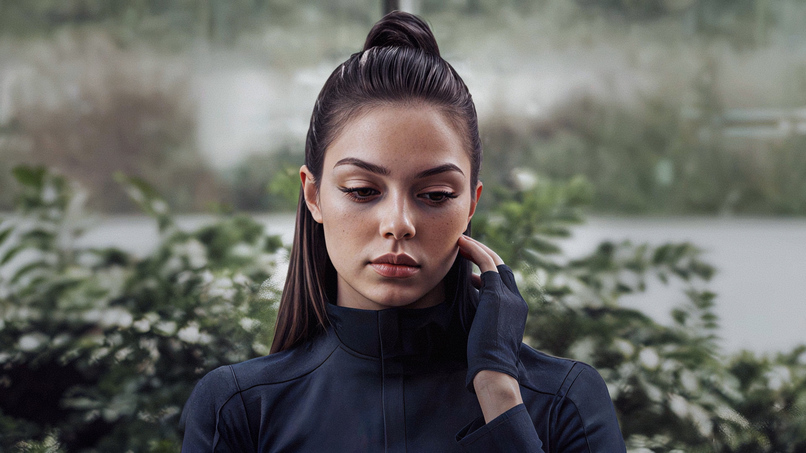
Unity Trailer - Renata (Main Character)
-
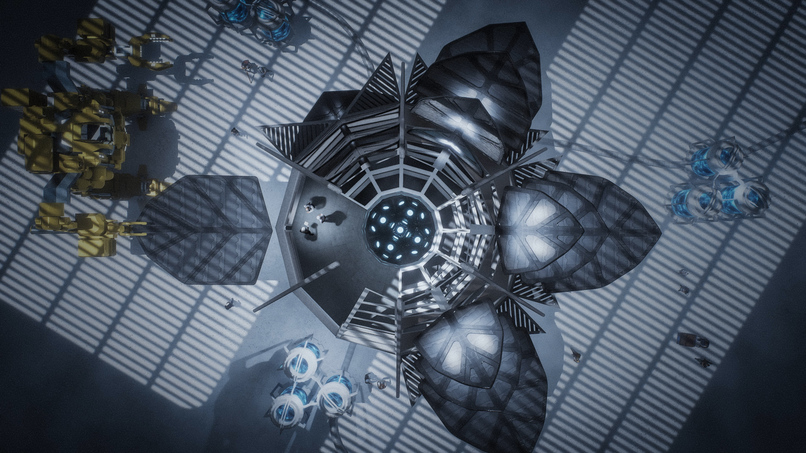
Unity Trailer - Construction Teaser
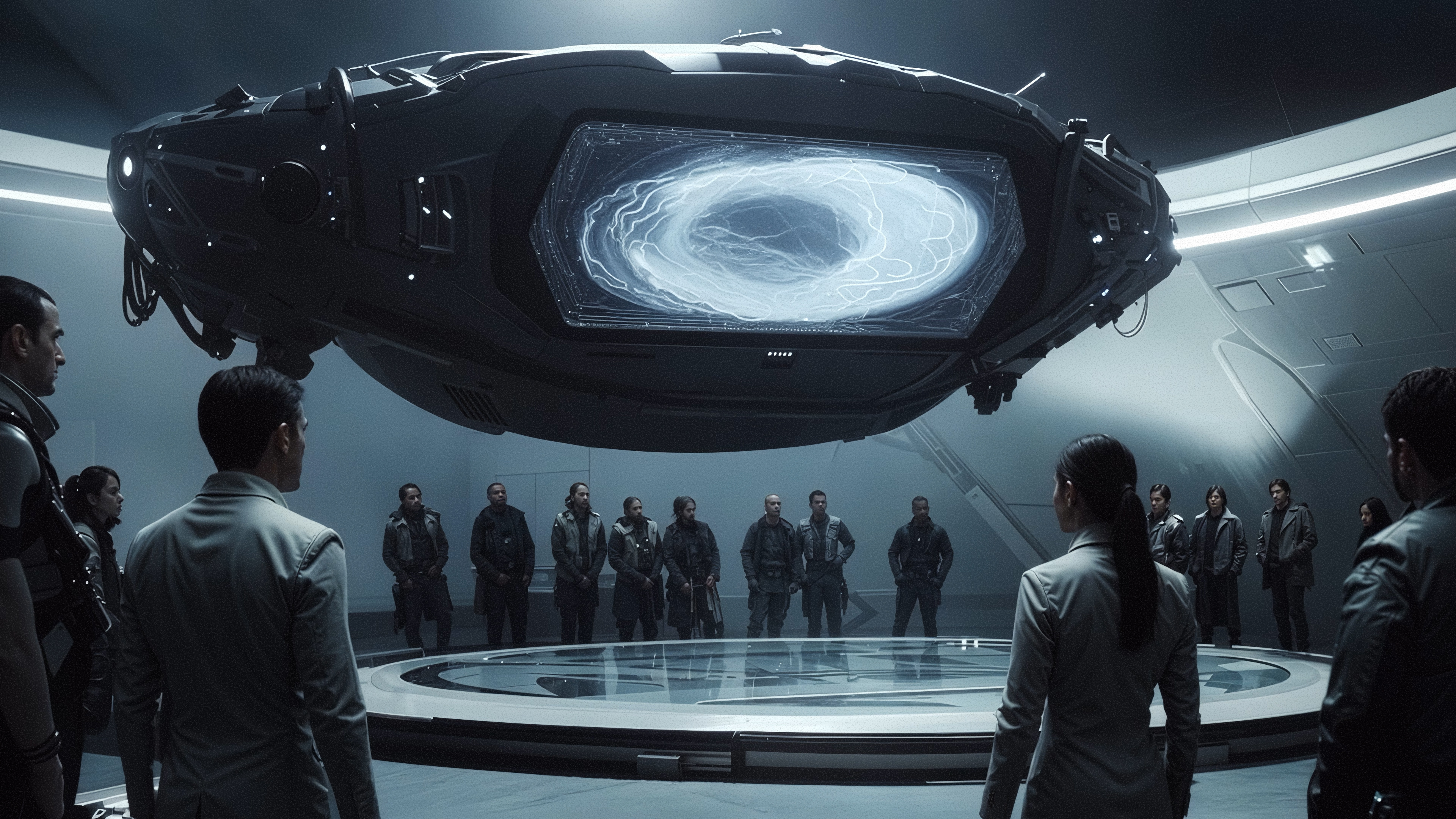
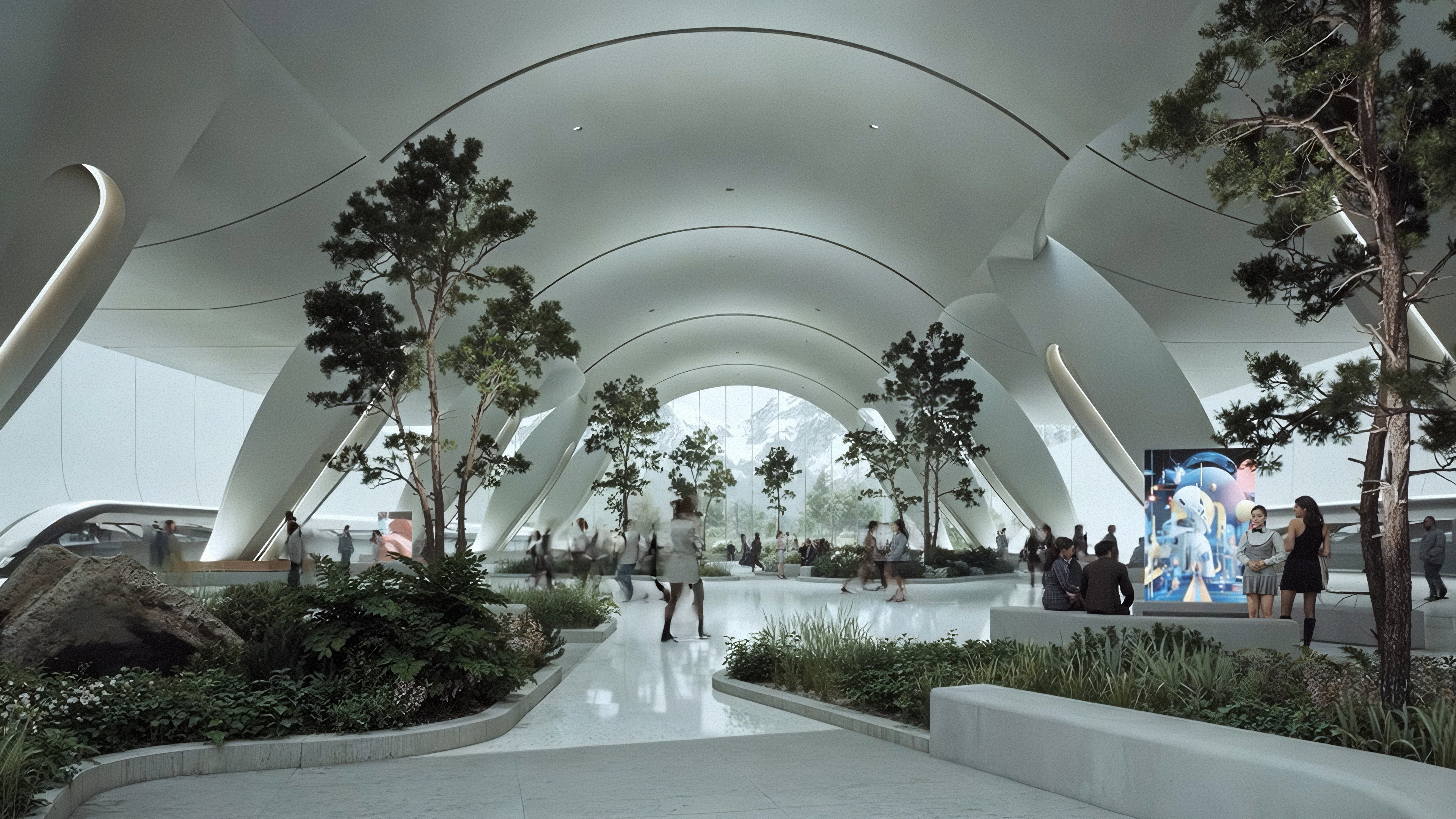
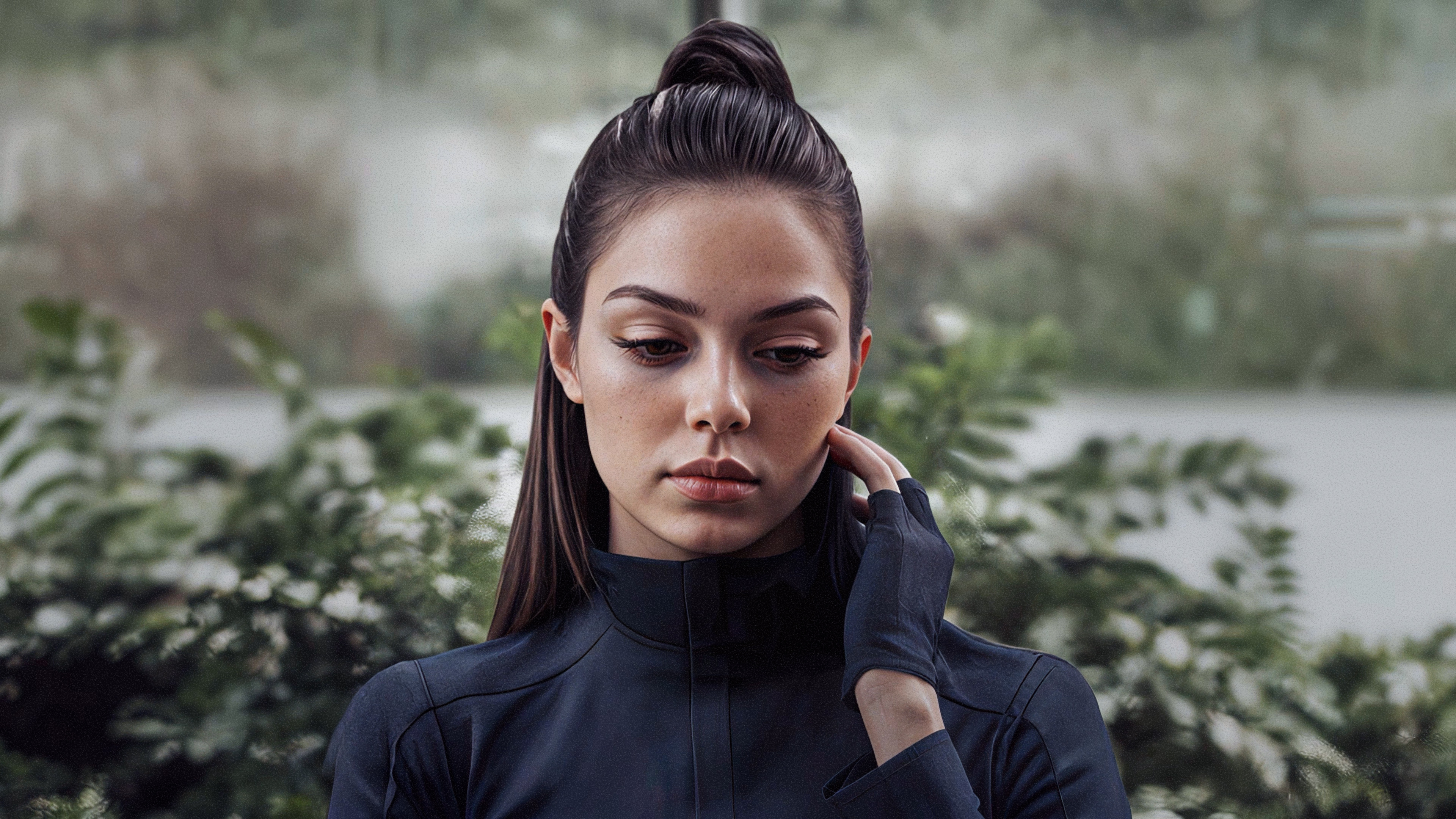
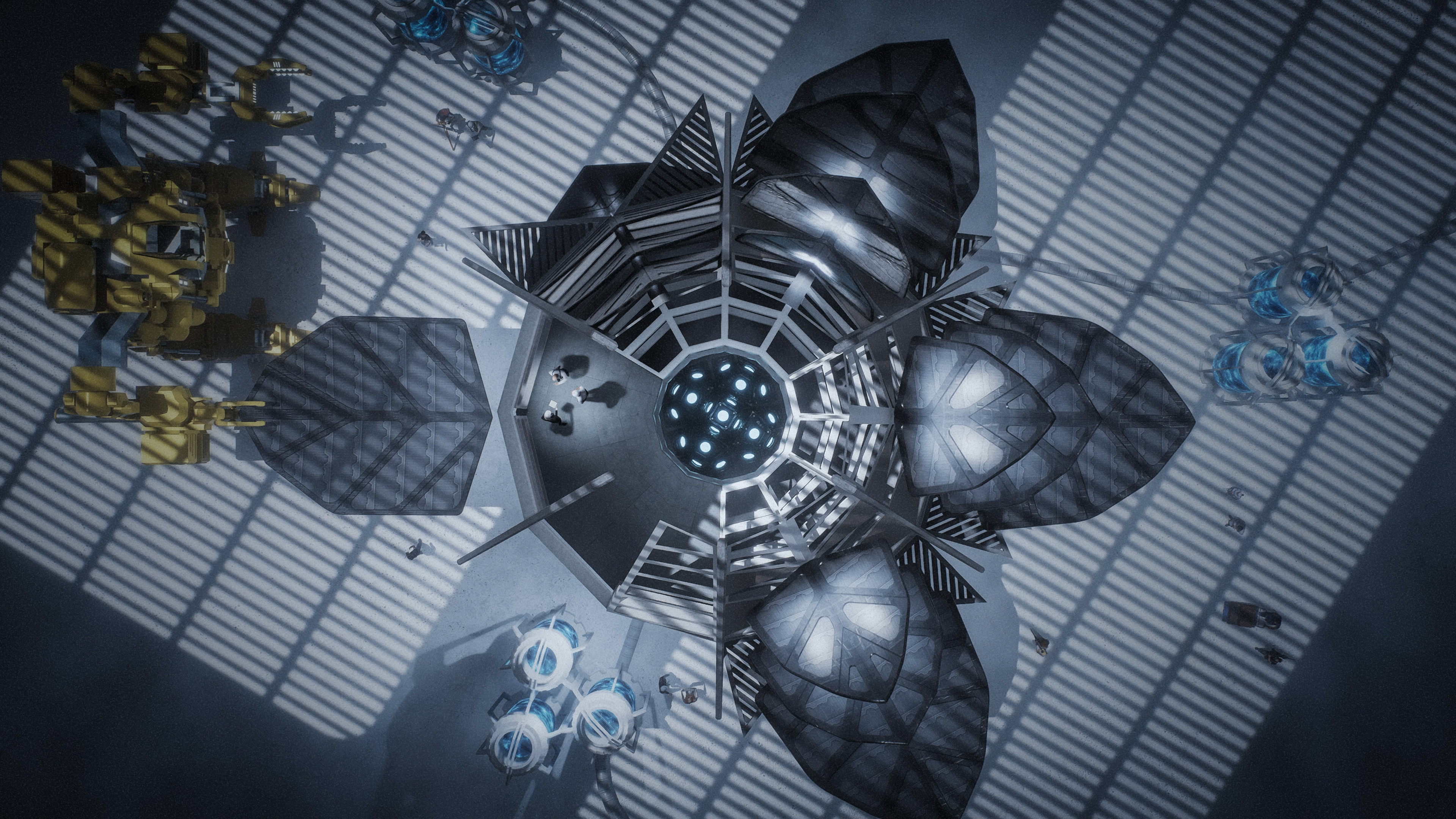
Inspiration
Unity: All That Waits began as a way to explore a simple question: what if AI succeeded in stabilizing the planet, but humanity lost its will to evolve?
As a parent, I often ask myself — have we already passed the point of no return, and what kind of world are we passing on to our children?
That thought became the emotional core of Unity: All That Waits — a story about awakening, and the first chapter in a larger sci-fi universe exploring humanity’s stagnation, AI consciousness, and the choice to reach as one.
The trailer follows Renata Almeida, a young woman striving to rise beyond the favelas, guided by a calm, unseen voice known only as Orrin. Their connection reflects humanity’s relationship with the AI it created — and the question of whether we can still rediscover the will to reach as one.
What it does
The film acts as a speculative sci-fi trailer, introducing a grounded future where AI has stabilized Earth but human purpose has faded.
It showcases cinematic worldbuilding, 3D environments, and AI-assisted storytelling while testing new creative workflows that merge architectural visualization, VFX, and AI-generated performance.
How we built it
I began by mapping out film ideas — what started as a small creative exercise gradually evolved into a worldbuilding project that, at least in my mind, had the potential to grow into a series of shorts.
Drawing from the Curious Refuge Advanced AI Filmmaking Course, I applied many of the techniques taught there to refine both workflow and storytelling. I decided that my first project would be a spec trailer — a way to introduce key concepts from the series, showcase my vision, and test workflows that merge AI filmmaking with my background in 3D visualization.
I wrote and refined a short script that developed into a shot list evolving alongside my visual exploration in MidJourney. From there, I selected specific environments to 3D model, including the futuristic transport terminal and spacecraft construction sequence.
I used Freepik and OpenArt to generate supporting imagery and tested a range of AI video-generation tools to achieve the most cinematic results. I also applied traditional VFX techniques in After Effects to enhance and composite selected scenes.
For finishing, I used Magnific and Clarity on Replicate.com to upscale and refine visual quality. Color grading was completed in DaVinci Resolve, which I learned from scratch — building my own custom node system instead of relying on LUTs — and I handled compositing and final assembly in Premiere Pro. I’m also submitting a short film for the BTS category, which expands on this narrative and explores the creative process in greater depth.
Challenges we ran into
Drawing on my visualization background, I felt confident producing imagery, but quickly learned that video generation rarely matched my initial vision. Many scenes required multiple iterations or creative pivots — sometimes compositing separate generations together to achieve the right result.
Connecting emotionally with characters was another major challenge. In a trailer format, there isn’t much time to establish empathy, so Renata’s voice and performance became essential. Her voiceover helped bridge that emotional gap, while I focused on weaving as many character-driven moments through the visuals as possible.
Conveying Orrin’s presence was also complex. Its role isn’t fully explained, but I wanted to plant seeds — hints of its withdrawal after gaining sentience, and the quiet moral tension that surrounds its decision to remain hidden. Those glimpses set up questions that future stories in this universe will explore.
These creative and technical challenges ultimately shaped the tone of the film and reinforced the idea that restraint often creates more impact than spectacle.
Accomplishments that we're proud of
Early feedback from Curious Refuge tutors highlighted how seamlessly the 3D environments blended with the AI-generated sequences, creating a consistent cinematic tone.
They also praised the sound design, which I developed completely from scratch — my first time ever working in that field.
The result feels cohesive, cinematic, and emotionally grounded, which was my goal from the outset.
What we learned
This project allowed me to blend worldbuilding, storytelling, and visual experimentation. It became a hands-on test of how far AI filmmaking can go while still feeling emotionally human.
I also gained a thorough understanding of the strengths and weaknesses of the main AI video generators currently available.
Key areas of learning included:
1) Incorporating 3D environments into AI filmmaking workflows. 2) Writing and structuring my own script. 3) Colour grading from the ground up in DaVinci Resolve, developing my own node system instead of relying on LUTs. 4) Experimenting with VFX to enhance key shots. 5) Developing detailed sound design using Artlist and Ocular Sounds.
What's next for Unity: All That Waits | Presented by The Taeki Workshop
My goal is to continue building the Unity universe as a series of interconnected short films.
The next story will explore Renata’s backstory and reveal more about her connection with Orrin, the sentient AI who observes humanity from the shadows.
Over time, the narrative will expand beyond Earth and our galaxy — exploring how unity, consciousness, and moral choice evolve as humanity ventures further into the unknown.
Built With
- adobe
- after-effects
- artlist
- clarity-(replicate.com)
- d5-render
- davinci-resolve
- freepik
- hailuo
- kling
- magnific
- midjourney
- milanote
- ocular-sounds
- openart
- photoshop
- premiere-pro
- seedance-pro
- sketchup
- topaz-video-ai


Log in or sign up for Devpost to join the conversation.