-
-
Titlecard: Unity - All That Waits, BTS
-
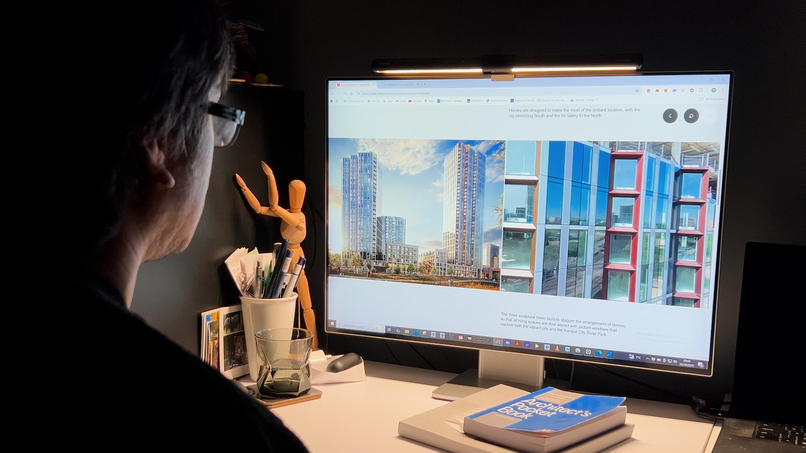
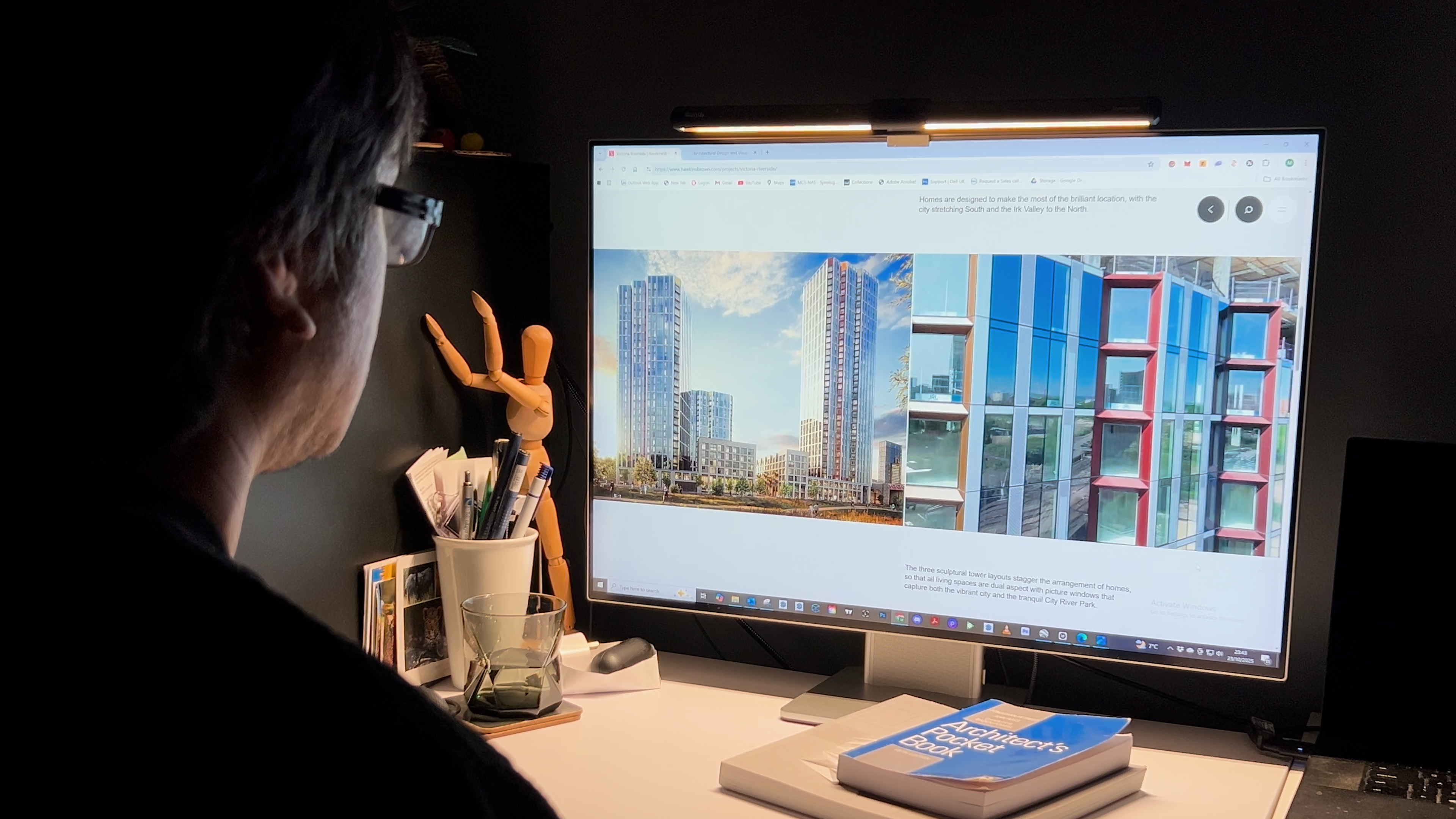
Unity BTS - Looking at past architecture projects
-
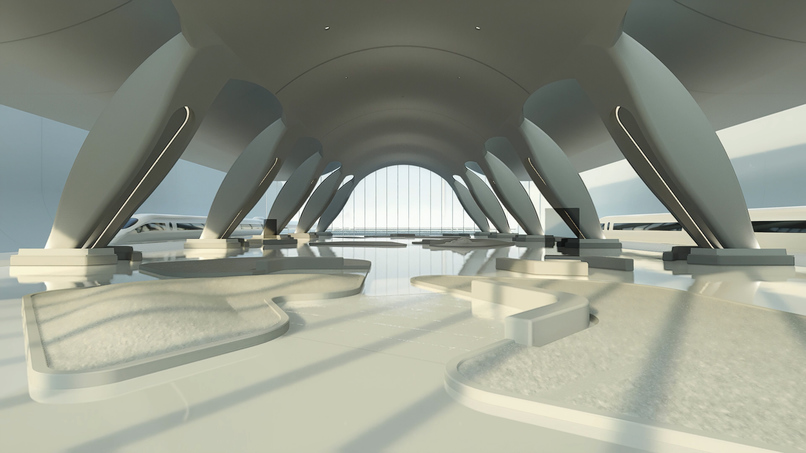
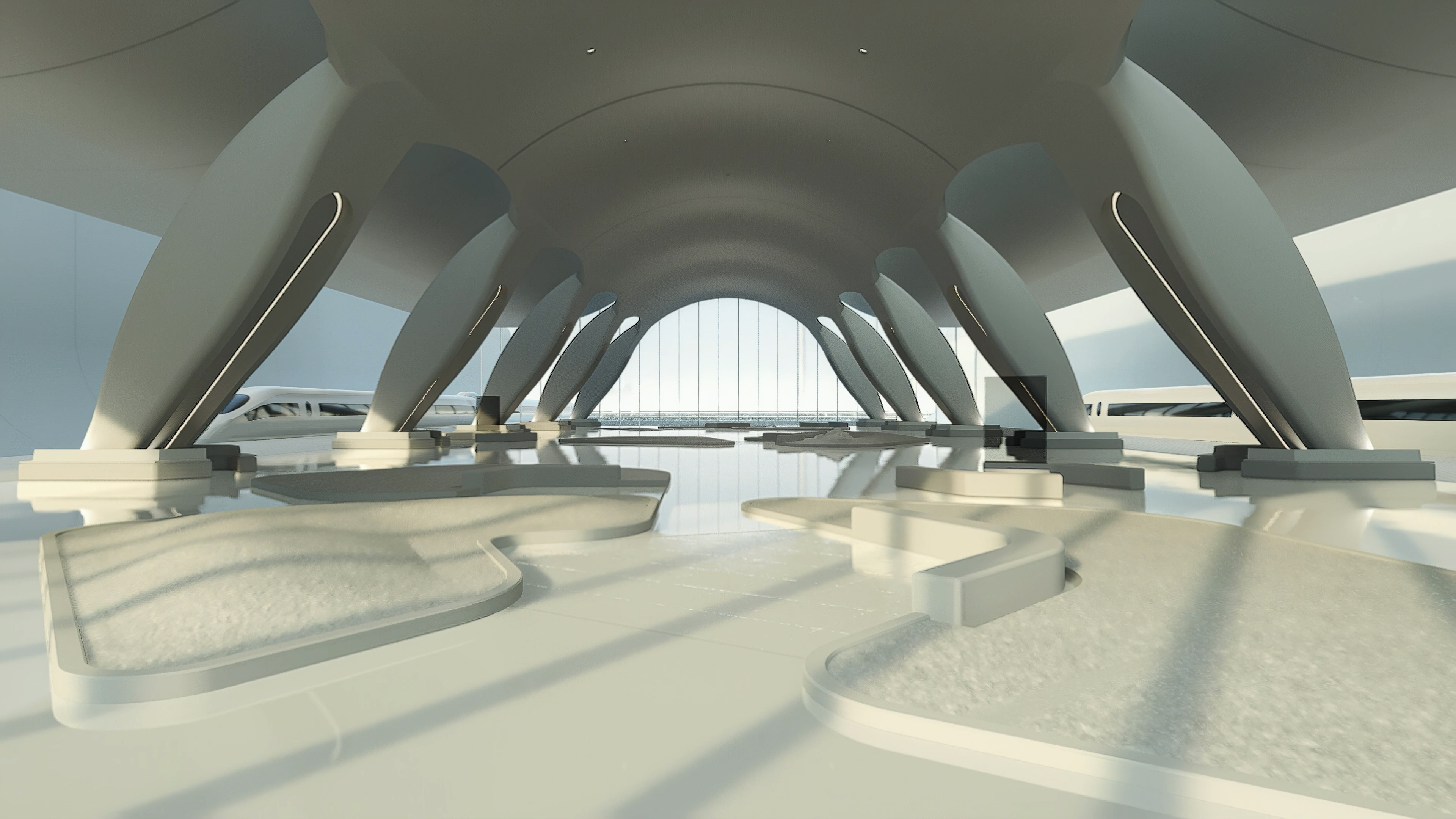
Unity BTS - 3D model of the transport terminal
-
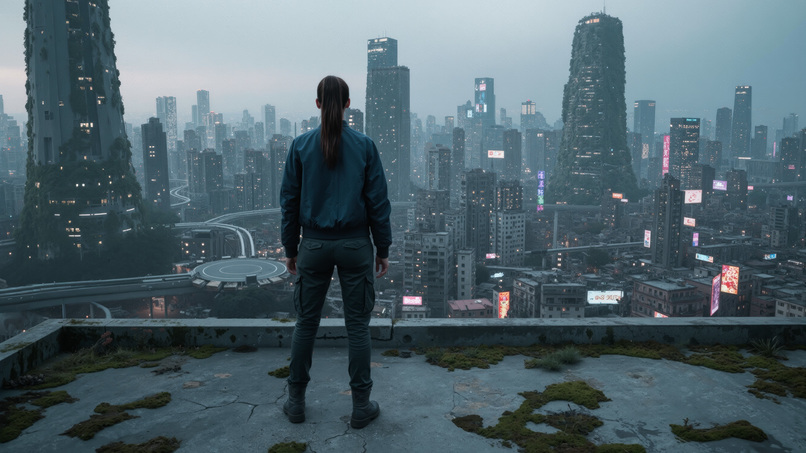
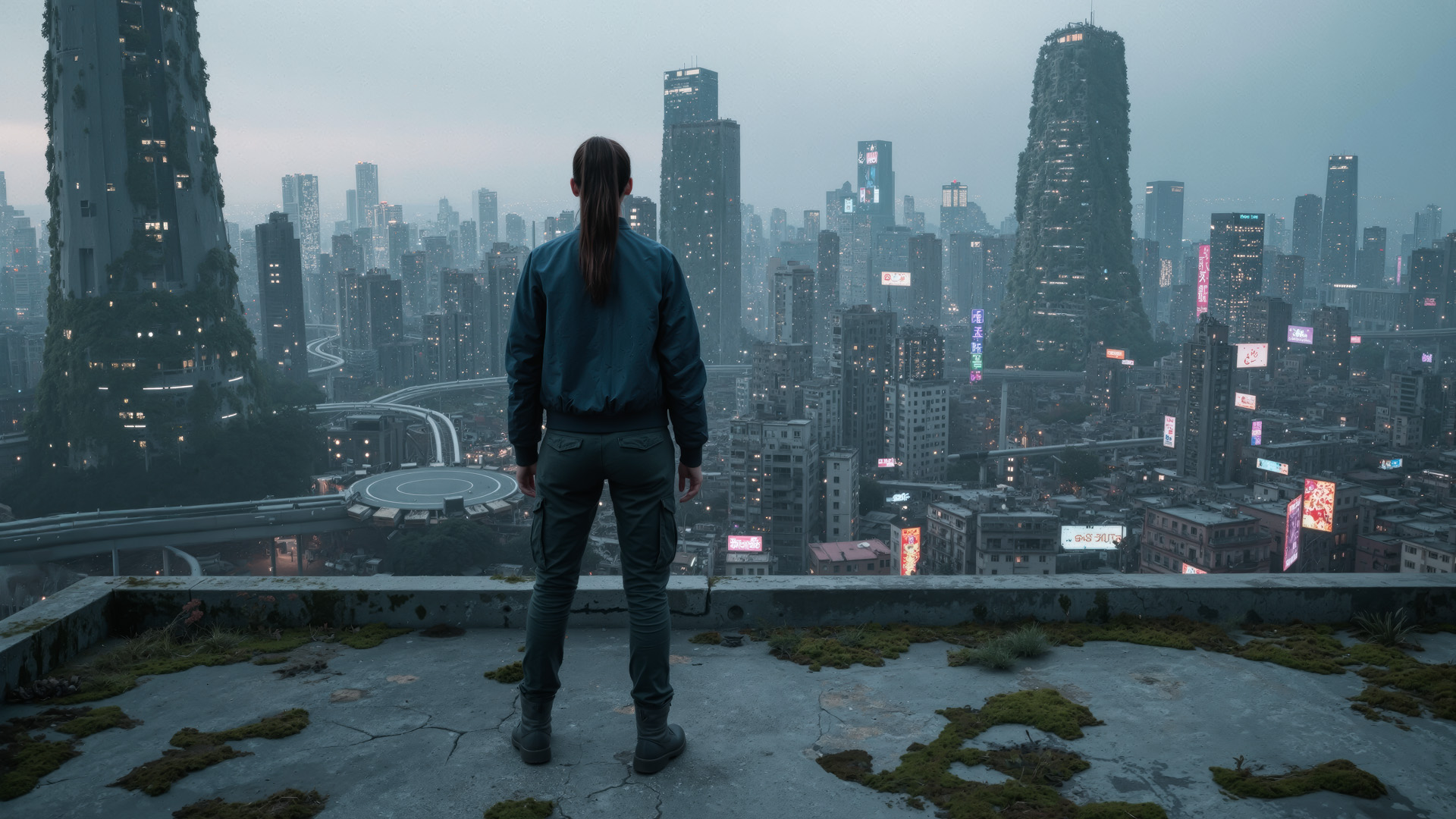
Unity BTS - Renata, overlooking futuristic city

Inspiration
The BTS for Unity: All That Waits was created to document the creative process behind building my first AI-assisted concept trailer. More than a technical breakdown, I wanted this piece to reflect the emotional origins of the project. As a parent, I often ask myself whether humanity has passed a point of no return—and what kind of world we’re handing to the next generation. That question shaped the thematic backbone of the Unity universe. This BTS explores how that idea influenced everything from the script, to the sound, to the 3D environments I designed, and the creative decisions behind the trailer.
What it does
This BTS short breaks down the making of the trailer by focusing on:
• The steps I went through to bring the concept to life
• How my inspirations and film studies informed tone and pacing
• How my architectural background shapes my creative process
• My reflections on the challenges and limitations of AI filmmaking
It is not intended to be a step-by-step tutorial on using AI tools. Instead, it offers insight into the long-term vision for the Unity project and highlights the foundations already in place for future shorts.
How we built it
The process began with writing a script (VO) to structure my thoughts and establish the narration. I recorded rough scratch audio first to test pacing, aiming to keep the BTS within a 5–6 minute window.
From there, I reviewed existing material and selected visuals that complemented the VO—including clips that didn’t make it into the final trailer, as well as brand-new sequences created specifically for this piece. A few shots also act as early teasers for what’s coming next in the Unity universe.
Using everything I learned from building the trailer, I assembled the BTS gradually over the last few weeks. This is my first BTS film, and without a clear stylistic reference, my goal was simply to present an honest, thoughtful companion piece that gives judges insight into the broader ambition behind Unity: All That Waits.
Challenges we ran into
The biggest challenge was figuring out how to make a BTS genuinely engaging.
I didn’t want to replicate the typical “here’s the tool I used” methodology—it’s been done countless times. Instead, I realised I needed to create new material to give the BTS emotional weight and a personal touch.
This led to writing and producing several mini-scripts, such as:
1) Renata at the noodle bar 2) The AI director scene 3) Renata stepping into the Unity world
These were quick, fun experiments that helped me explore performance, pacing, and tone within a compressed timeframe.
Accomplishments that we're proud of
What I’m most proud of is the progress I felt throughout the process. The BTS came together far more quickly than the trailer, which was a reassuring sign that my workflow is becoming more focused and effective. It felt like the first time I could see the benefits of everything I’ve been learning over the past few months. I’m also proud of how the BTS allowed me to articulate the ideas behind Unity.
As an architect, I’m used to explaining concepts visually and verbally, and this felt like the first opportunity to bring that skill into my filmmaking practice. Rather than simply showing tool outputs, I wanted the film to communicate intention—why certain scenes exist, why certain visuals matter, and what the larger project is aiming toward.
What we learned
• Recording VO with my own voice pushed me far outside my comfort zone. • I invested in a proper microphone to give myself the best chance at a clean, confident narration. • I experimented with simple BTS footage of myself working—testing SLR vs iPhone capture. • The mini-scripts became an unexpected joy, helping me apply everything I learned from the trailer in a shorter format. • A few of the shots turned out so well that they made it back into the trailer. Overall, the BTS became a space for reflection, iteration, and creative exploration.
What's next for Unity: All That Waits — Behind the Scenes | Taeki Workshop
The Chroma Awards serve as a key litmus test for the project. Until now, Unity has developed primarily as part of my work on the Curious Refuge Advanced AI Filmmaking Course. With this BTS and trailer now out in the world, I’m eager to see whether the themes resonate with the wider AI filmmaking community. If the response is positive, the next step is to develop the first full episode in the Unity series—an ambitious 15–20 minute short that deepens Renata’s journey, explores how her relationship with Orrin came to be, and reveals more about the meaning of the signal.
Built With
- adobe
- after-effects
- artlist
- clarity-(replicate.com)
- d5-render
- davinci-resolve
- freepik
- hailuo
- kling
- magnific
- midjourney
- milanote
- ocular-sounds
- openart
- premiere-pro
- seedance-pro
- sketchup
- topaz-video-ai

Log in or sign up for Devpost to join the conversation.