-
-
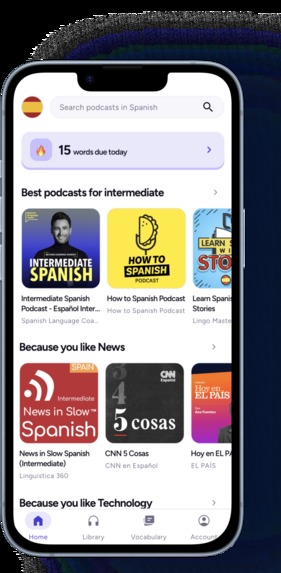
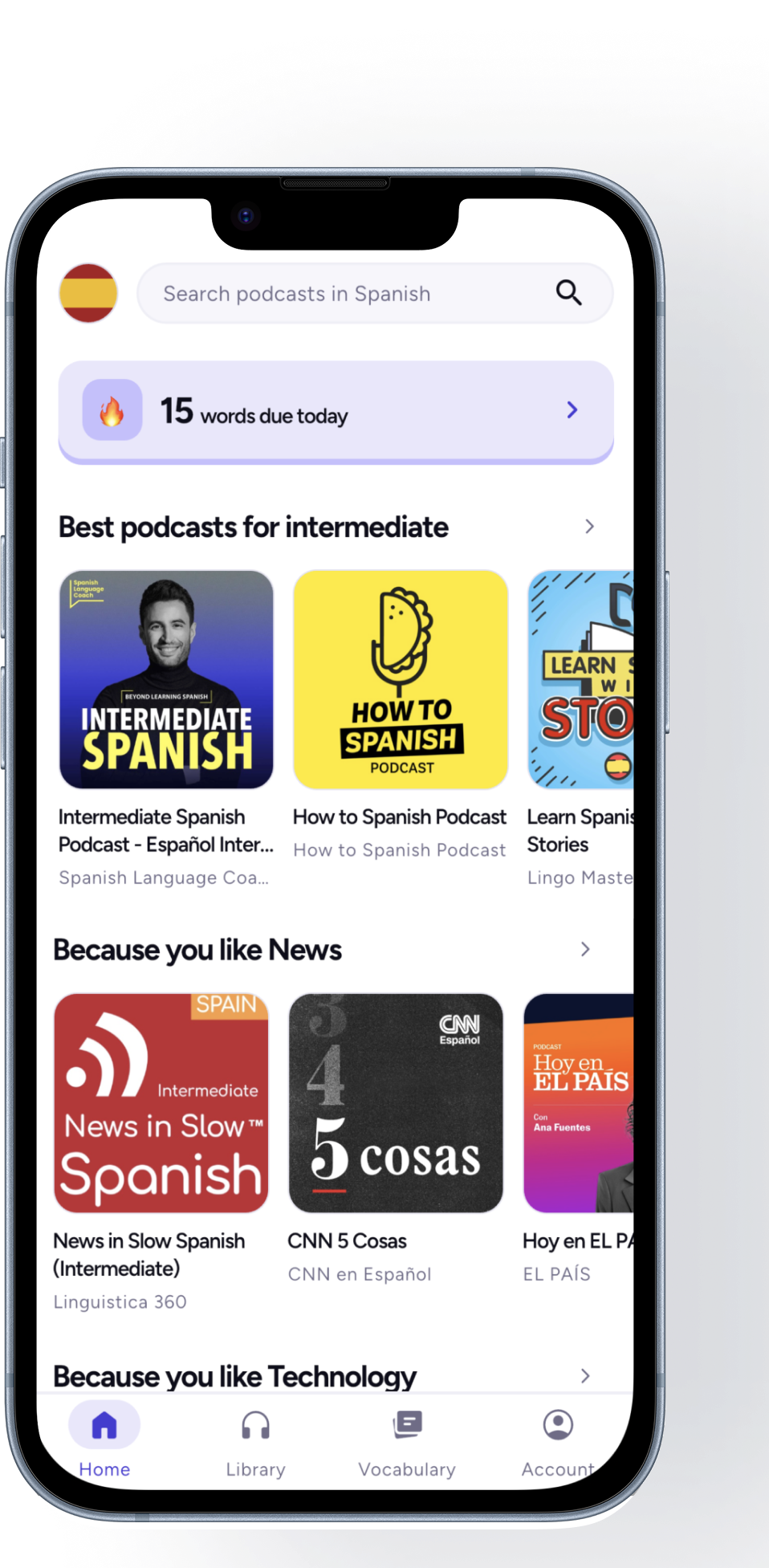
Explore podcasts
-
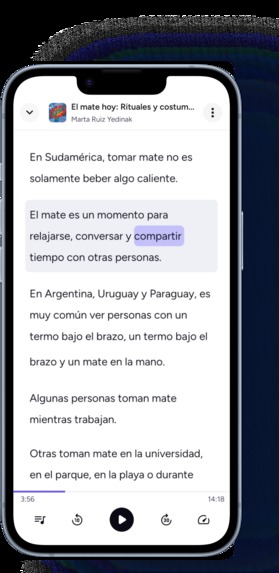
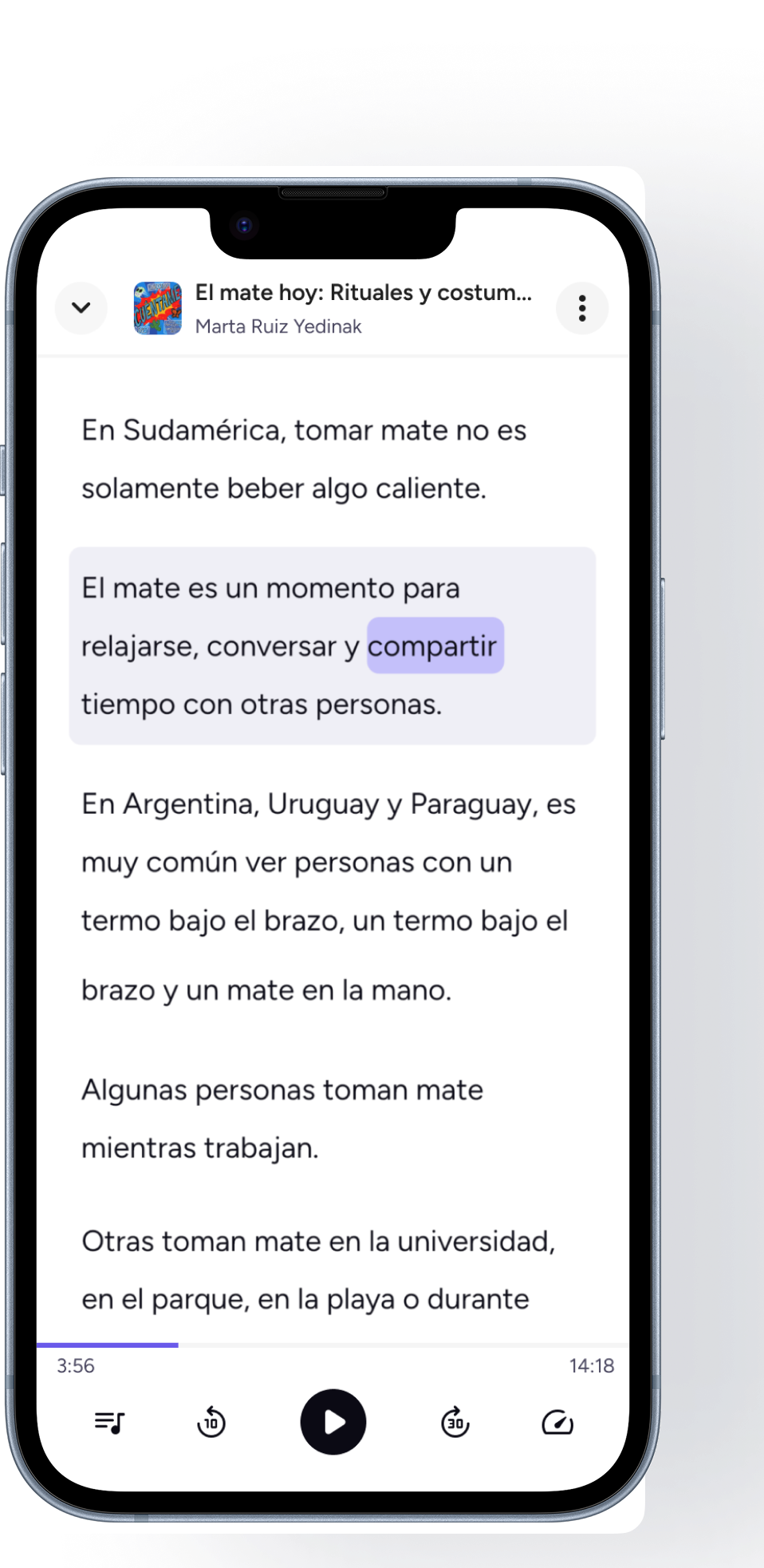
Follow podcasts transcripts
-
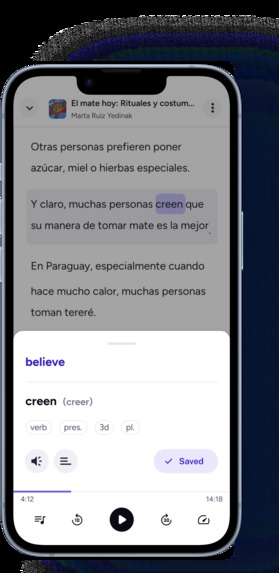
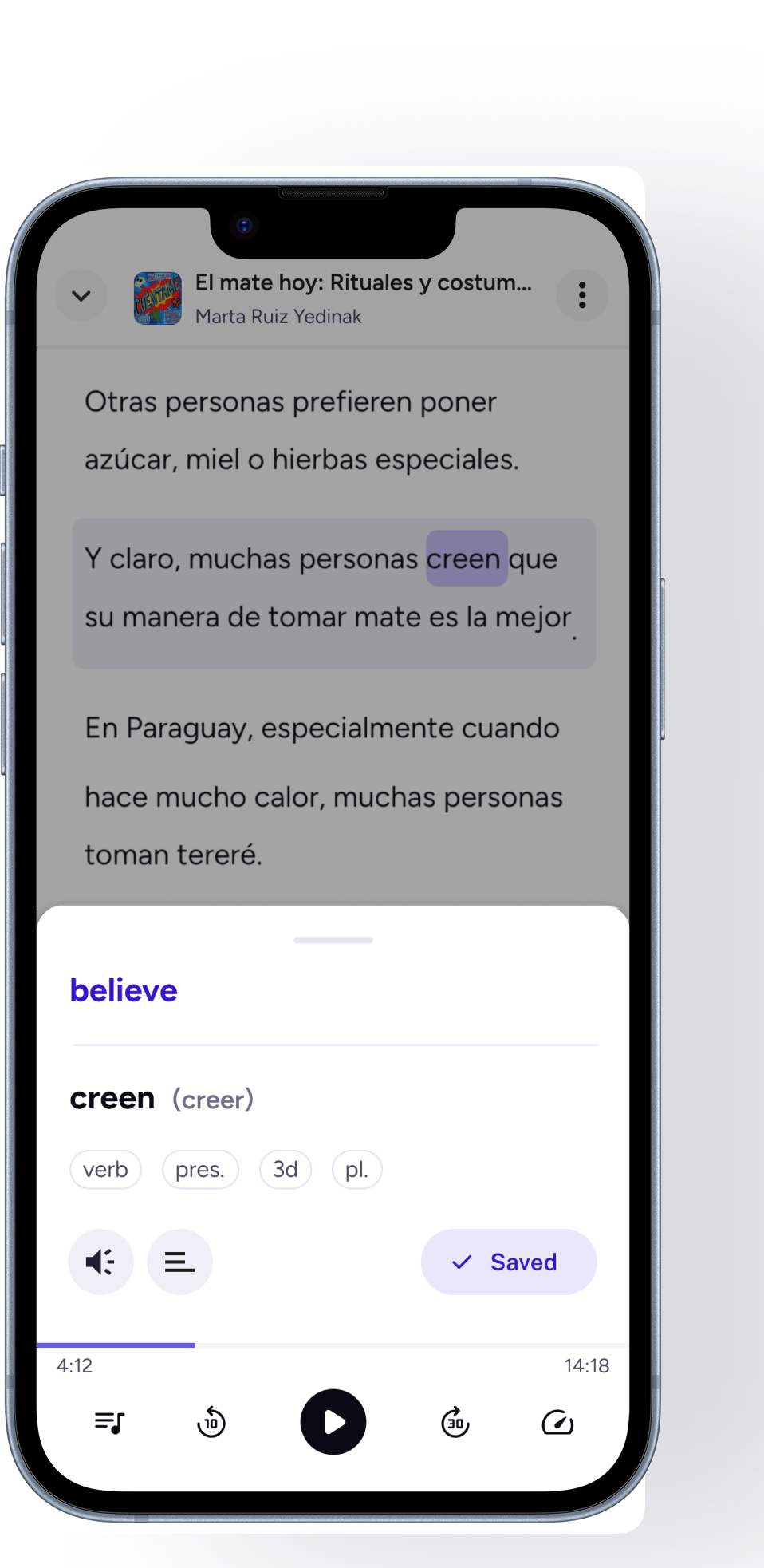
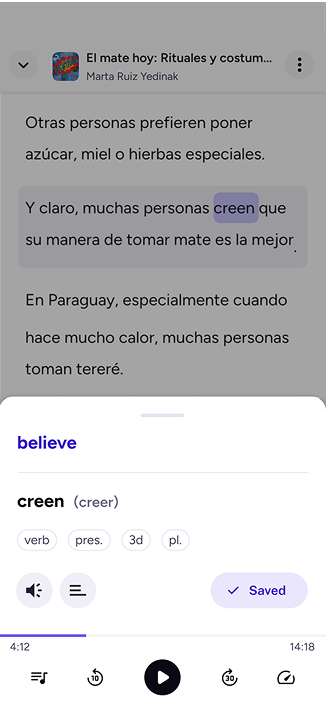
Tap-to-translate unknown words
-
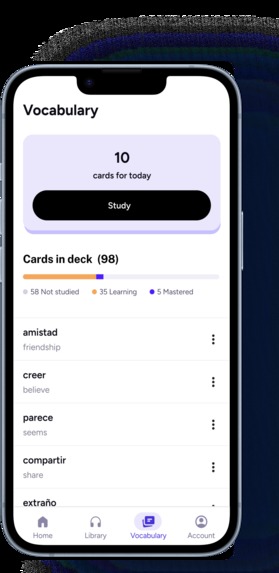
Save words for review
-
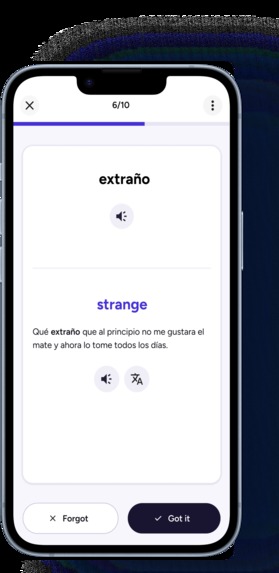
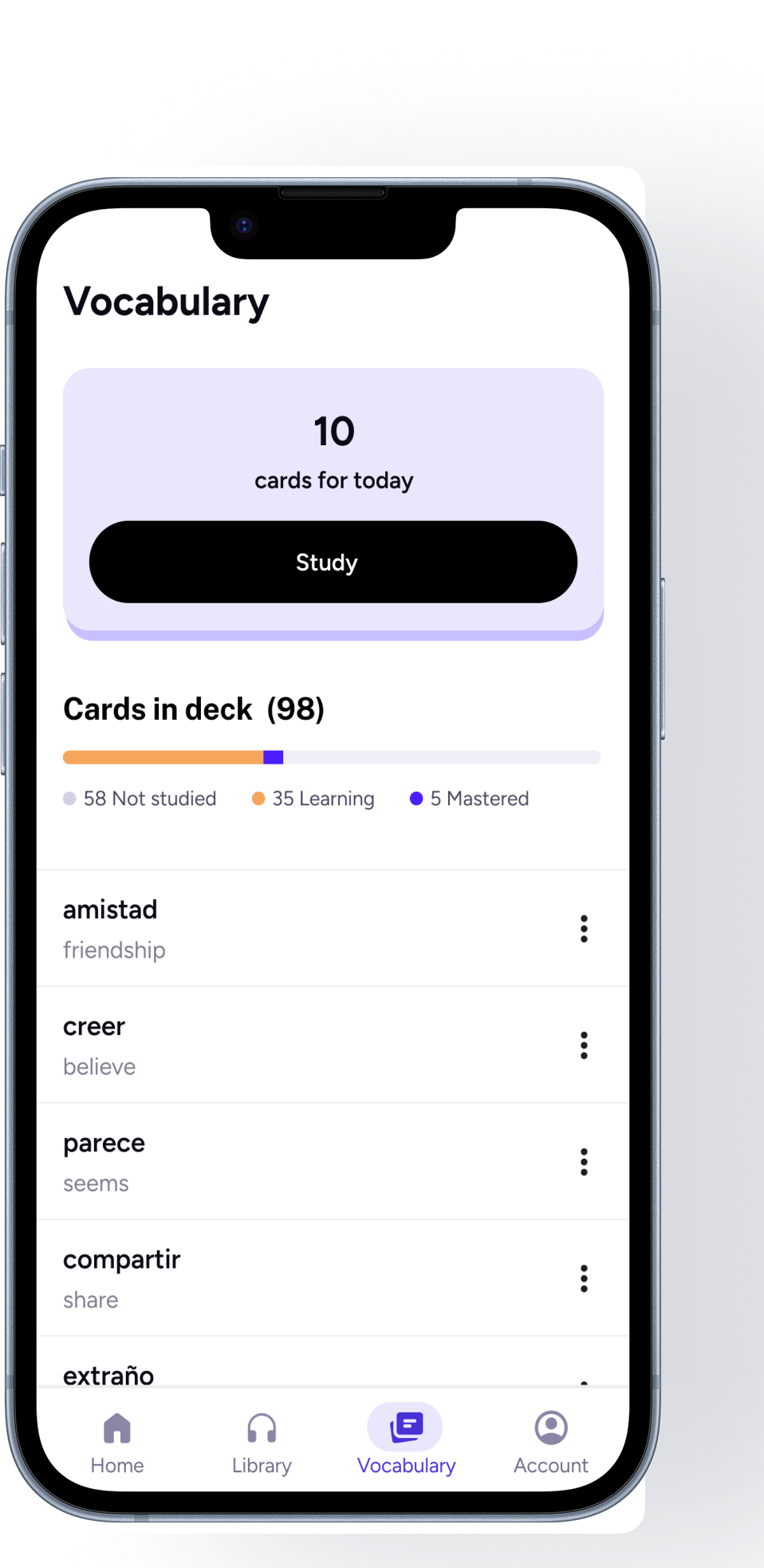
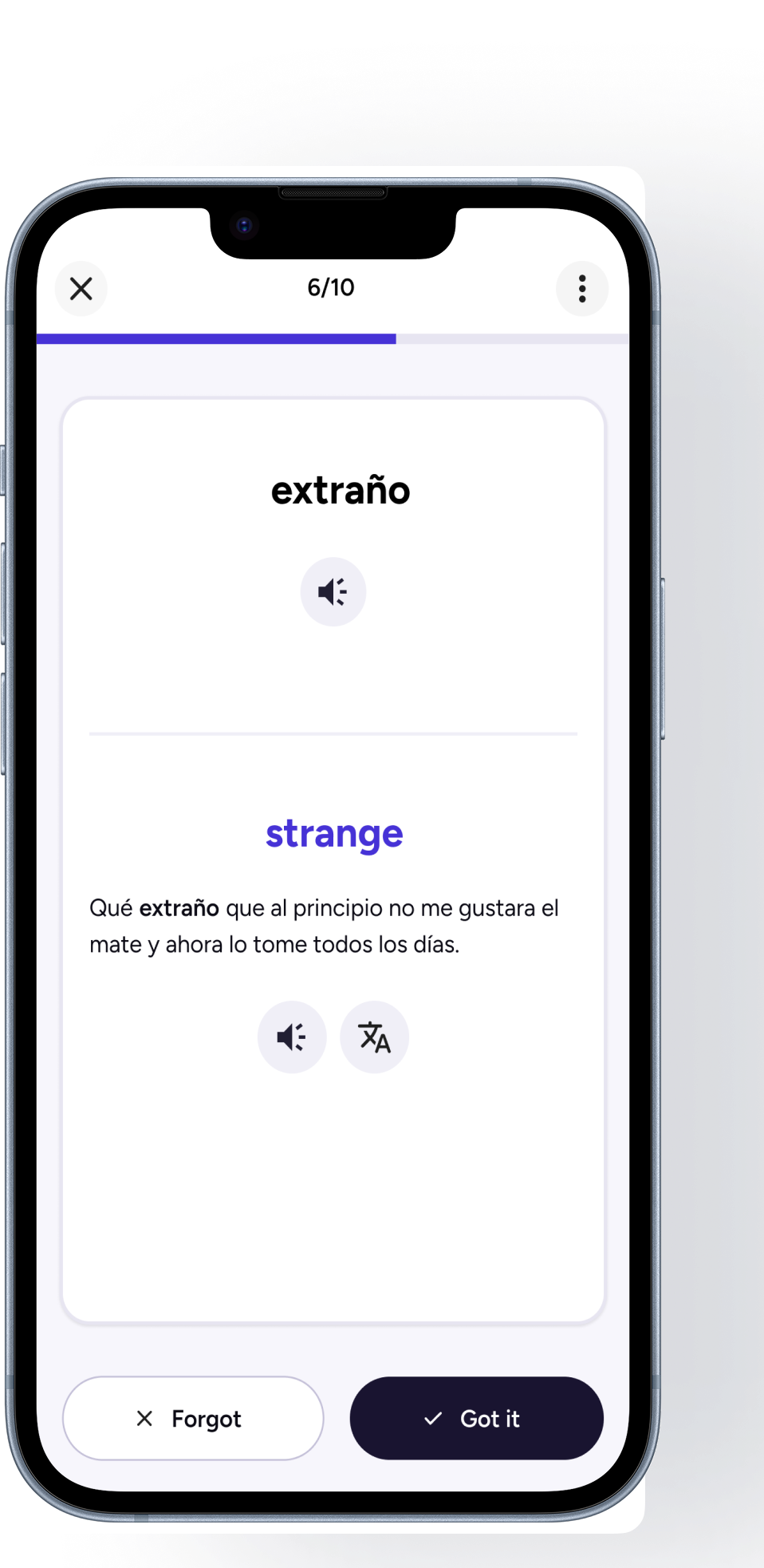
Learn with spaced repetition flashcards
-
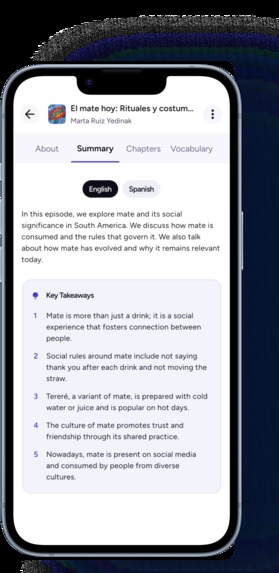
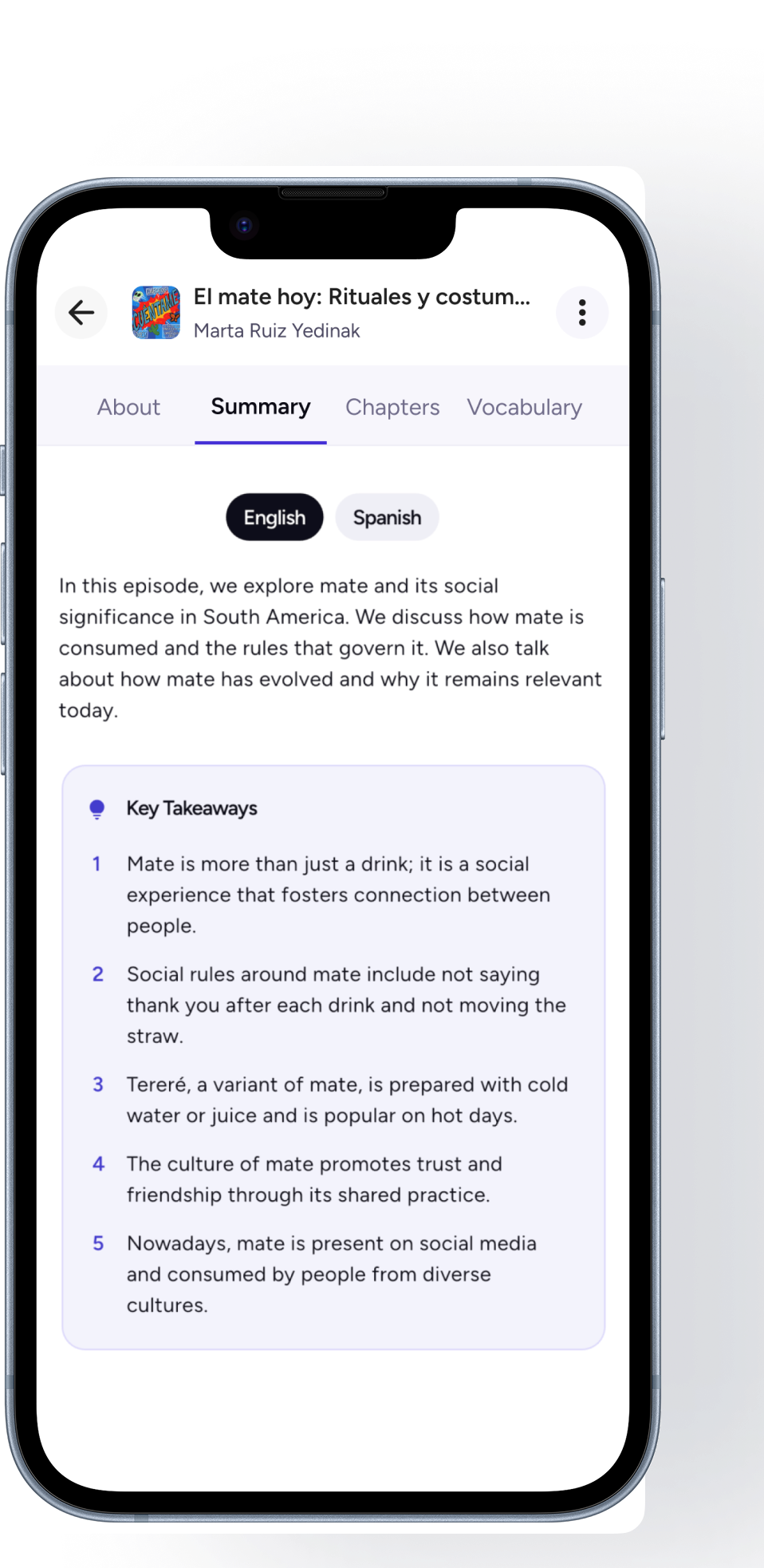
Understand more with AI summaries
-
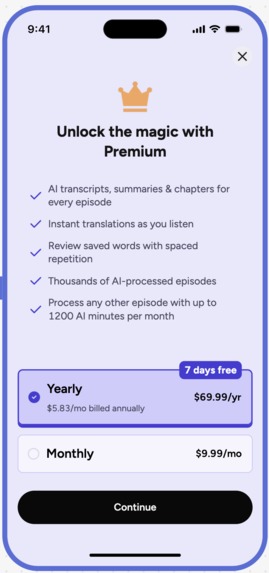
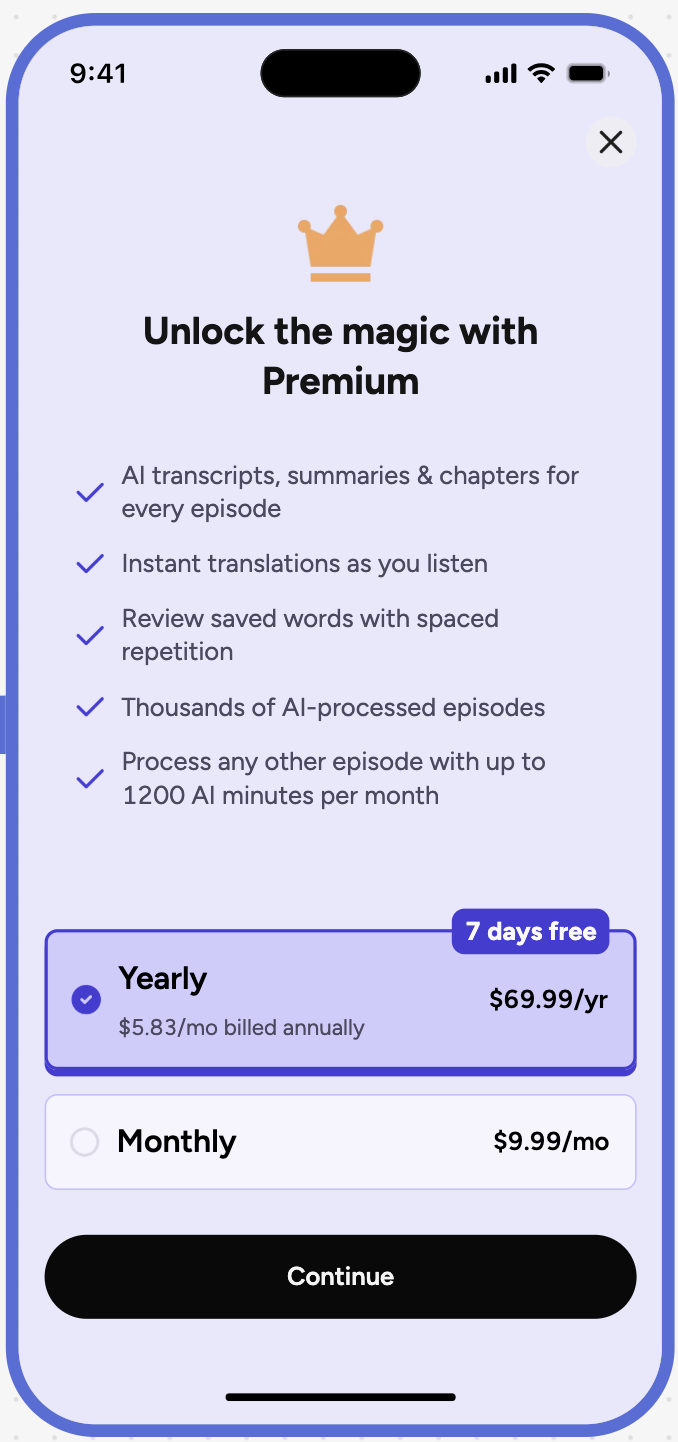
Paywall
-

Icon
-
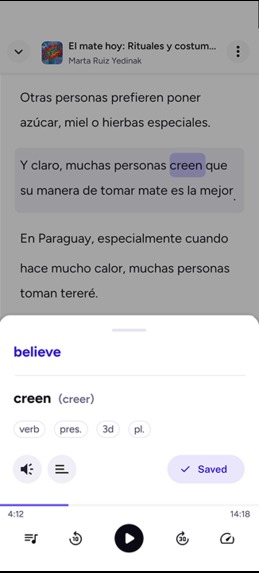
Tap-to-translate unknown words (no frame)

Inspiration I saw a gap in the way language-learning apps approach learners beyond the beginner stage. Most apps focus on structured lessons, vocabulary lists, and simplified content. They help build a foundation, but don't fully capture how a language exists in the real world — how people naturally speak, cultural references, humor, current events, and the topics people are actually talking about. Yet that's also how we naturally learn: through exposure, context, repetition, and meaningful content. I experienced this myself while working on Chinese with Chinese Alive and improving my German. I wanted to spend more time with authentic content, but found a gap between language-learning material, which often felt too controlled, and real-world content, which could be difficult to understand without support. That became Unipod: immersive language learning through content you actually want to consume.
What it does Unipod turns authentic podcasts into an immersive language-learning experience. Learners can listen to podcasts in the language they're learning while following a synchronized transcript. They can look up unfamiliar words in context, save vocabulary, and review it later with flashcards and spaced repetition. The goal is to make the transition from studying a language to actually using and experiencing it feel natural.
How we built it Unipod combines podcast discovery, audio processing, AI transcription, transcript synchronization, vocabulary lookup, and spaced-repetition learning into one experience. A key part of the architecture is a multilingual AI transcription pipeline. Rather than relying on a single model, different languages can use different models and processing strategies based on their actual performance. I also built the system to handle real-world podcast behavior, including dynamically inserted ads and changes to podcast audio, so transcripts stay synchronized with what the listener is hearing.
Challenges we ran into The biggest challenge was multilingual transcription quality. No single AI model performs equally well across languages, especially with accents, multiple speakers, proper names, code-switching, and different speaking styles. I had to benchmark models against real podcast episodes and make language-specific decisions rather than simply choosing one provider. Another challenge was synchronization. A transcript can be accurate but still feel broken if it doesn't line up with the audio — particularly when podcasts contain dynamically inserted ads.
Accomplishments that we're proud of We built a working end-to-end experience that turns real podcasts into interactive language-learning resources. I'm especially proud of the flexible multilingual transcription architecture and the work required to keep transcripts synchronized with changing podcast audio. Most importantly, Unipod has become the product I originally wanted for my own language learning: a way to explore things I'm genuinely interested in while getting the support I need to understand and learn from them.
What we learned We learned that building with AI isn't just about choosing the best model. The quality of the overall experience depends on how AI, content, timing, and UX work together. We also learned that multilingual AI requires a language-specific approach. The right question isn't "Which model is best?" but "What works best for this language, this content, and this experience?"
What's next for Unipod — immersive language learning I want to expand Unipod beyond podcasts to video and adapted books, bringing the same immersive approach to more types of authentic content. I'm also working toward a more personalized AI learning layer: AI-generated quizzes after each episode, contextual vocabulary insights, and explanations of grammar and language patterns based on what the learner just encountered. The long-term vision is to make Unipod a bridge between learning a language and experiencing the world in it — turning the content you're genuinely curious about into your classroom.
Built With
- ai
- audio-processing
- cloud-firestore
- dart
- deepgram-nova
- firebase
- fireredasr
- flutter
- fly.io
- fsrs
- groq-whisper
- ios
- natural-language-processing
- node.js
- openai-gpt
- openai-whisper
- parakeet
- postgresql
- posthog
- revenuecat
- sensevoice
- spaced-repetition
- speech-to-text
- transcript-synchronization

Log in or sign up for Devpost to join the conversation.