-
-
Thumbnail
-
UI/UX
-
NLP
-
Code
Inspiration
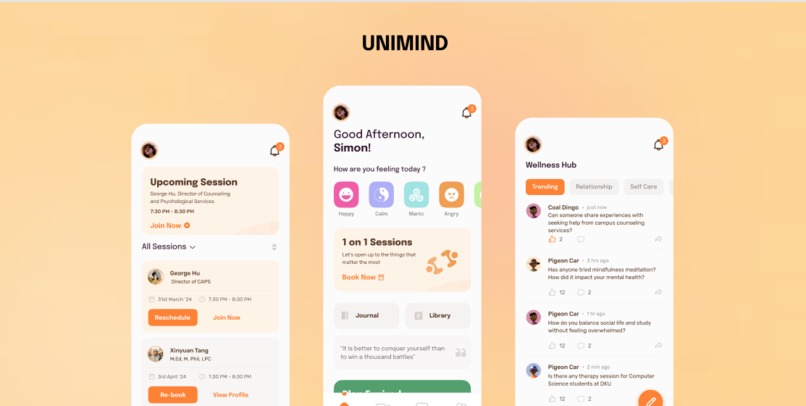
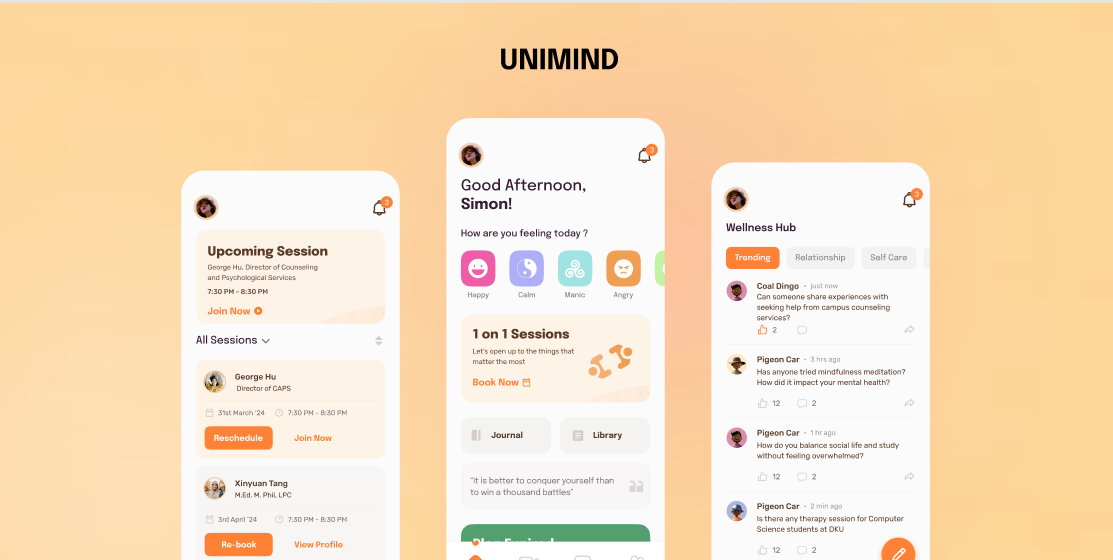
Our journey with UniMind began with a simple realization: college life is inherently stressful, filled with academic pressures, personal challenges, and the daunting task of navigating adulthood. We recognized a gap in the resources available for college students to share, connect, and track their mental health in an accessible and supportive environment. UniMind was born out of the desire to fill this gap, offering a platform where students can easily monitor their emotional well-being, find solace in a community of peers, and access tools designed to promote mental health.
What it does
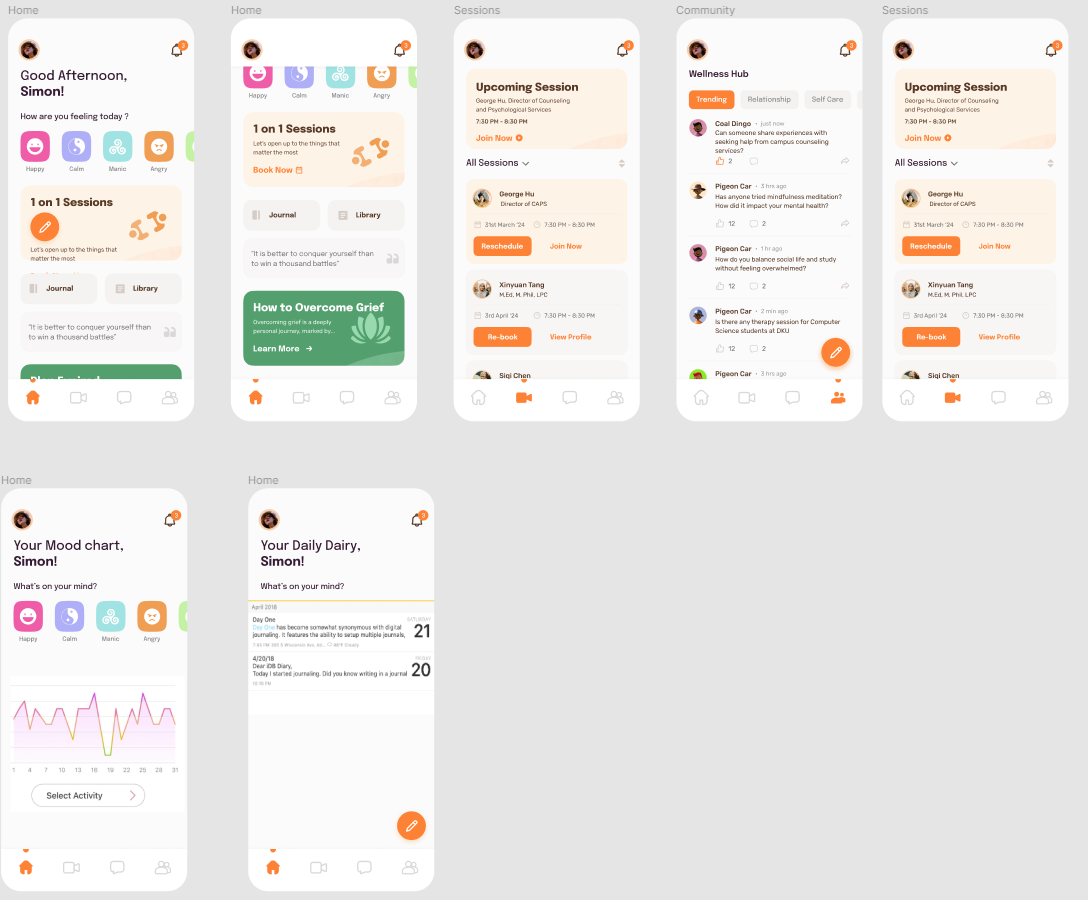
UniMind serves as a holistic mental wellness hub for college students. It allows users to track their mood fluctuations, gain insights into their emotional patterns, and access a wide range of self-help tools tailored to the college experience. Beyond individual support, UniMind fosters a vibrant community where students can share their journeys, offer support, and connect with others facing similar struggles, all within a safe and anonymous space.
How we built it
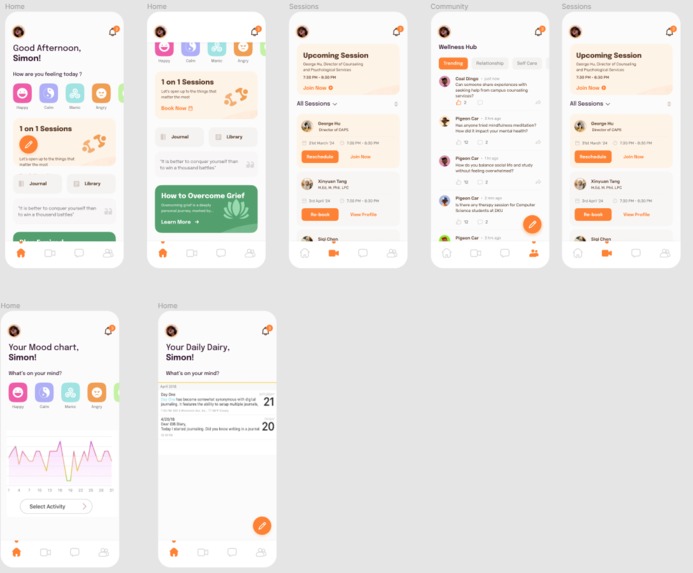
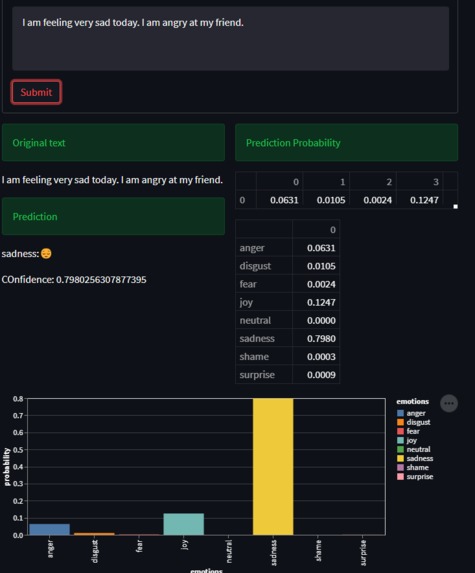
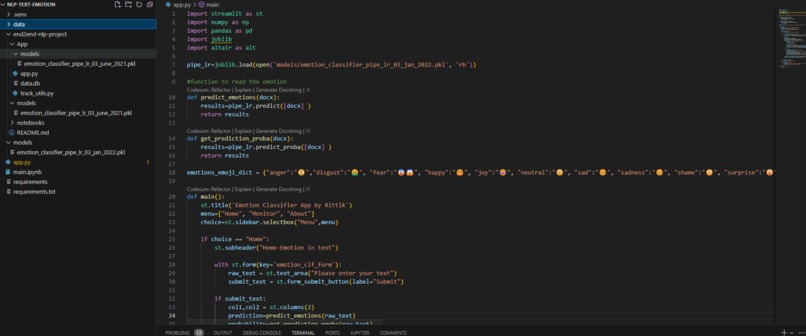
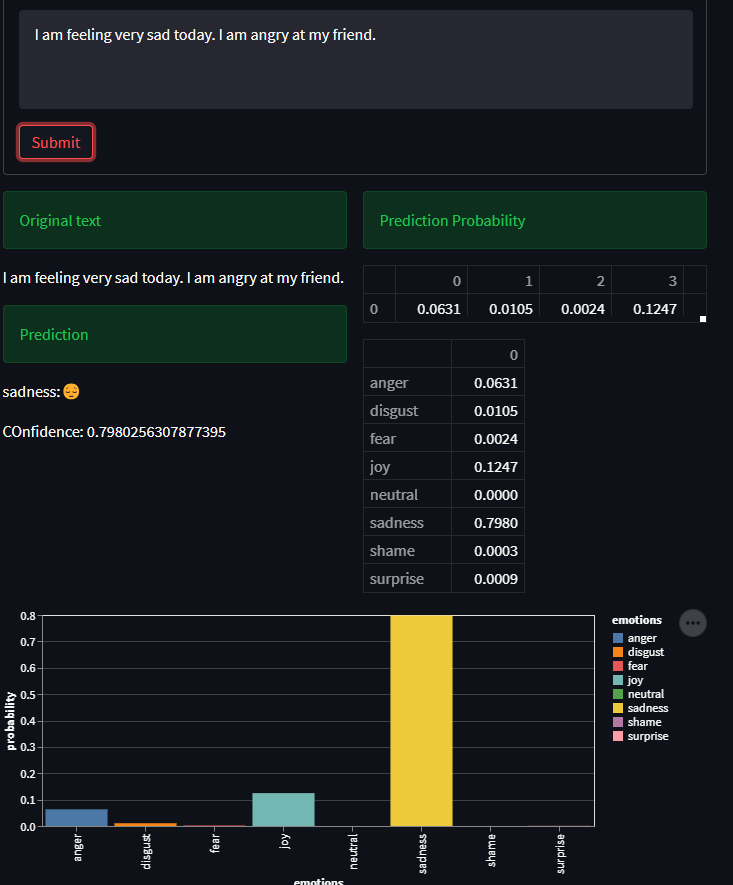
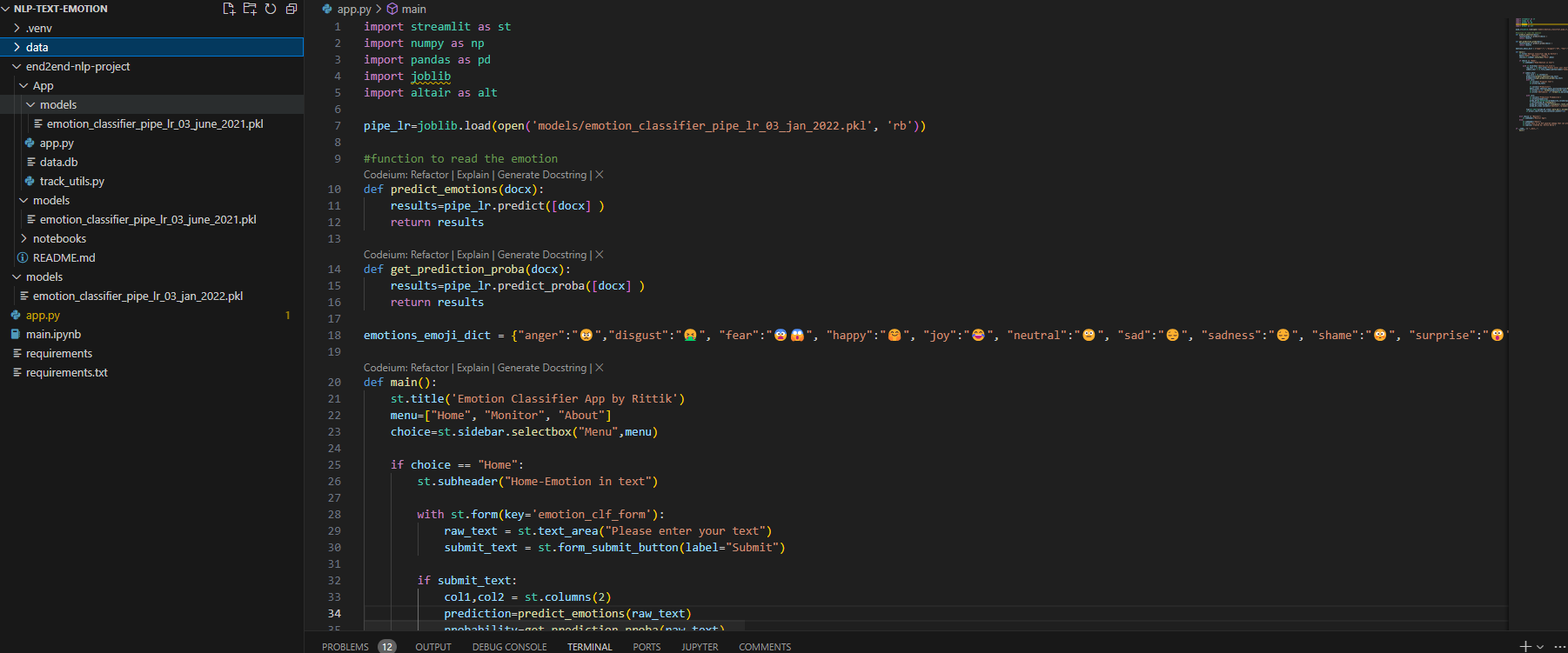
The initial prototype of UniMind was crafted in Figma, focusing on user experience and interface design. The backbone of UniMind's functionality, its NLP-powered emotion prediction feature, was developed using Python and an assortment of libraries such as Numpy, Pandas, and Scikit-learn. This feature analyzes journal entries and mood check-ins, predicting emotions with a commendable accuracy of 70%. Our model was trained on a dataset containing speeches and corresponding emotions, using Scikit-learn's Linear Regression model. The trained model was then integrated into our web app through Streamlit, with Joblib facilitating model storage and access.
Challenges we ran into
One of our primary challenges was perfecting the NLP code to ensure reliable emotion prediction from text. Achieving a balance between accuracy and responsiveness required numerous iterations and testing phases, pushing us to delve deeper into the complexities of NLP and machine learning.
Accomplishments that we're proud of
We're immensely proud of bringing UniMind from concept to a working prototype. This achievement not only signifies our technical progress but also marks a step towards creating a more supportive college environment. Our ability to develop a tool that can potentially aid countless students in navigating their mental health journey is a source of great pride and motivation.
What we learned
This journey has been incredibly enlightening, offering us a deeper understanding of NLP, user-centered design, and the power of teamwork. We've gained invaluable insights into the intricacies of developing a mental health platform, the importance of data accuracy and privacy, and the profound impact of community support on individual well-being.
What's next for UniMind
Looking forward, we aim to expand UniMind's reach to support students at DKU and beyond. Our vision includes refining the app's features based on user feedback, enhancing our emotion prediction algorithms for greater accuracy, and creating partnerships with mental health professionals to offer more comprehensive support. UniMind is on a path to becoming an indispensable resource for college students seeking to maintain their mental health, and we are committed to guiding it every step of the way.
Built With
- altair
- and
- eli5
- figma
- joblib
- lime
- neattext
- numpy
- pandas
- scikit-learn
- scipy
- seaborn
- streamlit


Log in or sign up for Devpost to join the conversation.