-
-
Welcome to R & R Health
-
-

Access quality healthcare from the comfort of your home.
-
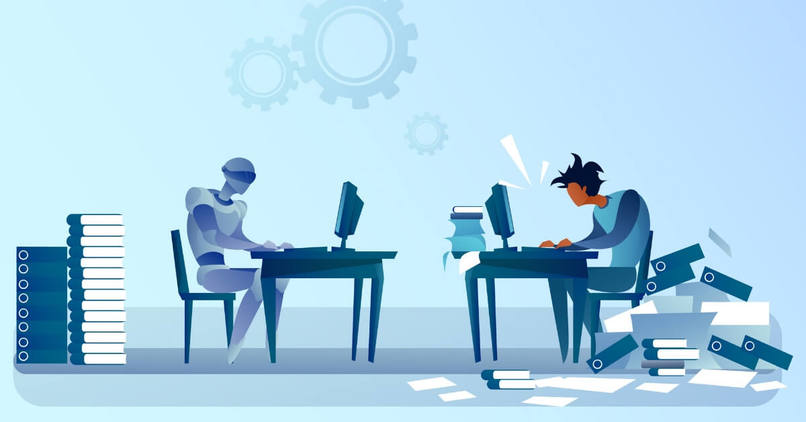
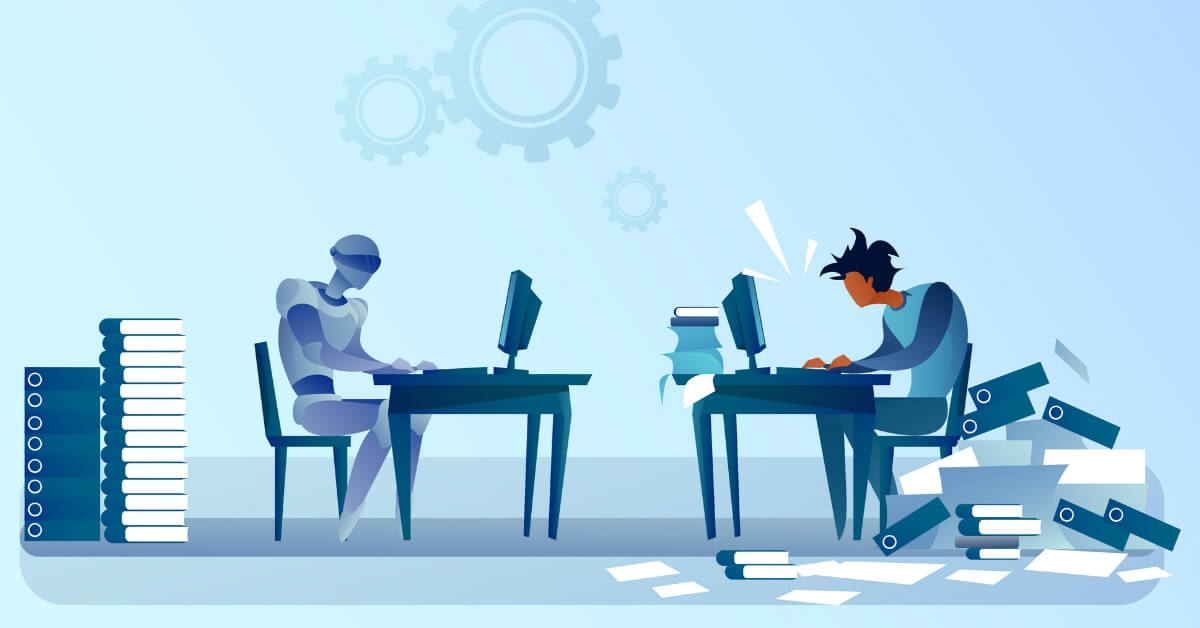
AI vs Human Document Processing
-
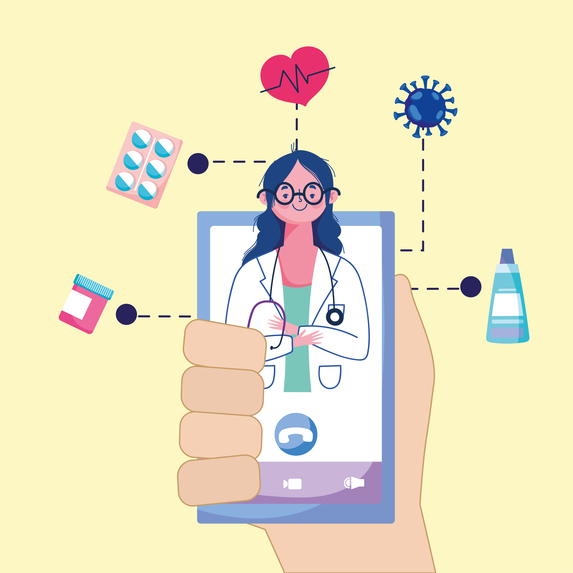
Your health, our priority
-
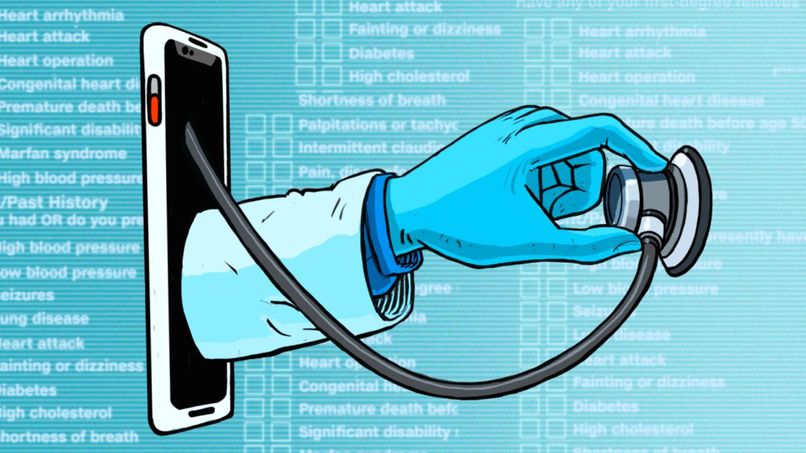
Bringing healthcare closer: Mobile connections cut wait times and reach rural communities.
-
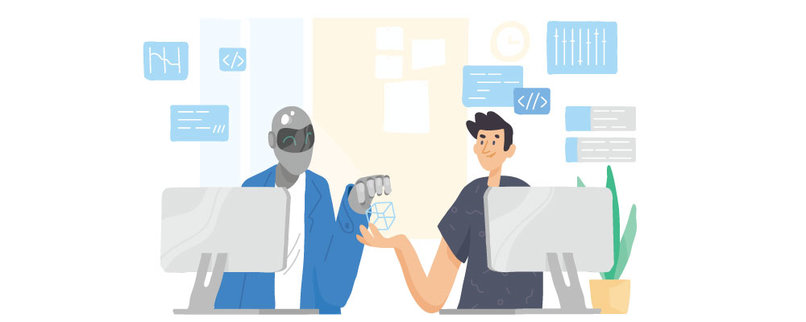
It's easier with AI!
-
Document Intelligence: Unlocking the Future where Documents Meet Genius and Every Detail Speaks Volumes
-
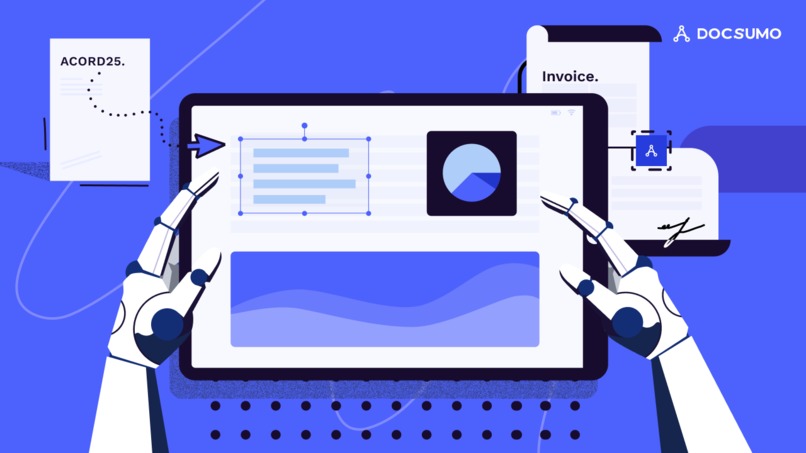
Document analytics using artificial Intelligence
-
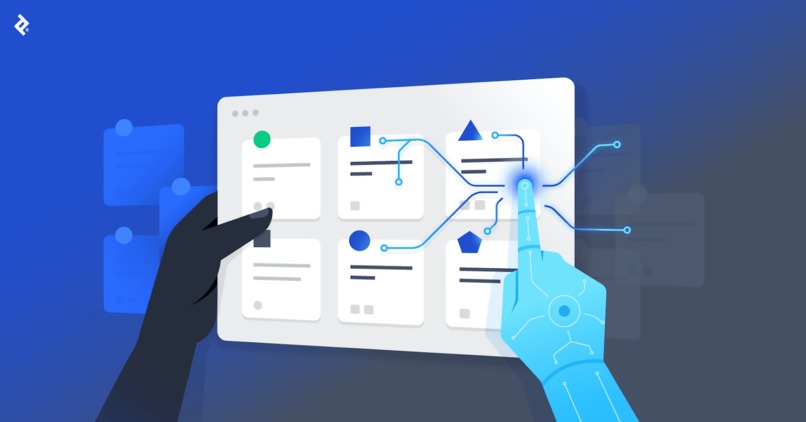
Feature extraction using AI

Inspiration
We got the inspiration from our friend's grandmother who lived in a rural area and found it difficult to get access to healthcare services. We believe that everyone should be able to have easy access to proper healthcare services regardless of their age, gender or nationality.
What it does
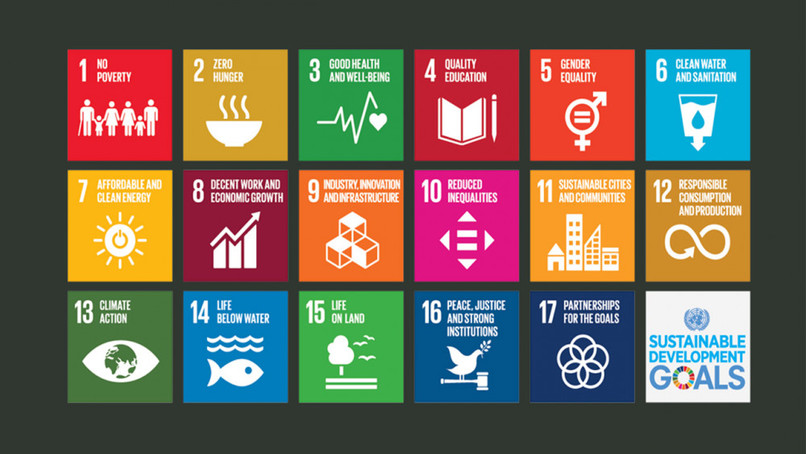
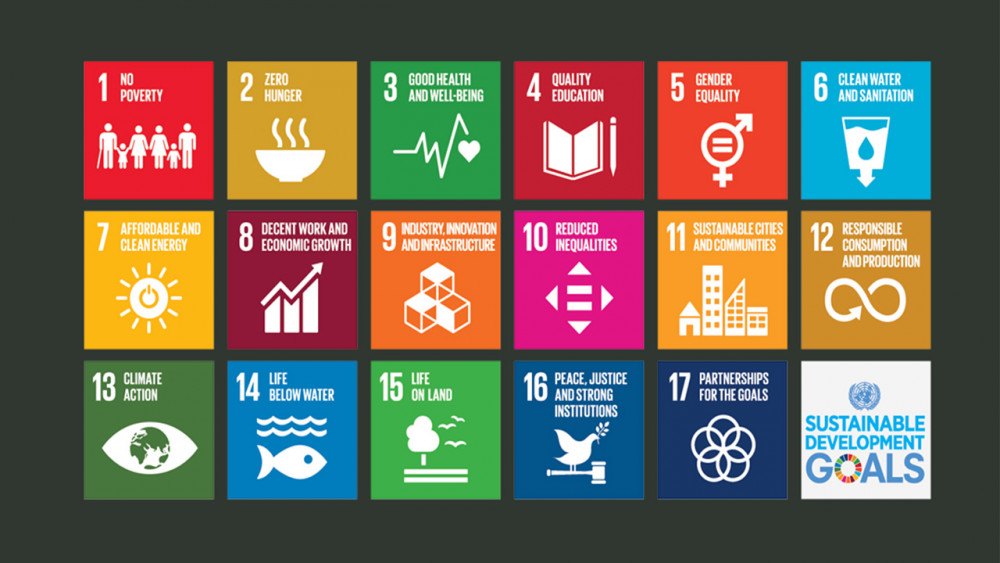
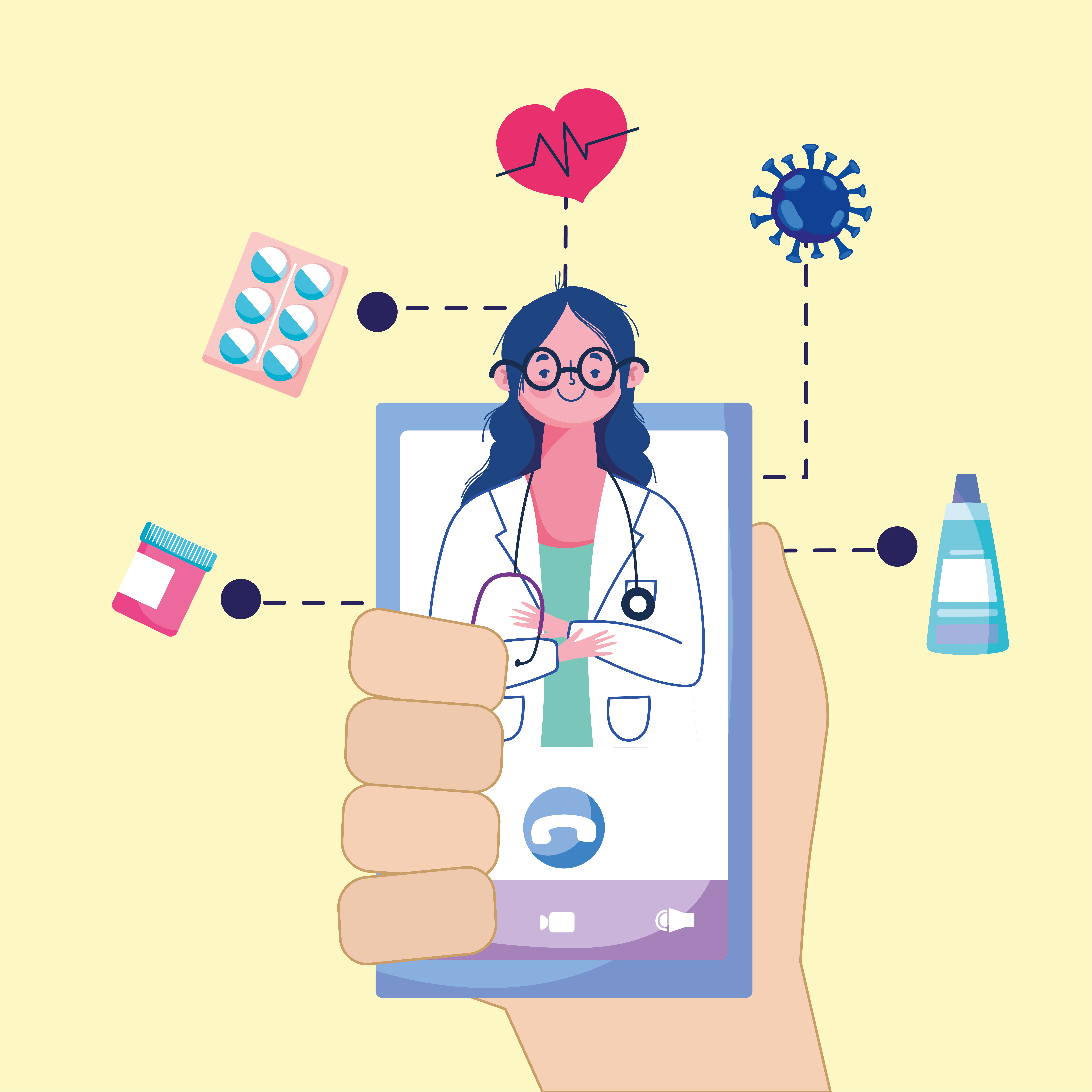
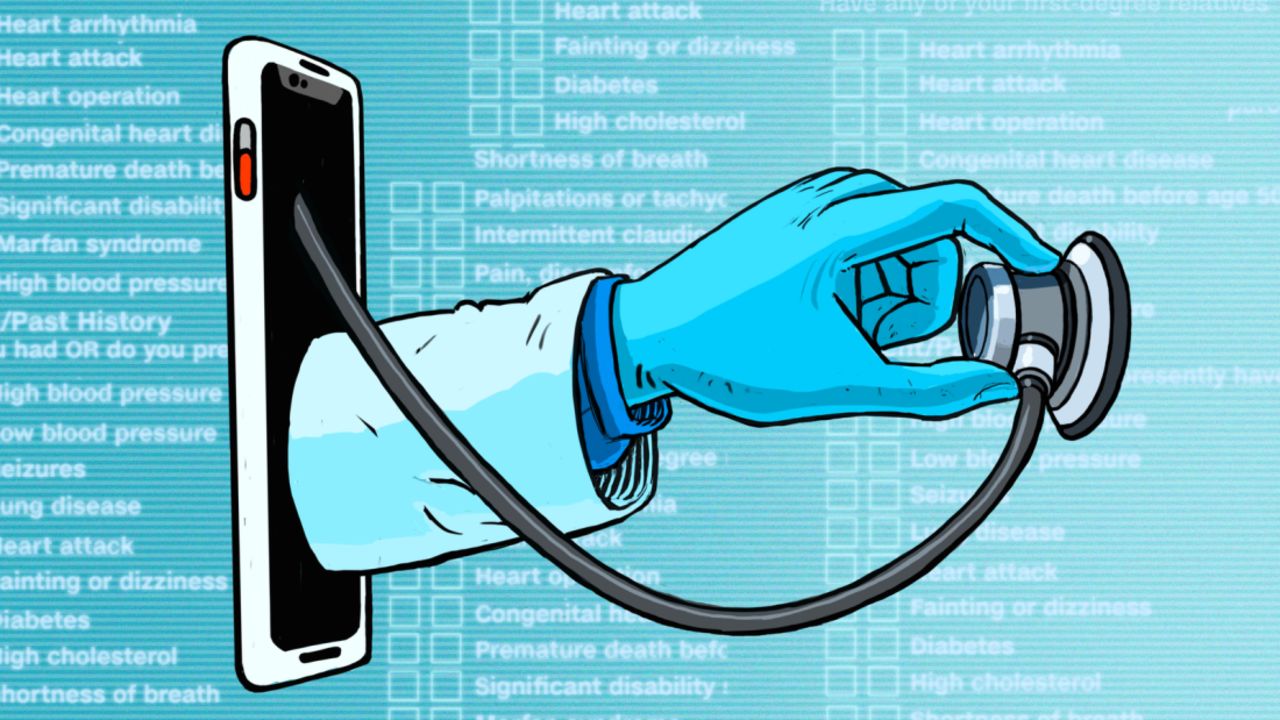
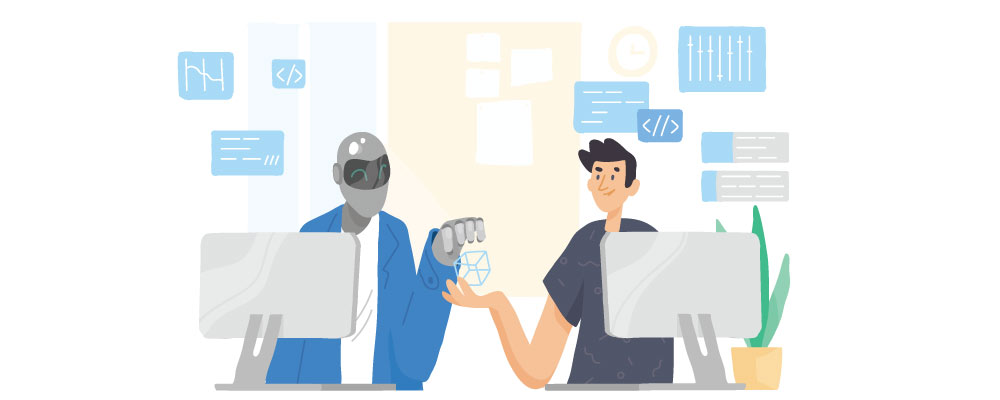
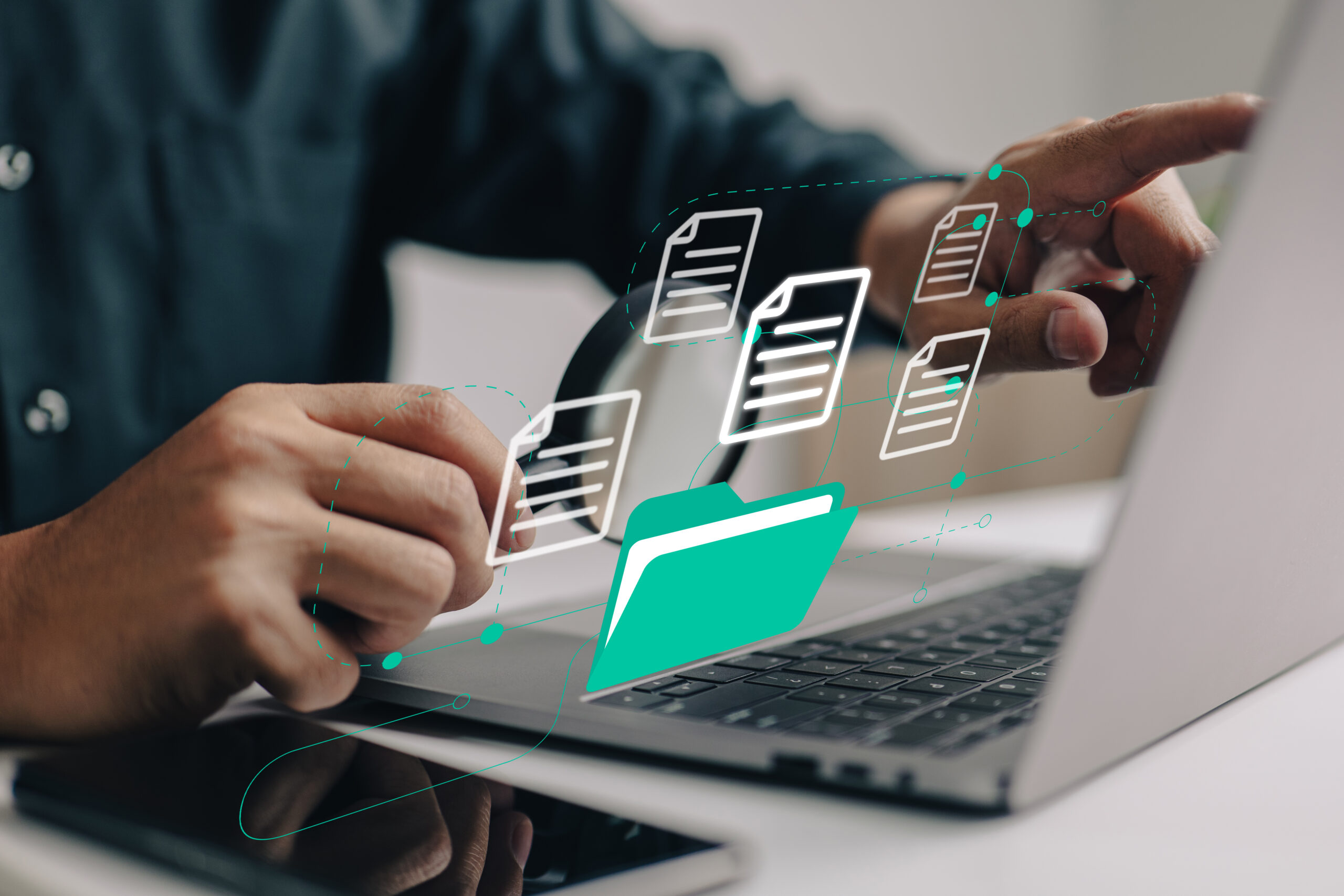
Our project aims to revolutionize healthcare by leveraging AI and telemedicine to improve the management, analysis, and delivery of healthcare services. By integrating AI-driven document intelligence, data management systems, and telemedicine capabilities, we seek to enhance patient outcomes, reduce errors, and increase the accessibility and efficiency of healthcare delivery. Our solution aligns with SDG 3, aiming to ensure healthy lives and promote well-being for all.
How we built it
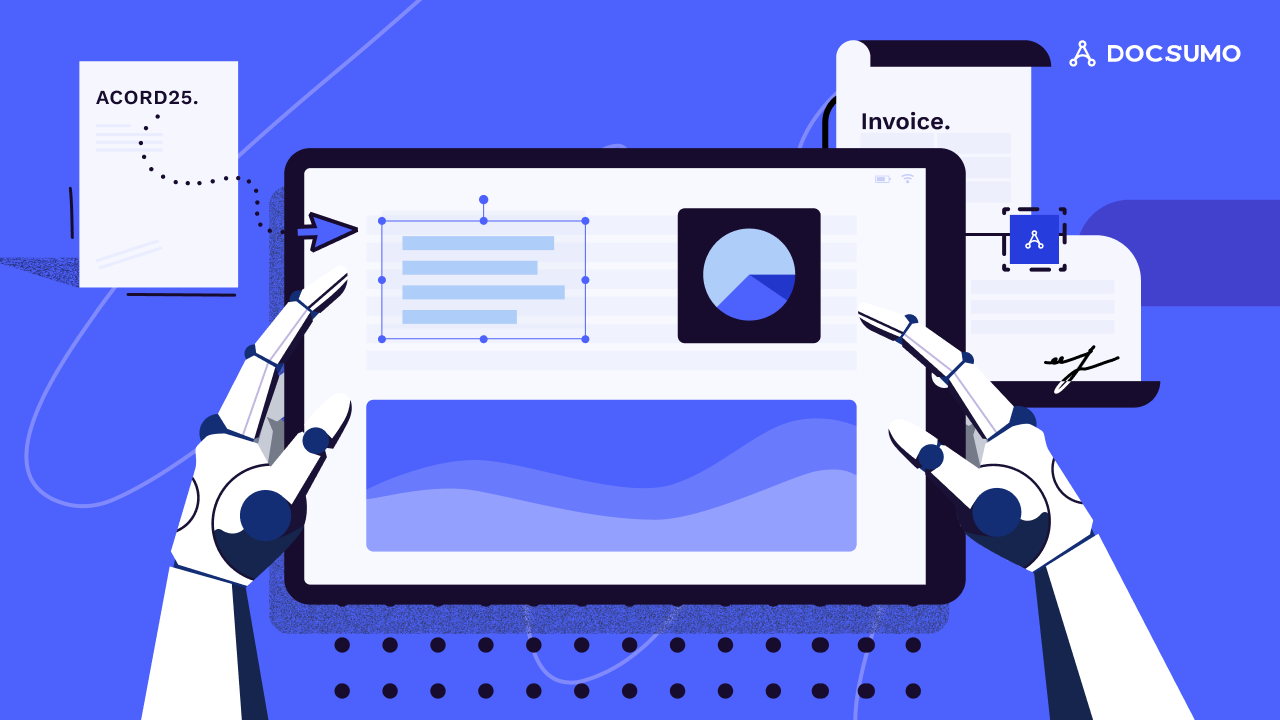
The R&R Telehealth project is comprised of two integral components: a telehealth website and a document intelligence system for streamlined data management. The telehealth website was developed using Visual Studio Code with Python as the primary programming language. To deploy the website, Streamlit was utilized, allowing for an interactive and user-friendly interface. Additionally, the document intelligence system enhances the project by automating the extraction and organization of data, facilitating more efficient management and access to critical information. The document intelligence system, focuses on healthcare data management, analysis, and security of medical data, incorporating AI.
Challenges we ran into
The challenges we encountered included the fact that Streamlit does not support features such as video conferencing. Additionally, we faced numerous errors that necessitated extensive debugging to ensure the code quality remained high. Finding a dataset that had handwritten medical records was a total dead end, and we ended up using handwritten invoices to train the models which made us to have inaccurate results. Addressing these issues required a significant amount of time and effort, as we had to find workarounds for the limitations of Streamlit while also meticulously troubleshooting and refining our code to maintain its reliability and functionality. These challenges highlighted the need for careful planning and flexibility when working with technology that may not fully meet all project requirements.
Accomplishments that we're proud of
We are exceptionally proud of our AI-Driven Healthcare Document Intelligence and Telemedicine project, which directly supports Sustainable Development Goal 3: Good Health and Well-Being. In Botswana, where individuals may face the unfortunate reality of waiting up to a month or year for a scheduled medical appointment, our innovative solution is a game-changer. By integrating advanced AI to optimize and analyze healthcare documents and deploying telehealth services, we have enhanced access to timely medical care for both urban and rural communities. This achievement not only mitigates long wait times but also ensures more consistent and equitable healthcare delivery across the country.
What we learned
The Telehealth and Document Intelligence project has taught us valuable lessons as a team. We gained a deeper understanding of telehealth and how integrating automated solutions can significantly streamline and enhance workplace efficiency. Through this project, we learned to identify and implement automation strategies that reduce manual tasks, leading to faster and more accurate workflows. Additionally, it highlighted the importance of leveraging technology to improve patient care and administrative processes. Overall, the experience has strengthened our skills in adopting innovative solutions to drive productivity and transform traditional work practices.
What's next for AI Driven Healthcare Document Intelligence and Telemedicine
The future of AI-driven healthcare is poised for transformative advancements in document intelligence and telehealth. Large Language Models (LLMs) will play a pivotal role, enhancing accessibility by translating the R&R Telehealth website into Setswana and other languages, thereby addressing language barriers and improving patient engagement. This includes the introduction of language switch features to accommodate older generations or non-English speakers, and audio-based solutions for those with visual impairments, ensuring comprehensive accessibility. As AI document intelligence evolves, we can anticipate smarter systems for processing and interpreting complex medical records, extracting actionable insights, and facilitating seamless integration across various healthcare platforms. These innovations will collectively enhance the efficiency of telehealth and the overall quality of patient care.


Log in or sign up for Devpost to join the conversation.