Inspiration
UNIC was inspired by the world’s demand for a solution to counterfeits, one that can truly preserve and protect the authenticity of digital and physical assets. The market today lacks a solution that can verify immediately and accurately, whether it is an image file from BAYC or a purse from GUCCI. We are here to solve the digital and physical counterfeit problem, once and for all.
What it does
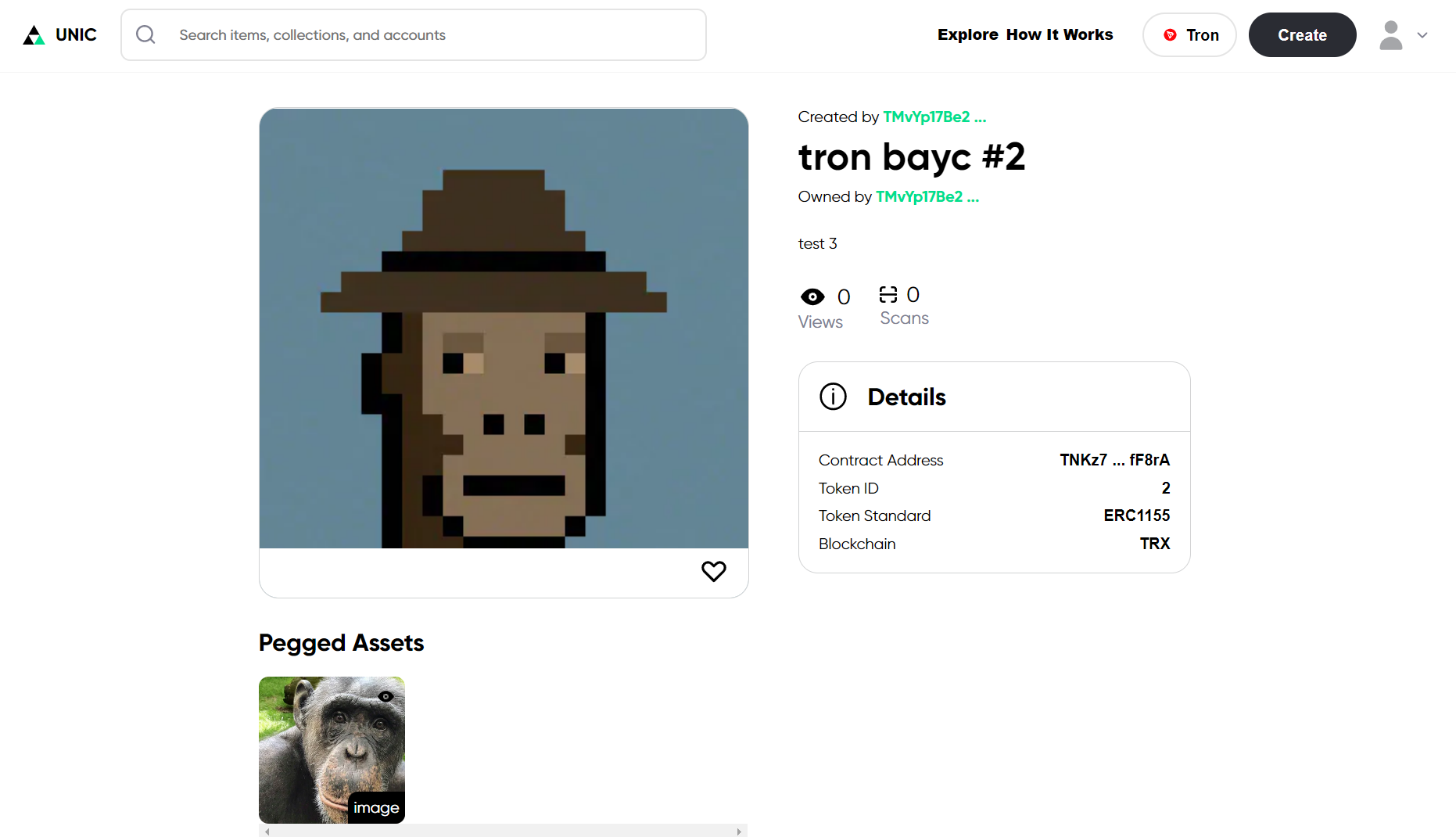
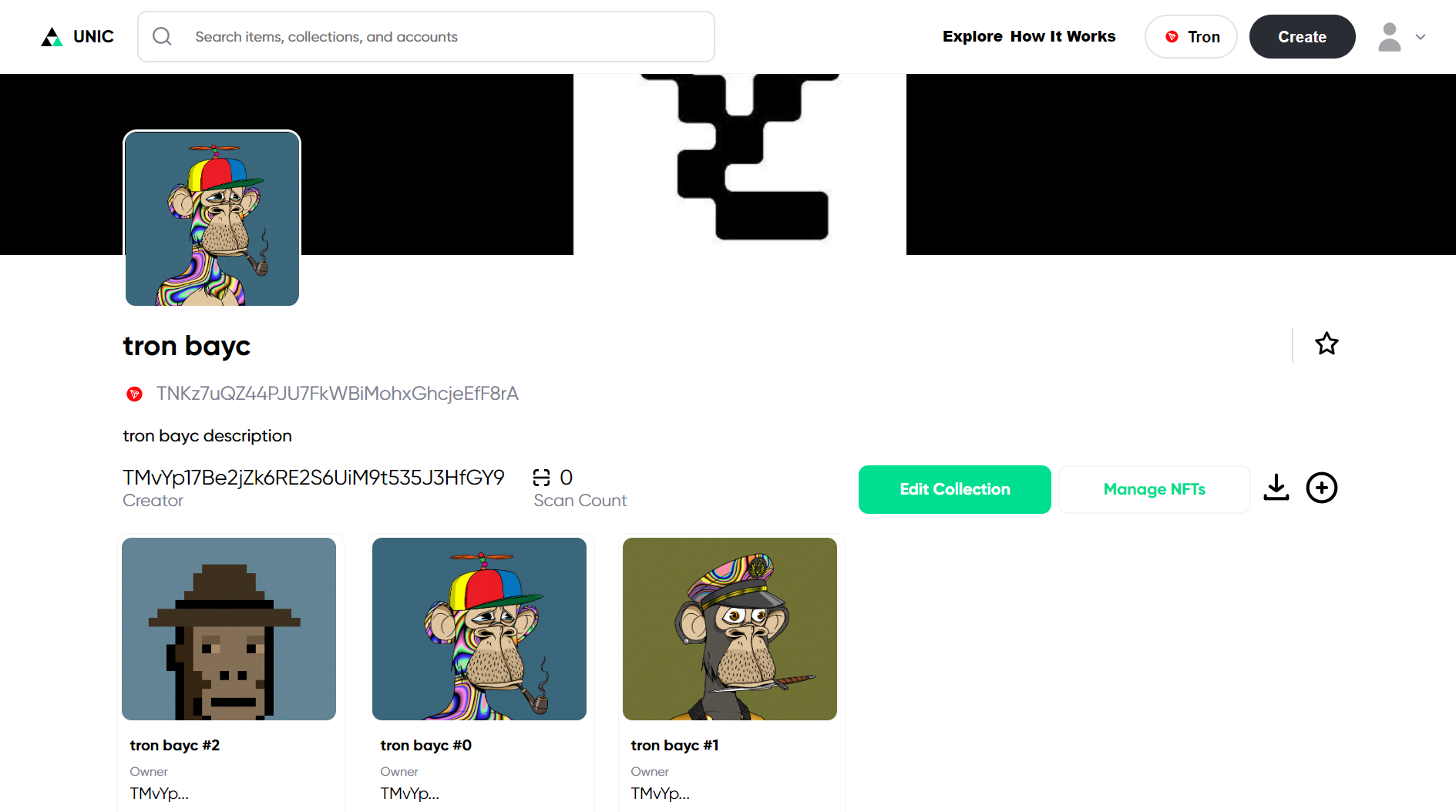
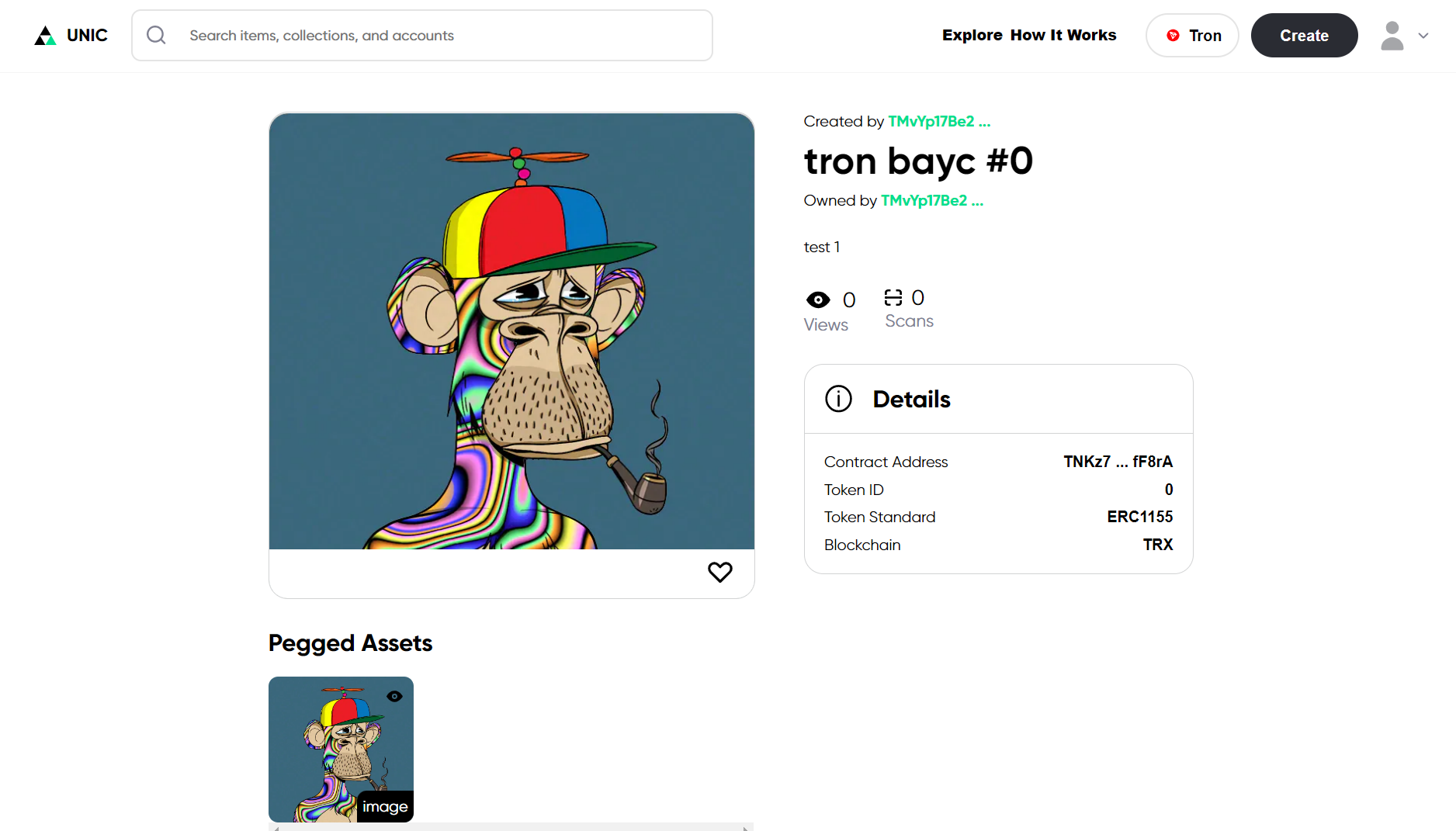
UNIC provides creators with protection and users with authentication, through encoded invisible signatures that make NFTs scannable across the digital spectrum and in the physical world. Our solution centers around the invisible signature, which is similar to the QR code except it is invisible to the human eye and yet detectable by our mobile application camera. UNIC’s invisible signatures can be encoded covertly and forensically into any image, such as NFT artwork itself or a logo that represents the NFT collection. The coolest part is that the signatured images are scannable even from the physical world once printed on any kind of physical material such as paper, clothes, leather, etc.
How we built it
We used react, react native, solidity, and nodejs to fit all of these together to make a basic prototype. Using solidity for TRC721 and lazy minting, nodejs for steganography and apis, react for interacting with the contracts for creating our NFTs, and react native for scanning the hidden NFT in photos, were a lot of work but surely was fun to build. We also created a mapper smart contract so that the data from the image can be mapped to the NFT in a decentralized way, so that the asset is truly immutable and unique. TRON’s low transaction fees and amazing transaction speed helped us tremendously in testing our apps on production and will continue to do so in the future as we believe creators should not have to pay a lot of money to create artwork that persists.
Challenges we ran into
We used steganography and scanning libraries on iOS and nodejs to hide the NFT data on images and make them scannable, which is one of the core functionalities of our app although not specifically web3. Applying a library with no prior use case in web3 was definitely a heavy challenge itself. One of the small bugs that took us a while to debug was making the images that were rendered on the web scannable, because the web optimizes the images on load.
Accomplishments that we're proud of
Simple, the NFTs minted in our platform can be verified by scanning! The image asset of an NFT can be easily copied and plagiarized. There is no tool that authenticates an NFT cross-platform or off-chain, so we are proud that we made the world’s first true NFT verification solution. We want to contribute to TRON’s global growth by making a solution from TRON DAO to become the world’s.
What we learned
Through our research for the hackathon, we were surprised to learn that there is no proper solution to NFT counterfeits and that there is a clear need for it. Digital files can be easily and infinitely reproduced, and therefore, should be a solid verification method. That is why we decided to build an NFT verification solution.
What's next for UNIC
Our vision is to protect the world from digital and physical counterfeits. Ultimately, we want to build our marketplace where signatured NFTs are created, verified, and traded. UNIC can give creators not only protection from digital counterfeits but also an infrastructure to earn profit from resale trades of physical assets as each asset is connected to an NFT. Accordingly, UNIC will give users a scanning solution to verify anything across the digital spectrum and in the physical world. The future we are trying to build is one where users can verify a BAYC image or a GUCCI wallet simply by scanning.


Log in or sign up for Devpost to join the conversation.