-
-
Logo
-
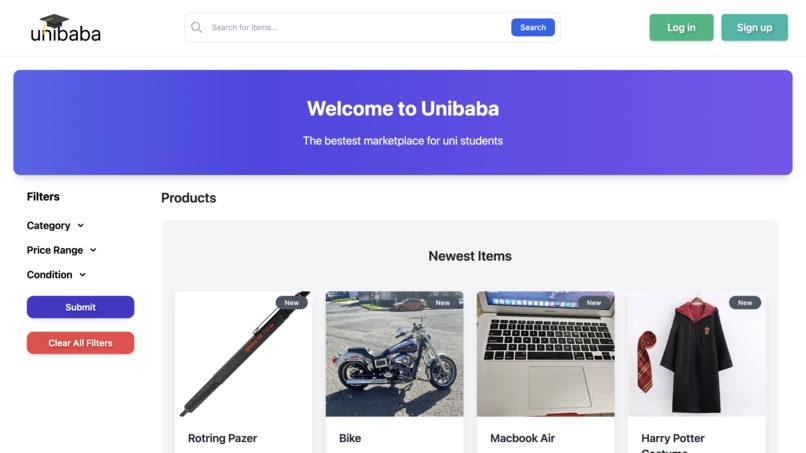
Landing Page
-
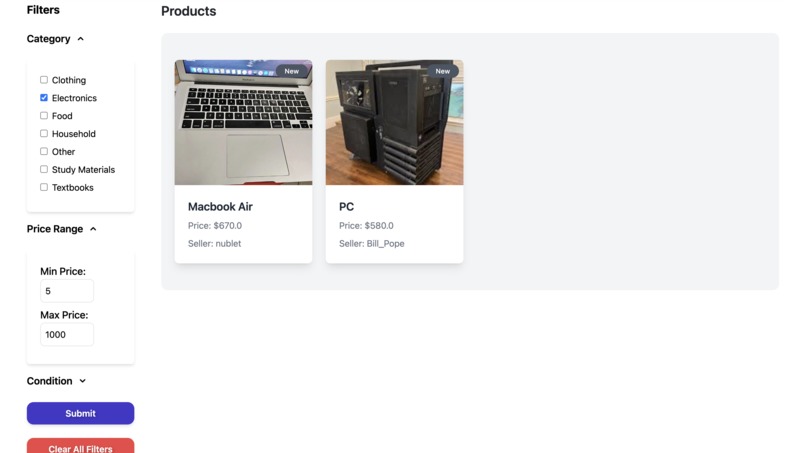
Filter and search system
-
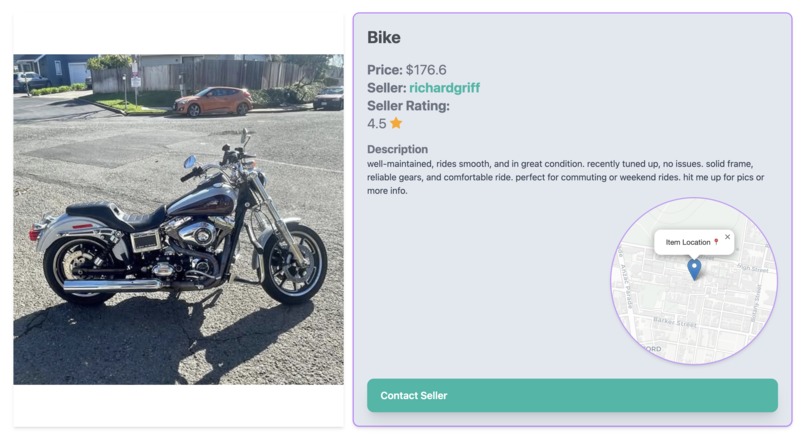
Item Details
-
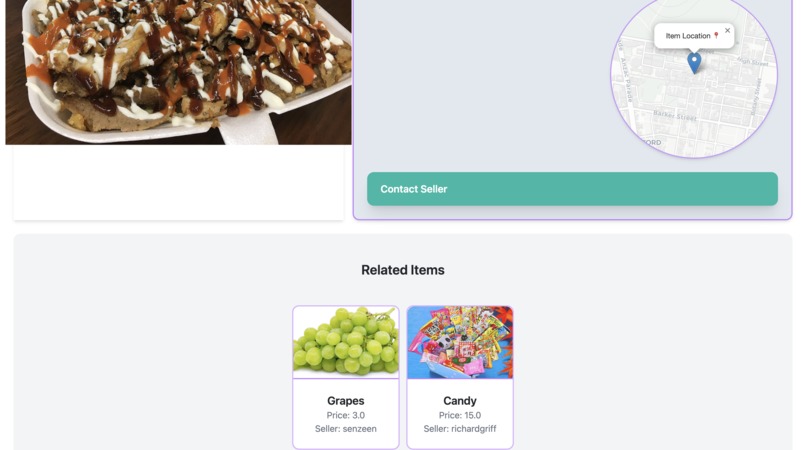
Related Items
-
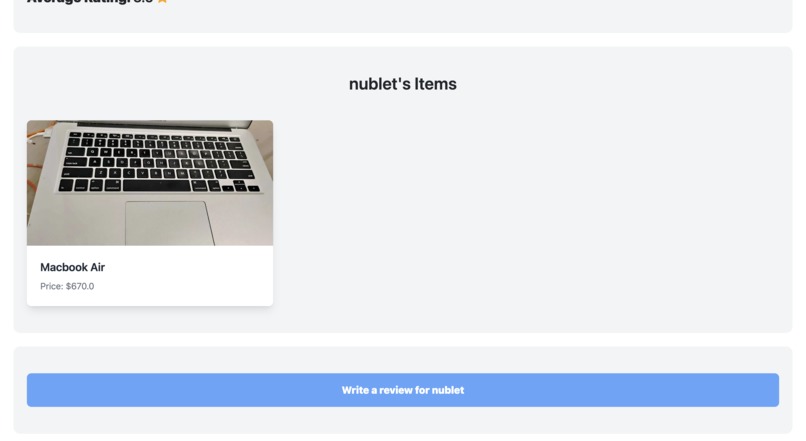
Leave Review of User
-
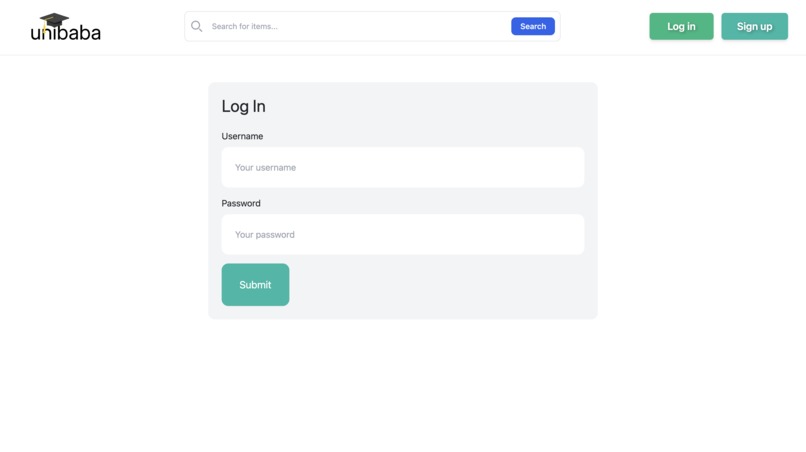
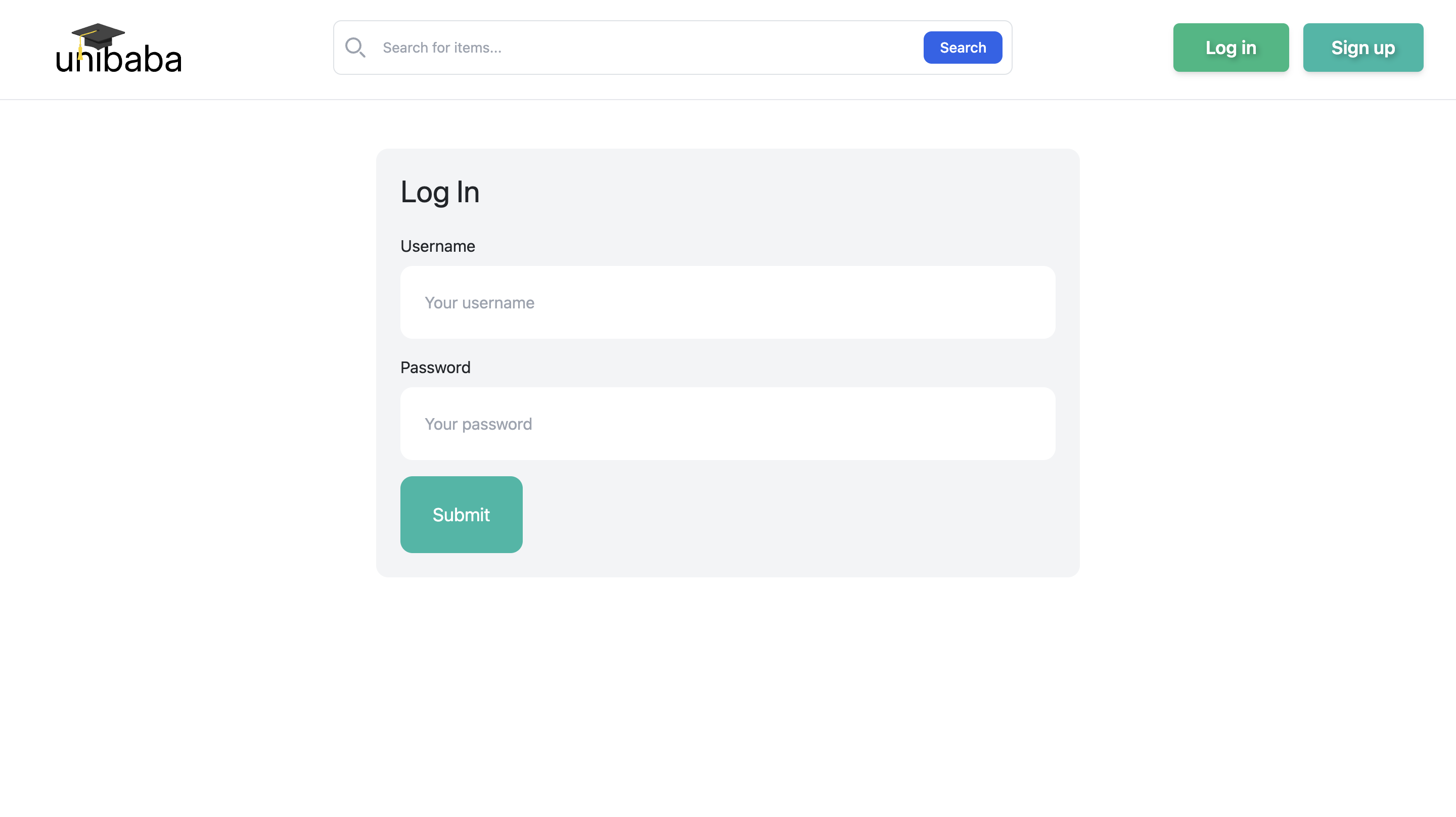
Login System
-
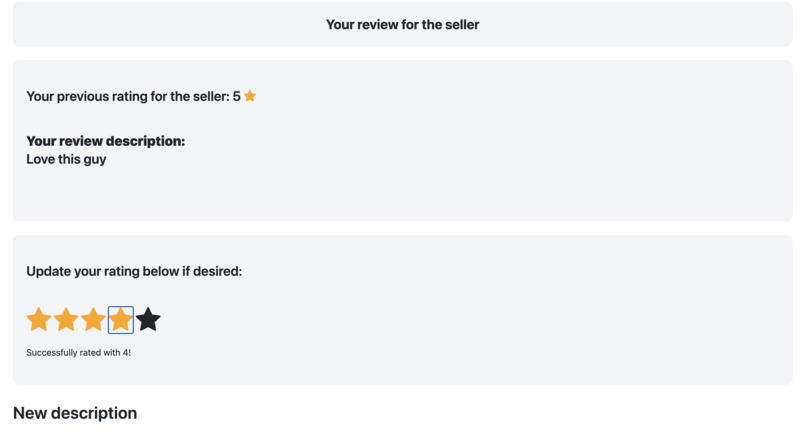
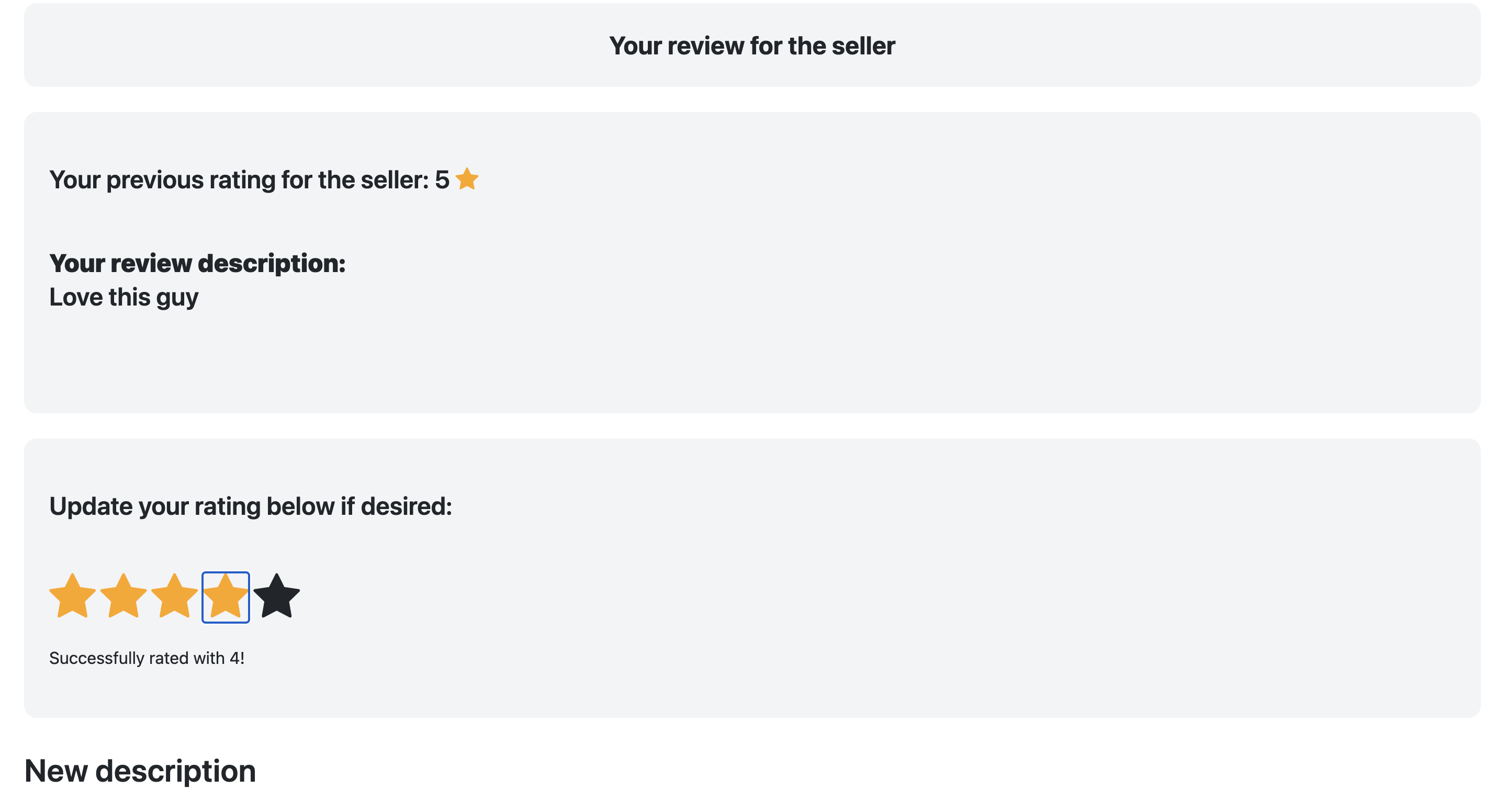
Rating Systen
-
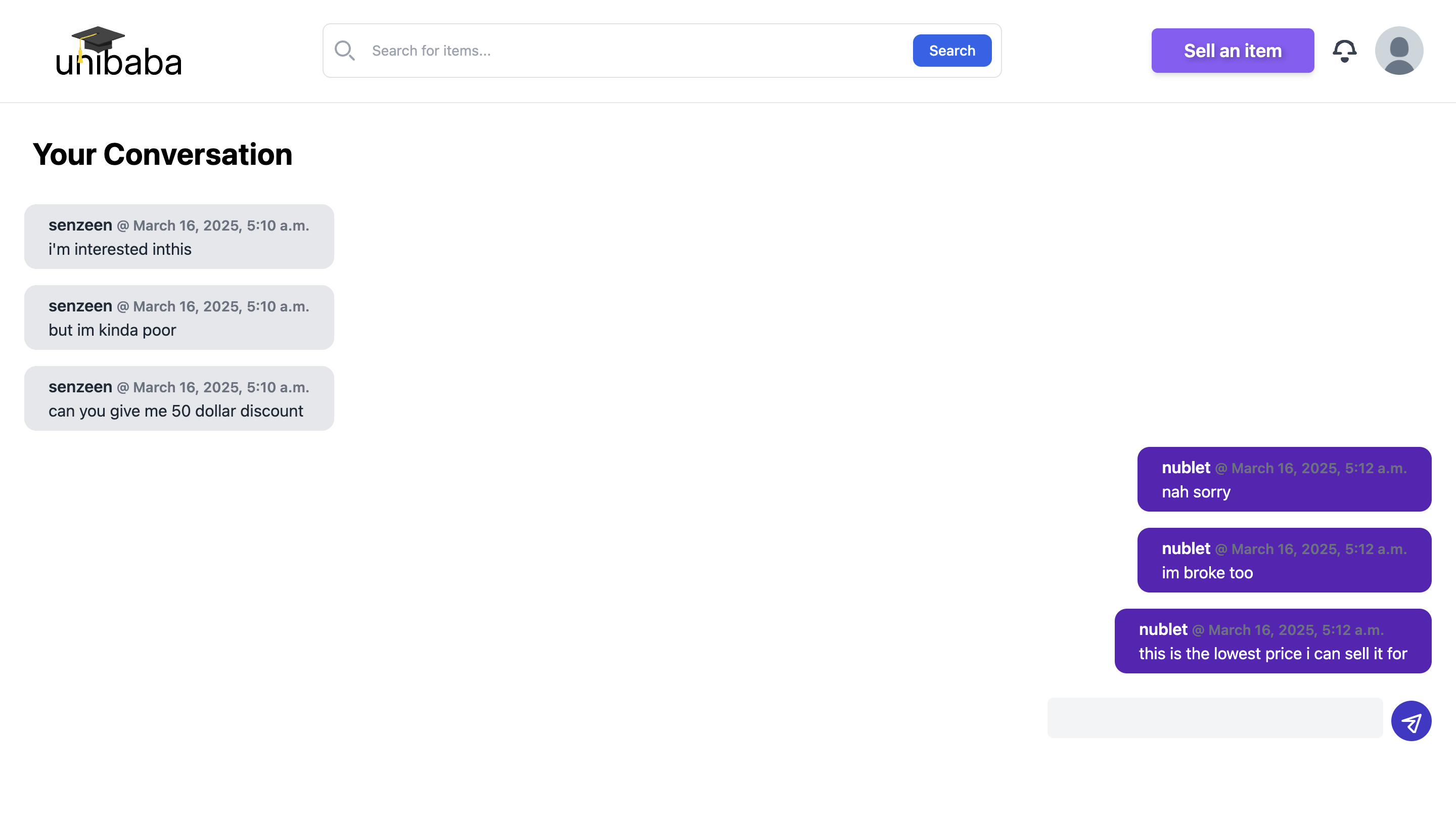
Messaging System
-
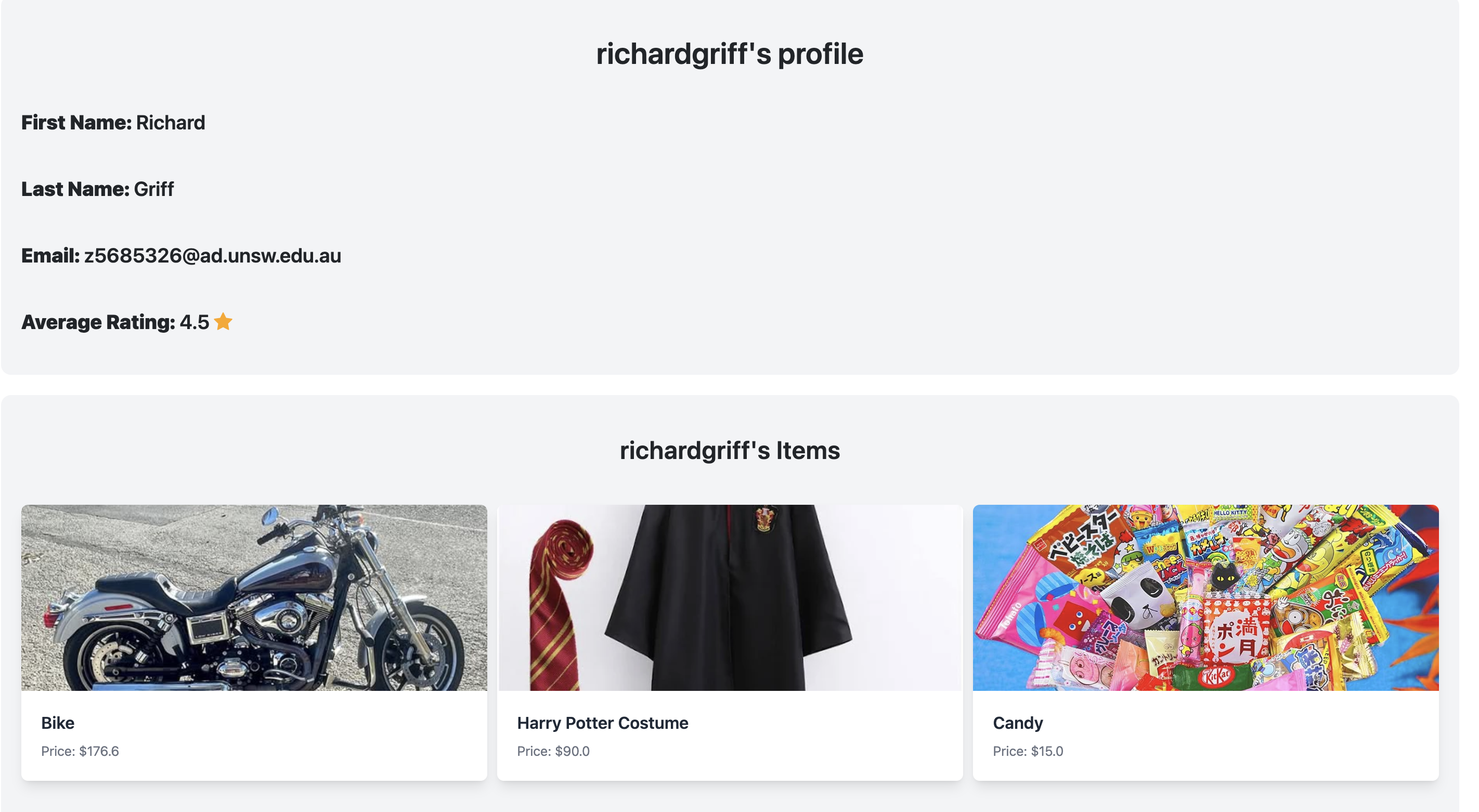
User profile and items
Inspiration
We decided to create a marketplace app for uni students since we know how frustrating it can be to use platforms like Facebook Marketplace where the process is often inconvenient and devoid of trust. For example, trying to buy items in the past may have involved sifting through irrelevant listings, dealing with unresponsive or shady sellers, and arranging unsafe meetups.
These experiences inspired the need for a more tailored, secure, and user-friendly solution - Unibaba streamlines the process by allowing users to verify their identities with university emails, filter listings by campus-specific categories like textbooks or dorm furniture, and designate safe meetup spots on or near campus.
What it does
Unibaba is a secure and exclusive marketplace app for uni students which makes buying and selling items within your university community safe, convenient, and trustworthy.
Features include:
- Enhanced security - users must log in using their university email or student ID, which connects to university databases to verify their student status.
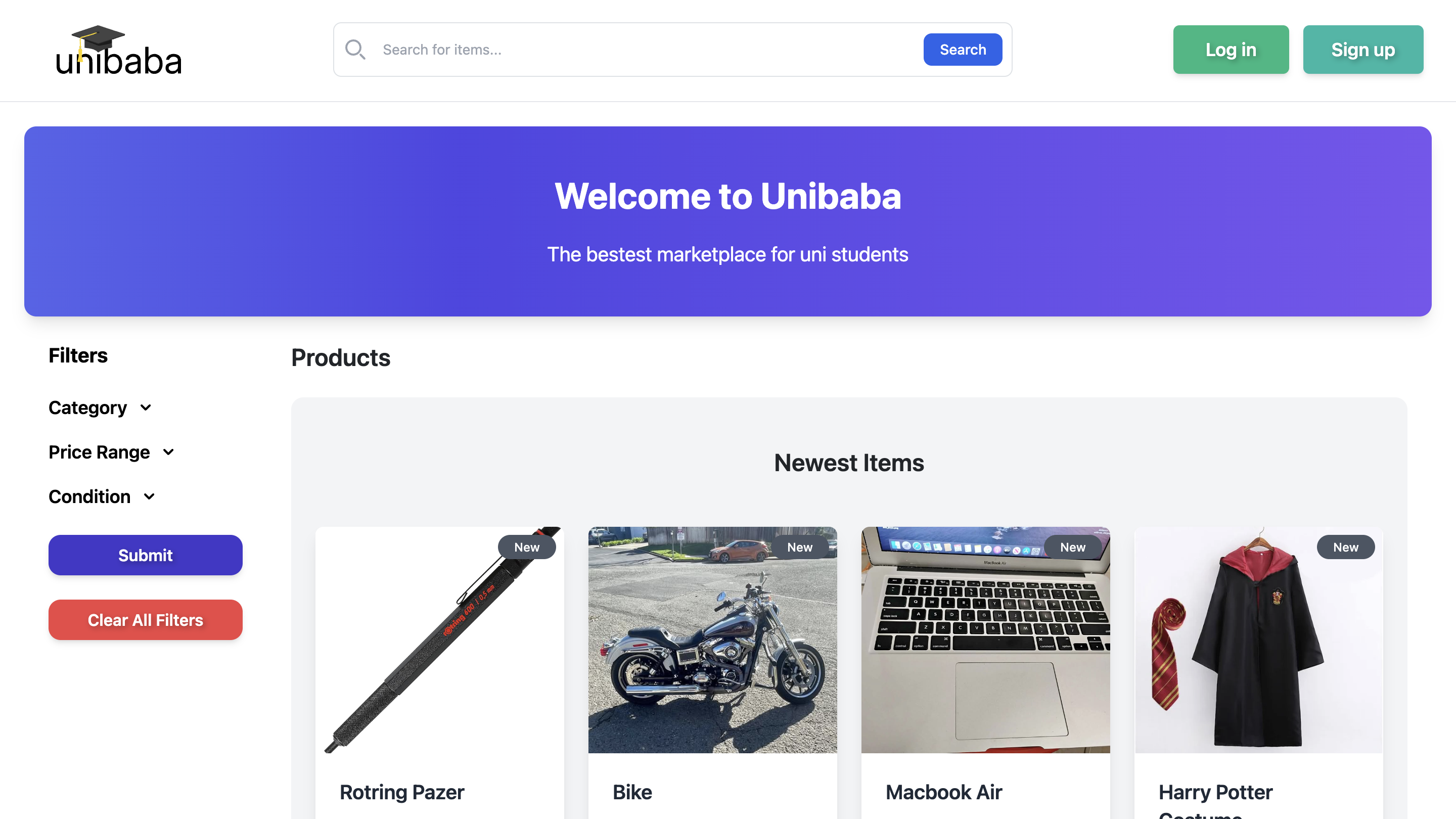
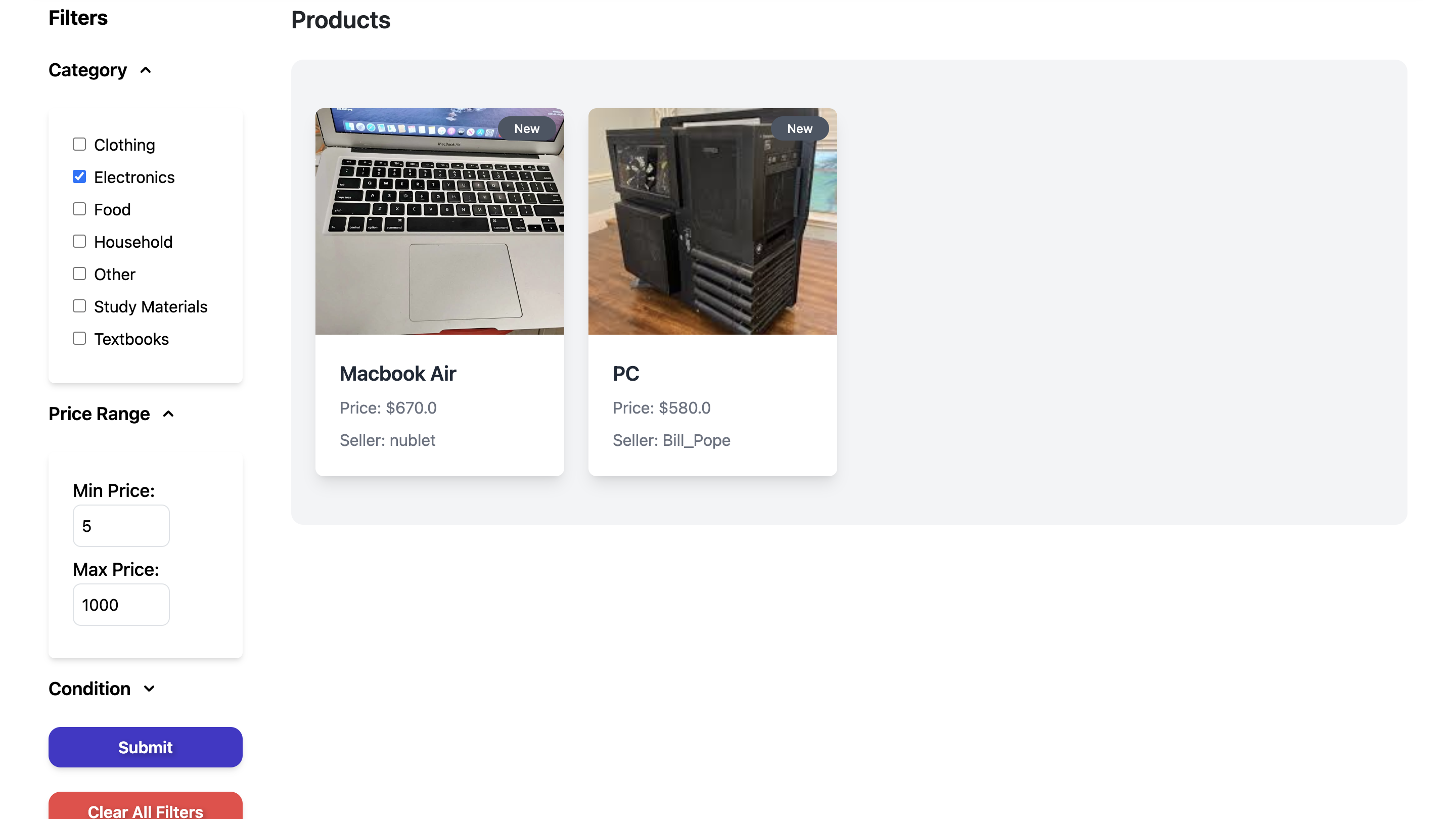
- A landing page displaying a variety of items for sale ranging from things like textbooks and course notes to clothes and electronics which have all been posted by your fellow students.
- Search bar and filters which can sort by category, price and condition which make it easy to find the item you desire
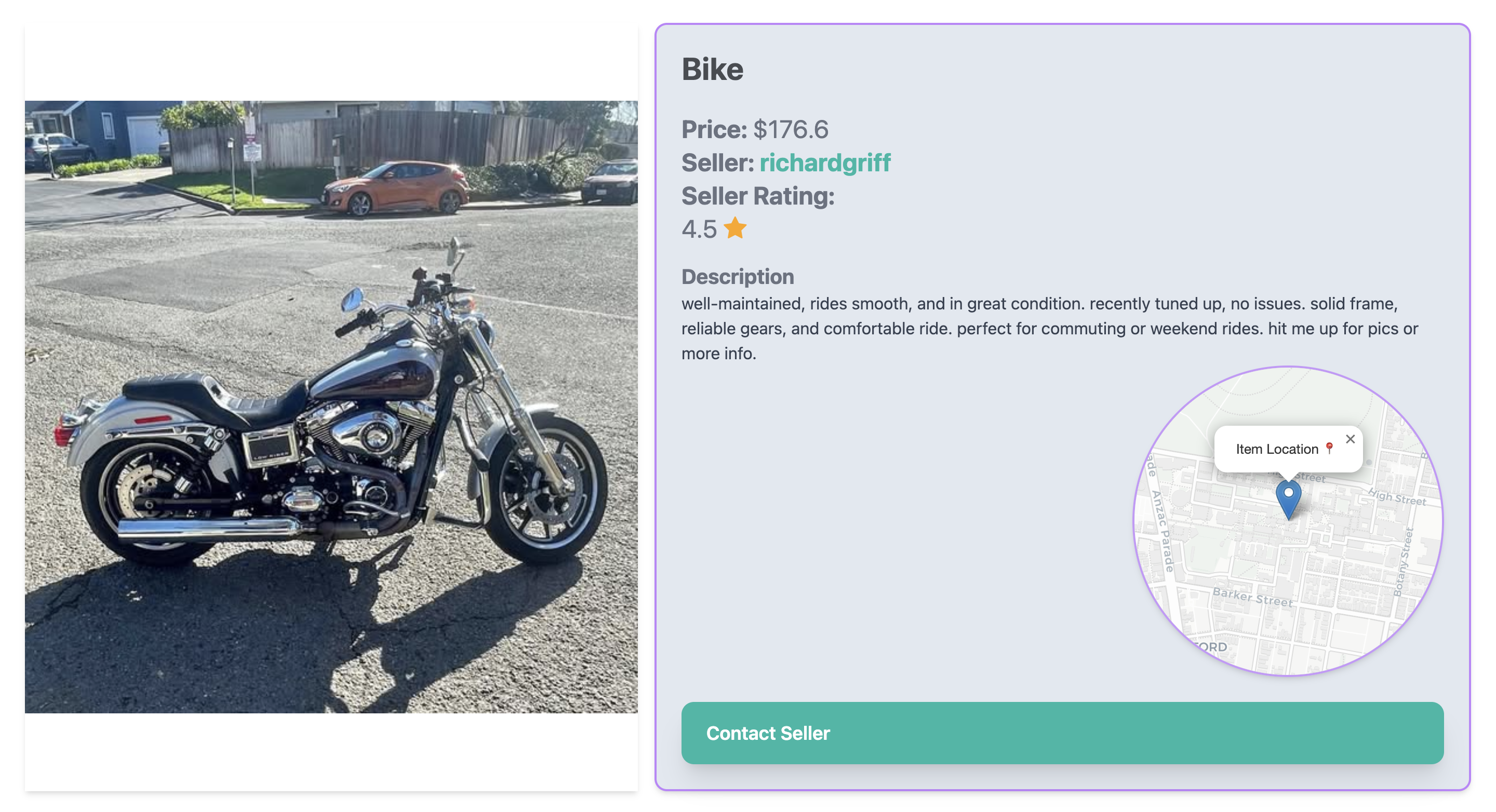
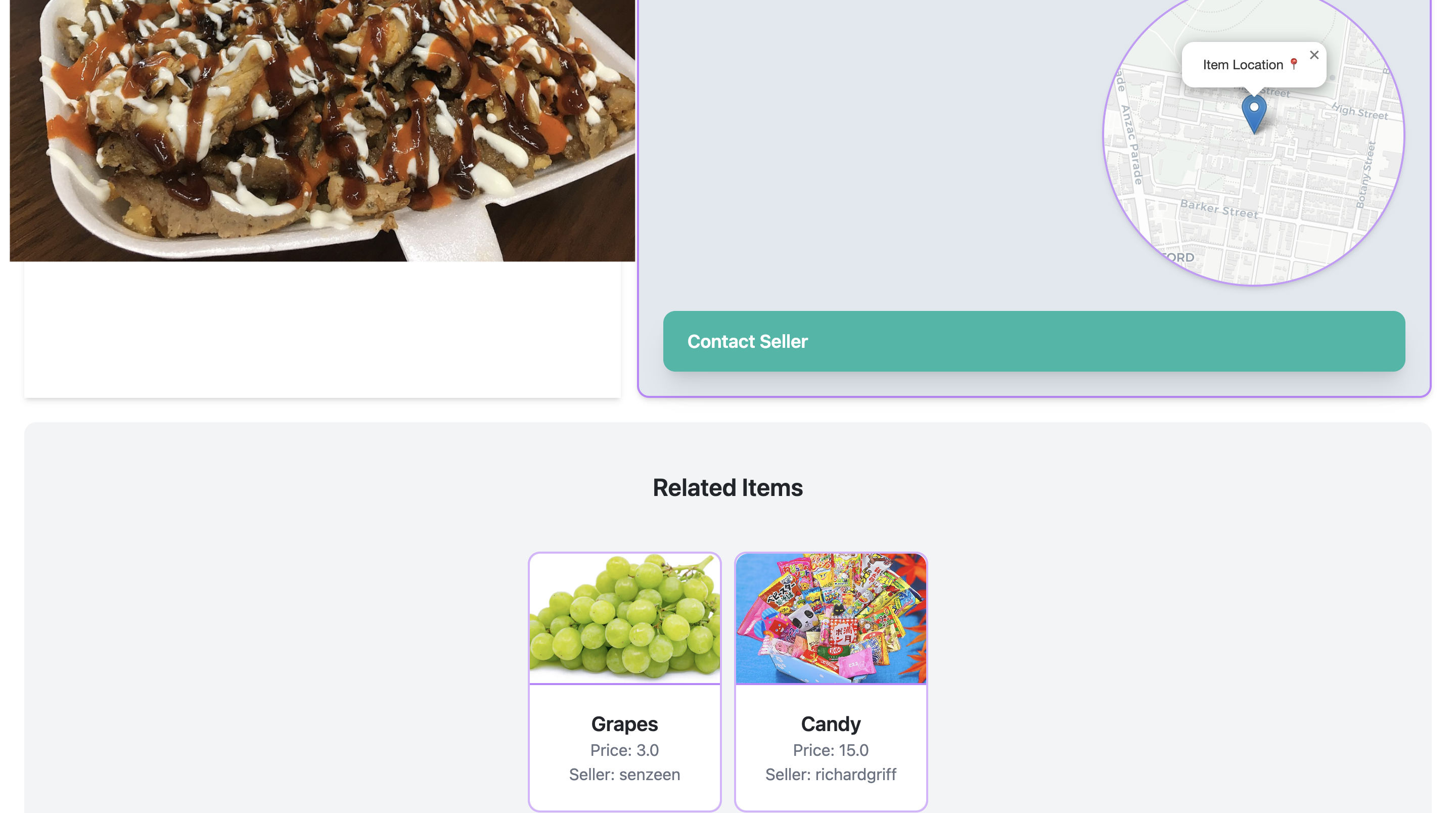
- Detailed item descriptions, item photos, and a map showing the designated safe meetup spot on campus for the purchase
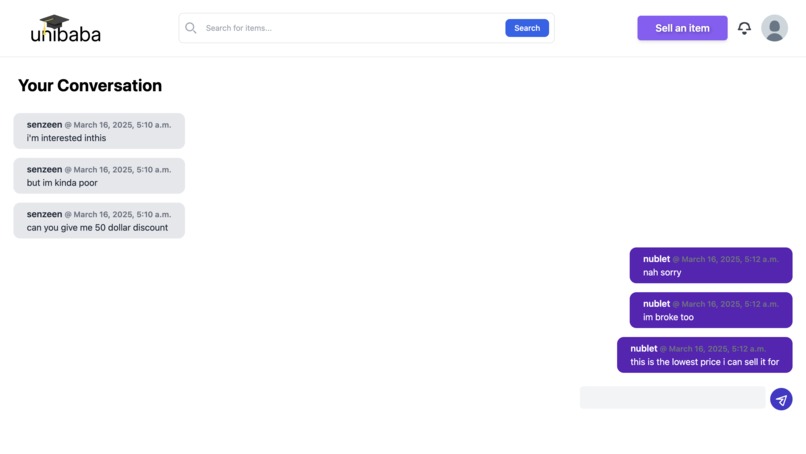
- Integrated chat system which allows you to message the seller directly.
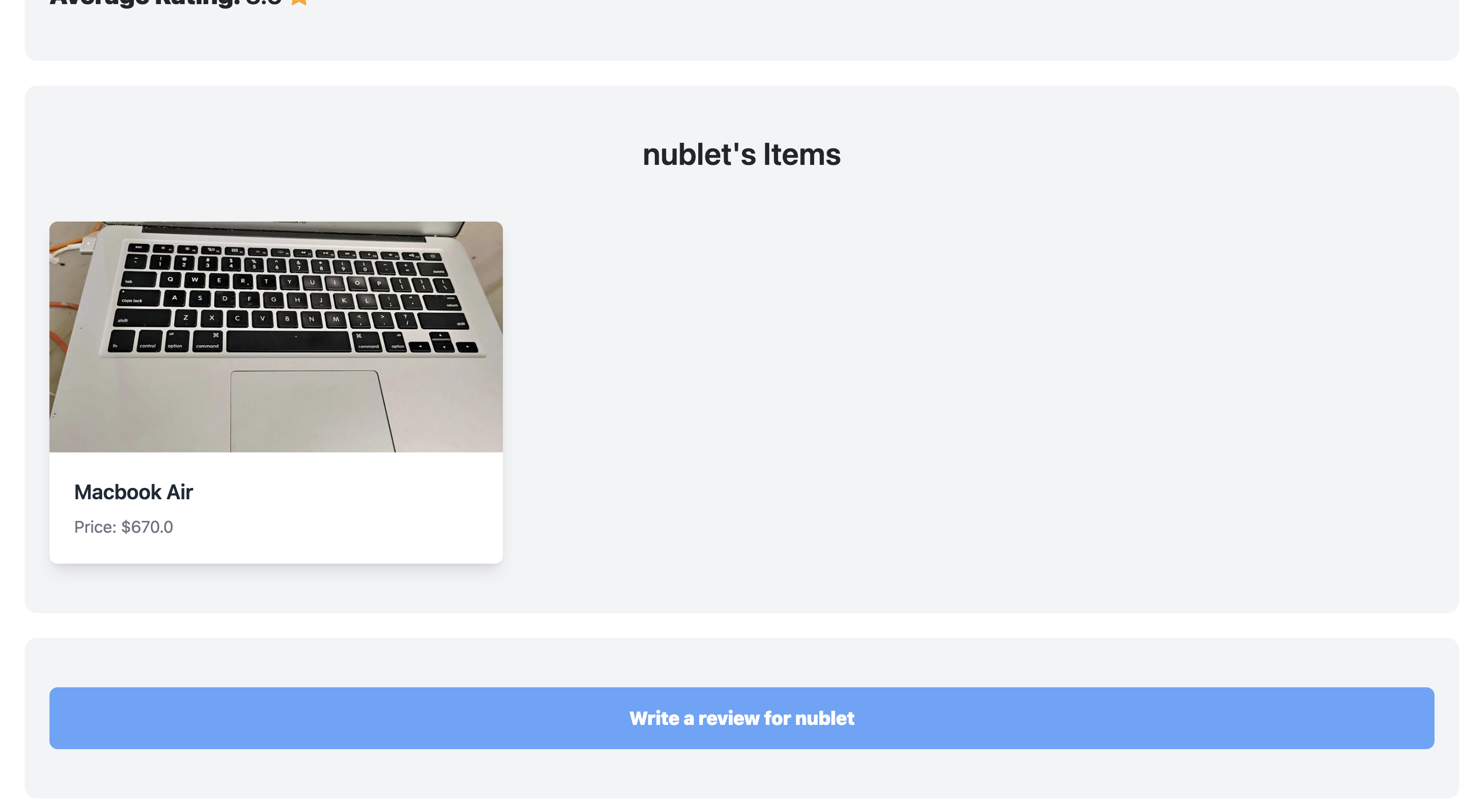
- Reputation system where buyers and sellers can rate each other, discouraging scams and promoting accountability.
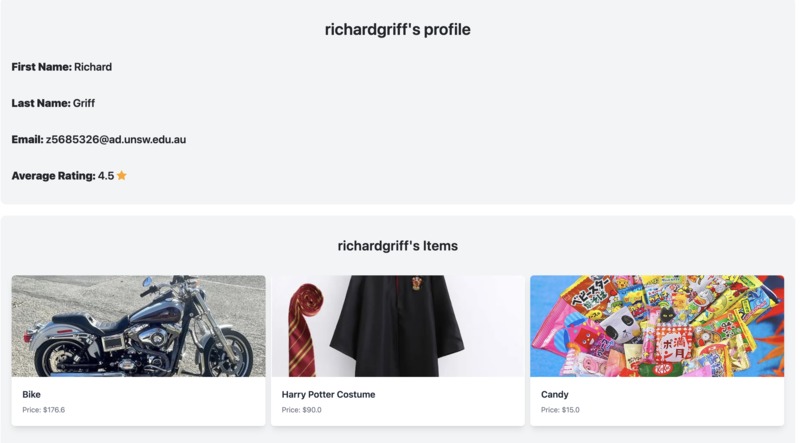
- Profile page which tracks your purchase history, customer rating (if you’ve sold items), and basic account information. You can also view seller profiles before making a purchase.
Ultimately, Unibaba simplifies campus transactions while prioritizing safety and reliability.
How we built it
Our project is built on Django, a high-level Python web framework designed for its rapid development capabilities, clean and pragmatic design, as well as its ability to create secure, scalable web applications.
We started by designing a user-friendly interface using storyboarding tools and Trello for task management, laying the foundation for a clean and intuitive layout. Planning and prototyping were done with Photoshop, GIMP, and Adobe Illustrator, allowing us to create a visually appealing design while maintaining consistent branding. To bring our vision to life, we used HTML, CSS, Javascript and Tailwind CSS for the frontend, producing an utility-first approach to streamline styling and ensure responsiveness.
Next, we enhanced the design with JavaScript to add interactivity for users by allowing dynamic content updates, form validation and real-time feedback. SQL-3 was used in order to store customer’s valuable data securely and safely. Finally, we tested the website across different devices and browsers, optimizing performance and ensuring a seamless user experience before deployment.
Initially, we planned to deploy Django on Azure to leverage its AI and ML capabilities, as well as integrate Google’s Cloud and Machine Learning APIs to enhance the user experience with advanced features like smart recommendations and natural language processing. However, due to time constraints and tight project deadlines, we decided to prioritize ensuring the base website was fully functional and operative. While these advanced features remain on our roadmap for future updates, our focus was on delivering a secure, reliable, and user-friendly platform for university students.
Challenges we ran into
The Unibaba team faced several challenges whilst building the project. One of the first hurdles we faced was the version control. It can be hard to manage the project when multiple team members are working on different features simultaneously. Merge conflicts were resolved and the codebase kept consistent however, through constant communication and careful coordination.
Another challenge was bridging the gap between frontend and backend development. Ensuring that the Django backend and the frontend (built with HTML, CSS, and Tailwind CSS) worked harmoniously required all developers to have a strong understanding in both areas. In the process, we faced several bugs which required squashing.
We also struggled with random technical issues, like configuring the chat system for real-time messaging. Integrating third-party APIs, such as the map feature for safe meetup spots was a challenge as well. Team members also had to balance the project with academic and personal commitments which often lead to late-night debugging sessions. Despite these obstacles, each problem taught us valuable lessons and helped us grow as developers.
Accomplishments that we're proud of
Overall, we are very proud of our project. We managed to design an aesthetically pleasing, highly responsive and user-friendly interface using Tailwind CSS and HTML. The website was also built with the Django framework which was a steep learning curve. Seeing all the features working as intended was very satisfying. The backend team was very talented and managed to fully deliver all of the team's visions. Last but not least, we are very proud of our teamwork whilst working on this project and being able to accomplish so much in such little time.
What we learned
Building Unibaba was an incredible learning experience that taught us both technical and collaborative skills.
In terms of technical skills, we deepened our understanding of Django and how to efficiently manage backend logic, databases, and user authentication. We also gained hands-on experience with frontend development, using HTML and Tailwind CSS to a responsive and user-friendly interface. We also learnt how to integrate third-party APIs, like the map feature which shows the customer where to buy and meet up with the buyer. Debugging and troubleshooting bugs also improved our problem-solving skills and attention to detail.
On the collaborative side, we learnt how to communicate with each other effectively, divide up work evenly and adapt to each other’s coding styles. Balancing the project with academic commitments also taught us the importance of time management and prioritization.
What's next for unibaba
The journey for Unibaba doesn’t stop here. We have bigger plans for the future to make it even better.
- If possible, we hope to partner with several different universities to make our student verification system functional and to create a broad network of student marketplaces.
- We also hope to start development on a mobile app.
- The website could also be improved by adding an AI-powered search and recommendation system, making it easier for students to find exactly what they need.


Log in or sign up for Devpost to join the conversation.