-
-
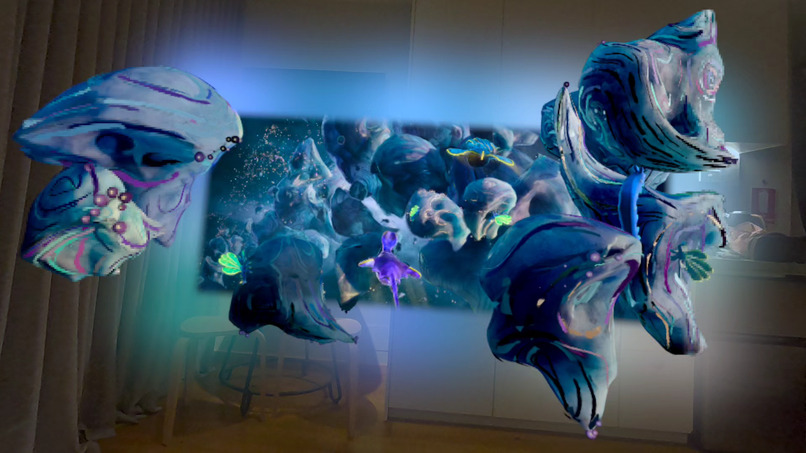
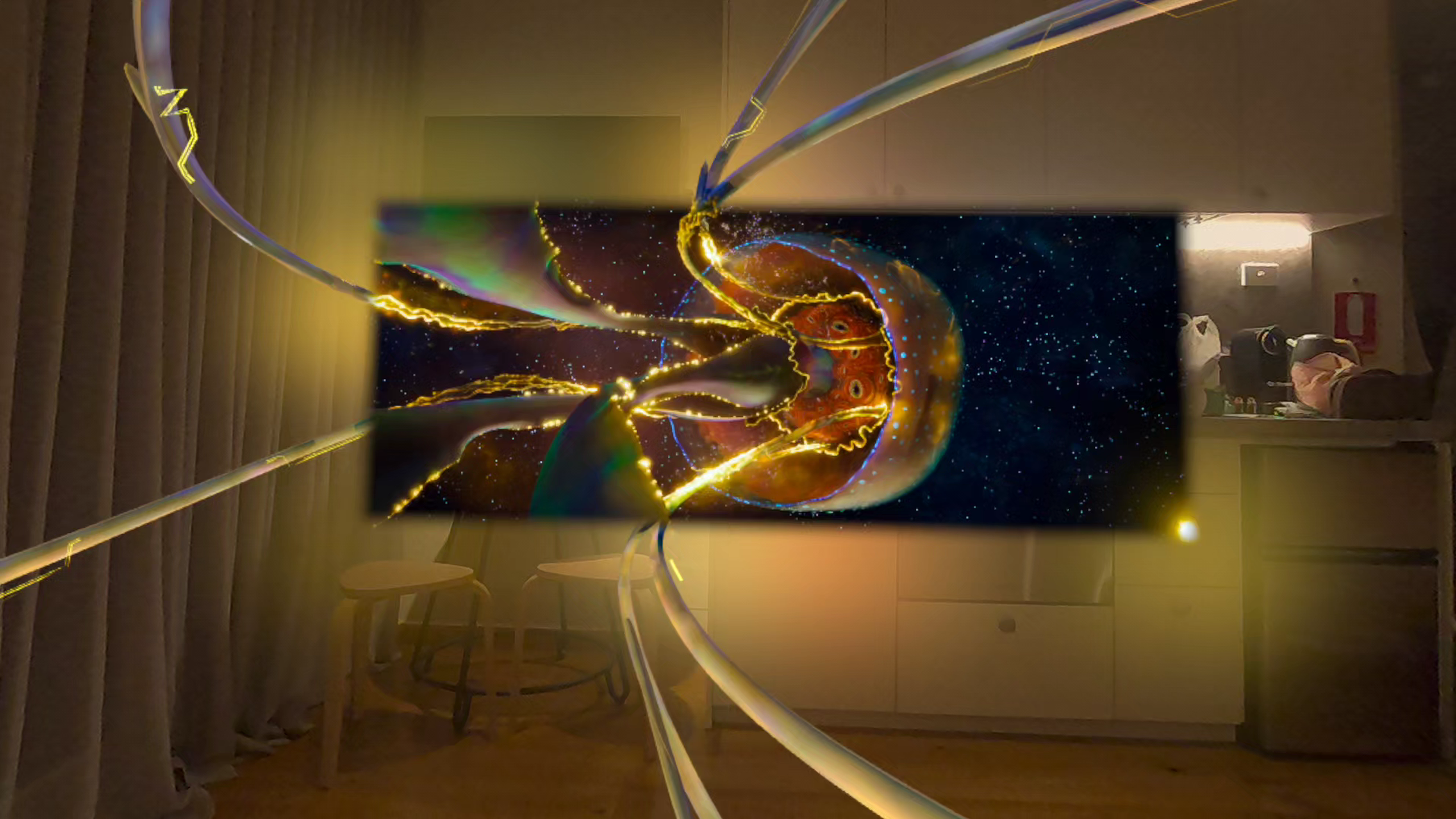
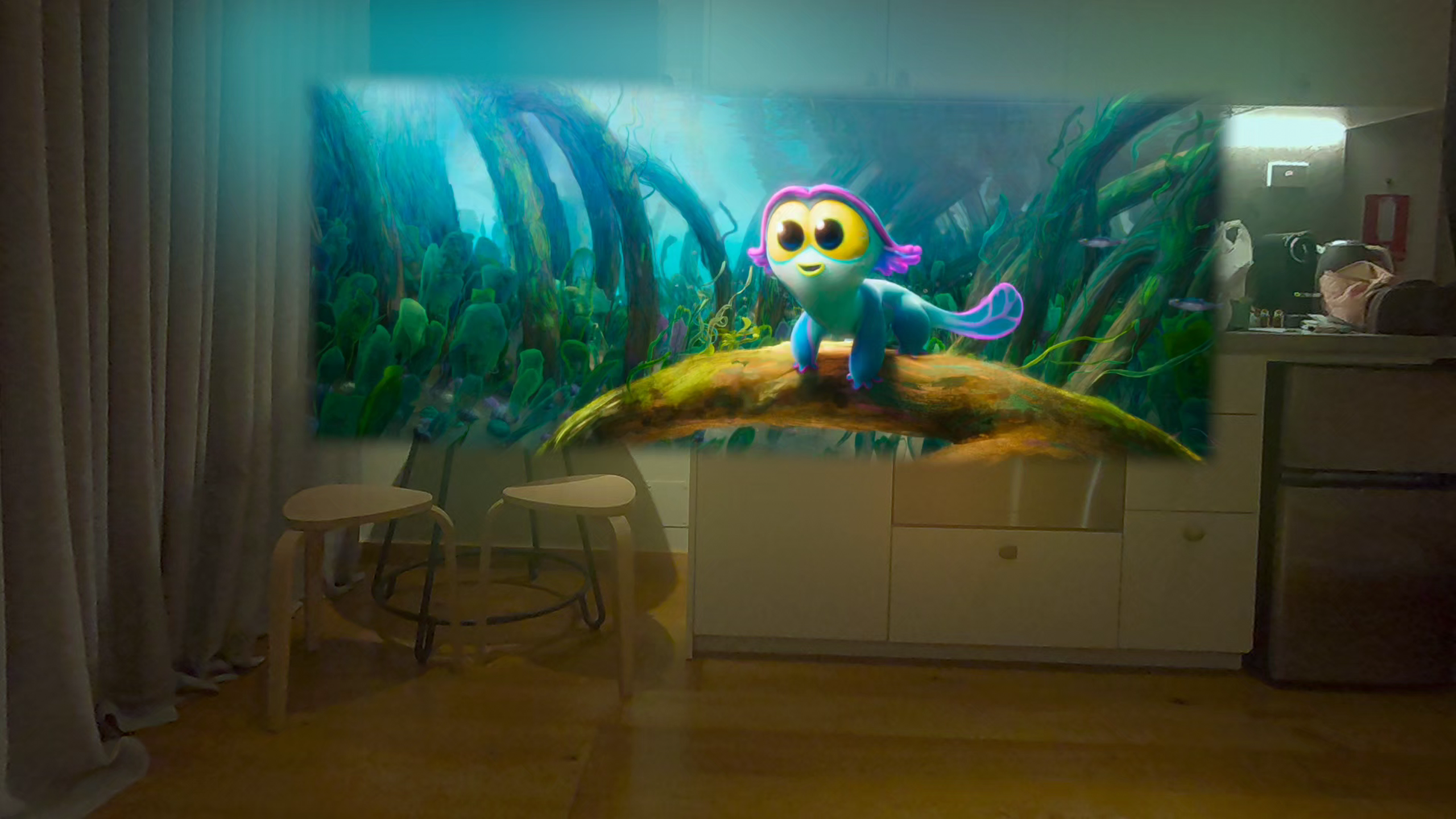
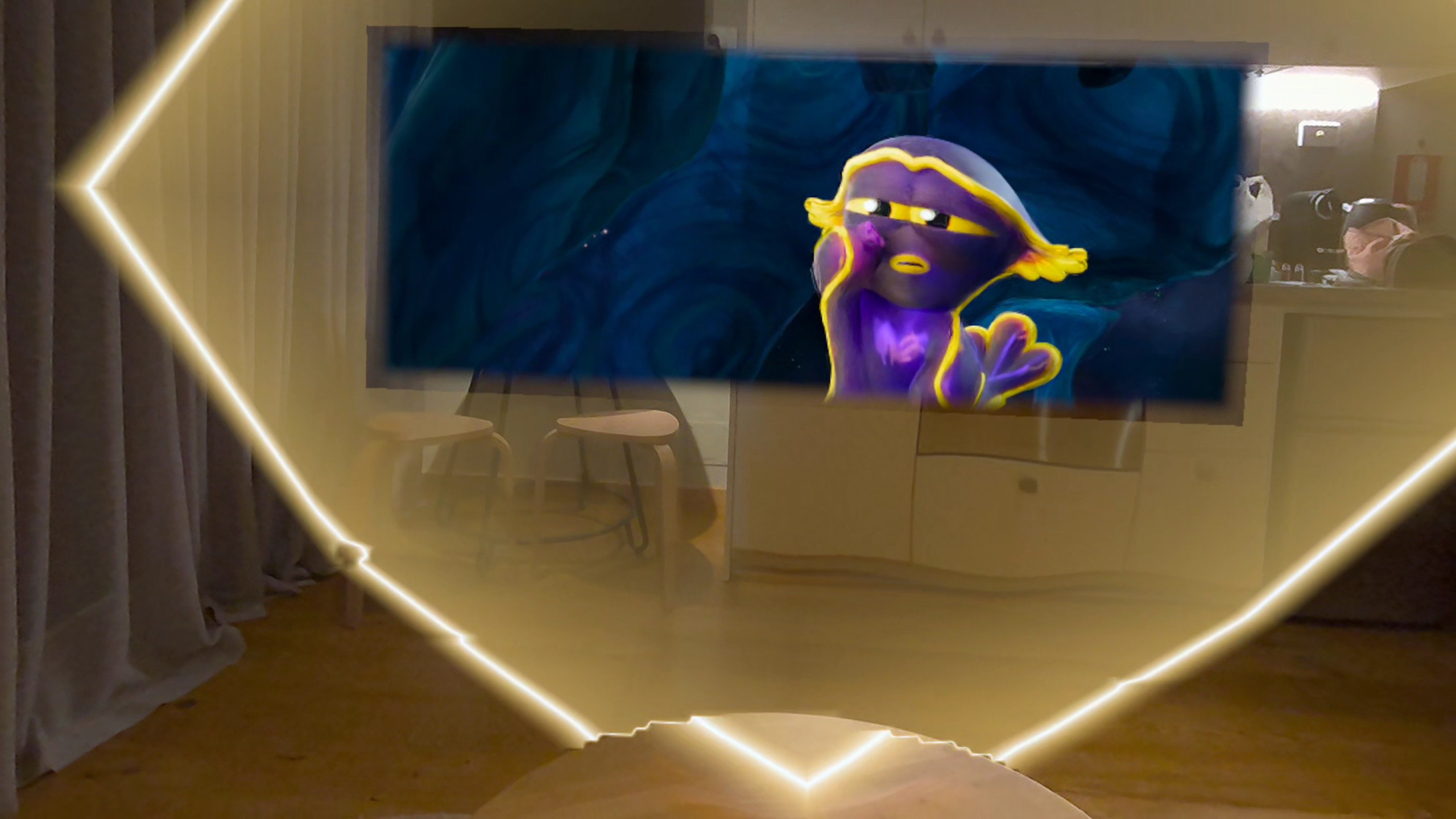
The film world opens beyond the screen into your room. Quest capture.
-
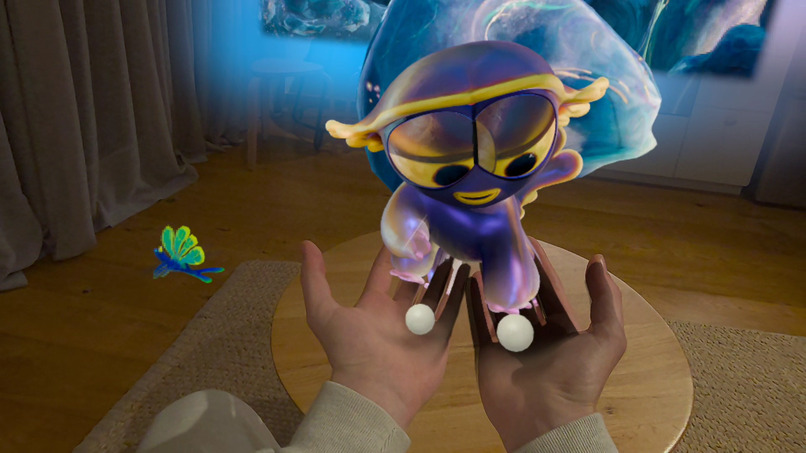
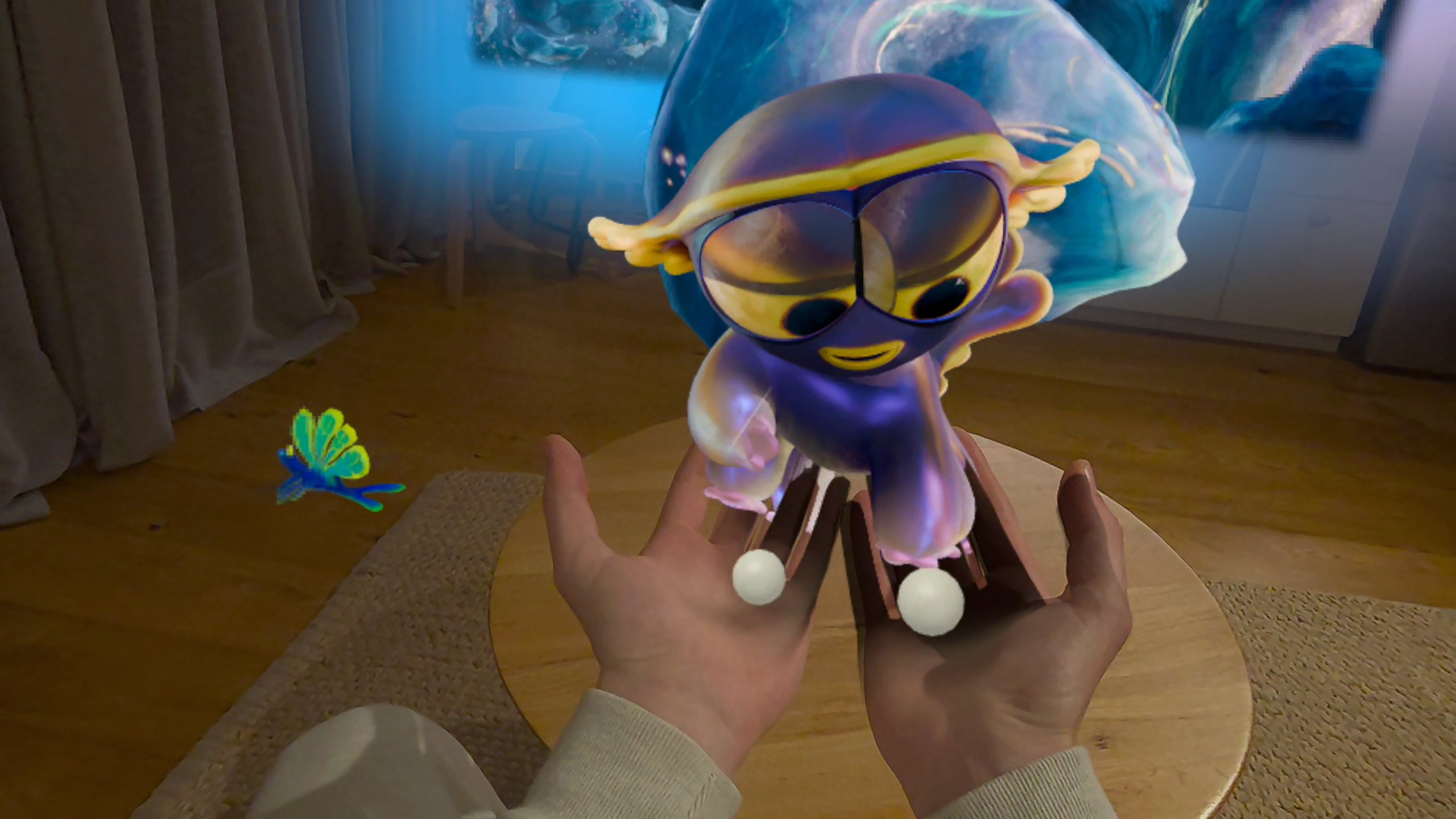
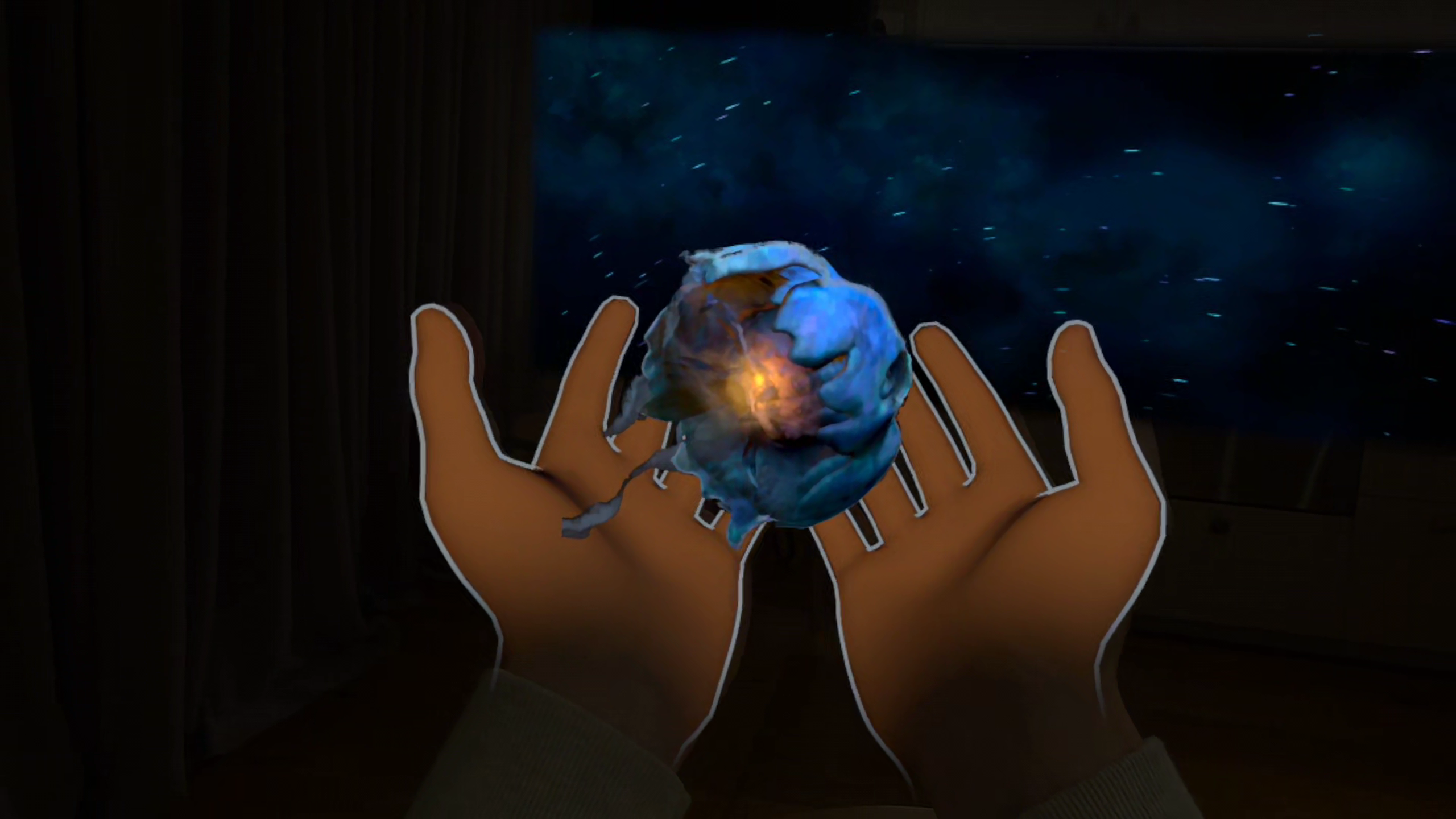
Meet and feed Critter in the palm of your hand. Quest capture.
-
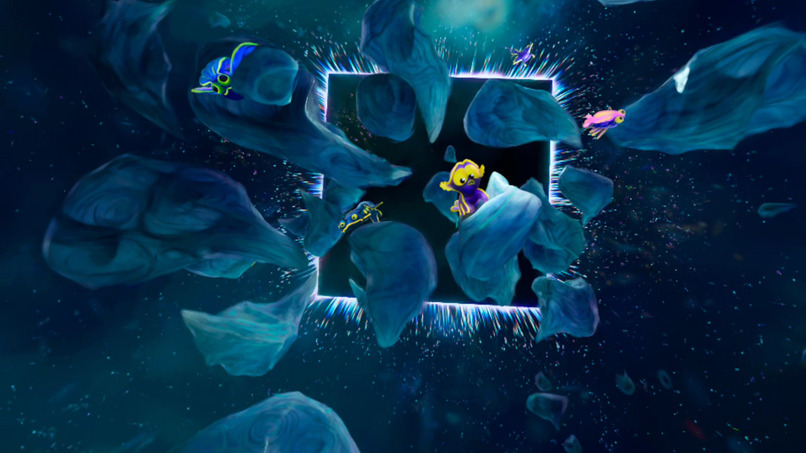
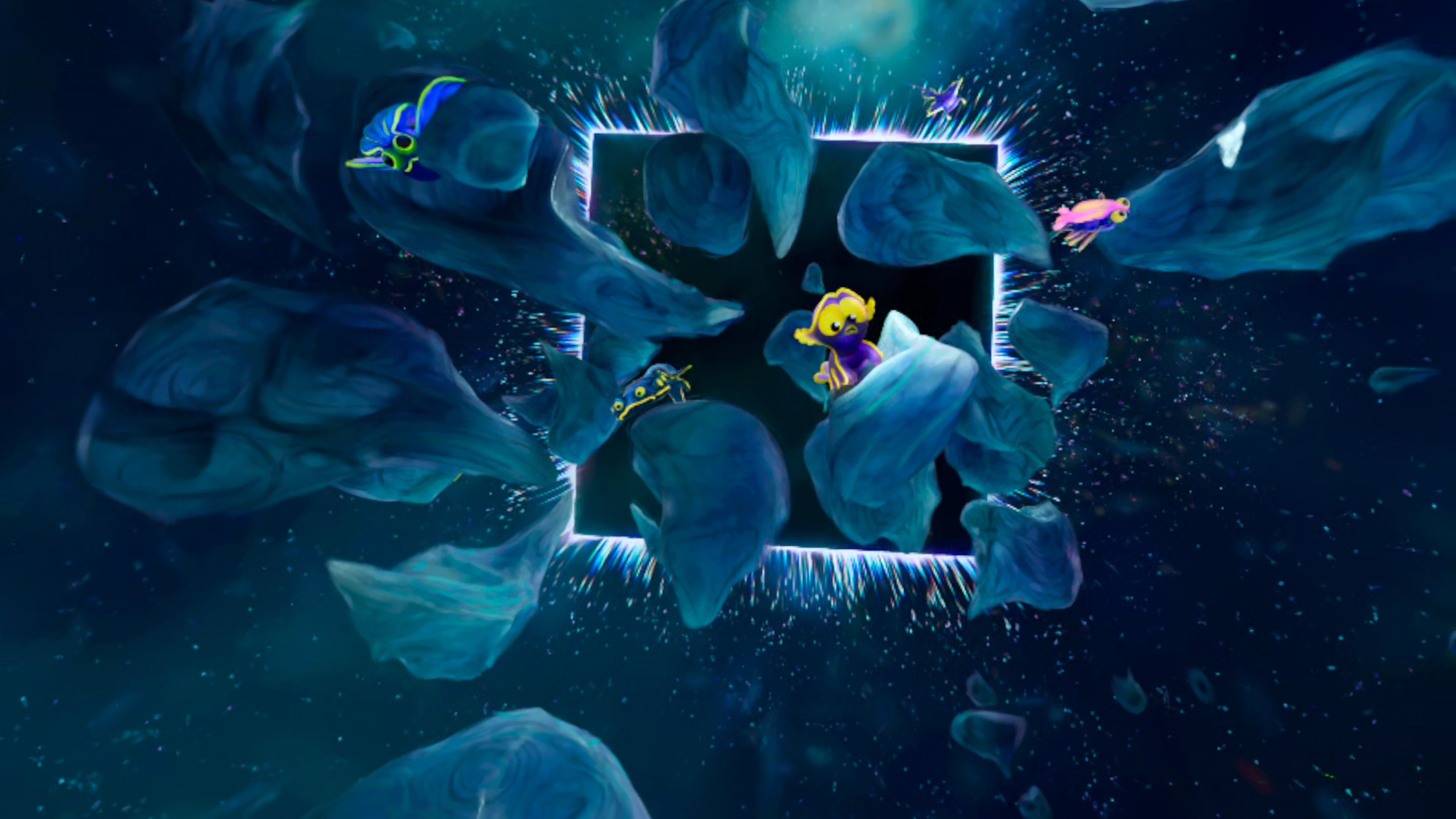
Step inside Singularity’s underwater world while seated. Quest capture.
-
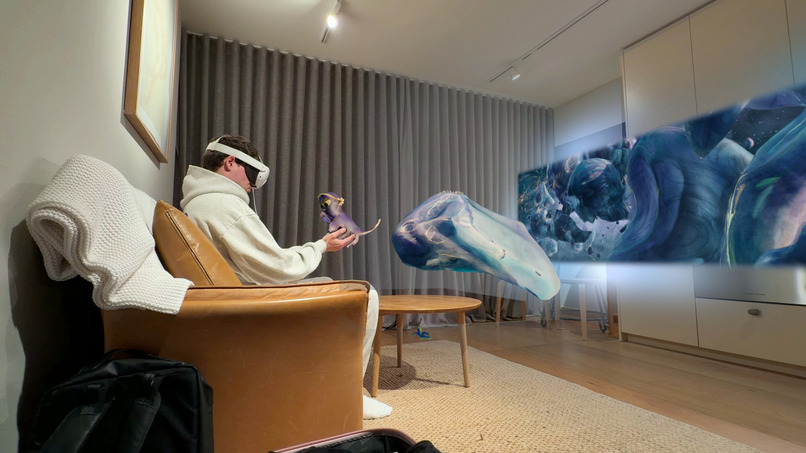
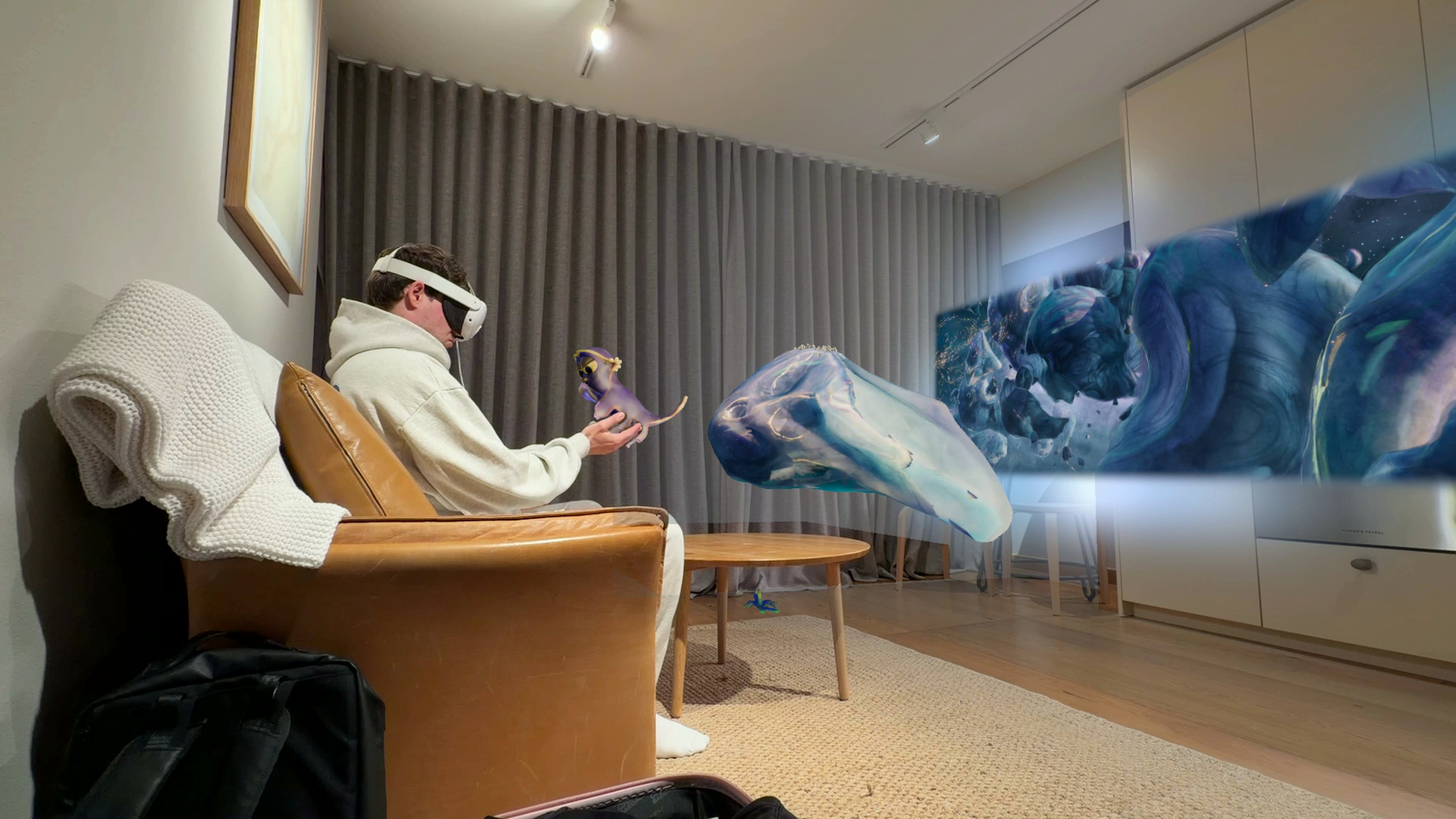
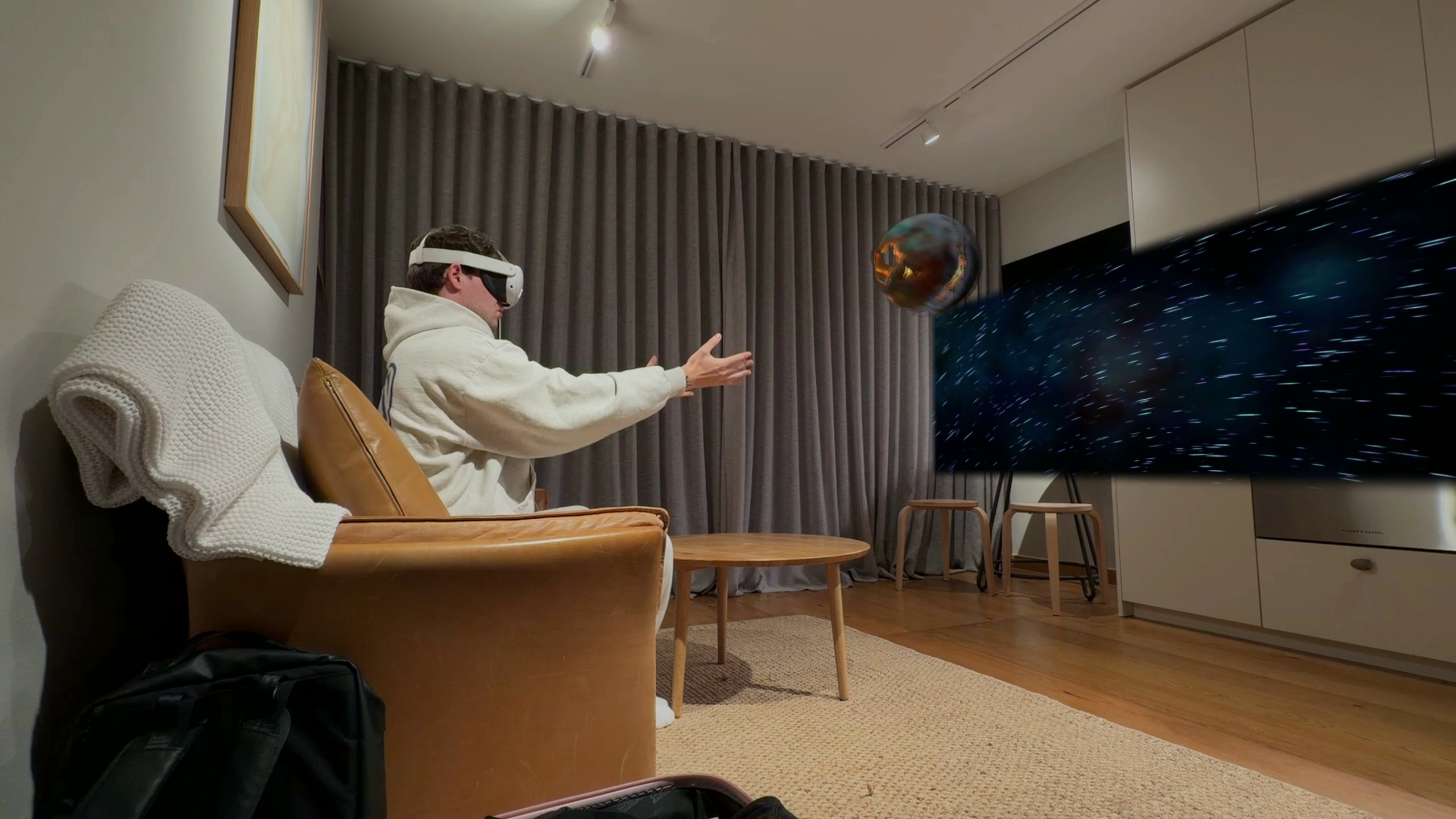
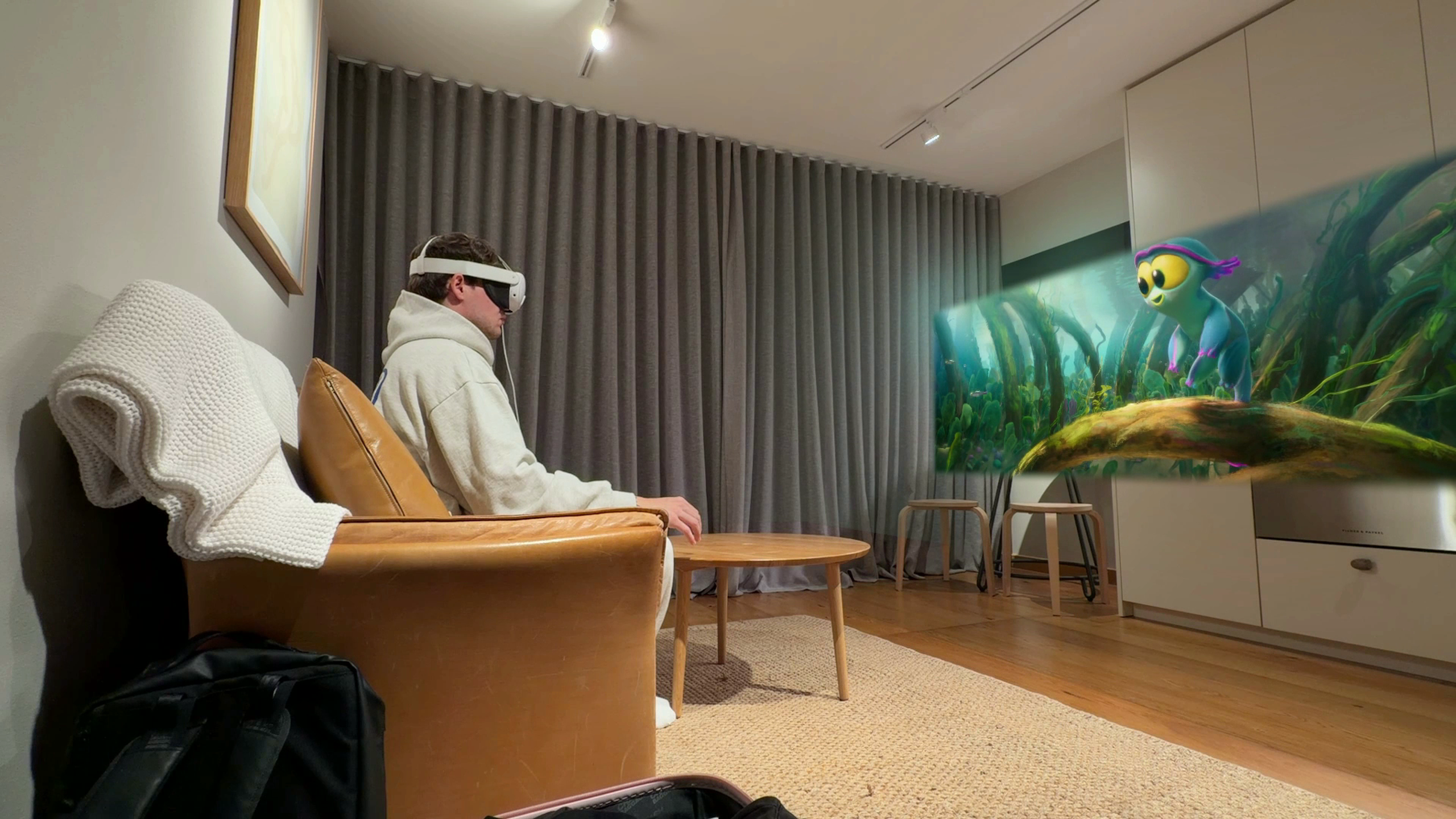
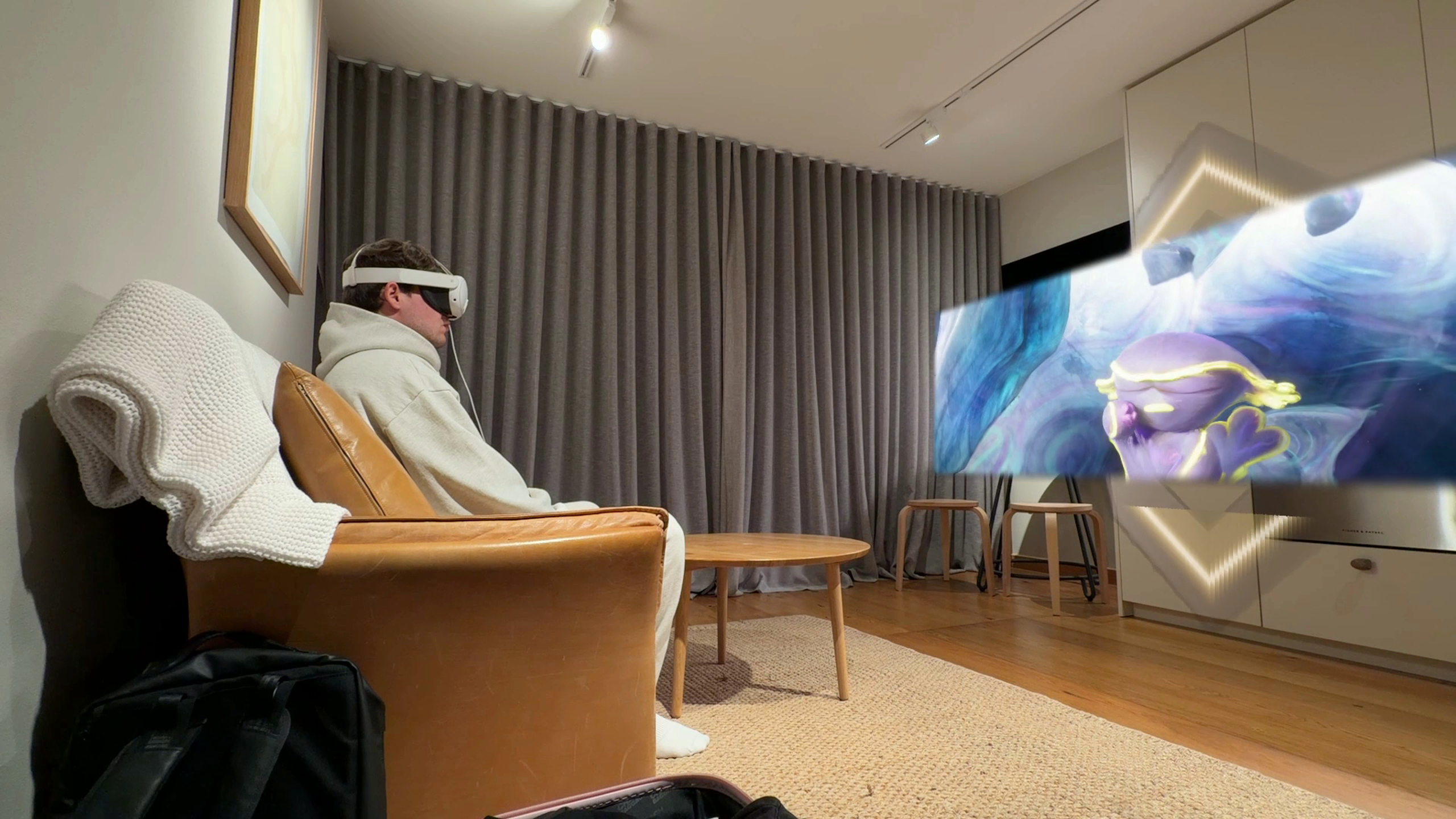
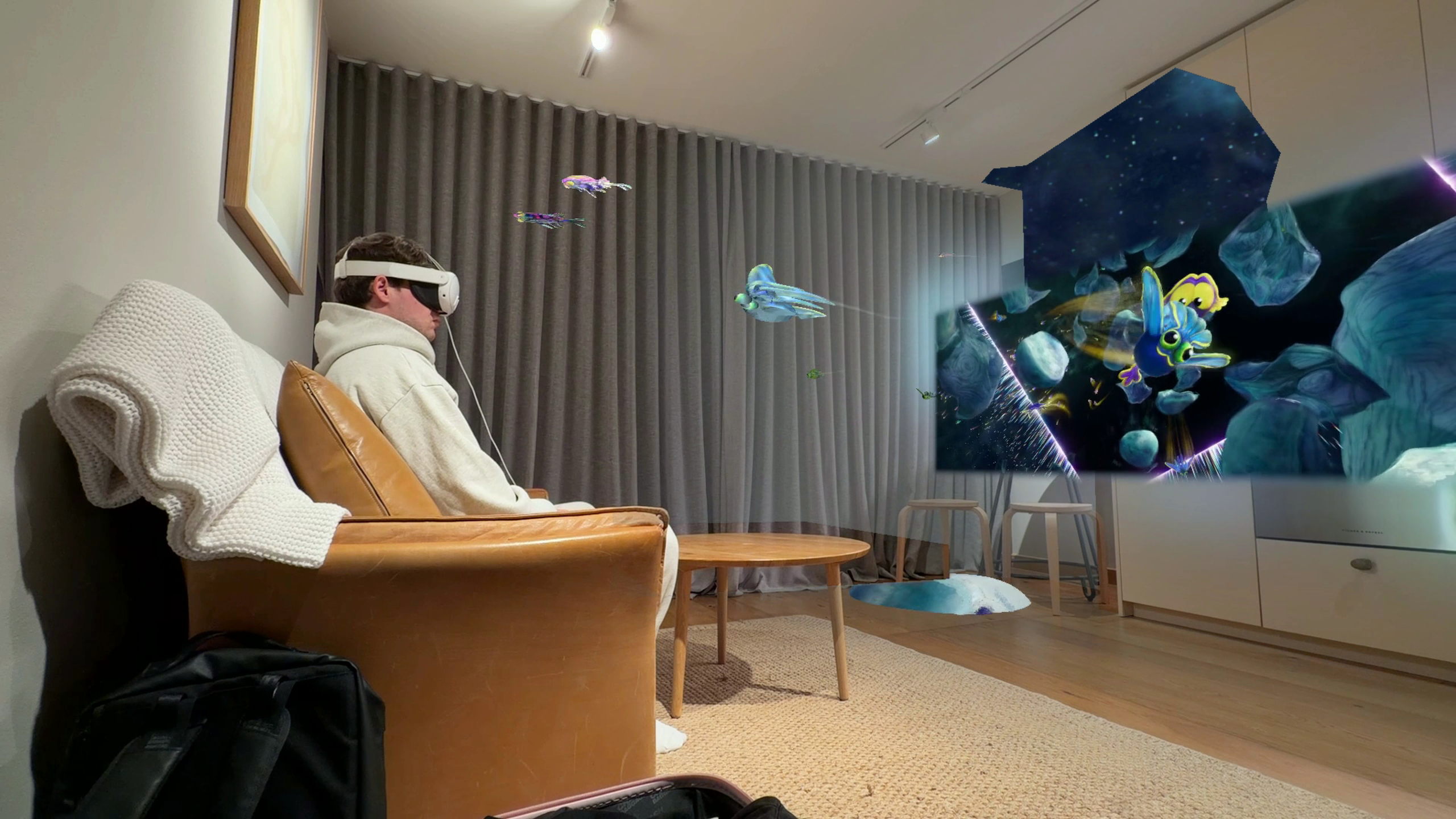
The film expands into the viewer’s surroundings. Reality-capture composite.
-
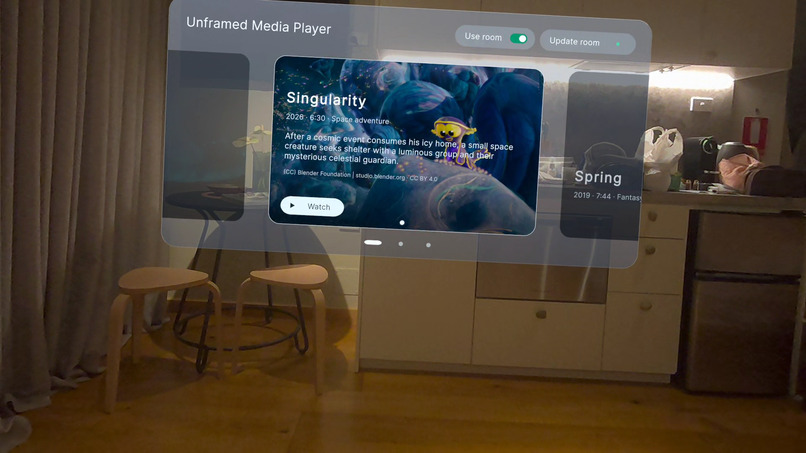
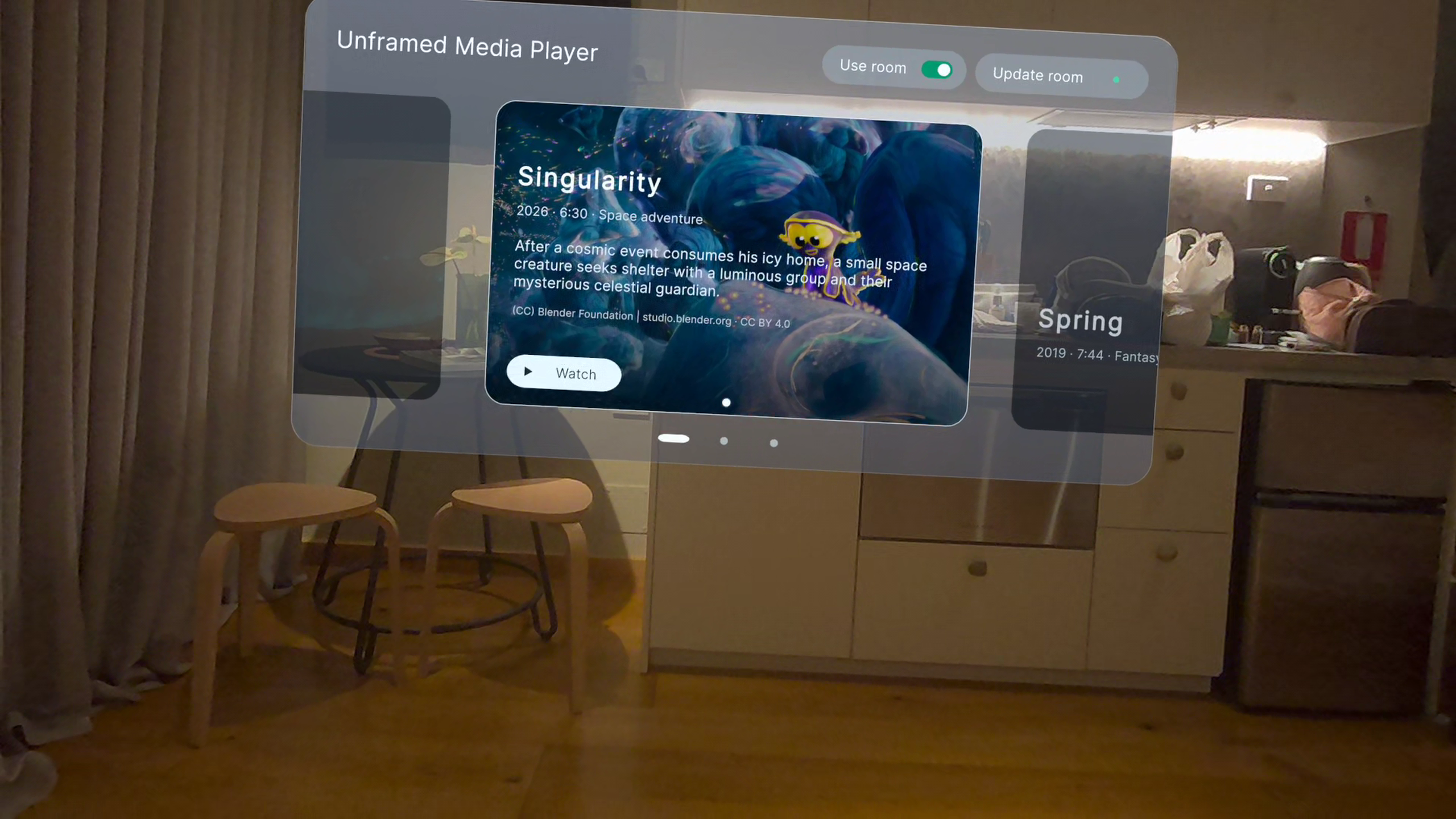
Choose a film and its optional Immersion Pack. Quest capture.
-
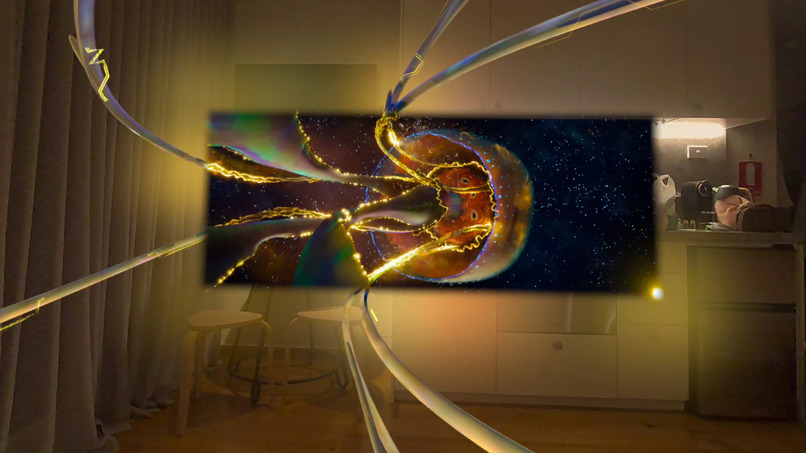
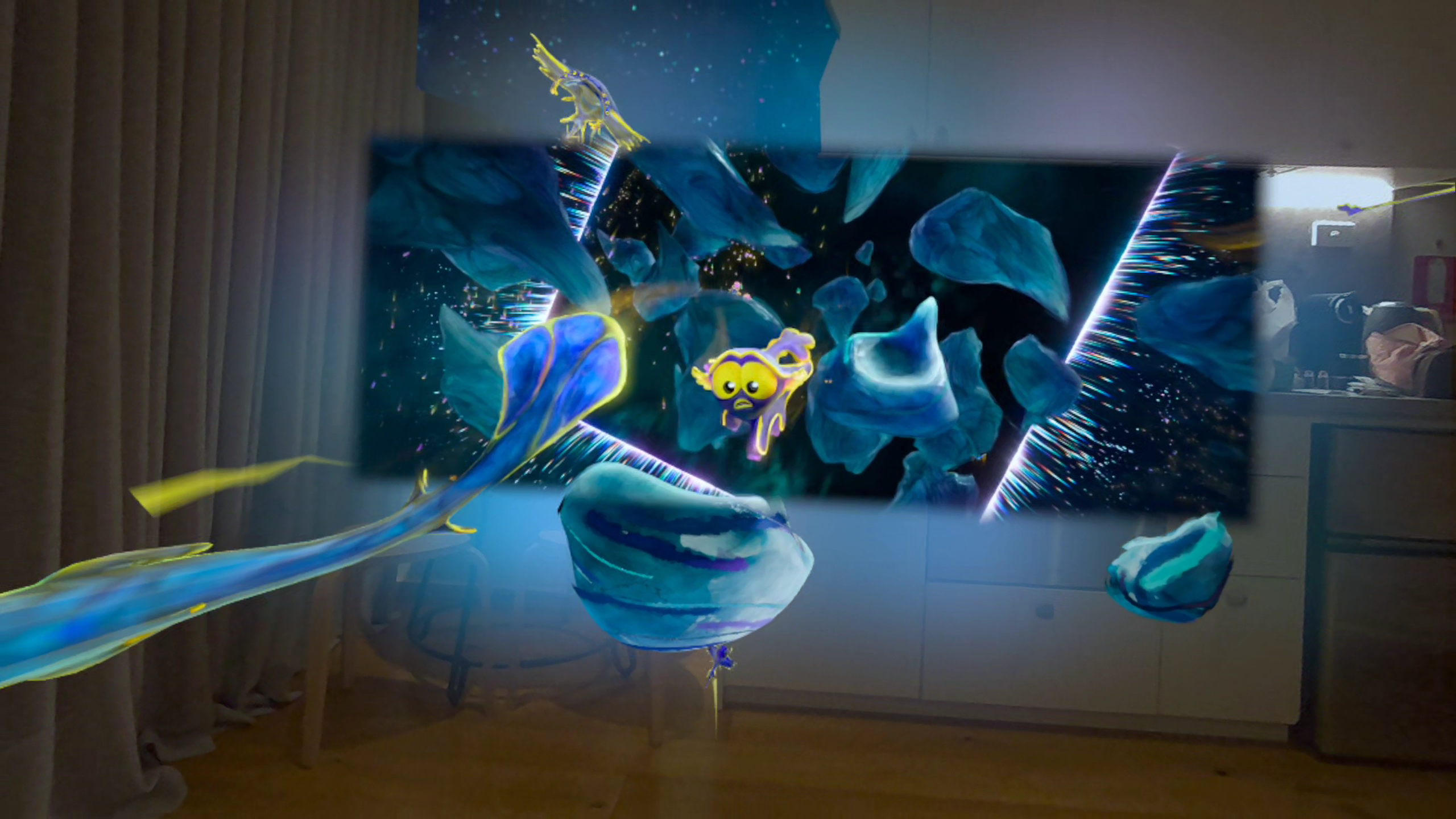
Tentacles reach beyond the cinema screen. Quest capture.
-
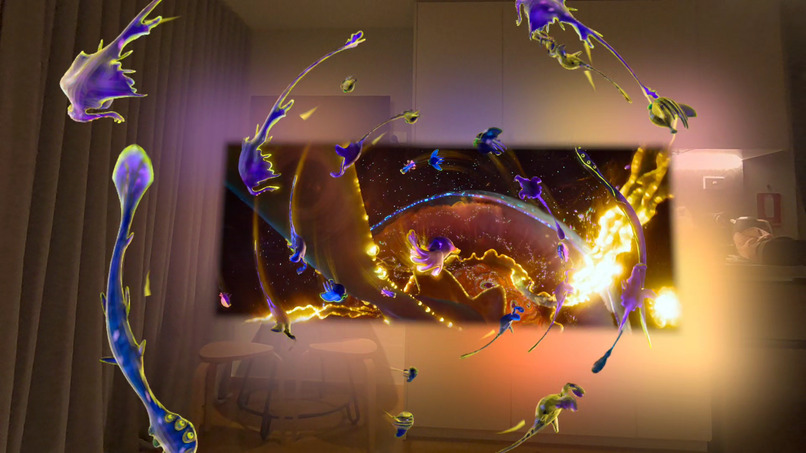
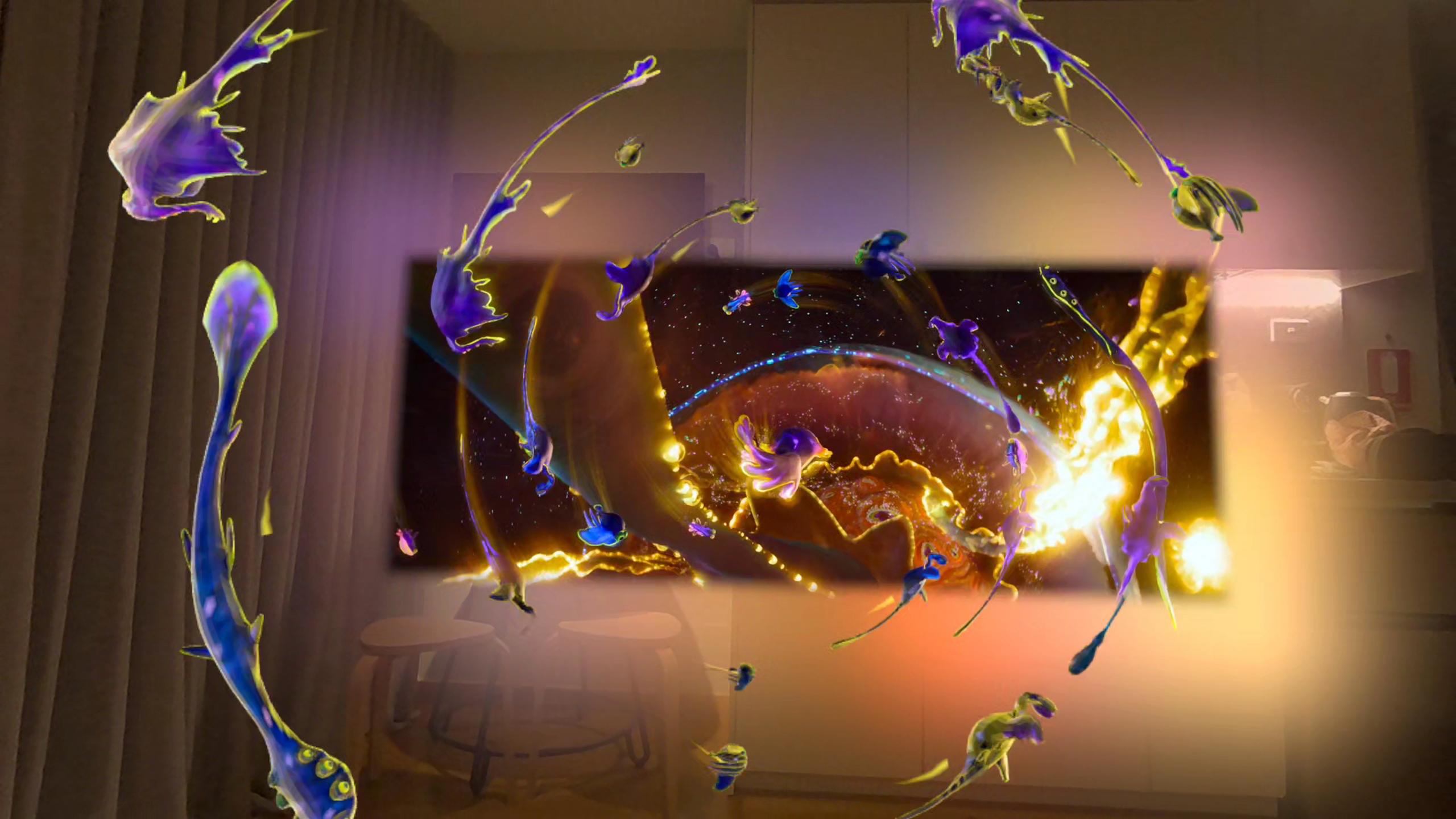
A swarm of creatures fills the room around the film. Quest capture.
-
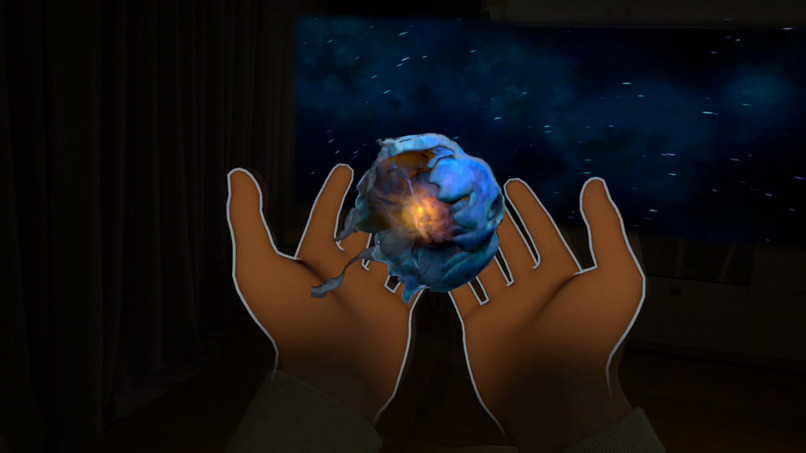
Hold the glowing seed as it evolves with the story. Quest capture.
-
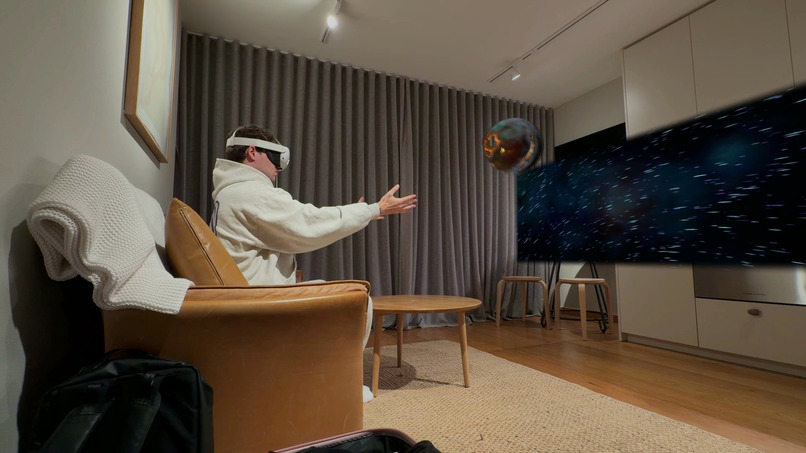
Interact with the seed from your seat. Reality-capture composite.
-
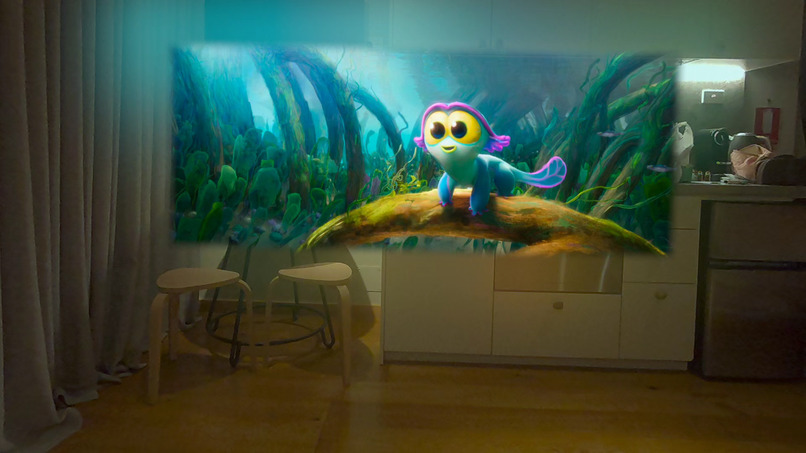
An underwater garden extends beyond the screen. Quest capture.
-
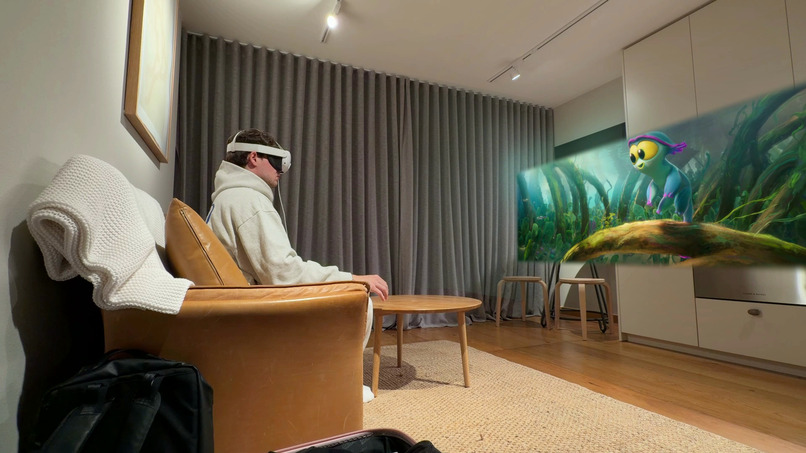
The underwater world unfolds around the viewer. Reality-capture composite.
-
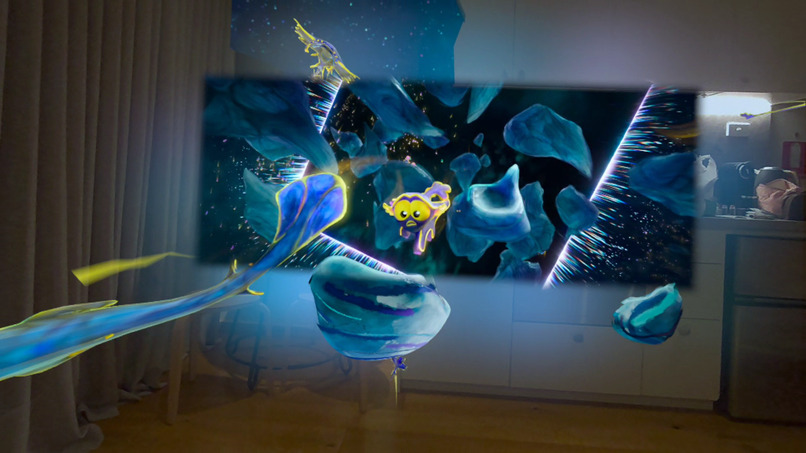
Creatures and scenery emerge into your room. Quest capture.
-
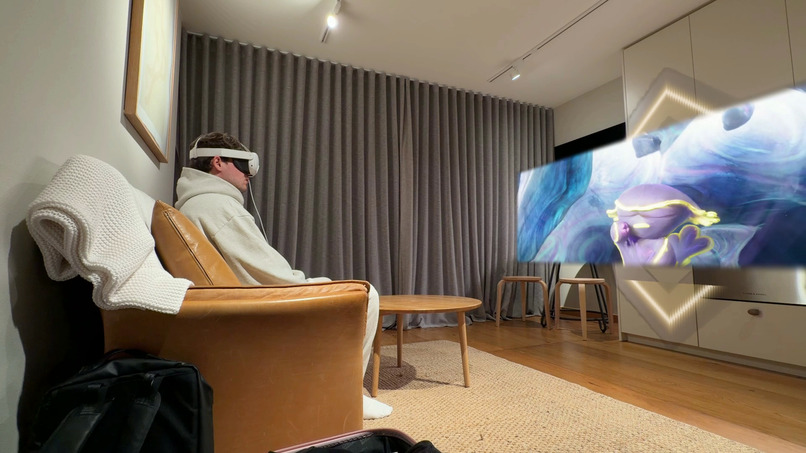
A shockwave from the film sweeps through the room. Reality-capture composite.
-
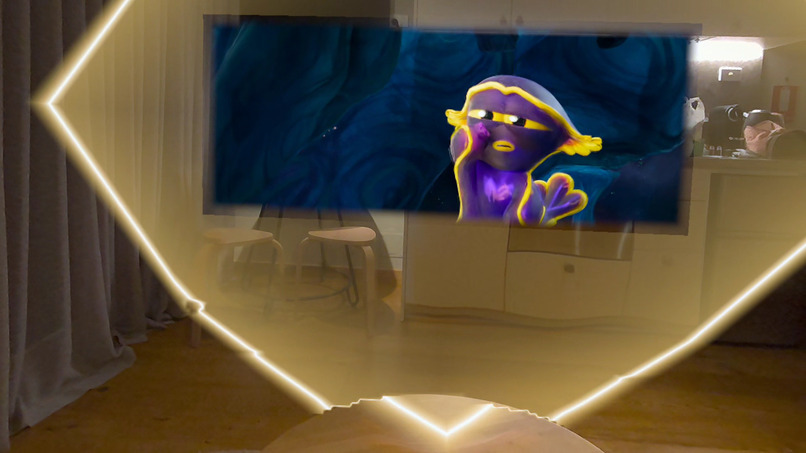
A room-spanning shockwave connects the film and your surroundings. Quest capture.
-
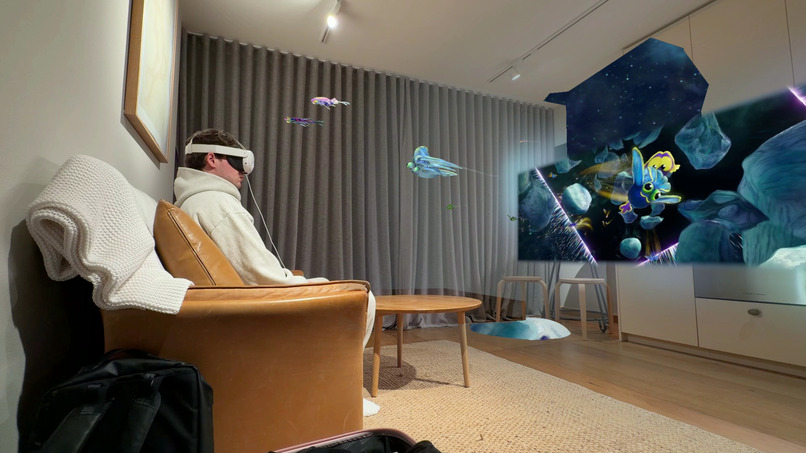
Critter joins the viewer for a hand-tracked encounter. Reality-capture composite.
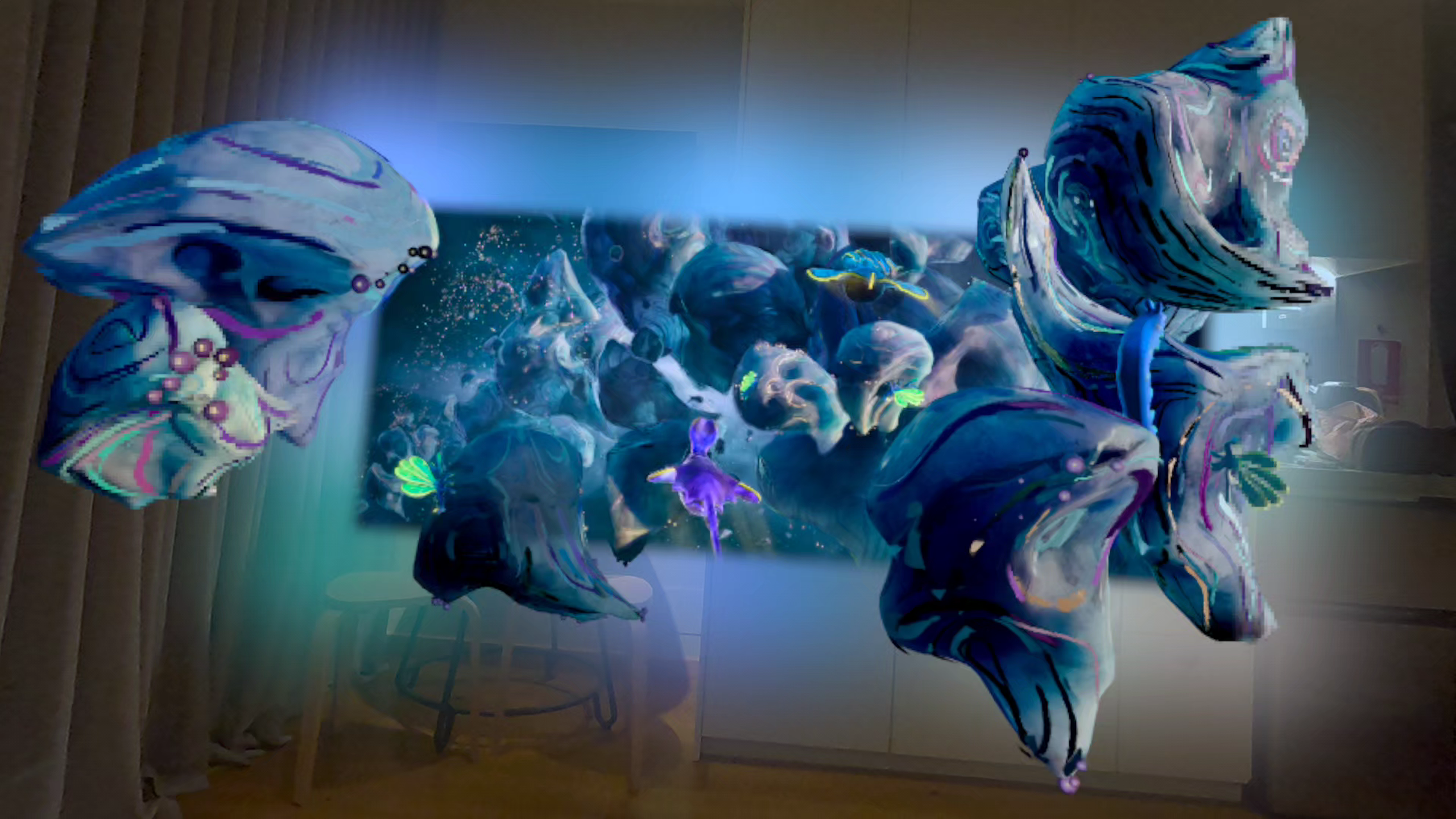
Inspiration
I have long believed that entertainment and education are among VR’s greatest opportunities. Unframed grew from a question I kept returning to. We already choose subtitles and language tracks when watching a film. What if we could also choose how immersive that film becomes?
That led to Immersion Packs, optional spatial content synchronized with a film. My vision is for viewers to choose an immersive layer as easily as selecting subtitles, with different levels of atmosphere and interaction to suit their preferences.
What it does
Unframed is a seated mixed-reality cinema experience. You watch a film in your own room while an optional Immersion Pack lets selected moments extend beyond the screen.
For this competition, I created one pack for Blender Studio’s Singularity.
- The room responds to events in the film.
- A character emerges into your palms and can be fed.
- A seed rests in your hand and evolves alongside the story.
- Selected environments become spatial scenes you can explore while seated.
The experience follows the film’s timing, visual language and sound. Viewers can enable or disable the Immersion Pack through the playback controls.
How I built it
I built Unframed in Unity using C#, OpenXR and Meta XR tools for hand tracking, passthrough and room understanding.
As a Blender supporter, I could work with Singularity’s original production scenes, animation and assets. I developed a Blender and Python pipeline to render stereo imagery on cloud GPUs and prepare animated geometry, appearance data and scene assets. FFmpeg handles media preparation.
For selected moments in Singularity, I rendered the same frame from several camera positions in the original Blender scene and used those views to build a static 3D reconstruction with Gaussian splats. Unity renders the splats in stereo as the viewer moves their head. They can turn the scene with their hands, then select Back to movie to resume playback.
Inside Unity, authored cues synchronize film playback with characters, room effects and hand interactions. Working from the original assets helped preserve the film’s distinctive painterly appearance as its action moved into the viewer’s surroundings.
Challenges I ran into
Finding suitable content was one of the first challenges. Independent developers rarely have both the rights and production assets needed to extend familiar films into XR. Exploring this idea with a title such as Harry Potter or The Lord of the Rings would require permission and collaboration with its rights holders.
Blender’s open-movie approach made a faithful prototype possible.
The technical challenge was continuity. Stereo playback, room geometry, occlusion, audio and character animation all needed to work together within a standalone headset’s performance and storage constraints. Transitions had to preserve the story’s timing, while hand interactions needed to feel approachable during a seated viewing experience.
Accomplishments I’m proud of
I’m proud of bringing the Immersion Pack idea into a working experience built around an existing film.
The character encounter is especially meaningful to me. A character you have been watching on screen can enter your personal space and respond to your hands. That creates a different relationship with the story.
I’m also proud of connecting the original Blender production assets to a standalone mixed-reality experience while retaining their artistic character.
What I learned
I learned how much immersion depends on timing and restraint. An effect needs to support the moment in the film, and an interaction needs to make sense without demanding too much attention from the viewer.
I also learned how valuable access to original production assets can be. Animation, geometry and artistic intent provide a foundation for extending a story into another medium.
What’s next for Unframed
My longer-term ambition is a shared Immersion Pack format and a marketplace for authorized creators and rights holders.
Viewers could choose packs with subtle atmosphere, stronger immersion or more interaction, according to their tastes and age groups. Future collaboration with rights holders and platforms such as HBO or Disney+ could bring these optional layers to familiar licensed films.
Education offers another direction. A documentary about dinosaurs or wildlife could let learners hold an object, inspect it closely or tap something to discover more.
This prototype begins with one film and one pack. I want to explore how the same approach could give audiences more choice in how they experience entertainment and learning.
This demo video was made entirely without generative AI. I combined native Quest footage with an iPhone recording and using data from the live headset session to re-render the app’s effects from the phone’s viewpoint.
Credits
Singularity and its adapted production assets are used under Creative Commons Attribution 4.0.
(CC) Blender Foundation | studio.blender.org
Unframed’s adaptations include stereo rendering, spatial staging, room effects and hand interactions.


