-
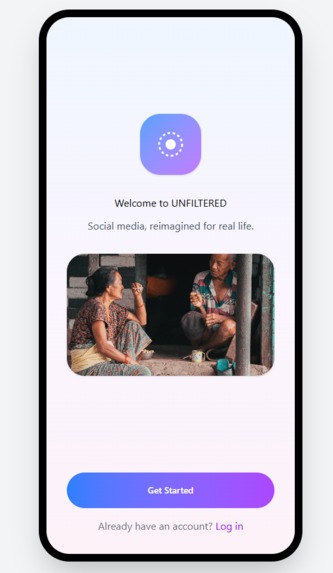
Thumbnail
-
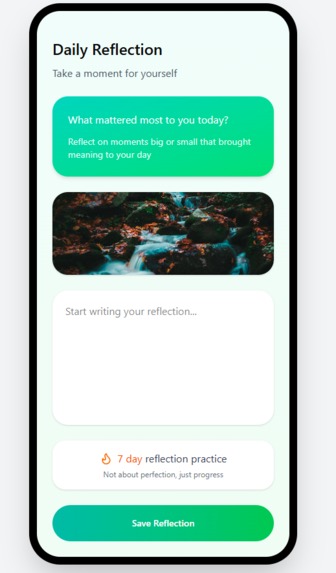
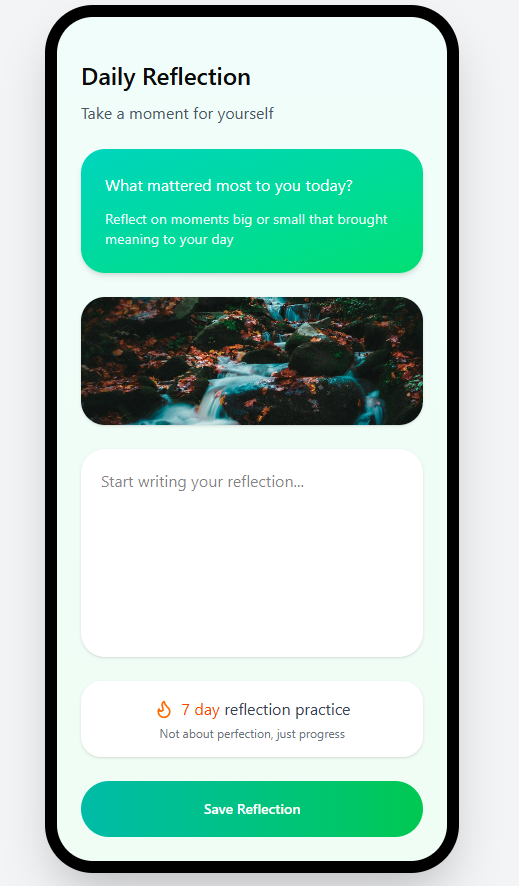
Daily Reflection
-
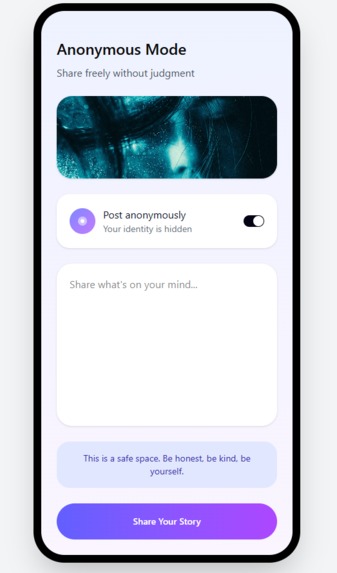
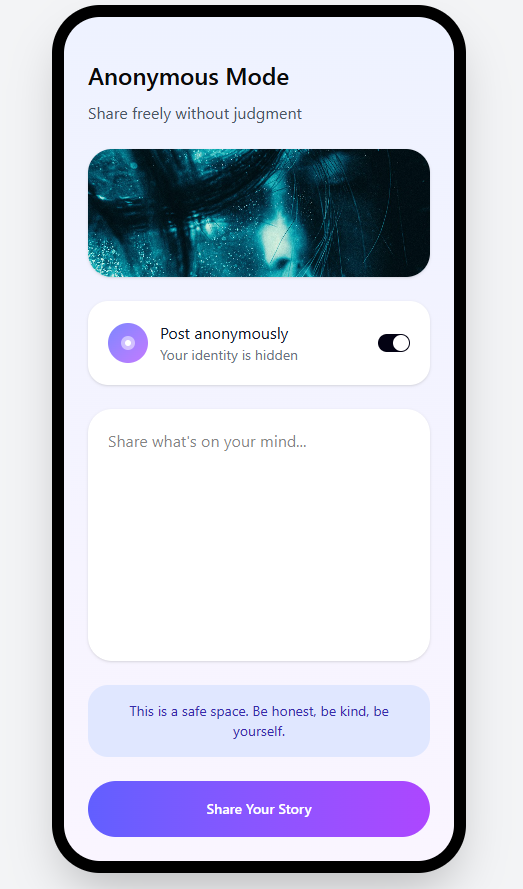
Sharing freely anonymously
-
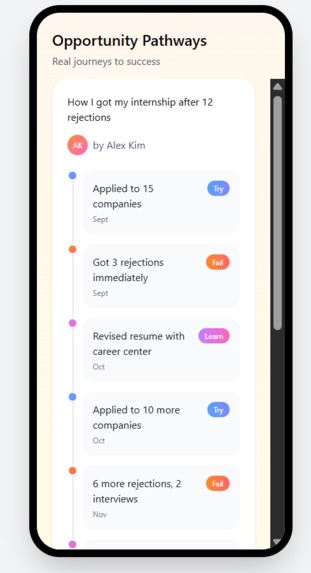
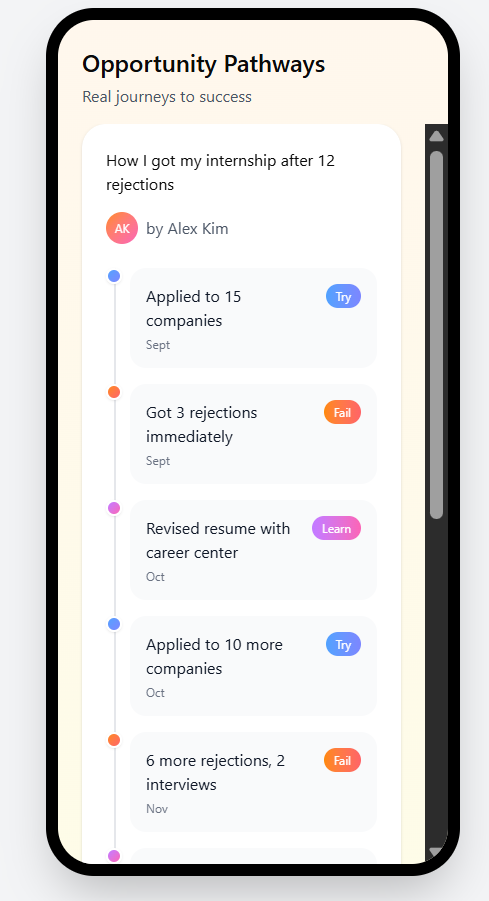
Opportunity Pathways
-
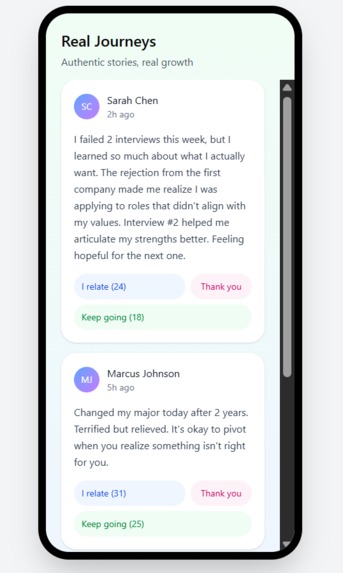
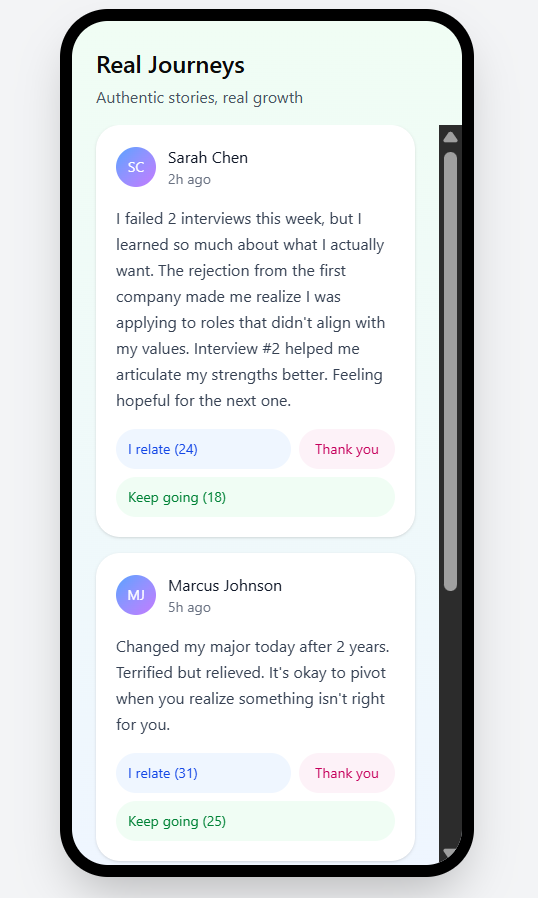
Real Journeys - Give people hope than fear (Anti Comparison)
-
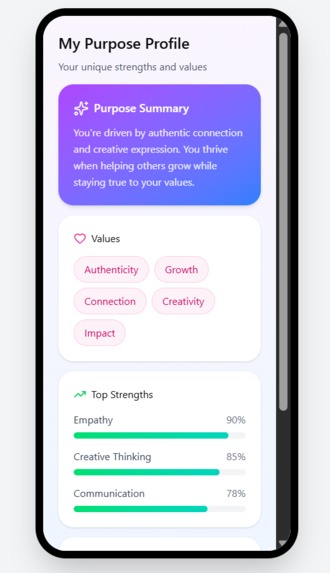
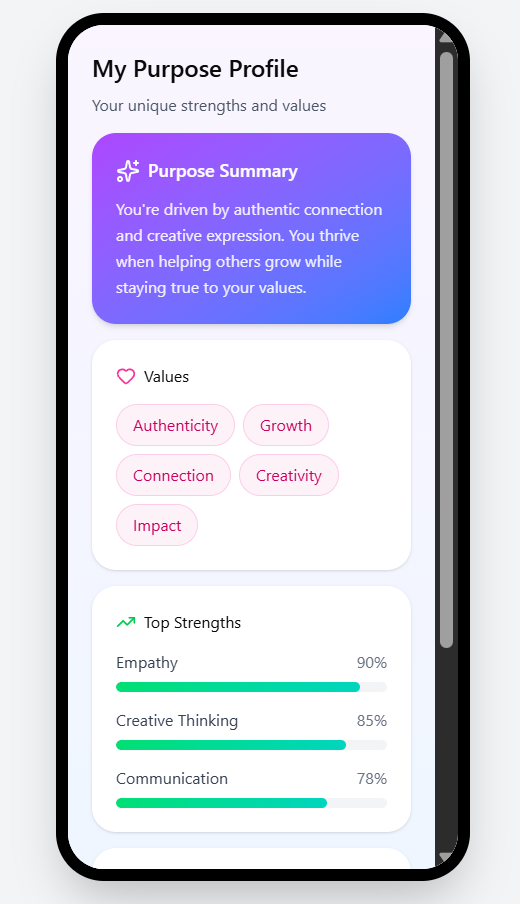
My Purpose Profile
-
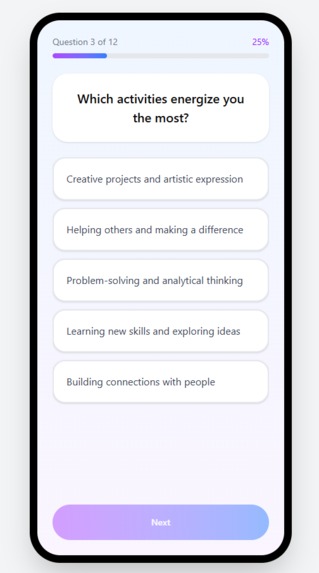
Personality Test
-
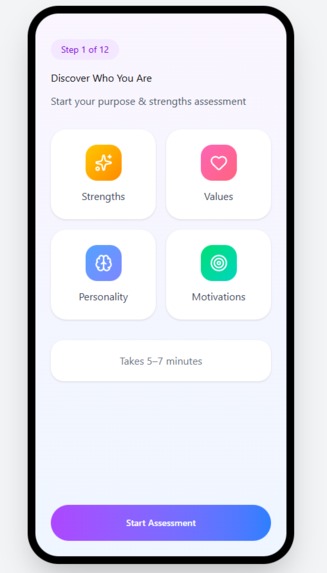
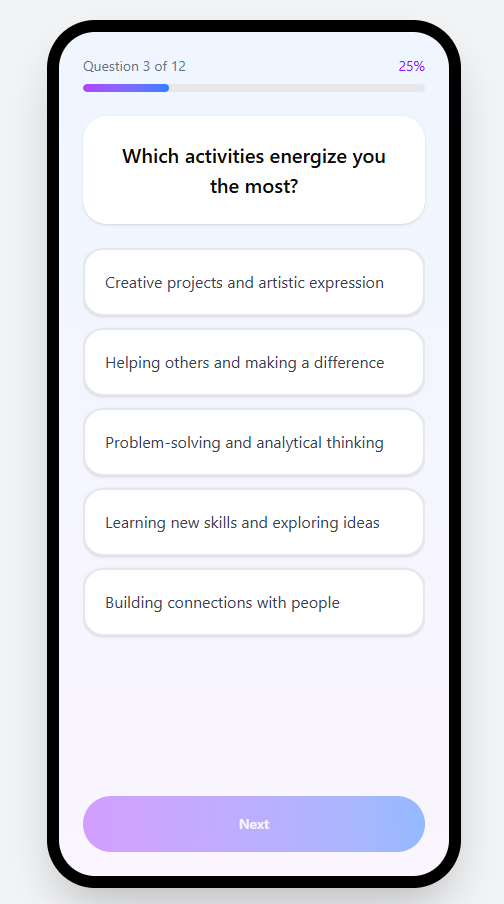
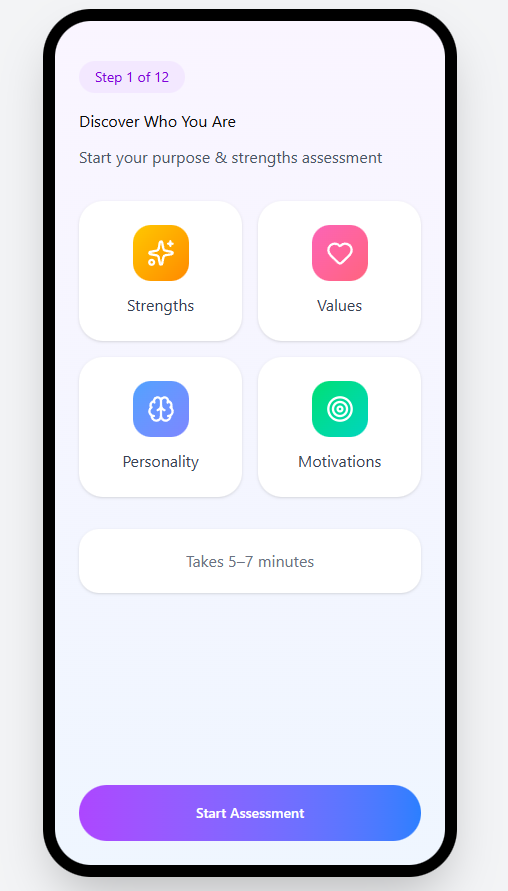
Psychometric Test
Inspiration
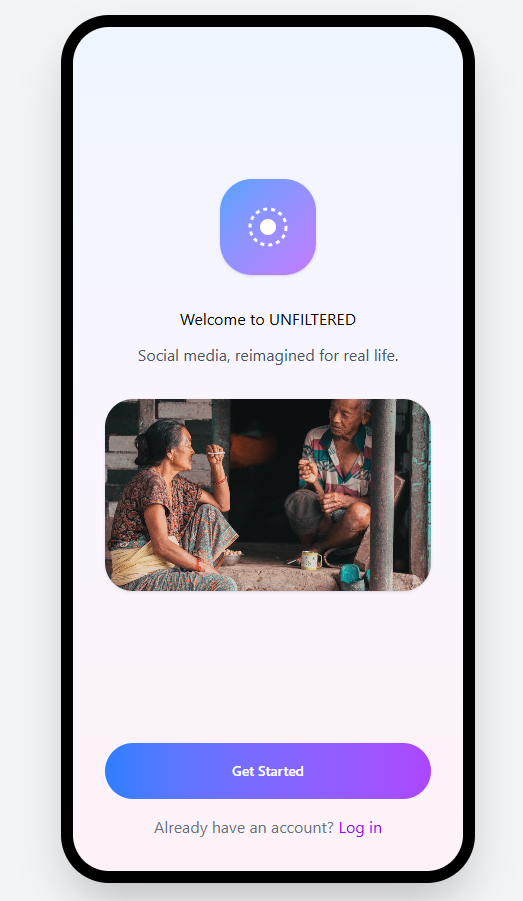
The idea for UNFILTERED came from a personal struggle that became clearer as I observed other students around me: the constant pressure to compare, perform, and pretend. Every time I opened Instagram, I saw perfect lives and curated achievements. Every time I opened LinkedIn, I saw polished success stories that made me feel behind, even when I was doing well. I realized I was constantly measuring myself against people my age, wondering why everyone else seemed more accomplished, more confident, and more certain about their future. When I opened up to friends and peers, I discovered that nearly everyone felt the same way, but no one felt safe admitting it publicly. People told me they were afraid to share failures, afraid of judgment, afraid of looking less successful than their peers. Many admitted they felt directionless because they were never taught how to understand their strengths, motivations, or purpose. That made me see the deeper issue: students have endless platforms to showcase achievements but no space to explore who they truly are. UNFILTERED was created to answer that need. I wanted a platform where students could breathe, be real, and be human without the pressure to perform.
What it does
UNFILTERED is a purpose-focused social platform designed for university students who want authenticity, clarity, and emotional safety. It begins with a psychometric assessment that helps students discover their strengths, values, personality patterns, and deeper purpose themes. This creates a personal purpose profile that becomes a foundation for self-understanding. The app also includes a Real Journeys Feed, an alternative to Instagram-style perfection, where students can share honest moments of growth such as struggles, lessons, progress, setbacks, rejections, and direction changes. This reinforces that growth is messy, nonlinear, and normal. Instead of likes or follower counts, there are simple empathy-based reactions that reduce competition and replace it with support. Another major feature is the Opportunity Transparency Board, which challenges the polished culture of LinkedIn. Students can share the real paths behind internships, projects, and achievements, including the number of rejections, the timeline, the mistakes made, and the free resources that helped them. By doing so, they turn success from a brag into a roadmap that others can follow. Anonymous mode supports emotional honesty, giving students a safe environment to express difficult thoughts without fear. Daily reflections prompt small, consistent insights that help students understand themselves over time. All these features work together to replace comparison with personal growth, connection, and clarity.
How we built it
Even though this ideathon emphasizes concept design rather than full development, I approached UNFILTERED as if building a real product. I began by deeply understanding the psychological and emotional challenges university students face through personal reflection, observation, and informal research. I explored topics like social comparison, purpose development, motivation, and the psychological effects of social media metrics. I analyzed how existing platforms encourage competition and perfection, and mapped these insights into design problems that needed solving. From there, I conceptualized features that directly addressed each pain point. I designed the overall system architecture, user journeys, and experience flow to make sure the features reinforced each other rather than existing as separate ideas. Using Figma and Figma AI, I created mockups of the onboarding flow, assessment screens, purpose profile, feed layouts, and opportunity pathway screens. I focused heavily on behavioral design principles to avoid triggering comparison, anxiety, or pressure. I used a calm, warm visual style with soft colors and rounded elements to make the UI comforting and welcoming. Every element was designed intentionally to support authenticity, reflection, and psychological safety.
Challenges we ran into
This project challenged me emotionally and intellectually. Translating broad feelings like insecurity, confusion, and comparison into concrete, usable features was difficult. I constantly had to evaluate whether a feature could accidentally introduce competition or pressure. Designing a psychometric system that feels meaningful without overwhelming students required careful thought about question structure, tone, and interpretation. Another challenge was time pressure, as I had to refine a deep concept quickly without compromising clarity or coherence. I also had to consider how vulnerability and anonymity could be supported responsibly while preventing misuse. Ensuring emotional safety in design was the hardest challenge because it required thinking beyond aesthetics into how users feel while interacting with the app. Finally, condensing a large and personal problem into a clear narrative for an ideathon submission required discipline. I wanted to capture both the emotional weight of the issue and the logical coherence of the solution.
What we learned
Through building UNFILTERED, I learned how deeply students crave authenticity, clarity, and emotional connection. Many are not struggling with ability but with uncertainty about themselves. I discovered how powerful social media can be when intentionally designed for wellbeing rather than engagement. I learned that vulnerability builds community far more effectively than perfection. I also learned that seemingly small decisions, like removing follower counts or likes, can drastically change how a user feels. I realized that meaningful product design requires understanding psychology, emotion, and human behavior as much as understanding features and aesthetics. Most importantly, I learned that a product does not need to be complex or highly technical to create real impact. It only needs to address a real human need with empathy and intention. UNFILTERED became a personal reflection as much as a project.
What's next for UNFILTERED
If expanded beyond this ideathon, I would explore deeper psychometric assessments, AI-generated personal insights, and mentorship matching based on strengths and values. I would refine community tools that encourage honest conversation while ensuring safety. I would build more structured opportunity pathways so students can share detailed guides for internships, research roles, or personal challenges. I also want to introduce collaborative reflection challenges that help students grow together. Ultimately, I want to build UNFILTERED into a real platform that gives students clarity, courage, and connection at a critical stage of their lives. My long-term goal is to make it a space where honesty replaces pressure, purpose replaces confusion, and community replaces comparison.
Built With
- figma

Log in or sign up for Devpost to join the conversation.