-
-
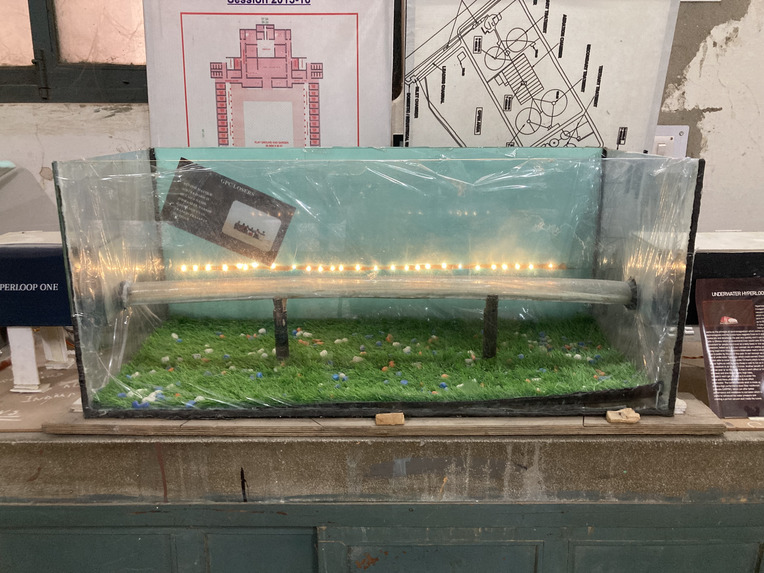
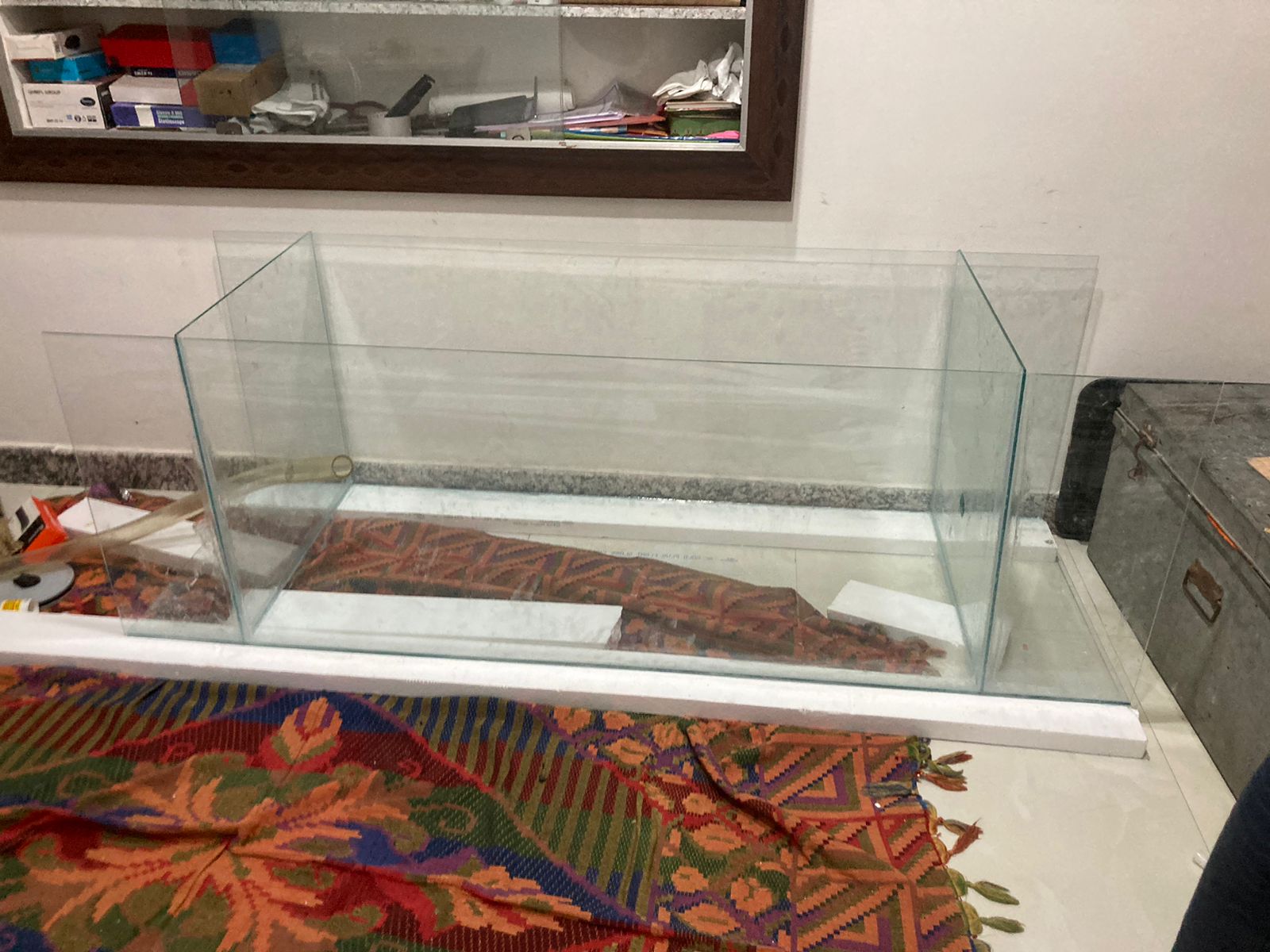
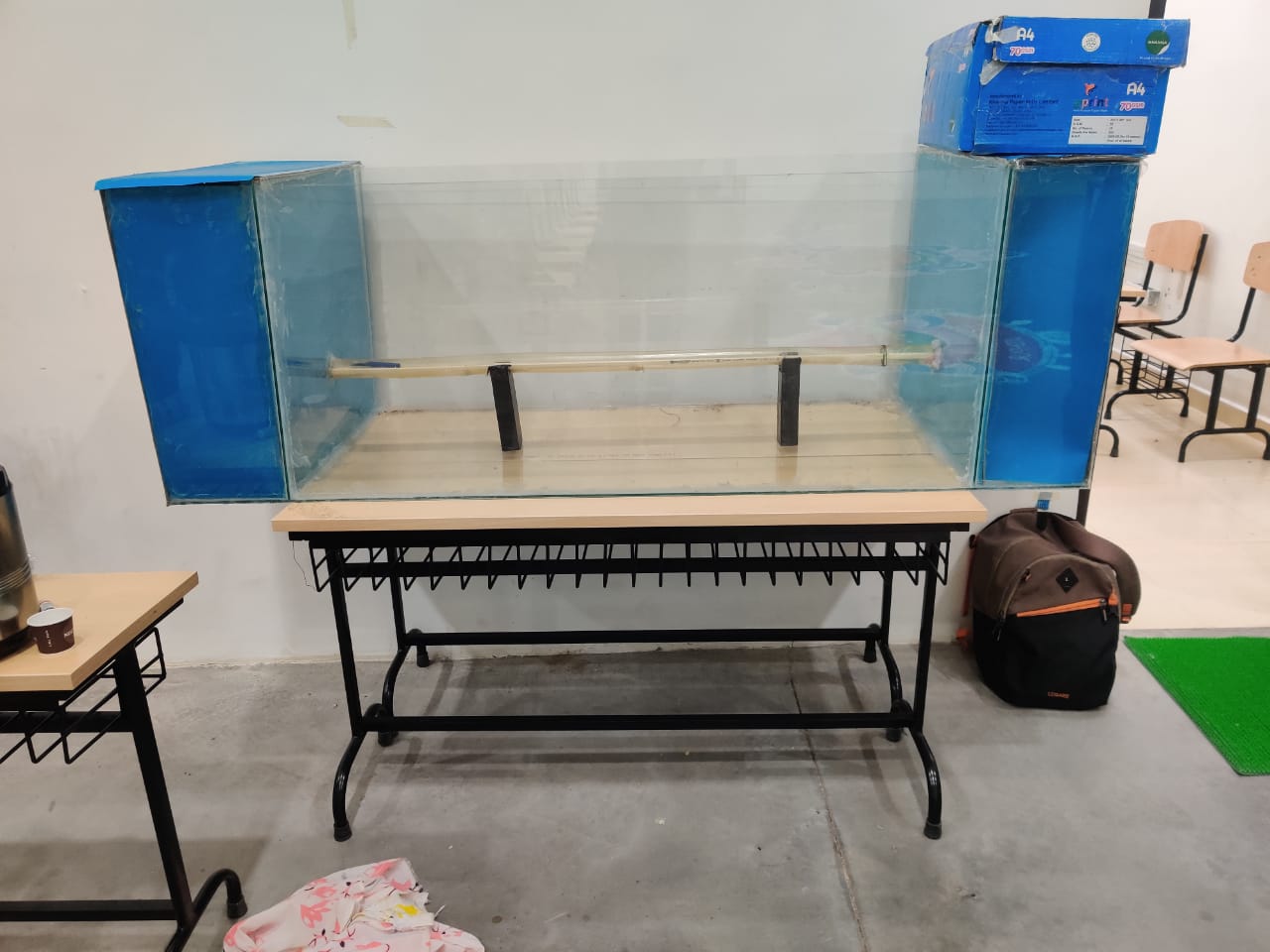
Our First prototype of Underwater Hyperloop in our college
-
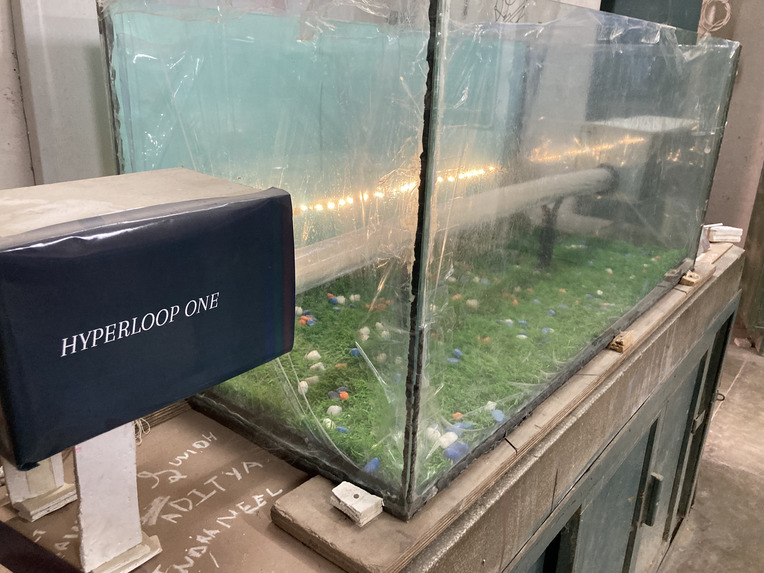
First prototype of Underwater Hyperloop Concept
-
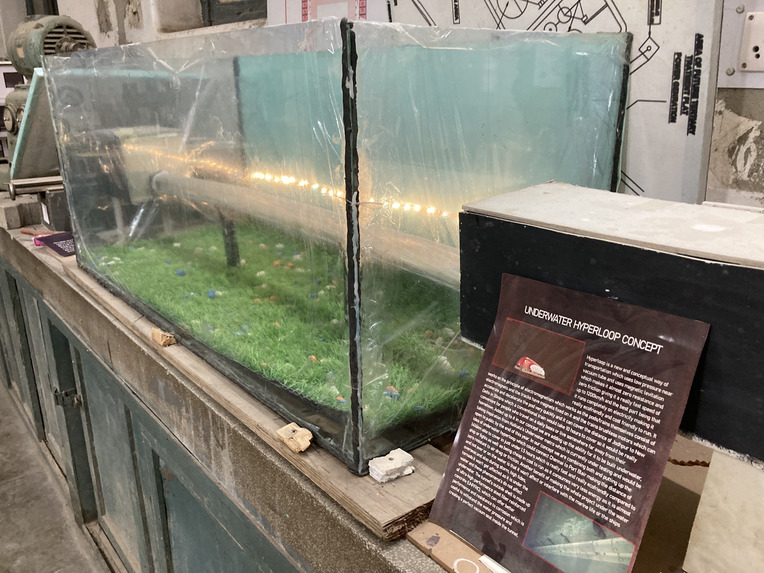
First prototype of Underwater Hyperloop Concept
-
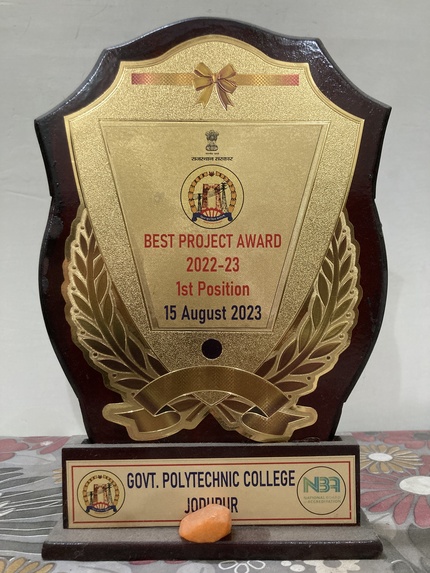
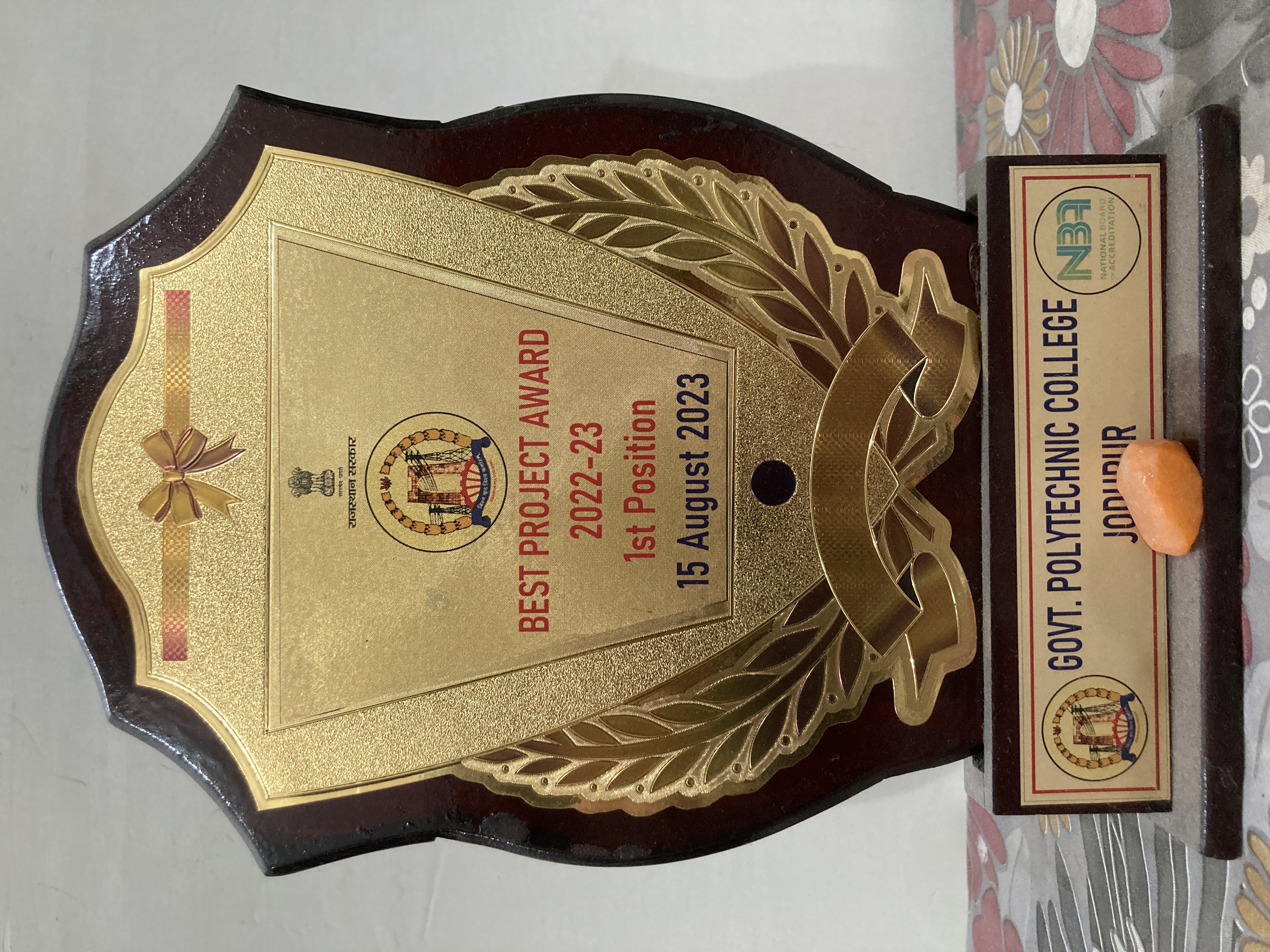
Trophy for winning at Government Polytechnic College, Jodhpur, Rajasthan
-
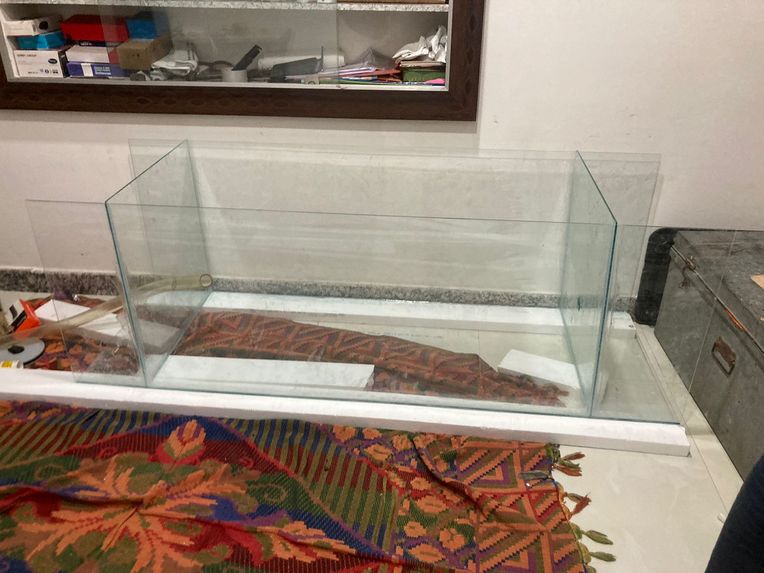
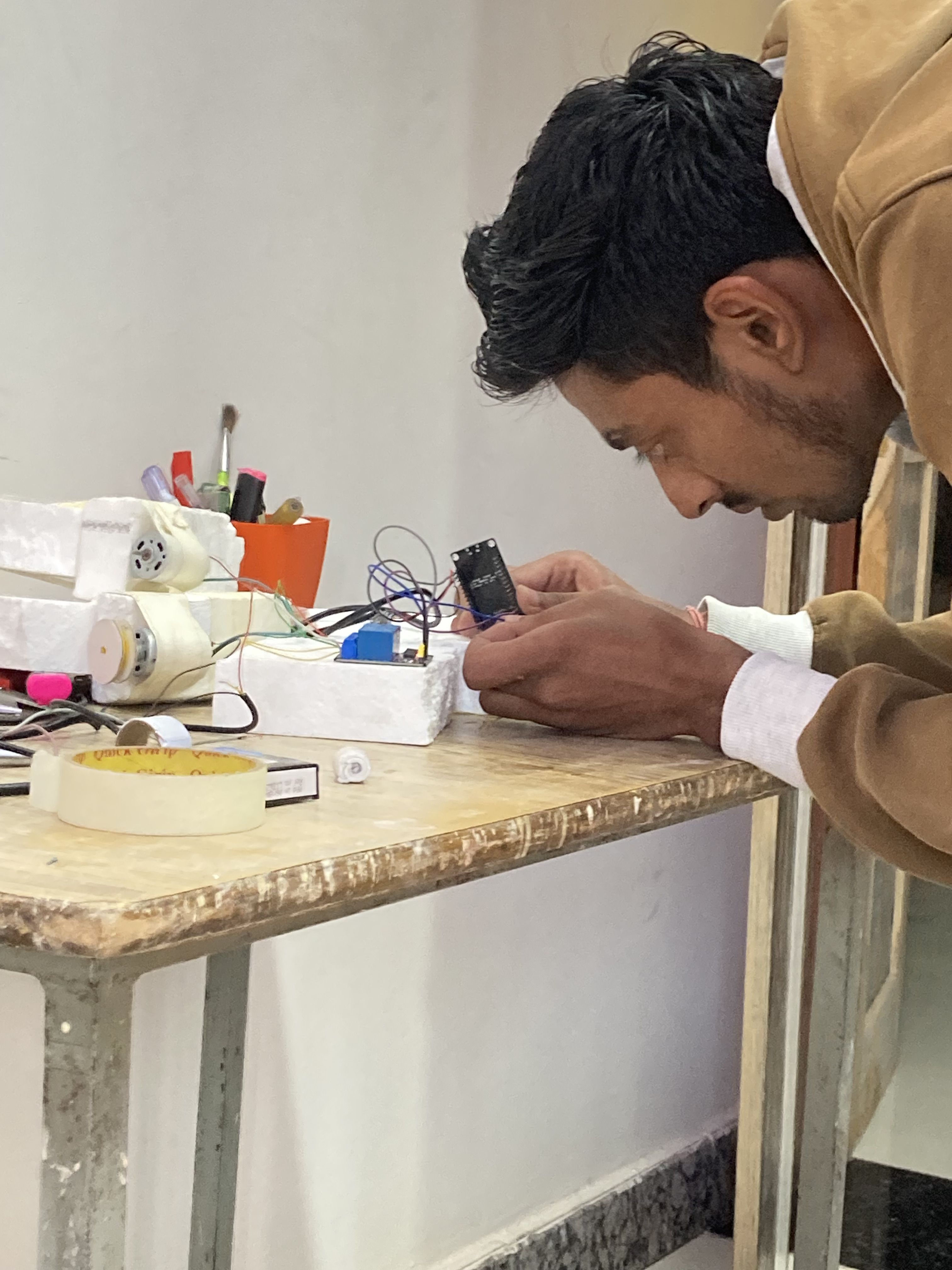
Building the second prototype
-
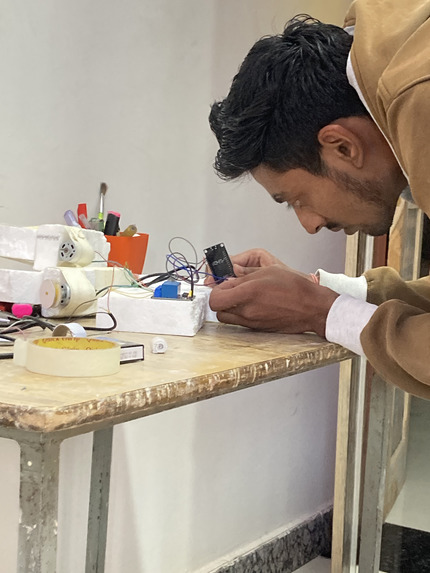
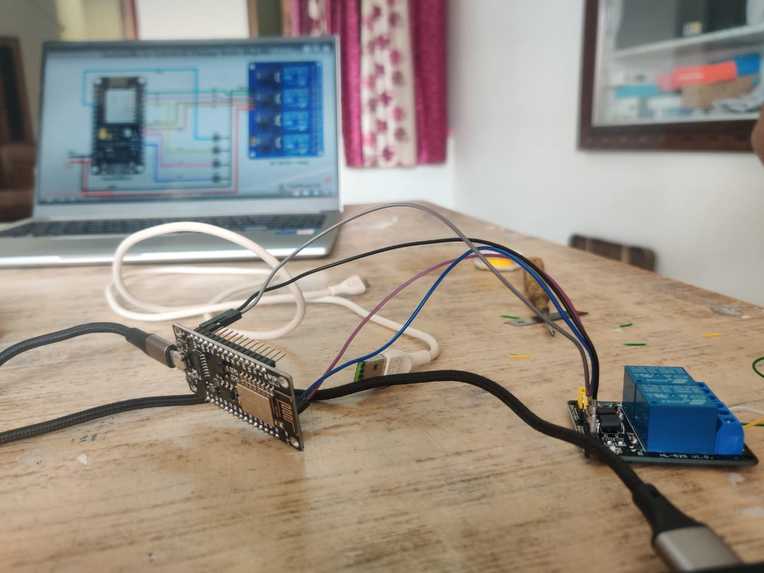
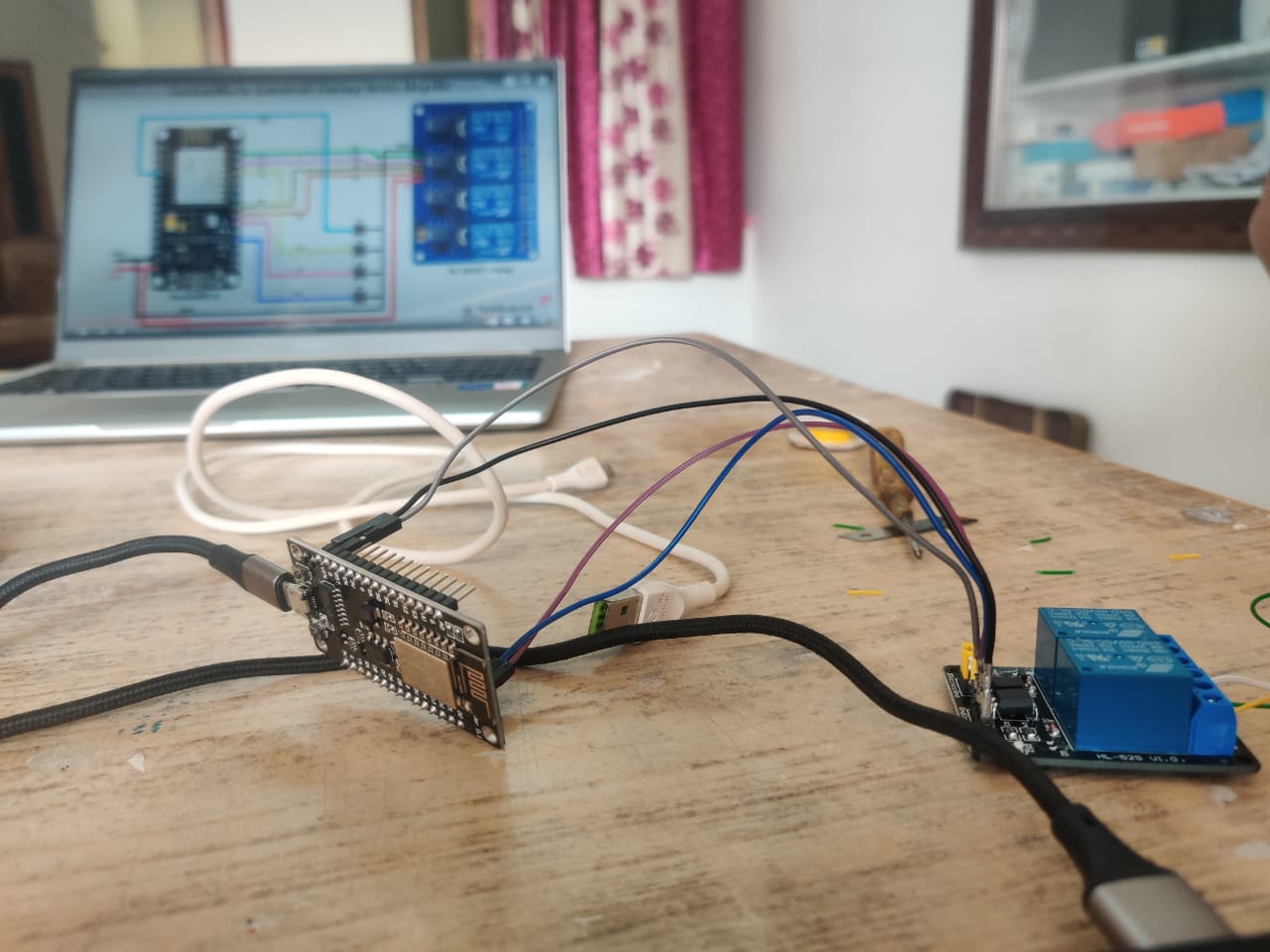
Wiring the wifi module with relay and providing them power
-
-
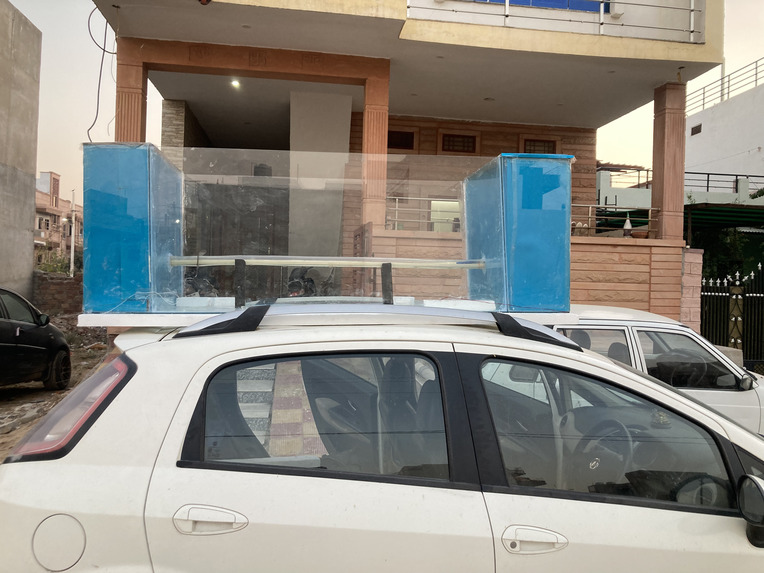
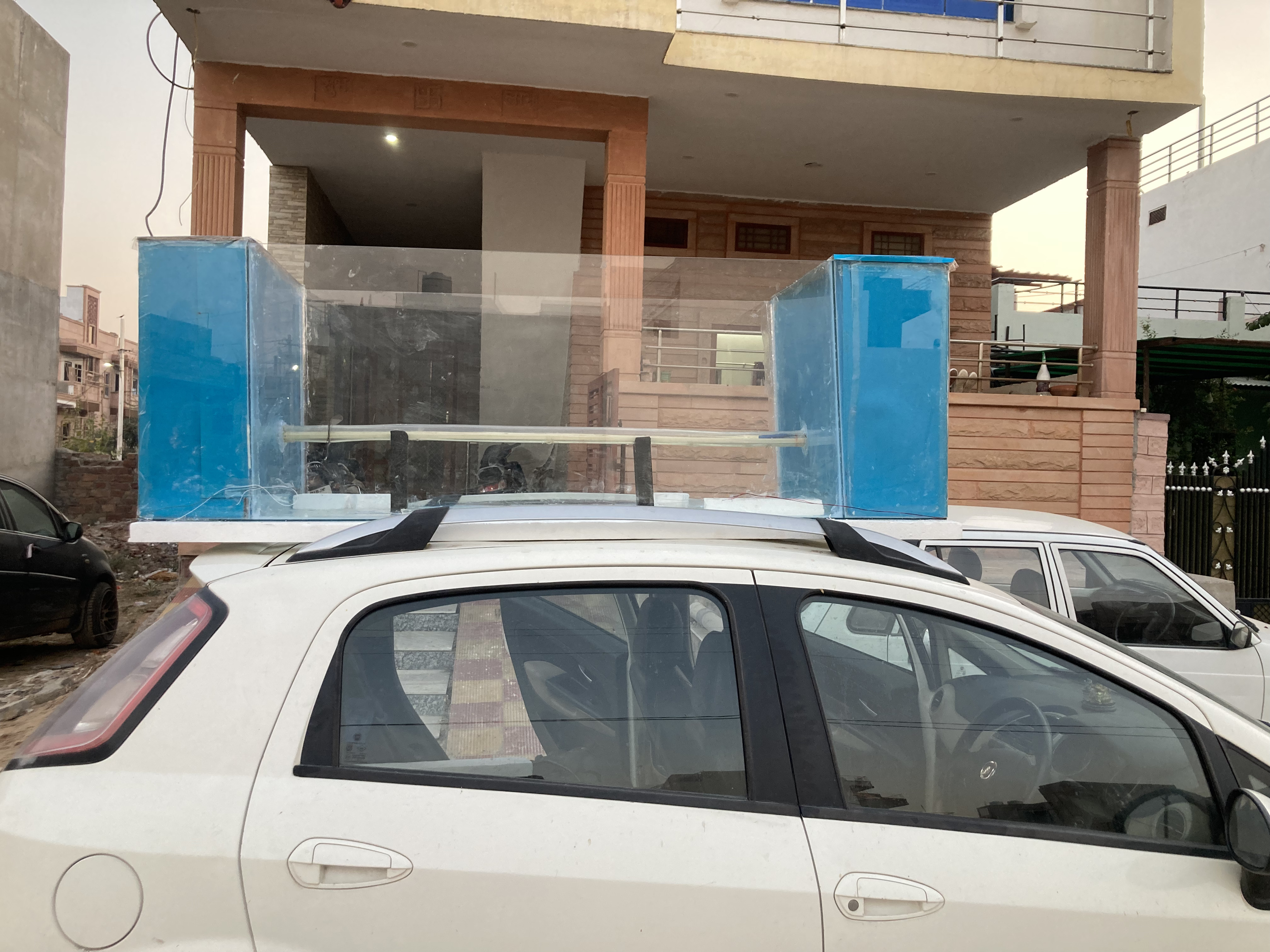
Transporting our second prototype to JIET for Reckon 5.0
-
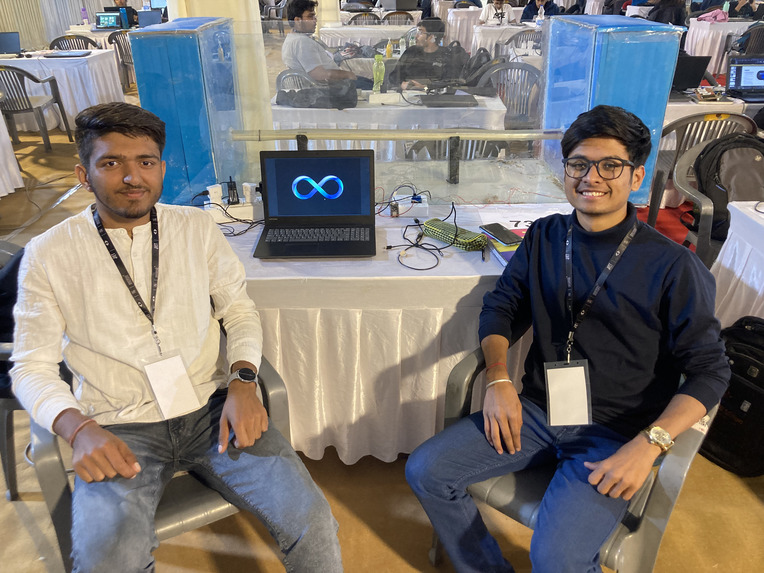
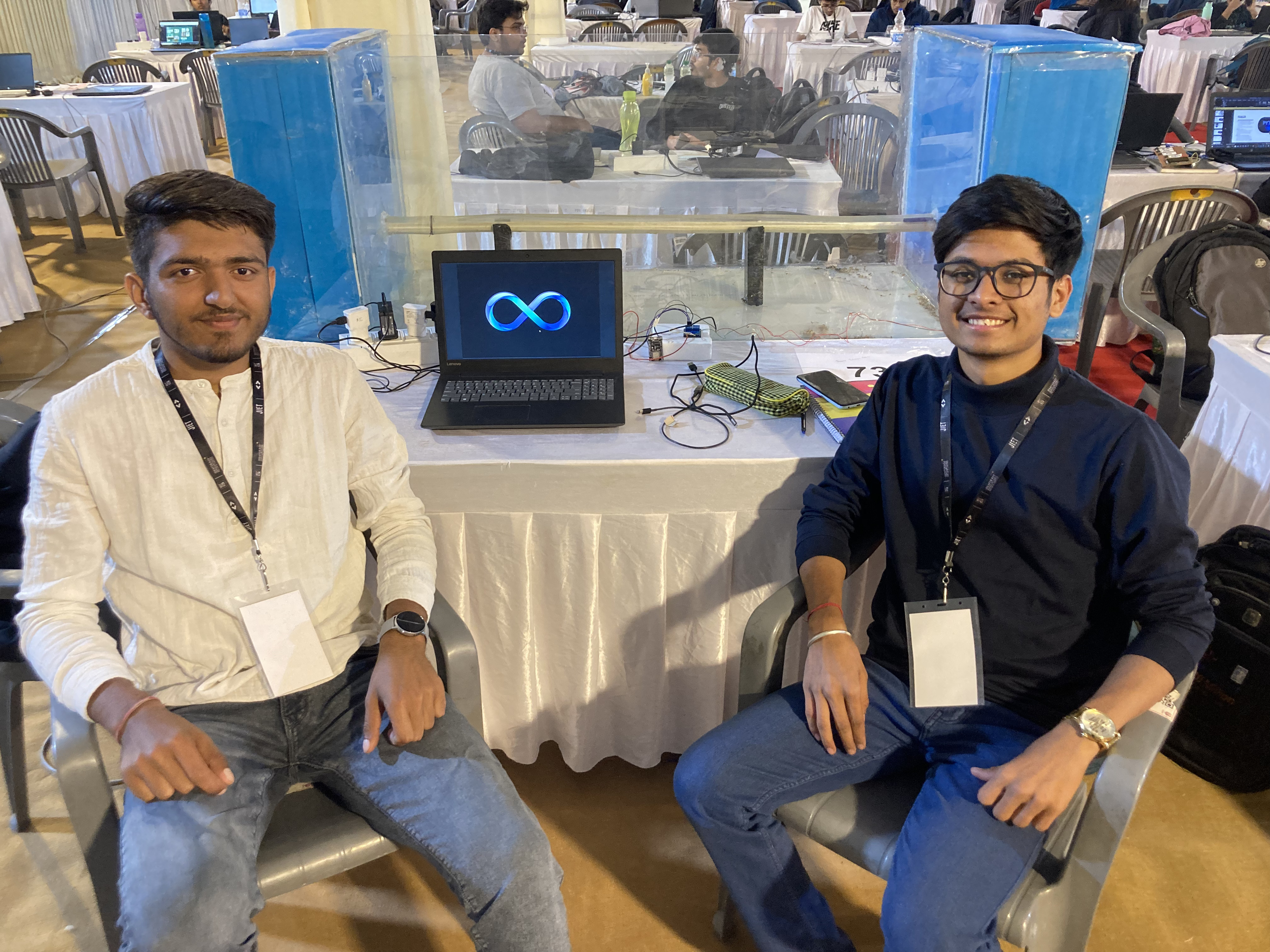
Our second prototype of Underwater Hyperloop in Reckon 5.0
-
-
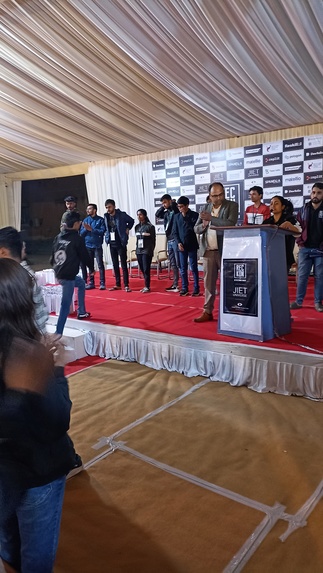
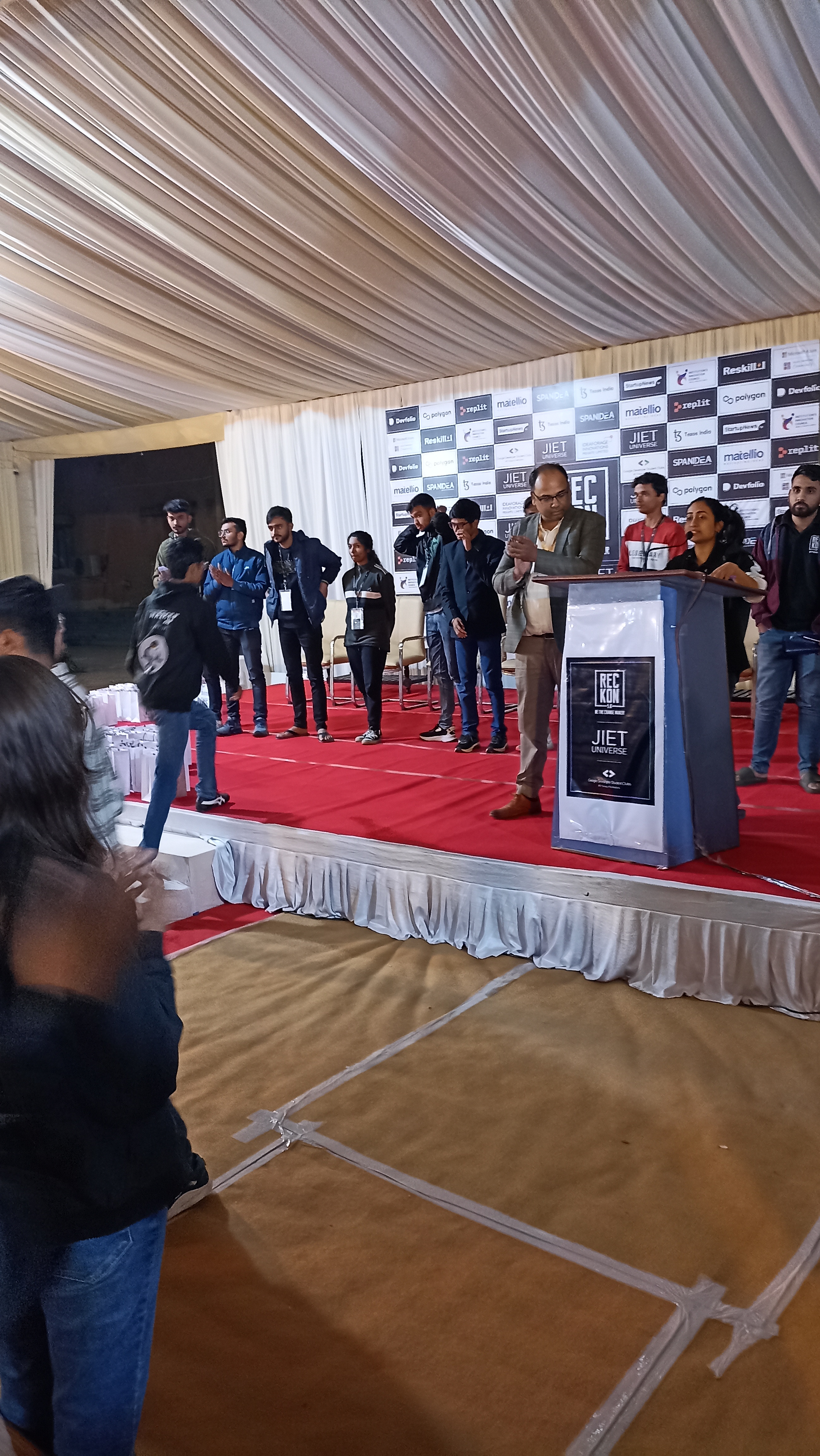
All the top ten teams standing for appreciation (I am in the dark blue blazer next to Sanjay Bhandari Sir)
-
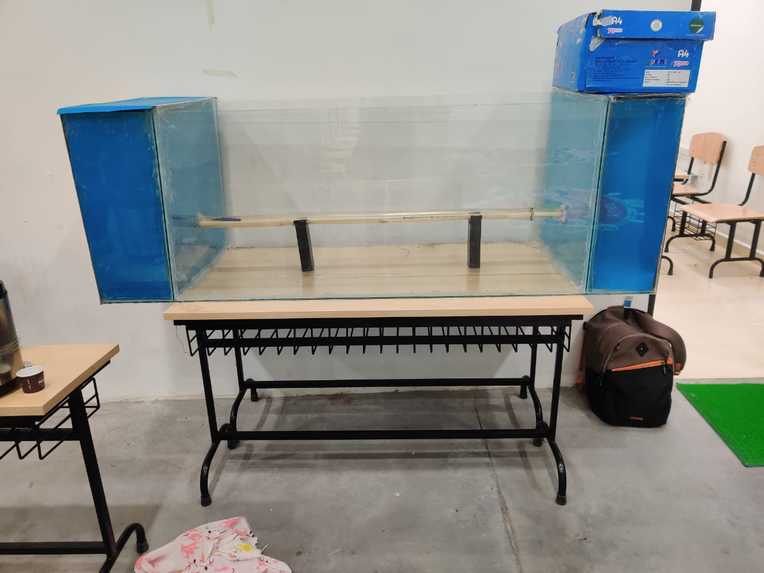
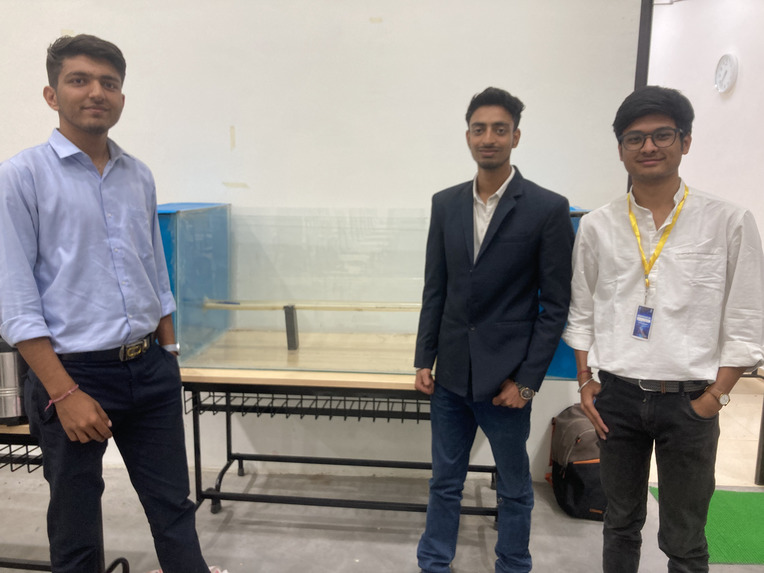
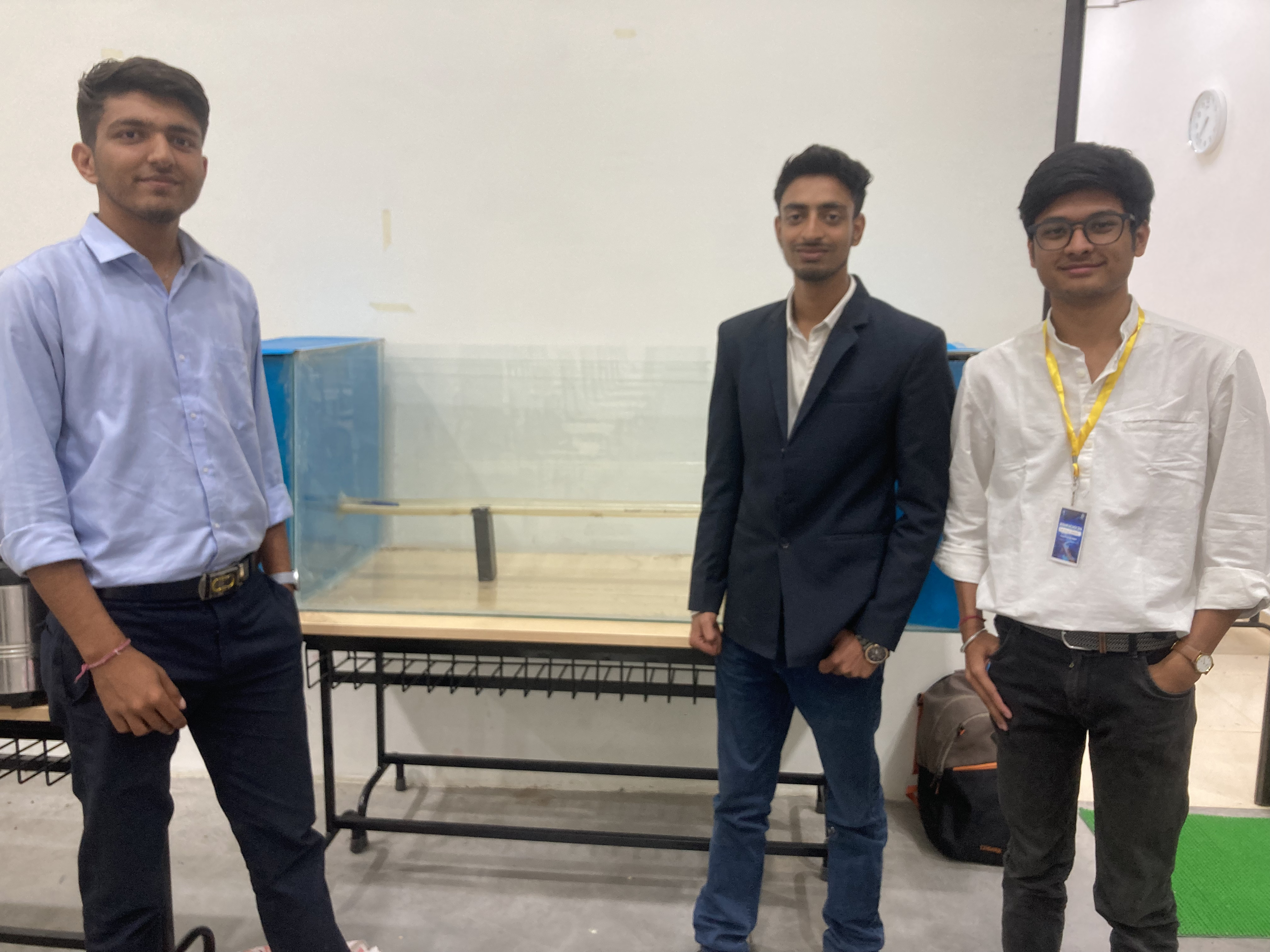
Our model at IIT Jodhpur
-
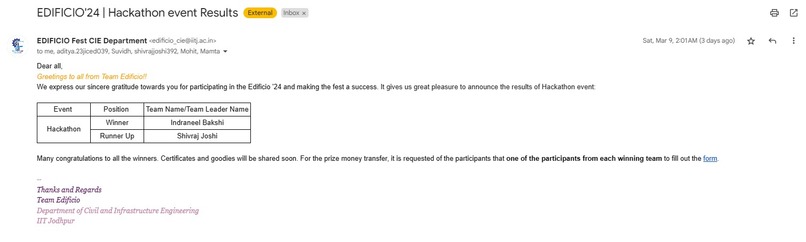
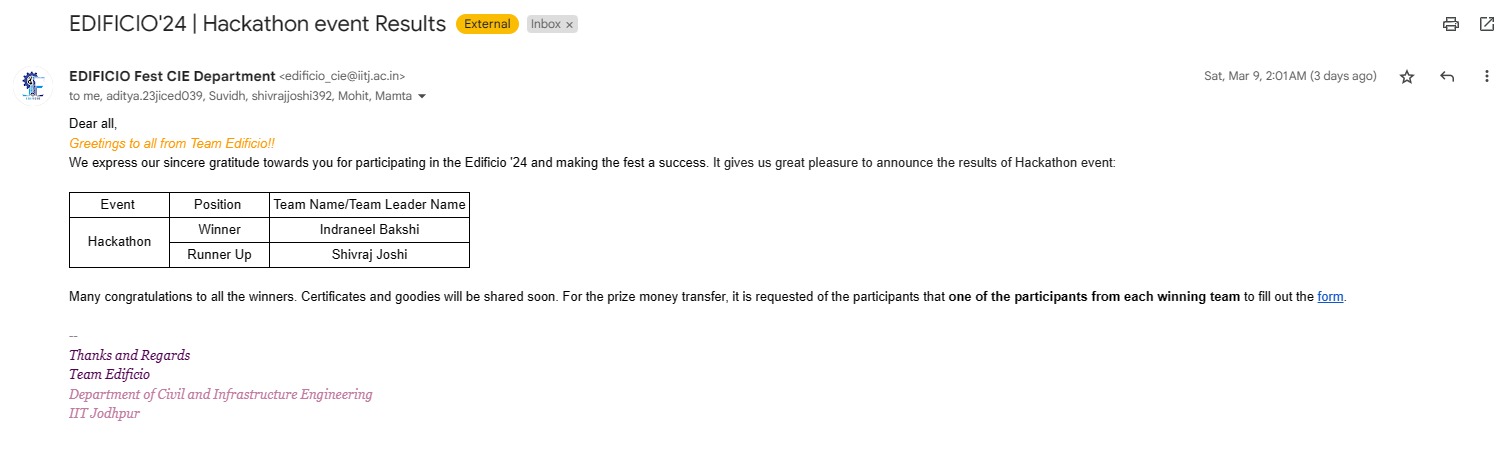
Email of winning at IIT Jodhpur
-

Inspiration
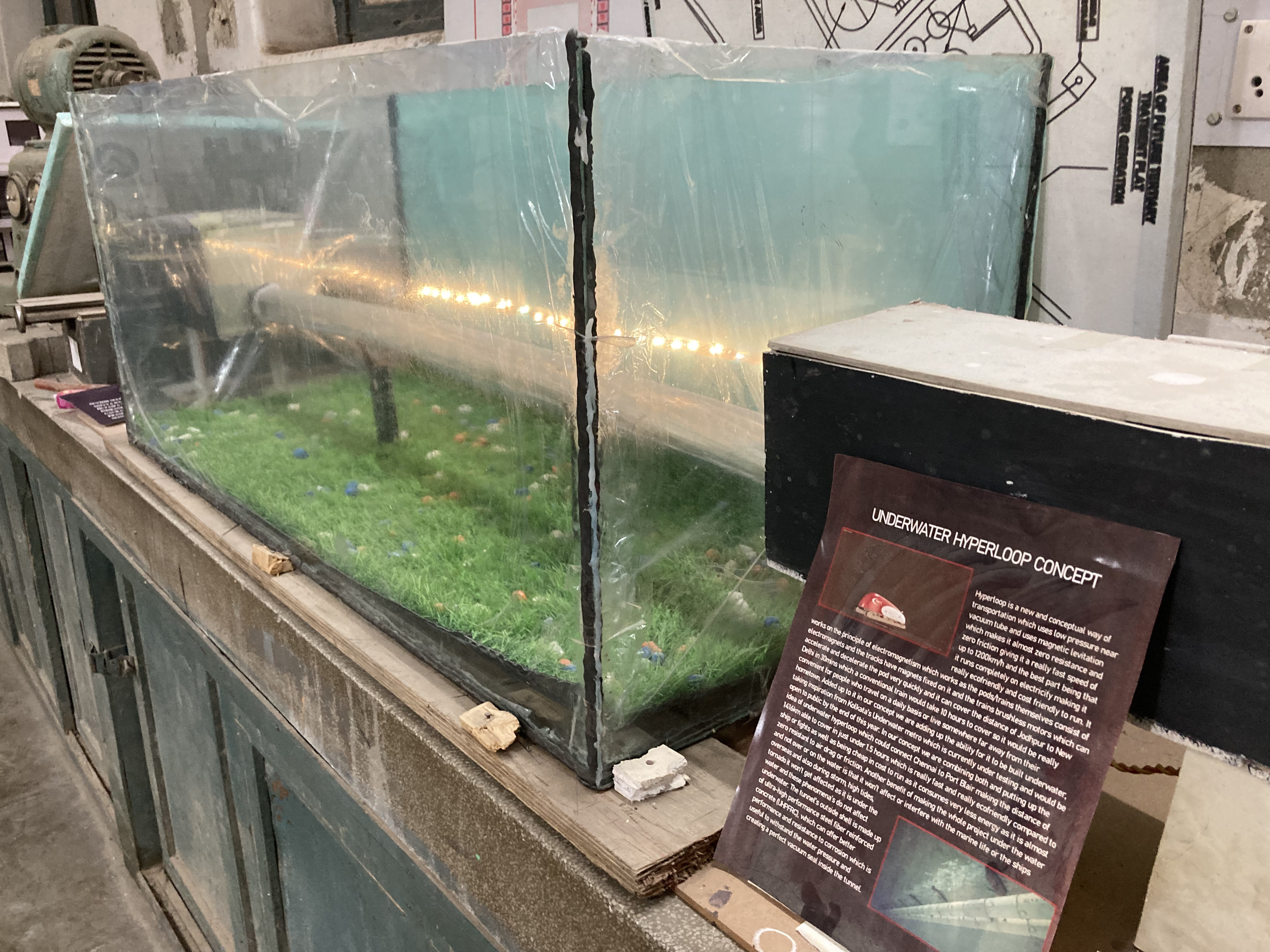
We got the inspiration back in the year 2022 when the testing was going on for hyperloop along side of underwater metro of Kolkata, India. So we decided why not combine both of them as Hyperloop already has such great speed of 1200km/h so lets make it's tunnel underwater and make it travel long journey so that it saves lots of time of people travelling via flights as it would be faster and since it uses electricity to run, that too very less, so it would be environmentally friendly as well so it would be win-win from both side.
What it does
So Hyperloop works on the concept of electromagnetic levitation just like the already working Maglev Trains in Japan and China, in addition to that Hyperloop has a tunnel made for it which when the train leaves the station and enters the tube, it pulls almost complete vacuum which reduces air resistance and due to levitation already the frictional resistance is negligible so it achieves its top speed which is 1200km/h.
How I built it
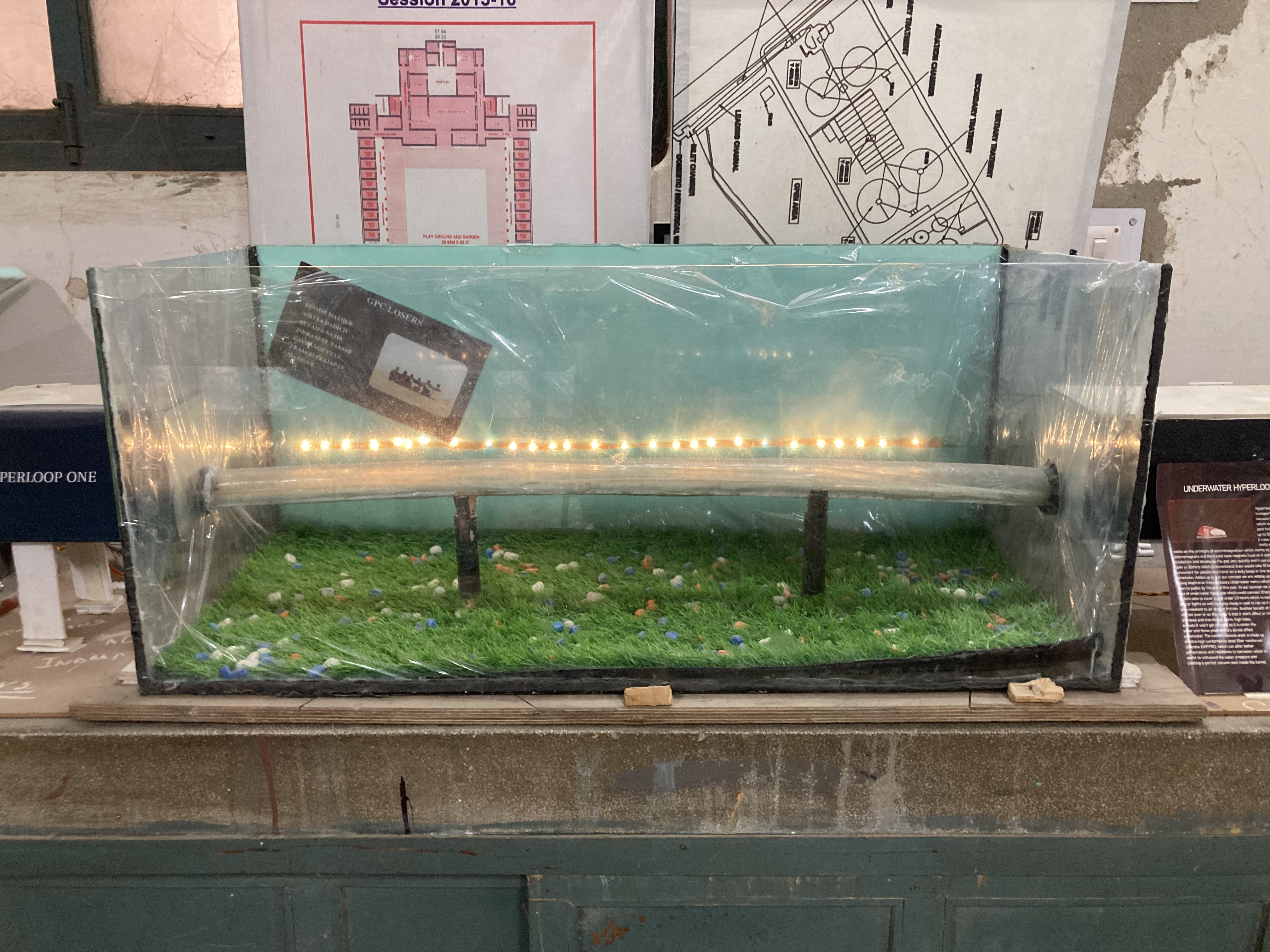
We built a 6 feet long, 2 feet wide, and 2 feet tall, all glass model of this project which weighs around 25kg (without filled with water). For the working we used Electromagnets and Neodymium Magnet we made this work, Basically when we power the electromagnet it attracts the magnet is the poles are unlike and the like poles will repel, so we had to make a track so that when we power the electro magnets the whole track gets electricity and according to the flow of electricity we provide (it works on DC so we can easily change its pole) the Train (neodymium magnet) moves as per the attraction or repultion of the electromagnet and flow of current in the track.
Challenges I ran into
There were a lot of challenges we ran into so many issues, First, it was the working of electromagnets to attract and repel the magnet, and to get the working results we had to try 5 different sorts of custom made electromagnets, first by the combination of different gauge of copper wire, at the end we saw that with 32 gauge non coated copper which provides a good range and strong electromagnetic pull so we used that for both our electromagnets and used that as the track for the levitation of the magnets on the tracks. Secondly, making the whole glass tank watertight, as we bought the pieces of glass separately so we had to join them by hand and we used MSeal, Superglue, and hot glue gun for the first prototype which was holding the water fine, until we filled it over the half way mark the pressure of water was so much that the glass separated from underneath and we had to fix it again with silicon. Learning from our lesson, for our second prototype we used silicon to join the glass and gave it a very clean finish, also in that we connect the electromagnets with a two channel relay and ESP8266 wifi module and using C++ we coded the channels for a basic on and off switch using our phone on the blynk app so we controlled the whole thing using our phone itself.
Accomplishments that I'm proud of
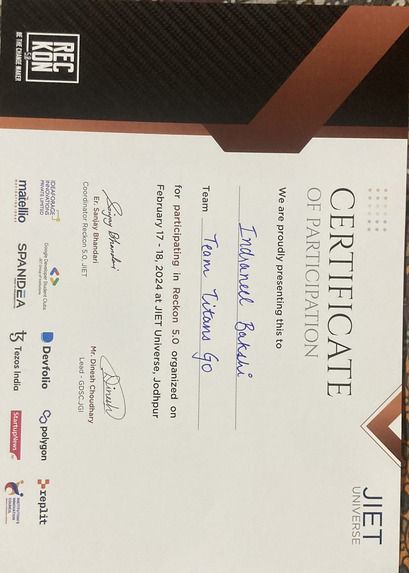
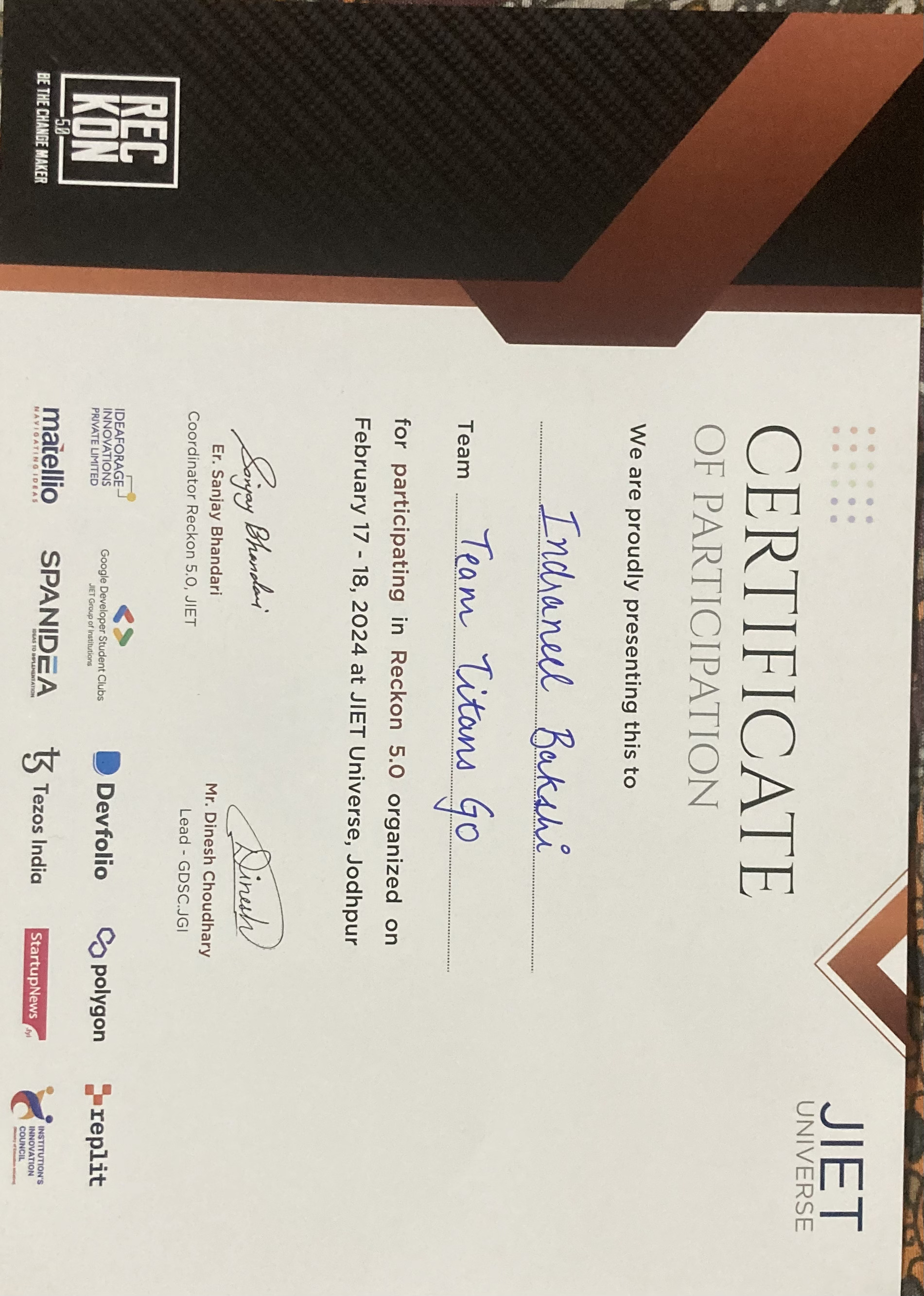
-When we built the first prototype back in 2023, we bagged first position in interbranch competition held at our college while we were doing Diploma in Civil Engineering, from Government Polytechnic College, Jodhpur, Rajasthan, India. -On 17th and 18th Feb, 2024 Jodhpur Institute of Engineering and Technology, Jodhpur, Rajasthan held a 24 hours offline hackathon named Reckon 5.0 and in that we came into the top 10 and the competition was held on national level and there were over 80 teams from all over India. We built and used our second prototype for this and further. -On 3rd March, 2024 Indian Institute of Technology conducted a competition called EDIFICIO'24 which was only for the students of Civil Engineering and in that we bagged first position in the hackathon they conducted.
What I learned
In the year on building and learning, I got in touch with a lot of mentors and people in the field of transportation and electronics and learned how can we scale up the model from 6 feet to 10 or 20 feet and make it levitate with that much weight and how can we build an automated gate for the time when it enters and exits the station and how can we pull the vacuum and bring it back to atmospheric pressure once it comes close to the station keeping it completely automated.
What's next for Underwater Hyperloop Concept
We want to take it to a massive scale, and make another huge model which can actually transport cargo and build it in a way that it can at least achieve 600-700km/h of speed and represent our idea internationally.
Built With
- electromagnitism
- levitation


Log in or sign up for Devpost to join the conversation.