-
-

Cooking Chef logo
-
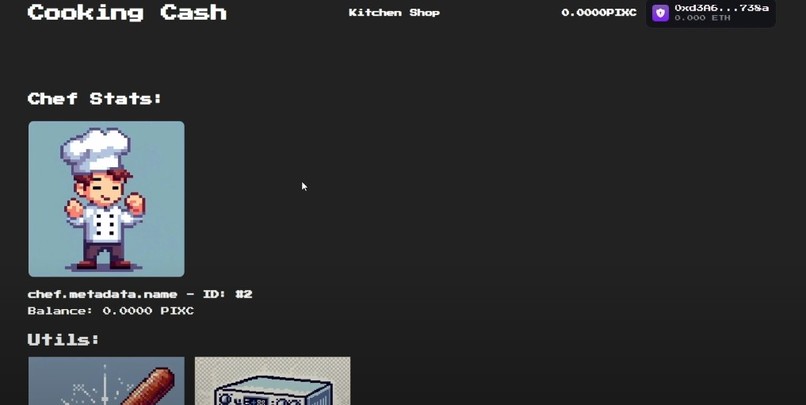
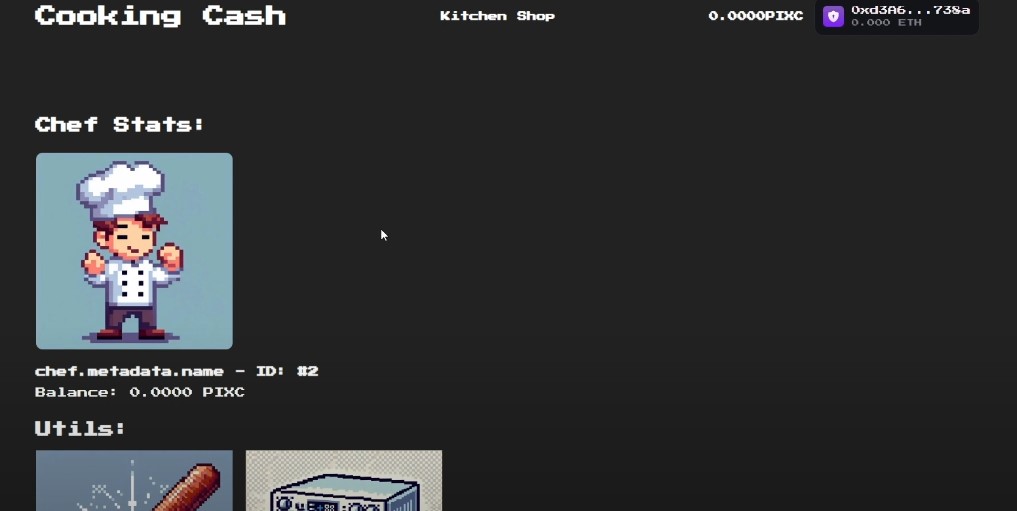
game interface
-
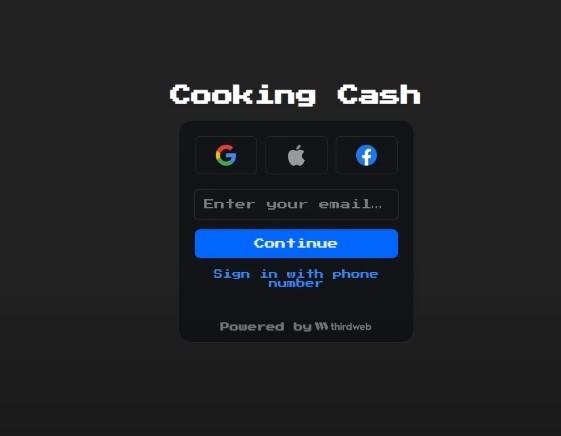
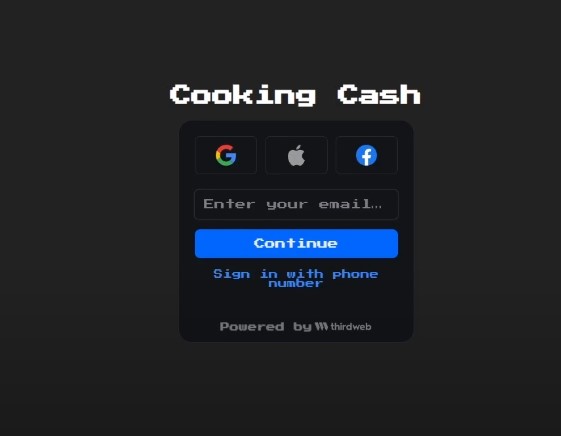
Smart wallet Login
-
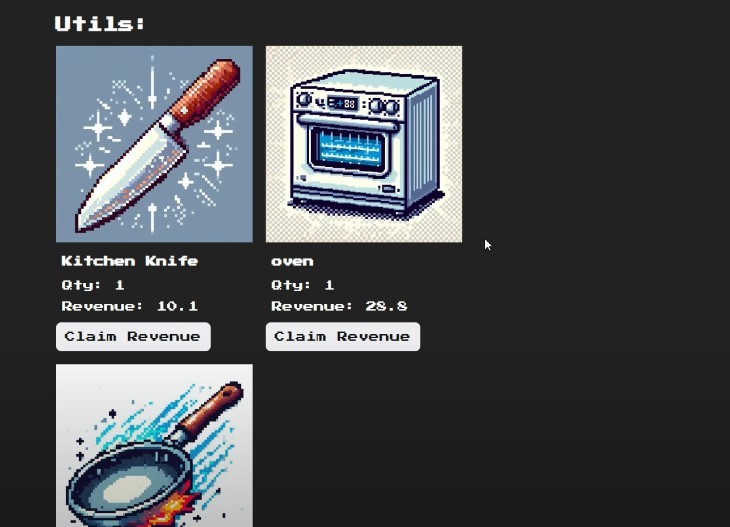
staking nft


Inspiration
In the realm of traditional cooking games, players often find themselves immersed in fun gameplay but lack tangible incentives beyond virtual achievements. Additionally, the transition from Web2 to Web3 can be daunting for many users due to unfamiliarity with blockchain technology and its potential benefits.
What it does
Cooking Crash addresses these challenges by offering a unique gaming experience that combines the thrill of cooking with the power of blockchain. Through Cooking Crash, players not only enjoy engaging gameplay and compete in culinary challenges but also earn real rewards in the form of cryptocurrency. By leveraging blockchain technology, Cooking Crash provides transparency, security, and decentralization, ensuring all players a fair and rewarding experience.
How we built it
Next.js Frontend Development: Cooking Crash's frontend interface is developed using Next.js, a popular React framework for building web applications. Next.js provides a powerful and intuitive development environment, offering features such as server-side rendering, static site generation, and seamless client-side navigation.
ThirdWeb SDK Integration: Within the Next.js frontend, the ThirdWeb SDK is seamlessly integrated to interact with the blockchain network. Through the use of ThirdWeb SDK's APIs and libraries, the frontend communicates with the blockchain to retrieve user data, execute transactions, and interact with smart contracts.
Sepolia Base Testnet Deployment: The Cooking Crash frontend is configured to connect to the Sepolia base testnet blockchain network. This testnet environment allows developers to test and validate the functionality of the game without incurring any actual cryptocurrency transactions or expenses.
Smart Wallet Feature: Next.js frontend incorporates a smart wallet feature, providing users with a user-friendly interface to manage their digital assets directly from the browser. Users can view their cryptocurrency balances, track their NFT collections, and initiate transactions securely within the Cooking Crash frontend.
ERC-721 for User NFTs: Through the Next.js frontend, players can view and interact with their ERC-721 user NFTs, which represent their in-game achievements and progress. The frontend displays these NFTs in a visually appealing manner, allowing users to showcase their accomplishments and share them with others.
ERC-1155 for Utilities NFTs: Similarly, Next.js frontend enables players to explore and utilize their ERC-1155 utility NFTs within the game. Players can browse through their collection of utility NFTs, activate special abilities or bonuses, and enhance their gaming experience with exclusive in-game items.
Staking Contract for Rewards: The frontend interface includes a staking module where players can stake their utility NFTs in exchange for ERC-20 coins. This feature is seamlessly integrated into the Cooking Crash frontend, allowing users to participate in staking activities directly from their browser.
Challenges we ran into
Dependency Complexity: The necessity of the ThirdWeb SDK engine adds complexity to frontend development, potentially leading to compatibility issues with existing frameworks and libraries. This dependency complicates the integration process and may hinder the smooth operation of the frontend.
Smart Wallet Security and Usability: Implementing a smart wallet within the frontend requires robust security measures to safeguard user funds and sensitive information. Balancing security with usability poses a challenge, as the frontend must provide a user-friendly interface while ensuring the protection of assets and private keys.
Smart Contract Interaction: Integrating smart contract functionality into the frontend necessitates efficient interaction with the blockchain network to execute transactions and retrieve data. Real-time updates and responsiveness are crucial for a dynamic user experience, but achieving seamless integration poses technical hurdles.
Accomplishments that we're proud of
Successful Implementation of Game Features: Despite encountering challenges with minting and staking NFTs, the Cooking Crash team successfully implemented a wide array of game features, providing players with an engaging and immersive gaming experience. From cooking challenges to competitions, players can enjoy a diverse range of activities within the game environment.
Functional Interaction with NFTs: Although there were hurdles in minting and staking NFTs as initially planned, the team achieved functional interaction with NFTs within the game. Players can still acquire, trade, and showcase their NFT collections, albeit without the staking functionality initially envisioned. This ensures that players can still enjoy the benefits of blockchain technology, even if certain features are temporarily unavailable.
What we learned
Technical Challenges: Our journey in developing Cooking Crash has taught us valuable lessons about the complexities of integrating blockchain technology into a gaming platform. We've encountered technical challenges, particularly with the minting and staking of NFTs, which have deepened our understanding of smart contract development and blockchain interactions.
User Experience: Throughout the development process, we've gained insights into the importance of user experience in blockchain gaming. While we've successfully implemented various game features, we've learned that seamless integration and intuitive interfaces are essential for maximizing player engagement and retention.
What's next for Cooking Cash
Resolve Minting and Staking Issues, Enhance User Experience, Expand Feature Set and Community Growth
Built With
- api
- base
- erc1155
- erc20
- erc721
- nextjs
- smartwallet
- solidity
- thirdweb


Log in or sign up for Devpost to join the conversation.