-
-
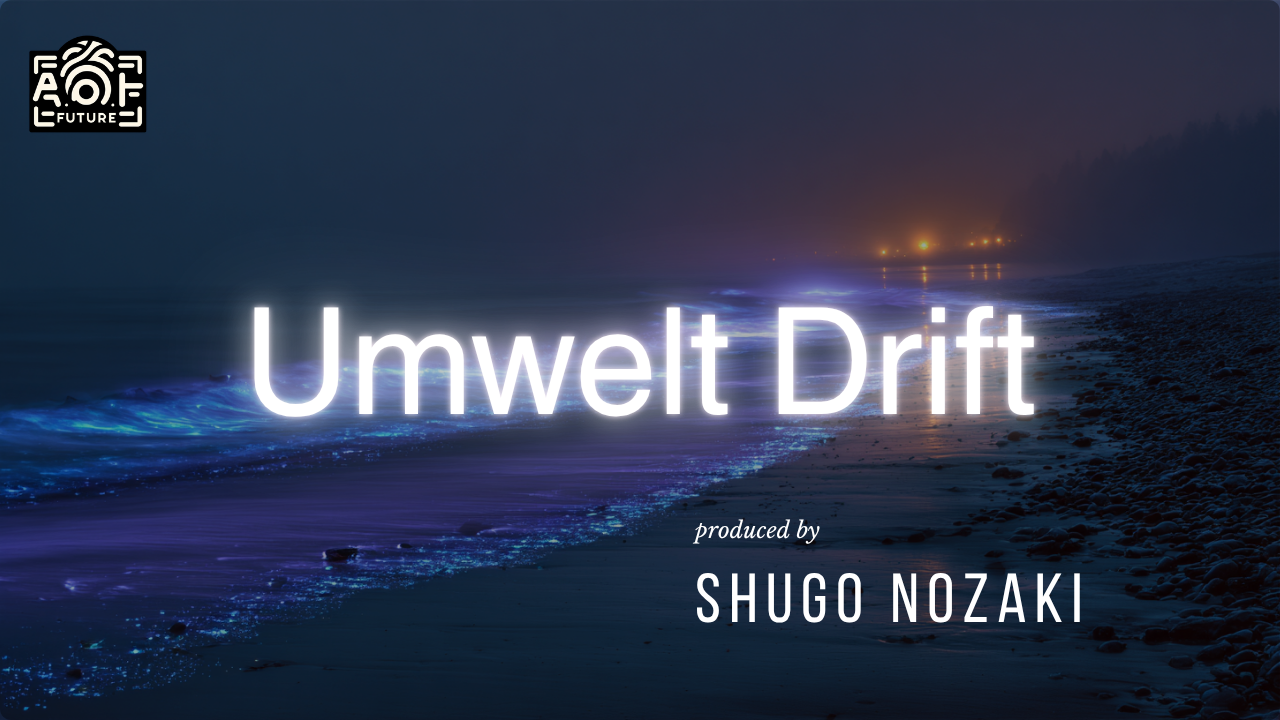
Umwelt Drift
-
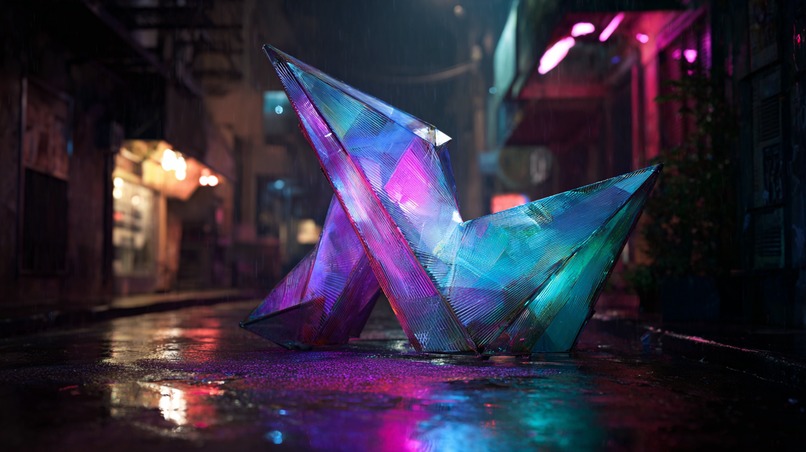
Drift stone
-
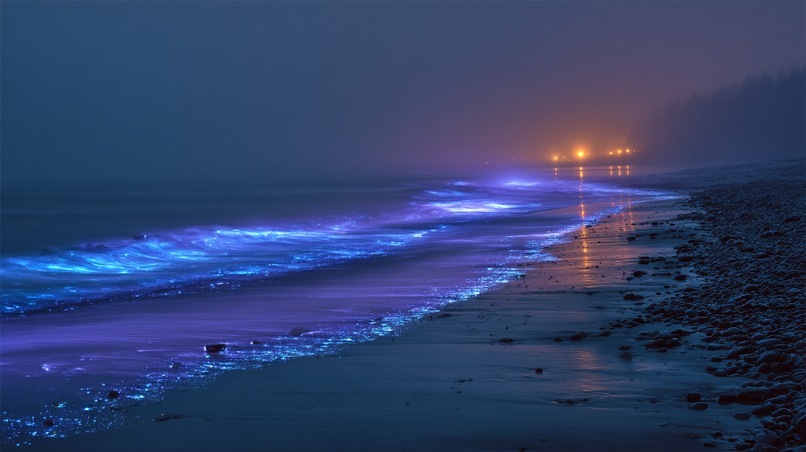
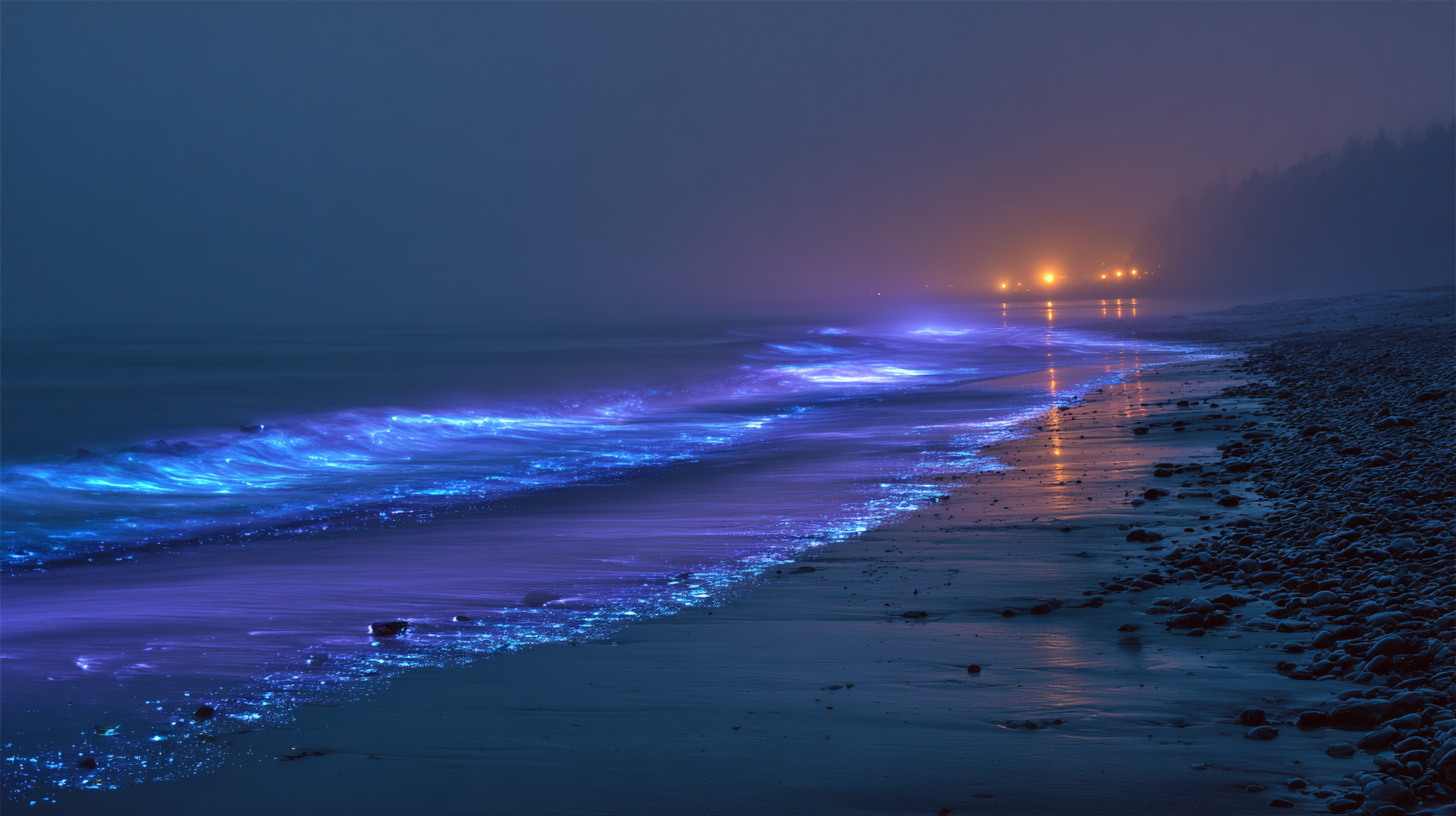
Umwelt sea
-
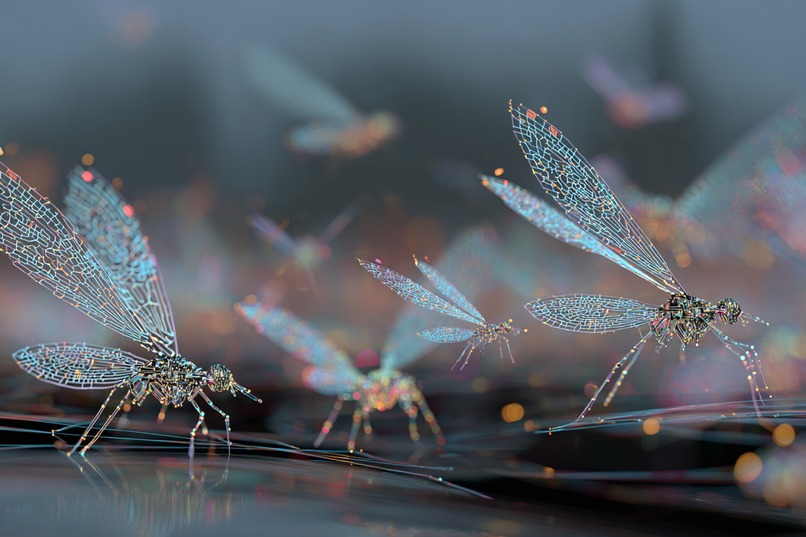
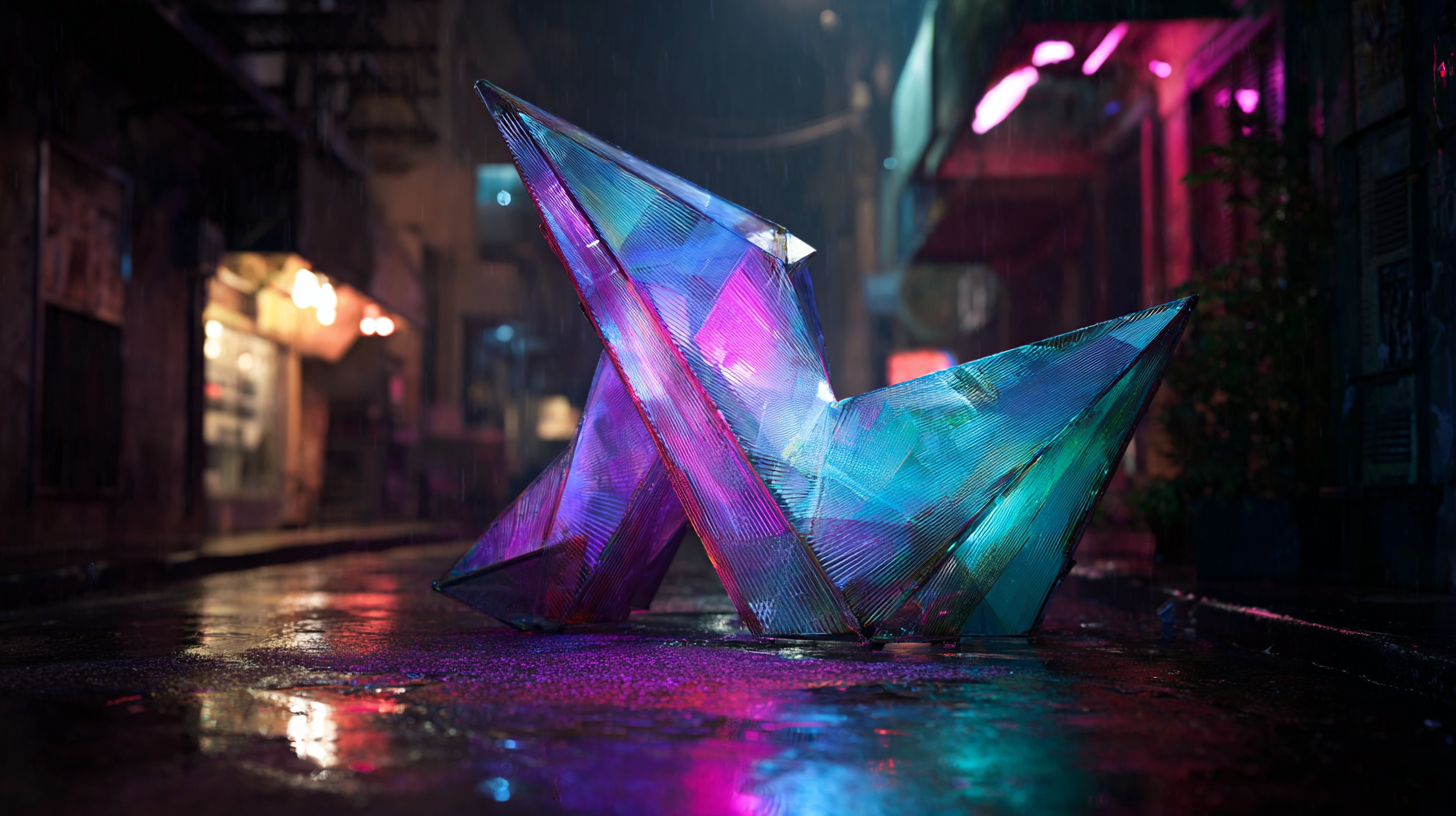
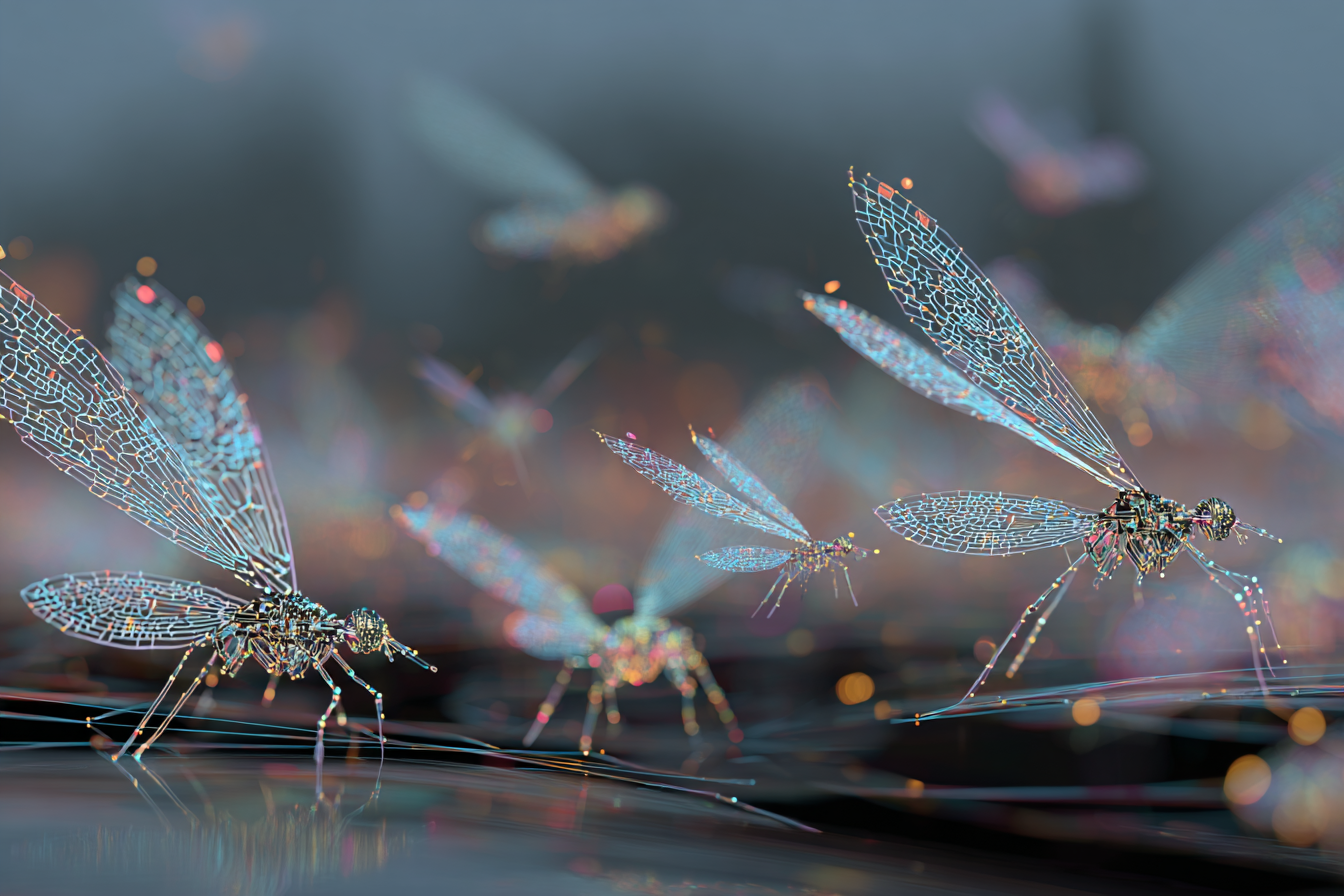
glass Insects
-
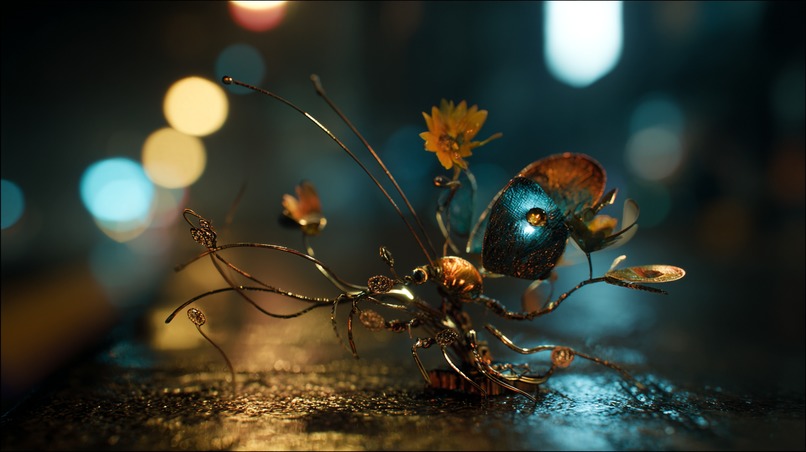
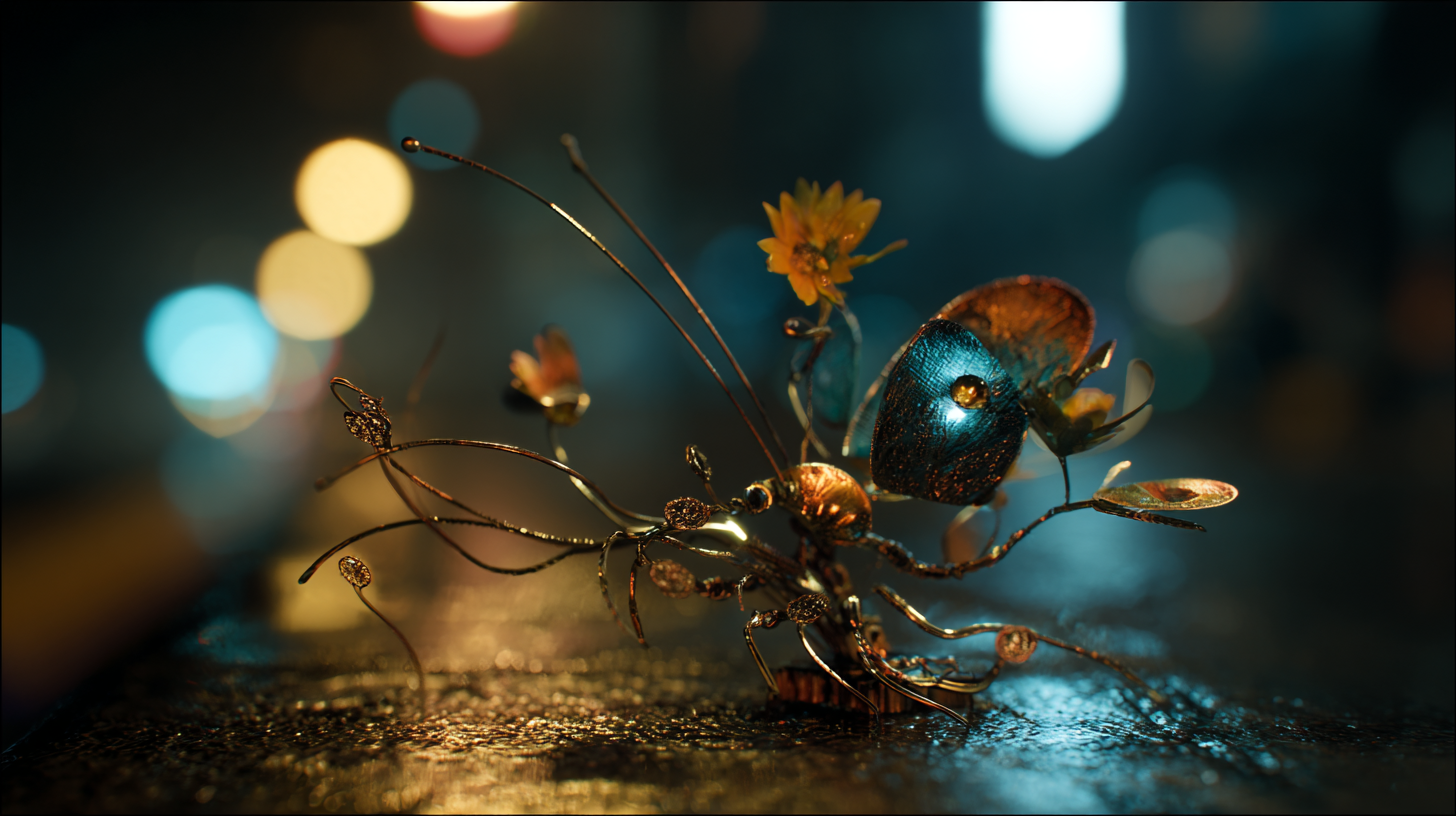
metal insects
-
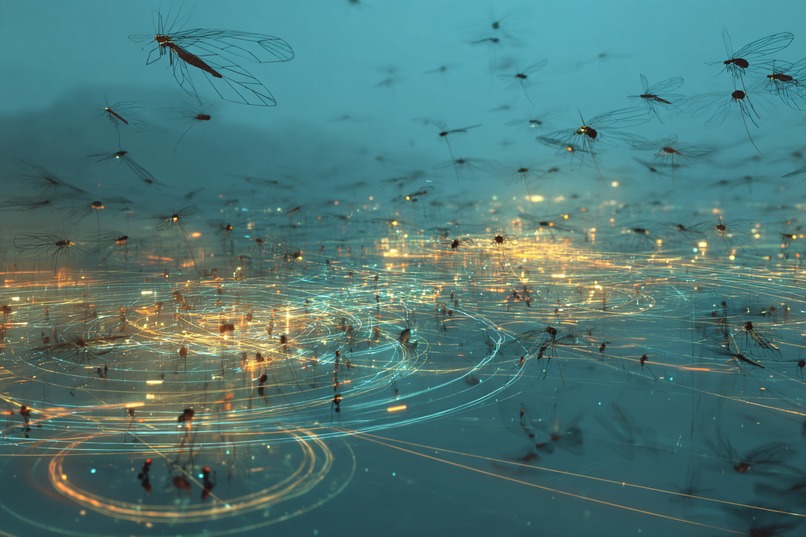
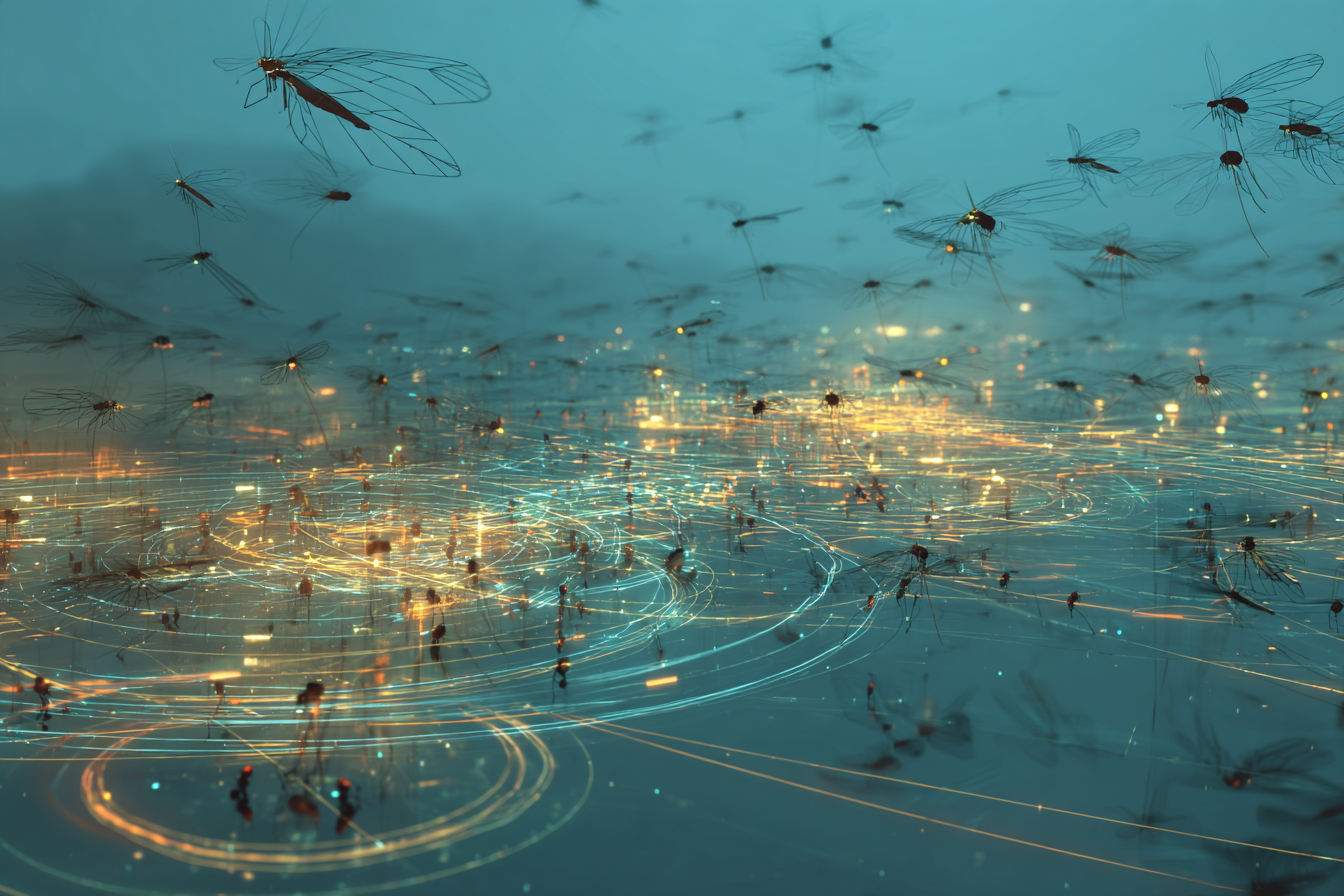
metal swarms
Inspiration
I attended ELIM's workshop at AI Festival 2025, where submissions were framed not only as competition but as structured feedback loops—pressure as creative fuel. With the Odyssey deadline one week away, I set myself a challenge: could I translate Jakob von Uexküll's idea of Umwelt (an organism’s subjective perceptual world) into a 21st-century audiovisual experience using AI?
Three catalysts converged:
- Recent learning (lyric workshops, DJ Sodeyama on sound precision)
- A severe insect phobia requiring non-biological representations
- A question: how to show a dragonfly’s data-driven vision without human bias?
The deadline became a forcing function—7 days to test a hypothesis.
What it does
Umwelt Drift is a 3:30 glitch-metal liquid drum’n’bass piece exploring non-human perception through three interwoven layers.
The Umwelt concept is one lens I’m using—not the only one—and this work sits within a broader interest in “in-between” sensory spaces where boundaries blur.
Layer 1: Musical Umwelt
- Liquid DnB engineered for a floating, unstable sensory state
- Minimal lyrics with onomatopoeia to bypass linguistic framing
- Intentional one-beat offsets to create perceptual drift
Layer 2: Visual Sensor Fields — rendered in a post-real realism style
- Organisms appear as metallic/glass entities (phobia workaround + conceptual fit)
- Sensory inputs visualized as data-like fields:
- Dragonfly: Chromatic aberration overlays simulating compound vision
- Reed plants: Oscillating wireframes showing wind mechanoreceptors
- Duck family: Thermal halo maps visualizing infrared perception
- Mycelium: Chemical gradient meshes representing underground signaling
- Dragonfly: Chromatic aberration overlays simulating compound vision
Layer 3: History as Environmental Data
- The 1441 Kakitsu Incident appears not as human drama but as one ripple in ongoing natural flows
- Choreographed, non-gory combat rendered as ritual rather than spectacle
- Violence treated as neural cascade rather than narrative climax
Core question: What if the same moment—a banquet, a pond, a political killing—were perceived simultaneously through a dragonfly’s eyes, reed sensors, and mycelium networks? What would that say about the relativity of “reality”?
How I built it
Timeline: 7 days (Nov 10–17, 2025)
Phase 1: Musical Foundation (Day 1–2)
- Tool: Suno Studio with my custom prompt generator
- Chose Liquid DnB to avoid bass-perfectionism sinkholes
- Built structure + onomatopoeia-heavy Japanese lyrics
- Exported stems → Ableton for rough mastering
Phase 2: Conceptual Wrestling — The Umwelt Problem (Day 2–3)
Uexküll distinguishes:
- Merkwelt: The sensory world
- Wirkwelt: The world of possible actions
How do you visualize a being that senses gradients, polarization, pressure—but not “objects”?
Early attempts failed:
- Midjourney: too human-centered, too aesthetic
- Issue: AI models inherit anthropocentric photographic bias
Breakthrough:
- Treat inputs as raw data streams, not “images”
- Metallic/glass aesthetics became a translation layer
- Also solved phobia: machines, not bugs
Frequent prompt refinements: dragonfly POV: faceted chromatic aberration –chaos 40 –style raw → too abstract → added “metallic wireframe overlay, false-color UV spectrum” → lighting mismatch → final: “sensor readout HUD, glitch scan-lines, copper iridescence”
KATHMI’s advice led to switching to nano-banana + Veo3.1 for kinetic signal propagation.
Phase 3: Historical Integration (Day 4–5)
- Found Kakitsu Incident ideal for exploring scale + perception
- Rendered warriors as metallic to align with the aesthetic
- Staged combat as ritual, observed from distant organism POVs
If you’re a dragonfly, a political assassination is just another vibration in the pond.
Phase 4: Editing (Day 6–7)
- Tool: Final Cut Pro
- Relied on Claude for rapid, targeted help
- Discovered FCP’s compound clip + LUT workflow → unified metallic grading
Final stats:
- 100+ Midjourney generations
- Numerous video iterations (nano-banana/Veo)
- 89 final cuts
- Tokens: substantial, but part of R&D
Challenges we ran into
1. Philosophical-to-Visual Translation
Umwelt is phenomenological. A tick doesn’t perceive “darkness”; it perceives butyric acid gradients.
Failures:
- Pure abstraction (viewers got lost)
- Literal simulation (scientifically shallow)
Solution: Hybrid language: sci-fi HUDs, thermal palettes, glitch cues as subtitles for alien sensing.
2. AI Anthropocentrism
Models prefer centered composition and familiar focal logic.
Workaround: “no centered composition, no narrative focus, sensor readout, data visualization”
3. Time Constraint vs Perfectionism
Seven days forced decisions: embrace happy accidents, prioritize coherence over accuracy.
4. Phobia as Constraint
Metallic aesthetic enabled intellectual engagement without visceral discomfort.
Accomplishments I'm proud of
- Compressing 100+ years of philosophy into 3:30
- A genre blend nobody predicted
- Turning a limitation into a signature aesthetic
- Building an AI pipeline under intense constraints
- Depicting historical violence without exploiting it
What I learned
1. Umwelt as Creative Framework
Forces reevaluation of composition, time, and sensory assumptions.
Prompts become sensor configuration specs, not scene descriptions.
2. Token Waste = R&D
Like film stock—expensive but necessary.
3. Just-in-time Learning
Precision beats mastery when time is scarce.
4. Constraints Become Features
Phobia → metallic aesthetic
Onomatopoeia → universal accessibility
Seven days → ruthless prioritization
Closing perspective
Umwelt Drift is one perspective within a larger, ongoing exploration of perception.
I’m interested in the spaces between worlds—the blurred borders, the layered realities, the non-human ways of sensing that AI helps us translate.
If these directions resonate with you, I’d be grateful if you follow the project as it evolves.
What's next
Short-term (3–6 months): Foundation Building
- Gather feedback from contests + small showcases
- Tune “sensory translation” language based on responses
- Improve infrastructure (local GPU, streamlined Suno → Ableton → FCP pipeline)
- Develop v2 of my prompt generator with organism-PoV presets
Medium-term (6–12 months): Autonomous Practice
- Multi-channel installation prototypes
- Educational POV visualization modules
- Collaboration with creators studying non-human phenomenology
Long-term (1–2 years): Beyond Umwelt
Umwelt is one lens—future works will explore broader in-between spaces where signals overlap, boundaries blur, and perception becomes layered.
Themes under consideration:
- Temporal phenomenology
- Scale invariance
- And others that will emerge organically through experiments and critique
Success metric: When others can use my workflows to explore their own perceptual questions.
Current identity: Content Syncretist
Current focus: Skills + infrastructure before exposure
Current question: How do we make the invisible perceptible?
Built With
- flux
- klingai
- midjourney
- nano-banana
- suno


Log in or sign up for Devpost to join the conversation.