-
-
Ultron.jpeg
-
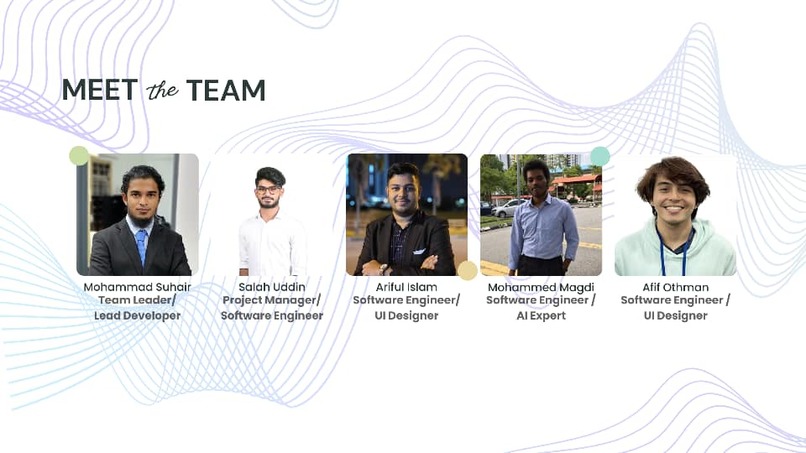
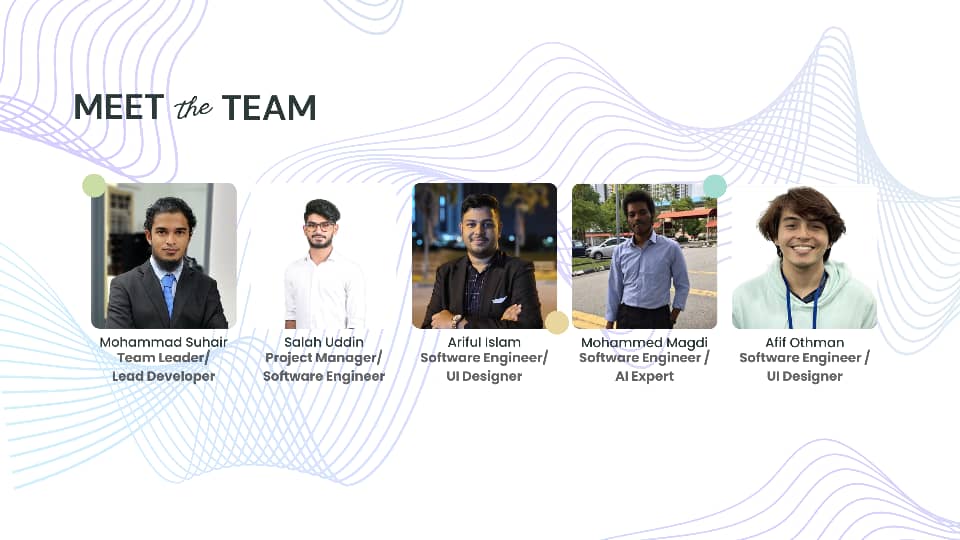
Team Ultron
Inspiration
Our inspiration for Ultron stemmed from a shared passion for both culinary exploration and the possibilities offered by cutting-edge AI technology. We wanted to create a platform that would seamlessly merge these two worlds, offering users a novel way to discover and customize recipes based on their ingredients.
What it does
Ultron is a web-based recipe generator that empowers users to upload images of ingredients, either via their device's camera or by selecting existing images. Leveraging Google's LLM "Gemini" API, Ultron analyzes these images to generate potential recipes. The output includes the dish name, ingredients, cooking instructions, nutritional facts, and meal size. What sets Ultron apart is its dynamic recipe customization feature, allowing users to add or remove ingredients and witness real-time adjustments to the recipe.
How we built it
Ultron was meticulously crafted using HTML, CSS, and JavaScript for the frontend, ensuring a sleek and intuitive user interface. On the backend, we utilized Node.js to handle server-side logic and facilitate communication with the Google LLM "Gemini" API. Through this integration, Ultron can process user-uploaded images, extract relevant ingredient information, and generate personalized recipes on the fly.
Challenges we ran into
One of the primary challenges we faced was effectively integrating the Google LLM "Gemini" API into our project. Understanding its documentation and configuring it to analyze images accurately demanded thorough testing and troubleshooting.
Additionally, ensuring seamless communication between the frontend and backend posed its own set of challenges. We had to implement robust data transfer mechanisms to transmit user-uploaded images from the frontend to the backend securely and efficiently.
Accomplishments that we're proud of
We take pride in successfully developing Ultron, a web-based recipe generator that harnesses the power of AI to inspire culinary creativity. Overcoming technical hurdles and intricacies of API integration, we delivered a polished product that showcases the potential of AI in the culinary domain.
Moreover, our team's collaborative effort and synergy throughout the hackathon were commendable. By leveraging each member's expertise, we navigated challenges effectively and delivered a product that exceeded our initial expectations.
What we learned
The development of Ultron provided us with invaluable insights into AI technologies and their applications in real-world scenarios. Working with the Google LLM "Gemini" API deepened our understanding of AI-driven image analysis and its potential in recipe generation.
Furthermore, we honed our frontend and backend development skills, mastering the intricacies of Node.js and refining our ability to create seamless user experiences through HTML, CSS, and JavaScript.
What's next for Ultron
Looking ahead, we envision several avenues for enhancing Ultron's functionality and user experience. We plan to explore advanced AI models to further improve the accuracy and diversity of generated recipes. Additionally, incorporating user feedback will be crucial in refining Ultron's features and interface.
Furthermore, we aim to explore opportunities for collaboration with food-related businesses and organizations to integrate Ultron into existing platforms, expanding its reach and impact. Ultimately, our goal is to continue pushing the boundaries of culinary innovation, leveraging AI to inspire and empower users in their culinary endeavors.


Log in or sign up for Devpost to join the conversation.