-
-
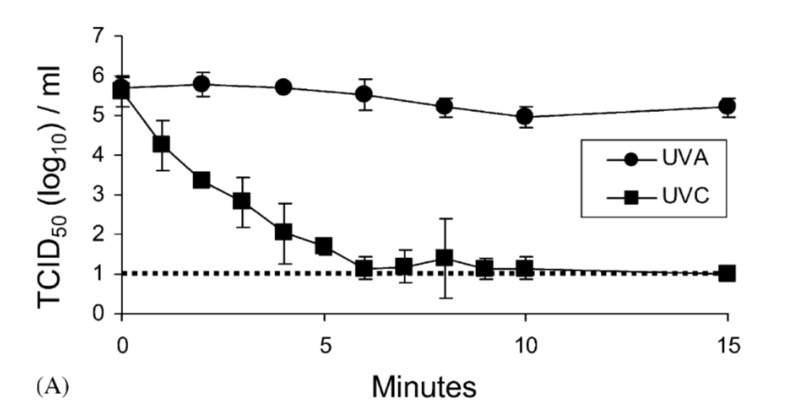
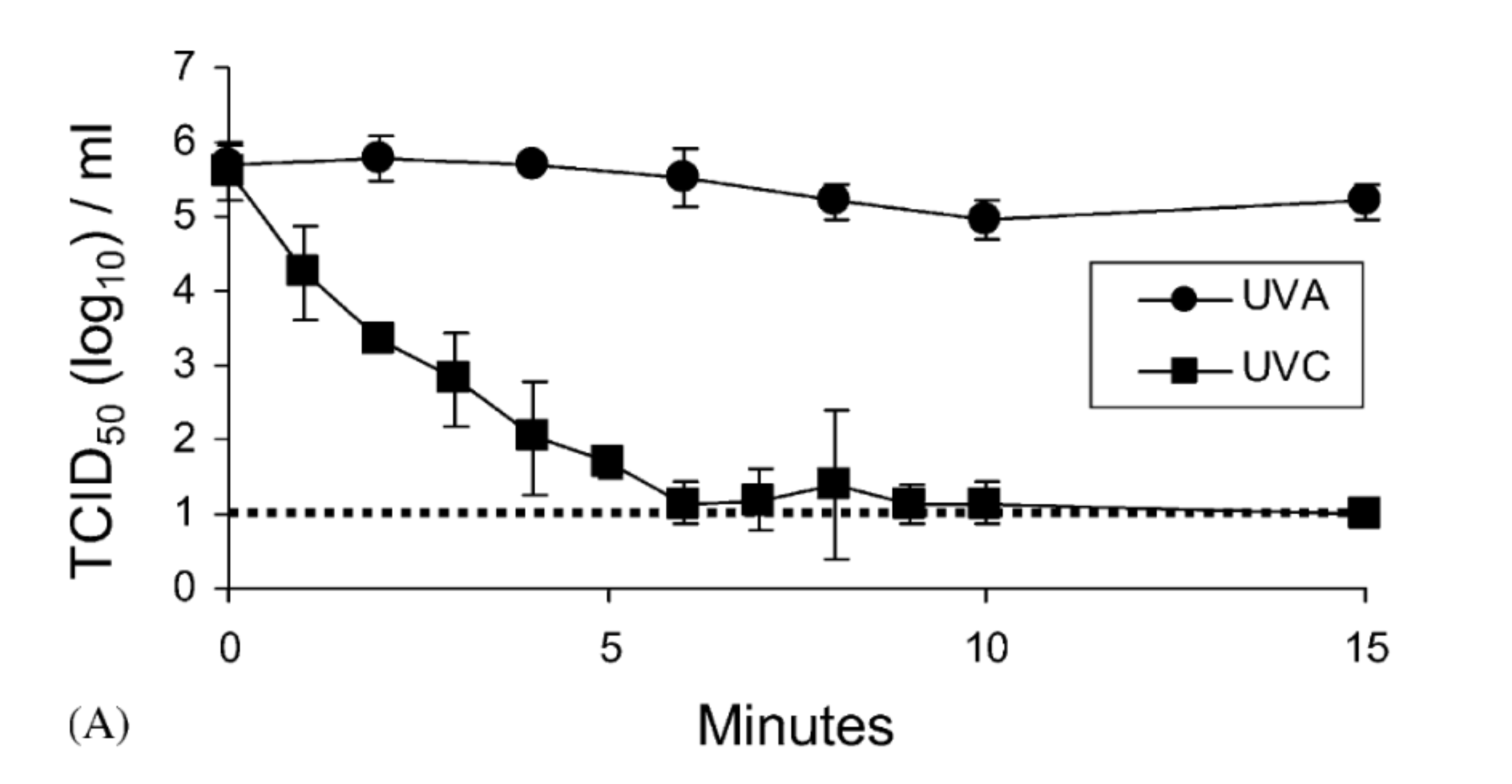
Image A: Virus becomes undetectable after 10 minutes of irradiation with a simple UV-C light-based radiation.
-
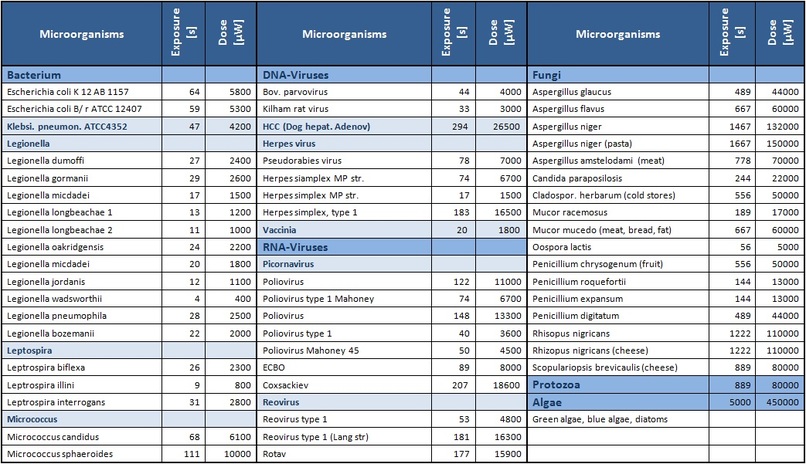
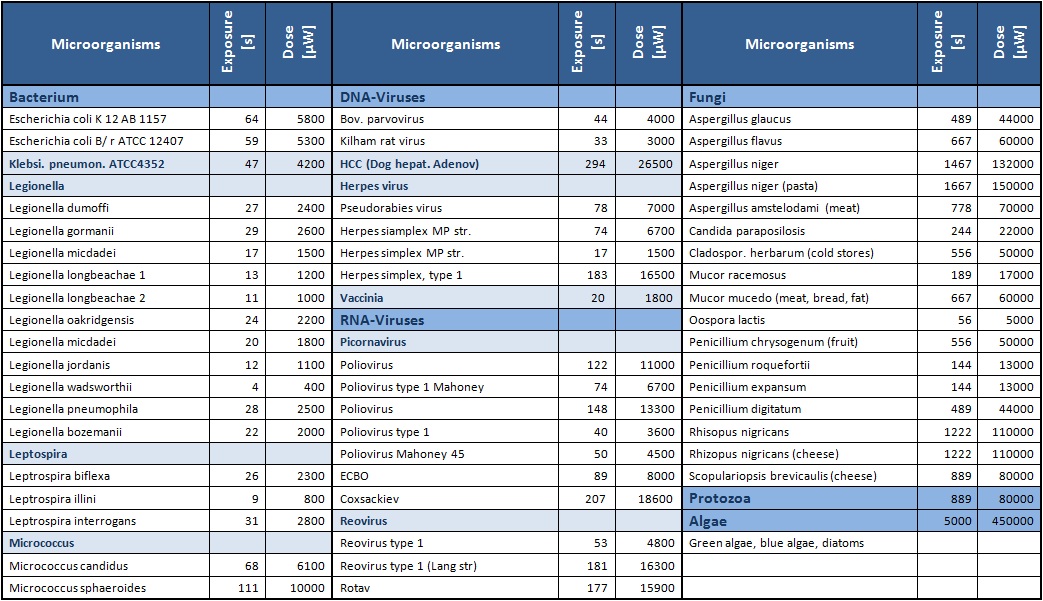
Image B: UV-C kills vast array of microorganisms.
-
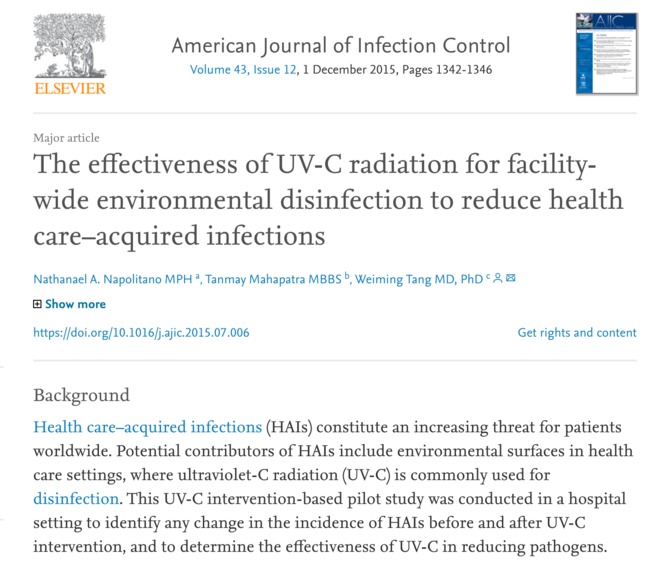
Image C: UV-C is a cheap and effective health care intervention.

Inspiration
The COVID-19 pandemic has increased the need for chemical-based disinfectants, which are already in low supply in many countries. Frequent chemical sterilization of surfaces requires an engaged workforce, recurrent purchases of chemical agents, and thorough work. While this makes sense in the clinical settings, the general public (schools, public transport, small stores, office spaces) can not be expected to cover expenses for frequent chemical disinfection. Apart from resources for the production of chemical disinfectants, they must be stored in plastic containers and transported to end users, increasing the pressure on already broken supply chains and increasing environmental footprint. COVID-19 is suspected to linger in the air for a while and spread by ventilation. In laboratory conditions at a fairly consistent 21 to 23 degrees Celsius, and 65 percent humidity, which simulate average indoor conditions, the virus survives a long time on different surfaces. Dropped onto plastic, the two virus strains appear to be able to stay intact for up to three days. Similarly, on cardboard, no viable SARS-CoV-2 particles could be found after 24 hours. Stainless steel was almost as bad, with a half-life for SARS-CoV-2 of 5.6 hours. This means that inanimate objects pose a measurable risk of infection with COVIC-19. A clear and scientific solution in the form of UV-C lights exists to counter this threat.
What it does
UV-C light bulbs offer a clear and proven path to physical sterilization of surfaces and the air. The approach is not new. It has been widely used in food processing, and in research and clinical settings. It makes sense to offer an easy UV-C light-based solution for disinfection of public and semi-public spaces
According to a known UV-C light bulb manufacturer, these systems have several advantages over their counterparts:
- UV-C radiation has been proven to be effective against waterborne pathogenic microorganisms including those responsible for cholera, hepatitis, polio, typhoid, giardia, cryptosporidium and many other bacterial, viral and parasitic diseases
- UV-C installations have low capital and operation cost
- UV-C technology is environmentally friendly
- UV-C installations are easy to operate and to maintain
- UV-C radiation has no harmful effect when overdosed
- UV-C disinfection is a physical process: no substances are added to the water
UV-C disinfection against Coronaviruses
Image A: Effectivenes of UV-C raditation on Coronaviruses in water suspension Darnella et al. 2004. The graph shows virus detection. The virus becomes virtually undetectable after 10 minutes of irradiation with a simple UV-C light-based radiation. Viral inactivation and the ability to infect a person likely happen much earlier before the detection limit is reached. That means that even in the worst-case scenario, the UV-C exposure does not need to be longer than 10 minutes. This makes the UV-C radiation perfect for all indoor spaces and even ventilation. What’s more, UV-C radiation kills many other viruses and bacteria as seen on the image B (source: nexa.eu).
Use cases of UV-C based disinfection include schools, hospitals, public transportation systems, airplanes, GYMs, building air-ventilation systems, supermarkets, and stores. The smaller applications of this technology can be used for masks and PPE disinfection. With just a brief 15 minute break the disinfection of one closed space can be made.
After COVID-19 use cases
In a study, performed by Napolitano et al. (2015) - image C, Health care–acquired infections drop by a whopping 34.2% by a simple intervention with bactericidal doses of UV-C radiation (254 nm). The irradiation was delivered through a UV-C–based mobile environmental decontamination unit. This proves that UV-C based interventions work even in non-pandemic setting and could be and should be used in all closed public spaces, to prevent infection rates of common influenza and other bacterial infections e.g. tuberculosis. Therefore we advise that this becomes a common intervention for any high-risk areas where problematic diseases can easily spread among people.
How we built it
The project was done on a theoretical level, however, the solution is currently at technology readiness level (TRL) level 8. We’ve researched scientific studies and guidelines for the use of UV-C light for Coronaviruses destruction (Darnell et al., 2004). We have identified the correct components - light bulbs manufacturers sourcing, additional resources such as 3D printing for rapid and cheap manufacturing of the end product and thought of fail-safes that prevent operator damage, but still provide the benefits of physical disinfection. The emphasis of our build was the safety and ease of use with EU readily available materials.
Challenges we ran into
- While we’ve wanted to make sure that production costs remain low, the sourcing might be a problem, as China is still a cheap producer of UV-C light bulbs. A bit more expensive alternatives exist in Europe.
- We require more basic electro engineering knowledge
Accomplishments that we're proud of
- First sketches of the final product
- Safety mechanisms ideas that prevent operator damage
- Finding various alternative applications for UV-C disinfection, which could help to prevent the spread of COVID-19 in many places at the same time.
What we learned
- It’s intriguing to plan a useful product that can actually provide great benefit in stopping the spread of COVID-19
- Sadly it feels that quite some of the critical components for everything you’re trying to build is made in China, which forces you to search for alternatives.
- “The UV-C disinfection effect is directly related to the UV dose (which is the product of intensity and exposure time of the micro-organisms) so it’s effectiveness can be simply measured once the system design is validated” (Philips)
What's next for Ultraviolet
Producing a first version of the product and experiment with it in clinical and public transport setting.


Log in or sign up for Devpost to join the conversation.