-
-
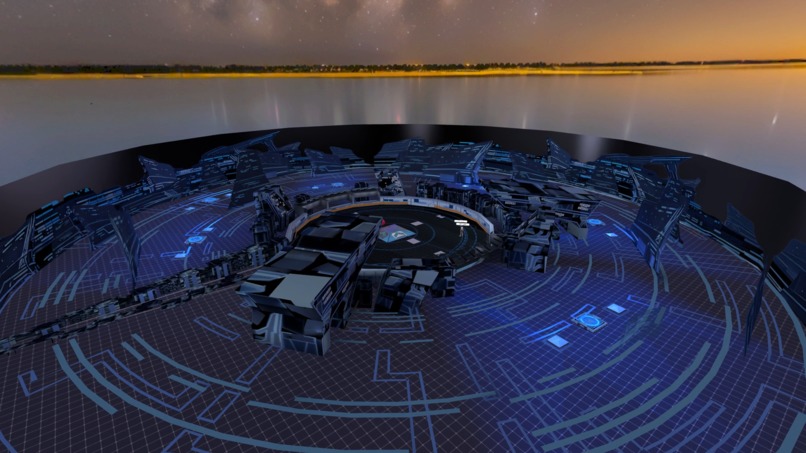
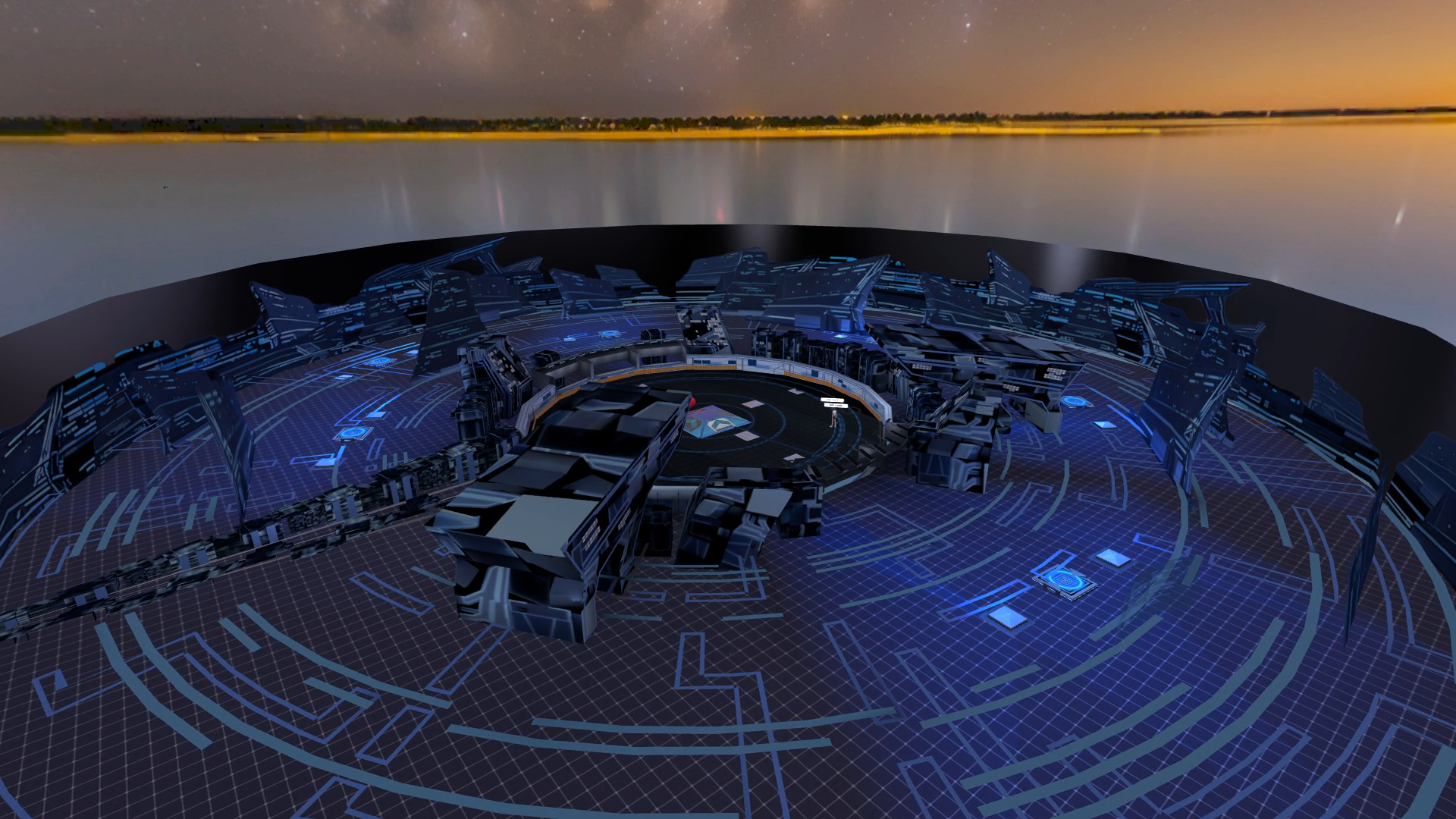
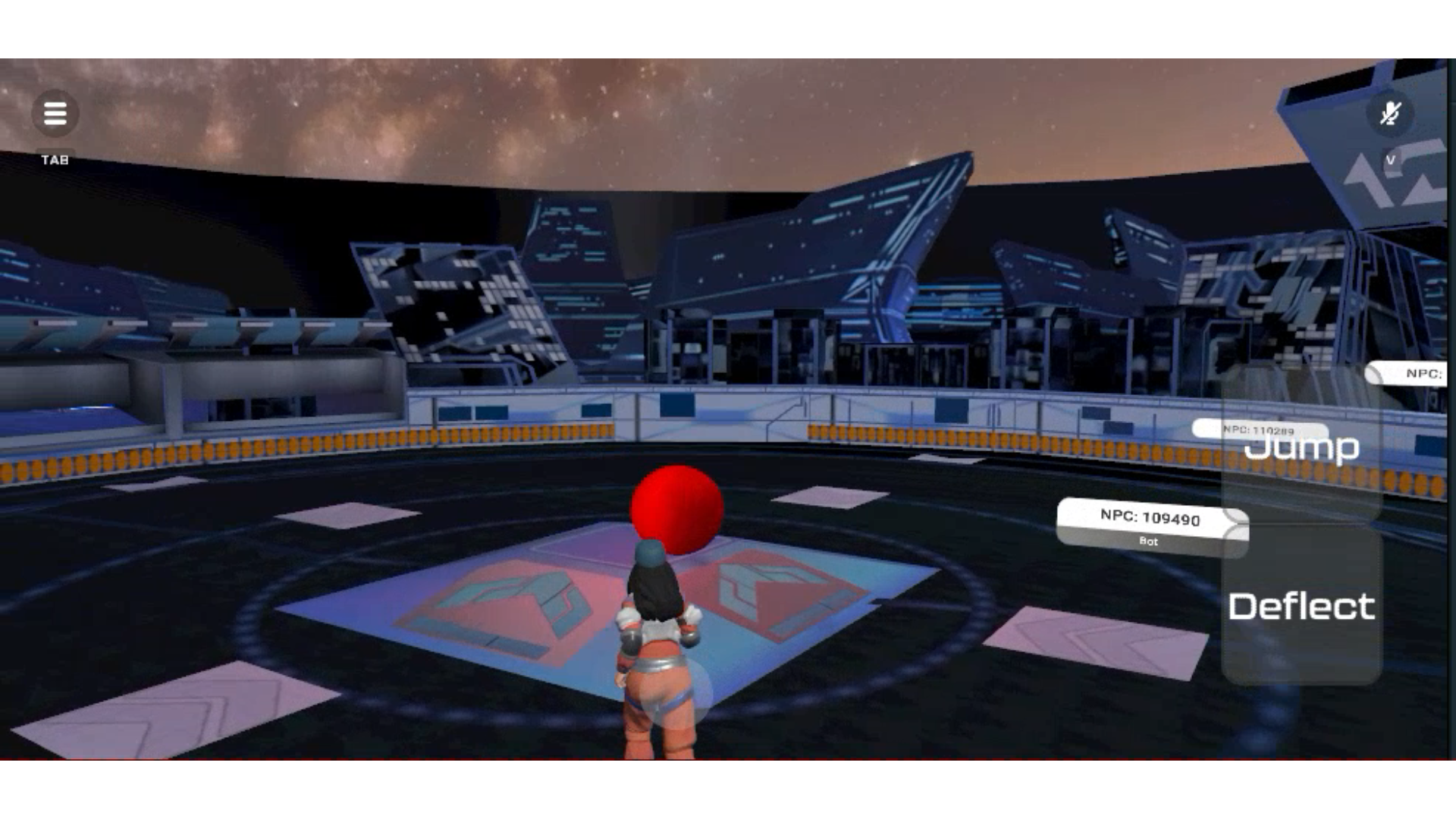
arena
-
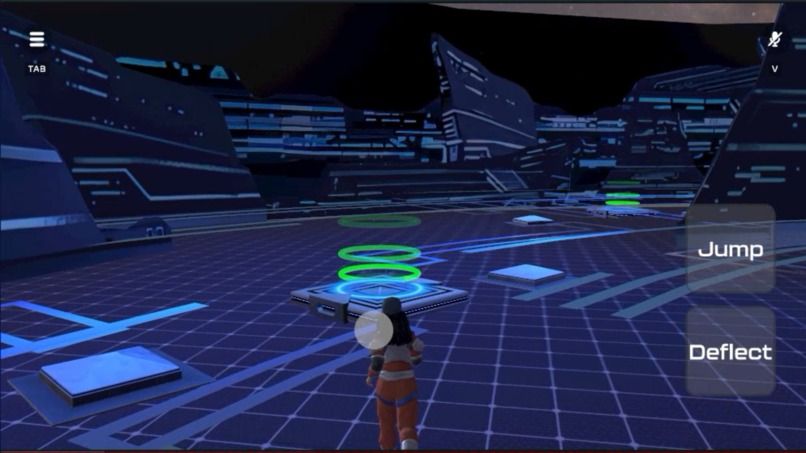
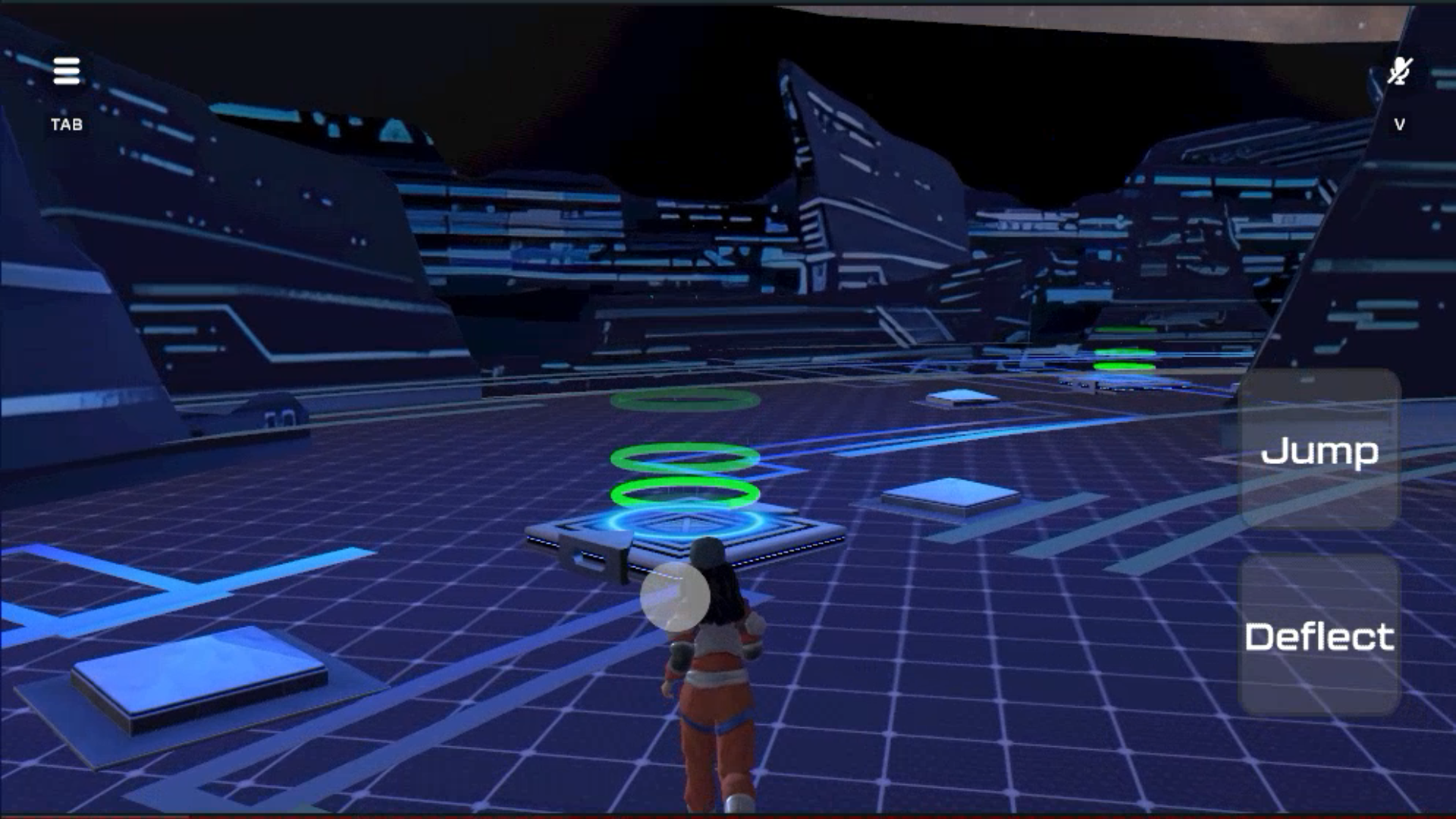
jump pad
-
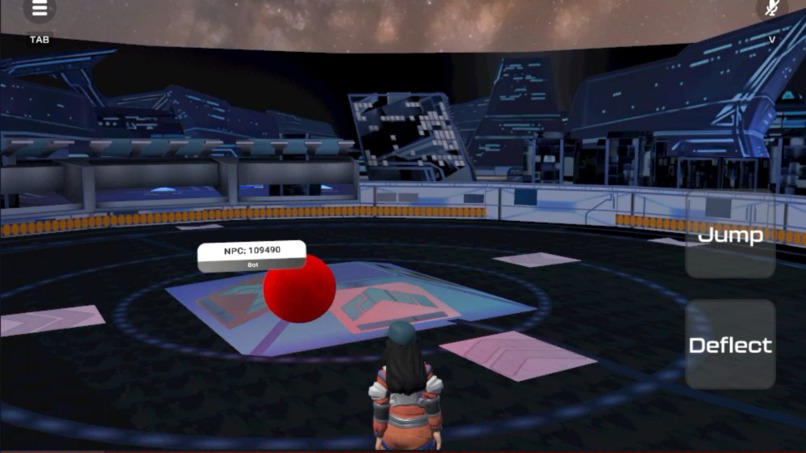
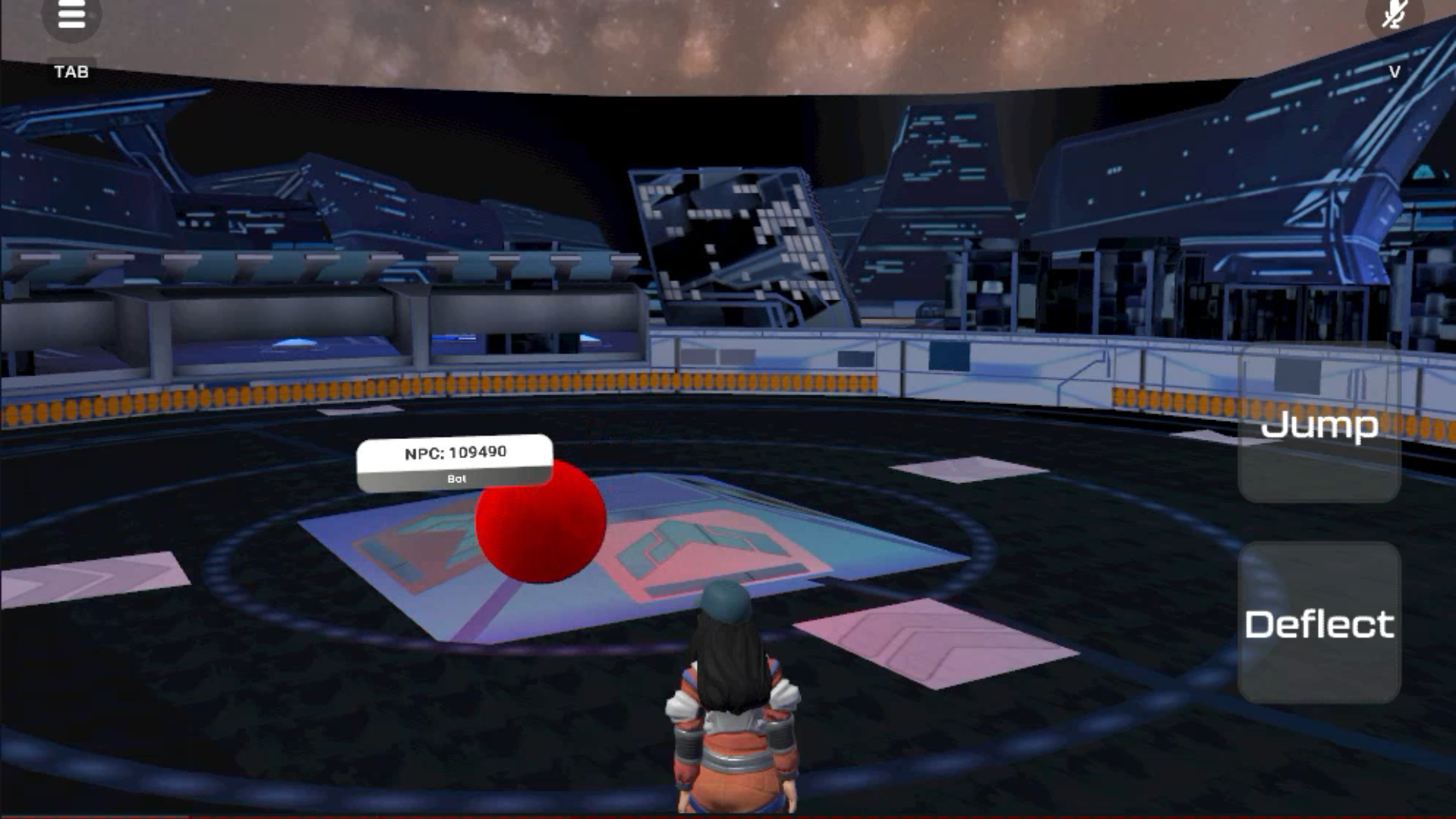
ultra ball
-

logo
-
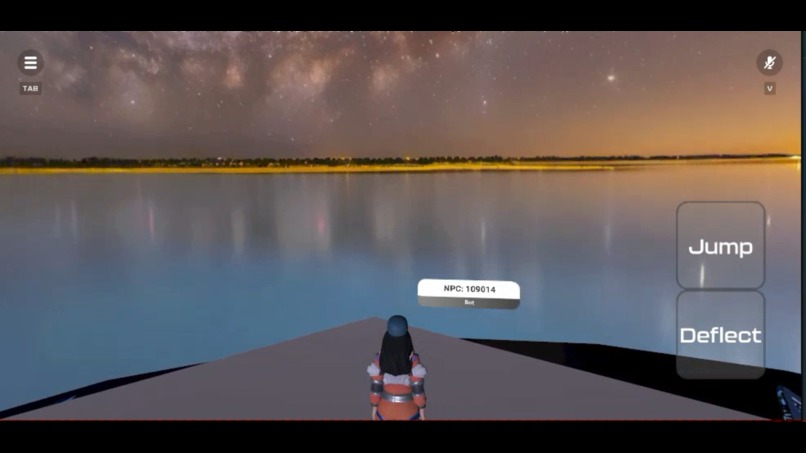
death place
-
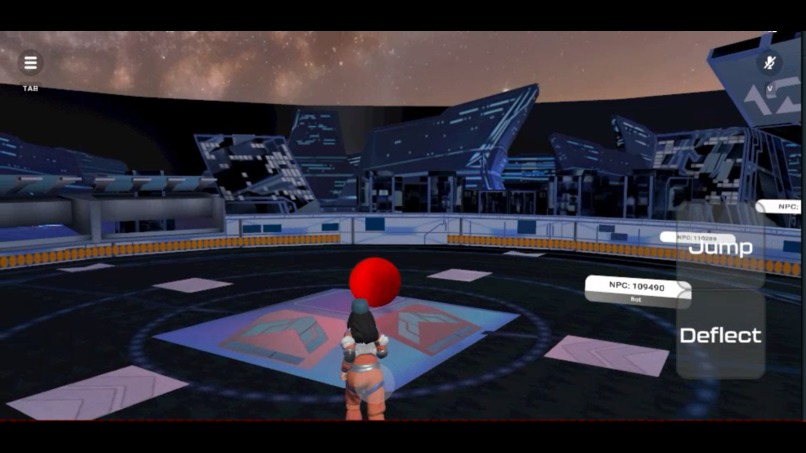
ball deflect

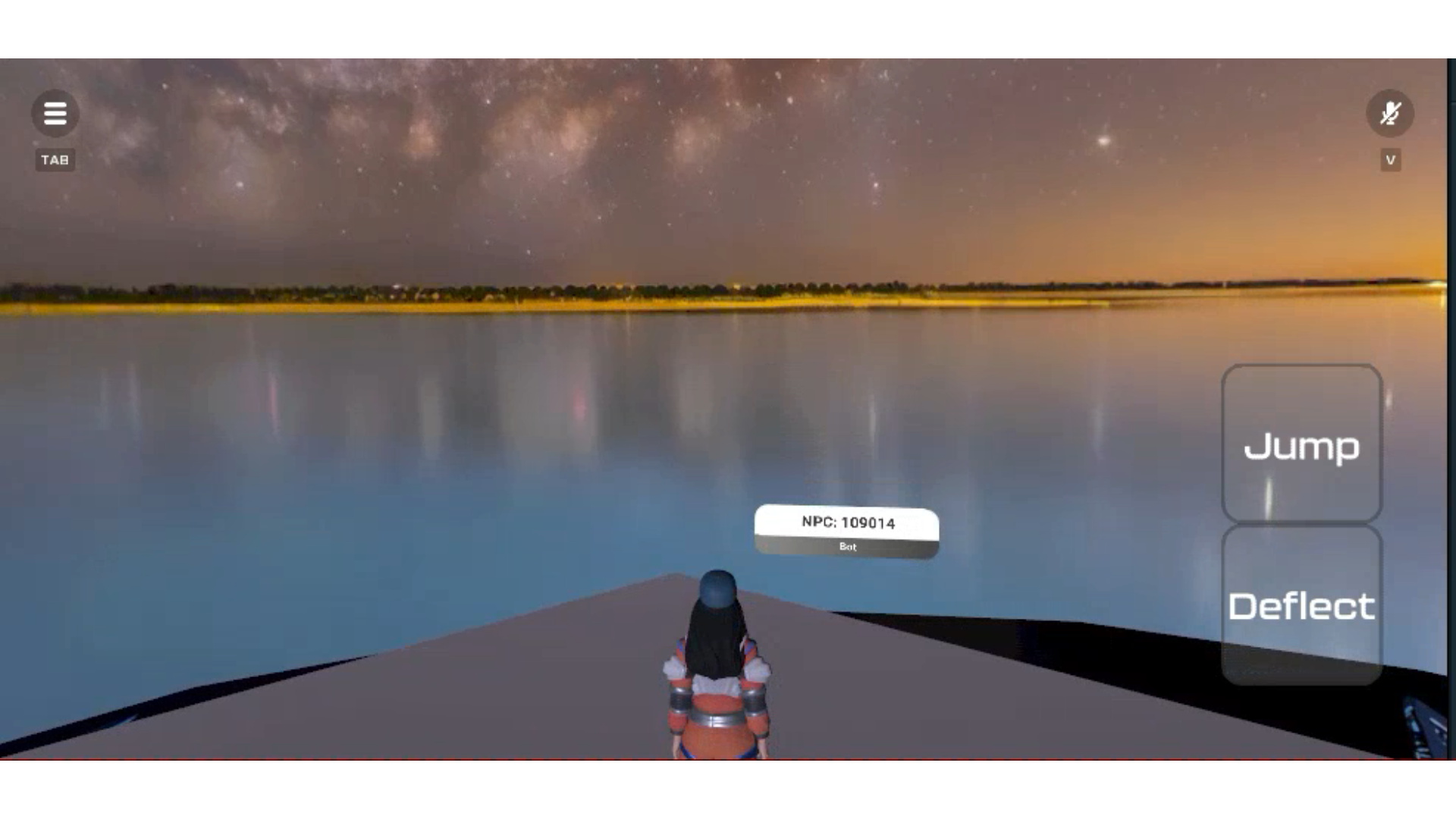
Inspiration
Ultra Ball Arena began as a personal challenge inspired by fast-paced reflex games like Blade Ball and my desire to create a competitive experience centered around timing, precision, and escalating tension. I wanted to design a world where a single energy ball becomes the core of the entire match, forcing players to make quick decisions and master a simple yet punishing mechanic: deflect or be eliminated. This idea pushed me to explore how tension can scale mathematically over time—such as speed increasing by a factor like ( v_{n+1} = v_n + \Delta v )—and how small adjustments to timing windows can dramatically affect difficulty.
What it does
Ultra Ball Arena delivers a fast-paced, reflex-driven experience built around a single core mechanic: survive by perfectly timing your deflects against a rapidly accelerating energy ball. Every match starts with a group of players (or NPCs acting like players), all placed inside a circular futuristic arena. An energy ball homes in on a random target and forces players to react with precision. Each successful deflect sends the ball ricocheting across the arena at higher speed, turning the tension up every second. The game creates a loop where pressure naturally builds—mistime one deflect and you’re instantly eliminated, leaving only the most precise player standing.
How we built it
I built most of the project using the Meta Worlds Editor’s AI tools, which made world generation, object setup, and iteration significantly faster. I learned how to refine prompts to produce cleaner logic, more efficient scripts, and better-looking environments. The AI helped automate repetitive tasks—like generating VFX, fixing NPC behavior, and balancing mechanics—while still allowing me to customize the game’s core identity.
Challenges we ran into
During development, I faced challenges such as syncing NPC deflect timing, preventing the ball from losing its target, and ensuring performance stability as VFX intensity increased. Debugging these systems taught me the importance of modular scripting and consistent testing.
Accomplishments that we're proud of
I’m proud of implementing responsive deflection mechanics, polished win sequences, and NPCs that feel almost player-like. Ultra Ball Arena currently offers fast matches, clean visuals, and a rewarding skill curve—but there’s more to come. Future updates will include new abilities, expanded arenas, improved NPC difficulty scaling, and cosmetics to enhance player identity.
What we learned
While building Ultra Ball Arena, I learned far more than I expected—both technically and creatively. One of the biggest lessons was understanding how game feel matters just as much as game logic. A simple mechanic like deflecting the ball required careful tuning: adjusting timing windows, smoothing animations, and syncing visual effects so the interaction felt satisfying instead of stiff. I also learned how much impact small adjustments can have on difficulty, such as modifying acceleration values or hitbox sizes. Working with the Meta Worlds Editor’s AI tools taught me how to write clearer, more intentional prompts, and how to iterate quickly without relying entirely on manual setup. I learned the importance of debugging multiplayer-like interactions, specially making sure NPCs and the ball stayed synced, and that elimination logic didn’t break under high-speed conditions.
What's next for Ultra Ball Arena
Moving forward, Ultra Ball Arena has a clear path for growth, refinement, and new content. One of my next goals is to expand the game’s variety by introducing multiple arenas, each with unique visual themes, lighting styles, and environmental effects that change how matches feel. I also plan to add difficulty-scaling NPC tiers, allowing bots to react faster, deflect with more accuracy, and mimic higher-level player behavior. Another major focus is enhancing progression by implementing cosmetics, unlockable effects, and skill-based titles that give players more identity and long-term goals.
Built With
- ai
- blender
- gen
- metaai
- typescript
- vscode


Log in or sign up for Devpost to join the conversation.